Boat Storage in Gypsum, CO: Options, Costs, and Key Tips |
| BOAT STORAGE IN GYPSUM, CO: OPTIONS, COSTS, AND WHAT TO KNOW BEFORE YOU STORE
⏱ 11 min read ·
📄 #2,141 words
Boat storage in Gypsum, CO costs $209 to $375 per month at Vail Airport Storage. Compare open parking and enclosed drive-up options, sizes, and winter prep tips.
|
B oat storage in Gypsum, Colorado costs between $209 and $375 per month at Vail Airport Storage, depending on whether you choose open parking or an enclosed drive-up unit. Most boat owners in the Vail Valley need a minimum 10x20 space for boats under 20 feet, while larger vessels require 10x25 or 10x30 units. The town's location along I-70 and proximity to Eagle County Regional Airport makes it a central hub for storing watercraft used at Wolford Mountain Reservoir, Green Mountain Reservoir, and Lake Dillon.
| Key Points: | |
|---|---|
| • | Open parking starts at $209/month for 8x15 spaces; enclosed drive-up units range from $249 to $375/month for 10x20 to 10x30 sizes |
| • | Gypsum's elevation of 6,275 feet means winter temperatures drop below 0 degrees Fahrenheit, requiring winterization before storage |
| • | Most Gypsum facilities require boats to be trailered; few offer direct water access or launch services |
| • | Drive-up units with power outlets ($249 to $375/month) allow battery trickle charging during off-season storage |
| • | Month-to-month leases are standard, with no deposits required at most local facilities |
Boat Storage Types Available in Gypsum
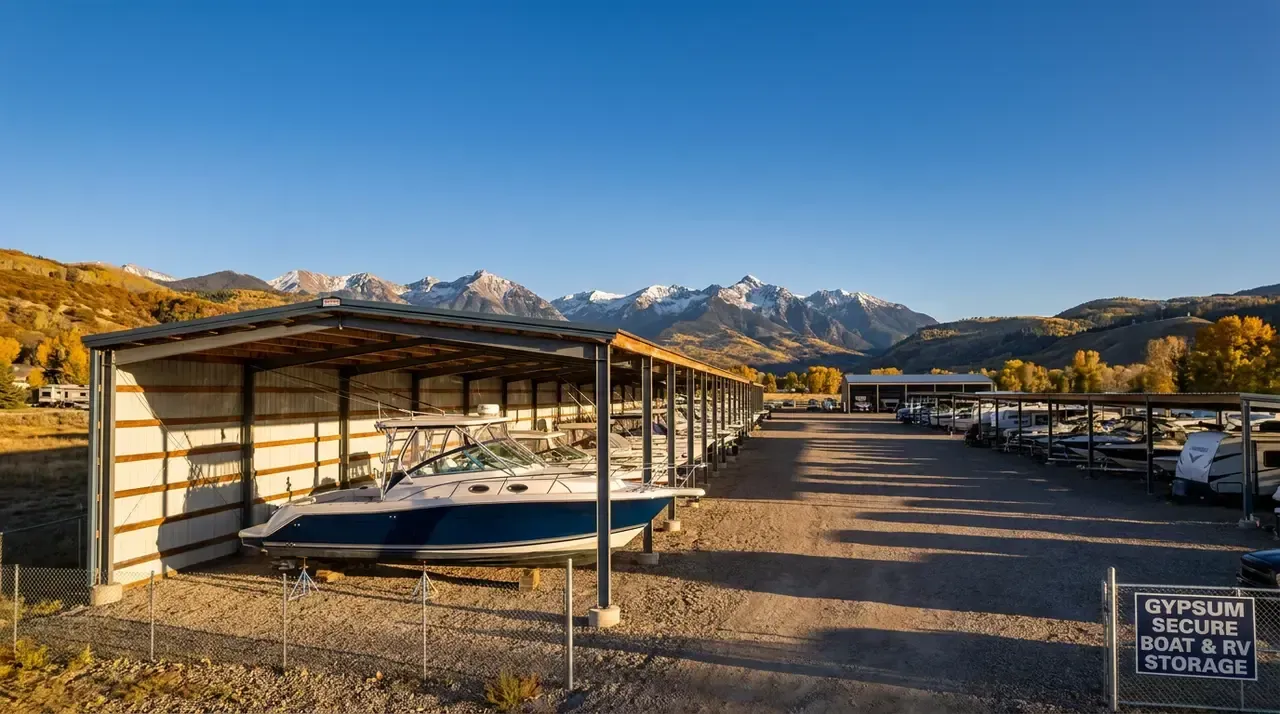
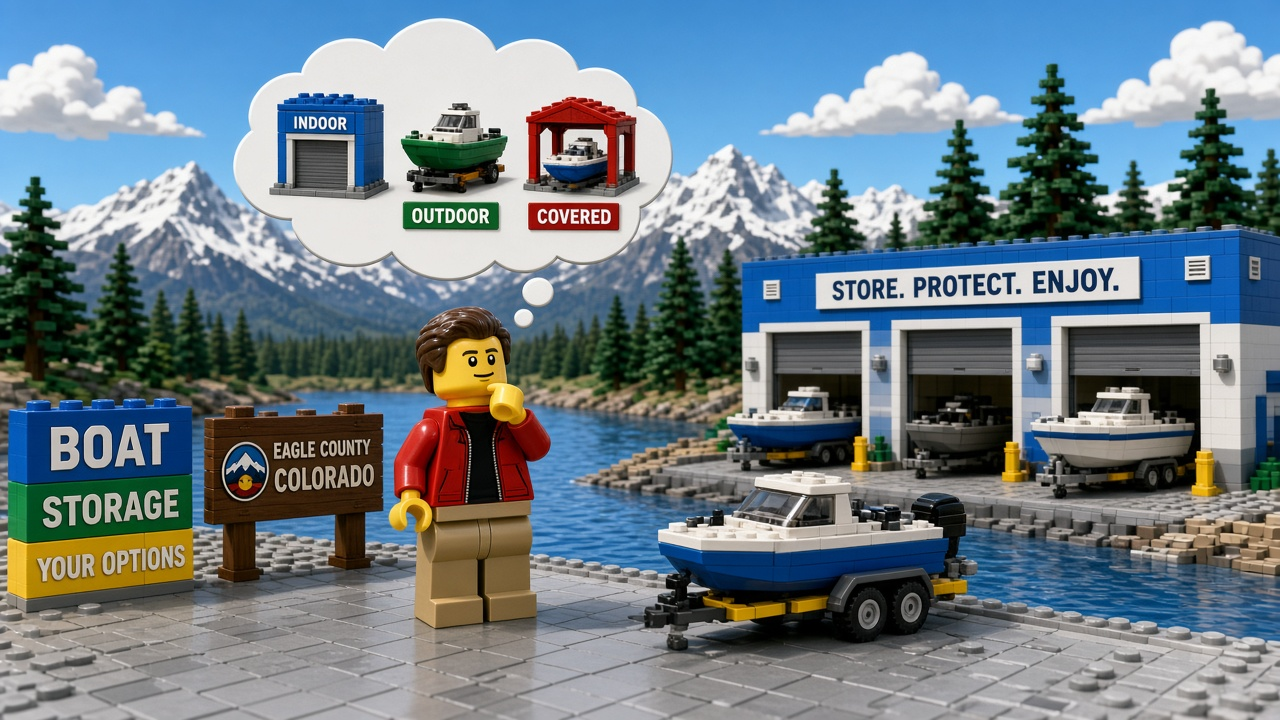
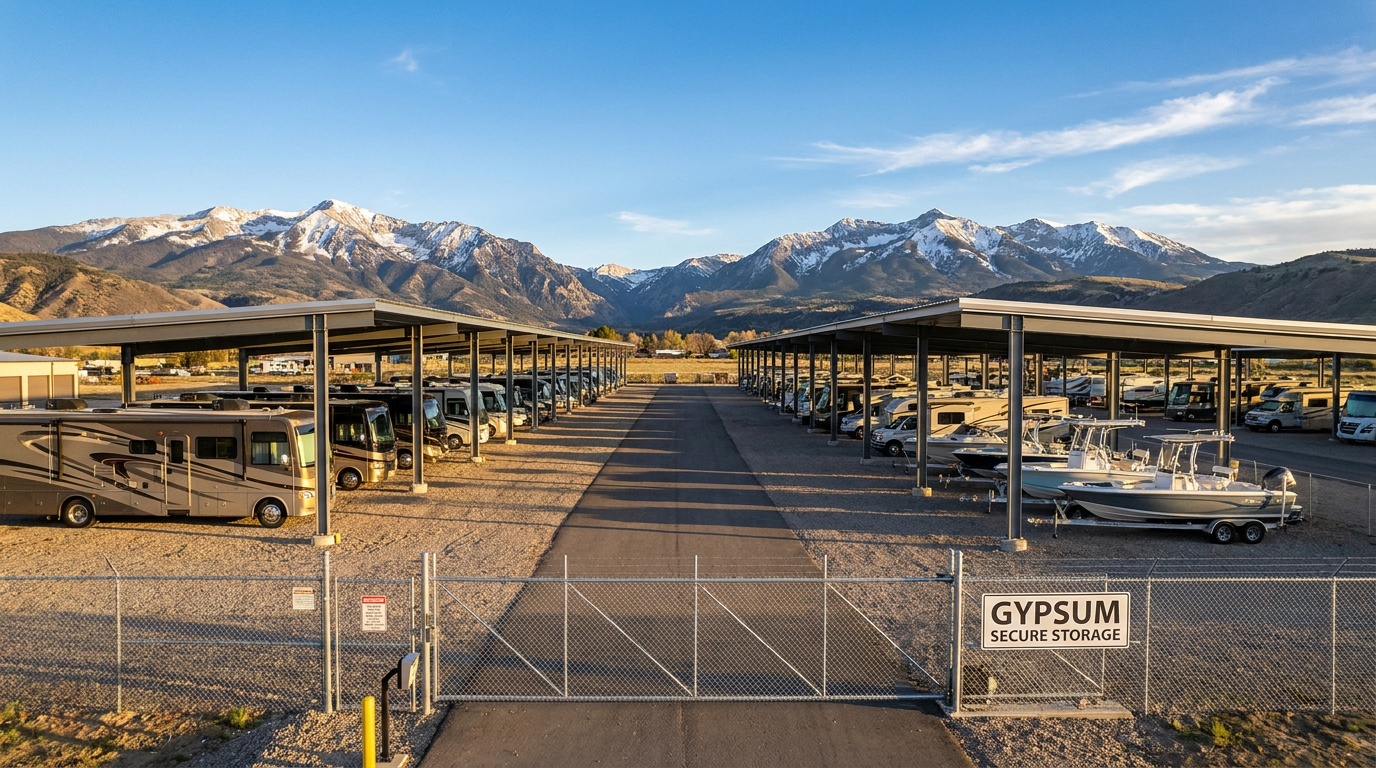
Gypsum offers three primary boat storage categories: open-air parking, enclosed drive-up units, and covered canopy storage. Each serves different protection needs and budgets. According to the Self Storage Association, vehicle and boat storage demand has increased 23% since 2020 in mountain recreation areas.
Open-air parking provides the most affordable option at approximately $209 per month for an 8x15 paved space. This works well for short-term summer storage when boats see frequent use. However, Colorado's intense UV exposure at high altitude (302 sunny days annually according to NOAA's Boulder Weather Forecast Office) can degrade vinyl seats, gel coat finishes, and canvas covers within 2 to 3 seasons without protection.
Enclosed drive-up units offer complete weather protection with sizes ranging from 10x20 ($375/month) to 10x30 ($299/month). Units with built-in power outlets and lighting cost $249 to $375 monthly and allow owners to maintain battery trickle chargers. This prevents the dead battery issues common after Colorado's 5 to 6 month off-season.
| Storage Type | Size Range | Monthly Cost | Best For |
|---|---|---|---|
| Open Parking | 8x15 | $209 | Frequent access, summer-only storage |
| Enclosed Drive-Up | 10x20 to 10x30 | $249 to $375 | Year-round protection, off-season storage |
| Covered Canopy | 12x30 to 15x40 | $175 to $350 | Weather protection with easy access |
| Drive-Up with Power | 10x25 to 10x30 | $249 to $375 | Battery maintenance, light mechanical work |
What Size Unit Do You Need for Your Boat?
Boat storage sizing depends on overall length including the trailer tongue, which typically adds 3 to 5 feet beyond the hull measurement. A 16-foot fishing boat on a trailer measures approximately 19 to 21 feet total, requiring at least a 10x25 unit. Ski boats and wakeboard boats in the 20 to 24 foot range need 10x30 spaces minimum.
Width matters equally. Most trailered boats measure 8 to 8.5 feet wide including mirrors and fenders. Standard 10-foot-wide drive-up units provide adequate clearance, but pontoon boats (typically 8 to 8.5 feet wide at the deck) may require units with 15-foot door openings for comfortable maneuvering. Vail Airport Storage offers a storage unit size guide to help match your vessel dimensions to available spaces.
Height clearance becomes critical for boats with T-tops, bimini frames, or radar arches. Measure from the ground to the highest fixed point with the trailer attached. Most enclosed drive-up units offer 9 to 10 foot ceiling clearance, sufficient for center console boats but potentially tight for flybridge cruisers or sailboats on trailers.
Preparing Your Boat for Gypsum's Mountain Climate
Gypsum sits at 6,275 feet elevation where winter temperatures regularly drop below zero degrees Fahrenheit. The BoatUS Foundation reports that freeze damage accounts for 40% of all winterization-related insurance claims in mountain states. Proper preparation before storage prevents cracked engine blocks, split hoses, and damaged plumbing systems.
Engine and Fuel System Winterization
Drain all water from the engine block, manifolds, and cooling system. For inboard and sterndrive engines, run antifreeze rated to minus 50 degrees Fahrenheit through the cooling system. Outboard motors should be stored in the down position after draining the lower unit and fogging the cylinders with storage oil.
Fill the fuel tank to 90% capacity and add a stabilizer like Sta-Bil or Star Tron at the manufacturer-recommended ratio (typically 1 ounce per 2.5 gallons). Run the engine for 10 to 15 minutes to circulate treated fuel through the entire system. This prevents ethanol-related phase separation and carburetor varnishing during the 5 to 6 month off-season.
Electrical and Battery Care
Disconnect battery terminals and remove batteries if storing in unheated spaces. Lead-acid batteries lose approximately 1% charge per day at freezing temperatures and can be permanently damaged if they freeze while discharged. Store batteries in a temperature-stable location (above 32 degrees Fahrenheit) on a trickle charger or battery maintainer.
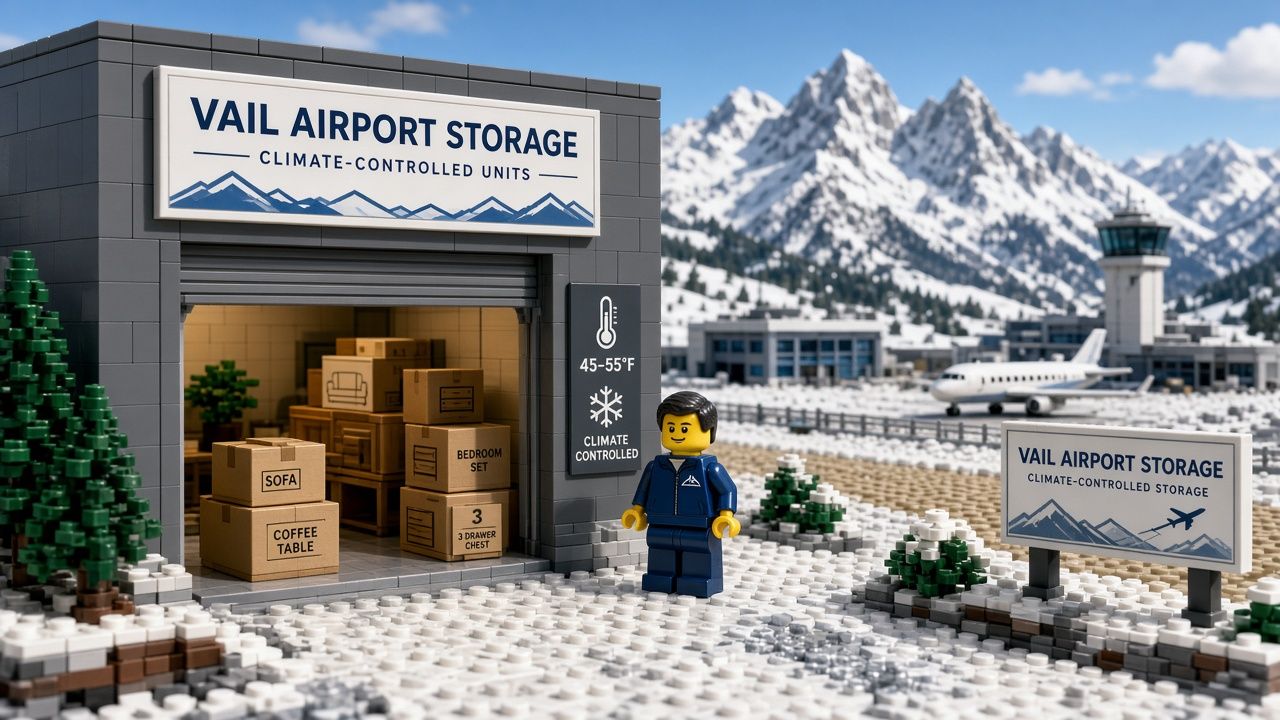
Drive-up units with power outlets at facilities like Vail Airport Storage allow owners to leave batteries connected to maintainers. The 10x30 drive-up units with power and lights($299/month) provide this capability, eliminating the need to transport heavy marine batteries for winter charging.
Interior and Exterior Protection
Remove all drain plugs to prevent water accumulation. Clean and dry the interior thoroughly, then leave compartments and storage areas open for air circulation. Moisture trapped in enclosed spaces promotes mold growth, which the EPA notes can develop within 24 to 48 hours in humidity above 60%.
Apply a quality wax or ceramic coating to the hull before storage. Colorado's low humidity (averaging 35 to 45% annually) can dry out gel coat and vinyl surfaces. Cover the boat with a breathable fabric cover rather than plastic tarps, which trap condensation and accelerate corrosion.
Security Features to Look For
Boat theft in Colorado increased 12% between 2023 and 2025, according to the National Insurance Crime Bureau's Hot Wheels report. High-value watercraft require storage facilities with multiple security layers beyond basic fencing.
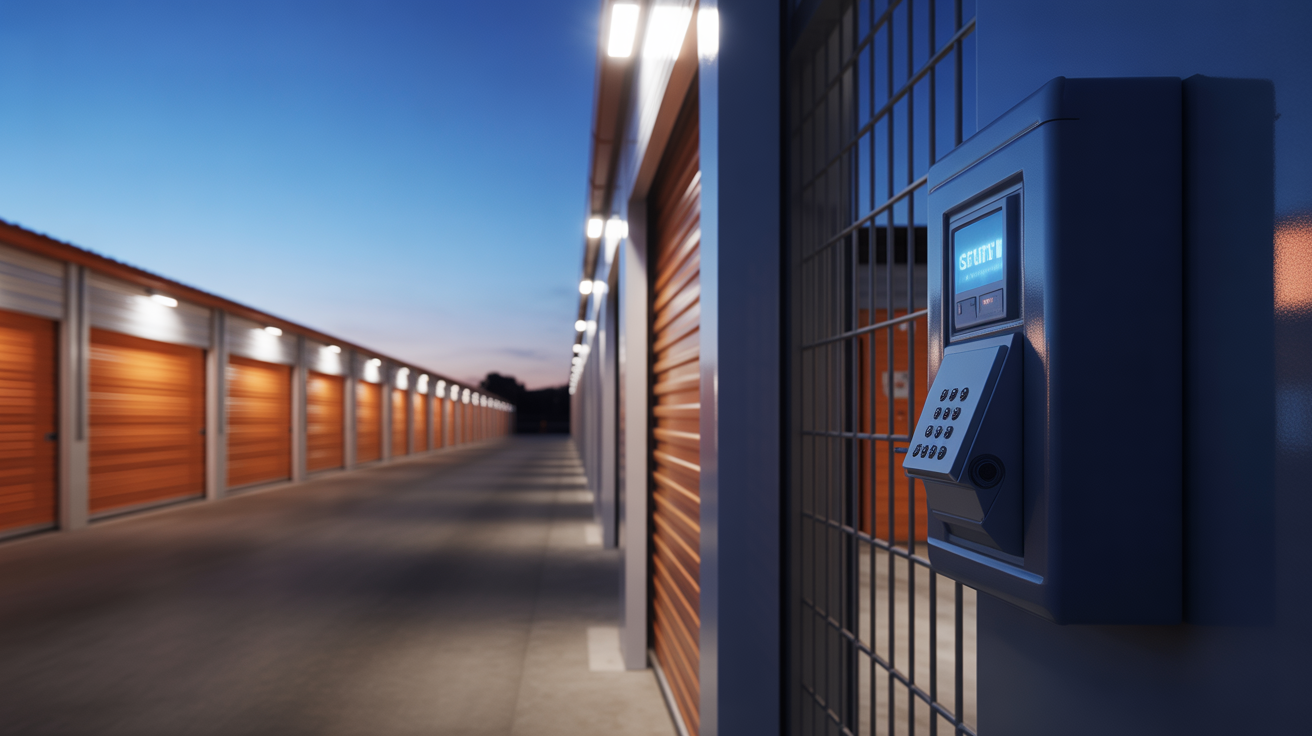
Modern facilities use smartphone-based access systems like Noke Bluetooth smart locks that create detailed access logs showing exactly when each unit was opened. This technology eliminates the vulnerability of lost keys or shared gate codes. Digital key sharing allows owners to grant temporary access to mechanics or detailers without compromising long-term security.
Essential security features include: 24/7 digital video surveillance with at least 30-day recording retention, perimeter fencing of 8 feet minimum height, LED lighting throughout the facility, and individual unit alarms or motion detection. Facilities adjacent to active businesses or airports, like those near Eagle County Regional Airport (EGE), benefit from additional natural surveillance during operating hours.
Access Hours and Convenience Factors
Boating in the Vail Valley often means early morning departures to reach Wolford Mountain Reservoir (45 minutes), Green Mountain Reservoir (50 minutes), or Lake Dillon (55 minutes) before afternoon winds pick up. Storage facilities with restricted access hours (typically 6 AM to 9 PM) limit flexibility for dawn launches.
True 24/7 storage access allows retrieval at any hour without advance notice. This matters particularly during Colorado's short summer boating season (Memorial Day through Labor Day for most high-elevation reservoirs) when maximizing water time justifies early starts.
Drive-up access eliminates the need to navigate hallways or elevators with bulky gear. Ground-level units allow direct trailer hookup and departure within minutes. Consider facilities located near I-70 for quick access to both eastbound (Lake Dillon, Denver-area lakes) and westbound (Rifle Gap, Harvey Gap) destinations.
Insurance and Protection Requirements
Most storage facilities require proof of liability insurance or enrollment in a tenant protection plan. Standard homeowners policies often exclude watercraft over 25 horsepower or vessels stored off-premises for more than 30 days. Contact your insurance agent to verify coverage before assuming protection exists.
Dedicated boat insurance from providers like Progressive, Geico, or specialized marine insurers (BoatUS, United Marine) typically costs $200 to $500 annually for boats valued under $50,000. Policies should include agreed-value coverage (not actual cash value), which pays the full insured amount rather than depreciated value in case of total loss.
Tenant protection plans offered by storage facilities provide supplemental coverage starting around $10 to $30 monthly for $2,000 to $10,000 in protection. These plans cover theft, fire, and certain weather damage but typically exclude mechanical failure, vermin damage, or flooding. Read exclusions carefully before relying solely on facility-provided coverage.
Seasonal Timing and Availability
Boat storage demand in Gypsum peaks twice annually: late September through October (end of boating season) and April through May (spring retrieval). Facilities report 85 to 95% occupancy during these transition periods. Reserving a unit 4 to 6 weeks before your intended storage date increases the likelihood of securing preferred sizes.
Month-to-month leases provide flexibility for seasonal storage without long-term commitments. Most Gypsum facilities, including Vail Airport Storage, require no deposits and allow fully online rental and payment processing. This eliminates the need for in-person visits during busy pre-season periods.
Off-peak storage (November through March) may offer promotional pricing at some facilities. However, availability for larger boat-sized units (10x25 and above) remains limited year-round due to the Vail Valley's high concentration of recreational vehicle owners.
Comparing Gypsum Storage Options
Several facilities serve boat owners in the Gypsum and Eagle area. Each offers different combinations of features, security, and pricing. The following comparison reflects 2026 market conditions for the most common boat storage sizes.
| Feature | Class A Facilities | Standard Facilities | Open Lot Storage |
|---|---|---|---|
| 10x25 Unit Cost | $345 to $405/month | $250 to $325/month | $150 to $200/month |
| 24/7 Access | Yes, smartphone-based | Limited hours typical | Varies by location |
| In-Unit Power | Available in select units | Rarely available | Not available |
| Video Surveillance | 24/7 digital recording | Basic coverage | Perimeter only or none |
| Weather Protection | Full enclosure | Full enclosure | None to partial cover |
| Deposit Required | Often none | 1 month typical | Varies |
Vail Airport Storage, located at 500 Plane Street adjacent to Eagle County Regional Airport, represents the Class A category with Noke smart lock technology, no deposit requirements, and drive-up units sized for boats and RVs. The facility's 9-foot perimeter fence, LED lighting, and 24/7 digital surveillance address the security concerns most important to boat owners.
Questions to Ask Before Signing a Lease
Not all storage facilities disclose important policies upfront. Ask these questions before committing to a lease to avoid unexpected restrictions or fees.
What are the actual unit dimensions? Some facilities advertise nominal sizes (10x25) that measure slightly smaller in practice. Request exact interior measurements including ceiling height and door opening width.
Are there restrictions on trailer types or propane tanks? Many facilities prohibit propane storage due to fire codes. Others restrict tandem-axle trailers or require specific tire protection (plywood, tire cradles) on concrete floors.
What happens if I need a different size? Policies vary on unit transfers. Some facilities allow free moves to available units; others charge transfer fees or require new lease agreements.
How is rent increase handled? Month-to-month leases provide flexibility but may include periodic rate adjustments. Ask about rate increase frequency, typical percentage changes, and advance notice requirements (30 days is standard in Colorado).
What documentation do you need? Most facilities require valid identification, vehicle registration for stored boats, and proof of insurance. Having these documents ready speeds the rental process.
Frequently Asked Questions
Can I work on my boat at the storage facility?
Most facilities allow minor maintenance like cleaning, battery charging, and equipment organization. Major repairs involving fluid changes, painting, or power tools typically require written permission or are prohibited entirely. Facilities with in-unit power outlets provide more flexibility for maintenance activities.
Do I need to drain the boat's water systems before storage?
Yes. Any water remaining in livewells, ballast tanks, freshwater systems, or engine cooling circuits will freeze and cause damage at Gypsum's winter temperatures. Complete drainage and antifreeze treatment are essential for storage lasting beyond October.
How far in advance should I reserve a unit?
For peak season storage (September through October), reserve 4 to 6 weeks ahead. Larger units (10x25 and above) fill fastest. Off-season availability is generally better, though facilities near I-70 maintain higher occupancy year-round.
Is covered parking better than enclosed storage?
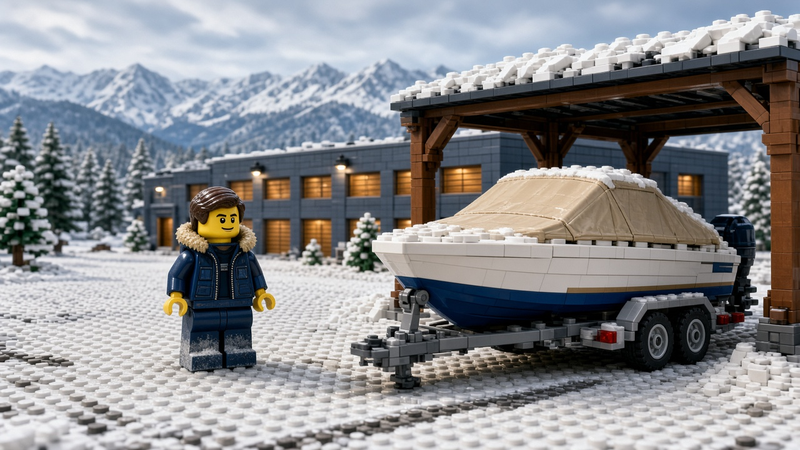
Covered canopy parking protects against sun damage and precipitation but not temperature extremes, dust, or security risks. Enclosed drive-up units provide complete protection and typically include individual locking doors. The 20 to 30% price premium for enclosed storage often proves worthwhile for boats valued over $15,000.
Can someone else access my unit to retrieve the boat?
Facilities using traditional padlocks require physical key sharing. Modern smart lock systems allow digital key sharing through smartphone apps, granting temporary access to family members, friends, or service providers without compromising your primary access credentials. Storage facility FAQs typically address guest access policies.
|