Hidden Storage Unit Fees: 12 Charges to Check Before Signing |
| WHAT HIDDEN FEES SHOULD I LOOK FOR WHEN RENTING STORAGE?
⏱ 13 min read ·
📄 #2,412 words
Storage unit hidden fees can add 30-50% to your monthly cost. Learn the 12 most common charges, from admin fees to rate hikes, and how to avoid them.
|
S torage unit hidden fees typically add 20-50% to your advertised monthly rate. The most common surprise charges include administrative fees ($15-50), mandatory insurance ($10-25/month), lock purchases ($15-30), late payment penalties ($20-50), and promotional rate increases that can double your rent after 30-90 days. Always request a written breakdown of total move-in cost and ongoing monthly charges before signing any lease.

| Key Points: | |
|---|---|
| • | Administrative fees range from $15-50 as a one-time charge at move-in |
| • | Mandatory insurance adds $10-25/month unless you provide proof of coverage |
| • | Promotional rates often increase 30-100% after the first 1-3 months |
| • | Late fees typically start at $20-50 and compound after 5-10 days past due |
| • | Move-out notice requirements can extend charges by a full billing cycle if missed |
The True Cost Gap: Advertised Price vs. Actual Monthly Payment
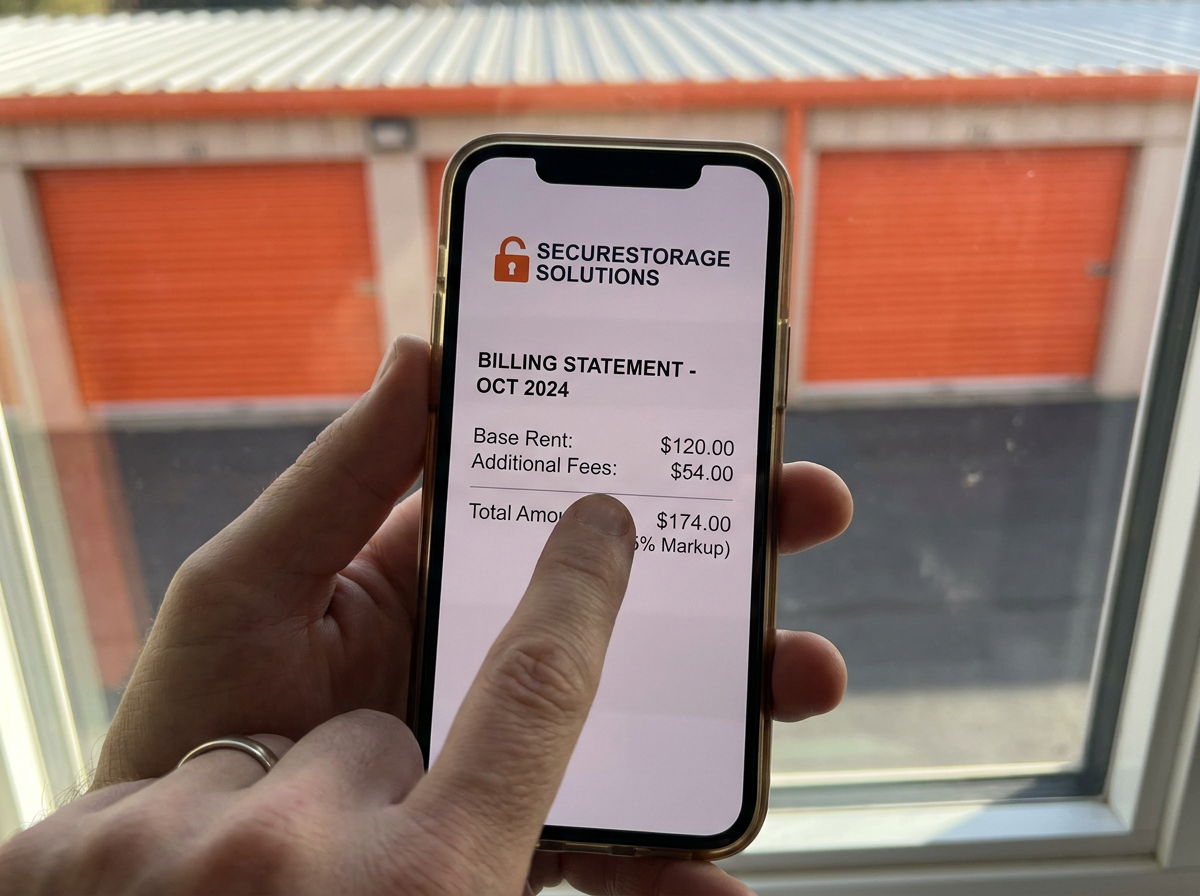
According to a 2024 Self Storage Association industry report, the average advertised storage rate is $89/month for a 10x10 unit. However, actual first-month costs average $127 when all fees are included. This 43% gap represents the hidden charges most renters discover only after signing their lease agreement.
A study by Consumer Reports found that 67% of storage renters reported unexpected charges within their first three months. The Self Storage Association of America confirms that administrative fees, insurance requirements, and promotional rate expirations account for 78% of these surprise costs.
Understanding this cost gap before you rent helps you budget accurately. The following breakdown covers each fee category, typical cost ranges, and specific questions to ask facility managers.
Administrative and Setup Fees
Administrative fees, sometimes called setup fees or account activation charges, are one-time costs assessed when you open a new storage account. These fees typically range from $15-50, with the national average sitting at $25 according to SpareFoot marketplace data from 2024.
Some facilities bundle administrative fees into a higher first-month rate rather than listing them separately. Others waive these fees during promotional periods or for customers who reserve online. Public Storage, Extra Space Storage, and CubeSmart all charge administrative fees, though amounts vary by location.
At Vail Airport Storage, there are no security deposits and just one flat $25 move-in fee, disclosed up front. This transparent pricing approach means your quoted rate is your actual monthly rate, with no surprise add-on charges.
Questions to Ask About Administrative Fees
Request specific information before committing to any facility. Ask whether the administrative fee is waived for online reservations. Confirm if the fee appears on your first invoice or is collected separately at signing. Check whether the fee is refundable if you cancel within a specific window.
Mandatory Insurance and Protection Plans
Most storage facilities require renters to carry insurance on stored items. According to the Insurance Information Institute, storage unit insurance requirements typically fall into two categories: facility-provided protection plans costing $10-25/month, or proof of existing coverage through renters or homeowners insurance.
Facility-provided insurance often covers only $2,000-5,000 in belongings, which may be insufficient for valuable items. State Farm, Allstate, and Progressive all offer storage unit riders on existing policies, typically costing $5-15/month with higher coverage limits.
Some facilities mark up their insurance programs significantly. A 2023 investigation by MarketWatch found that storage facility insurance costs averaged 40% more than equivalent coverage purchased directly from insurance providers.
How to Reduce Insurance Costs
Contact your existing renters or homeowners insurance provider before renting storage. Many policies automatically cover off-site belongings up to 10% of your total coverage amount. If your policy covers storage, request a certificate of insurance to provide to the facility.
For items requiring climate-controlled storage, such as electronics, artwork, or documents, verify that your insurance covers climate-related damage. Standard policies may exclude items damaged by temperature fluctuations in non-climate-controlled units.

Climate Control Surcharges and Premium Unit Fees
Climate-controlled storage units maintain temperatures between 55-80 degrees Fahrenheit and humidity levels between 30-50%. According to SpareFoot data, these units cost 25-50% more than standard drive-up units of equivalent size. A standard 10x10 unit averaging $89/month becomes $111-134/month with climate control.
In mountain climates like Colorado's Vail Valley, climate control protects items from temperature swings that can exceed 60 degrees between summer days and winter nights. The Self Storage Association reports that climate-controlled unit demand has increased 23% annually since 2020, driven by remote workers storing electronics and seasonal residents protecting valuables.
| Unit Type | 5x10 Average | 10x10 Average | 10x20 Average |
|---|---|---|---|
| Standard Drive-Up | $55-75/mo | $80-110/mo | $140-200/mo |
| Climate-Controlled | $75-110/mo | $110-165/mo | $200-300/mo |
| Premium Difference | +36-47% | +37-50% | +43-50% |
When Climate Control Is Worth the Premium
Items requiring climate control include wooden furniture, electronics, photographs, vinyl records, wine, musical instruments, and leather goods. According to the American Moving and Storage Association, items stored without climate control in extreme temperatures experience 3-5 times higher damage rates.
College students storing computers and seasonal residents storing ski equipment in the Vail Valley should budget for climate-controlled units. The premium cost is significantly less than replacing damaged electronics or warped ski boots.
Lock Purchase Requirements
Some storage facilities require renters to purchase a specific lock sold on-site, typically costing $15-30. Others accept any lock but recommend their proprietary options. According to a 2024 survey by Storage.com, 34% of facilities require lock purchases while 66% allow customer-provided locks.
Disc locks, also called cylinder locks, provide the highest security for storage units. Master Lock and American Lock both manufacture disc locks priced between $15-25 at hardware stores. Facility-sold locks often cost $5-10 more than retail equivalents.
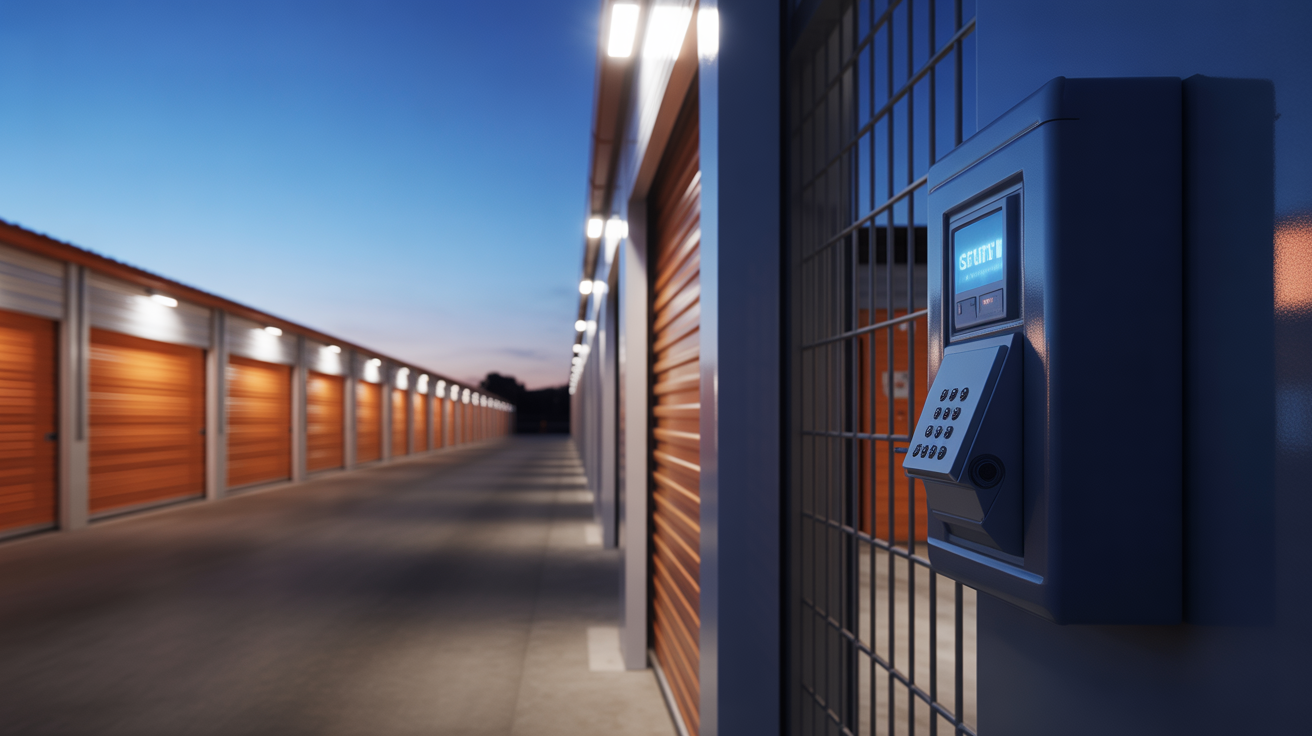
Modern facilities increasingly use smart lock technology instead of traditional padlocks. Vail Airport Storage uses Noke smart locks that allow 24/7 access via smartphone app, eliminating the need for physical keys or lock purchases entirely.
Security Deposits and Refund Policies
Security deposits range from $0-100 depending on the facility, with the national average at $35 according to SpareFoot. These deposits are theoretically refundable at move-out, but refund policies vary significantly between operators.
Some facilities deduct cleaning fees, damage assessments, or unpaid balance adjustments from deposits. Others require 30-day written notice before refunding deposits. The Better Business Bureau reports that deposit refund disputes rank among the top five storage industry complaints.
Vail Airport Storage operates without security deposits. This policy reflects confidence in our smart lock access tracking, which documents entry and exit times for every unit. Without deposits to dispute, the move-out process becomes straightforward.
Taxes and Government Fees
Storage rental is subject to state and local sales tax in most jurisdictions. According to the Tax Foundation, 45 states charge sales tax on storage services, with rates ranging from 4% in Colorado to over 10% in parts of California and New York.
Many facilities quote pre-tax rates in advertisements. A $100/month unit in a 7% tax jurisdiction actually costs $107/month. Over a 12-month lease, this adds $84 to your annual storage expense.
Some municipalities also assess business license fees, environmental fees, or utility surcharges that facilities pass through to renters. These charges typically add $2-5/month and may appear as separate line items on your invoice.
Late Fees and Payment Penalties
Late fees represent one of the most expensive hidden costs in storage rental. According to the Self Storage Association, the average late fee is $20-25, assessed when payment is 5-10 days past due. Many facilities charge additional fees for each subsequent late period.
After 30-60 days of non-payment, facilities in most states can begin lien proceedings. Lien-related charges, including auction preparation fees and legal notices, can add $50-200 to your balance. According to the Self Storage Association, approximately 850,000 storage units are auctioned annually due to non-payment.
| Days Late | Typical Fee | Additional Consequences |
|---|---|---|
| 1-5 days | $0-10 | Grace period at many facilities |
| 6-10 days | $20-25 | First late fee assessed |
| 11-30 days | $25-50 | Access may be restricted |
| 31-60 days | $50-100 | Lien notice sent |
| 60+ days | $100-200+ | Auction proceedings begin |
How to Avoid Late Fees
Set up automatic payments through your facility's online portal. Most major operators, including Public Storage, Extra Space Storage, and Life Storage, offer autopay options. Some facilities provide $5-10/month discounts for autopay enrollment.
If you anticipate payment difficulty, contact your facility before the due date. Many operators offer payment plans or grace period extensions for customers who communicate proactively.
Move-Out Notice Requirements
Most storage leases require 7-30 days written notice before move-out. Failing to provide notice can result in charges for an additional billing cycle, even if you vacate the unit. According to the Self Storage Association, notice requirement violations generate approximately $180 million in annual charges industry-wide.
Notice requirements vary by facility and state law. California requires facilities to accept notice at any time before the next billing cycle. Texas allows facilities to require up to 30 days notice. Colorado has no statewide requirement, leaving terms to individual lease agreements.
Review your lease for move-out provisions before signing. Ask specifically: "If I vacate on the 15th of the month, what do I owe?" The answer reveals whether your facility prorates final month charges or requires full-month payment.
Promotional Rate Increases
First-month-free offers and 50%-off promotions attract new renters, but rates typically increase significantly after the promotional period ends. According to a 2024 analysis by Neighbor.com, promotional rates increase an average of 47% after expiration, with some facilities doubling rates.
Public Storage, the largest self-storage operator in the United States, has faced multiple class-action lawsuits over promotional rate practices. Extra Space Storage and CubeSmart have implemented similar promotional strategies that can surprise renters at renewal time.
Vail Airport Storage publishes standard rates that stay competitive with regional averages, with no promotional bait-and-switch. Renters see the real monthly rate up front, so renewal does not create payment shock.
Questions About Promotional Pricing
Before accepting any promotional offer, ask these specific questions. What is the standard monthly rate after the promotion ends? When exactly does the promotional period expire? Is there a cap on annual rate increases after the promotional period? Can I lock in a rate for 6-12 months?
Access Fees and Premium Location Charges
Some facilities charge premium fees for units with desirable characteristics. Ground-floor units, units near elevators, and units with direct drive-up access may cost $10-30/month more than comparable units in less convenient locations.
Extended access hours can also trigger fees. Facilities offering 24/7 access sometimes charge $10-20/month for this privilege, while others restrict non-premium customers to business hours only. According to SpareFoot, 62% of facilities offer 24/7 access, but only 41% include it in the base rate.
Vail Airport Storage includes 24/7 access with smart lock technology for all renters at no additional charge. Our unit size guide displays all-inclusive pricing without access premiums or location surcharges.
Seasonal Rate Adjustments
Storage facilities in tourist destinations and college towns often adjust rates seasonally. According to the Self Storage Association, rates in ski resort areas can increase 15-25% during winter months, while college town rates spike 20-30% in August and September.
The Vail Valley experiences significant seasonal demand fluctuations. Seasonal residents storing belongings during off-months and tourists storing ski equipment create peak demand from November through April. Renters who sign leases during off-peak months may see rate increases at renewal.
Ask whether your facility adjusts rates seasonally and whether your lease locks in a rate for its duration. Month-to-month leases offer flexibility but expose renters to seasonal rate increases.
Complete Fee Comparison Checklist
Use this checklist when comparing storage facilities. Request written answers to each question before signing any lease agreement.
| Fee Category | Question to Ask | Typical Range |
|---|---|---|
| Administrative Fee | Is there a one-time setup or admin fee? | $0-50 |
| Insurance | Can I use my own insurance policy? | $10-25/mo |
| Lock | Must I buy a lock from you? | $15-30 |
| Security Deposit | Is a deposit required? Is it refundable? | $0-100 |
| Taxes | Is the quoted rate before or after tax? | 4-10% |
| Late Fee | What is the late fee and grace period? | $20-50 |
| Move-Out Notice | How much notice is required to vacate? | 7-30 days |
| Rate Increases | What is the rate after the promo ends? | 30-100% increase |
| Access Hours | Is 24/7 access included or extra? | $0-20/mo |
Frequently Asked Questions About Storage Fees
What fees are included in the first month of storage rental?
First-month costs typically include the base rental rate, administrative fee ($15-50), prorated days if not starting on the first, first month's insurance ($10-25), lock purchase if required ($15-30), and applicable taxes (4-10%). Total first-month costs average 40-60% higher than the advertised monthly rate.
Is storage unit insurance required?
Most facilities require insurance coverage, but you can often use your existing renters or homeowners policy instead of purchasing facility-provided coverage. Contact your insurance provider to confirm off-site storage coverage before renting. Provide a certificate of insurance to the facility to waive their protection plan requirement.
Can a storage facility raise my rent after the promotional period?
Yes. Storage facilities can increase rates after promotional periods end, and most do. Rate increases of 30-100% are common. Review your lease for rate increase provisions and ask about post-promotional pricing before signing. Some facilities offer rate-lock guarantees for 6-12 month commitments.
What happens if I pay my storage bill late?
Late payments trigger fees of $20-50 after a 5-10 day grace period. Continued non-payment leads to access restrictions, lien notices, and eventually auction of your belongings. Most states allow facilities to auction contents after 30-90 days of non-payment following proper legal notice.
Do climate-controlled units always cost more?
Yes. Climate-controlled units cost 25-50% more than standard units of the same size. This premium reflects the cost of maintaining consistent temperature (55-80 degrees Fahrenheit) and humidity (30-50%). The premium is worthwhile for temperature-sensitive items like electronics, documents, wooden furniture, and artwork.
Finding Transparent Storage Pricing in Vail Valley
Hidden fees make storage budgeting difficult, but transparent operators exist. When comparing facilities near Eagle County Regional Airport, look for operators that publish all-inclusive pricing, waive administrative fees and security deposits, include 24/7 access at no extra charge, and clearly disclose post-promotional rates.
Vail Airport Storage was designed with transparent pricing as a core principle. Our published rates carry no security deposits, no access premiums, and one disclosed $25 move-in fee. Smart lock technology eliminates lock purchase requirements while providing convenient smartphone access.
For seasonal residents, college students, and outdoor enthusiasts storing gear in the Vail Valley, transparent pricing simplifies budgeting and eliminates move-in surprises. Request a complete fee breakdown from any facility before signing, and compare total costs rather than advertised rates.
|