What to Do When Your Storage Unit Is Broken Into: 8 Steps |
| WHAT TO DO WHEN YOUR STORAGE UNIT IS BROKEN INTO
⏱ 5 min read ·
📄 #920 words
Storage unit broken into? Take these 8 critical steps within 24 hours to document theft, file police reports, and maximize your insurance claim recovery.
|
C all the police immediately, then notify facility management and document everything with photos before touching anything. File a police report within 24 hours, contact your insurance provider within 48 hours, and request security footage before it gets overwritten, which typically happens within 7 to 14 days.

| Key Points: | |
|---|---|
| • | Do not enter or touch anything until police arrive and document the scene |
| • | File a police report within 24 hours; insurance claims require a case number |
| • | Request security footage immediately as most facilities overwrite within 7 to 14 days |
| • | Storage facilities are typically not liable for theft due to lease agreement waivers |
| • | Renters or homeowners insurance often covers storage unit theft up to $10,000 |
Step 1: Do Not Enter the Unit
Your first instinct will be to rush inside and assess what is missing. Resist this urge. Entering the unit before police arrive contaminates the crime scene and can compromise your insurance claim. Stand back at least 10 feet and observe without touching the door, lock, or any items visible from outside.
Take photos from outside the unit showing the broken lock, damaged door, and any visible disturbance. These initial photos establish the crime scene before any contamination occurs. Note the exact time you discovered the break-in and write it down immediately.
Step 2: Call 911 or Local Police
Report the break-in to local law enforcement before doing anything else. In Eagle County, Colorado, call the non-emergency line at (970) 328-8500 for property crimes, or 911 if you believe the perpetrator may still be nearby. Request that an officer come to the scene to file an official report.
When speaking with dispatch, provide the facility address, your unit number, and a brief description of visible damage. Ask for the responding officer's name and badge number, and request a case number before they leave. You will need this case number for every insurance claim and follow-up inquiry.
Step 3: Notify Facility Management Immediately
Contact the storage facility manager or on-site staff as soon as you have called police. Most facilities have 24-hour emergency contact numbers posted at the entrance or listed on your rental agreement. Report the exact unit number, time of discovery, and visible damage.
Request that management preserve all security footage from the past 72 hours. Most digital surveillance systems automatically overwrite footage after 7 to 14 days, so timing is critical. Ask for written confirmation that footage has been preserved and request copies for your records and insurance claim.
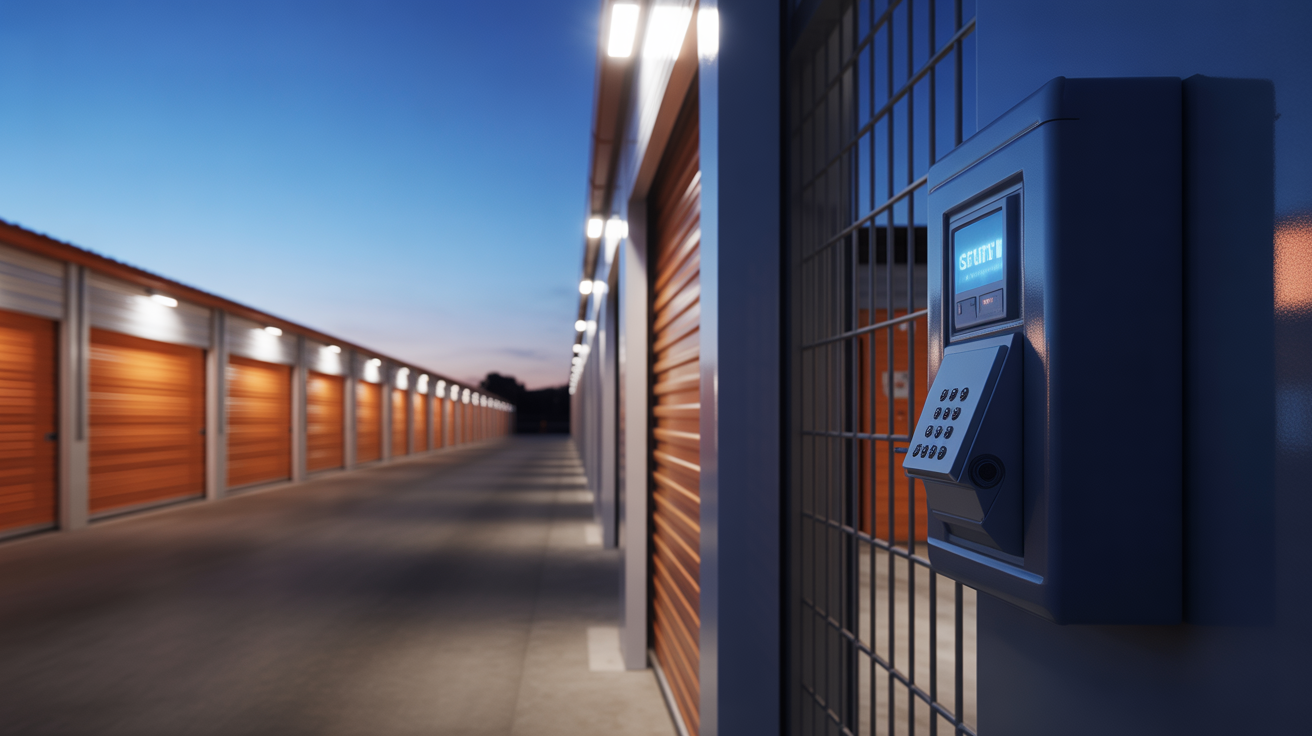
Facilities with smart lock technology can provide access logs showing exactly when your unit was opened and by which credentials. This digital trail can identify unauthorized access patterns and help police narrow their investigation timeline.
Step 4: Document Everything Before Cleanup
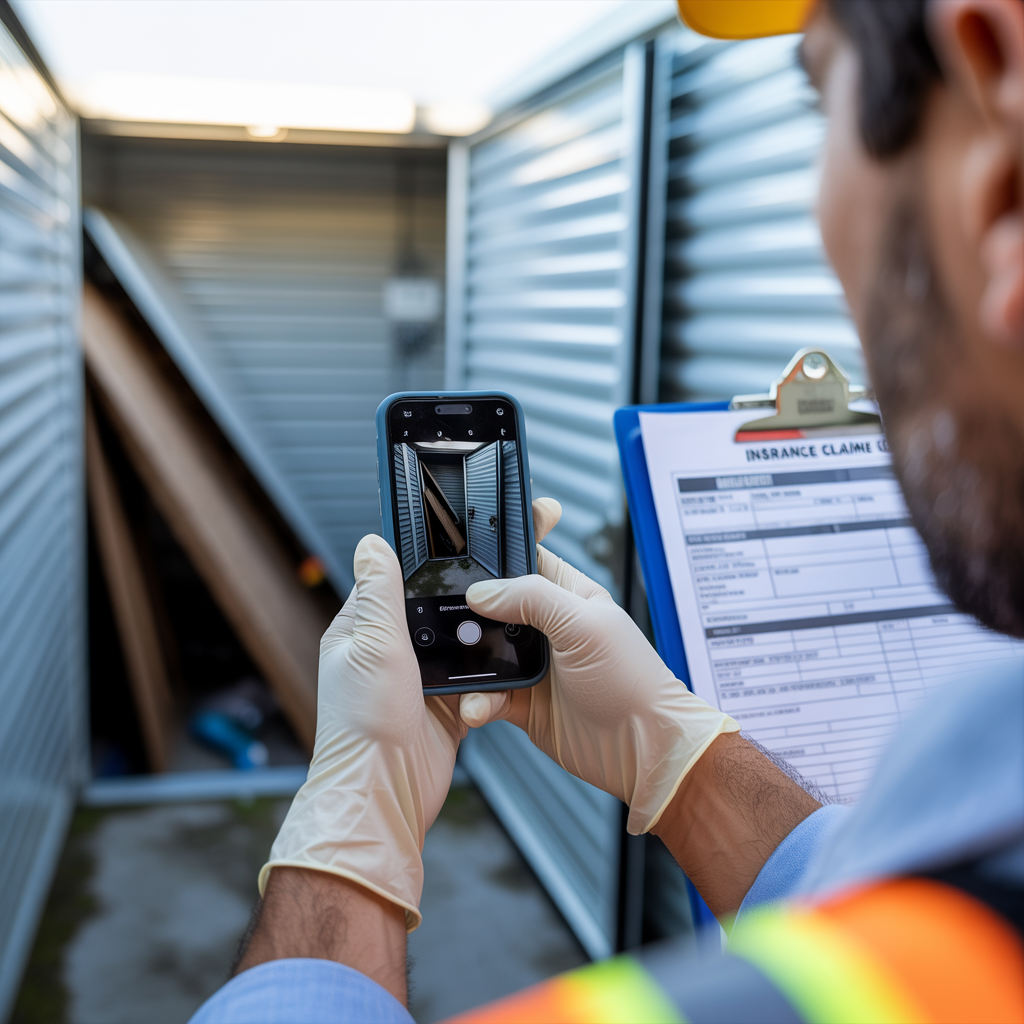
Once police clear you to enter, photograph every inch of your unit before moving or organizing anything. Take wide-angle shots showing the overall state of the unit, then close-up photos of individual damaged or displaced items. Capture images of empty spaces where items should be.
Create a detailed inventory list including:
- Item description and approximate purchase date
- Original purchase price and estimated current value
- Serial numbers for electronics and appliances
- Receipts, photos, or other proof of ownership
- Condition before storage (note any prior damage)
Video documentation can supplement photos by capturing details you might miss. Walk through the unit slowly, narrating what you see and what appears to be missing. This becomes valuable evidence if your insurance company disputes claim amounts.
Step 5: File a Police Report Within 24 Hours
If officers could not respond to the scene, visit your local police station within 24 hours to file a formal report. Bring your photo documentation, inventory list, and rental agreement. Provide as much detail as possible about stolen items, including brand names, model numbers, and distinguishing features.
Request a copy of the police report for your records. Some departments charge $5 to $15 for copies, but this document is essential for insurance claims. The report number and officer contact information should be included on every piece of correspondence with your insurance company.
Step 6: Contact Your Insurance Provider Within 48 Hours
Most insurance policies require theft notification within 48 to 72 hours of discovery. Check your homeowners, renters, or dedicated storage insurance policy for specific deadlines. Missing these windows can result in claim denial regardless of how legitimate your loss.
Insurance coverage options for storage unit theft:
|
When filing your claim, provide the police report number, photo documentation, inventory list with values, and any receipts or proof of purchase. Be prepared for the adjuster to request additional documentation or conduct their own investigation.
Step 7: Understand Your Legal Rights and Facility Liability
Most storage facility rental agreements include liability waivers that protect the operator from responsibility for theft, damage, or loss. This means the facility is typically not legally obligated to compensate you for stolen items, even if their security measures failed.
However, facilities may bear some liability if they were negligent in maintaining security systems, failed to repair known vulnerabilities, or did not follow their own stated security protocols. Review your rental agreement carefully and consult with an