Temperature Sensitive Item Storage Requirements Guide |
| TEMPERATURE SENSITIVE ITEM STORAGE REQUIREMENTS GUIDE
⏱ 11 min read ·
📄 #2,083 words
Learn exact temperature ranges for storing sensitive items. Covers 35-46°F refrigerated to -80°C ultra-low storage with monitoring and packing protocols.
|
T emperature sensitive items require storage within specific ranges to prevent degradation, spoilage, or permanent damage. Refrigerated items need 35-46°F (2-8°C), frozen goods require 0°F (-18°C) or below, and controlled room temperature items stay stable between 59-77°F (15-25°C). Climate-controlled storage units maintain 55-80°F year-round, protecting most household and business items from extreme temperature fluctuations.
| Key Points: | |
|---|---|
| • | Climate-controlled storage maintains 55-80°F, protecting electronics, documents, and furniture from damage |
| • | Temperature excursions above 90°F or below 32°F can cause irreversible damage within 24-48 hours |
| • | Mountain climates like Vail Valley experience 100°F+ temperature swings annually, making climate control essential |
| • | Humidity levels should stay between 30-50% to prevent mold, warping, and corrosion |
| • | Items stored without climate control in extreme climates degrade 3-5x faster than protected items |
Temperature Ranges for Different Item Categories
Understanding the correct temperature range for your specific items prevents costly damage and extends product lifespan. Different materials and products have vastly different tolerance thresholds, and storing items outside their optimal range accelerates deterioration.
Household and Personal Items (55-80°F)
Most household items require controlled room temperature storage to maintain their condition. This category includes electronics, wooden furniture, leather goods, photographs, vinyl records, musical instruments, and artwork. Temperatures above 90°F cause plastics to warp, adhesives to fail, and wood to crack. Temperatures below 32°F can crack LCD screens, damage battery cells, and cause condensation when items warm up.
Wooden furniture and instruments are particularly vulnerable to temperature swings. A guitar stored in fluctuating temperatures will develop cracks in the body and neck within 6-12 months. Antique furniture joints loosen and veneer separates when exposed to repeated heating and cooling cycles.
Documents and Paper Products (60-70°F)
Paper-based items require a narrower temperature range combined with humidity control. Important documents, books, photographs, and artwork on paper degrade rapidly when exposed to heat or moisture. The ideal storage environment maintains 60-70°F with 30-40% relative humidity.
Photographs stored above 75°F fade noticeably within 2-3 years. Color photographs are especially vulnerable, with dyes breaking down at elevated temperatures. Archival-quality storage extends photograph lifespan to 50+ years when conditions remain stable.
Wine and Beverages (45-65°F)
Wine requires consistent temperatures between 45-65°F, with 55°F being optimal for long-term aging. Temperature fluctuations cause corks to expand and contract, allowing air into bottles and accelerating oxidation. A single day above 80°F can permanently damage fine wine.
Storing wine in a standard storage unit during summer months in mountain climates is particularly risky. Daytime temperatures inside uncontrolled units can exceed 100°F, while nighttime temperatures drop dramatically. This daily cycling destroys wine quality within weeks.
Why Mountain Climates Demand Climate Control
The Vail Valley and surrounding Colorado mountain regions present unique storage challenges. Annual temperature variations range from -20°F in winter to 90°F+ in summer, creating a 110°F swing that standard storage units cannot buffer. Even daily temperature changes of 40-50°F are common during spring and fall seasons.
Altitude Effects on Storage
Higher elevations experience more intense UV radiation and lower humidity levels. Items stored in non-climate-controlled units face accelerated UV degradation through unit ventilation gaps. The naturally dry mountain air, often below 20% humidity, causes leather to crack, wood to split, and adhesives to become brittle.
Our climate-controlled storage units maintain consistent conditions regardless of external weather. This protection proves essential for seasonal residents storing belongings during extended absences and for businesses maintaining temperature-sensitive inventory.
Seasonal Storage Considerations
Ski equipment, outdoor gear, and recreational items require specific storage conditions during off-seasons. Ski boots with buckles and bindings contain metal components that corrode in humid conditions and plastics that crack in extreme cold. Proper storage extends equipment lifespan by 3-5 years compared to garage or attic storage.
Summer items stored during winter months face different challenges. Inflatable water toys, camping equipment, and outdoor furniture contain materials that become brittle below freezing. Storing these items in climate-controlled conditions prevents cracking and material failure when temperatures drop.
Temperature Monitoring and Verification
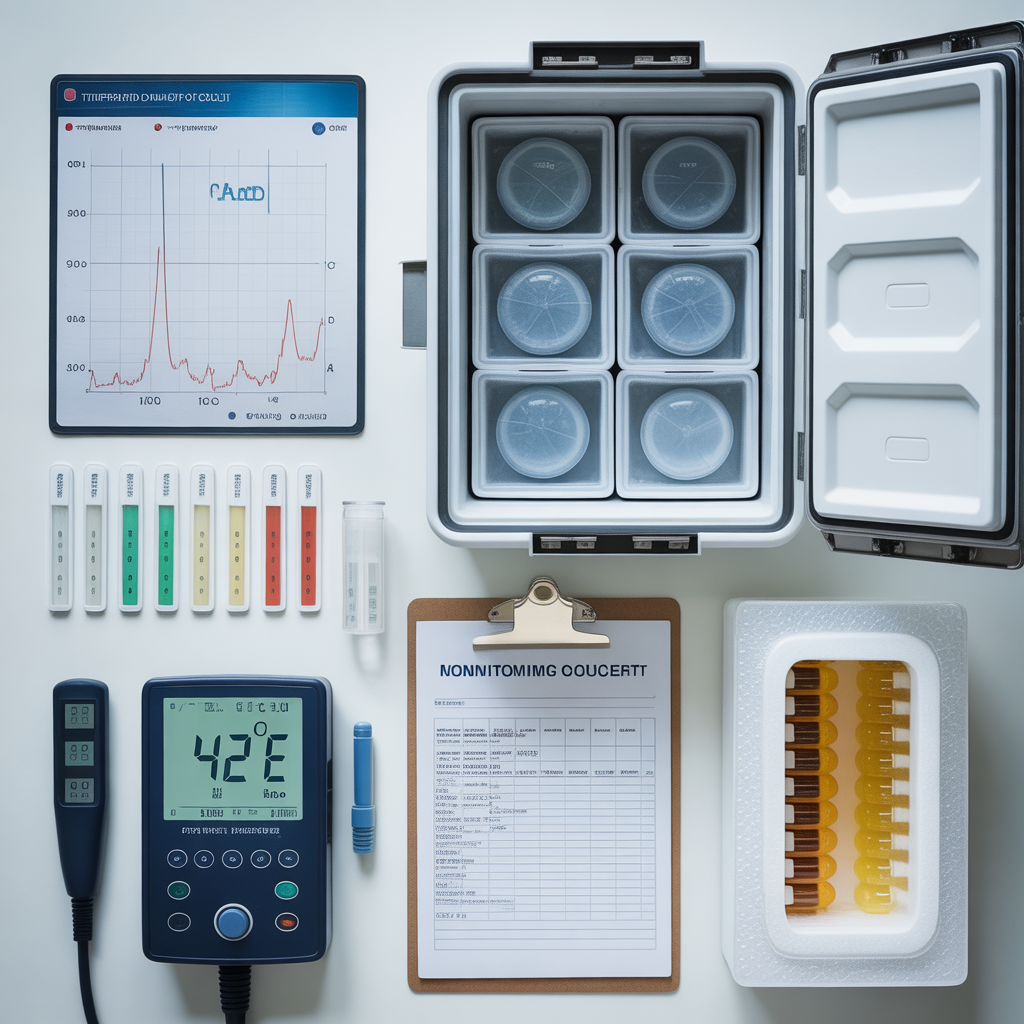
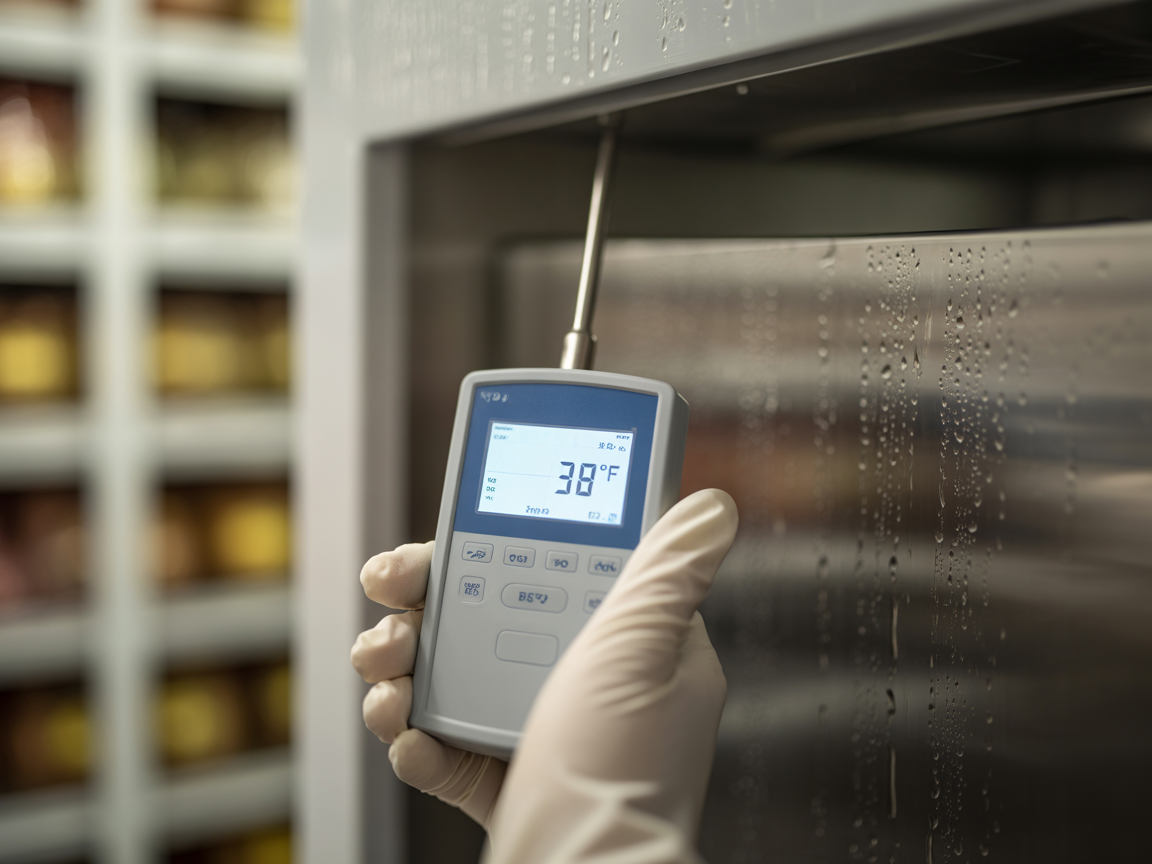
Reliable temperature monitoring ensures storage conditions remain within acceptable ranges. Modern facilities use digital monitoring systems that track conditions continuously and alert staff to any deviations. This proactive approach prevents damage before it occurs.
What to Look for in Storage Facilities
Quality climate-controlled storage facilities maintain specific standards that protect your belongings. Look for these features when evaluating storage options:
- HVAC systems with redundant backup to maintain temperature during equipment failures
- Insulated building construction that minimizes heat transfer from exterior walls
- Interior hallways that buffer units from outside temperature swings
- Humidity control systems that maintain 30-50% relative humidity
- Regular maintenance schedules documented and available upon request
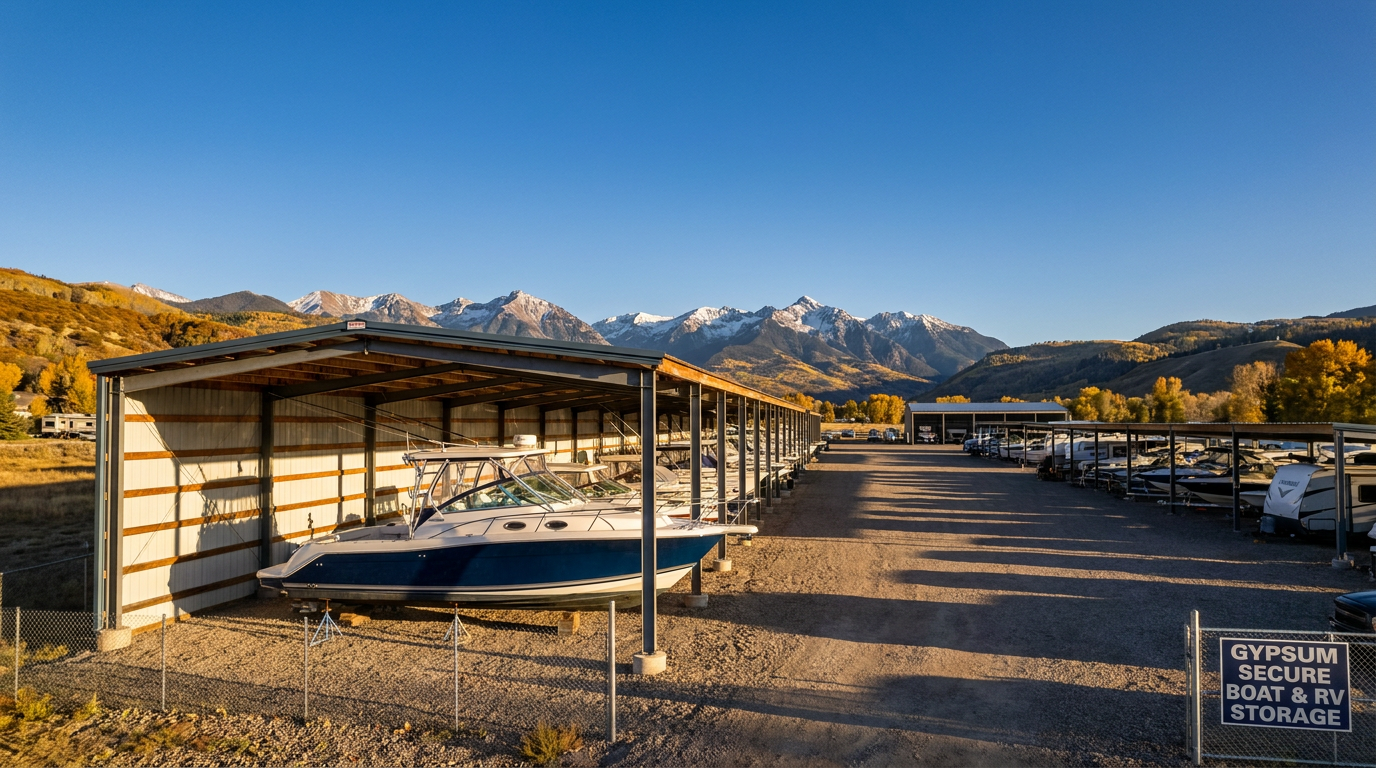
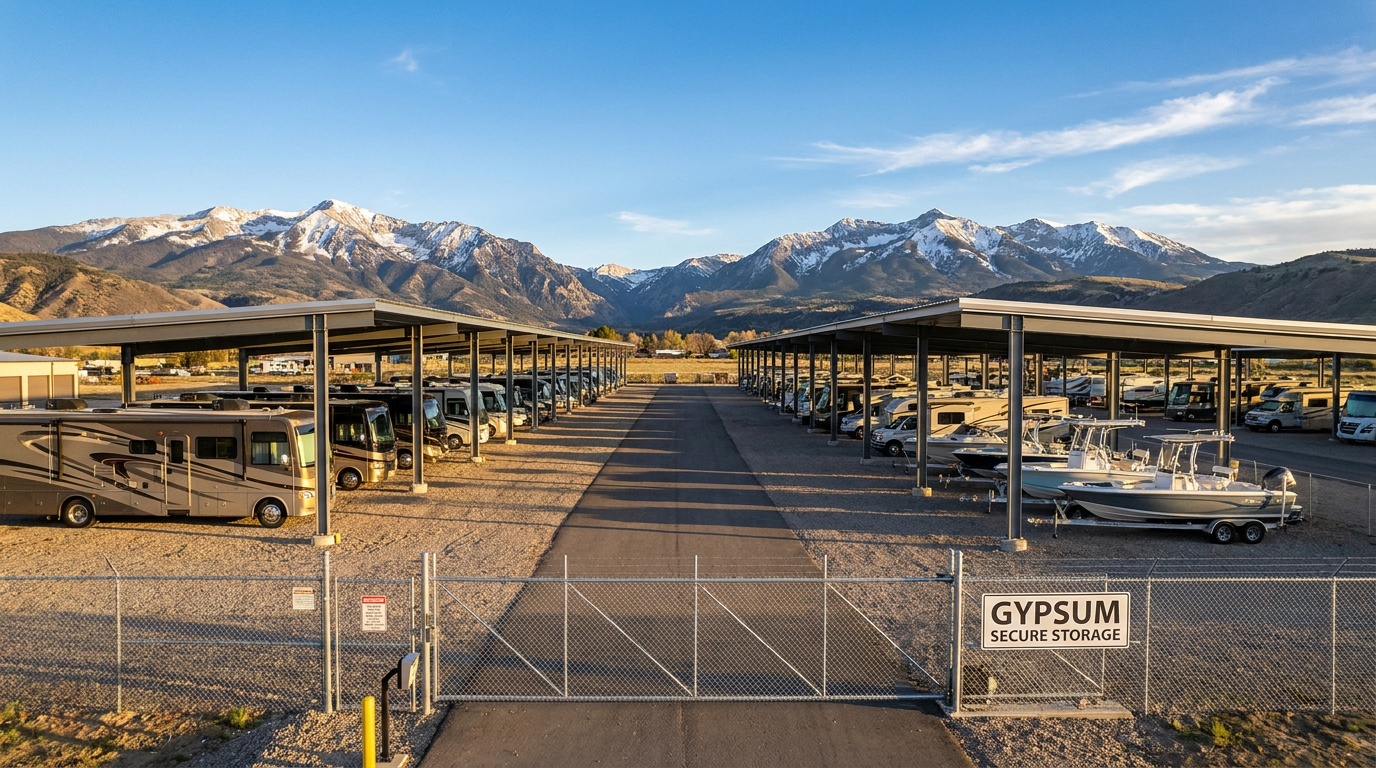
Facilities located near airports, like our Gypsum location, offer convenient access for travelers while providing the climate protection mountain storage demands.
Personal Monitoring Options
For high-value items, consider adding personal monitoring devices to your storage unit. Wireless temperature and humidity sensors cost $20-50 and connect to smartphone apps for real-time alerts. These devices provide peace of mind and documentation of storage conditions.
Place sensors at floor level and near the ceiling to capture the full temperature range within your unit. Temperature stratification can create 5-10°F differences between floor and ceiling in poorly circulated spaces.
Packing Temperature Sensitive Items for Storage
Proper packing techniques complement climate-controlled storage to maximize item protection. Even in controlled environments, correct packing prevents damage from handling, stacking, and minor temperature variations.
Electronics and Technology
Electronics require specific preparation before storage. Remove batteries from all devices to prevent corrosion and leakage. Batteries left in devices can leak within 6-12 months, causing permanent damage to circuit boards and contacts.
Wrap electronics in anti-static materials, not standard plastic wrap or bubble wrap. Static buildup damages sensitive components even when devices are powered off. Store original boxes when possible, as manufacturers design packaging to protect specific products during transport and storage.
Allow devices to reach room temperature before sealing in containers. Placing warm electronics in sealed containers creates condensation that damages internal components. This is especially important when moving items from heated vehicles into storage during winter months.
Wooden Furniture and Instruments
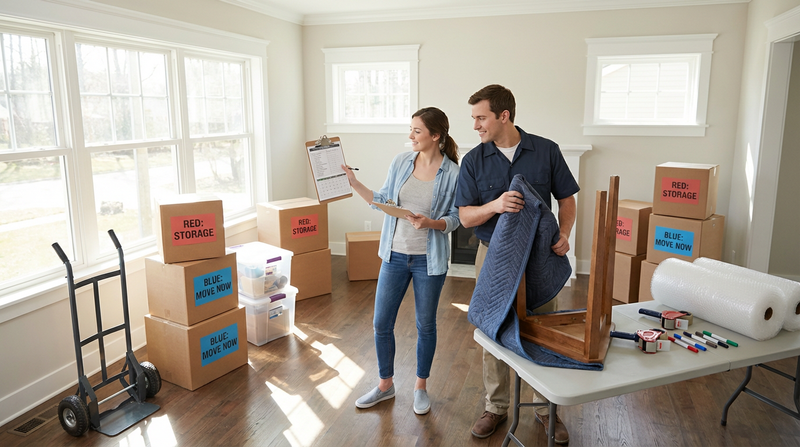
Wood requires breathing room during storage. Avoid wrapping wooden items completely in plastic, which traps moisture and promotes mold growth. Instead, use cotton drop cloths or furniture blankets that allow air circulation while protecting surfaces.
Apply furniture polish or wood conditioner before storage to protect finishes. Loosen guitar strings by 1-2 steps to reduce neck tension during extended storage. Store instruments in hard cases with humidity control packets to maintain optimal moisture levels.
Position furniture away from exterior walls, even in climate-controlled units. Exterior walls experience greater temperature variation than interior spaces, potentially affecting items stored directly against them.
Artwork and Photographs
Artwork requires vertical storage to prevent warping and frame damage. Never stack paintings flat, as weight causes canvas to sag and paint to crack. Use corner protectors on frames and separate pieces with acid-free paper or foam board.
Photographs should be stored in acid-free boxes with archival-quality sleeves. Standard cardboard and plastic containers release chemicals that accelerate photograph degradation. Investing $20-30 in proper archival materials protects irreplaceable family photos for decades.
Temperature Requirements by Industry
Different industries have established specific temperature standards for product storage. Understanding these requirements helps businesses maintain compliance and product quality.
Pharmaceutical and Medical Storage
| Category | Temperature Range | Common Products |
|---|---|---|
| Controlled Room Temperature | 59-77°F (15-25°C) | Most oral medications, bandages, equipment |
| Refrigerated | 35-46°F (2-8°C) | Vaccines, insulin, biologics |
| Frozen | -4°F to 14°F (-20°C to -10°C) | Certain vaccines, plasma products |
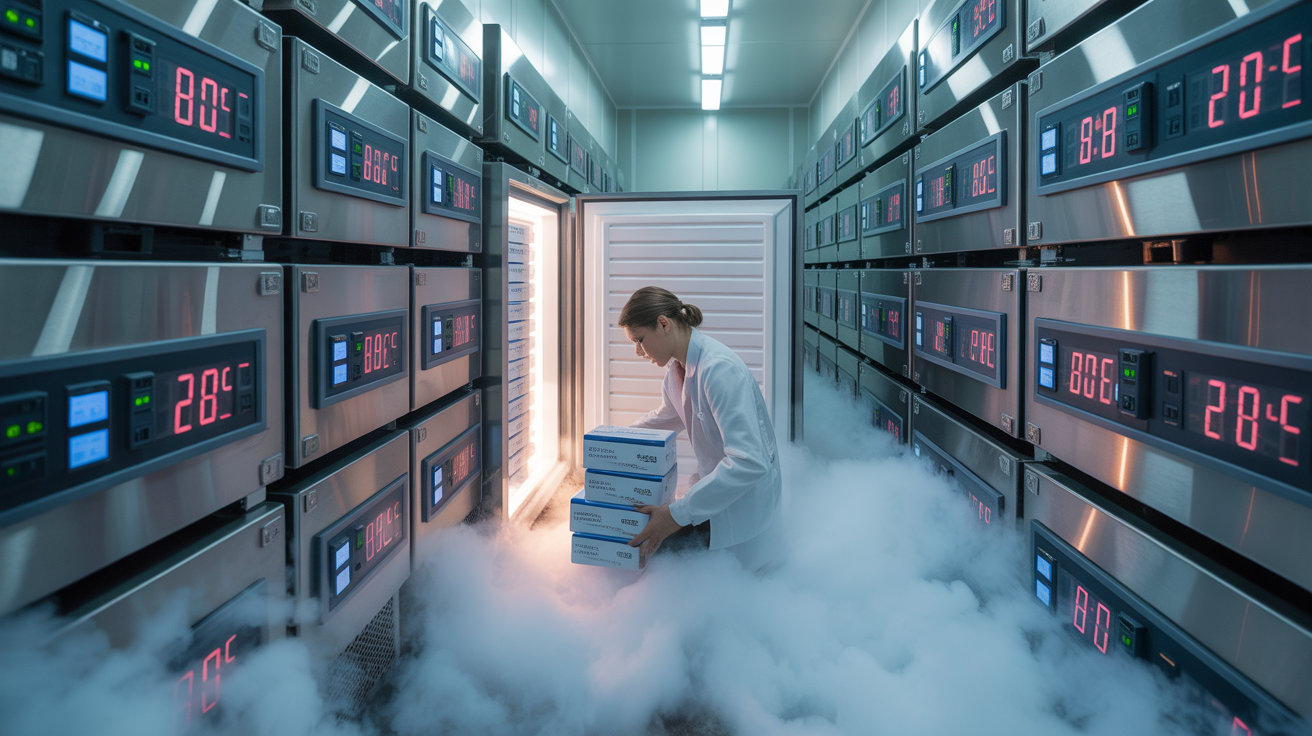
| Ultra-Low | -94°F to -112°F (-70°C to -80°C) | mRNA vaccines, research samples |
Medical product storage requires documented temperature monitoring and excursion protocols. Products exposed to temperatures outside their specified range may require disposal, creating significant financial losses. Businesses storing medical supplies should consult manufacturer guidelines and regulatory requirements.
Food and Beverage Storage
Food storage follows FDA Food Safety Modernization Act (FSMA) guidelines. Perishable foods require refrigeration at 40°F or below, while frozen foods must maintain 0°F or colder. The temperature danger zone between 40-140°F allows rapid bacterial growth, making temperature control critical for food safety.
Self-storage facilities typically cannot accommodate food storage due to regulatory requirements and pest control concerns. Businesses needing food storage should seek licensed cold storage warehouses with appropriate certifications.
Signs of Temperature Damage to Watch For
Recognizing temperature damage early allows intervention before items become unsalvageable. Regular inspection of stored items catches problems while solutions remain possible.
Heat Damage Indicators
- Warped plastics and vinyl including records, cases, and containers
- Separated adhesives on furniture veneer, book bindings, and labels
- Faded colors on photographs, artwork, and fabrics
- Cracked leather on furniture, bags, and accessories
- Melted candles, cosmetics, and wax-based products
Cold Damage Indicators
- Cracked LCD screens on electronics and displays
- Brittle plastics that snap instead of flex
- Condensation stains from temperature cycling
- Separated wood joints from contraction cycles
- Corroded metal from condensation exposure
Items showing these signs should be assessed by professionals before use. Electronics with condensation damage may appear functional but fail prematurely. Furniture with separated joints requires re-gluing before structural failure occurs.
Choosing the Right Storage Unit Size
Climate-controlled units come in various sizes to match your storage needs. Selecting the appropriate size balances cost efficiency with proper item spacing for air circulation.
Our storage size guide helps estimate space requirements based on item quantity and type. For temperature-sensitive items, consider sizing up slightly to allow airflow around stored goods. Tightly packed units restrict air circulation, creating temperature variations within the space.
Size Recommendations by Use Case
5x5 Climate Control ($25/month) : Ideal for documents, small electronics, seasonal clothing, and photograph collections. Fits approximately 25 boxes or the contents of a large closet.
5x10 Climate Control ($40/month) : Accommodates furniture from one room, musical instruments, wine collections up to 100 bottles, and business inventory. Equivalent to a walk-in closet.
10x10 Climate Control ($62/month) : Stores contents of a one-bedroom apartment, multiple pieces of furniture, extensive electronics collections, and business equipment. Our most popular size for seasonal residents.
10x15 Climate Control ($82/month) : Houses contents of a two-bedroom home, large furniture sets, and commercial inventory. Provides ample space for proper item spacing and organization.
Frequently Asked Questions
What temperature should vaccines be stored at?
Most vaccines require refrigerated storage between 35-46°F (2-8°C). Some vaccines, particularly mRNA vaccines like those for COVID-19, require ultra-low temperatures of -94°F to -112°F (-70°C to -80°C). Always consult manufacturer guidelines and maintain continuous temperature monitoring with documented logs.
How do you monitor temperature in cold storage warehouses?
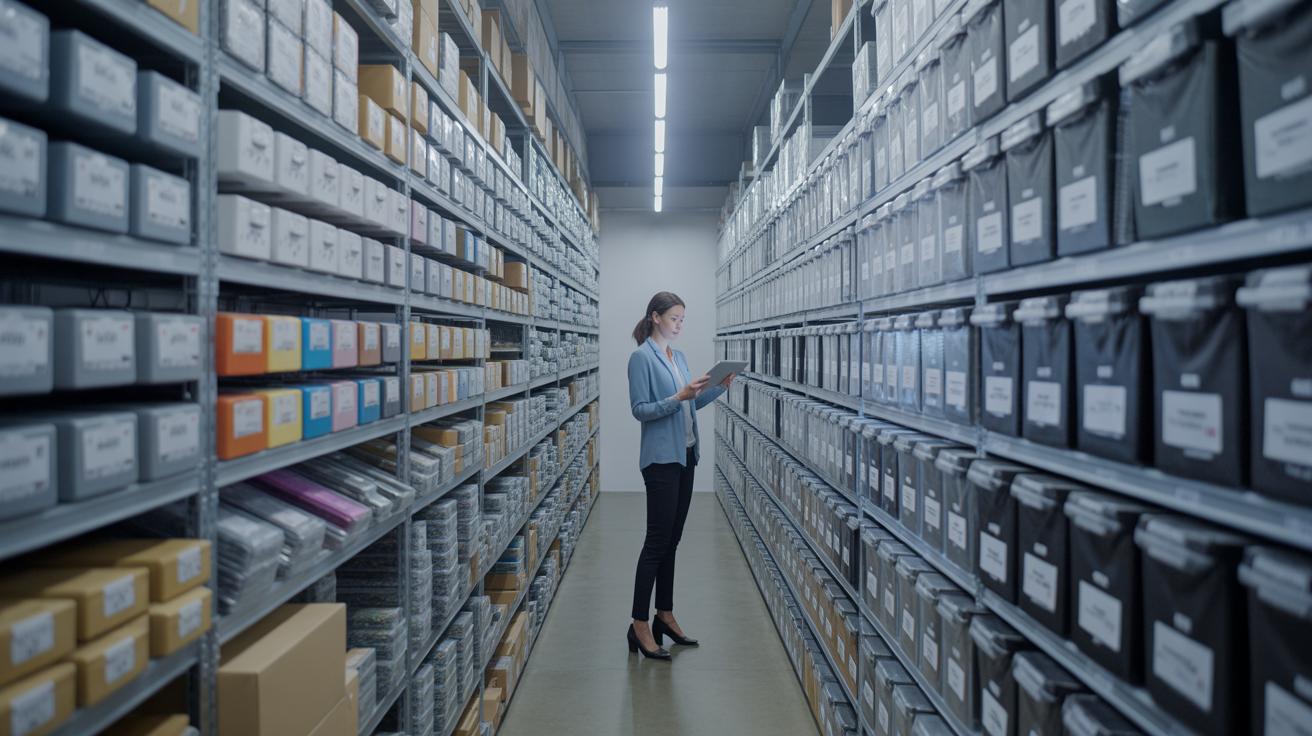
Professional cold storage facilities use networked digital sensors placed throughout the storage area. These sensors transmit data to central monitoring systems that log temperatures continuously and trigger alerts when readings exceed acceptable ranges. Backup systems, including battery-powered sensors and redundant HVAC equipment, ensure monitoring continues during power outages.
What are the risks of temperature excursions for pharmaceuticals?
Temperature excursions can reduce medication potency, accelerate degradation, or create toxic byproducts. Vaccines exposed to temperatures outside their specified range may lose effectiveness entirely. Regulatory requirements often mandate disposal of products exposed to temperature excursions, even if no visible damage occurs. Documentation of excursion events is required for compliance audits.
When is climate-controlled storage necessary for household items?
Climate control becomes necessary when storage temperatures exceed 90°F or drop below 32°F, when humidity levels fall outside 30-50%, or when storing items for longer than 3-6 months. Specific items requiring climate control include electronics, wooden furniture, leather goods, photographs, vinyl records, musical instruments, and wine. In mountain climates with extreme temperature swings, climate control is recommended for any valuable items regardless of storage duration.
What packaging is best for shipping temperature-sensitive goods?
Insulated shipping containers with expanded polystyrene (EPS) foam provide R-values of 3.6-4.0 per inch of thickness. Gel packs maintain refrigerated temperatures for 24-48 hours depending on ambient conditions. Dry ice maintains frozen temperatures at -78°C but requires proper ventilation and hazmat labeling. Phase-change materials (PCMs) provide longer temperature maintenance than gel packs and are reusable for multiple shipments.
Protect Your Temperature-Sensitive Items
Temperature-sensitive storage requires understanding specific requirements, choosing appropriate facilities, and implementing proper packing techniques. In mountain climates like the Vail Valley, climate-controlled storage protects belongings from extreme temperature swings that cause irreversible damage.
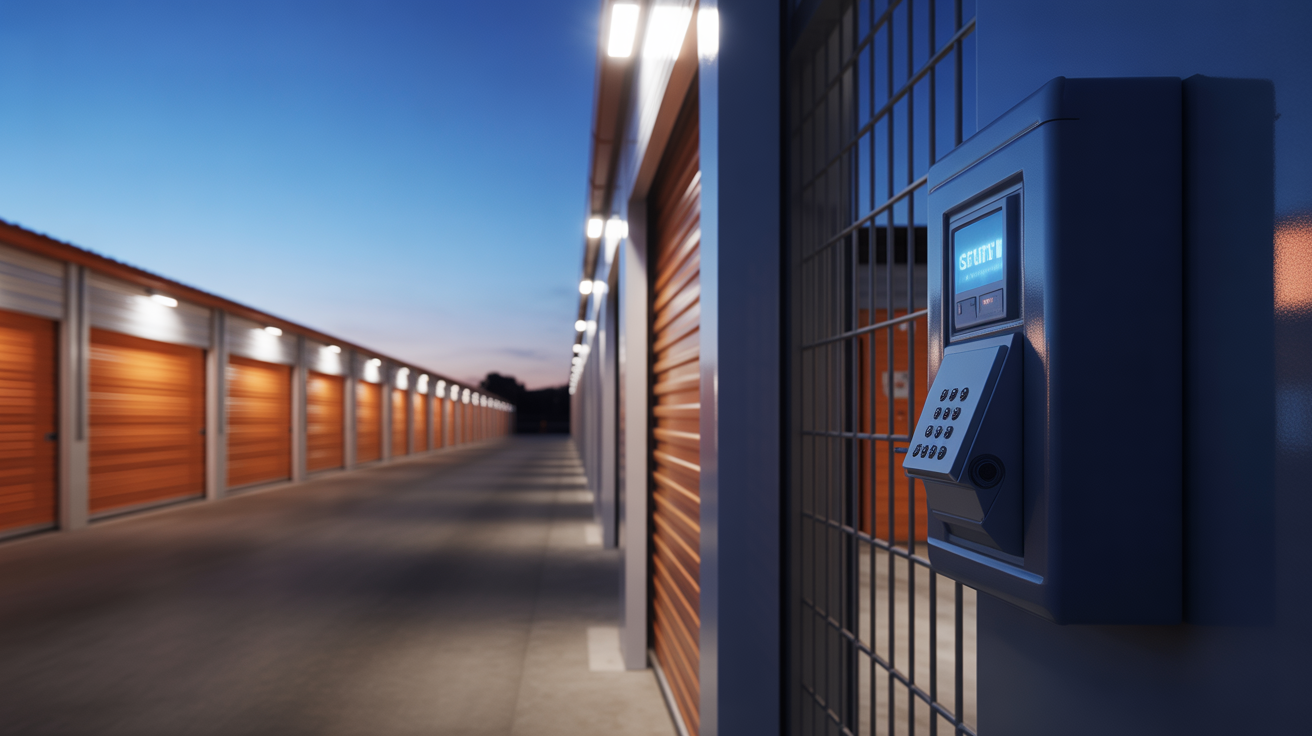
Our facility offers 24/7 access with smart lock technology, allowing you to check on stored items whenever needed. With no security deposit required, protecting your temperature-sensitive belongings becomes straightforward and affordable.
|