
A
business storage unit requires climate control for temperature-sensitive inventory, 24/7 access for operational flexibility, drive-up capability for frequent loading, and smart lock technology for employee access management. Most small businesses need 10x10 to 10x20 units, which at Vail Airport Storage currently run about $70–$120 to $195–$380/mo depending on size and features (confirm on Rent Online).
Pre-Selection Assessment Checklist
Before visiting any storage facility, complete this assessment to determine your exact requirements. Measure your largest inventory items and calculate total cubic footage needed. Add 20 percent buffer space for aisle access and future growth.
Inventory Volume Calculation
Count all items requiring storage: product inventory, seasonal equipment, archived documents, marketing materials, and backup equipment. A 10x10 unit holds approximately 450 boxes or the contents of a small office. A 10x20 unit accommodates 900 boxes or a full warehouse overflow situation.
For Vail Valley businesses with seasonal fluctuations, consider that ski rental operations typically need 10x15 to 10x20 units during off-season storage. Event planning companies require 10x10 climate-controlled space for linens and decor. Construction contractors benefit from 10x25 drive-up units with power for tool charging.
Access Frequency Requirements
Daily access businesses need drive-up units positioned near facility entrances. Weekly access allows for interior climate-controlled placement. Monthly access for archival storage can utilize any available location. Our airport storage facility
provides 24/7 access with smart lock technology for businesses requiring flexible scheduling.

Unit Type Selection Guide
Matching unit features to business needs prevents costly mistakes. The wrong unit type leads to inventory damage, operational inefficiency, and unnecessary expenses.
Climate-Controlled Units: When Required
Choose climate-controlled storage
when storing electronics, leather goods, wooden furniture, wine inventory, pharmaceuticals, cosmetics, artwork, or paper documents. Gypsum temperatures range from negative 10 to 95 degrees Fahrenheit annually, making climate control essential for sensitive business inventory.
Climate-controlled pricing at Vail Airport Storage currently ranges from about $16 monthly for 5x5 units to about $199 monthly for 10x20 spaces.
Drive-Up Units: Operational Advantages
Drive-up units eliminate cart transportation and reduce loading time by 60 to 70 percent. Businesses moving inventory weekly or more frequently recover the slight price premium through labor savings. Units with power and lighting ($249 to $375 monthly) allow battery charging and basic equipment operation.
Size Selection Matrix
Use our storage size guide
to visualize capacity for your specific inventory mix.
Legal Compliance Checklist
Understanding legal boundaries prevents lease violations and potential business liability. Storage facilities have specific prohibited uses that entrepreneurs must respect.
Prohibited Activities in Storage Units
Running a retail business from a storage unit is illegal in Colorado and most jurisdictions. Prohibited activities include customer meetings, product manufacturing, food preparation, living or sleeping, and hazardous material storage. Storage units serve exclusively for inventory warehousing, equipment storage, and document archival.
Items Prohibited from Storage
Never store these items in any storage unit: flammable liquids (gasoline, propane, paint thinner), explosives, perishable food, live plants, animals, illegal substances, or unregistered firearms. Violations result in immediate lease termination and potential legal consequences.
Insurance Requirements
Standard business insurance rarely covers off-site storage. Obtain a commercial storage rider or separate policy covering theft, fire, water damage, and natural disasters. Coverage should equal replacement value of stored inventory, typically $10,000 to $100,000 for small businesses. Document all stored items with photographs and serial numbers for claims processing.
The 4 D's of Self Storage for Business
Before moving inventory into storage, apply the 4 D's framework to maximize space efficiency and minimize costs.
Declutter
Remove duplicate items, outdated marketing materials, broken equipment awaiting repair for over 6 months, and obsolete inventory. Businesses typically reduce storage needs by 15 to 25 percent through decluttering alone.
Donate
Functional equipment, excess office furniture, and usable supplies benefit local nonprofits. Donations provide tax deductions while reducing storage volume. Document donations with receipts for accounting purposes.
Discard
Dispose of broken items, expired products, and materials with no resale or donation value. Paying monthly storage for worthless items wastes capital that could fund business growth.
Designate
Assign specific unit zones for different inventory categories. Create a map showing product locations, access paths, and safety equipment placement. This organization reduces retrieval time and prevents inventory damage from improper stacking.
Unit Setup and Organization System
Professional organization transforms storage from a dumping ground into an efficient business asset. Invest 4 to 8 hours in initial setup to save hundreds of hours annually.
Shelving and Racking
Install freestanding metal shelving along unit walls. Standard units accommodate 4 to 6 shelving units without blocking access. Place heavy items on lower shelves, frequently accessed items at waist height, and archival materials on upper shelves. Leave 36 inches of center aisle space for cart access.
Inventory Management System
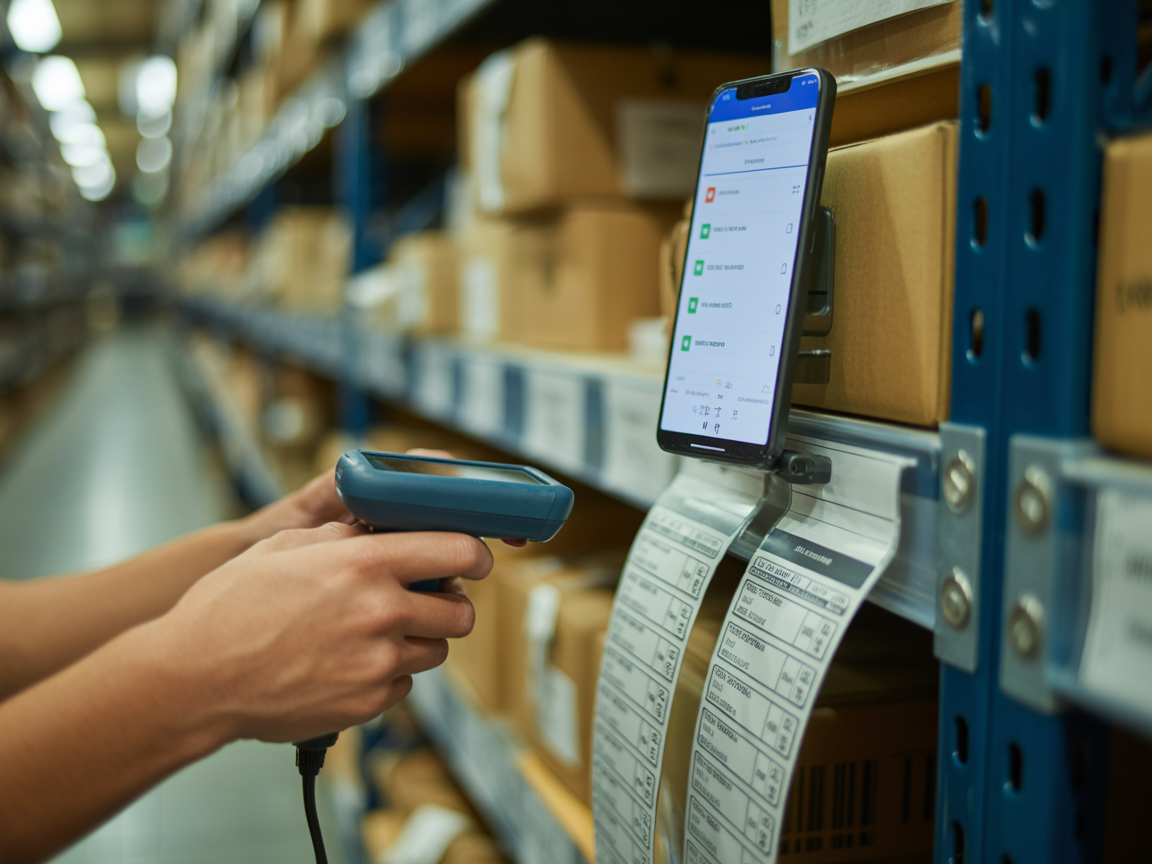
Implement a tracking system before storing the first item. Options range from spreadsheet logs to barcode scanning apps. Record item descriptions, quantities, storage locations, deposit dates, and expected retrieval dates. Update records within 24 hours of any inventory movement.
Labeling Protocol
Label all containers on three sides using weatherproof labels. Include contents summary, date stored, handling instructions, and inventory system reference numbers. Color-code by category: red for urgent access items, blue for seasonal inventory, green for archival storage, yellow for equipment.
Security and Access Management
Business storage requires robust security protocols protecting valuable inventory and sensitive documents from theft and unauthorized access.
Smart Lock Technology Benefits
Digital access systems eliminate physical key management headaches. Grant temporary access codes to employees, delivery personnel, or contractors without duplicating keys. Track access history showing who entered the unit and when. Revoke access instantly when employees leave the company.
Additional Security Measures
Supplement facility security with personal measures: high-security disc locks rated for outdoor use, motion-activated interior lighting, and inventory photography updated monthly. Consider adding a secondary lock on high-value storage units. Avoid storing irreplaceable items; keep originals in bank safe deposit boxes.
Employee Access Policies
Document which employees have storage access and their permitted activities. Require two-person access for high-value inventory retrieval. Implement sign-in/sign-out logs for accountability. Review access logs monthly for unusual patterns.
Cost Optimization Strategies
Smart storage decisions reduce monthly expenses while maintaining operational efficiency. Small optimizations compound into significant annual savings.
Right-Sizing Your Unit
Reassess unit size quarterly. Businesses often rent larger units than needed, paying $50 to $150 monthly in excess costs. Downsizing from 10x20 to 10x15 saves $100 to $200 monthly. Conversely, cramped units increase labor time and damage risk.
Promotional Timing
Storage facilities offer strongest promotions during low-demand periods: January through March and September through November.
Avoiding Hidden Fees
Some facilities charge administrative fees ($20 to $50), security deposits (one month rent), and mandatory insurance premiums. Vail Airport Storage charges no security deposit, providing transparent pricing from day one.
Seasonal Business Considerations for Vail Valley
Vail Valley businesses face unique storage challenges driven by dramatic seasonal fluctuations in tourism and weather conditions.
Winter Sports Business Storage
Ski rental operations, outdoor guiding companies, and winter recreation businesses need climate-controlled storage for off-season equipment protection. Store skis vertically in racks, wax and tune equipment before storage, and maintain 40 to 50 percent humidity to prevent binding corrosion and base damage.
Summer Tourism Inventory
Rafting companies, bike rental operations, and summer activity providers require secure equipment storage during winter months. Deflate rafts partially, lubricate bike components, and store inflatable equipment away from direct floor contact to prevent moisture damage.
Airport-Adjacent Advantages
Businesses serving travelers benefit from storage located near Eagle County Regional Airport. Quick access for last-minute inventory retrieval, convenient for businesses with multiple valley locations, and accessible during early morning or late evening hours when other facilities may have restricted access.
Average Costs to Start a Storage-Dependent Business
Understanding storage costs within overall startup budgets helps entrepreneurs plan effectively. Storage represents 2 to 8 percent of typical small business operating expenses.
Storage Cost Breakdown by Business Type
E-commerce startups: $75 to $150 monthly for inventory storage, $900 to $1,800 annually. Service contractors: $124 to $250 monthly for equipment, $1,500 to $3,000 annually. Seasonal retail: $150 to $300 monthly during off-season, $600 to $1,200 for 4 to 6 month storage periods.
Compare these costs against alternatives: commercial warehouse space in Vail Valley runs $15 to $25 per square foot annually, making a 200 square foot space cost $3,000 to $5,000 yearly. A 10x20 storage unit at about $199 to $375 monthly ($2,388 to $4,500 annually) provides comparable space with greater flexibility.
Monthly Maintenance Checklist
Regular maintenance prevents inventory damage and ensures operational readiness. Schedule 30 to 60 minutes monthly for these tasks.
Physical Inspection Tasks
- Check for water intrusion, pest activity, or unusual odors
- Verify climate control functioning (temperature should read 55 to 80 degrees)
- Inspect boxes and containers for damage or collapse
- Test unit lighting and power outlets if equipped
- Confirm lock functionality and security integrity
Administrative Tasks
- Update inventory management system with changes
- Review access logs for unauthorized entry attempts
- Verify insurance coverage remains adequate for current inventory value
- Assess whether unit size still matches business needs
- Document condition with dated photographs
Getting Started: Your 7-Day Action Plan
Transform storage planning into action with this structured timeline for entrepreneurs ready to secure business storage.
Day 1 to 2:
Complete inventory assessment and volume calculations. Apply the 4 D's framework to reduce storage requirements.
Day 3:
Research facility options, comparing features, pricing, and accessibility. Prioritize climate control and 24/7 access for business use.
Day 4:
Visit top facility choices in person. Measure unit dimensions, test access systems, and evaluate security features.
Day 5:
Secure insurance coverage and gather required documentation for lease signing.
Day 6:
Sign lease agreement, obtain access credentials, and purchase organizational supplies (shelving, labels, containers).
Day 7:
Set up unit organization system, move initial inventory, and document everything in your inventory management system.

Moving to Gypsum or Eagle County? Compare a bigger lease with a smaller place plus a climate-controlled unit at Vail Airport Storage. See live rates.

Second-home and condo lock-and-leave checklist before Vail Valley ski season. Overflow, gear rotation, and soft rent-online next steps at Vail Airport Storage.

Plan your long distance move with storage using this detailed 8-12 week timeline. Includes costs, coordination tips, and checklists from industry experts.

Practical checklist for storage near Eagle County Airport: pick unit size, drive-up vs indoor, access hours, and when VAS or Eagle Canopy RV Storage fits.
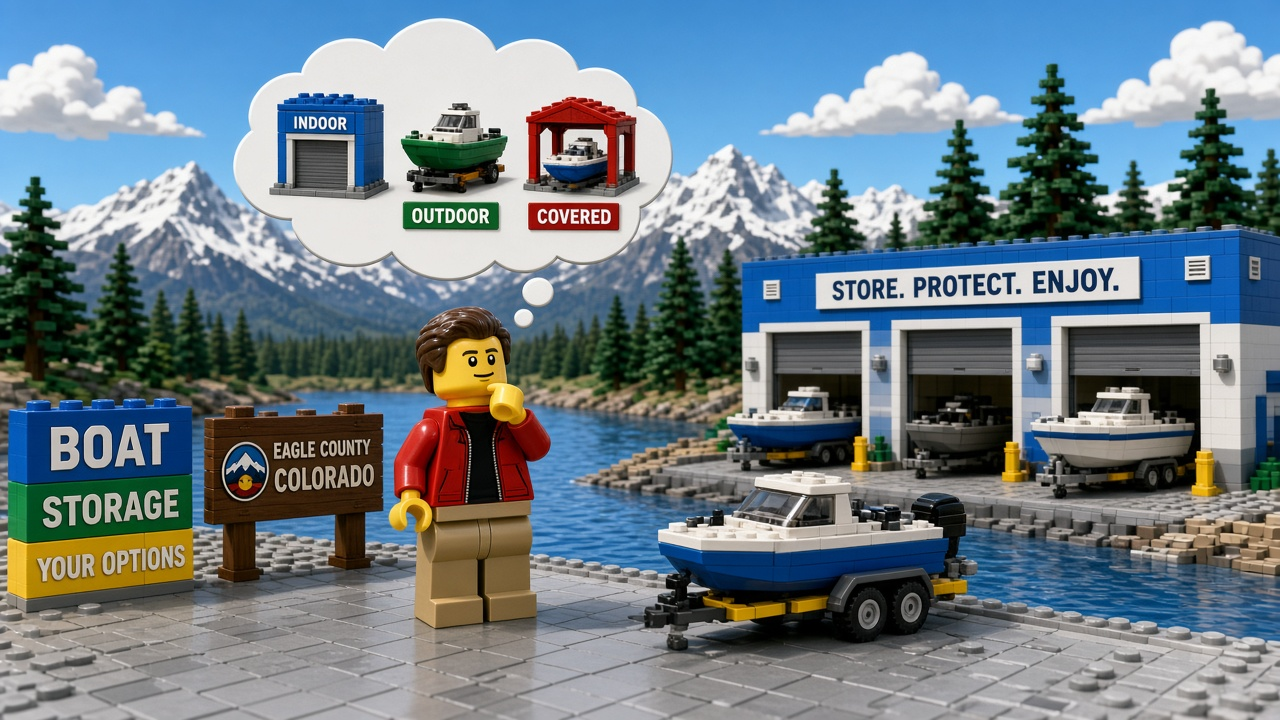
Compare indoor, outdoor & covered boat storage in Eagle County and the Vail Valley. Decide what fits your boat, plus where VAS and Eagle Canopy RV Storage fit.

Plan winter boat storage in Eagle County and Gypsum: winterization, outdoor vs covered vs indoor, plus where VAS and Eagle Canopy RV Storage fit.

Find out if you can access your storage unit 24/7. Learn about access hours, security features, gate codes, and what to expect at modern storage…
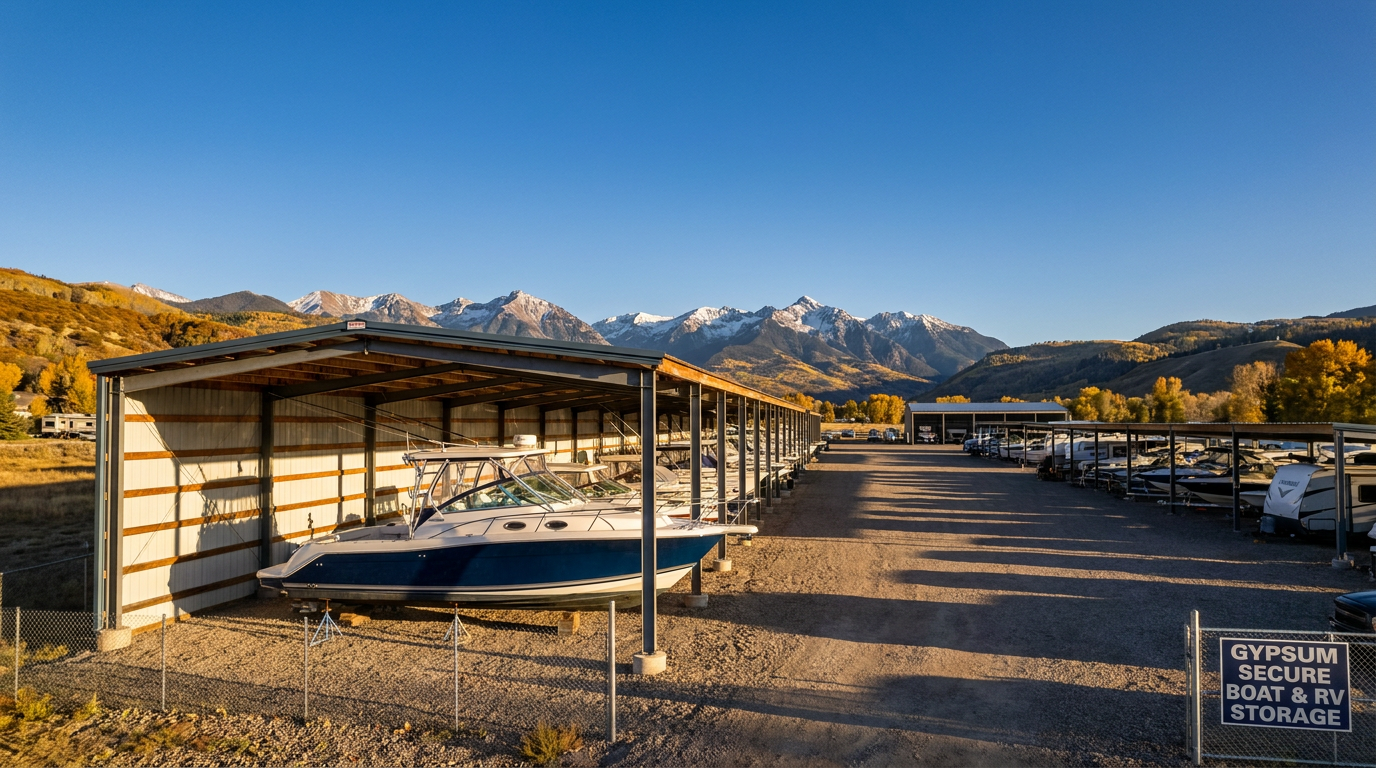
Boat storage in Gypsum, CO costs $209 to $375 per month at Vail Airport Storage. Compare open parking and enclosed drive-up options, sizes, and winter…
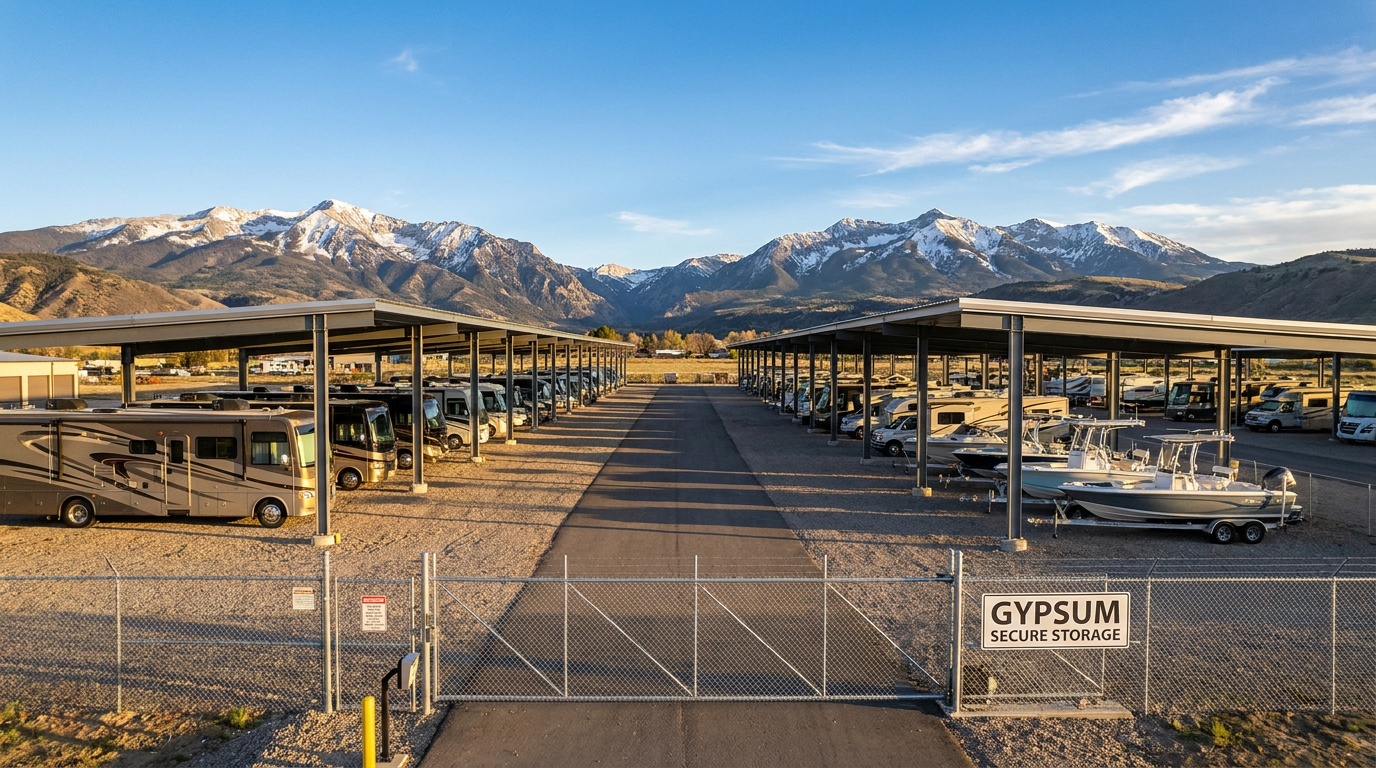
Looking for boat storage in Gypsum, CO? Compare open parking from $190 and covered canopy from $250, plus security, access, and prep tips before you…
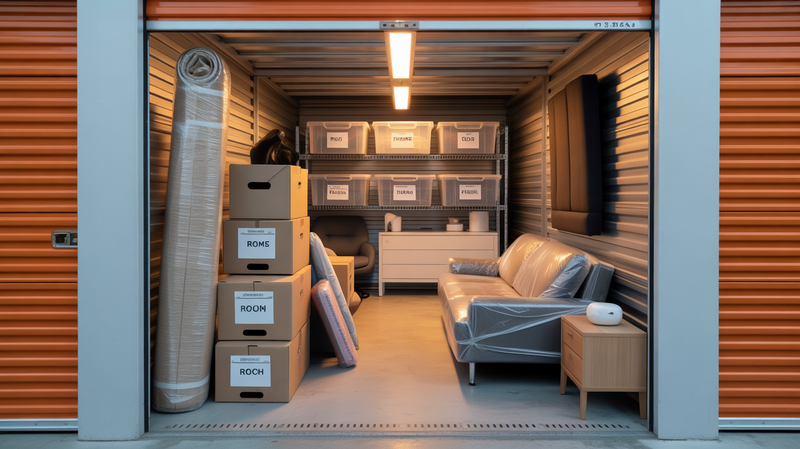
A 7.5x10 storage unit provides 75 square feet of space, fitting 1-2 bedroom apartment contents. Learn dimensions, capacity, and costs.