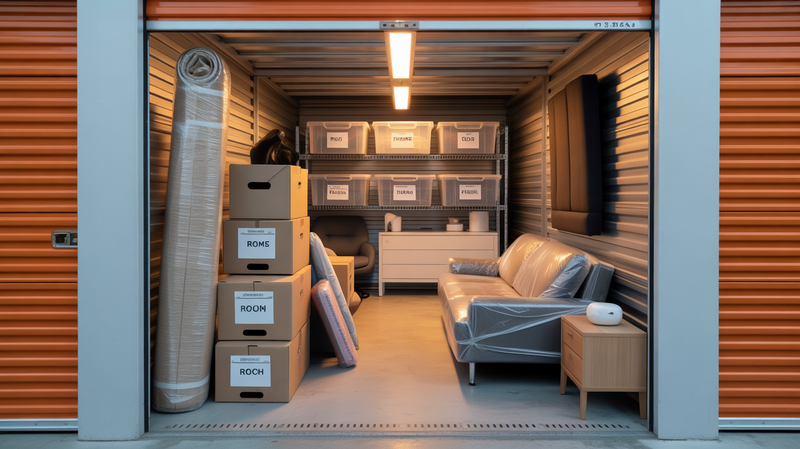
How to Store Antiques and Collectibles Safely: Expert Guide |
| HOW TO STORE ANTIQUES AND VALUABLE COLLECTIBLES SAFELY
⏱ 9 min read ·
📄 #1,704 words
Learn how to store antiques and collectibles safely with expert tips on climate control, packing materials, and storage conditions to preserve value.
|
S tore antiques and collectibles safely by maintaining temperatures between 60 and 75 degrees Fahrenheit, keeping humidity at 40 to 60 percent, using acid-free packing materials, and choosing climate-controlled storage units. These conditions prevent warping, mold, fading, and material degradation that destroy both sentimental and monetary value.
| Key Points: | |
|---|---|
| • | Temperature fluctuations of more than 10 degrees cause wood to crack and textiles to deteriorate |
| • | Acid-free storage materials cost $15 to $50 but prevent thousands in damage to valuable items |
| • | Climate-controlled storage units maintain 55 to 80 degrees year-round, essential for items valued over $500 |
| • | UV exposure fades colors within 6 months; store items in complete darkness when possible |
| • | The 100-year rule defines true antiques as items manufactured at least a century ago |
Understanding the 100-Year Rule for Antiques
The 100-year rule establishes that genuine antiques must be at least 100 years old. Items between 20 and 99 years old qualify as "vintage," while newer collectibles fall into the "retro" category. This distinction matters for insurance purposes, appraisals, and determining appropriate storage methods.
True antiques from the 1920s or earlier often contain materials no longer used in manufacturing, including lead-based paints, natural shellac finishes, and organic adhesives. These materials require specific storage conditions to prevent irreversible damage. Vintage items from the mid-20th century may contain early plastics that become brittle without proper humidity control.
Climate Control Requirements by Item Type
Different collectibles demand specific environmental conditions. Understanding these requirements prevents costly damage and preserves your collection's value for decades.
Wooden Furniture and Decorative Items
Wood expands and contracts with humidity changes, causing joints to loosen, veneer to lift, and surfaces to crack. Maintain humidity between 45 and 55 percent for wooden antiques. Temperature should remain stable within a 5-degree range to prevent stress on glued joints and inlays.
Apply a thin coat of paste wax before storage to protect finished surfaces. Wrap legs and delicate protrusions in acid-free tissue, then cover entire pieces with cotton dust covers rather than plastic, which traps moisture against wood surfaces.
Textiles, Quilts, and Vintage Clothing
Fabric deteriorates rapidly in improper conditions. Store textiles at 65 to 70 degrees with humidity between 30 and 50 percent. Higher humidity promotes mold growth; lower levels cause fibers to become brittle and crack.
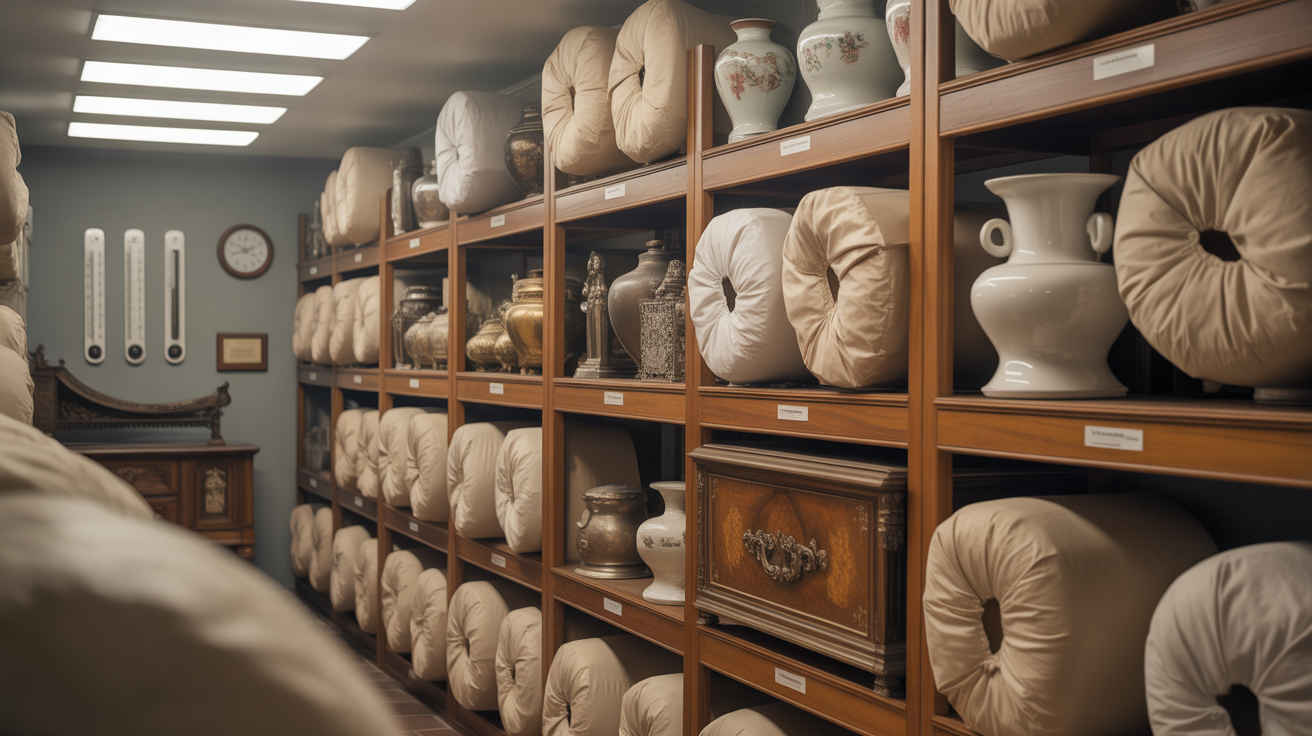
Roll quilts and large textiles around acid-free tubes rather than folding, which creates permanent creases and weakens fibers at fold lines. Line storage boxes with unbleached muslin and include silica gel packets to absorb excess moisture. Never store textiles in plastic bags, which trap humidity and accelerate deterioration.
Paper Items, Books, and Documents
Paper collectibles require the strictest environmental controls. Maintain 60 to 65 degrees with 30 to 40 percent humidity. Store comic books, vintage magazines, and documents in acid-free sleeves with backing boards to prevent bending and yellowing.
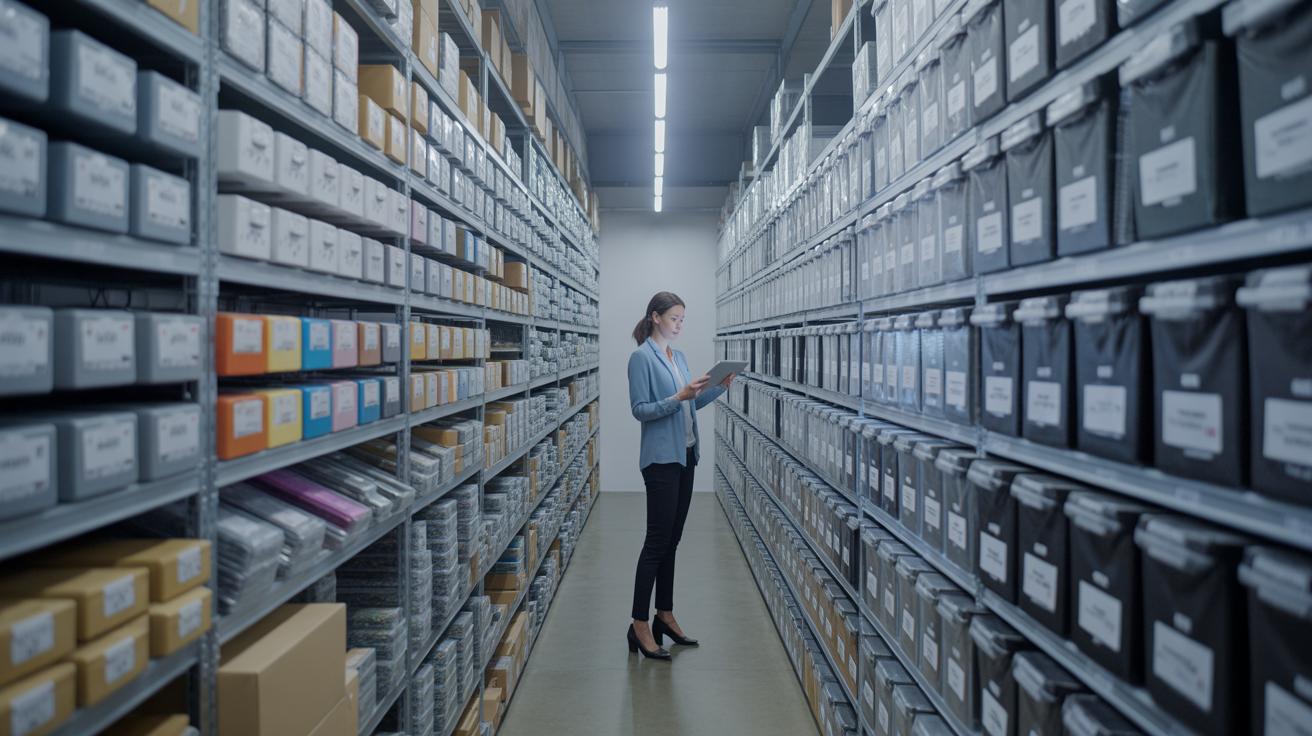
Position paper items vertically in archival boxes rather than stacking flat, which causes compression damage over time. Keep boxes elevated on shelves at least 4 inches above floor level to protect against potential water damage.
Ceramics, Porcelain, and Glassware
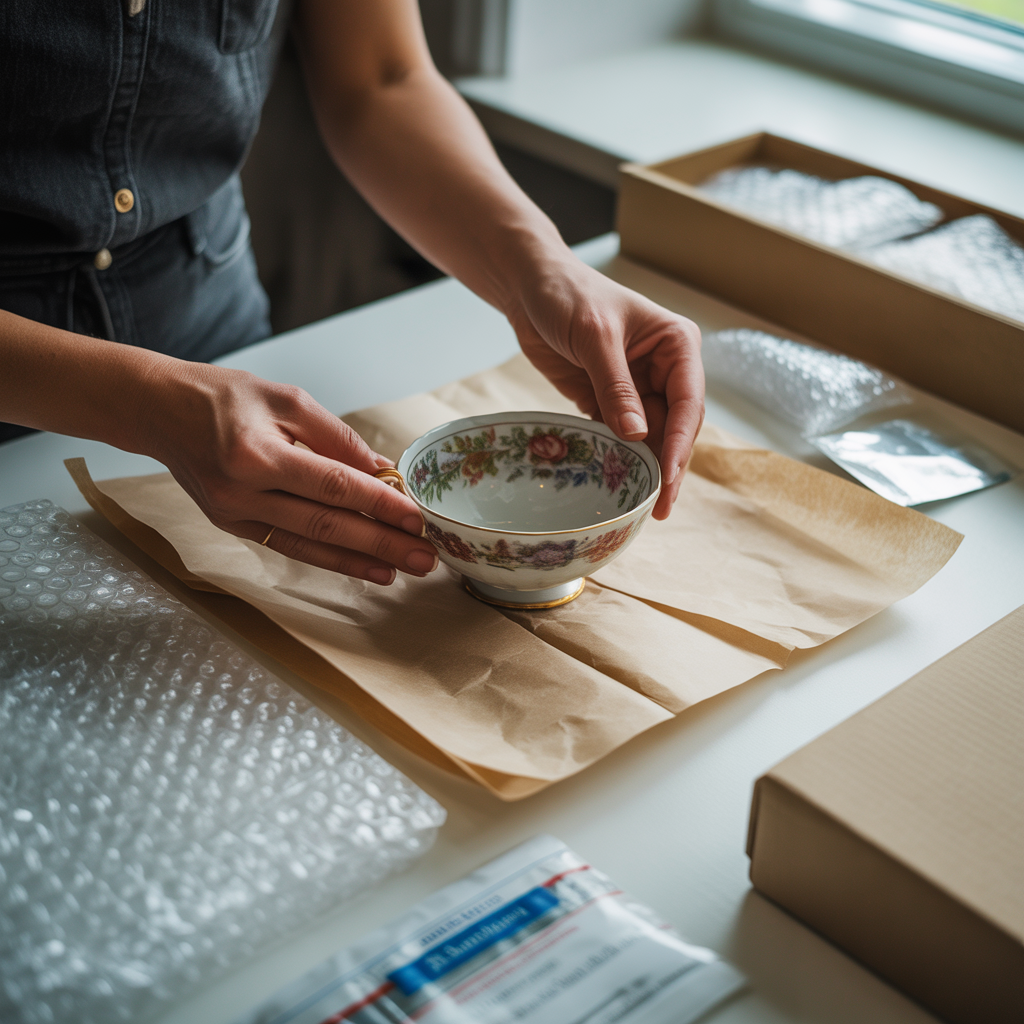
While ceramics tolerate wider temperature ranges than organic materials, sudden temperature changes cause thermal shock that cracks glazes and weakens structural integrity. Store at consistent temperatures and wrap each piece individually in acid-free tissue before placing in padded containers.
Never stack plates or bowls directly on top of each other. Place felt or foam separators between items and store cups with handles facing the same direction to prevent accidental breakage during access.
The 4 D's of Self Storage for Collectibles
Professional collectors follow the 4 D's framework when selecting storage solutions: Dry, Dark, Dust-free, and Damage-protected . Each element plays a critical role in long-term preservation.
Dry Storage Conditions
Moisture causes more damage to collectibles than any other environmental factor. Mold begins growing within 24 to 48 hours when humidity exceeds 65 percent. Use digital hygrometers to monitor conditions and place moisture-absorbing products throughout your storage space.
For mountain climates like Colorado's Vail Valley, climate-controlled storage units provide essential protection against dramatic humidity swings between seasons. These units maintain consistent conditions regardless of outside weather.
Dark Storage Environment
Light damage is cumulative and irreversible. UV radiation breaks down organic materials at the molecular level, fading colors and weakening fibers. Even indirect sunlight through windows causes measurable damage within 6 months of exposure.
Store all light-sensitive items in opaque containers. If using display cases, install UV-filtering film on any windows in the storage area. Consider units without windows or those with interior placement away from exterior walls.
Dust-Free Conditions
Dust particles contain abrasive minerals that scratch delicate surfaces over time. Dust also attracts and holds moisture against items, accelerating deterioration. Seal all containers with tight-fitting lids and store boxes on shelving rather than directly on floors where dust accumulates.
Damage Protection
Physical damage from improper handling, stacking, or storage arrangement destroys more collectibles than environmental factors. Create a systematic organization plan before moving items into storage. Label all boxes clearly and maintain an inventory with photographs for insurance purposes.
Packing Materials That Protect Value
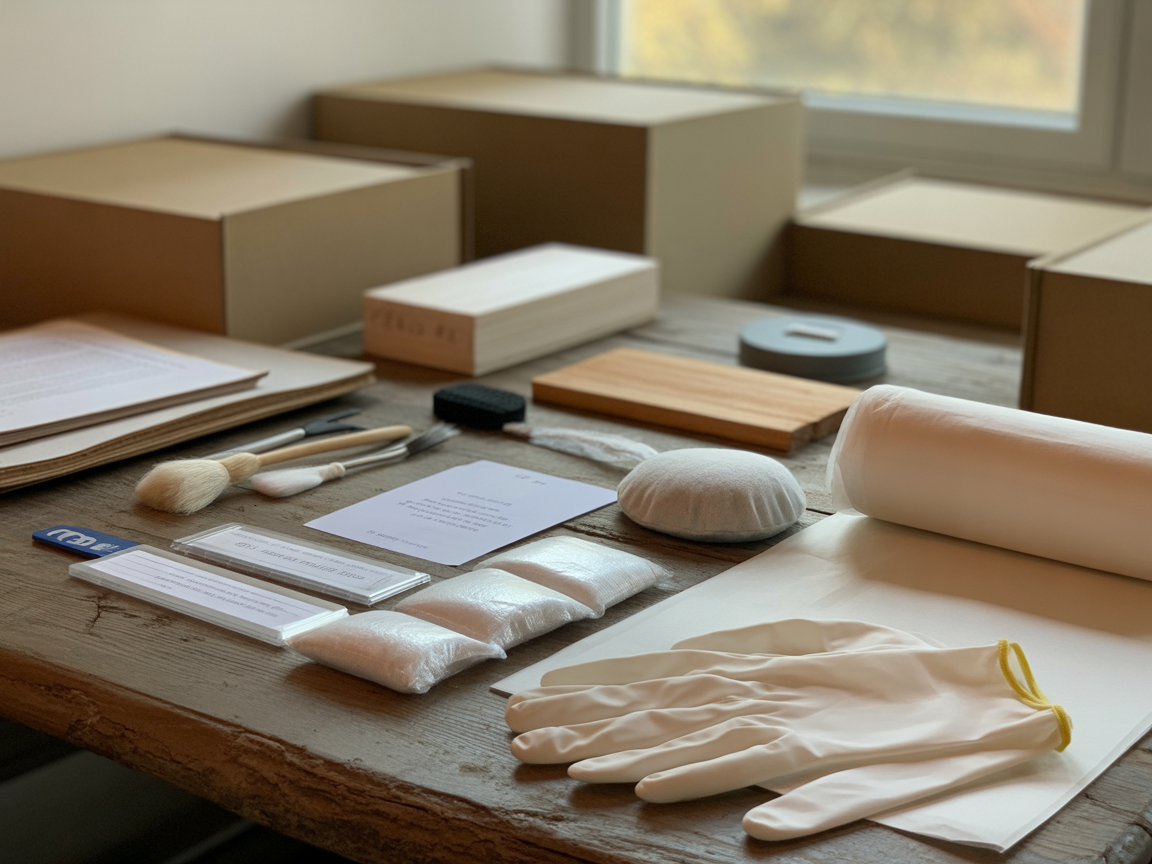
Investing $50 to $100 in proper packing materials protects collections worth thousands. Standard packing supplies from shipping stores contain acids that damage antiques over time.
Essential Archival Supplies
| Material | Use For | Cost Range |
|---|---|---|
| Acid-free tissue paper | Wrapping all items | $15 to $25 per pack |
| Archival storage boxes | Long-term containment | $8 to $30 each |
| Polyethylene foam | Cushioning fragile items | $20 to $40 per roll |
| Cotton gloves | Handling metals, photos | $5 to $10 per pair |
| Silica gel packets | Moisture absorption | $10 to $20 per pack |
Materials to Avoid
Never use newspaper for wrapping; the ink transfers permanently to surfaces and the paper contains acids that cause yellowing. Avoid standard cardboard boxes, which release acids over time. Plastic wrap traps moisture and should only be used temporarily during transport, never for long-term storage.
Rubber bands deteriorate and leave permanent marks on items they contact. Use cotton twill tape or acid-free string instead. Styrofoam peanuts break down into dust that infiltrates containers and damages surfaces.
Choosing the Right Storage Unit Size
Selecting appropriate unit dimensions ensures proper air circulation while maximizing your investment. Overcrowded units prevent airflow and make access difficult, increasing the risk of accidental damage.
A storage size guide helps match your collection to the right space. For most antique collections, allow 20 to 30 percent extra space beyond what items physically require. This buffer enables proper organization, shelving installation, and safe access to items without moving everything.
Recommended Unit Sizes by Collection Type
Small collections of paper items, coins, or jewelry fit comfortably in 5x5 units, which provide 25 square feet of floor space. Medium collections including several furniture pieces and boxed items typically require 10x10 units with 100 square feet. Large collections with multiple furniture pieces, artwork, and extensive boxed items need 10x15 or larger units.
Long-Term Storage Best Practices
Proper long-term storage requires ongoing attention, not just initial setup. Schedule inspection visits every 3 to 6 months to check for moisture, pest activity, or environmental changes.
Inspection Checklist
During each visit, check hygrometer readings and replace silica gel packets if humidity levels have risen. Examine corners and edges of boxes for signs of pest activity including droppings, gnaw marks, or webbing. Open several containers to verify contents remain in good condition.
Document each inspection with photographs and notes. This record proves valuable for insurance claims and helps identify gradual changes that might otherwise go unnoticed.
Pest Prevention Strategies
Insects and rodents cause devastating damage to stored collectibles. Cedar blocks repel moths naturally without chemical residues. Place traps near unit entrances and check them during each visit. Never store food items, even sealed, in the same unit as valuable collectibles.
Lavender sachets deter silverfish and moths while adding a pleasant scent. Replace sachets every 6 months as their effectiveness diminishes. For units in areas with known pest issues, consider professional pest monitoring services.
Security Considerations for Valuable Collections
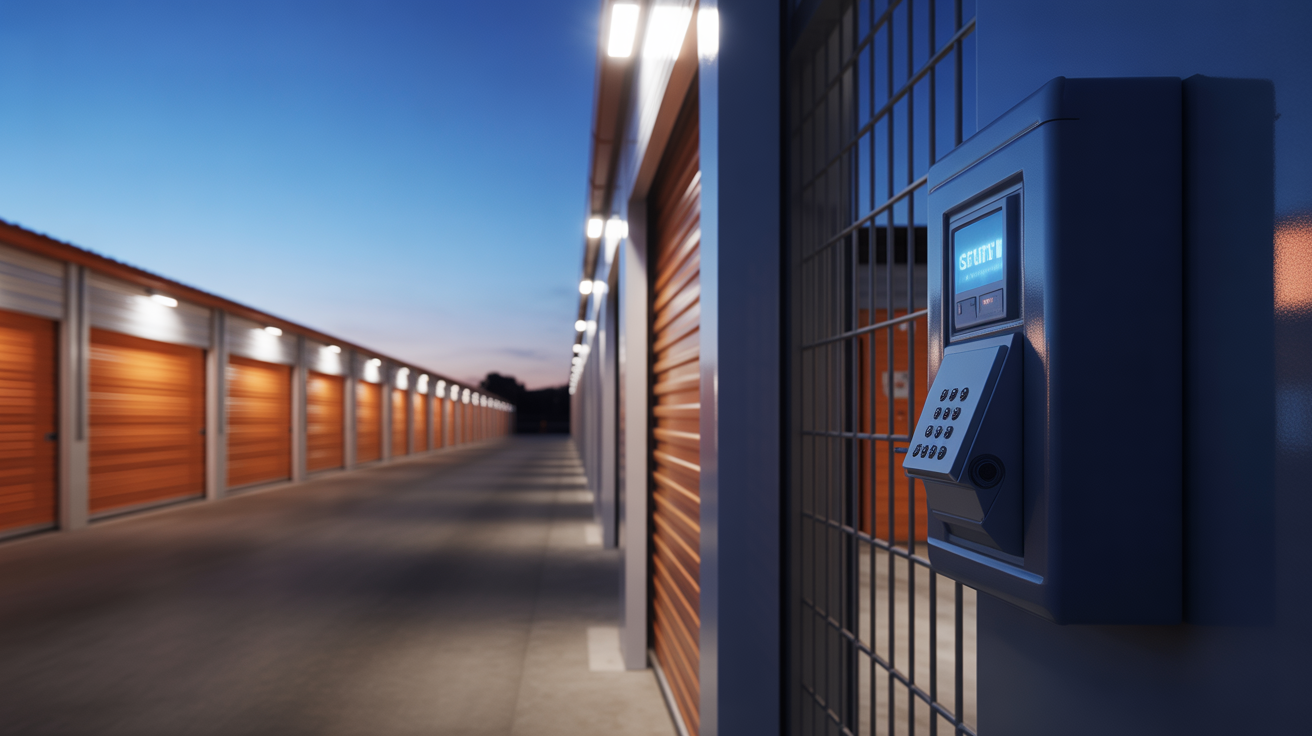
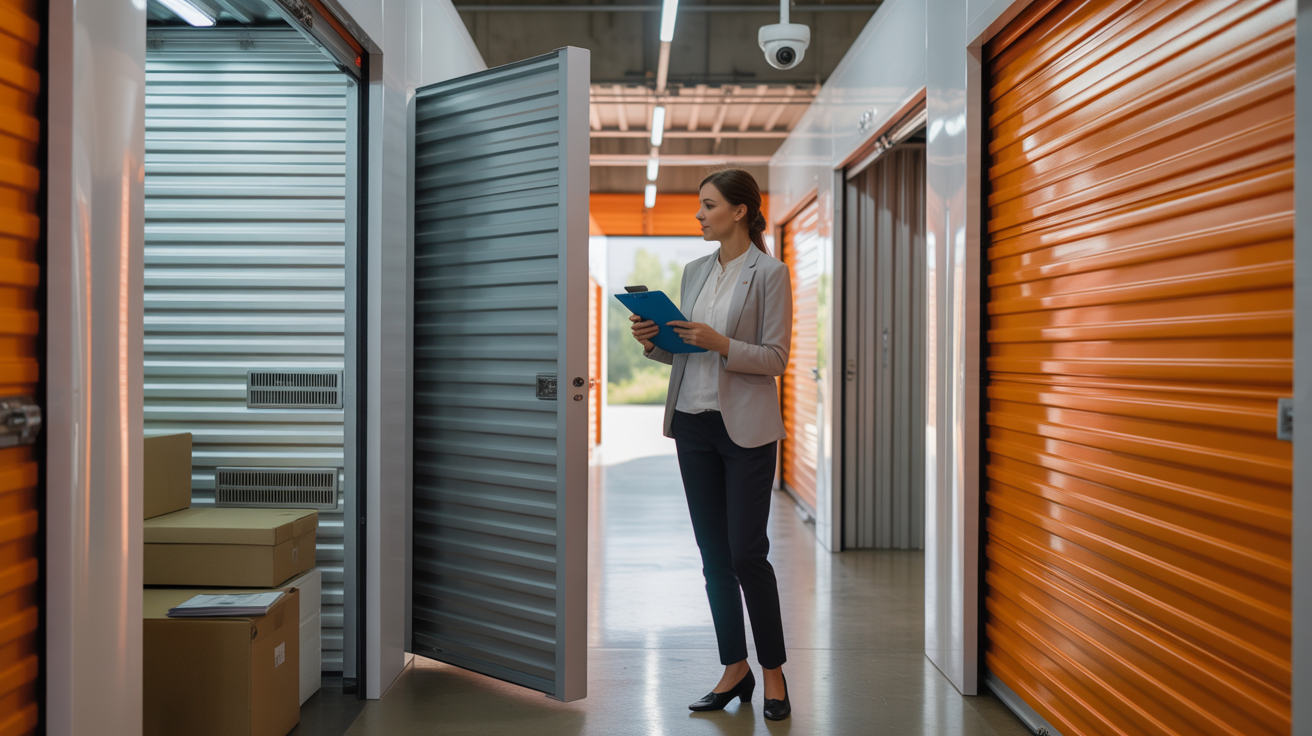
High-value collections require security measures beyond standard storage unit locks. Look for facilities with 24/7 video surveillance, individual unit alarms, and controlled access systems.
Modern storage facilities offer smart lock technology that tracks every access event, providing detailed records of when units were opened. This feature proves invaluable for insurance documentation and peace of mind when storing items valued at $10,000 or more.
Insurance Requirements
Standard homeowner's insurance policies typically limit coverage for items in off-site storage. Contact your insurance provider to add a rider or obtain separate collectibles insurance. Document all items with photographs, appraisals, and detailed descriptions before placing them in storage.
Professional appraisals cost $50 to $300 depending on collection size but establish clear value documentation essential for claims. Update appraisals every 3 to 5 years as market values change.
Current Collectibles Market Trends
Understanding which collectibles are gaining value helps prioritize storage investments. As of early 2026, the hottest collectibles include vintage video games from the 1980s and 1990s, mid-century modern furniture, original movie props, and authenticated sports memorabilia.
Vintage watches, particularly mechanical timepieces from the 1950s through 1970s, continue appreciating at 8 to 12 percent annually. First-edition books and original comic books from the Golden Age maintain strong demand among serious collectors.
Common Storage Mistakes to Avoid
Even experienced collectors make errors that damage valuable items. Learning from these mistakes protects your investment.
Never store items in basements, attics, or garages. These spaces experience temperature swings of 40 degrees or more between seasons, causing irreparable damage to wood, textiles, and paper. Garages also expose items to vehicle exhaust fumes that discolor surfaces and degrade materials.
Avoid stacking heavy items on delicate pieces. Weight causes compression damage that develops slowly but permanently. Use sturdy shelving systems rated for the weight you plan to store and distribute heavy items across lower shelves.
Do not wrap items in plastic for long-term storage. While plastic protects during short moves, it traps moisture over time and creates ideal conditions for mold growth. Use breathable cotton covers for furniture and acid-free materials for boxed items.
|