Storage Unit Size Calculator and Selection Guide
Choosing the right storage unit size can feel overwhelming, especially when you are staring at a list of dimensions that mean nothing without context. Rent too small, and you will face the hassle and expense of upgrading. Rent too large, and you are paying for empty space every month. Industry data shows that 30 to 40 percent of renters initially choose a unit that is too small, while another 20 to 25 percent pay for more space than they actually need.
A storage unit size calculator takes the guesswork out of this decision. By understanding how these tools work and what each unit size can accommodate, you can make a confident choice that protects both your belongings and your budget.
What Is a Storage Unit Size Calculator?
A storage unit size calculator is an online tool that estimates how much storage space you need based on the items you plan to store. These calculators typically ask you to select common household or office items, such as beds, dressers, boxes, and appliances, then specify quantities. The tool calculates the total volume in cubic feet and recommends an appropriate unit size.
Most calculators rely on industry-standard volume estimates from organizations like the Self Storage Association. They serve as a helpful starting point rather than a precise measurement, guiding you toward the right ballpark before you commit to a rental.
How Storage Unit Size Calculators Work
Understanding the mechanics behind these calculators helps you use them more effectively. Here is the typical process:
Item Selection and Volume Estimation
You begin by selecting categories and specific items. Each item carries a standard volume estimate: a king-size bed accounts for approximately 70 cubic feet, a dresser takes up about 30 cubic feet, and a standard medium box requires 3 to 4 cubic feet.
Quantity Input and Calculation
After selecting items, you enter quantities. The calculator multiplies each item's estimated volume by its quantity and sums the total. For example, one king bed, two dressers, and ten medium boxes would total roughly 160 cubic feet.
Unit Size Recommendation
Based on your total volume and typical unit dimensions (most units have 8 to 10 foot ceilings), the tool suggests appropriate sizes. That 160 cubic feet might point you toward a 5x10 or 10x10 unit, depending on how efficiently you plan to stack and organize.
Understanding Volume vs. Square Footage
Storage units are advertised by square feet, but your actual capacity depends on cubic feet. A 10x10 unit offers 100 square feet of floor space, but with 8-foot ceilings, you have 800 cubic feet of usable volume. A 10x20 unit provides 1,600 cubic feet.
This distinction matters significantly. Thinking in cubic feet encourages you to use vertical space effectively, potentially allowing you to rent a smaller unit than floor dimensions alone would suggest.
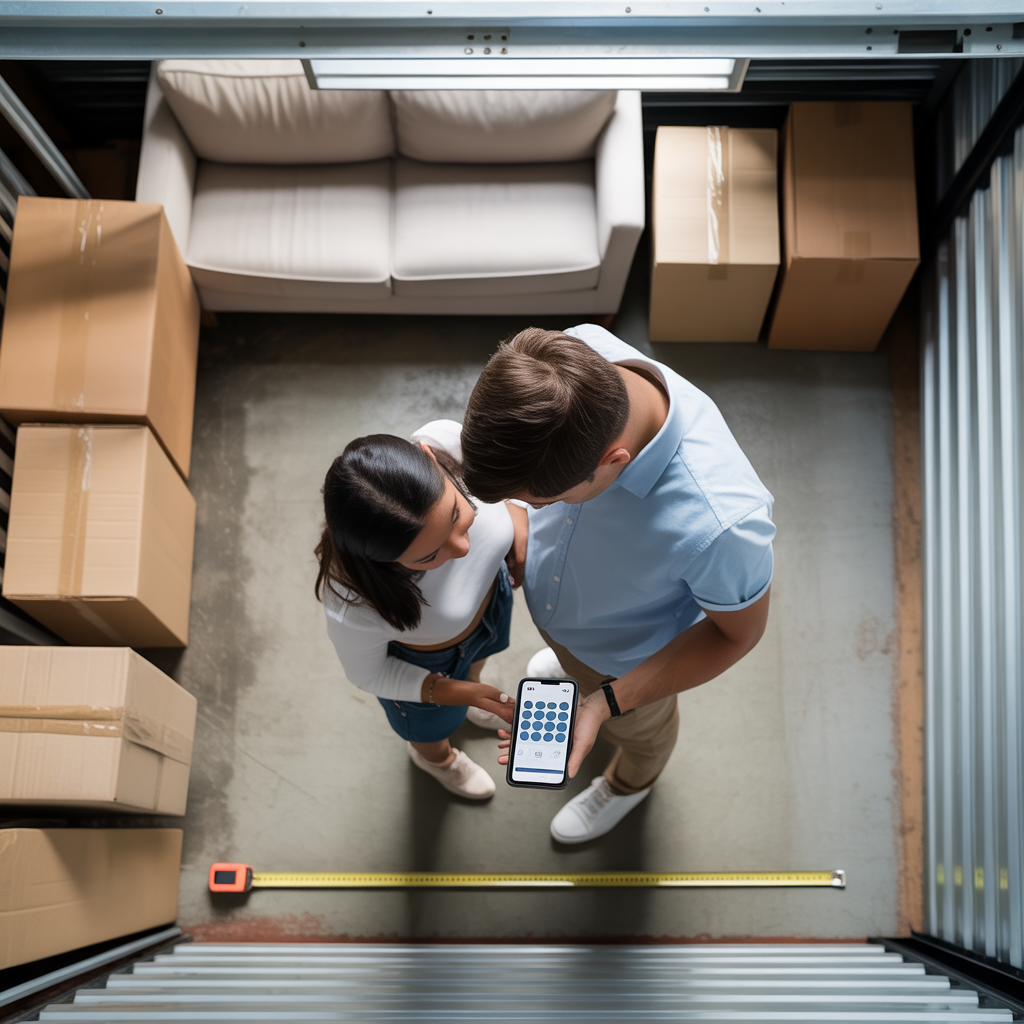
Storage Unit Size Selection Guide
Each unit size serves different needs. Here is a comprehensive breakdown to help you match your belongings to the right space. For detailed dimensions and specific capacity information for each unit size, check out our complete unit size guide.
Small Units: 5x5 to 5x10
A 5x5 unit (26 square feet) works well for a few boxes, small furniture pieces, or seasonal items like holiday decorations and small appliances. Expect to fit 10 to 15 boxes, a small chair, or a bicycle.
A 5x10 unit (50 square feet) accommodates a studio apartment or one room of a typical home. You can store a twin bed, dresser, desk, and several boxes comfortably. This size works well for students, seasonal visitors, or anyone storing the contents of a single room.
Medium Units: 10x10 to 10x15
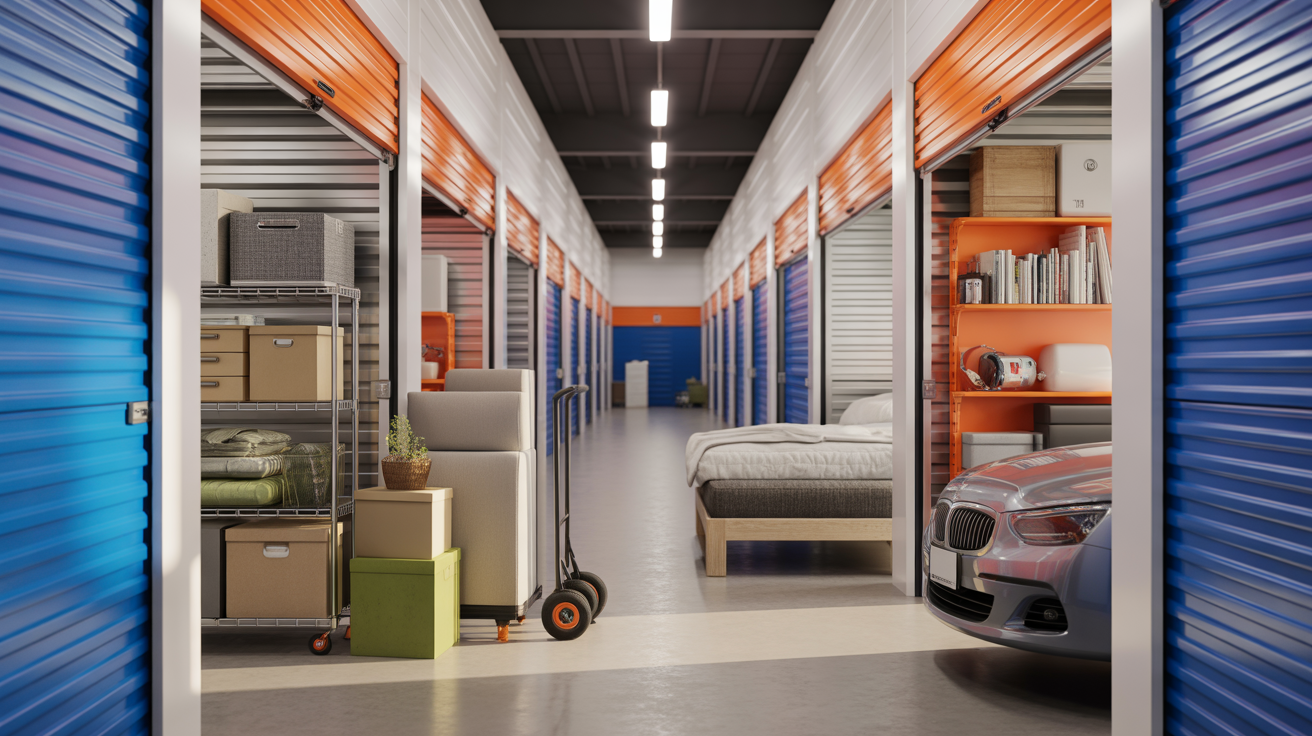
The 10x10 unit (100 square feet) remains the most popular size in the industry. It fits the contents of a one-bedroom apartment, including a queen bed, dresser, sofa, dining table, and 10 to 15 large boxes. For local residents in the Vail Valley area, this size often serves families storing seasonal gear or furniture during home renovations.
A 10x15 unit (150 square feet) handles a two-bedroom home or small office. You can store two bedrooms' worth of furniture, major appliances, and many boxes while maintaining access to your items.
Large Units: 10x20 to 10x30
A 10x20 unit (200 square feet) equals a large kitchen or one-car garage. This size accommodates the contents of a two to three-bedroom home, including large furniture, appliances, and in drive-up configurations, vehicles. At our airport-adjacent storage facility, these units prove popular with aviation professionals storing equipment alongside personal belongings.
The 10x30 unit (300 square feet) serves large homes, businesses, or long-term storage needs. You can store an entire household, multiple vehicles, or commercial inventory with room to spare.
Specialty Storage Options
Beyond standard sizes, consider these specialized options:
- Climate-controlled units protect wood furniture, electronics, documents, and sensitive items from temperature extremes. In mountain environments with significant temperature swings, climate-controlled storage features become essential for preserving valuable belongings.
- Drive-up units simplify loading and unloading large or heavy items, eliminating the need to navigate hallways or elevators.
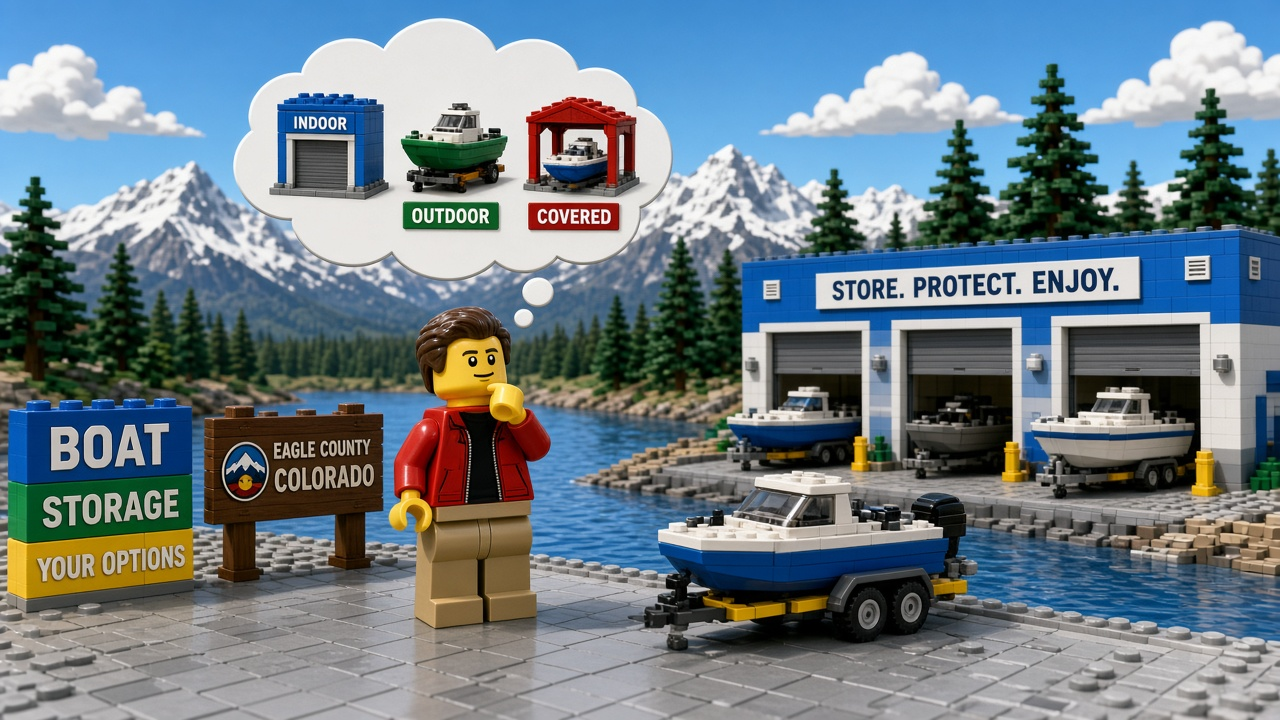
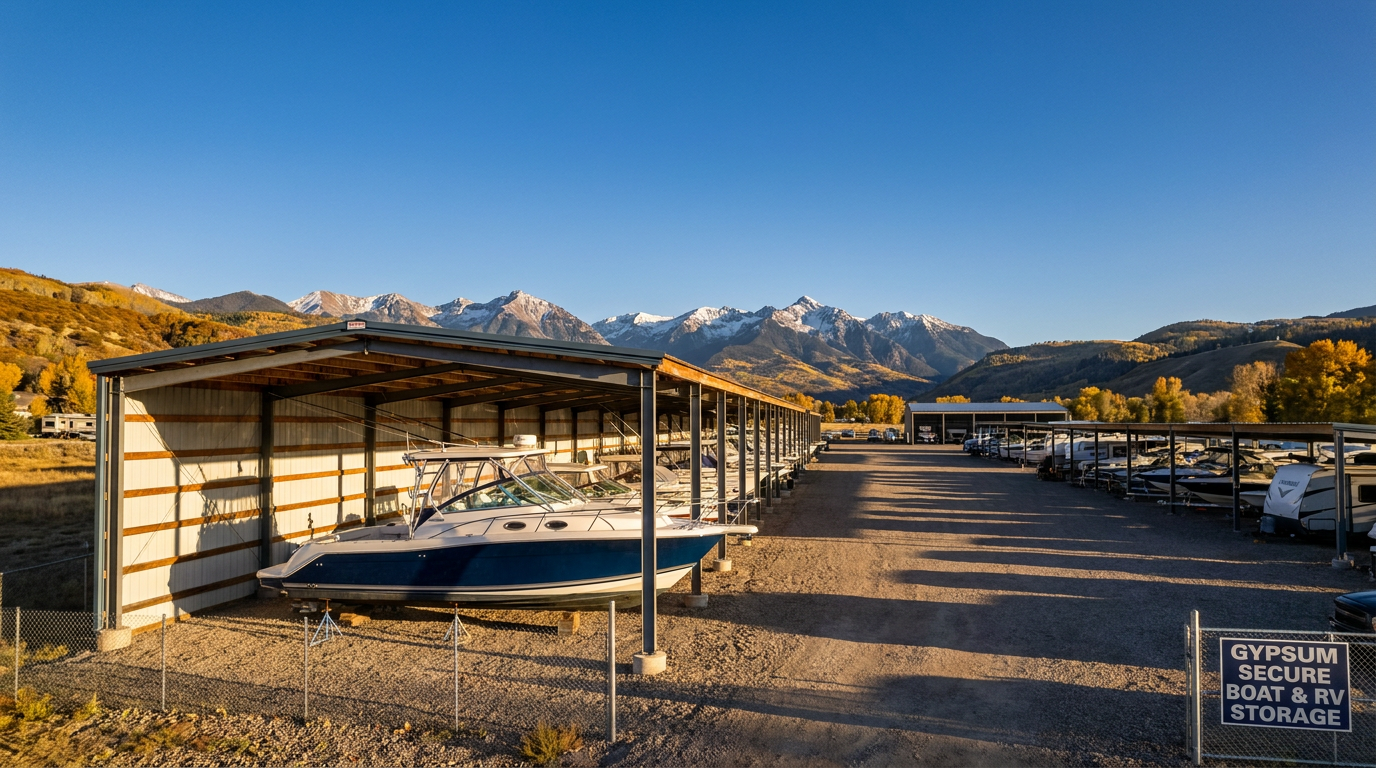
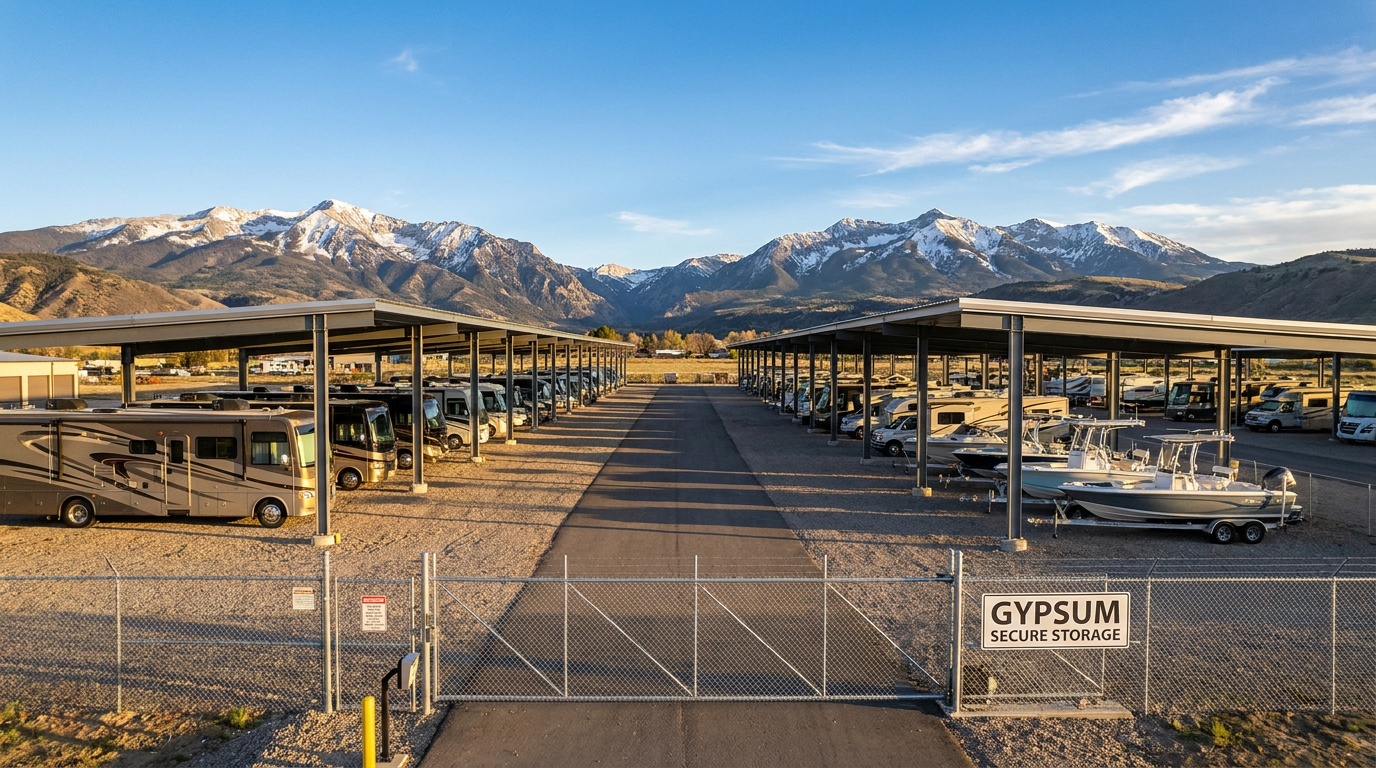
- Vehicle storage accommodates cars, boats, RVs, or motorcycles, typically requiring 10x20 or larger units.
How to Choose the Right Storage Unit Size
Follow this systematic approach to select your ideal unit:
Step 1: Inventory Your Items
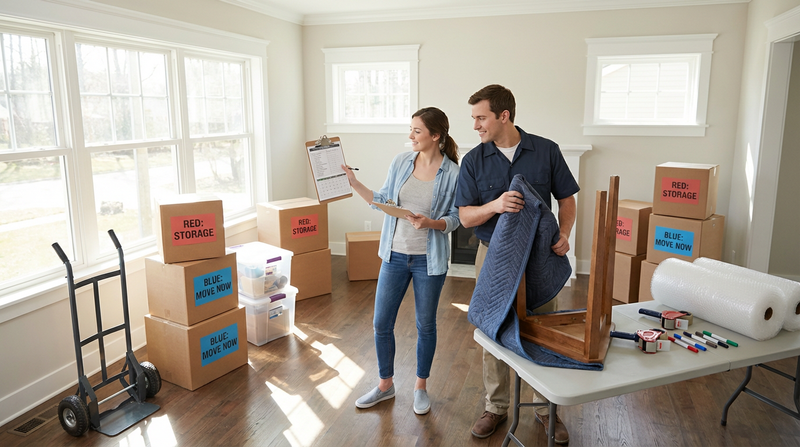
Create a comprehensive list of everything you plan to store, organized by room or category. Include items you might add later, such as belongings you will store during a renovation or business expansion.
Step 2: Estimate Box Counts
Count how many small, medium, and large boxes you will need. Standard estimates suggest small boxes hold 1 to 2 cubic feet, medium boxes hold 3 to 4 cubic feet, and large boxes hold 5 to 6 cubic feet.
Step 3: Use a Calculator
Input your inventory into a storage unit size calculator to establish a baseline recommendation. Remember that this serves as a starting point, not a final answer. You can also reference our unit size guide to visualize how your items will fit in different unit dimensions.
Step 4: Add a Buffer
Include 10 to 20 percent extra space for aisles, access paths, and future additions. This buffer prevents the frustration of discovering your unit cannot accommodate everything.
Step 5: Consider Access and Layout
If you need frequent access, choose a drive-up unit and plan to leave a clear path to items you will retrieve regularly. For long-term storage, maximize vertical stacking to use space efficiently.
Common Mistakes to Avoid
Even with a calculator, renters make predictable errors. Avoid these pitfalls:
- Forgetting bulky items like mattresses, appliances, and seasonal gear
- Not accounting for aisles or access paths inside the unit
- Ignoring future additions during renovations or business growth
- Underestimating how much space odd-shaped items require
How you pack and stack also affects capacity significantly. Using vertical space effectively, disassembling furniture, and using uniform boxes can reduce your needed unit size by 10 to 20 percent.
Frequently Asked Questions
How do I know what size storage unit I need for a 2-bedroom apartment?
A 10x15 unit typically accommodates a two-bedroom apartment's contents. If you have minimal furniture or plan to sell some items, a 10x10 might suffice. For apartments with extensive furniture or large appliances, consider a 10x20.
What fits in a 10x10 storage unit?
A 10x10 unit holds a queen bed, dresser, sofa, dining table, and 10 to 15 large boxes. Think of it as equivalent to a one-bedroom apartment's furnishings, with room for additional boxes and small items.
How many boxes can fit in a 5x10 storage unit?
A 5x10 unit can hold approximately 50 to 75 medium-sized boxes when stacked efficiently. If you are mixing furniture with boxes, expect to fit 20 to 40 boxes alongside a bed, dresser, and small furniture pieces.
Should I choose a climate-controlled storage unit?
Climate control is recommended for wood furniture, electronics, photographs, documents, leather items, and anything sensitive to temperature extremes or humidity. In mountain climates with significant seasonal temperature variations, climate control protects belongings from warping, cracking, or moisture damage.
Can I change my storage unit size later if I need more or less space?
Most storage facilities allow size changes, though availability varies. If you anticipate needing to adjust, ask about the facility's transfer policy before signing a rental agreement. Many providers offer free size changes when space permits.

Making Your Final Decision
A storage unit size calculator provides valuable guidance, but nothing replaces seeing a unit in person. Visit the facility, walk through available units, and visualize how your belongings will fit. Bring your inventory list and measurements of your largest items.
Consider your timeline as well. Short-term storage during a move might justify a slightly larger unit for convenience, while long-term storage benefits from precise sizing to minimize ongoing costs. For those storing items near Eagle County Regional Airport, proximity and accessibility often factor into the decision alongside size.
With the right preparation and a clear understanding of your options, selecting a storage unit becomes straightforward rather than stressful. Our detailed size guide provides additional visual references and specific recommendations to help you make the most informed decision for your storage needs.
Find Your Perfect Storage Unit Size
Vail Airport Storage offers climate-controlled and drive-up units in a variety of sizes, with 24/7 access and smart lock technology. Located just 2 minutes from Eagle County Airport in Gypsum, Colorado.
Storing in the Vail Valley?
Vail Airport Storage is a brand-new facility in Gypsum, CO, next to Eagle County Regional Airport: heated indoor units, drive-up units with power and lights, and vehicle parking, open 24/7 with smart-lock access.