Vehicle Storage Winterization Checklist: Complete Guide |
| VEHICLE STORAGE WINTERIZATION CHECKLIST FOR CARS AND MOTORCYCLES
⏱ 17 min read ·
📄 #3,295 words
Protect your car or motorcycle during winter storage with this comprehensive winterization checklist. Expert tips for batteries, fluids, tires, and more.
|
W hen temperatures drop and snow blankets the Vail Valley, many vehicle owners face a critical decision: how to properly store their cars, motorcycles, and recreational vehicles through the harsh winter months. Whether you are a seasonal resident heading to warmer climates or simply putting away a summer vehicle, proper winterization is the difference between a smooth spring startup and costly repairs.
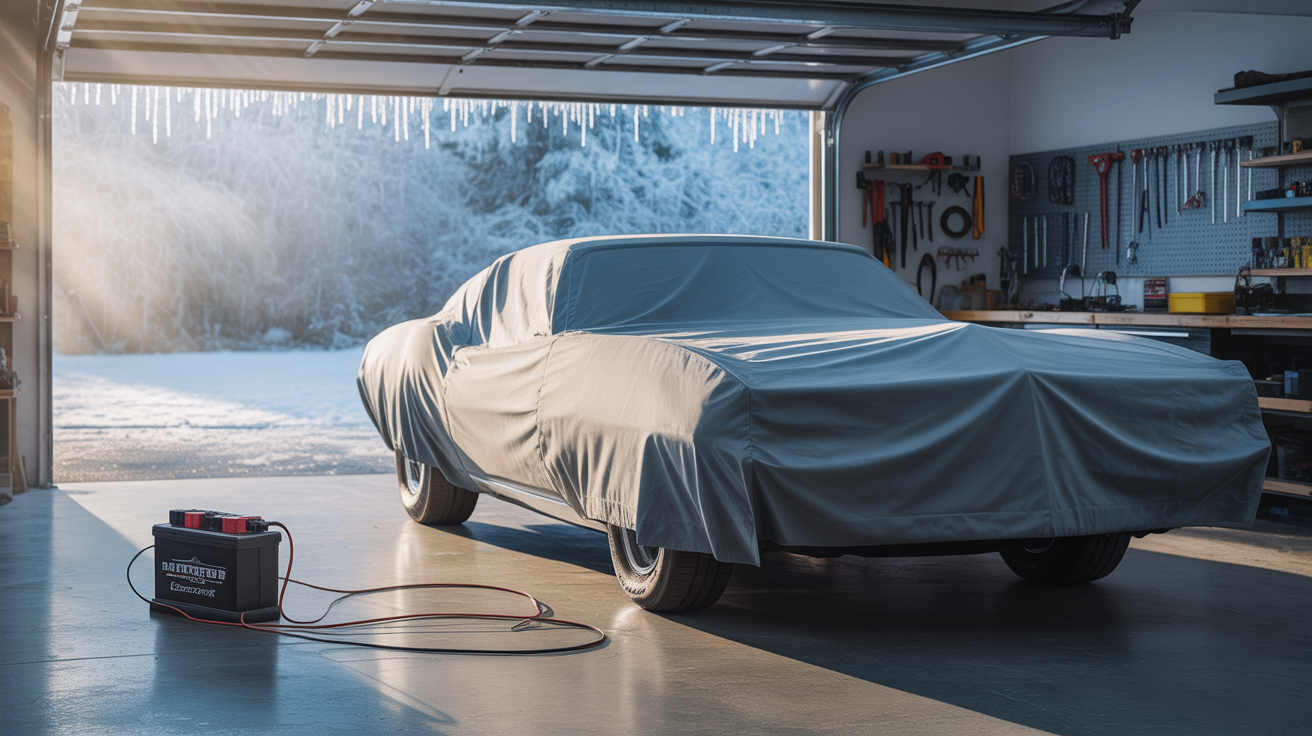
This comprehensive vehicle storage winterization checklist covers every step you need to take before parking your vehicle for extended periods. From fluid maintenance and battery care to tire protection and rodent prevention, we will walk you through the expert techniques that preserve your investment and ensure your vehicle emerges from storage ready to drive.
Why Winterizing Your Vehicle for Storage Matters
Vehicles are designed to be driven regularly. When they sit idle for weeks or months, several problems can develop that range from minor inconveniences to major mechanical failures. Understanding these risks helps explain why each step in the winterization process is so important.
The Hidden Dangers of Improper Winter Storage
Cold temperatures cause materials to contract and fluids to thicken. Moisture accumulates in fuel tanks, creating condensation that leads to rust and fuel system contamination. Batteries slowly discharge, and flat spots can develop on tires that remain stationary under the vehicle's weight. Rubber seals dry out, brake rotors develop surface rust, and small animals seek shelter in warm engine compartments.
In mountain environments like the Vail Valley, where temperatures can swing dramatically and humidity levels fluctuate, these problems are amplified. A vehicle stored without proper preparation may require hundreds or even thousands of dollars in repairs come spring.
The Benefits of Proper Winterization
Taking the time to properly winterize your vehicle delivers significant returns. You will extend the overall lifespan of your vehicle, reduce maintenance costs, prevent corrosion and mechanical wear, and enjoy peace of mind knowing your investment is protected. Perhaps most importantly, you will be able to start your vehicle confidently when storage ends, without unexpected trips to the mechanic.
Pre-Storage Cleaning: The Foundation of Vehicle Winterization
Before addressing mechanical concerns, start with a thorough cleaning. This step is often overlooked, but it prevents long-term damage that can be difficult or impossible to reverse.
Exterior Cleaning and Protection
Wash your vehicle completely, paying special attention to removing any road salt, dirt, or debris that has accumulated. Salt is particularly corrosive and will continue damaging paint and metal surfaces throughout the storage period if not removed.
After washing, apply a quality wax or paint sealant. This protective layer guards against moisture, dust, and minor scratches. For vehicles stored in areas with temperature fluctuations, wax also helps prevent paint from cracking or peeling due to expansion and contraction cycles.
Clean the undercarriage thoroughly. This area collects the most road salt and grime, and corrosion here can compromise structural integrity over time. Many car washes offer undercarriage cleaning, or you can use a pressure washer at home.
Interior Cleaning and Preparation
Vacuum the interior completely, including under seats and in all storage compartments. Food crumbs and organic debris attract rodents and insects, which can cause significant damage to wiring, upholstery, and insulation.
Clean and condition leather or vinyl surfaces to prevent cracking during the dry winter months. Place moisture absorbers or desiccant packets inside the vehicle to control humidity and prevent mold growth. Leaving a box of baking soda inside can help absorb odors.
Remove any items that could be damaged by temperature extremes, including electronics, aerosol cans, and beverages. Also remove any valuables, even in secure storage locations.
Motorcycle-Specific Cleaning
For motorcycles, cleaning is equally important but requires attention to different areas. Clean and lubricate the chain thoroughly, as a dry chain will develop rust and become stiff during storage. Clean the fuel system components, including the carburetor if your motorcycle has one. Wax all painted surfaces and apply a protective coating to chrome parts to prevent oxidation.
Fluid Maintenance: The Heart of Vehicle Winterization
Proper fluid management is arguably the most critical aspect of vehicle winterization. Old or contaminated fluids can cause serious damage during extended storage periods.
Engine Oil Change
Change your oil and oil filter before storage, even if you are not due for a change based on mileage. Used oil contains combustion byproducts, moisture, and acids that can corrode engine internals when left sitting. Fresh oil provides a protective film on all internal components.
After changing the oil, run the engine for a few minutes to circulate the fresh oil throughout the system. This ensures all components are coated with clean, protective lubricant.
Coolant and Antifreeze
Check your coolant level and condition. The coolant should be a 50/50 mixture of antifreeze and distilled water, which provides protection down to approximately negative 34 degrees Fahrenheit. This is essential for outdoor storage or in unheated facilities where freezing is possible.
If your coolant is old or the mixture ratio is incorrect, flush the system and refill with fresh coolant. Coolant that freezes can crack your engine block, radiator, and heater core, resulting in catastrophic damage.
For those storing vehicles in climate-controlled storage units, freezing is less of a concern, but fresh coolant still prevents internal corrosion during the storage period.
Fuel System Care
Fuel is one of the most problematic fluids during storage. Gasoline begins to degrade within 30 days, forming gum and varnish deposits that can clog fuel injectors, carburetors, and fuel lines.
Add a fuel stabilizer to your tank according to the product instructions, then fill the tank completely. A full tank minimizes the air space where condensation can form. After adding stabilizer, run the engine for 10 to 15 minutes to ensure the treated fuel circulates throughout the entire fuel system.
For motorcycles with carburetors, you have two options: either run the engine until the carburetors are empty after adding stabilizer to the tank, or ensure stabilized fuel fills the carburetor bowls completely. The first option prevents gumming in the carburetor, while the second prevents corrosion from empty bowls.
Brake Fluid Inspection
Brake fluid is hygroscopic, meaning it absorbs moisture from the air over time. Moisture in brake fluid lowers its boiling point and can cause internal corrosion in brake components.
Check your brake fluid level and color. If it appears dark or has not been changed in two years, consider flushing and replacing it before storage. At minimum, ensure the reservoir cap is tight to minimize moisture absorption.
Other Fluids to Check
Top off power steering fluid, transmission fluid, and windshield washer fluid. While these are less critical than oil and coolant, maintaining proper levels prevents air from entering systems and ensures seals remain lubricated.
Battery Care: Preventing Dead Batteries and Electrical Issues
Battery failure is the most common problem vehicle owners face after winter storage. Modern vehicles have numerous electronic systems that draw small amounts of power even when parked, slowly draining the battery over time.
Option One: Remove and Store the Battery
The most reliable approach is to remove the battery entirely and store it in a cool, dry location where temperatures remain above freezing. A fully charged battery will not freeze until temperatures drop below negative 76 degrees Fahrenheit, but a discharged battery can freeze at just 32 degrees.
Before removing the battery, note any radio codes or electronic settings that may need to be re-entered. Clean the battery terminals and cable ends with a wire brush and apply a thin coating of petroleum jelly or terminal protector to prevent corrosion.
Option Two: Use a Battery Maintainer
If removing the battery is impractical, connect a battery maintainer, also called a trickle charger or float charger. These devices monitor battery voltage and provide just enough charge to maintain full capacity without overcharging.
Quality battery maintainers are safe to leave connected for months at a time. They are particularly useful in storage facilities with electrical outlets, such as drive-up units with power access.
Option Three: Disconnect the Negative Terminal
If you cannot remove the battery or use a maintainer, disconnect the negative terminal to prevent parasitic drain from vehicle electronics. This is a compromise solution that prevents drain but does not address the natural self-discharge that all batteries experience.
With this method, plan to check and charge the battery at least once per month during storage.
Tire Protection: Preventing Flat Spots and Deterioration
Tires are another component that suffers during extended storage. The weight of the vehicle concentrated on the same contact patch for months can cause flat spots that may be permanent.
Inflation and Pressure
Inflate all tires to the maximum pressure listed on the tire sidewall, not the vehicle placard pressure. This higher pressure helps resist flat spotting. Check and adjust pressure monthly if possible, as tires naturally lose pressure over time.
Using Jack Stands
For long-term storage exceeding three months, consider placing the vehicle on jack stands to remove weight from the tires entirely. Position stands under the vehicle's designated lift points and lower the suspension until the tires are just off the ground.
This approach eliminates flat spot concerns completely and also relieves stress on suspension components.
Tire Covers and Protection
If storing outdoors or in a location with windows, cover the tires to protect them from UV exposure. Sunlight degrades rubber compounds, causing cracking and premature aging. Even in indoor storage, tire covers help keep tires clean and protected.
Storage Surface Considerations
Park on concrete or gravel rather than bare dirt or asphalt. Concrete provides a stable, moisture-resistant surface. Asphalt can become soft in warm weather and stick to tires, while dirt holds moisture that accelerates rubber deterioration.
Place a piece of plywood or carpet under each tire if you must store on a less-than-ideal surface. This creates a barrier between the tire and potential contaminants.
Rodent Prevention: Protecting Against Unwanted Guests
Mice, rats, and other small animals view stored vehicles as ideal winter homes. They nest in air filter boxes, chew through wiring insulation, and can cause thousands of dollars in damage.
Sealing Entry Points
Block potential entry points using steel wool or purpose-made exhaust and intake covers. Pay attention to the exhaust pipe, air intake, and any gaps where cables or hoses enter the cabin.
Do not use rags or paper products as blockers, as rodents can easily chew through these materials.
Deterrents and Repellents
Place rodent deterrents around and inside the vehicle. Options include commercial repellent sprays, dryer sheets, peppermint oil-soaked cotton balls, or electronic ultrasonic devices. Many vehicle owners report success with a combination of methods.
Avoid using poison bait inside or directly around the vehicle. A rodent that consumes poison may die inside the vehicle, creating odor problems and potential health hazards.
Regular Inspection
If possible, check your stored vehicle periodically for signs of rodent activity. Look for droppings, nesting materials, and chew marks. Early detection allows you to address problems before significant damage occurs.
Protective Covers and Storage Environment
Where and how you store your vehicle significantly impacts how well it survives the winter months.
Indoor vs. Outdoor Storage
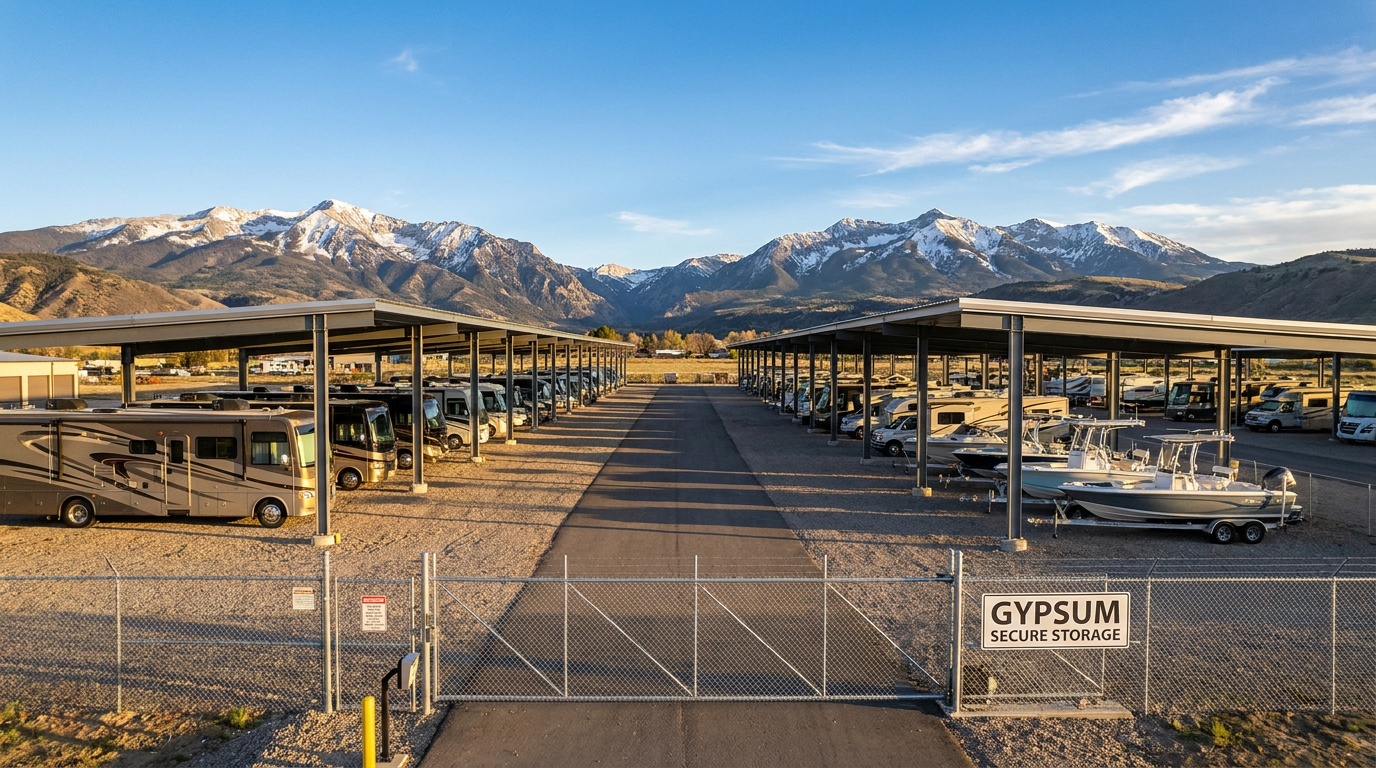
Indoor storage is always preferable when available. A climate-controlled environment eliminates concerns about freezing, reduces humidity fluctuations, and protects against UV damage and precipitation.
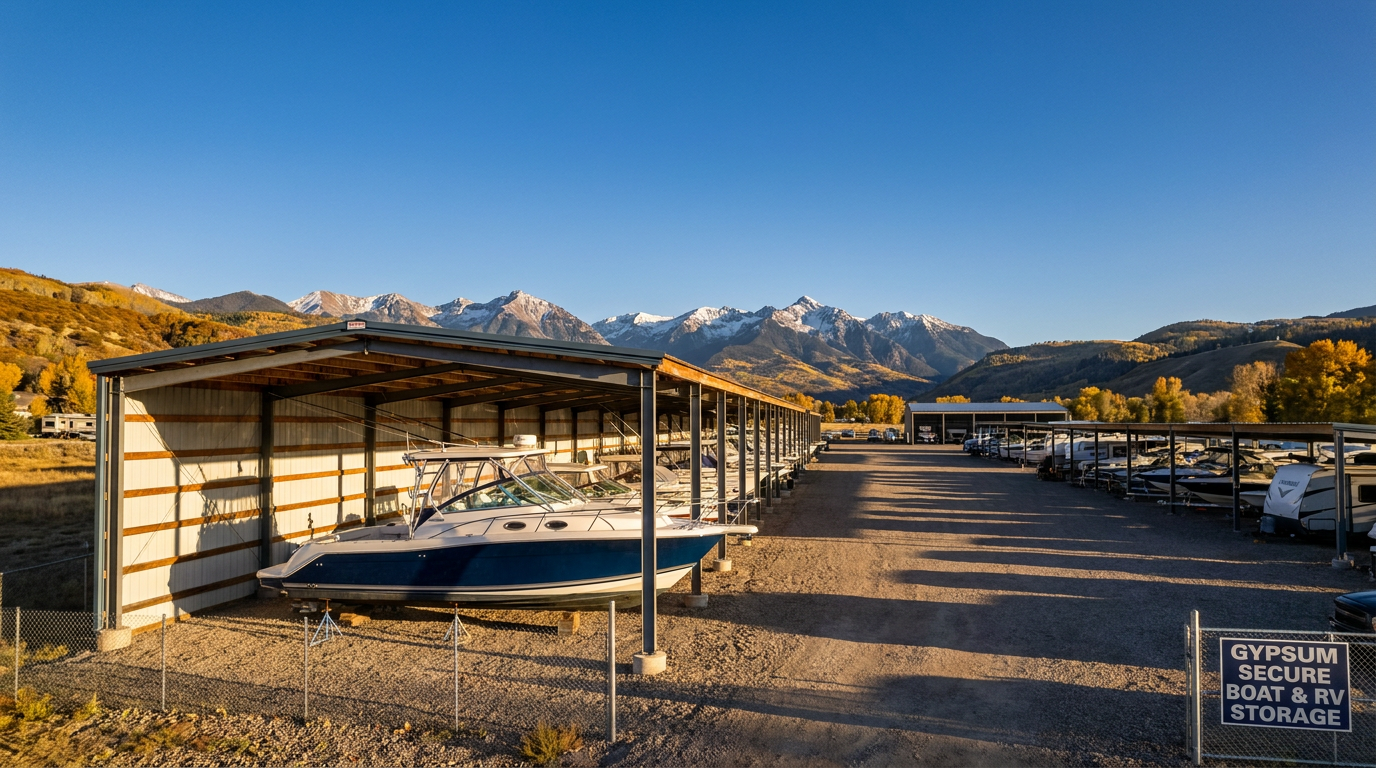
For those in the Vail Valley area, choosing a storage facility near your location or travel route makes periodic checks more convenient. Facilities near Eagle County Regional Airport offer accessibility for seasonal residents who fly in and out of the area.
Choosing the Right Vehicle Cover
Whether storing indoors or outdoors, a quality vehicle cover provides important protection. Look for covers that are breathable to prevent moisture trapping, which can cause mold and paint damage.
For outdoor storage, choose a cover with waterproof outer layers and soft inner linings that will not scratch paint. Ensure the cover fits properly and includes tie-downs or elastic hems to prevent wind from blowing it off.
For indoor storage, a lighter breathable cover keeps dust off while allowing any trapped moisture to escape. Avoid plastic tarps, which trap moisture and can damage paint.
Ventilation Considerations
Good air circulation helps prevent moisture buildup and mold growth. In enclosed storage spaces, ensure some ventilation exists. Crack windows slightly if the storage environment is secure and climate-controlled.
Additional Mechanical Preparations
Beyond the major systems, several smaller maintenance tasks help ensure your vehicle remains in optimal condition.
Lubrication Points
Apply lubricant to door hinges, hood latches, and trunk hinges to prevent rust and ensure smooth operation. Spray a silicone-based lubricant into door lock cylinders to prevent freezing and corrosion.
For vehicles with manual transmissions, consider engaging the clutch periodically during storage to prevent the clutch disc from sticking to the flywheel. Alternatively, leave the transmission in neutral with wheel chocks in place rather than using the parking brake.
Parking Brake Considerations
Avoid engaging the parking brake during long-term storage. Brake pads can bond to rotors over time, especially in humid conditions. Instead, use wheel chocks to prevent the vehicle from rolling.
Exhaust System Protection
In addition to blocking the exhaust pipe opening against rodents, consider the internal condition of your exhaust system. Running the engine until it reaches full operating temperature before final storage helps evaporate any moisture inside the exhaust system, reducing internal rust.
Motorcycle-Specific Winterization Steps
While motorcycles share many winterization requirements with cars, several unique considerations apply.
Fuel System Specifics
Motorcycle carburetors are particularly vulnerable to fuel degradation. After adding stabilizer and running the engine, either drain the carburetor bowls using the drain screws, or ensure they are completely filled with stabilized fuel.
For fuel-injected motorcycles, the process is simpler: add stabilizer and run the engine long enough to circulate treated fuel throughout the system.
Chain and Drive Maintenance
Clean the chain thoroughly and apply fresh lubricant. A dry chain will develop rust during storage that accelerates wear when you resume riding. For shaft-drive motorcycles, check the final drive fluid level.
Throttle and Clutch Cables
Lubricate throttle and clutch cables to ensure they remain free-moving. Stiff cables can be dangerous when you first ride after storage.
Fork and Shock Care
If possible, support the motorcycle so the suspension is slightly extended rather than fully compressed. This prevents seal damage and maintains proper lubrication distribution.
Covering and Storage Position
Use a breathable, form-fitting motorcycle cover. Avoid covers that trap moisture against the bike. Store the motorcycle upright on its center stand if equipped, or use a paddock stand to keep both wheels off the ground.
RV and Boat Winterization Considerations
For those storing recreational vehicles or boats, additional winterization steps are necessary.
RV Water System Winterization
Drain all water tanks, water heater, and water lines completely. Add RV antifreeze to the plumbing system by running it through all faucets and the toilet. Bypass the water heater before adding antifreeze to avoid filling the tank with the pink fluid.
Leave cabinet doors open to allow air circulation and prevent mold growth. Remove all food items and clean the refrigerator thoroughly, leaving the door slightly open.
Boat Winterization
Drain the engine cooling system and add antifreeze appropriate for your engine type. For inboard engines, run antifreeze through the entire cooling system using a flushing kit. Outboard motors should be stored in the down position with the lower unit drained.
Fog the engine with storage oil to protect internal components. Stabilize the fuel and fill the tank to prevent condensation.
Choosing the Right Storage Size
RVs and boats require significantly more space than standard vehicles. When selecting a storage unit, measure your vehicle carefully and allow extra clearance for access. A storage size guide can help you determine the appropriate unit dimensions for your specific vehicle.
Creating Your Personal Winterization Checklist
While this guide covers the essential steps, your specific vehicle may have unique requirements. Consult your owner's manual for manufacturer recommendations and create a personalized checklist you can follow each year.
Documentation and Record Keeping
Record the date of storage, odometer reading, and all maintenance performed. Note the fuel stabilizer brand and amount used, oil type and quantity, and any other products applied. This documentation helps you track maintenance history and ensures you do not forget any steps in future years.
De-Winterization Planning
Before storing your vehicle, make notes about the de-winterization process. List any covers or plugs that need to be removed, batteries that need to be reconnected, and fluids that should be checked before starting the engine. Having this information readily available makes the spring startup process smooth and safe.
Common Winterization Mistakes to Avoid
Even with the best intentions, vehicle owners sometimes make errors that compromise their winterization efforts.
Skipping the Oil Change
Some owners reason that since the vehicle will not be driven, the oil does not need to be changed. This is false. Used oil contains contaminants that become more corrosive over time, especially when the engine is not running to circulate and heat the oil.
Leaving the Tank Partially Full
A half-full fuel tank provides ample space for condensation to form. This water accumulation can cause rust in the tank and fuel system problems. Always fill the tank completely after adding stabilizer.
Forgetting About Fuel Stabilizer
Simply filling the tank without adding stabilizer does not prevent fuel degradation. Modern gasoline, especially ethanol-blended fuels, breaks down relatively quickly. Stabilizer is essential for any storage period exceeding 30 days.
Using Non-Breathable Covers
Plastic tarps and non-breathable covers trap moisture against the vehicle, creating an environment where rust and mold thrive. Always choose breathable covers designed for vehicle storage.
Neglecting Periodic Checks
Winterization is not a set-it-and-forget-it process. Monthly checks, when possible, allow you to catch problems early. Verify tire pressure, look for signs of rodent activity, and ensure the battery maintainer is functioning properly.
Frequently Asked Questions About Vehicle Winterization
How Do I Winterize a Motorcycle for Long-Term Storage?
Winterizing a motorcycle follows similar principles to cars but requires attention to the chain, carburetors, and cables. Clean and lubricate the chain, add fuel stabilizer and either drain or fill the carburetors, lubricate all cables, remove the battery, and store the bike upright under a breathable cover. For detailed motorcycle storage, consider climate-controlled options that protect against temperature extremes.
What Type of Antifreeze Mix Is Best for Vehicle Storage During Winter?
A 50/50 mixture of antifreeze and distilled water provides protection down to approximately negative 34 degrees Fahrenheit, which is sufficient for most storage situations. Using straight antifreeze actually provides less freeze protection than the proper mixture and reduces heat transfer efficiency.
Should I Disconnect My Car Battery During Winter Storage?
Yes, you should either disconnect the battery, remove it entirely, or connect a battery maintainer. Modern vehicles have parasitic draws from computers, clocks, and security systems that slowly drain the battery. A dead battery that freezes can be permanently damaged.
How Do I Prevent Tire Flat Spots When Storing My Vehicle Over Winter?
Inflate tires to the maximum sidewall pressure, not the vehicle placard pressure. For storage exceeding three months, consider placing the vehicle on jack stands to remove weight from the tires completely. If using jack stands is not practical, move the vehicle slightly every few weeks to change the contact patch position.
What Are the Best Indoor Storage Options for Winterizing Vehicles?
The ideal indoor storage environment is climate-controlled, maintaining consistent temperature and humidity levels. This prevents freezing, reduces condensation, and protects against the expansion and contraction cycles that can damage seals and finishes. Look for facilities with good security, adequate space for your vehicle, and convenient access for periodic checks.
|