Moving Day Storage Unit Access Tips and Timeline Guide |
| MOVING DAY STORAGE UNIT ACCESS TIPS AND TIMELINE
⏱ 11 min read ·
📄 #2,111 words
Plan your moving day storage access with our hour-by-hour timeline. Get expert tips for efficient loading, unit organization, and seamless transitions.
|

M oving day storage access requires arriving at your facility between 7:00 and 9:00 AM, allowing 2 to 4 hours for loading a standard 10x10 unit. Plan your access around facility gate hours, reserve elevators if using indoor units, and pack your storage unit with frequently needed items near the front for easy retrieval during your transition period.
| Key Points: | |
|---|---|
| • | Schedule storage access for 7:00 to 9:00 AM to maximize daylight and avoid traffic delays |
| • | Loading a 10x10 unit takes 2 to 4 hours; a 10x20 unit requires 4 to 6 hours |
| • | Create a center aisle in your unit for access to items stored in the back |
| • | Facilities with 24/7 smart lock access eliminate scheduling constraints entirely |
| • | Pack an essentials box separately containing items you will need within 48 hours |
Your Moving Day Storage Timeline: Hour by Hour
A structured timeline prevents the chaos that derails most moving days. Whether you are storing items temporarily between homes or downsizing permanently, following a precise schedule keeps you on track and reduces stress.
6:00 AM to 7:00 AM: Pre-Move Preparation
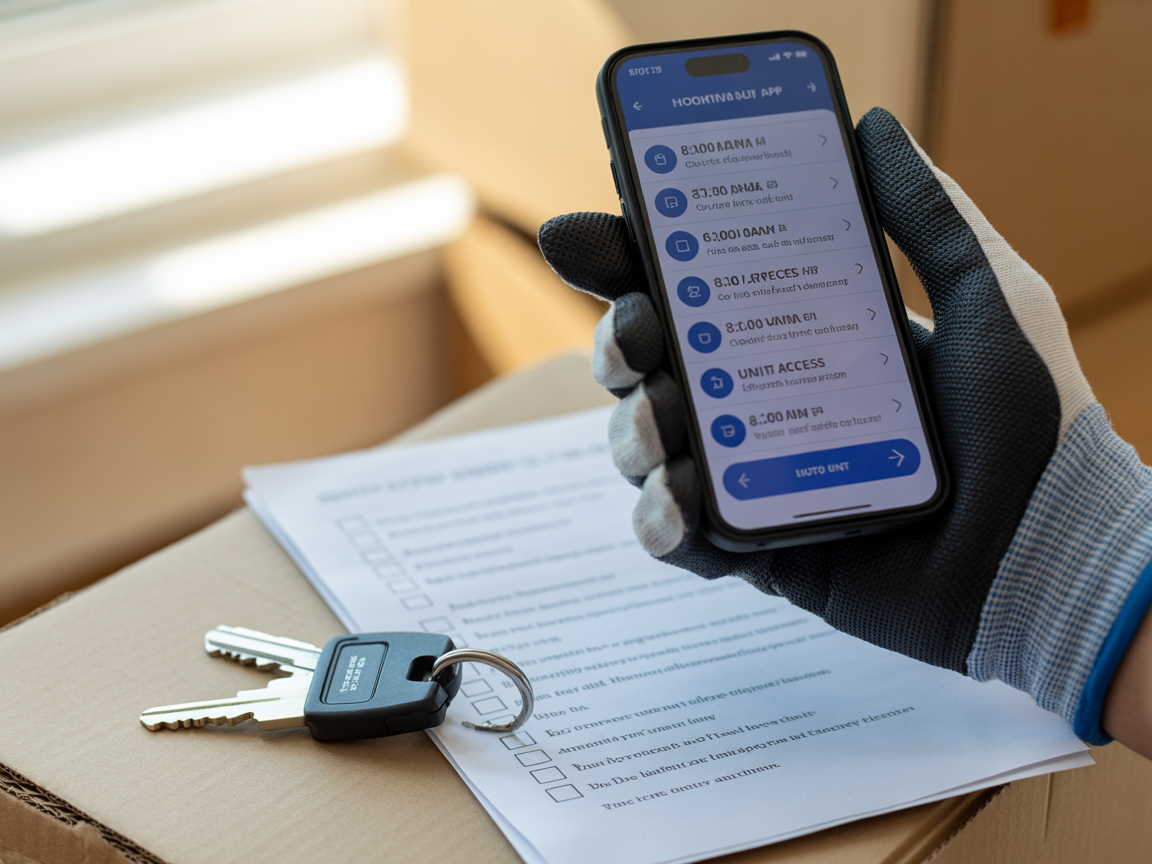
Begin your day by confirming your storage facility access code or downloading the required app. Facilities like Vail Airport Storage use smart lock technology that allows you to unlock your unit directly from your phone, eliminating the need to coordinate office hours. Verify your rental truck is ready and check weather conditions for the Vail Valley area.
Eat a substantial breakfast and hydrate before physical labor begins. Gather your packing supplies: furniture blankets, tie-down straps, a dolly or hand truck, and your inventory checklist. Load these items into your vehicle first so they are immediately accessible upon arrival.
7:00 AM to 8:00 AM: Arrive at Storage Facility
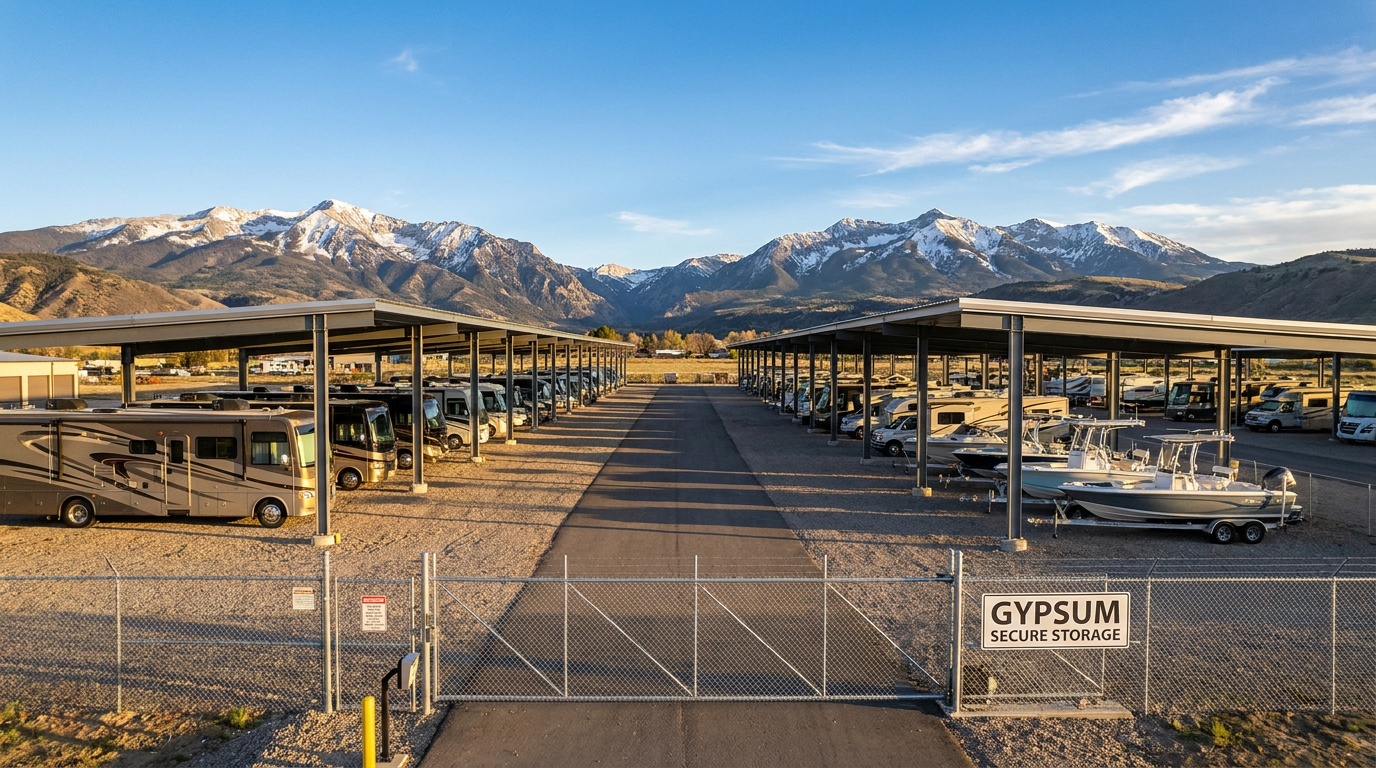
Early arrival provides several advantages. Morning temperatures in mountain regions like Gypsum, Colorado remain cooler, reducing physical strain during loading. You also avoid competing with other customers for loading dock space or elevators.
Upon arrival, locate your specific unit and walk the path from the loading area. Measure doorway widths if you have not already done so. Standard drive-up units offer 8 to 10 foot wide openings, while indoor hallways may restrict furniture dimensions. Prop doors open and position your vehicle for efficient unloading.
8:00 AM to 12:00 PM: Primary Loading Phase
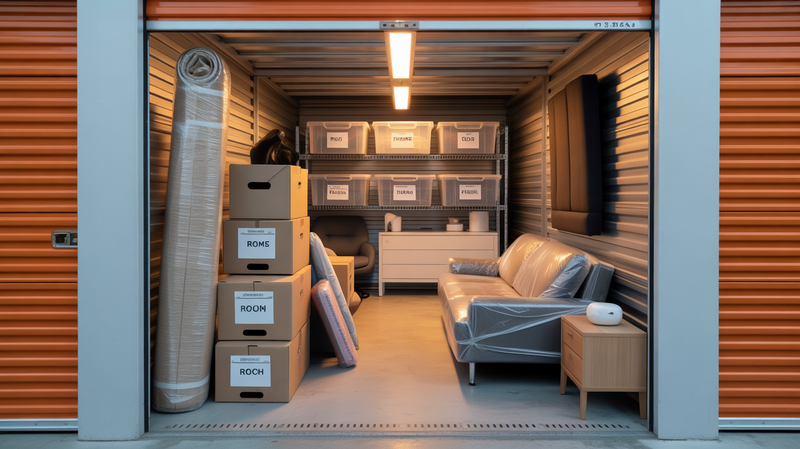
This four-hour window handles the bulk of your storage loading. Begin with heavy furniture and large appliances, placing them against the back wall. Stack boxes on top of sturdy furniture rather than directly on concrete floors, which can transfer moisture over time.
Use pallets or skids if storing items for longer than three months. Create a center aisle approximately two feet wide running from the unit door to the back wall. This pathway allows you to access any item without unstacking your entire unit.
12:00 PM to 1:00 PM: Mid-Day Assessment
Take a mandatory break during this hour. Dehydration and fatigue cause injuries and poor decision-making. Use this time to reassess your remaining items and adjust your loading strategy if needed.
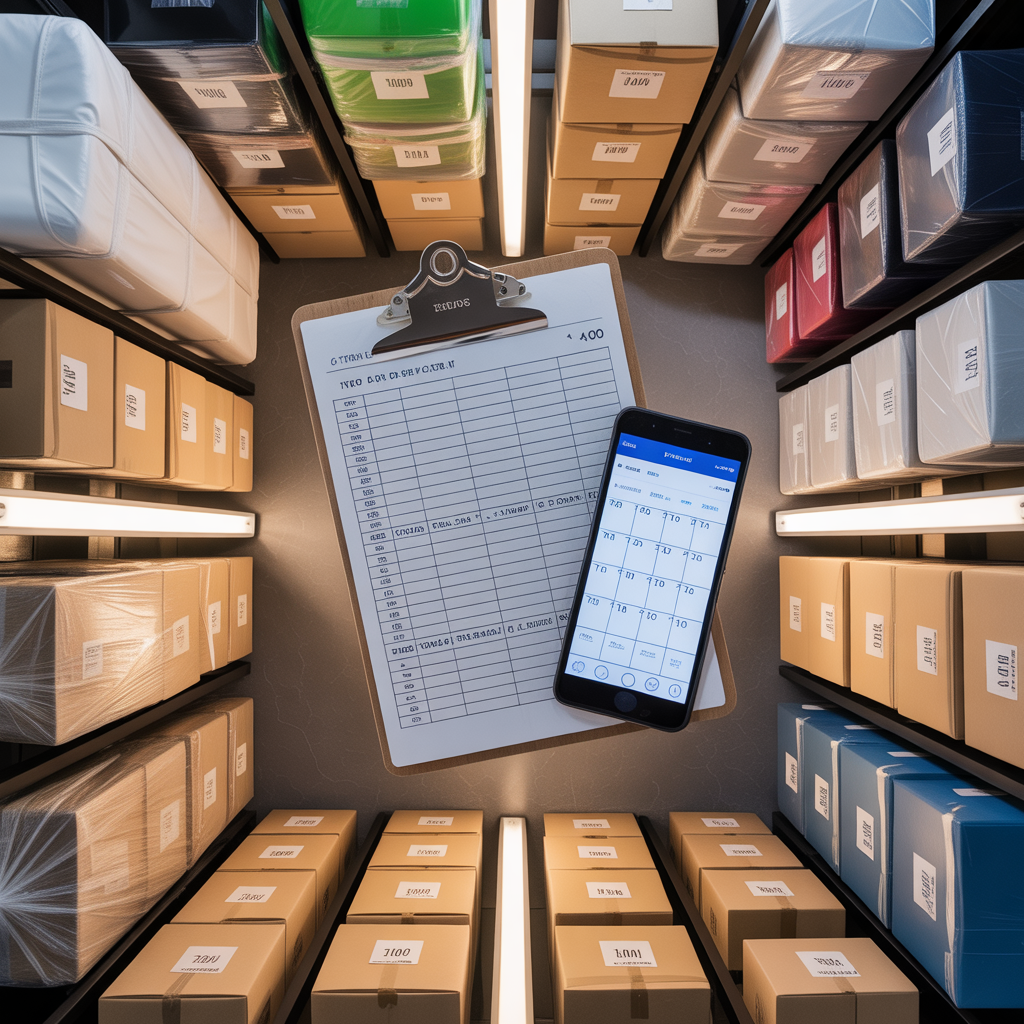
Review your inventory list and confirm all items are accounted for. Take photos of your unit layout for insurance documentation and future reference when you need to locate specific boxes.
1:00 PM to 3:00 PM: Secondary Loading and Organization
Complete loading remaining items during this window. Place frequently accessed items near the front of your unit. Label all boxes on multiple sides so labels remain visible regardless of stacking orientation.
If using climate-controlled storage, verify the temperature reads between 55 and 80 degrees Fahrenheit before sealing sensitive items inside. Climate control protects electronics, documents, wooden furniture, and seasonal gear from temperature extremes common in mountain environments.
3:00 PM to 5:00 PM: Final Checks and Departure
Conduct a final walkthrough of your unit. Ensure nothing blocks the door mechanism and that your lock engages properly. Test your access code or app one more time before leaving to confirm functionality.
Update your inventory list with final box counts and unit layout. Share access credentials with family members if your facility offers digital key sharing, allowing trusted individuals to retrieve items on your behalf.
Storage Unit Organization Strategies for Moving Day
Proper organization during initial loading saves hours of frustration during future visits. These strategies maximize your unit space while maintaining accessibility.
The Zone System
Divide your storage unit into three zones based on access frequency. Zone A, nearest the door, contains items you may need within 30 days: seasonal clothing, important documents, or tools. Zone B holds items needed within 3 to 6 months. Zone C, at the back, stores long-term items you will not need until your final move-out.
Label each zone clearly and maintain a written map of zone contents. This system transforms chaotic storage into an organized extension of your home.
Vertical Stacking Guidelines
Stack boxes no higher than six feet to prevent crushing and maintain stability. Place heavier boxes on the bottom with lighter boxes on top. Uniform box sizes stack more efficiently than mismatched containers.
Leave two inches of space between stacks and walls to promote air circulation. This gap prevents moisture buildup and allows you to inspect items periodically without dismantling your entire arrangement.
Furniture Placement Techniques
Disassemble large furniture when possible to maximize floor space. Store mattresses vertically against walls using mattress bags for protection. Remove table legs and wrap them separately to prevent scratching other items.
Dressers and filing cabinets can store smaller boxes inside their drawers, effectively doubling your usable space. Secure drawers with tape or stretch wrap to prevent them from sliding open during future access visits.
Choosing the Right Unit Size for Moving Day
Selecting appropriate unit dimensions before moving day prevents last-minute scrambling. Use this sizing guide to match your belongings to available units.
| Unit Size | Best For | Loading Time |
|---|---|---|
| 5x5 | Small closet contents, 10 to 15 boxes | 30 to 60 minutes |
| 5x10 | Studio apartment, seasonal items | 1 to 2 hours |
| 10x10 | One-bedroom apartment | 2 to 4 hours |
| 10x15 | Two-bedroom apartment | 3 to 5 hours |
| 10x20 | Three-bedroom house | 4 to 6 hours |
| 10x30 | Large home or vehicle storage | 5 to 8 hours |
Consult a storage size guide with visual comparisons if you are uncertain about your needs. Most facilities allow you to upgrade to a larger unit if your initial estimate proves insufficient.
Access Features That Simplify Moving Day
Modern storage facilities offer features specifically designed to streamline moving day logistics. Understanding these options helps you choose a facility that matches your needs.
24/7 Access With Smart Lock Technology
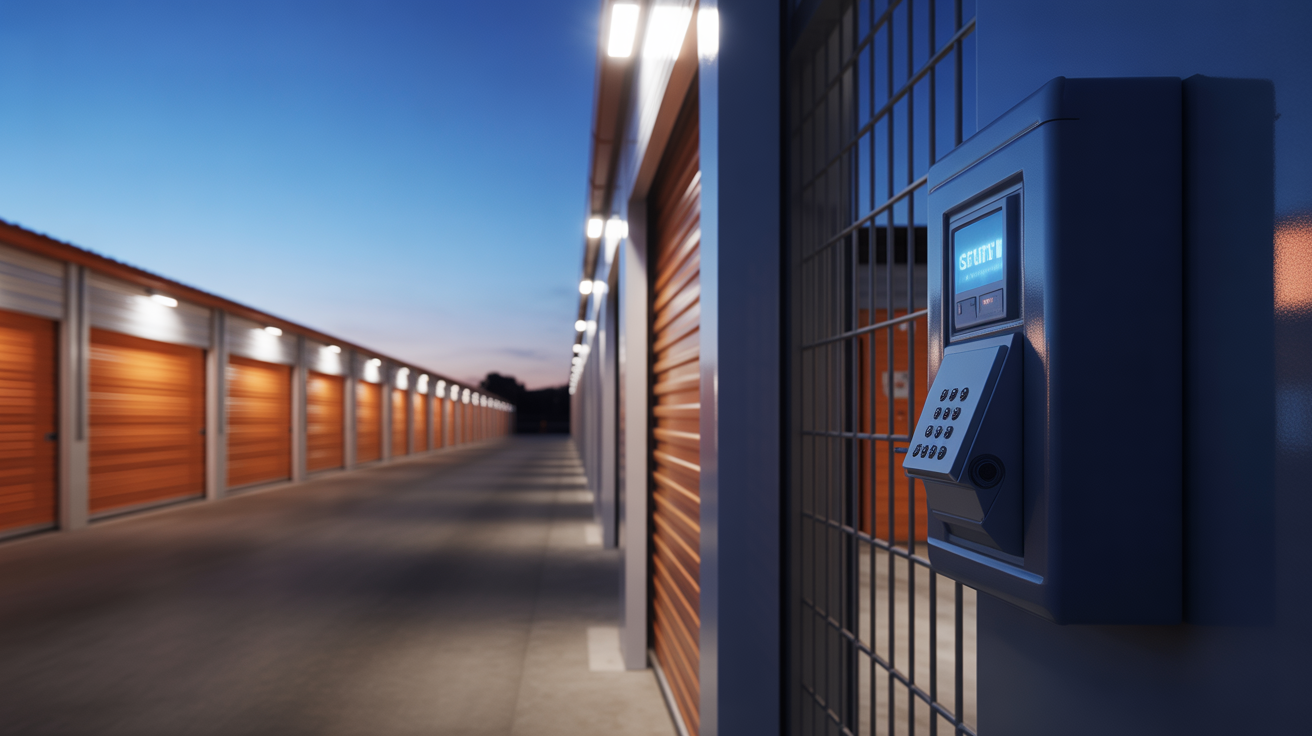
Traditional storage facilities restrict access to business hours, typically 6:00 AM to 10:00 PM. Facilities with 24/7 smart lock access eliminate this constraint entirely, allowing you to load or retrieve items at any hour.
Smart locks also enable digital key sharing. If a family member or moving helper needs access while you are unavailable, you can grant temporary access through a mobile app without sharing physical keys or codes.
Drive-Up Units vs. Indoor Units
Drive-up units allow you to park your vehicle directly at your unit door, reducing carrying distance to zero. This configuration cuts loading time by 30 to 50 percent compared to indoor units requiring hallway navigation.
Indoor climate-controlled units provide superior protection for temperature-sensitive items but require elevator or hallway access. Schedule elevator reservations in advance if your facility requires them, particularly during peak moving seasons in spring and summer.
Ground Floor Advantages
Ground floor units eliminate stairs and elevator waits. When storing heavy items like appliances or exercise equipment, ground floor access prevents injuries and speeds loading significantly. Request ground floor placement when reserving your unit.
Essential Items to Pack Separately on Moving Day
Keep these items in your personal vehicle rather than the storage unit to ensure immediate access during your transition.
- Medications and medical equipment: Never store in a unit where access may be delayed
- Important documents: Passports, birth certificates, lease agreements, insurance policies
- Electronics chargers: Phone, laptop, and tablet chargers for the first 48 hours
- Basic toiletries: Toothbrush, soap, towels, toilet paper
- Change of clothes: Two to three outfits appropriate for your destination climate
- Basic tools: Screwdriver, pliers, box cutter, tape measure
- Snacks and water: Energy bars, bottled water, and easy meals for moving day
Pack these items in a clearly labeled "First Day" box or bag that stays with you throughout the move.
Pre-Move Storage Preparation Timeline
Successful moving day storage access begins weeks before the actual move. Follow this preparation schedule to arrive fully prepared.
Four to Six Weeks Before Moving
Research storage facilities and compare pricing, features, and access hours. Visit your top choices in person to assess cleanliness, security, and accessibility. Reserve your unit at least three weeks before moving day to guarantee availability, especially during peak summer months.
Begin decluttering aggressively. Items you have not used in 12 months rarely justify storage costs. Donate, sell, or discard unnecessary belongings to reduce your required unit size and simplify loading.
Two to Three Weeks Before Moving
Gather packing supplies: boxes in uniform sizes, packing tape, bubble wrap, furniture blankets, and permanent markers. Purchase or rent a dolly and hand truck for heavy items.
Create a detailed inventory of items destined for storage. Number each box and record contents in a spreadsheet or app. This inventory proves invaluable when searching for specific items months later.
One Week Before Moving
Confirm your storage reservation and access credentials. Download any required mobile apps and test login functionality. Verify your rental truck reservation and confirm pickup time.
Pack non-essential items and seal boxes completely. Label each box on the top and at least two sides with contents and destination zone within your storage unit.
One Day Before Moving
Charge your phone completely. Prepare your "First Day" essentials bag. Load packing supplies and tools into your vehicle. Confirm helpers know the meeting time and location.
Get adequate sleep. Moving day requires sustained physical and mental energy. Arriving exhausted leads to injuries, forgotten items, and poor organization decisions.
Common Moving Day Storage Mistakes to Avoid
Learning from others' errors saves time and prevents damage to your belongings.
Underestimating Loading Time
Most people underestimate loading time by 50 percent or more. A 10x10 unit that "should take two hours" often requires four hours when accounting for organization, breaks, and unexpected challenges. Build buffer time into your schedule.
Blocking Access to Important Items
Storing seasonal items or documents you need monthly at the back of your unit creates frustration. Plan your loading sequence so frequently accessed items remain near the front.
Skipping the Inventory
Without a detailed inventory, you will forget what you stored and where you placed it. Spend 30 minutes creating a thorough list rather than spending hours searching later.
Ignoring Climate Considerations
Mountain climates experience temperature swings of 40 to 60 degrees between day and night. Standard units may expose sensitive items to damaging temperature extremes. Choose climate-controlled storage for electronics, wooden furniture, photographs, and musical instruments.
Frequently Asked Questions
What time should I arrive at my storage unit on moving day?
Arrive between 7:00 and 9:00 AM to maximize available daylight and avoid afternoon heat. Early arrival also reduces competition for loading areas and elevators at busy facilities.
How long does it take to load a storage unit?
Loading times vary by unit size: 30 to 60 minutes for a 5x5 unit, 2 to 4 hours for a 10x10 unit, and 4 to 6 hours for a 10x20 unit. Add 30 to 50 percent more time if using indoor units requiring hallway or elevator access.
Can I access my storage unit at night?
Access hours depend on your facility. Traditional facilities typically allow access from 6:00 AM to 10:00 PM. Facilities with 24/7 smart lock technology permit access at any hour, providing maximum flexibility for early morning or late evening visits.
What should I bring on storage move-in day?
Bring your access code or mobile app credentials, a dolly or hand truck, furniture blankets, tie-down straps, packing tape, markers, your inventory list, water, and snacks. Keep your phone charged for documentation photos and emergency communication.
How do I organize my storage unit for easy access?
Create a two-foot wide center aisle from the door to the back wall. Use the zone system: frequently needed items near the door, medium-term items in the middle, and long-term storage at the back. Stack boxes no higher than six feet and leave space between stacks and walls for air circulation.
|