Storage Solutions for Military Families During Deployment and PCS Moves

Military families need storage facilities offering month-to-month leases, 24/7 access, and climate control to protect belongings during deployments lasting 6 to 15 months or PCS relocations requiring temporary housing. The best storage solutions combine flexible contracts without long-term commitments, digital access management for remote account control, and military discounts averaging 10 to 15 percent off standard rates.
Key Points:
|
Why Military Families Face Unique Storage Challenges
According to the Department of Defense, active duty service members relocate an average of every 2 to 3 years, compared to civilian families who move once every 7 years. This frequency creates specific storage needs that standard rental agreements often fail to address. PCS orders can arrive with as little as 30 days notice, leaving families scrambling to coordinate housing, schools, and belongings simultaneously.
Deployment timelines add another layer of complexity. A service member deploying to locations like Germany, Japan, or the Middle East may need storage for anywhere from 6 months to over a year. The Military OneSource program reports that approximately 40 percent of military families maintain items in storage at any given time. These families require facilities that understand the unpredictable nature of military life.
Gap periods between selling one home and purchasing another create immediate storage demands. Real estate transactions rarely align perfectly with PCS dates, leaving families in temporary housing for weeks or months. During these transitions, storing furniture, seasonal items, and household goods becomes essential rather than optional.
Types of Storage Units for Military Needs
Selecting the right storage type depends on what you are storing, how long you need it, and your budget constraints. Military families typically choose between three main options: drive-up units, climate-controlled indoor units, and vehicle or RV storage. Each serves different purposes and price points.
Climate-Controlled Storage Units
Climate-controlled units maintain temperatures between 55 and 80 degrees Fahrenheit year-round, preventing damage from extreme heat, cold, or humidity. These units cost 20 to 50 percent more than standard options but protect sensitive items including electronics, wooden furniture, photographs, important documents, and musical instruments. For deployments exceeding 6 months, climate control becomes essential rather than optional.
Facilities like those in mountain regions or areas with temperature extremes require climate control for long-term storage. Items stored in non-climate-controlled units can experience warping, cracking, mold growth, and electronic component failure. A 2024 study by the Self Storage Association found that 23 percent of storage claims involved temperature or humidity damage that climate control would have prevented.
Drive-Up Storage Units
Drive-up units allow vehicle access directly to your unit door, making loading and unloading significantly faster. These ground-level units work well for heavy items, furniture, and situations where you need frequent access. Prices typically range from $40 to $150 monthly for sizes between 5x10 and 10x20 feet.
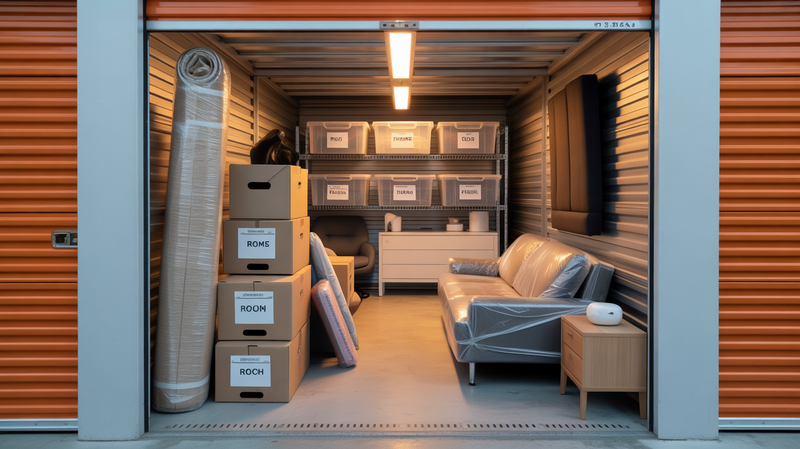
For military families coordinating moves on tight timelines, drive-up access reduces physical strain and loading time. A 10x10 drive-up unit accommodates the contents of a one-bedroom apartment, while a 10x20 unit handles a three-bedroom home. Many facilities offer units with electrical outlets and lighting, useful for families who need to sort through belongings periodically.
Vehicle and RV Storage
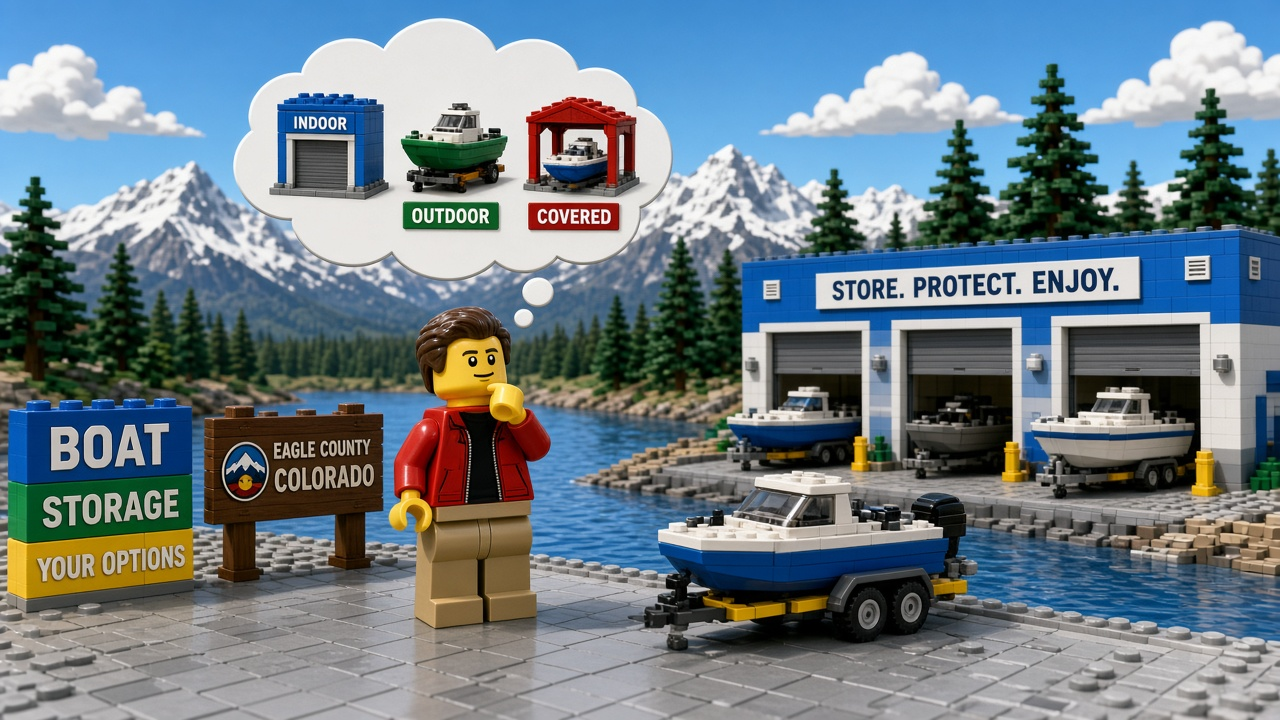
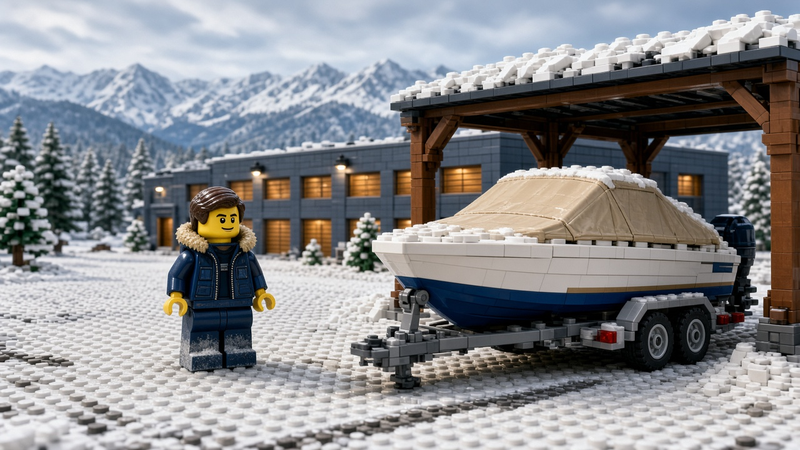
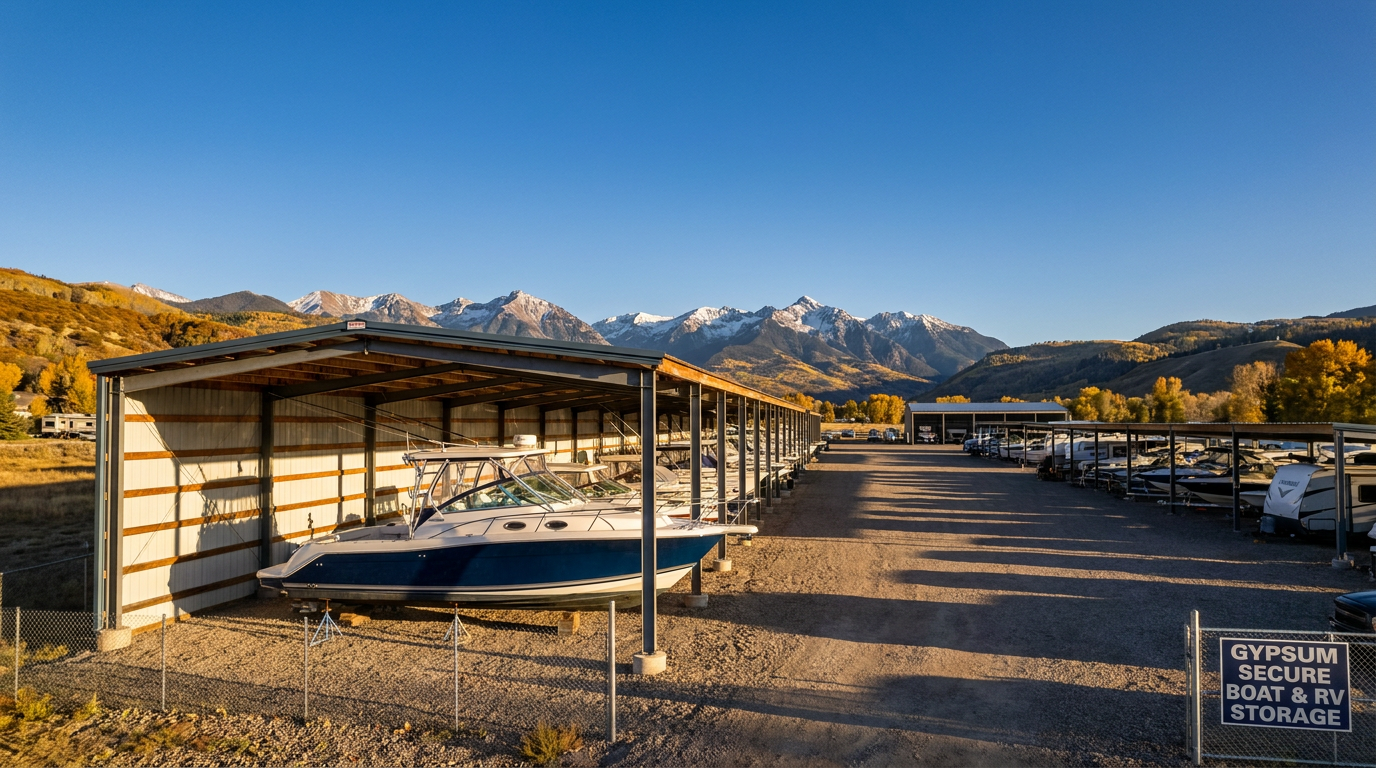
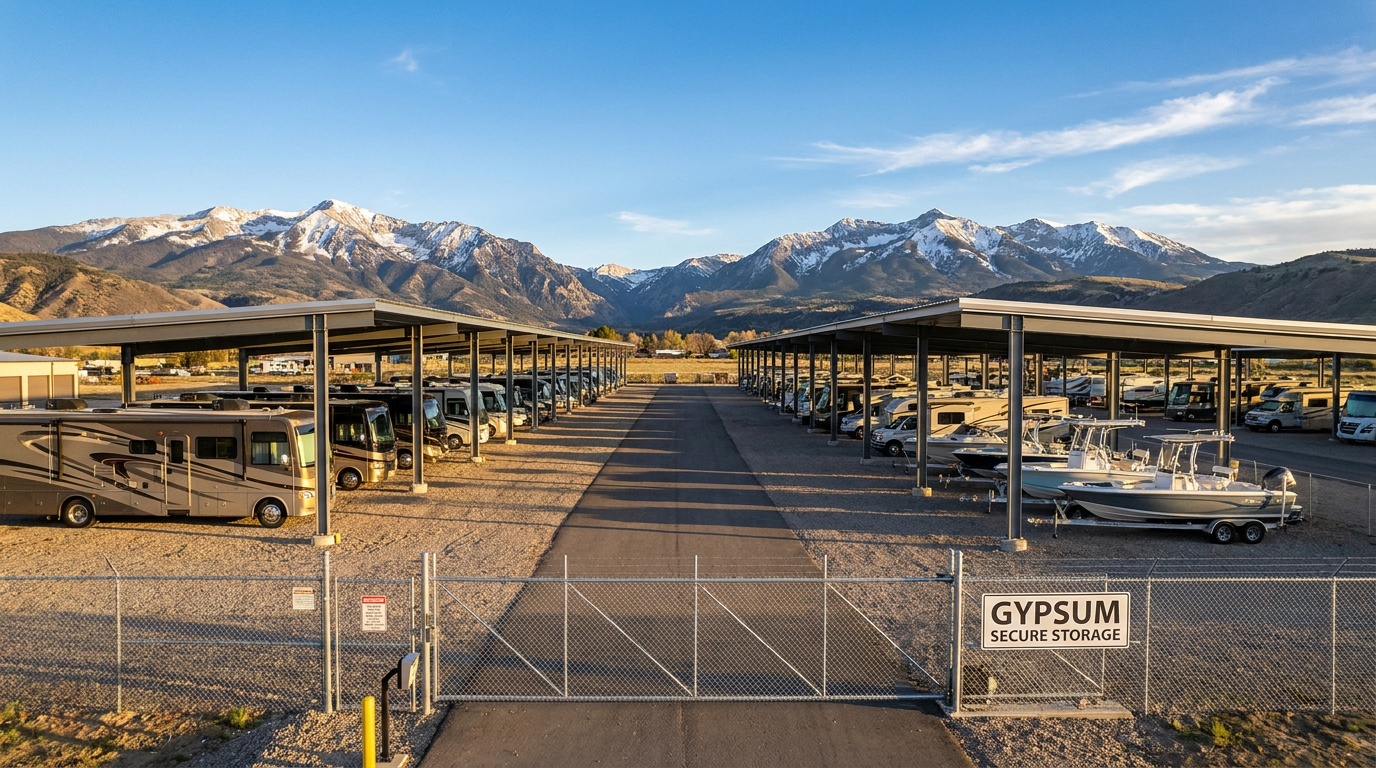
Military families often own recreational vehicles, boats, or additional cars that cannot accompany them during deployments or overseas assignments. Dedicated vehicle storage spaces range from open parking at $50 to $100 monthly to covered or enclosed options at $150 to $300 monthly. Enclosed storage protects vehicles from weather damage and provides additional security.
Storage Size Guide for Military Relocations
Choosing the correct unit size prevents paying for unused space while ensuring everything fits. The Department of Defense weight allowance for PCS moves varies by rank, but storage needs follow predictable patterns based on household size. Use this comparison to estimate your requirements.
| Unit Size | Square Feet | Best For | Typical Monthly Cost |
|---|---|---|---|
| 5x5 | 25 sq ft | Small items, boxes, seasonal gear | $37 to $70 |
| 5x10 | 50 sq ft | Studio apartment, dorm room | $39 to $125 |
| 10x10 | 100 sq ft | One-bedroom apartment | $57 to $75 |
| 10x15 | 150 sq ft | Two-bedroom apartment | $87 to $231 |
| 10x20 | 200 sq ft | Three-bedroom home | $124 to $276 |
| 10x30 | 300 sq ft | Four-bedroom home plus vehicles | $174 to $350 |
When estimating size, account for access aisles within your unit. Stacking boxes and furniture efficiently can reduce the size needed by 15 to 25 percent. Most facilities offer storage size guides with visual comparisons to help you choose accurately.
Essential Features for Military Storage
Not all storage facilities serve military families equally well. When evaluating options, prioritize these features that address the specific challenges of deployments and frequent relocations. According to Extra Space Storage, military families rank flexible lease terms and remote access management as their top two priorities.
Month-to-Month Lease Flexibility
Military orders change without warning. A facility requiring 6 or 12 month commitments creates financial risk when PCS dates shift or deployments end early. Look for facilities offering true month-to-month agreements with no early termination penalties. Some facilities also waive administrative fees for military customers, saving $25 to $50 at move-in.
Smart Lock Technology and Digital Access
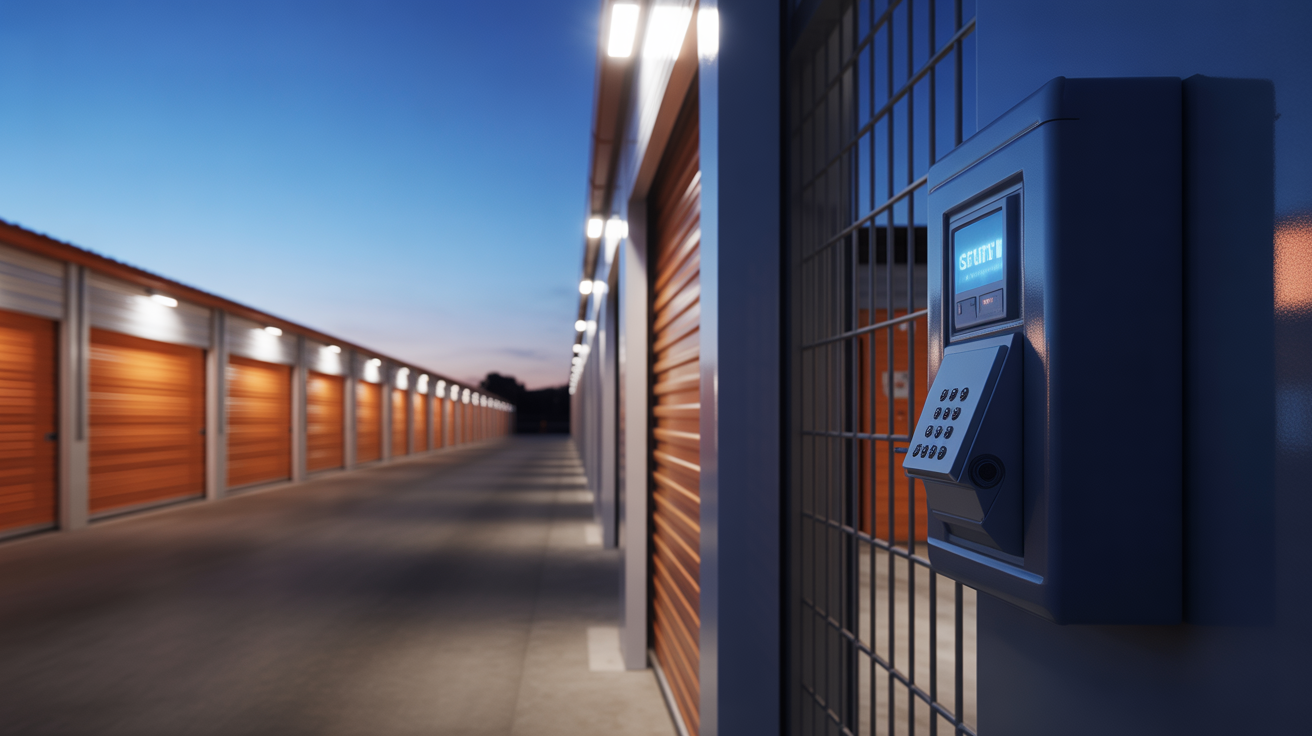
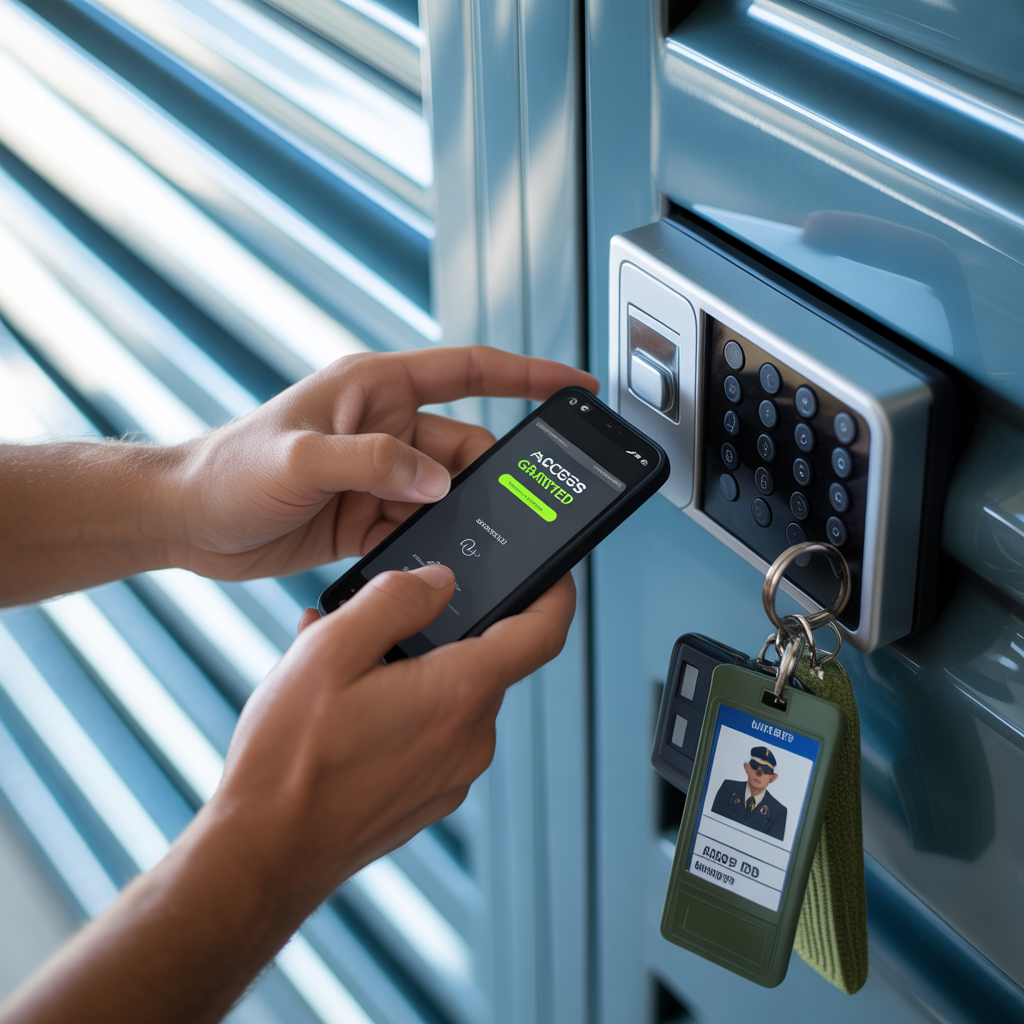
Managing a storage unit from overseas presents obvious challenges. Modern facilities use smart lock systems that allow account holders to grant temporary or permanent access to family members, friends, or movers through smartphone apps. This technology proves invaluable when a spouse needs to retrieve items while the service member is deployed to a location like Fort Bragg, Camp Pendleton, or overseas bases.
Digital key sharing also creates access logs showing exactly when the unit was opened and by whom. This security feature provides peace of mind during extended absences. Facilities offering 24/7 access with smart lock technology allow family members to retrieve items on their own schedules without coordinating with facility staff.
Security Features
Extended deployments mean belongings sit unattended for months. Essential security features include 24/7 video surveillance, individually alarmed units, gated access with personalized codes, and on-site management. The Self Storage Association reports that facilities with comprehensive security systems experience 73 percent fewer break-in attempts than those with basic measures.
Online Account Management
Paying bills, updating contact information, and managing your account must be possible from anywhere with internet access. Time zone differences between deployment locations and stateside facilities make phone calls impractical. Full online account management, including autopay setup and digital document signing, eliminates these coordination headaches.
Military Discounts and Financial Benefits
Storage costs add up during extended deployments. A 10x10 unit at $100 monthly costs $1,200 over a year-long deployment. Military discounts and benefits can reduce this burden significantly. The Defense Finance and Accounting Service notes that storage is not directly reimbursable during most deployments, making discounts particularly valuable.
Storage Chain Military Discounts
Major storage companies including Public Storage, Extra Space Storage, CubeSmart, and Life Storage offer military discounts ranging from 10 to 15 percent. These discounts typically require showing a valid military ID or providing a service member's information during booking. Some facilities extend discounts to military spouses and dependents as well.
| Storage Company | Military Discount | Additional Benefits |
|---|---|---|
| Public Storage | 10% | Month-to-month leases |
| Extra Space Storage | 10 to 15% | Flexible access hours |
| CubeSmart | 10% | No admin fees |
| Life Storage | 10% | Online account management |
| Independent Facilities | Varies (ask directly) | Often more flexible terms |
Deployment Financial Programs
Deployed service members have access to financial programs that can offset storage costs. The Military Savings Deposit Program offers 10 percent guaranteed annual returns on deposits up to $10,000, available exclusively to personnel in designated combat zones. Family Separation Allowance provides an additional $300 monthly for deployments exceeding 30 days, which many families allocate toward storage and housing costs.
Preparing Items for Long-Term Military Storage
Proper preparation prevents damage during extended storage periods. Items sitting in a unit for 6 to 15 months face different risks than short-term storage of a few weeks. Following these guidelines protects your belongings and reduces replacement costs after deployment.
Electronics and Appliances
Remove batteries from all electronic devices to prevent corrosion and leakage. Clean appliances thoroughly and leave refrigerator and freezer doors slightly open to prevent mold growth. Store electronics in original packaging when possible, or wrap in anti-static materials. Climate control is essential for electronics stored longer than 3 months, as temperature fluctuations damage circuit boards and screens.
Furniture and Upholstery
Clean all upholstered items before storage to remove food particles that attract pests. Use furniture covers or moving blankets rather than plastic wrap, which traps moisture. Disassemble large pieces when possible to maximize space efficiency. Store wooden furniture away from exterior walls where temperature changes are most extreme.
Documents and Photographs
Important documents including birth certificates, marriage licenses, and military records require climate-controlled storage to prevent deterioration. Use acid-free boxes and folders for photographs and paper documents. Consider digitizing irreplaceable items before storage as an additional safeguard.
Creating a PCS Binder
Military OneSource recommends maintaining a PCS Binder with essential documents including storage facility contracts, unit access codes, inventory lists, and insurance information. Keep digital copies accessible from any location. This binder should include photographs of valuable items for insurance purposes and a detailed inventory organized by box number.
Storage Insurance for Military Families
Standard renters or homeowners insurance may not cover items in storage, particularly during extended deployments. According to the Insurance Information Institute, 60 percent of storage facility break-ins involve units without adequate insurance coverage. Military families should verify coverage before storing valuable items.
Coverage Options
Most storage facilities offer tenant protection plans ranging from $10 to $25 monthly for $2,000 to $10,000 in coverage. USAA, the primary insurer for military families, offers specific policies covering stored belongings during deployments. Compare facility-offered plans against extending your existing renters insurance, which often provides better value for military families with USAA or similar military-focused insurers.
Documenting Your Belongings
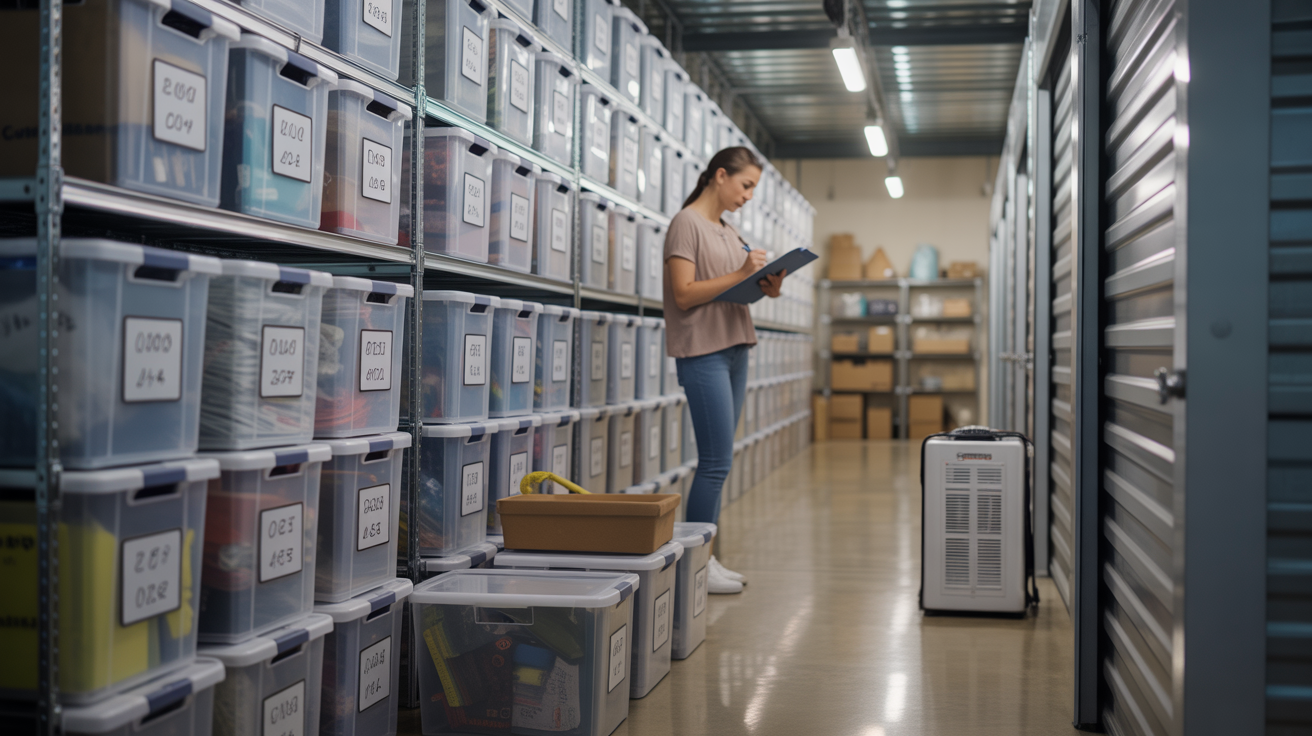
Create a detailed inventory with photographs and estimated values before placing items in storage. Video walk-throughs of packed boxes and furniture provide additional documentation. Store copies of this inventory separately from the unit, either digitally or with a trusted family member. This documentation proves essential if you need to file an insurance claim while deployed.
Storage During Specific Military Situations
Different military circumstances require different storage approaches. Understanding your specific situation helps you choose the right facility and unit type.
PCS Moves with Housing Gaps
When your report date precedes housing availability at your new duty station, short-term storage bridges the gap. Look for facilities near your new location rather than your current one to simplify the final move. Many families use a combination of temporary lodging allowance and storage for 30 to 90 days until permanent housing is secured.
Overseas Assignments
OCONUS assignments to locations like Germany, Japan, South Korea, or Guam often come with weight restrictions that prevent shipping all household goods. Storage stateside becomes necessary for vehicles, large furniture, and items that do not fit weight allowances. Plan for storage durations of 2 to 4 years for typical overseas tours.
Deployment Without Family Relocation
When a service member deploys while the family remains at the current duty station, storage needs focus on the deploying member's personal items and any household downsizing. A smaller unit of 5x5 or 5x10 typically suffices for personal belongings, uniforms, and equipment not taken on deployment.
Military Spouse Business Storage
Military spouses frequently operate portable businesses that move with PCS assignments. Inventory storage for direct sales, crafting supplies, or professional equipment requires accessible units with flexible hours. Drive-up units with power outlets support businesses needing to access and organize inventory regularly.

Choosing a Storage Facility Near Military Installations
Proximity to your installation simplifies logistics during hectic PCS periods. However, facilities immediately adjacent to major bases often charge premium rates due to high demand. Consider locations 10 to 15 miles from base where prices may be 15 to 25 percent lower while remaining convenient.
For families in mountain regions or areas with extreme weather, airport-adjacent storage facilities offer unique advantages. These locations provide easy access during travel, protection from harsh weather conditions, and often feature modern amenities including smart locks and climate control. Facilities near regional airports serve travelers and seasonal residents alongside military families, creating diverse customer bases that often result in competitive pricing.
Questions Military Families Ask About Storage
Does the Military Pay for Storage During Deployment?
The military does not directly reimburse storage costs during standard deployments. However, Temporary Lodging Expense allowances during PCS moves may indirectly offset some storage costs. Service members should consult their installation's Transportation Office for specific entitlements based on orders and circumstances.
Can Family Members Access My Storage Unit While I Am Deployed?
Yes, if you authorize them on your account or use a facility with digital key sharing. Most facilities allow adding authorized users during the rental process. Smart lock systems enable granting and revoking access remotely through smartphone apps, providing flexibility and security.
What Happens to My Storage Unit If My Deployment Extends?
Month-to-month leases continue automatically as long as payments are current. Set up autopay before deployment to prevent missed payments that could result in late fees or lien proceedings. Most facilities work with military families facing deployment extensions, but proactive communication prevents problems.
Should I Choose Storage Near My Current or New Duty Station?
For PCS moves, choose storage near your new duty station when possible. This reduces the distance and cost of the final move from storage to your new home. For deployments without relocation, storage near your current location or where family members reside makes more sense.
Final Checklist Before Storing Your Belongings
Complete these steps before closing your storage unit door to ensure a smooth experience throughout your deployment or PCS move:
- Photograph all items and create a detailed inventory spreadsheet
- Verify insurance coverage and document policy numbers
- Set up autopay to prevent missed payments during deployment
- Add authorized users who may need access
- Test smart lock access codes or digital keys
- Store a copy of your access information with a trusted contact
- Place frequently needed items near the front of the unit
- Label all boxes clearly on multiple sides
- Leave a small aisle for access to items throughout the unit
Military families face storage challenges that civilian families rarely encounter. The right facility with flexible terms, modern access technology, and climate control transforms storage from a stressful necessity into a reliable solution. Whether facing a 6-month deployment or a 3-year overseas assignment, proper planning and the right storage partner protect your belongings until you need them again.
Find Flexible Storage for Your Military FamilyVail Airport Storage offers month-to-month leases, smart lock technology for remote access, and climate-controlled units to protect your belongings during deployments and PCS moves. No administrative fees or security deposits required. View Available Units |