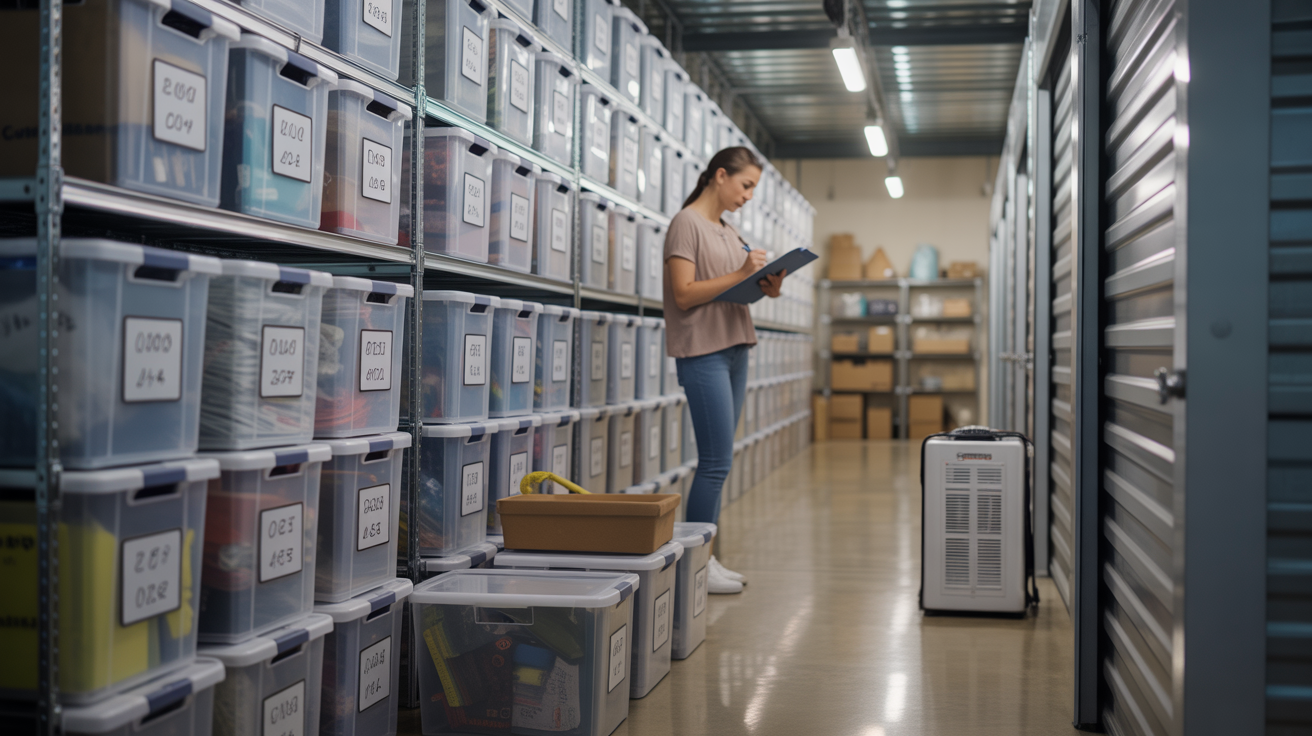
How to Store Camping and Outdoor Gear Between Seasons
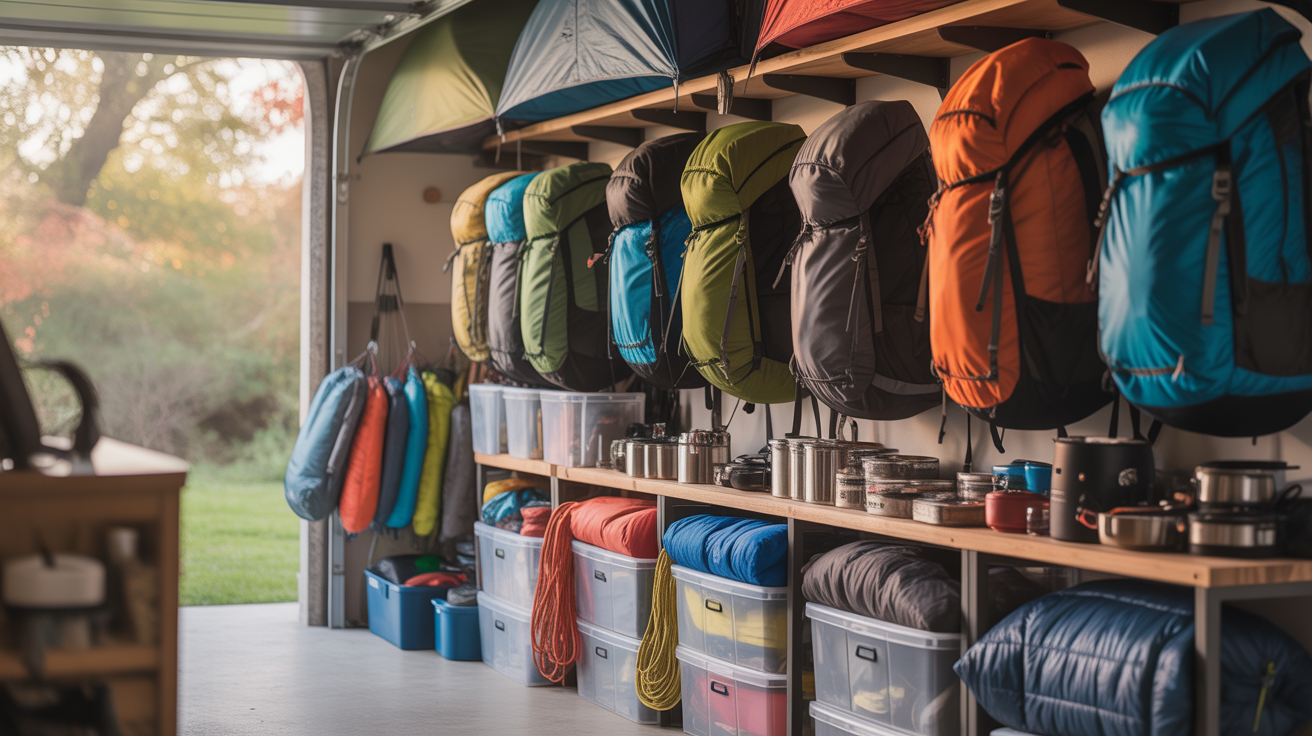
Store camping and outdoor gear between seasons by cleaning all items thoroughly, drying completely for 24 to 48 hours, using breathable storage containers, and keeping equipment in climate-controlled spaces maintained at 55 to 80 degrees Fahrenheit with humidity below 50 percent. This process prevents mold, mildew, and material degradation while extending gear lifespan by 5 to 10 years.
Key Points:
|
Why Proper Gear Storage Matters for Outdoor Enthusiasts
According to REI Co-op research, approximately 80 percent of camping gear damage results from improper storage, specifically moisture exposure and compression damage. A quality four-season tent from brands like MSR, Big Agnes, or NEMO costs between $400 and $800, while premium down sleeping bags from Western Mountaineering or Feathered Friends range from $500 to $1,200. Protecting these investments requires systematic storage practices.
The Outdoor Industry Association reports that American households spend an average of $1,847 annually on outdoor recreation equipment. In mountain communities like the Vail Valley, where residents frequently own skiing, camping, hiking, and fishing gear simultaneously, proper storage becomes essential for managing thousands of dollars in equipment across multiple seasons.
Gear stored incorrectly develops mold within 2 to 3 weeks in humid conditions, according to Cascade Designs, the parent company of MSR and Therm-a-Rest. Down insulation loses up to 30 percent of its loft when compressed for extended periods, reducing warmth ratings significantly. Synthetic materials like those used in Patagonia or The North Face jackets can develop permanent creases and reduced water resistance when stored improperly.
Complete Gear Cleaning Process Before Storage
Begin the storage process by unpacking every item and sorting into four categories: keep, repair, donate, and discard. This inventory approach, recommended by outdoor experts at Outside Magazine, creates a clean slate while identifying damaged items requiring attention before next season. Spread all gear across a garage floor or large room to assess condition thoroughly.
Tent and Shelter Cleaning
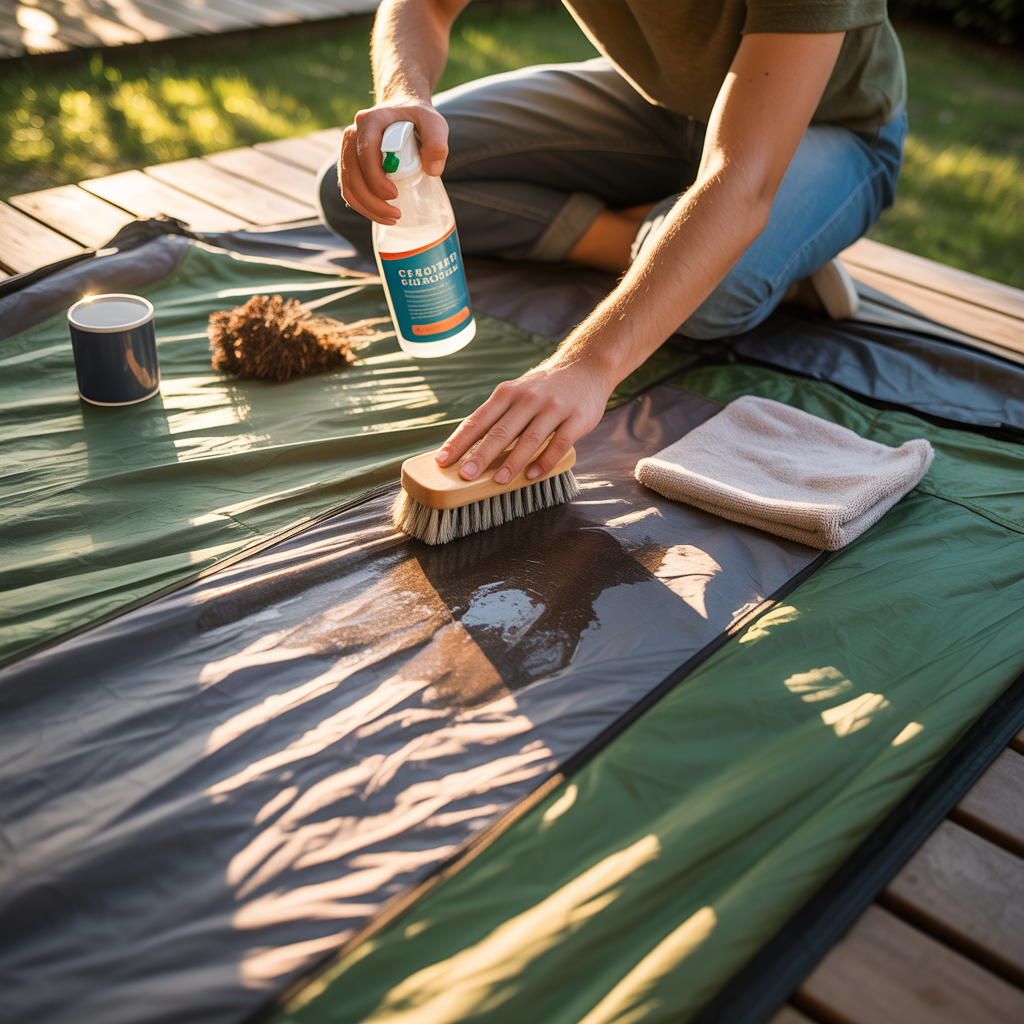
Set up your tent completely in a shaded outdoor area or large indoor space. Use a soft sponge with lukewarm water and mild soap, such as Nikwax Tech Wash or plain dish soap diluted at a ratio of 1 tablespoon per gallon of water. Scrub the floor, walls, and rainfly to remove dirt, sap, and food residue that attracts insects and promotes mildew growth.
Pay special attention to zippers, which fail prematurely when dirt accumulates in the teeth. Clean zipper tracks with a soft toothbrush and apply zipper lubricant from Gear Aid or McNett. Inspect all seams for separation and apply seam sealer to any areas showing wear. Allow the tent to dry completely, which typically requires 24 to 48 hours depending on humidity levels.
Sleeping Bag and Insulation Care
Down sleeping bags require specialized cleaning to maintain loft and warmth ratings. Use a front-loading washing machine on a gentle cycle with cold water and down-specific detergent like Nikwax Down Wash Direct or Granger's Down Wash. Top-loading machines with agitators can damage baffles and tear delicate shell fabrics.
Tumble dry on low heat with 3 to 4 clean tennis balls or specialized dryer balls to break up clumps and restore loft. This process takes 2 to 4 hours for complete drying. According to Western Mountaineering, incomplete drying causes down to clump permanently and develop mildew odors within days.
Synthetic sleeping bags from brands like Kelty, Marmot, or Mountain Hardwear tolerate machine washing more readily. Use cold water with mild detergent and tumble dry on low heat for 1 to 2 hours. Synthetic insulation recovers loft more quickly but still requires complete drying before storage.
Clothing and Layering Systems
Technical fabrics in outdoor clothing require specific care to maintain water resistance and breathability. Gore-Tex garments should be washed according to manufacturer instructions, typically with liquid detergent on a warm gentle cycle. Heat reactivates the durable water repellent (DWR) coating, so tumble drying on medium heat for 20 minutes restores water beading performance.
Merino wool base layers from Smartwool, Icebreaker, or Minus33 require cold water washing and flat drying to prevent shrinkage. According to Woolmark Company standards, wool should never be tumble dried as temperatures above 140 degrees Fahrenheit cause irreversible felting and shrinkage of 10 to 15 percent.
| Fabric Type | Wash Temperature | Drying Method | Special Care |
|---|---|---|---|
| Down Insulation | Cold, 30°F max | Low heat, 2-4 hours | Down-specific detergent, tennis balls |
| Gore-Tex | Warm, 105°F | Medium heat, 20 min | Liquid detergent only, no fabric softener |
| Merino Wool | Cold, 85°F max | Flat dry only | Wool-specific detergent, reshape while damp |
| Synthetic Insulation | Cold to warm | Low heat, 1-2 hours | Mild detergent, no bleach |
| Fleece | Cold | Low heat or air dry | Inside out, no fabric softener |
Critical Drying Requirements for Long-Term Storage
Morning dew, unexpected rain, and body moisture leave hidden dampness in gear that appears dry to the touch. According to onX Hunt outdoor experts, this residual moisture causes the majority of mold and mildew problems during off-season storage. Implement a systematic drying protocol for all equipment regardless of apparent condition.
Tent and Tarp Drying Protocol
After cleaning, set up tents in a shaded area with good airflow for 24 to 48 hours. Direct sunlight accelerates UV degradation of nylon and polyester fabrics, reducing waterproofing effectiveness by up to 40 percent over time according to Tent Pole Technologies research. Flip the tent inside out halfway through the drying period to ensure complete moisture removal from floor coatings.
Check seams and corners where moisture collects most frequently. Run your hand along all surfaces; any cool or tacky feeling indicates remaining moisture. In humid climates like coastal areas or during rainy seasons, consider using a dehumidifier in an enclosed space to accelerate drying.
Sleeping Bag and Pad Drying
Turn sleeping bags inside out and hang loosely over a clothesline or drying rack. Avoid hanging by a single point, which stresses seams and causes insulation to bunch at the bottom. Use multiple attachment points to distribute weight evenly across the bag's length.
Sleeping pads, whether foam or inflatable, require thorough drying inside and out. Open valves completely on inflatable pads from Therm-a-Rest, NEMO, or Sea to Summit and hang in a well-ventilated area. Foam pads should be unrolled and stood upright to maximize airflow on all surfaces. Allow 24 to 48 hours for complete drying.
Choosing the Right Storage Containers and Methods
Container selection directly impacts gear longevity during off-season storage. The key principle, according to Extra Space Storage research, involves balancing protection from pests and dust with adequate ventilation to prevent moisture buildup. Different gear types require different storage approaches based on material composition and compression sensitivity.
Breathable Storage for Insulated Items
Never store sleeping bags, down jackets, or insulated clothing in their stuff sacks for extended periods. Compression damages insulation fibers, reducing loft by 20 to 30 percent according to Feathered Friends manufacturing guidelines. Instead, use large breathable storage sacks made from cotton or mesh, which typically come included with premium sleeping bags.
Hang down jackets on padded hangers in closets or garment bags made from breathable cotton fabric. Plastic garment bags trap moisture and should be avoided for insulated items. If closet space is limited, fold loosely and store in large cotton pillowcases or breathable laundry bags.
Plastic Bins for Hard Goods and Accessories
Clear plastic bins from brands like Sterilite, Rubbermaid, or IRIS work well for non-insulated items including cookware, headlamps, water filters, and accessories. The clear design allows quick identification of contents without opening. Add 2 to 3 silica gel packets per bin to absorb residual moisture and prevent rust on metal components.
Avoid vacuum-sealed bags for most camping gear. While space-efficient, vacuum sealing removes air that insulation needs to maintain loft. The exception involves durable synthetic items like nylon stuff sacks, cordage, or plastic accessories, which tolerate compression without damage. Limit vacuum storage to 4 months maximum, then air out items to prevent permanent shape changes.
Specialized Storage for Specific Gear Types
Tents should be stored loosely rolled or folded in breathable bags, alternating fold lines each season to prevent permanent creases in waterproof coatings. Store poles and stakes separately in their own bags to prevent puncturing tent fabric during storage.
Hiking boots and trail runners benefit from boot trees or stuffed newspaper to maintain shape and absorb residual moisture. Store in a cool, dry location away from direct heat sources, which can crack leather and degrade adhesives. Apply leather conditioner to full-grain leather boots before storage.
| Gear Category | Recommended Container | Compression OK? | Additional Protection |
|---|---|---|---|
| Down Sleeping Bags | Large cotton storage sack | No | Cedar blocks for moths |
| Tents | Breathable mesh bag | Loose only | Silica gel packets |
| Cookware | Clear plastic bin | Yes | Silica gel for rust prevention |
| Down Jackets | Padded hanger, garment bag | No | Lavender sachets |
| Hiking Boots | Open shelf or boot bag | No | Boot trees, leather conditioner |
| Electronics | Padded case, plastic bin | No | Remove batteries, silica gel |
Optimal Storage Location Selection
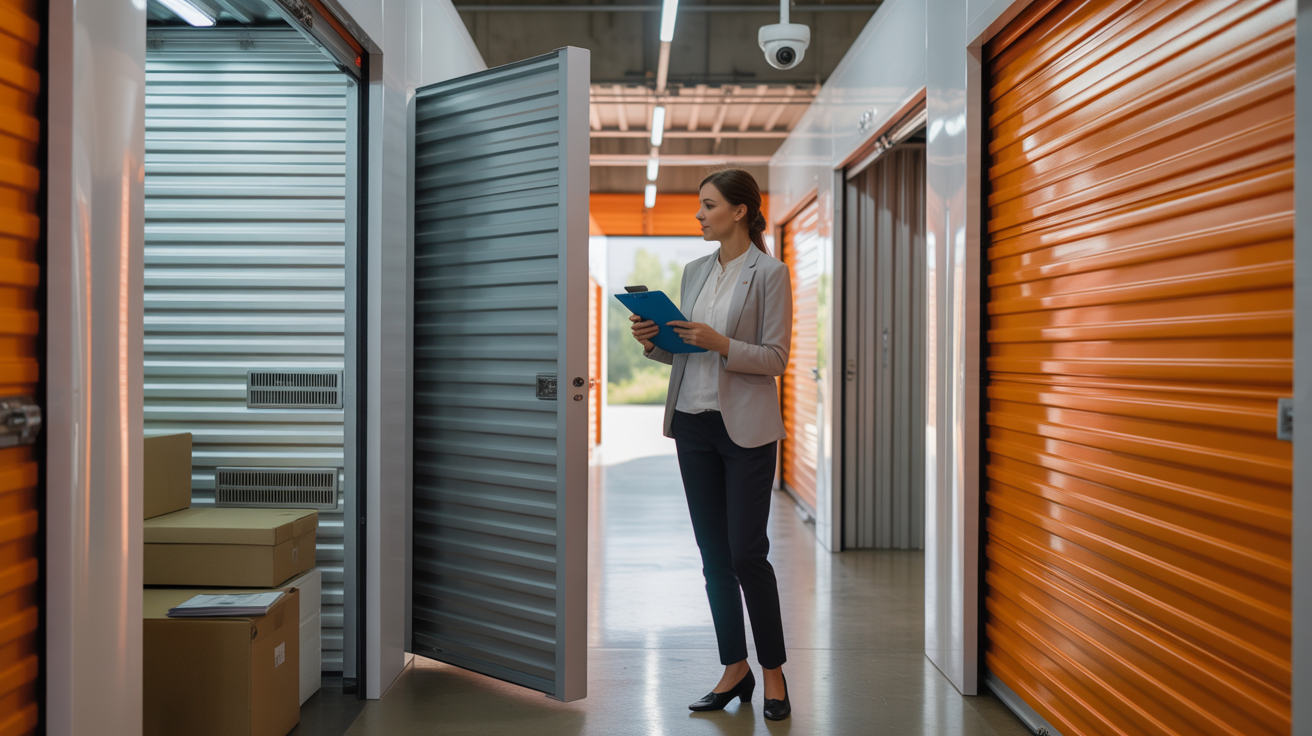
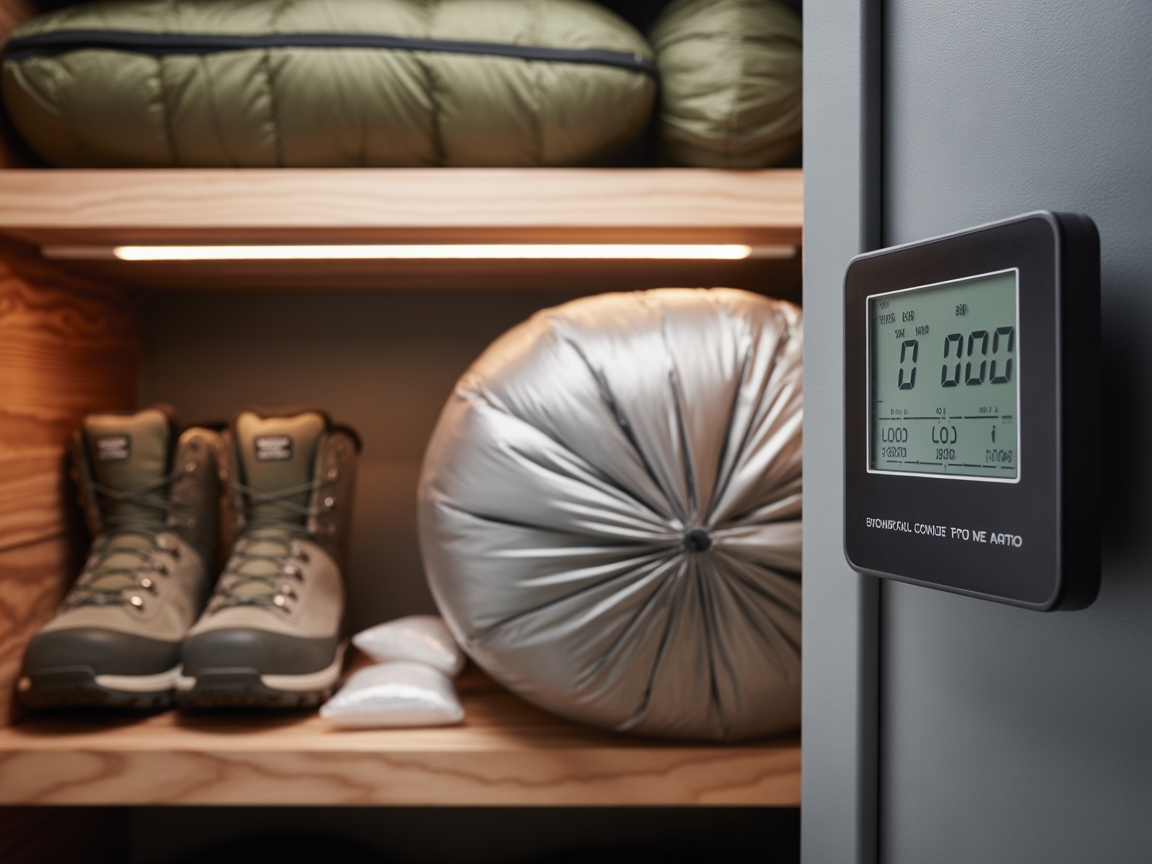
Storage location significantly impacts gear condition over months of off-season storage. The ideal environment maintains temperatures between 55 and 80 degrees Fahrenheit with relative humidity below 50 percent, according to the Self Storage Association guidelines. These conditions prevent mold growth, material degradation, and pest infestations.
Why Climate Control Matters for Outdoor Gear
Temperature fluctuations cause condensation inside storage containers, creating moisture that promotes mold growth. In mountain communities like Gypsum and the Vail Valley, where winter temperatures drop below zero and summer highs exceed 90 degrees, uncontrolled storage spaces experience dramatic temperature swings that damage sensitive equipment.
Down insulation absorbs moisture from humid air, losing loft and developing musty odors. Electronics in GPS units, headlamps, and satellite communicators like Garmin inReach devices suffer battery degradation and circuit corrosion in extreme temperatures. Rubber seals on water bottles, hydration bladders, and dry bags crack and lose flexibility when exposed to temperature extremes.
For Vail Valley residents with extensive outdoor gear collections, climate-controlled storage units maintain consistent conditions year-round, protecting investments in premium equipment. Units maintaining 55 to 80 degrees Fahrenheit with controlled humidity provide ideal conditions for down, technical fabrics, and electronics.
Avoiding Problematic Storage Locations
Attics experience extreme temperature variations, often exceeding 120 degrees Fahrenheit in summer and dropping below freezing in winter. These conditions accelerate adhesive failure in boots and tents, crack rubber components, and degrade waterproof coatings. Avoid attic storage for any outdoor equipment.
Basements present moisture challenges even in dry climates. Concrete floors wick moisture from the ground, creating humidity that promotes mold growth. If basement storage is unavoidable, elevate all gear on shelving or pallets at least 6 inches off the floor and use a dehumidifier to maintain humidity below 50 percent.
Garages offer convenient access but lack climate control in most homes. If using garage storage, choose interior walls away from garage doors where temperature swings are most extreme. Insulated storage cabinets provide some protection, though they cannot match dedicated climate-controlled facilities.
Organization Systems for Quick Seasonal Access
Effective organization reduces frustration when transitioning between seasons and ensures all gear is accounted for and ready to use. According to Outside Online, professional guides and outdoor educators use systematic organization approaches that translate well to personal gear storage.
Category-Based Organization
Sort gear into logical categories based on activity type: backpacking, car camping, day hiking, fishing, climbing, and water sports. Within each category, subdivide by function: shelter, sleep system, cooking, clothing, and accessories. This hierarchical approach mirrors how you pack for trips, making retrieval intuitive.
Use clear bins with detailed labels listing contents. A label reading "Backpacking Cooking: MSR PocketRocket, 1L pot, spork, lighter, fuel canisters" provides immediate clarity without opening containers. Create a master inventory spreadsheet tracking all gear, its storage location, and condition notes.
Accessibility Planning
Store frequently used items at eye level and easily accessible locations. Gear used only once or twice per year can occupy higher shelves or back corners. In the Vail Valley, summer camping gear should be accessible from May through September, while winter backcountry equipment takes priority from November through April.
Consider using a storage size guide to determine appropriate unit dimensions for your gear collection. A 5x5 unit accommodates a small gear closet equivalent, while active outdoor families may require 10x10 or larger spaces to store equipment for multiple activities and family members.
Seasonal Rotation System
Implement a rotation system that brings current-season gear forward while moving off-season equipment to less accessible positions. Create a calendar reminder to rotate storage organization at season transitions, typically April/May and October/November in mountain communities.
During rotation, inspect all gear for damage, verify cleaning and drying were completed properly, and note items requiring repair or replacement. This systematic approach prevents discovering damaged equipment the night before a planned trip.
Protecting Gear from Pests and Environmental Damage
Rodents, insects, and UV exposure cause significant damage to stored outdoor equipment. According to Guardian Storage research, pest damage accounts for approximately 15 percent of gear storage claims, making prevention a critical component of off-season storage protocols.
Rodent Prevention Strategies
Mice and rats chew through fabric, insulation, and even plastic containers to access food residues or nesting materials. Remove all food items, including sealed packages, from gear before storage. Clean cookware thoroughly to eliminate food odors that attract rodents.
Store gear in sealed hard-sided containers rather than fabric bags when rodent presence is possible. Metal shelving prevents climbing access better than wood alternatives. Consider peppermint oil sachets or commercial rodent deterrents in storage areas, though these provide secondary protection compared to proper cleaning and sealed containers.
Insect and Moth Protection
Moths target natural fibers including wool, down, and silk. Cedar blocks, lavender sachets, and cedar-lined storage areas provide natural deterrent properties without chemical residues that can transfer to clothing. Replace cedar blocks annually as aromatic oils dissipate over time.
Inspect stored gear every 60 days for signs of insect activity including small holes, webbing, or larvae casings. Early detection prevents widespread damage. If infestation is discovered, freeze affected items at zero degrees Fahrenheit for 72 hours to kill all life stages, then clean thoroughly before returning to storage.
UV and Light Protection
Ultraviolet radiation degrades nylon, polyester, and rubber compounds even through windows. Store gear in opaque containers or dark storage areas away from windows. According to Tent Pole Technologies, UV exposure reduces tent fabric strength by 5 to 10 percent annually when stored in sunlit areas.
Cover kayaks, paddleboards, and other large items with UV-protective tarps if outdoor storage is necessary. Indoor storage in facilities like dedicated storage units eliminates UV concerns entirely while providing security and climate control.
Special Considerations for Specific Gear Types
Different equipment categories require specialized storage approaches beyond general guidelines. Understanding material-specific requirements prevents common damage patterns and extends useful life.
Camping Stoves and Fuel
Disconnect fuel canisters from stoves before storage. Store isobutane-propane canisters from MSR, Jetboil, or Snow Peak upright in cool locations away from heat sources. According to Coleman safety guidelines, fuel canisters should not be stored above 120 degrees Fahrenheit or in direct sunlight.
Clean stove burners and fuel lines to remove carbon buildup that affects performance. For liquid fuel stoves, empty fuel bottles completely and store with caps loosened to prevent pressure buildup. Never store fuel inside homes or attached garages due to fire risk.
Water Filtration Systems
Water filters from Sawyer, Katadyn, or MSR require specific storage protocols to prevent damage from freezing and bacterial growth. Backflush filters according to manufacturer instructions, then allow complete drying before storage. Sawyer filters should never freeze, as ice crystals damage hollow fiber membranes.
Store filters in breathable bags rather than sealed containers to allow residual moisture evaporation. In freezing climates, keep filters indoors during winter months. Replace filter elements according to manufacturer schedules, typically every 1,000 to 100,000 gallons depending on filter type.
Electronics and Batteries
Remove batteries from headlamps, GPS units, and other electronics before long-term storage. Battery leakage causes corrosion damage that destroys circuit boards and contacts. Store lithium batteries at 40 to 60 percent charge in cool locations; full charge or complete discharge accelerates capacity degradation.
GPS devices, satellite communicators, and solar chargers benefit from climate-controlled storage that prevents temperature extremes. Update firmware and download current maps before storing devices to ensure readiness for next season.
Inflatable Equipment
Sleeping pads, packrafts, and inflatable kayaks should be stored partially inflated or loosely rolled with valves open. Full inflation stresses seams during temperature changes as air expands and contracts. Complete deflation allows fold creases to become permanent weak points.
Clean inflatable items with mild soap and water, paying attention to valve assemblies where dirt accumulates. Apply UV protectant to exposed surfaces on packrafts and inflatable kayaks. Store away from sharp objects that could puncture materials.
Maintenance Tasks to Complete Before Storage
Addressing maintenance before storage ensures gear is ready for immediate use next season. According to She Explores outdoor community research, completing repairs during off-season prevents last-minute scrambles and extends equipment lifespan significantly.
Waterproofing Restoration
Durable water repellent (DWR) coatings on tents, rain jackets, and packs degrade over time and require periodic restoration. Apply spray-on treatments like Nikwax TX.Direct or Granger's Performance Repel to clean, dry fabrics following manufacturer instructions. Heat activation in a dryer improves treatment bonding.
Seam seal any areas showing wear or lifting on tents and rain gear. Seam Grip from Gear Aid or McNett provides durable repairs that outlast original factory sealing in many cases. Allow 24 hours cure time before folding or storing treated items.
Zipper Maintenance
Zippers fail more frequently than any other tent or jacket component. Clean zipper teeth with a soft brush and warm water, removing dirt and debris that causes binding. Apply zipper lubricant like Gear Aid Zipper Cleaner and Lubricant to all zippers before storage.
Replace damaged zipper pulls immediately; broken pulls cause users to force zippers, damaging teeth. Slider replacement kits from Gear Aid allow DIY repairs for most common zipper types at a fraction of professional repair costs.
Documentation and Warranty Tracking
Photograph gear condition before storage to document any existing damage for warranty claims. Many outdoor brands including Patagonia, Arc'teryx, and REI offer lifetime or extended warranties that cover manufacturing defects. Maintain purchase receipts and warranty registration information in a dedicated file.
Create a maintenance log tracking cleaning dates, repairs completed, and treatments applied. This documentation helps identify patterns in gear degradation and informs replacement decisions. Note items approaching end of useful life for budget planning.
Storage Solutions for Large Outdoor Equipment
Kayaks, paddleboards, bikes, and other large equipment present unique storage challenges requiring dedicated space and proper positioning to prevent damage.
Kayak and Paddleboard Storage
Store kayaks and canoes on their sides or suspended from ceiling straps to prevent hull deformation. Flat storage on hard surfaces causes oil-canning, where the hull develops permanent flat spots that affect tracking and performance. Padded cradles or hanging straps from brands like Seattle Sports or Suspenz distribute weight properly.
Paddleboards should be stored flat on padded racks or suspended horizontally. Avoid leaning boards against walls, which stresses rails and can cause permanent warping. Cover boards with breathable fabric to prevent dust accumulation while allowing moisture evaporation.
Bicycle Storage
Clean bicycles thoroughly, removing dirt, mud, and salt that accelerate corrosion. Lubricate chains, derailleurs, and brake pivots with appropriate lubricants. Inflate tires to recommended pressure to prevent flat spots from developing during storage.
Store bikes hanging from wheels or suspended by frames using padded hooks. Floor stands work for short-term storage but take significant floor space. For mountain bikes with suspension, reduce air pressure in forks and shocks by 10 to 15 percent to relieve seal stress during extended storage.
Ski and Snowboard Equipment
Wax ski and snowboard bases before summer storage to prevent oxidation and base damage. Apply a thick layer of storage wax without scraping; this protective layer gets scraped off before first use next season. Store skis and boards in a cool, dry location away from heat sources that can delaminate adhesives.
Loosen ski boot buckles completely to relieve stress on shells and liners. Store boots in breathable bags with boot dryers or newspaper to absorb residual moisture. Consider professional boot fitting adjustments during off-season when shops have availability.
Frequently Asked Questions About Camping Gear Storage
How do I clean a down sleeping bag before storage?
Wash down sleeping bags in a front-loading machine on gentle cycle with cold water and down-specific detergent like Nikwax Down Wash Direct. Tumble dry on low heat for 2 to 4 hours with 3 to 4 clean tennis balls to break up clumps and restore loft. Never use top-loading machines with agitators, which damage baffles and tear shell fabrics. Ensure complete drying before storage, as any remaining moisture causes clumping and mildew within days.
What is the best way to store a tent to avoid mold?
Clean your tent with mild soap and lukewarm water, then dry completely for 24 to 48 hours in a shaded, well-ventilated area. Store loosely rolled or folded in a breathable mesh or cotton bag, alternating fold lines each season to prevent permanent creases in waterproof coatings. Keep in a cool, dry location with temperatures between 55 and 80 degrees Fahrenheit and humidity below 50 percent. Add silica gel packets to absorb residual moisture and inspect every 60 days.
Can I vacuum seal camping clothes long-term?
Vacuum sealing works for durable synthetic items like nylon shells, polyester fleece, and plastic accessories for up to 4 months. However, avoid vacuum sealing down insulation, wool, or items with memory foam, as compression damages these materials permanently. After 4 months, air out vacuum-sealed items for 24 hours to restore shape before resealing or transitioning to breathable storage. Never vacuum seal items that are not completely dry.
How do I protect camping gear from pests and rodents?
Remove all food residues by cleaning cookware and food storage containers thoroughly before storage. Use sealed hard-sided plastic bins rather than fabric bags in areas with rodent activity. Store on metal shelving that prevents climbing access. Add cedar blocks or lavender sachets for moth deterrence in bins containing wool or down items. Inspect stored gear every 60 days for signs of pest activity including holes, droppings, or webbing.
Should I store camping stoves and fuel between seasons?
Store camping stoves and fuel separately, never connected. Clean stove burners and fuel lines to remove carbon buildup before storage. Store isobutane-propane canisters upright in cool locations below 120 degrees Fahrenheit, away from heat sources and direct sunlight. Empty liquid fuel bottles completely and store with caps loosened. Never store fuel inside homes or attached garages. Check fuel canisters for damage or corrosion before use next season.
Creating Your Seasonal Gear Storage Plan
Implementing a systematic approach to off-season gear storage protects your investment and ensures equipment performs reliably for years. The process requires initial time investment but becomes routine with practice. Schedule dedicated time at season transitions to complete cleaning, drying, maintenance, and organization tasks.
For Vail Valley residents with extensive outdoor gear collections spanning multiple seasons and activities, professional storage solutions provide ideal conditions that home storage often cannot match. Climate-controlled environments maintain consistent temperature and humidity regardless of external weather conditions, protecting sensitive equipment from the extreme temperature swings common in mountain environments.
Start with the highest-value items in your collection, typically sleeping bags, tents, and technical clothing, then expand systematic storage practices to all equipment over time. The effort invested in proper storage pays dividends through extended gear life, reliable performance, and reduced replacement costs over years of outdoor adventures.
Protect Your Outdoor Gear InvestmentVail Airport Storage offers climate-controlled units perfect for protecting camping gear, ski equipment, and outdoor sports gear between seasons. With 24/7 smart lock access and no security deposits, storing your valuable equipment has never been easier. Find Your Storage Unit |