Types of Self-Storage Units: Complete Guide for 2026
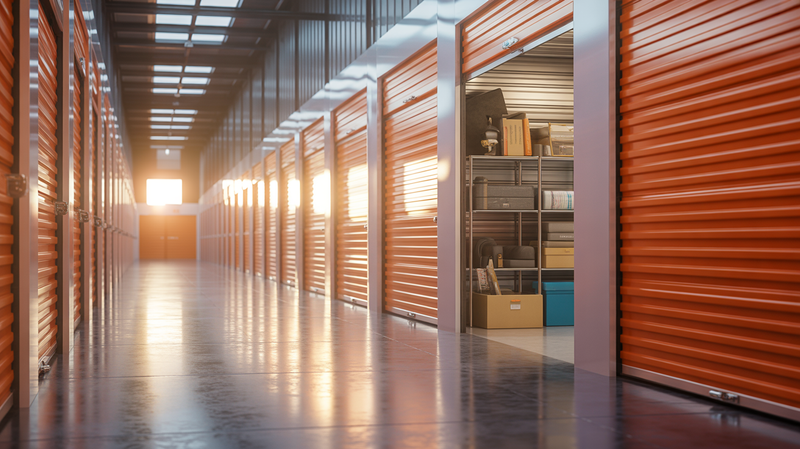
S elf-storage units fall into six main categories: climate-controlled, drive-up access, indoor units, vehicle storage, portable containers, and business storage. Each type serves different needs based on what you store, how often you access it, and your budget. Climate-controlled units cost $24 to $135 per month, while standard drive-up units range from $50 to $519 depending on size.
Climate-Controlled Storage Units
Climate-controlled storage maintains consistent temperature and humidity levels year-round. These units keep temperatures between 55 and 85 degrees Fahrenheit while regulating humidity at 30 to 50 percent. In mountain climates like Colorado's Vail Valley, where temperatures swing from below zero in winter to 80 degrees in summer, climate-controlled storage prevents damage from extreme temperature fluctuations.
Items That Require Climate Control
Electronics, wooden furniture, leather goods, artwork, photographs, and important documents all need climate-controlled environments. Wine collections, musical instruments, and antiques are particularly vulnerable to temperature and humidity changes. Medical supplies, pharmaceuticals, and archival business records also require stable conditions.
Ski equipment, snowboards, and winter gear benefit significantly from climate control during off-season storage. The wax on skis can melt and separate in heat, while bindings and boots degrade faster with temperature swings. Storing gear in a climate-controlled unit extends its lifespan by 3 to 5 years compared to standard storage.
Climate-Controlled Unit Sizes and Pricing
Drive-Up Access Storage Units
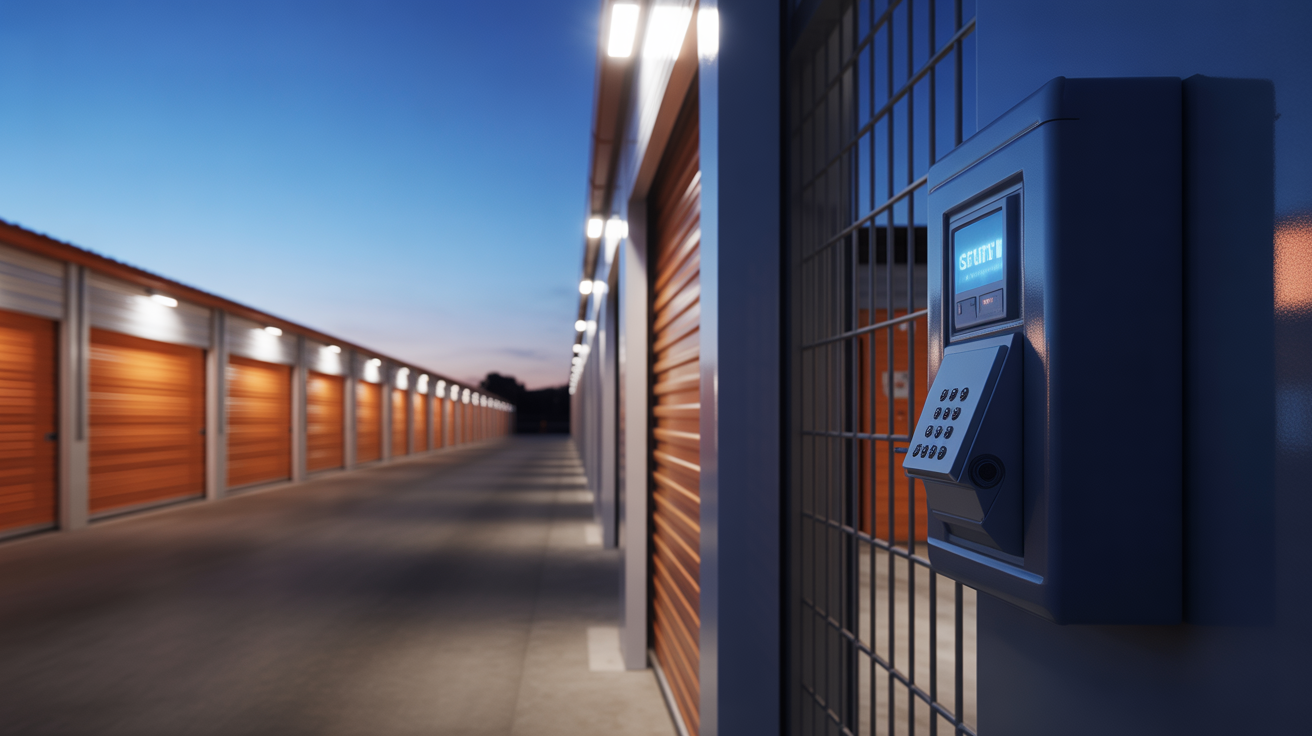
Drive-up units function like personal garages. You pull your vehicle directly to the unit door, load or unload at ground level, and drive away. This design eliminates the need for elevators, hallways, or carrying items long distances. For heavy furniture, appliances, and bulky outdoor equipment, drive-up access saves significant time and physical effort.
When to Choose Drive-Up Storage
Select drive-up units when you need frequent access to your belongings. Business owners who retrieve inventory weekly, homeowners storing lawn equipment used seasonally, and anyone moving items in and out regularly benefit from this convenience. Drive-up units also work well for items that do not require climate control.
Outdoor enthusiasts in the Vail Valley often choose drive-up units for kayaks, paddleboards, camping gear, and mountain bikes. The ability to quickly load gear before a weekend trip and return it afterward makes these units practical for active lifestyles.
Drive-Up Unit Options
Standard drive-up units range from 5x10 at $93 per month to 15x20 at $519 per month. Some units include additional features that add value. Units with built-in lighting cost $142 per month for a 10x15 size. Units with both power outlets and lighting range from $160 to $405 per month for sizes between 10x20 and 10x30.
Power outlets in storage units allow you to charge equipment, run dehumidifiers, or maintain battery-powered tools. This feature proves valuable for storing power tools, lawn equipment, and recreational vehicles that need periodic charging.
Indoor Storage Units
Indoor units sit within a larger building, accessed through hallways and sometimes elevators. These units offer additional protection from weather, dust, and debris compared to exterior units. Indoor storage works best for long-term storage when you do not need frequent access.
Indoor vs. Drive-Up: Making the Choice
Indoor units typically cost 10 to 20 percent less than drive-up units of the same size. However, the trade-off involves access convenience. Moving a couch through hallways and elevators takes more time and effort than rolling it directly from a truck into a ground-level unit.
Choose indoor storage for items you plan to store for 6 months or longer without frequent access. Documents, seasonal decorations, and archived business records fit this category well. For items you need monthly or more frequently, drive-up units save time.
Vehicle and RV Storage
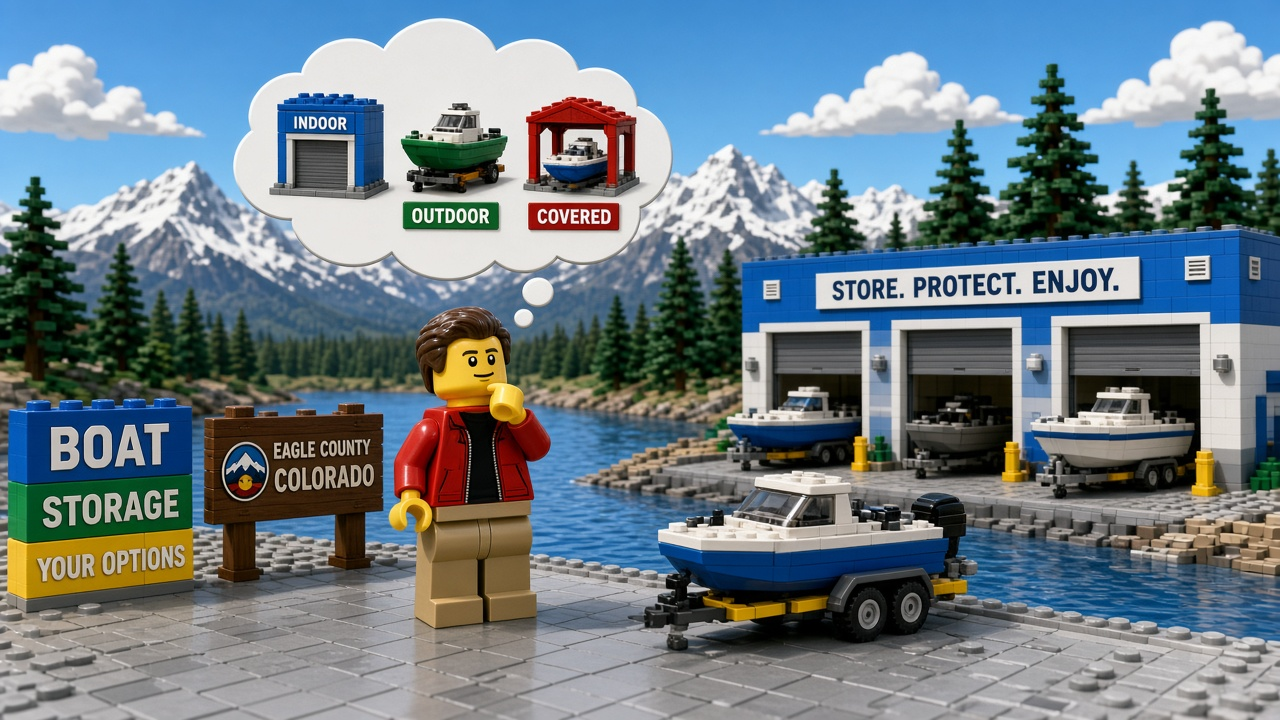
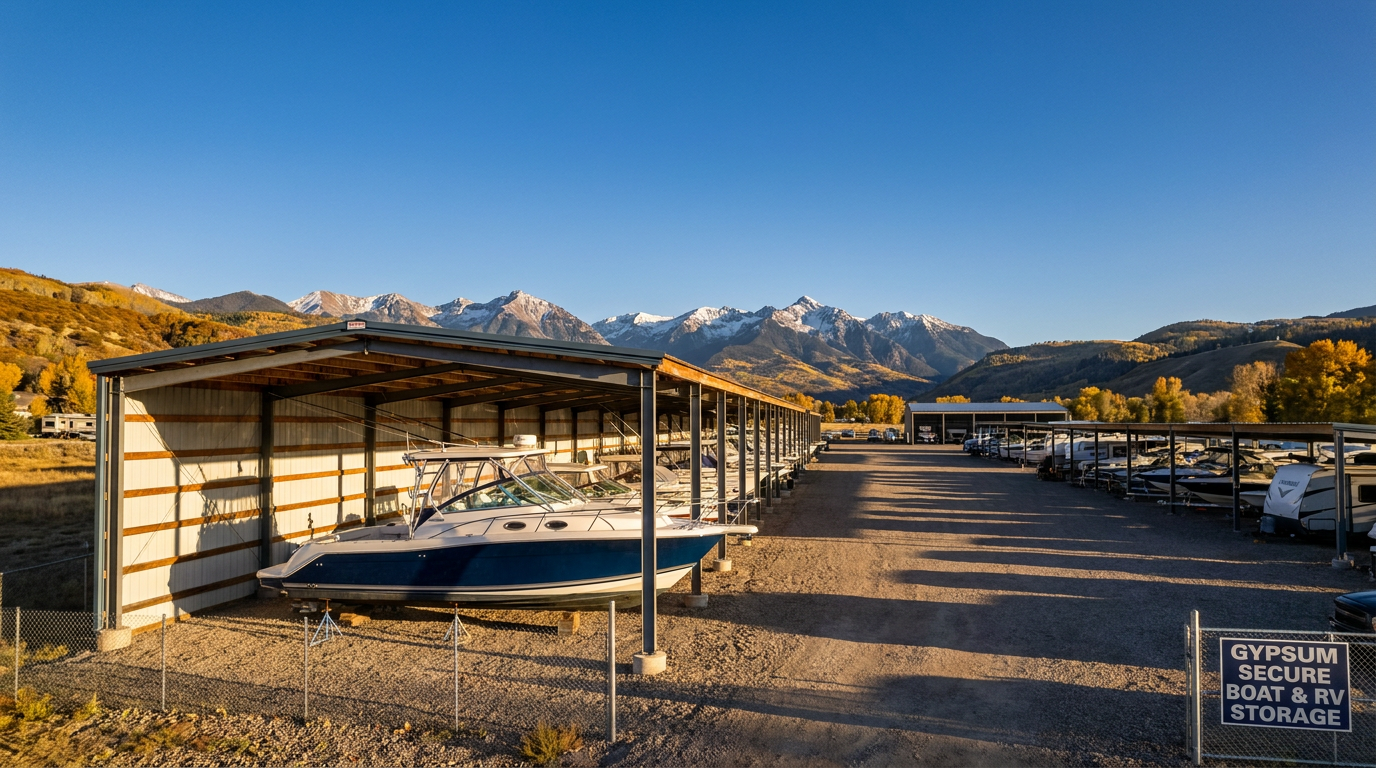
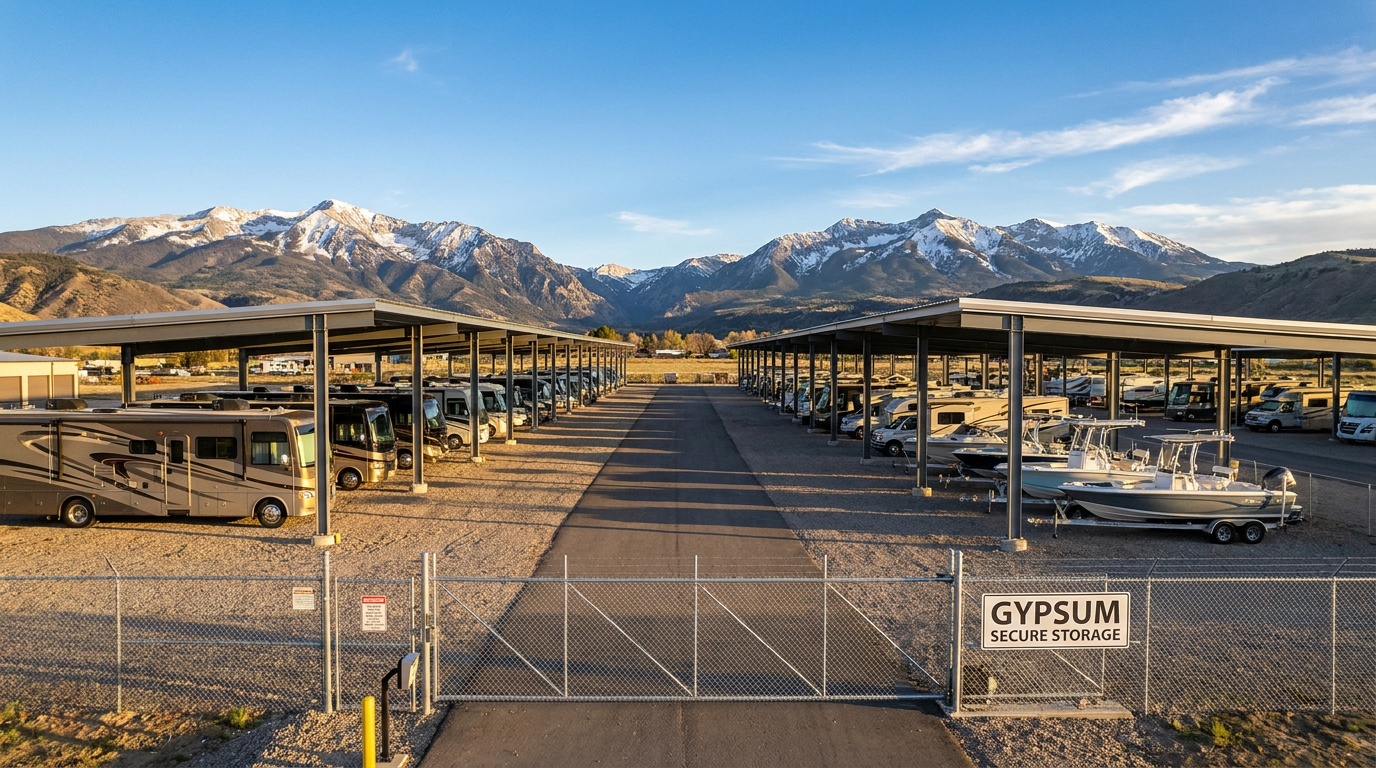
Standard storage units cannot accommodate vehicles. Dedicated vehicle storage provides spaces sized for cars, trucks, RVs, boats, and trailers. Options include open outdoor parking, covered parking, and fully enclosed units.
Open Parking Storage
Open parking spaces offer the most affordable vehicle storage option. An 8x15 open parking space costs approximately $209 per month and accommodates boats, RVs, and trailers. These spaces feature paved surfaces and easy access for towing vehicles in and out.
Covered and Enclosed Vehicle Storage
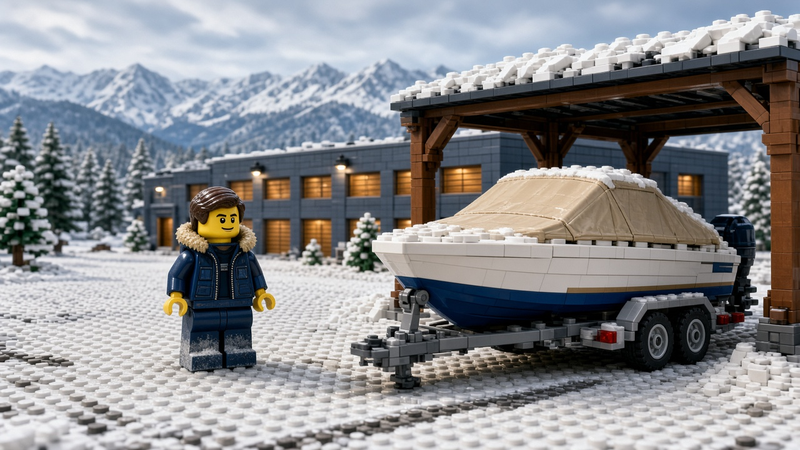
Covered parking adds roof protection from sun, rain, and snow while maintaining open sides for ventilation. Fully enclosed units provide maximum protection, functioning like private garages. Enclosed vehicle storage prevents weather damage, reduces UV exposure that fades paint and interiors, and deters theft.
For seasonal residents in the Vail Valley who leave vehicles during summer or winter months, enclosed storage protects investments from mountain weather. Snow loads, hail, and intense UV at high altitude accelerate vehicle deterioration without proper protection.
Portable Container Storage
Portable containers offer a different approach to storage. A steel container arrives at your location, you load it at your convenience, and the company transports it to a secure facility. This option eliminates multiple trips to a storage facility.
Container Storage Benefits
Containers feature weather-resistant steel construction with raised flooring that prevents moisture damage from below. Ground-level access simplifies loading without ramps or lifts. Containers work well for moving situations where you need flexibility on timing.
The main limitation involves size options. Containers typically come in standard sizes rather than the variety offered at traditional facilities. If you need a specific size to avoid paying for unused space, traditional units offer more precision.
Business and Commercial Storage
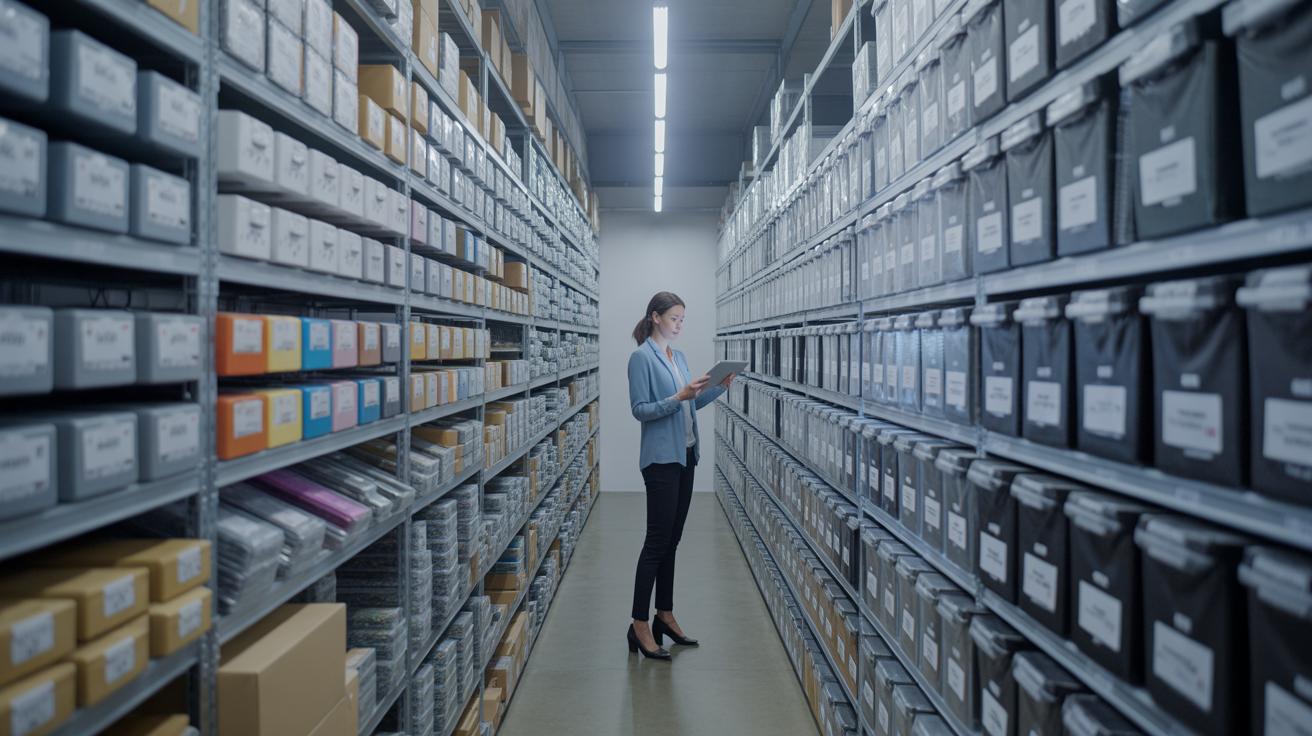
Business storage addresses commercial needs including inventory, equipment, documents, and seasonal merchandise. Commercial units often include features residential storage lacks: higher ceilings, wider doors, pallet-friendly layouts, and options for shelving installation.
Business Storage Applications
Retail businesses store seasonal inventory during off-peak months. Contractors keep tools and equipment secure between job sites. Professional services archive documents that regulations require them to retain for 7 to 10 years. E-commerce operations use storage units as mini-warehouses for inventory.
Local businesses in the Vail Valley use storage for ski rental inventory during summer and water sports equipment during winter. This rotation maximizes retail floor space while keeping off-season inventory protected and accessible.
Storage Lockers: Small Space Solutions
Storage lockers provide compact spaces typically ranging from 4x4 to 5x5 feet. These small units cost $24 to $25 per month and serve specific purposes well. College students store belongings between semesters. Travelers keep luggage and gear accessible near airports. Apartment dwellers supplement limited closet space.
College Student Storage Guide
Students at Colorado Mountain College and other area institutions face a common challenge: where to store belongings during summer break or study abroad semesters. A 5x5 climate-controlled unit at $25 per month holds a dorm room's contents including a mini-fridge, bedding, clothing, and textbooks.
Smart lock technology allows students to share digital access with parents or roommates who can retrieve items if needed. This eliminates the need to coordinate key handoffs or meet at the facility. Access tracking shows exactly when the unit was opened and by whom.
Choosing the Right Storage Unit Size
Selecting the correct size prevents paying for unused space or cramming belongings into an inadequate unit. Use these guidelines based on typical room contents.
Size Selection Guide
- 5x5 (25 sq ft): Closet-sized, holds boxes, small furniture, seasonal items
- 5x10 (50 sq ft): Walk-in closet, fits one bedroom apartment contents
- 10x10 (100 sq ft): Half garage, holds two bedroom apartment or small office
- 10x15 (150 sq ft): Large bedroom, fits three bedroom home contents
- 10x20 (200 sq ft): One-car garage, holds four bedroom home with appliances
- 10x30 (300 sq ft): Holds 5+ bedroom home, vehicles, or commercial inventory
When estimating, list major furniture pieces and count boxes. A standard couch takes 7x3 feet of floor space. A queen mattress set needs 5x7 feet stored flat or 7 inches stored on edge. Dressers, desks, and tables each require their footprint plus 6 inches of clearance.
Visit the storage size guide for detailed capacity information and visual comparisons of what fits in each unit size.
Seasonal Storage Solutions for Vail Valley
Mountain communities have unique storage needs tied to seasonal activities and weather patterns. Understanding these patterns helps select the right storage type and timing.
Winter Sports Equipment Storage
Skis, snowboards, boots, and winter clothing need climate-controlled storage during summer months. Heat degrades boot materials, causes ski wax to separate, and accelerates wear on technical fabrics. A 5x5 climate-controlled unit holds equipment for a family of four plus additional winter gear.
Before storing winter gear, clean all equipment thoroughly. Dry boots completely to prevent mold. Apply storage wax to ski bases. Store boots with buckles loosely fastened to maintain shape without stressing materials.
Summer Recreation Gear Storage
Kayaks, paddleboards, mountain bikes, and camping equipment need protection during winter. While these items tolerate temperature variation better than electronics, protecting them from moisture and rodents matters. Drive-up units with sealed doors work well for outdoor recreation equipment.
Deflate inflatable items partially rather than completely to prevent creasing. Store bikes with tires slightly deflated and chains lubricated. Keep sleeping bags uncompressed in large cotton storage sacks rather than stuff sacks.
Seasonal Resident Storage
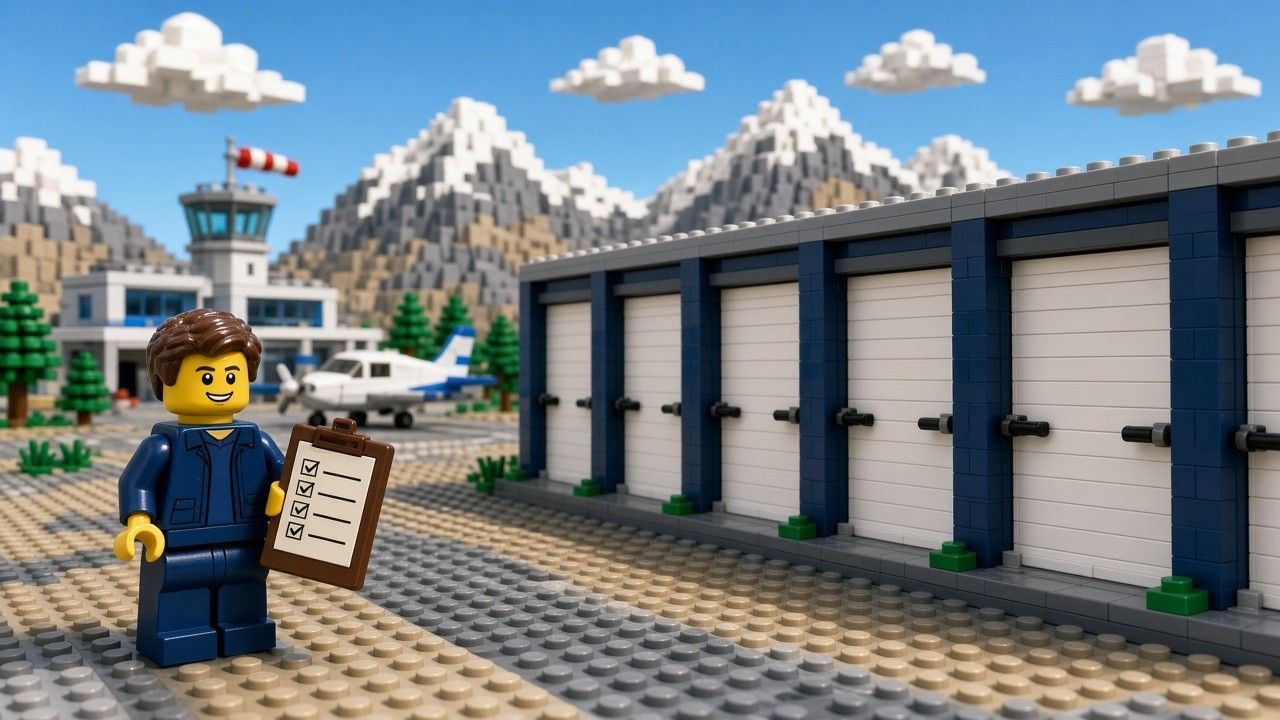
Vacation homeowners and seasonal residents face the challenge of maintaining two households worth of belongings. Storage units near Eagle County Regional Airport provide convenient access when arriving or departing the valley.
Smart lock technology allows property managers or house sitters to access stored items without key coordination. Digital access logs show exactly when units were opened, providing security and accountability for valuable belongings.
Sustainable Storage Practices
Environmental responsibility extends to how we store belongings. Several practices reduce the environmental impact of self-storage while often saving money.
Eco-Friendly Packing Materials
Replace bubble wrap with biodegradable alternatives made from recycled paper or cornstarch. Use towels, blankets, and clothing as padding instead of purchasing new packing materials. Cardboard boxes can be reused 5 to 7 times before recycling.
Avoid plastic bins for long-term storage when possible. While durable, plastic traps moisture and prevents airflow. Cardboard boxes with proper climate control allow contents to breathe while remaining protected.
Energy-Efficient Storage Choices
Modern climate-controlled facilities use energy-efficient HVAC systems that maintain stable conditions without excessive energy consumption. LED lighting in units with power reduces electricity use by 75 percent compared to traditional bulbs.
Choosing the right size unit reduces energy waste. An oversized climate-controlled unit conditions air you do not need. Right-sizing your storage matches energy use to actual requirements.
How to Store Large Appliances
Appliances require specific preparation before storage to prevent damage and ensure they work when retrieved.
Refrigerator and Freezer Storage
Defrost completely 24 to 48 hours before moving. Clean interior surfaces with baking soda solution. Leave doors slightly ajar during storage to prevent mold and odor buildup. Store upright, never on the side, to protect compressor components.
Washer and Dryer Storage
Disconnect and drain all water from washers. Run an empty cycle with washer cleaner before storage. Clean dryer lint traps and exhaust ducts thoroughly. Tape power cords to appliance sides to prevent damage during transport.
Small Appliance Storage
Clean all food residue from kitchen appliances. Store original boxes if available for optimal protection. Wrap cords loosely to prevent kinking. Climate control prevents humidity damage to electronic components in appliances with digital controls.
Security Features to Consider
Storage security involves multiple layers: facility security, unit security, and access control.
Facility-Level Security
Quality facilities feature perimeter fencing, gated access with individual codes, security cameras throughout the property, and adequate lighting. Some facilities employ on-site managers during business hours. Look for facilities with 24/7 camera monitoring and recorded footage retention of at least 30 days.
Unit-Level Security
Individual unit locks provide the primary barrier to unauthorized access. Disc locks and cylinder locks offer more security than standard padlocks. Smart locks provide keyless entry, access sharing capabilities, and logs of every entry.
Smart lock technology allows you to grant temporary access to movers, family members, or business partners without sharing physical keys. Access can be revoked instantly, and you receive notifications when your unit is opened.
Frequently Asked Questions
What are the different types of self-storage units?
Self-storage units include six main types: climate-controlled units that maintain temperature and humidity, drive-up units with vehicle-level access, indoor units within larger buildings, vehicle storage for cars and RVs, portable containers delivered to your location, and business storage designed for commercial needs. Each type serves different storage requirements based on item sensitivity, access frequency, and budget.
What are the three main types of storage facilities?
The three main facility types are traditional self-storage with multiple unit sizes on-site, portable container storage where units come to you, and specialized storage for vehicles, boats, or wine. Traditional facilities offer the widest variety of sizes and features. Portable storage provides convenience for moving situations. Specialized storage addresses specific item requirements.
What are the four types of storage?
Storage divides into four categories by access and environment: indoor climate-controlled, indoor non-climate-controlled, outdoor drive-up, and outdoor vehicle parking. Climate-controlled indoor storage suits sensitive items. Non-climate indoor storage protects from weather at lower cost. Drive-up outdoor units offer convenience for frequent access. Vehicle parking accommodates oversized items.
Is climate-controlled storage worth the extra cost?
Climate control costs 20 to 50 percent more than standard storage but prevents damage that far exceeds the price difference. A $2,000 leather couch destroyed by humidity costs more than years of climate-controlled storage premiums. Electronics, documents, photographs, wooden furniture, and musical instruments all require climate control for storage exceeding 3 months.
Can I store my car or RV in a storage unit?
Standard storage units cannot accommodate vehicles. Dedicated vehicle storage spaces, available as open parking, covered parking, or enclosed units, properly fit cars, trucks, RVs, boats, and trailers. Open parking costs approximately $209 per month for an 8x15 space. Enclosed vehicle storage provides maximum protection from weather and theft.
What is the difference between indoor and drive-up storage units?
Drive-up units allow you to park directly at your unit door and load at ground level, similar to a garage. Indoor units require walking through hallways and sometimes using elevators to reach your space. Drive-up suits frequent access and heavy items. Indoor units cost less and work well for long-term storage without regular visits.