Climate Controlled Storage Units: What They Are and When You Need One
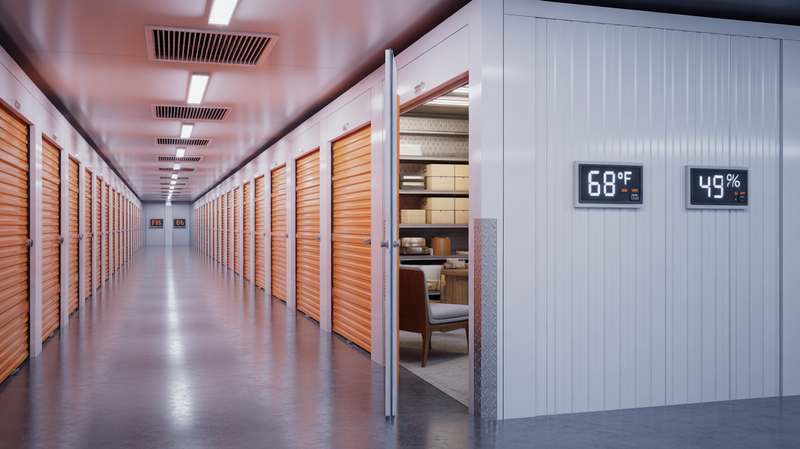
C limate controlled storage units maintain temperatures between 55 and 80 degrees Fahrenheit and humidity levels of 30 to 50 percent year-round. These units use HVAC systems, dehumidifiers, and insulation to protect temperature-sensitive belongings from extreme heat, cold, moisture damage, and humidity fluctuations that destroy electronics, furniture, documents, and collectibles.
What Does Climate Controlled Mean in a Storage Unit?
Climate controlled storage refers to units equipped with heating, ventilation, and air conditioning systems that actively regulate indoor temperature and humidity regardless of outside weather conditions. Unlike standard drive-up units that expose belongings to seasonal temperature swings, climate controlled spaces maintain consistent conditions throughout the year.
The technology behind these units includes three primary components. HVAC systems with heaters and chillers adjust temperature as outdoor conditions change. Dehumidifiers, either refrigerant-based or desiccant-based, remove excess moisture from the air. Insulated walls, ceilings, and floors minimize heat transfer between the unit interior and exterior environment.
Refrigerant dehumidifiers cool air to condense moisture, which then drains away. Desiccant systems absorb water vapor chemically, performing better in cold conditions where refrigerant systems struggle. Many preservation specialists consider humidity control more critical than temperature regulation for protecting sensitive materials.
Climate Controlled vs. Heated Storage: Understanding the Difference
Heated storage and climate controlled storage serve different purposes, though many renters confuse the two. Heated storage only prevents freezing by maintaining temperatures above 32 degrees Fahrenheit during winter months. Climate controlled storage actively regulates both temperature and humidity year-round.
In mountain climates like Colorado's Vail Valley, temperature swings from below zero in winter to above 90 degrees in summer make full climate control essential for sensitive items. Heated-only storage leaves belongings vulnerable to summer heat damage and year-round humidity fluctuations.
Is Climate Controlled Storage Worth It?
Climate controlled storage is worth the additional cost when storing temperature-sensitive items for more than three months, when local climate includes extreme temperatures or humidity, or when replacing damaged items would cost more than the storage premium. Any price difference versus drive-up varies by market — at Vail Airport Storage, climate is often priced below drive-up at the same size, so compare live rates when protecting valuables.
Consider this cost-benefit calculation: Nationally, climate can cost more than standard storage — but at Vail Airport Storage a 10x10 climate unit is currently about $73/mo vs about $112/mo drive-up, so always compare live rates rather than assuming a premium. If you are storing a $3,000 leather sofa, $2,000 in electronics, and $1,500 in wooden furniture, the $600 annual premium protects $6,500 in belongings from potential total loss.
When Climate Control Is Essential
- Storage duration exceeds 3 months: Short-term storage rarely causes significant damage
- Local temperatures exceed 90 degrees F or drop below 32 degrees F: Extreme temperatures accelerate material degradation
- Humidity regularly exceeds 60 percent: Mold growth begins within 48 hours at high humidity
- Storing irreplaceable items: Family heirlooms, original documents, or one-of-a-kind collectibles
- Business inventory storage: Pharmaceutical products, electronics inventory, or temperature-sensitive merchandise
When Standard Storage Works Fine
Standard units adequately protect items made from non-porous, temperature-resistant materials. Metal tools, plastic containers, outdoor furniture, and seasonal decorations made from synthetic materials typically survive temperature fluctuations without damage. Items stored for less than 30 days in moderate climates also rarely need climate control.
Items That Require Climate Controlled Storage
Certain categories of belongings face specific threats from temperature and humidity extremes. Understanding these vulnerabilities helps you make informed storage decisions.
Electronics and Media
Computers, televisions, cameras, and gaming systems contain sensitive circuit boards that corrode when humidity exceeds 50 percent. Batteries drain faster and can leak in extreme temperatures. LCD and LED screens crack when temperatures drop below freezing or exceed 100 degrees. Vinyl records warp at temperatures above 85 degrees, while DVDs and CDs develop data errors from humidity exposure.
Furniture and Wood Items
Wood furniture absorbs and releases moisture with humidity changes, causing warping, cracking, and joint separation. Plywood delaminates when adhesives break down in heat. Upholstered furniture develops mold and mildew in humid conditions, with fabric fibers weakening and discoloring. Leather dries and cracks in low humidity or develops mold in high humidity.
Documents, Books, and Photographs
Paper products are highly susceptible to humidity damage. Documents yellow, become brittle, and grow mold at humidity levels above 60 percent. Photographs stick together and develop surface damage. Books warp and pages become wavy. For archival storage, maintaining 30 to 40 percent humidity and 65 to 70 degrees Fahrenheit is optimal.
Collectibles and Artwork
Coins oxidize and tarnish when exposed to humidity. Stamps stick together and lose value. Comic books yellow and become brittle. Canvas paintings crack in low humidity and develop mold in high humidity. Oil paintings require stable temperatures to prevent paint layer separation.
Musical Instruments
Wooden instruments like guitars, violins, and pianos are extremely sensitive to humidity changes. Guitar necks warp at humidity below 40 percent or above 60 percent. Piano soundboards crack in dry conditions. Brass instruments develop corrosion in humid environments. Professional musicians store instruments at 45 to 55 percent humidity.
Seasonal Sports Equipment
Ski equipment, including skis, boots, and bindings, requires proper off-season storage to maintain performance and safety. Ski boot liners develop mold in humid conditions. Ski bases oxidize when exposed to temperature fluctuations. Bindings can malfunction if stored in extreme cold. Our climate-controlled storage units maintain the consistent conditions that protect valuable ski gear during the off-season.
Climate Controlled Storage Costs and Pricing
Nationally, climate controlled units are often priced higher than standard units, but at Vail Airport Storage climate can cost less than drive-up at the same footprint — always confirm on Rent Online. The exact premium depends on location, facility quality, and local energy costs. Here are typical monthly rates for climate controlled storage:
How Much Does It Cost to Build a Climate Controlled Storage Unit?
Building a climate controlled storage facility costs $25 to $70 per square foot, compared to $15 to $35 per square foot for standard storage construction. The premium covers HVAC system installation, enhanced insulation, vapor barriers, and ongoing energy costs. A 50,000 square foot climate controlled facility typically requires $1.5 to $3.5 million in construction costs.
Operating costs also run higher. Climate controlled facilities spend $1.50 to $3.00 per square foot annually on electricity for heating, cooling, and dehumidification. These costs explain why climate controlled units command premium rental rates.
Choosing the Right Size Climate Controlled Unit
Selecting the appropriate unit size prevents overpaying for unused space or cramming belongings into inadequate storage. Use these guidelines based on typical contents:
Small Units: 5x5 to 5x10
A 5x5 unit (25 square feet) holds contents of a small closet: seasonal clothing, small electronics, document boxes, and collectibles. A 5x10 unit (50 square feet) accommodates a small bedroom's worth of furniture plus boxes, or serves as office storage for files and equipment. These sizes work well for storing seasonal sports gear, musical instruments, or business inventory.
Medium Units: 10x10 to 10x15
A 10x10 unit (100 square feet) fits a one-bedroom apartment's furnishings or serves as substantial business storage. A 10x15 unit (150 square feet) handles a two-bedroom apartment or small office contents. These sizes suit homeowners storing furniture during renovations or businesses archiving records. Check our storage size guide for detailed capacity information.
Large Units: 10x20 and Above
A 10x20 unit (200 square feet) accommodates a three to four bedroom home's contents or serves as warehouse space for business inventory. These larger climate controlled units suit families relocating, businesses storing temperature-sensitive merchandise, or collectors housing extensive collections.
Mountain Climate Storage Considerations
Colorado's Vail Valley presents unique storage challenges that make climate control particularly important. Winter temperatures regularly drop below zero degrees Fahrenheit, while summer days can exceed 90 degrees. Altitude affects humidity levels, with dry winter air dropping below 20 percent relative humidity and monsoon season bringing sudden humidity spikes.
These extreme conditions accelerate damage to stored items. Wooden furniture cracks in dry winter air. Electronics suffer from condensation when temperature swings cause moisture to form on cold surfaces. Leather goods dry out and crack. Photographs and documents become brittle.
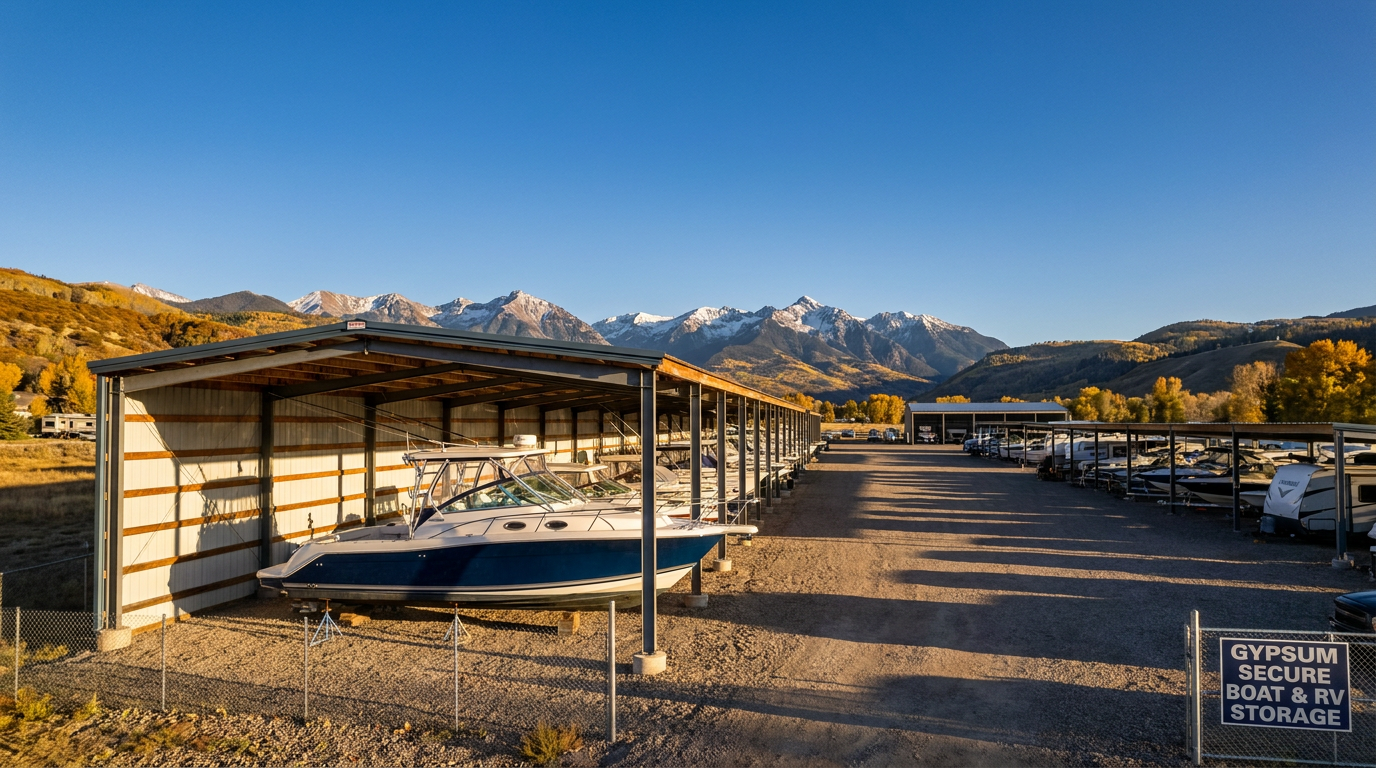
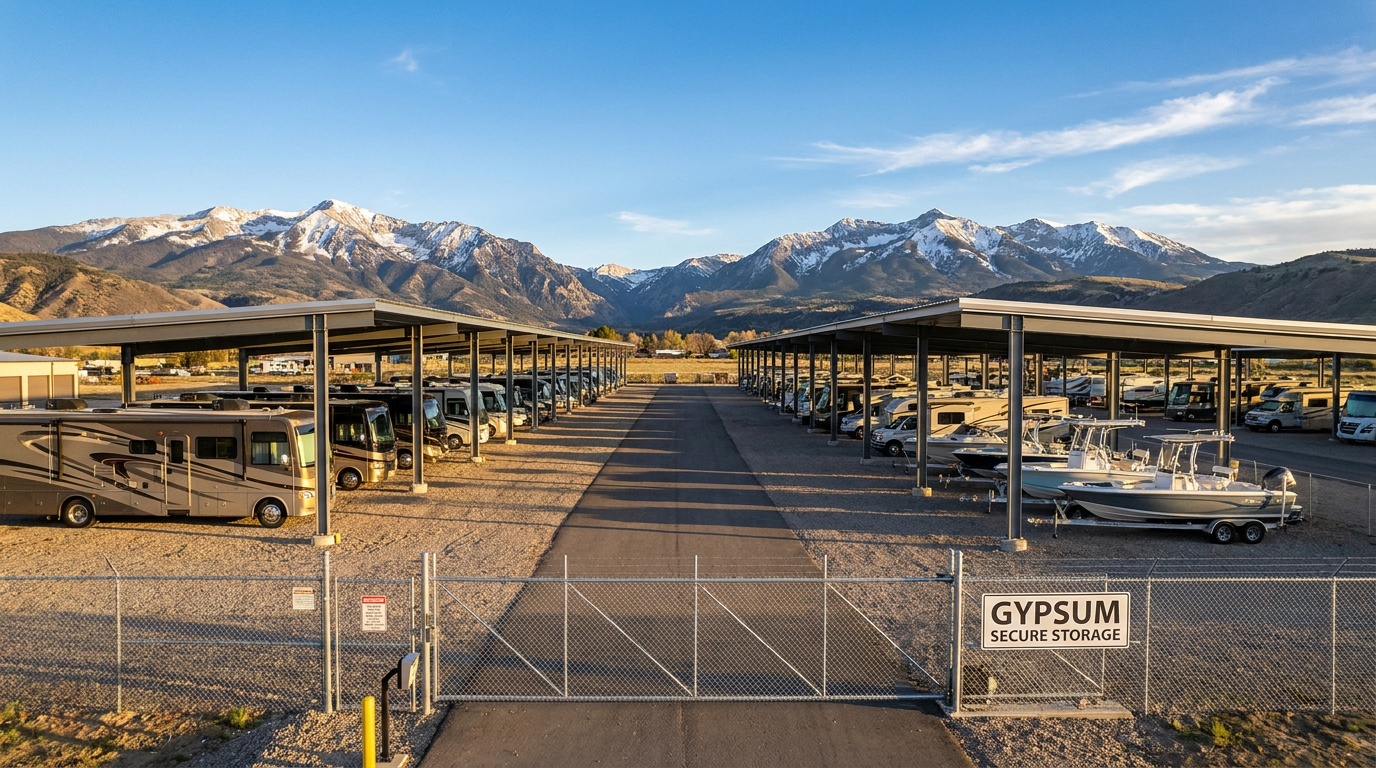
Our Gypsum storage facility near Eagle County Regional Airport addresses these challenges with modern climate control systems designed for mountain conditions. The location offers convenience for Vail Valley residents and travelers who need reliable storage with 24/7 access.
24-Hour Access and Smart Lock Technology
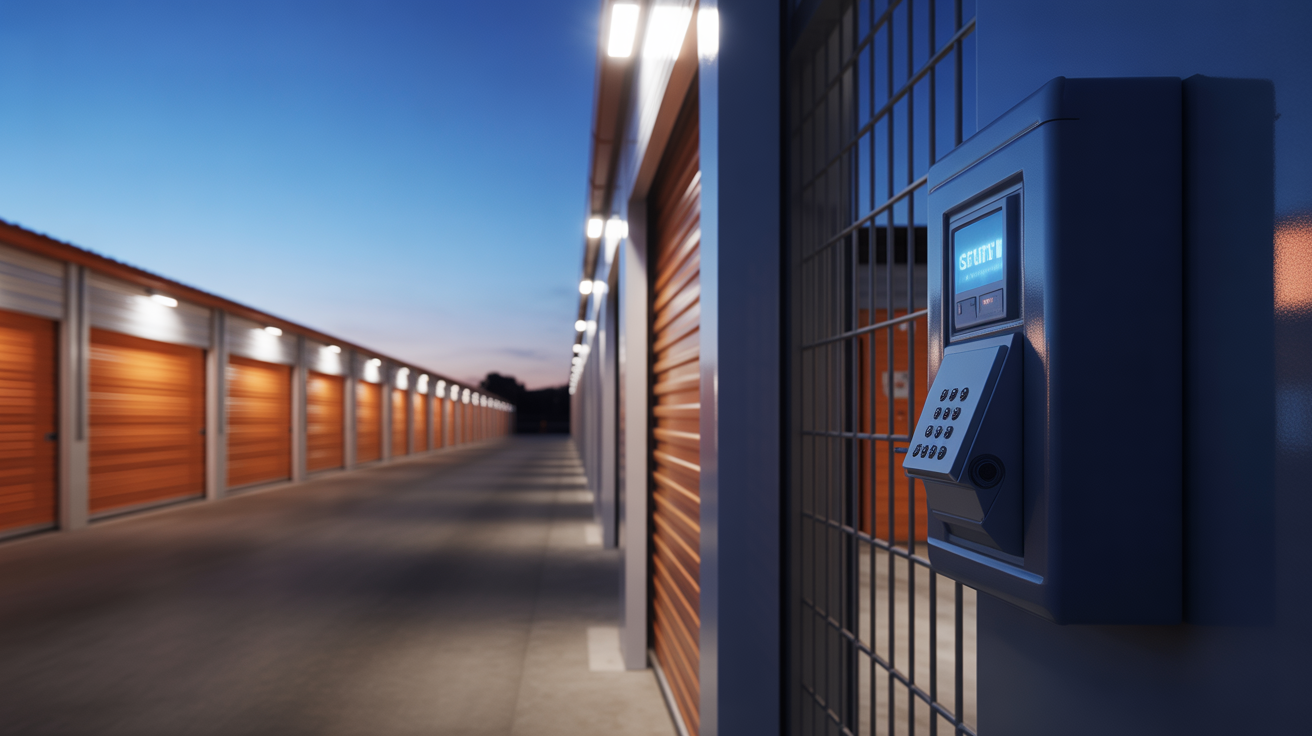
Storage units with 24-hour access provide flexibility for busy schedules and emergency retrieval needs. Modern facilities combine climate control with smart lock technology, allowing renters to access units at any hour while maintaining security through digital access logs and remote monitoring.
Smart locks offer advantages over traditional padlocks. Digital key sharing allows authorized family members or employees to access units without physical key exchanges. Access tracking records every entry and exit with timestamps. Remote lock and unlock capabilities provide convenience when meeting movers or granting temporary access.
At Vail Airport Storage, our smart lock system integrates with climate controlled units to provide both environmental protection and convenient access. No administrative fees or security deposits simplify the rental process.
Climate Controlled Storage for Business Use
Businesses increasingly rely on climate controlled storage for inventory, records, and equipment. Common commercial applications include:
- Pharmaceutical storage: Medications require stable temperatures between 59 and 77 degrees to maintain efficacy
- Wine and spirits inventory: Optimal storage at 55 degrees with 60 to 70 percent humidity
- Electronics inventory: Prevents corrosion and battery damage in retail stock
- Document archiving: Legal, medical, and financial records require long-term preservation
- Art and antique dealers: Protects inventory between sales and exhibitions
- IT equipment storage: Servers, computers, and networking equipment during office transitions
Business storage often requires larger units with drive-up access for efficient loading and unloading. Facilities offering both climate control and drive-up access in larger sizes provide optimal commercial solutions.
Preparing Items for Climate Controlled Storage
Proper preparation maximizes the protective benefits of climate controlled storage. Follow these guidelines for different item categories:
Electronics Preparation
Remove batteries to prevent leakage and corrosion. Clean surfaces to remove dust that traps moisture. Store in original packaging when available, or wrap in anti-static materials. Allow 24 hours for items to reach room temperature before sealing in containers to prevent condensation.
Furniture Preparation
Clean and dry all surfaces thoroughly. Apply furniture polish to wood pieces for added protection. Remove cushions from upholstered furniture and store separately. Cover with breathable fabric covers, not plastic, which traps moisture. Disassemble large pieces when possible to reduce stress on joints.
Document and Photo Preparation
Store documents in acid-free boxes and folders. Place photographs in archival-quality sleeves. Avoid rubber bands and paper clips that damage paper over time. Label boxes clearly for easy retrieval. Consider digitizing irreplaceable documents as backup.
General Packing Tips
Use plastic storage bins rather than cardboard boxes for humidity protection. Leave space between items and walls for air circulation. Place heavier items on bottom shelves. Create an inventory list with box contents and locations. Visit periodically to check conditions and reorganize as needed.
Frequently Asked Questions About Climate Controlled Storage
What temperature do climate controlled storage units maintain?
Climate controlled storage units typically maintain temperatures between 55 and 80 degrees Fahrenheit year-round. Some facilities allow tenants to request specific temperature ranges within this window. Humidity levels stay between 30 and 50 percent relative humidity, preventing both mold growth and excessive drying.
Can climate controlled storage prevent mold on furniture?
Yes, climate controlled storage effectively prevents mold growth by maintaining humidity below 50 percent. Mold requires humidity above 60 percent to grow. Combined with proper preparation, including cleaning furniture and using breathable covers, climate control eliminates the conditions mold needs to develop.
Is climate control necessary for short-term storage?
Short-term storage of 30 days or less rarely requires climate control in moderate climates. However, extreme temperature conditions, such as summer heat exceeding 100 degrees or winter cold below zero, can damage sensitive items within days. When storing valuable or irreplaceable items, climate control provides peace of mind regardless of duration.
What items do not need climate controlled storage?
Items made from non-porous, temperature-resistant materials typically do not require climate control. These include metal tools, plastic storage containers, outdoor furniture made from synthetic materials, ceramic items, and glass. Seasonal decorations made from plastic or metal also store safely in standard units.
How do I know if a storage facility has real climate control?
Ask specific questions about the HVAC system, temperature range, and humidity control. Request to see the thermostat or monitoring system. True climate controlled facilities maintain consistent conditions year-round, not just heating in winter. Check for insulated walls and sealed corridors. Reputable facilities provide written specifications of their climate control parameters.
Making Your Storage Decision
Choosing between climate controlled and standard storage depends on three factors: what you are storing, how long you are storing it, and local climate conditions. For Vail Valley residents dealing with extreme temperature swings and low humidity, climate control protects most household belongings better than standard units.
Calculate the value of items you plan to store. If the replacement cost exceeds the annual premium for climate control, the investment makes financial sense. For irreplaceable items like family heirlooms, original documents, or collectibles, climate control provides essential protection regardless of cost calculations.
Consider storage duration as well. Items stored for a single season may survive in standard units, but long-term storage of six months or more exposes belongings to multiple temperature and humidity cycles that compound damage over time.