Self Storage vs Garage vs Basement: Complete Comparison |
| SELF STORAGE VS GARAGE VS BASEMENT: COMPLETE COMPARISON GUIDE
⏱ 10 min read ·
📄 #1,956 words
Compare self storage, garage, and basement storage options. Learn costs, climate control, security differences, and which solution fits your needs best.
|
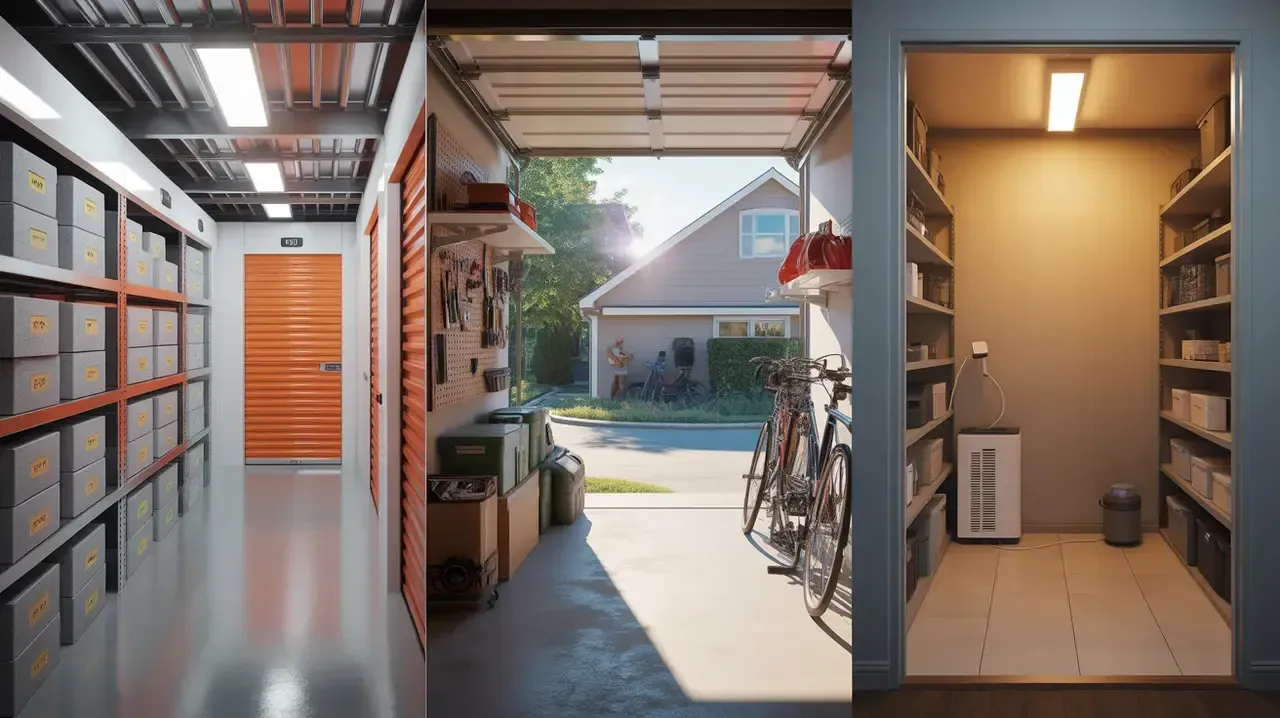
S elf storage facilities offer superior climate control and security compared to garages and basements, but cost $50 to $200 monthly. Garages provide free, convenient access but expose items to temperature swings of 30 to 100+ degrees Fahrenheit. Basements maintain the most stable home temperatures (55 to 70 degrees year-round) but carry flood and humidity risks that damage stored items within months.
| Key Points: | |
|---|---|
| • | Self storage costs $50 to $200 per month but provides climate control (55 to 80 degrees) and 24/7 security monitoring |
| • | Garages offer free storage but experience temperature fluctuations that damage electronics, documents, and wood furniture within 6 to 12 months |
| • | Basements provide stable temperatures but 60% of American basements experience moisture problems that cause mold growth |
| • | Climate-controlled storage protects sensitive items for decades; standard garage storage works only for durable goods |
| • | Choose self storage for items worth more than $1,000 or anything vulnerable to temperature and humidity damage |
Quick Comparison: Self Storage vs Garage vs Basement
Understanding the core differences between these three options helps you make an informed decision. Each storage type excels in specific situations and fails in others.
| Factor | Self Storage | Garage | Basement |
|---|---|---|---|
| Monthly Cost | $50 to $200 | Free | Free |
| Temperature Range | 55 to 80 degrees F (climate controlled) | 30 to 100+ degrees F | 55 to 70 degrees F |
| Humidity Control | 30% to 50% maintained | Uncontrolled | Often 60%+ (problematic) |
| Security | 24/7 surveillance, individual locks | Home security only | Home security only |
| Accessibility | Requires travel (5 to 30 min) | Immediate | Stairs required |
| Best For | Valuables, long-term storage | Durable items, vehicles | Stable temperature items |
Climate Control: The Critical Difference
Temperature and humidity control separates professional storage from home options. This factor alone determines whether your belongings survive storage or deteriorate beyond repair.
How Temperature Affects Stored Items
Garages experience the most extreme temperature swings of any storage option. In mountain climates like Colorado's Vail Valley, garage temperatures can drop below freezing in winter and exceed 90 degrees in summer. These fluctuations cause wood furniture to crack, electronics to fail, and photographs to fade within 6 to 12 months.
Basements maintain more stable temperatures, typically staying between 55 and 70 degrees Fahrenheit year-round. However, this stability comes with a tradeoff: basements trap moisture. The American Society of Home Inspectors reports that 60% of American homes have wet basements, creating conditions where mold grows within 24 to 48 hours on organic materials.
Climate-controlled storage units maintain temperatures between 55 and 80 degrees Fahrenheit regardless of outdoor conditions. This consistent environment protects sensitive items including antiques, electronics, musical instruments, and important documents for years or even decades.
Humidity: The Hidden Destroyer
Humidity causes more storage damage than temperature extremes. Ideal storage humidity ranges from 30% to 50%. Above 60%, mold spores activate and begin colonizing paper, fabric, leather, and wood surfaces.
Garages typically match outdoor humidity levels, which in humid climates can exceed 80% during summer months. Basements often trap groundwater moisture, maintaining humidity levels of 60% to 80% even with dehumidifiers running. Climate-controlled storage facilities actively regulate humidity, keeping levels within the safe 30% to 50% range.
Cost Analysis: True Expense of Each Option
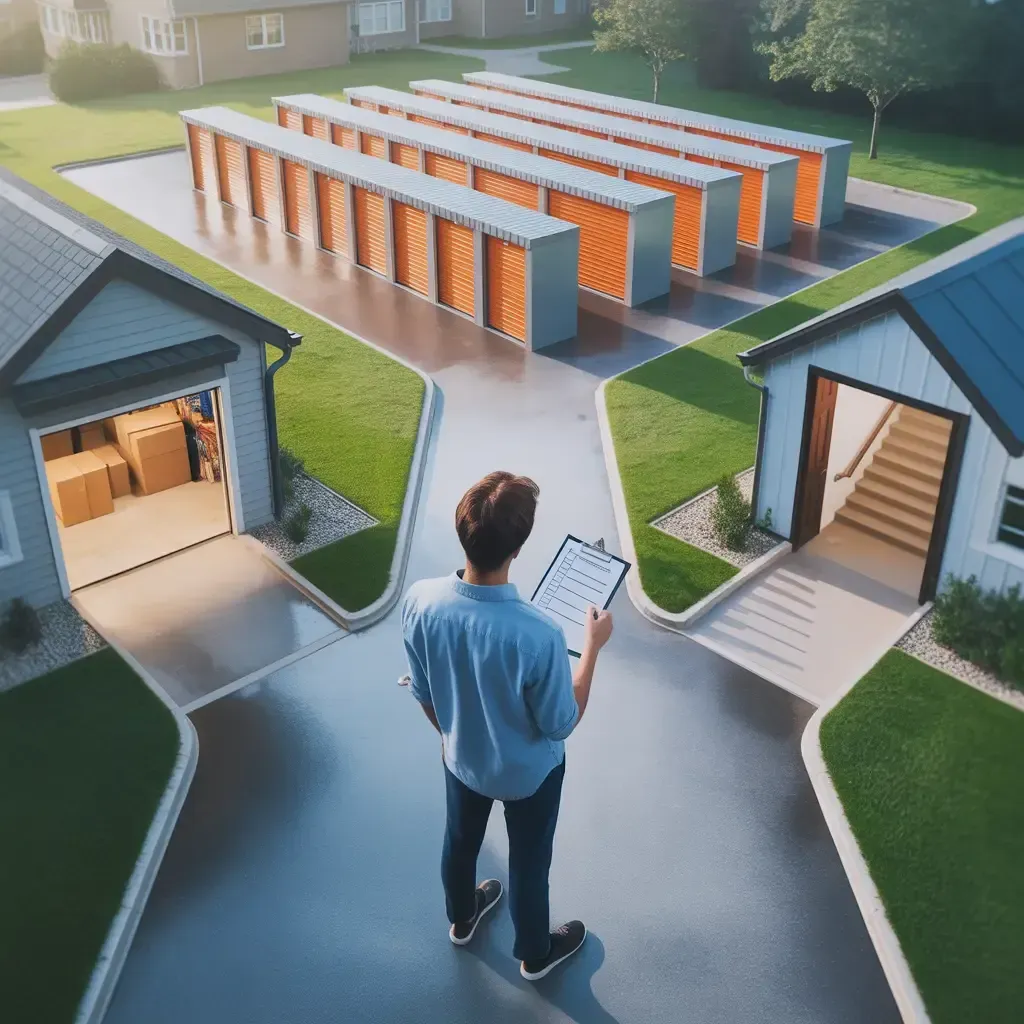
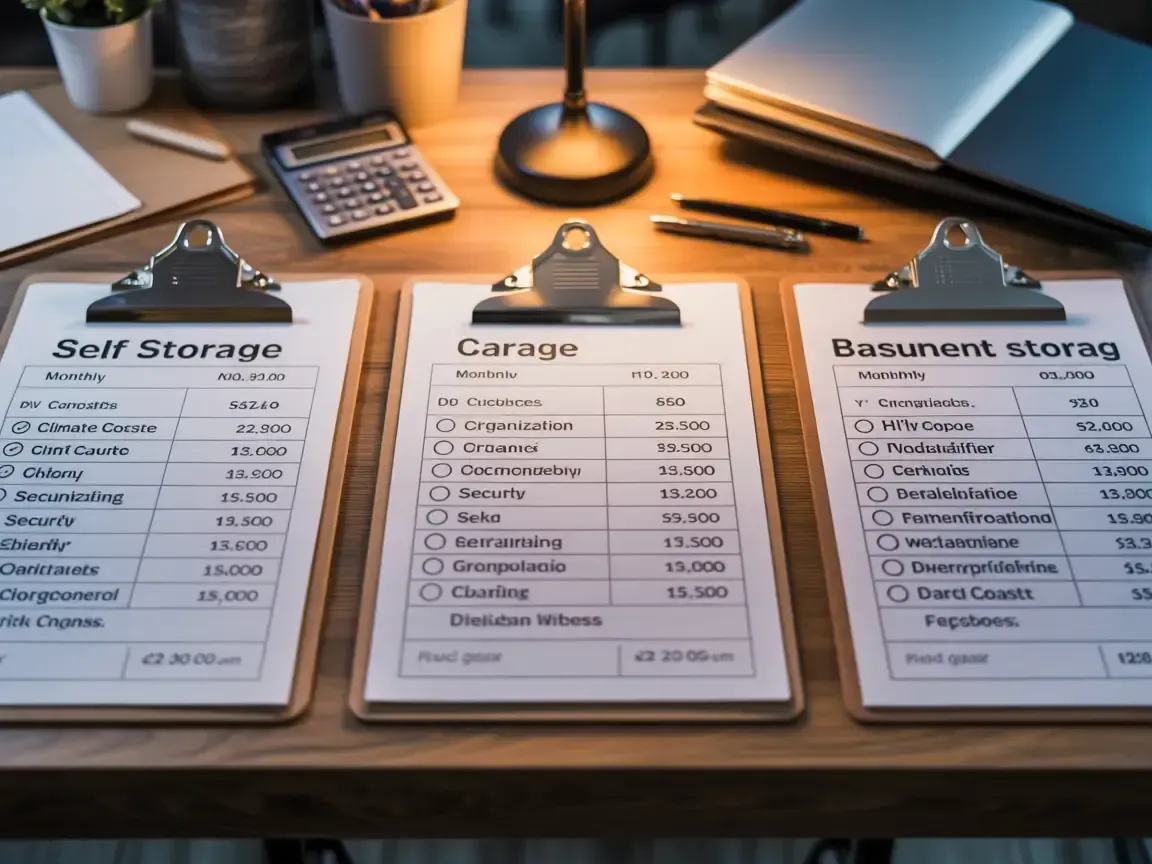
While garage and basement storage appear free, hidden costs often make self storage the more economical long-term choice. Understanding total cost of ownership helps you make a financially sound decision.
Self Storage Pricing Breakdown
Self storage costs vary significantly based on unit size, location, and features. Here are typical national ranges to use as a baseline before checking live rates:
| Unit Size | Standard Unit | Climate Controlled | Best For |
|---|---|---|---|
| 5x5 (25 sq ft) | $37 to $75 | $69 to $100 | Boxes, small furniture |
| 5x10 (50 sq ft) | $39 to $150 | $123 to $200 | One-bedroom apartment |
| 10x10 (100 sq ft) | $57 to $200 | $75 to $350 | Two-bedroom apartment |
| 10x20 (200 sq ft) | $124 to $400 | $276 to $500 | Three-bedroom house |
Reputable facilities, including Vail Airport Storage, charge no administrative fees or security deposits, reducing upfront costs.
Hidden Costs of Garage Storage
Garage storage seems free until you calculate what you sacrifice. A two-car garage provides approximately 400 square feet of space. When filled with storage items, you lose parking space worth $100 to $300 monthly in vehicle protection (reduced exposure to weather, theft, and vandalism).
Items damaged by garage temperature extremes represent another hidden cost. Replacing a warped wood dining set costs $500 to $2,000. Restoring water-damaged family photos runs $50 to $200 per image. Electronics destroyed by temperature cycling cost their full replacement value.
Hidden Costs of Basement Storage
Basement storage carries flood and moisture risks that can destroy everything in a single event. The average basement flood causes $10,000 to $25,000 in damage. Even without flooding, persistent humidity damages stored items gradually.
Running a dehumidifier to protect basement storage adds $15 to $50 monthly to electricity bills. Waterproofing a basement costs $3,000 to $10,000. These expenses often exceed what you would pay for professional storage over several years.
Security Comparison: Protecting Your Belongings
Security capabilities vary dramatically between storage options. Your choice should reflect the value and replaceability of items you are storing.
Self Storage Security Features
Professional storage facilities provide multiple security layers that home storage cannot match:
- 24/7 video surveillance monitoring all access points and hallways
- Individual unit alarms that trigger when unauthorized access is attempted
- Gated access requiring unique codes or smart lock credentials
- Well-lit facilities that deter criminal activity
- On-site management during business hours
Modern facilities use smart lock technology that provides digital key sharing and access tracking. You can see exactly when your unit was accessed and grant temporary access to others without sharing physical keys.
Home Storage Security Limitations
Garages and basements rely entirely on your home security system. Most garage break-ins occur through unlocked service doors or compromised garage door openers. Basement windows provide easy entry points for burglars.
Insurance coverage differs significantly as well. Homeowner's insurance typically covers stored belongings, but claims can increase your premiums. Self storage facilities often offer separate insurance options that protect your items without affecting home insurance rates.
Accessibility and Convenience Factors
How often you need to access stored items should influence your storage choice. Each option offers distinct accessibility advantages and limitations.
Self Storage Access Options
Drive-up storage units eliminate the need to navigate hallways, elevators, or stairs. You can back a truck directly to your unit door, making loading and unloading large items significantly easier. This accessibility matters most when storing furniture, appliances, or heavy equipment.
Facilities with 24/7 access allow retrieval at any time, though you must travel to the location. For items you access monthly or less frequently, this travel time (typically 5 to 30 minutes) represents minimal inconvenience. For daily-access items, home storage makes more sense.
Garage Accessibility Advantages
Garages provide immediate access without travel. This convenience works well for seasonal items you use regularly, such as lawn equipment, sports gear, or holiday decorations. Ground-level access eliminates stair navigation, making garages ideal for heavy or bulky items.
However, garage storage often becomes disorganized over time. Items get buried behind other items, reducing practical accessibility even though physical access remains easy.
Basement Accessibility Challenges
Basements require navigating stairs with every access, creating injury risks when moving heavy items. Standard basement stairs measure 36 inches wide, making it impossible to move large furniture pieces without professional help.
Basement access also requires walking through living spaces, tracking dirt and debris through your home. This inconvenience discourages regular organization and inventory checks.
What to Store Where: Item-Specific Recommendations
Different items have different storage requirements. Matching items to appropriate storage locations prevents damage and saves money.
Items That Require Climate-Controlled Storage
Store these items in climate-controlled units only:
- Electronics: Computers, TVs, audio equipment (temperature cycling damages circuits)
- Wood furniture: Antiques, pianos, dining sets (humidity causes warping and cracking)
- Documents: Tax records, legal papers, photographs (humidity causes mold and deterioration)
- Artwork: Paintings, prints, sculptures (temperature and humidity damage materials)
- Musical instruments: Guitars, violins, brass instruments (wood and metal react to climate)
- Wine: Collections requiring consistent 55-degree storage
- Leather goods: Furniture, clothing, accessories (humidity causes mold and cracking)
Items Suitable for Garage Storage
Garages work well for durable items that tolerate temperature extremes:
- Metal tools: Hand tools, power tools (keep oiled to prevent rust)
- Lawn equipment: Mowers, trimmers, leaf blowers
- Sporting goods: Bikes, kayaks, camping gear (store on racks, not floor)
- Automotive supplies: Oil, coolant, car care products
- Plastic storage bins: Holiday decorations in sealed containers
Items to Avoid Storing in Basements
Never store these items in basements due to moisture and flood risk:
- Paper products: Books, magazines, important documents
- Fabric items: Clothing, bedding, upholstered furniture
- Electronics: Any device with circuits or batteries
- Food items: Even canned goods can rust in humid conditions
- Irreplaceable items: Family heirlooms, photographs, artwork
Frequently Asked Questions
What Are the 4 D's of Self Storage?
The 4 D's represent the primary reasons people rent storage units: Death (estate storage during probate), Divorce (separating household belongings), Dislocation (moving between homes), and Downsizing (transitioning to smaller living spaces). These life events create urgent storage needs that home options cannot accommodate due to space constraints or timing requirements.
What Cannot Be Stored in Self Storage?
Self storage facilities prohibit hazardous materials including gasoline, propane, paint, chemicals, and explosives. Living things (plants, animals, people) are never permitted. Perishable food items attract pests and create health hazards. Illegal items, stolen property, and unregistered firearms violate facility policies and laws. Vehicles must be registered and insured when stored at facilities offering vehicle storage.
What Are the Four Types of Storage Facilities?
The four main types include: Traditional self storage (standard units without climate control), climate-controlled storage (temperature and humidity regulated), drive-up storage (ground-level units with direct vehicle access), and vehicle storage (spaces for cars, RVs, boats, and motorcycles). Some facilities offer all four types, while others specialize in one or two categories. Check our size guide to understand which unit type fits your needs.
What Size Storage Unit Is Best for a 3 Bedroom House?
A three-bedroom house typically requires a 10x20 storage unit (200 square feet) to store all furniture and belongings. This size accommodates living room furniture, bedroom sets, dining room contents, and approximately 200 boxes. If storing only partial household contents or seasonal items, a 10x15 unit (150 square feet) may suffice. For a complete household with garage contents, consider a 10x25 or 10x30 unit.
Making Your Storage Decision
Your optimal storage solution depends on three factors: item value, storage duration, and access frequency.
Choose self storage when:
- Stored items are worth more than $1,000 combined
- Items are sensitive to temperature or humidity
- You need storage for more than 6 months
- Security is a priority
- You want to reclaim garage or basement space for other uses
Choose garage storage when:
- Items are durable and temperature-resistant
- You need frequent access (weekly or more)
- Items are bulky but not valuable
- You have adequate garage space beyond vehicle parking
Choose basement storage when:
- Your basement is dry with humidity below 50%
- Items can be elevated off floors on pallets or shelving
- You have flood insurance or waterproofing
- Items are not irreplaceable
For residents of the Vail Valley area, mountain climate conditions make climate-controlled storage particularly valuable. Temperature swings from below zero to above 90 degrees Fahrenheit throughout the year create challenging conditions for garage storage. Professional storage facilities maintain consistent conditions that protect your belongings regardless of seasonal extremes.
|