Indoor vs Outdoor Storage Units: Complete 2026 Comparison
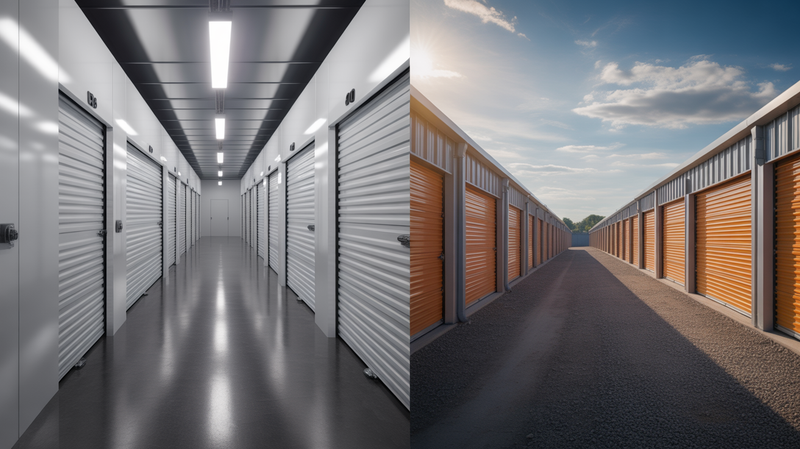
Indoor units favor climate protection; outdoor drive-up units favor quick loading access.
I
ndoor storage units provide superior climate protection and security at a cost difference that varies by market (at VAS, indoor climate is often priced below drive-up), while outdoor drive-up units offer easier vehicle access and lower monthly rates. The right choice depends on what you store, how often you access it, and whether your items need temperature protection.
Quick Comparison: Indoor vs Outdoor Storage Units
Understanding the core differences helps you make a faster decision. This comparison covers the factors that matter most to renters in mountain communities like the Vail Valley, where extreme temperature variations create unique storage challenges.
Understanding Indoor Storage Units
Indoor storage units sit within a larger building structure, accessed through hallways or corridors. These units share walls with other units and benefit from the building's insulation and climate systems. Most indoor facilities offer climate-controlled storage
that maintains consistent temperatures between 55-80°F.
Climate Control Benefits for Mountain Storage
In Colorado's Vail Valley, outdoor temperatures swing from -10°F in winter to 85°F in summer. These 95-degree fluctuations cause wood to crack, leather to dry out, and electronics to suffer condensation damage. Climate-controlled units eliminate these risks by maintaining stable conditions regardless of outside weather.
Items requiring climate control include wooden furniture, musical instruments, wine collections, photographs, important documents, electronics, and artwork. If your belongings would suffer in an unheated garage during a Colorado winter, they need climate-controlled storage.
Indoor Unit Sizes and Pricing
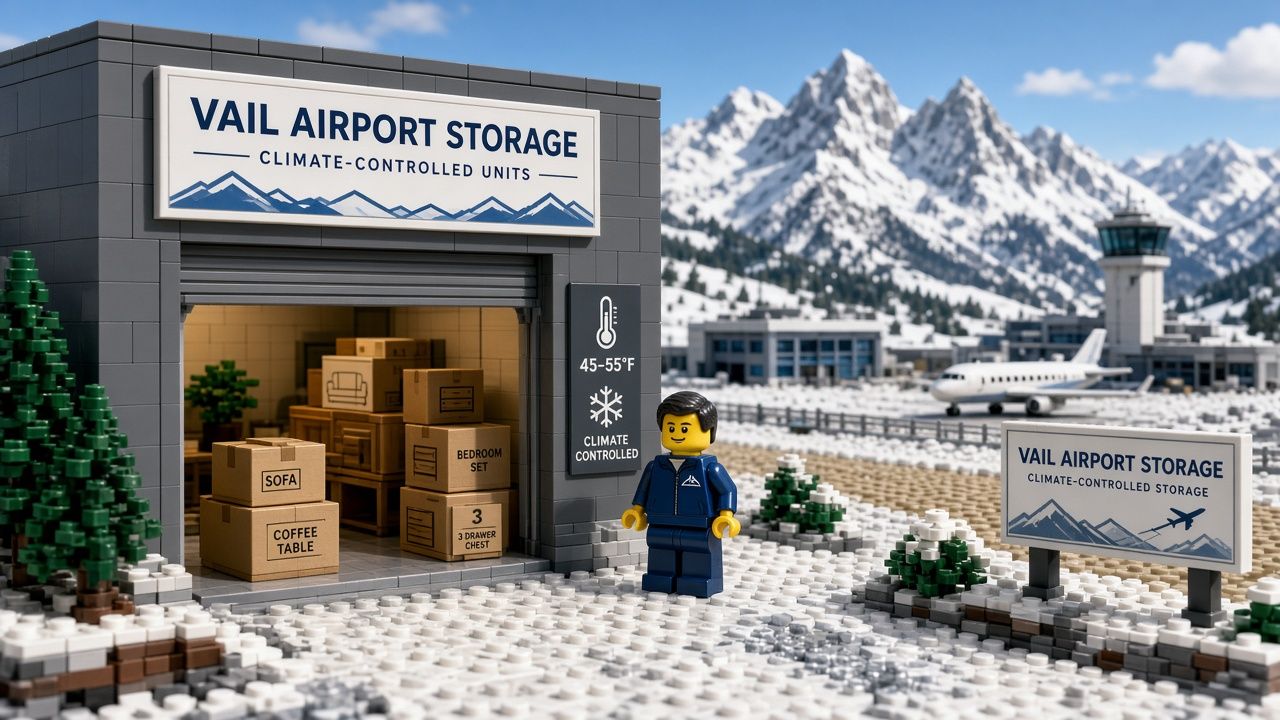
Indoor climate-controlled units at Vail Airport Storage range from compact 5x4 spaces around $75/month to large 10x20 units around $199/month (confirm on Rent Online). Mid-range options like 10x10 climate-controlled units cost approximately $73/month, making them practical for storing one bedroom's worth of furniture and boxes.
Size selection depends on your inventory. A 5x5 unit (about $16/month live; other small sizes vary) holds approximately 10-15 boxes or a small closet's contents. A 10x15 climate unit (about $127/month) accommodates a full one-bedroom apartment. Check a storage size guide
to match your belongings to the right dimensions.
Understanding Outdoor Storage Units
Outdoor storage units, commonly called drive-up units, feature exterior-facing roll-up doors that allow direct vehicle access. You park your car, truck, or trailer directly in front of your unit door, eliminating the need to carry items through hallways or use elevators.
Drive-Up Access Advantages
Drive-up units save significant time when loading heavy or bulky items. Moving a couch into an indoor unit might require a dolly, elevator rides, and hallway navigation. The same task at a drive-up unit takes minutes: back up your vehicle, open the door, and slide the couch inside.
This convenience matters for seasonal equipment storage. Ski enthusiasts accessing gear multiple times per season appreciate the quick in-and-out access. Business owners rotating inventory benefit from the efficiency. Anyone storing motorcycles, ATVs, or lawn equipment finds drive-up access essential.
Outdoor Unit Sizes and Pricing
Drive-up units start around $112/month for 5x10 spaces and scale up to about $519/month for large 15x20 units. Popular mid-size options include 10x10 drive-up units at about $112/month and 10x15 drive-up units around $285/month. Some facilities offer drive-up units with power outlets and lighting, like 10x20 units with power at about $375/month.
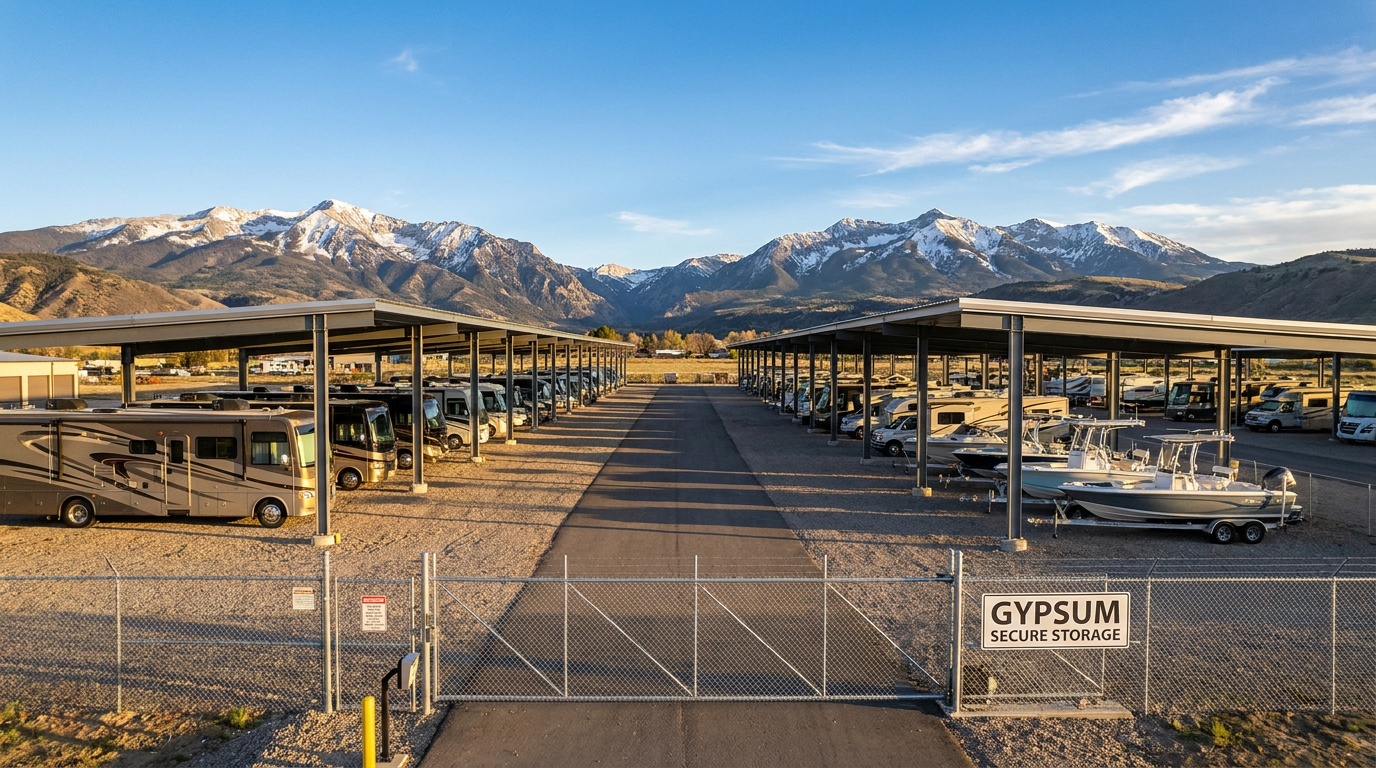
Larger drive-up units accommodate vehicles, boats, and RVs. A 10x20 space fits most cars and small boats. Open parking options starting at $209/month provide space for RVs and larger watercraft at facilities near Eagle County Airport.
Cost Comparison: What You Actually Pay
Storage costs vary based on unit type, size, and features. Understanding the full pricing picture helps you budget accurately and avoid surprises.
Monthly Rate Breakdown by Size
Hidden Costs to Consider
Beyond monthly rates, watch for administrative fees, security deposits, and insurance requirements. Some facilities charge $20-50 in administrative fees at move-in. Others require security deposits equal to one month's rent. Quality facilities like those in the Vail Valley often waive these fees entirely, with no administrative charges or security deposits required.
Insurance adds $10-20/month if your renters or homeowners policy does not cover stored belongings. Verify your existing coverage before purchasing facility insurance.
Match unit type to your items, visit frequency, and local weather before you rent.
Security Differences Between Indoor and Outdoor Units
Both unit types offer security, but the approach differs significantly. Understanding these differences helps you match security needs to your stored valuables.
Indoor Security Features
Indoor units benefit from multiple security layers. Visitors pass through a main entrance, navigate interior hallways, and access individual units. This creates several checkpoints and limits direct exterior access to your belongings. Most indoor facilities include security cameras throughout hallways and common areas.
Modern facilities use smart lock technology that tracks every access event. You receive notifications when your unit opens and can share digital keys with family members or movers without copying physical keys. This access tracking provides accountability that traditional padlocks cannot match.
Outdoor Security Features
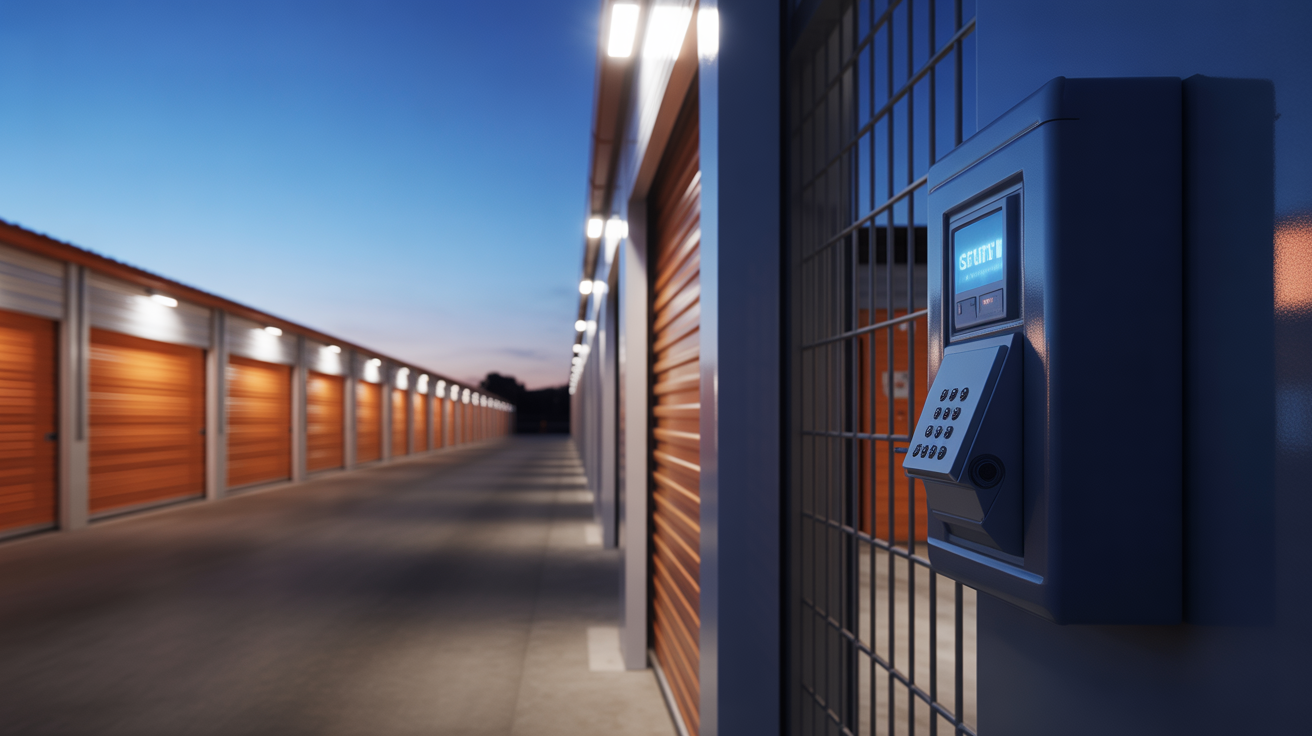
Outdoor units rely on perimeter security: gated access, security cameras, and individual unit locks. While your unit door faces the exterior, the facility compound remains secured. Quality facilities maintain 24/7 camera surveillance and require personalized access codes for gate entry.
The tradeoff: outdoor units have more direct exposure but often feature heavier-duty doors and locks designed for exterior conditions. Both configurations provide adequate security when facilities maintain proper surveillance and access controls.
What to Store in Each Unit Type
Matching your belongings to the right unit type prevents damage and saves money. This decision framework simplifies the choice.
Ski equipment:
Skis, boots, and gear during off-season storage
These items share sensitivity to temperature extremes and humidity fluctuations. A single winter in an unheated unit can crack a guitar neck, warp a wooden dresser, or damage electronic components through condensation.
Metal furniture:
Patio sets, filing cabinets, shelving
Sports gear:
Bicycles, kayaks, camping equipment
Business inventory:
Non-perishable goods, equipment, supplies
Construction materials:
Tools, lumber, hardware
These items withstand temperature variations without damage. Metal, plastic, and treated outdoor materials tolerate the conditions found in drive-up units.
Access and Convenience Factors
How often you visit your unit and what you retrieve during each visit should influence your choice. Access patterns vary significantly between casual storage and active use.
Frequency of Access Considerations
If you access storage monthly or less, indoor units work well. The extra walking time through hallways becomes negligible when visits are infrequent. Climate protection outweighs minor inconvenience for long-term storage.
Weekly or daily access favors drive-up units. Business owners retrieving inventory, contractors grabbing tools, or seasonal residents swapping gear benefit from the 5-minute load time that drive-up access enables. These time savings compound over dozens of annual visits.
Loading Heavy or Bulky Items
Moving a 300-pound safe into storage? Drive-up access allows you to back a truck directly to the unit door and use a dolly on flat ground. The same task at an indoor unit might require navigating ramps, elevators with weight limits, and narrow hallways.
Consider your physical capabilities and available help. Indoor units on ground floors minimize these challenges, but drive-up units consistently offer the easiest loading experience for heavy items.
Seasonal Storage in Mountain Communities
The Vail Valley presents unique storage challenges that influence the indoor versus outdoor decision. Seasonal residents, outdoor enthusiasts, and vacation homeowners face specific considerations.
Winter Storage Challenges
Colorado winters bring temperatures below zero and heavy snowfall. Outdoor units may have snow accumulation near doors, requiring clearing before access. Indoor units remain accessible regardless of weather conditions, with heated hallways and protected entrances.
Items stored through winter need appropriate protection. Ski equipment benefits from climate control to prevent binding damage and boot deterioration. Vehicles in outdoor units should have proper winterization, including fuel stabilizer and battery maintenance.
Summer Storage Considerations
Summer heat creates different challenges. Temperatures inside uninsulated outdoor units can exceed 100°F on hot days. Candles melt, photographs stick together, and electronics suffer. Climate-controlled units maintain safe temperatures regardless of outside conditions.
Seasonal visitors leaving belongings during summer months should evaluate what they store. Outdoor furniture and camping gear tolerate heat. Electronics, photographs, and temperature-sensitive items need climate control.
Making Your Decision: A Practical Framework
Use these questions to determine which storage type fits your situation. Answer honestly about your needs, budget, and stored items.
Choose Indoor Climate-Controlled Storage If:
Your items include electronics, documents, or wooden furniture
Storage duration exceeds 6 months
You access the unit monthly or less frequently
Your belongings have significant monetary or sentimental value
You store items that would suffer in your garage during extreme weather
Choose Outdoor Drive-Up Storage If:
You store vehicles, equipment, or outdoor gear
You access the unit weekly or more frequently
Your items are durable and weather-resistant
You regularly load or unload heavy items
Budget is a primary concern and items tolerate temperature swings
Frequently Asked Questions
What size storage unit do I need for my apartment?
A studio apartment fits in a 5x5 or 5x10 unit. One-bedroom apartments require 10x10 units. Two-bedroom apartments need 10x15 spaces. Three-bedroom homes require 10x20 or larger units. These estimates assume standard furniture and moderate box counts.
Do I need climate-controlled storage for furniture?
Wooden furniture, leather pieces, and upholstered items benefit from climate control, especially for storage exceeding 3-6 months. Metal and plastic furniture tolerates standard storage. In mountain climates with extreme temperature swings, climate control prevents warping, cracking, and mold growth on wood and fabric.
How much does a 10x10 storage unit cost?
A 10x10 climate-controlled unit costs approximately $73/month. A 10x10 drive-up unit costs approximately $112/month. Prices vary by location, with mountain communities and airport-adjacent facilities sometimes commanding premium rates. Many facilities offer move-in specials like 50% off the first three months.
Can I store vehicles in outdoor units?
Yes, outdoor drive-up units accommodate cars, motorcycles, ATVs, and small boats. A 10x20 unit fits most standard vehicles. Larger vehicles like RVs and boats may require open parking spaces or oversized units. Some facilities offer covered parking options for additional protection.
What is the difference between drive-up and indoor access?
Drive-up units have exterior-facing doors that allow direct vehicle access. You park in front of your unit and load directly from your vehicle. Indoor units require walking through hallways and potentially using elevators. Drive-up saves time for heavy loads; indoor provides better climate protection.
Is 24-hour access available for both unit types?
Many modern facilities offer 24/7 access for both indoor and outdoor units. Smart lock technology enables round-the-clock entry with personalized codes or digital keys. Verify access hours before renting, as some facilities restrict overnight access for security reasons.
Second-home and condo lock-and-leave checklist before Vail Valley ski season. Overflow, gear rotation, and soft rent-online next steps at Vail Airport Storage.
Plan your long distance move with storage using this detailed 8-12 week timeline. Includes costs, coordination tips, and checklists from industry experts.
Practical checklist for storage near Eagle County Airport: pick unit size, drive-up vs indoor, access hours, and when VAS or Eagle Canopy RV Storage fits.
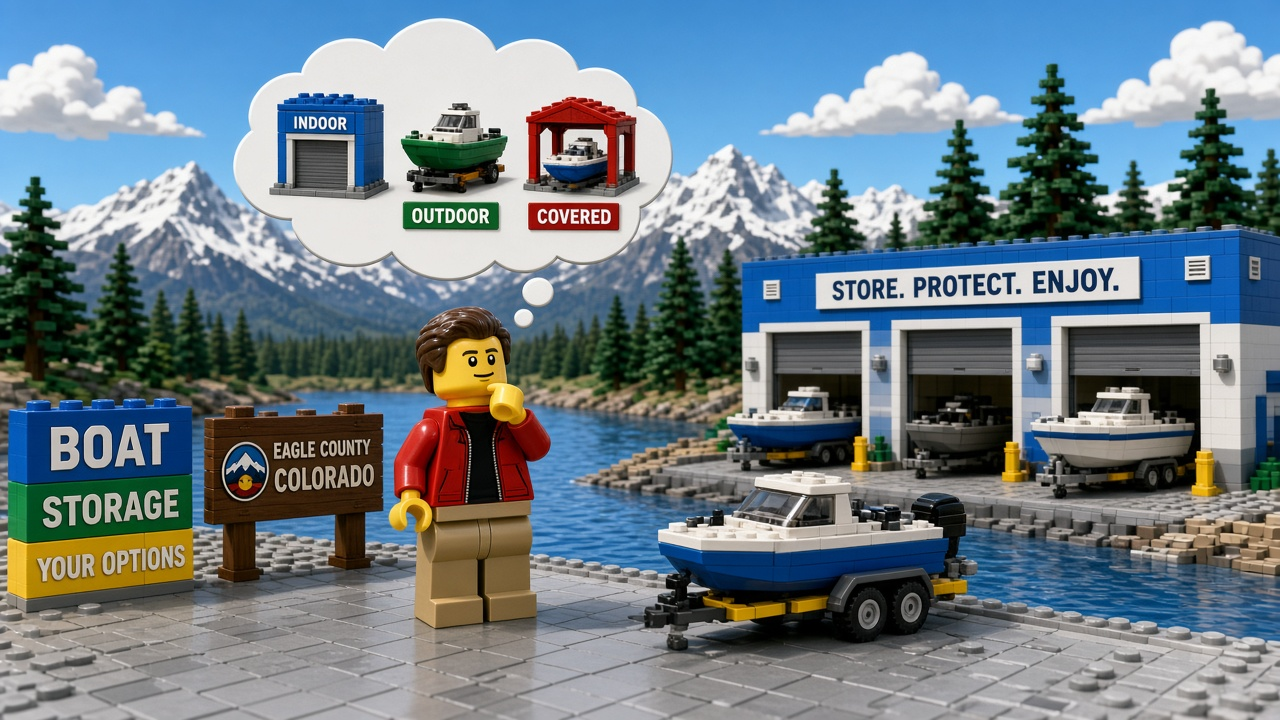
Compare indoor, outdoor & covered boat storage in Eagle County and the Vail Valley. Decide what fits your boat, plus where VAS and Eagle Canopy RV Storage fit.
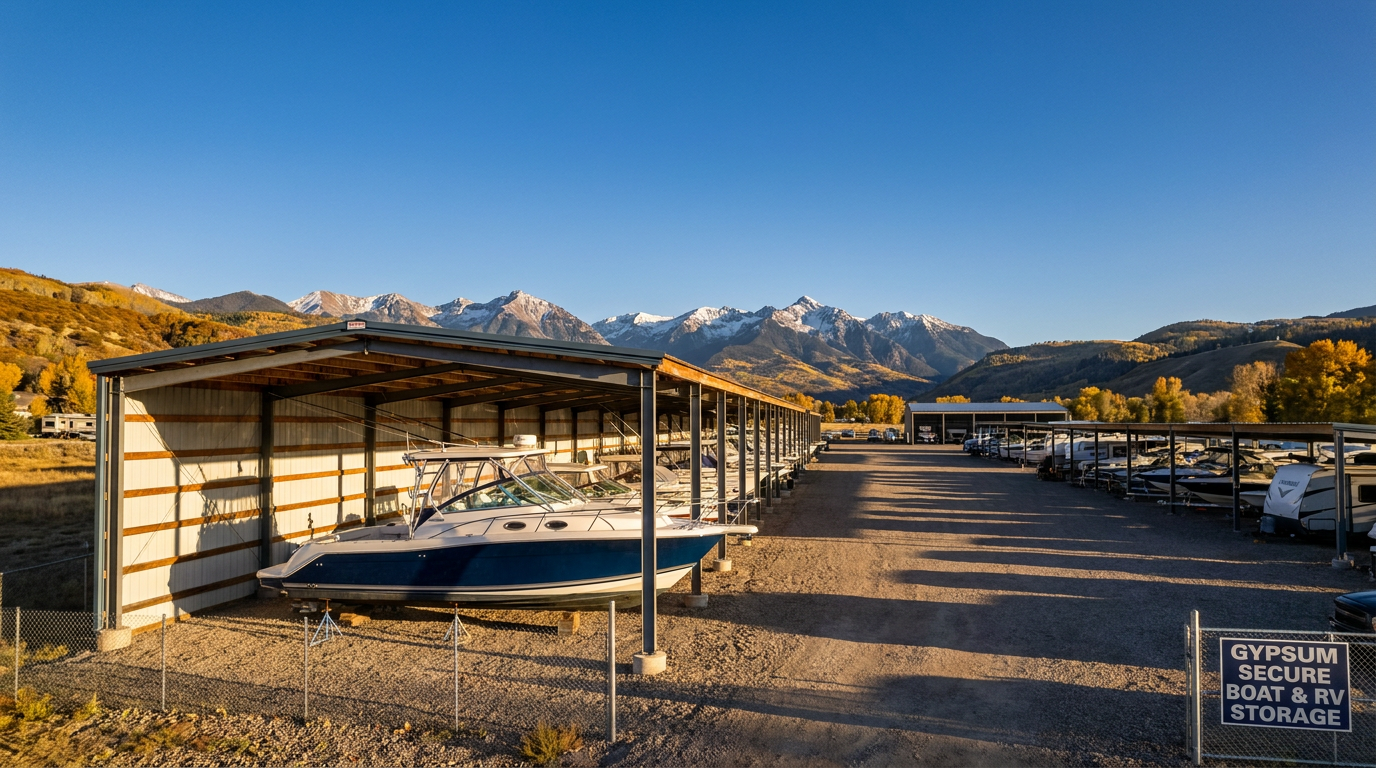
Compare boat parking in Gypsum: 8 x 15 ft uncovered spaces at VAS and separate covered options at Eagle Canopy. Check full trailer dimensions and availability.