Storage Unit Cost Calculator: Pricing Factors for 2026 |
| STORAGE UNIT COST CALCULATOR AND PRICING FACTORS
Pricing comparison guide · Hypothetical examples
Compare storage costs using current unit rates, size, location and required fees. Work through a hypothetical budget example before checking live availability.
|
Storage unit costs depend on size, location, included features and rental terms. Start with the selected unit's current quoted rent, then add any required recurring charges. Keep one-time move-in costs separate. This guide provides a comparison method and hypothetical examples, not a live price quote or a survey of national averages.
| Key Points: | |
|---|---|
| • | Compare current quotes for the size and features you need. |
| • | Confirm the conditions provided by the selected climate-controlled unit. |
| • | Use actual local quotes rather than assumed geographic premiums. |
| • | Check which access and convenience features are included in the price. |
| • | Review offer duration, recurring charges and one-time move-in costs. |
The Storage Unit Cost Formula Explained
Compare quotes for units with similar dimensions, access and features. The rental listing and agreement establish the price; there is no universal formula that every facility uses to set rent.
For your own comparison, divide the quoted monthly rent by the unit's floor area. Add any required recurring charges that are not already included. Do not add a separate feature premium when that feature is already part of the quoted rent.
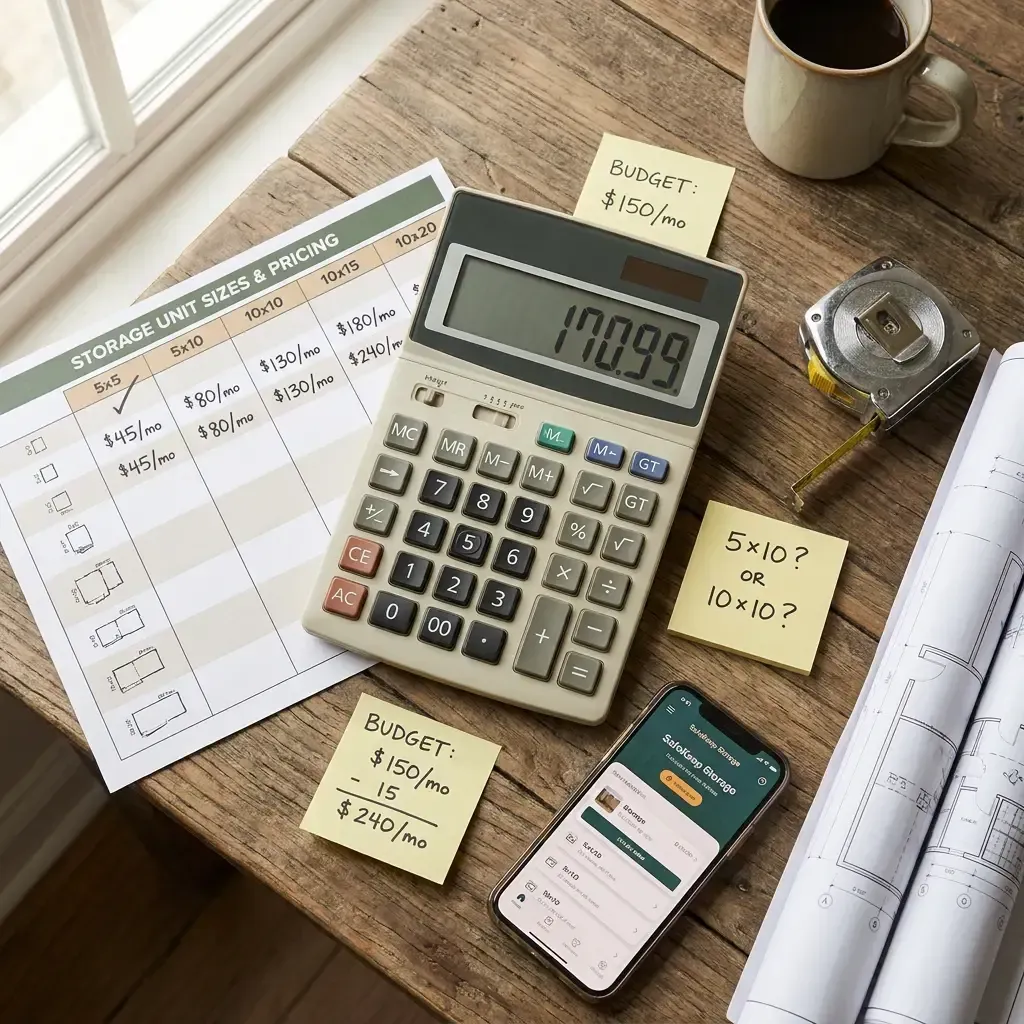
Hypothetical example: a 10 × 10 ft unit has 100 square feet. If its quoted rent is $150 per month, the rent is $1.50 per square foot. If the agreement also requires a separate $15 monthly charge, the recurring total is $165. These assumed amounts are for arithmetic only, not VAS prices.
Storage Unit Pricing by Size: Complete Breakdown
Size affects the amount of space you can use, but current rent also depends on availability and features. The dimensions below are comparison examples, not a list of units currently offered by Vail Airport Storage. Check the rental listings for available sizes and prices.
| Unit Size | Square Feet | Typical Contents | Current rate |
|---|---|---|---|
| 5x4 | 20 sq ft | Small boxes and seasonal items | Check current listings |
| 5x5 | 25 sq ft | Boxes and compact belongings | Check current listings |
| 5x10 | 50 sq ft | Furniture and boxes; measure first | Check current listings |
| 10x10 | 100 sq ft | Furniture and household belongings | Check current listings |
| 10x15 | 150 sq ft | Larger household inventories | Check current listings |
| 10x20 | 200 sq ft | Bulky belongings; check loading clearance | Check current listings |
| 10x30 | 300 sq ft | Large inventory; confirm offered sizes | Check current listings |
| 15x20 | 300 sq ft | Large inventory; confirm offered sizes | Check current listings |
Use our storage unit size guide to determine exactly how much space your belongings require before calculating costs.
How Location Affects Storage Unit Pricing
Compare current quotes in the locations you would realistically use. Local demand, availability and facility features can affect prices; a broad regional label cannot tell you what a particular unit will cost today.
Use the same size, access needs and required features when comparing locations. Record each quote and the date you checked it, then compare the total recurring charge rather than an advertised starting price.
For storage near Eagle County Regional Airport, weigh the trip against how often you expect to visit. Compare actual quotes and access arrangements rather than assuming an airport or mountain location carries a fixed premium.
Hypothetical Cost Comparison: 100-Square-Foot Units
The following table uses invented monthly rents to show the arithmetic for a 100-square-foot unit. It does not represent regional averages, current VAS rates or available units. Required extra charges would need to be added separately.
| Hypothetical scenario | Assumed monthly rent | Rent per sq ft |
|---|---|---|
| Example A | $125 | $1.25 |
| Example B | $150 | $1.50 |
| Example C | $175 | $1.75 |
| Example D | $200 | $2.00 |
Climate Control: When the Premium Is Worth It
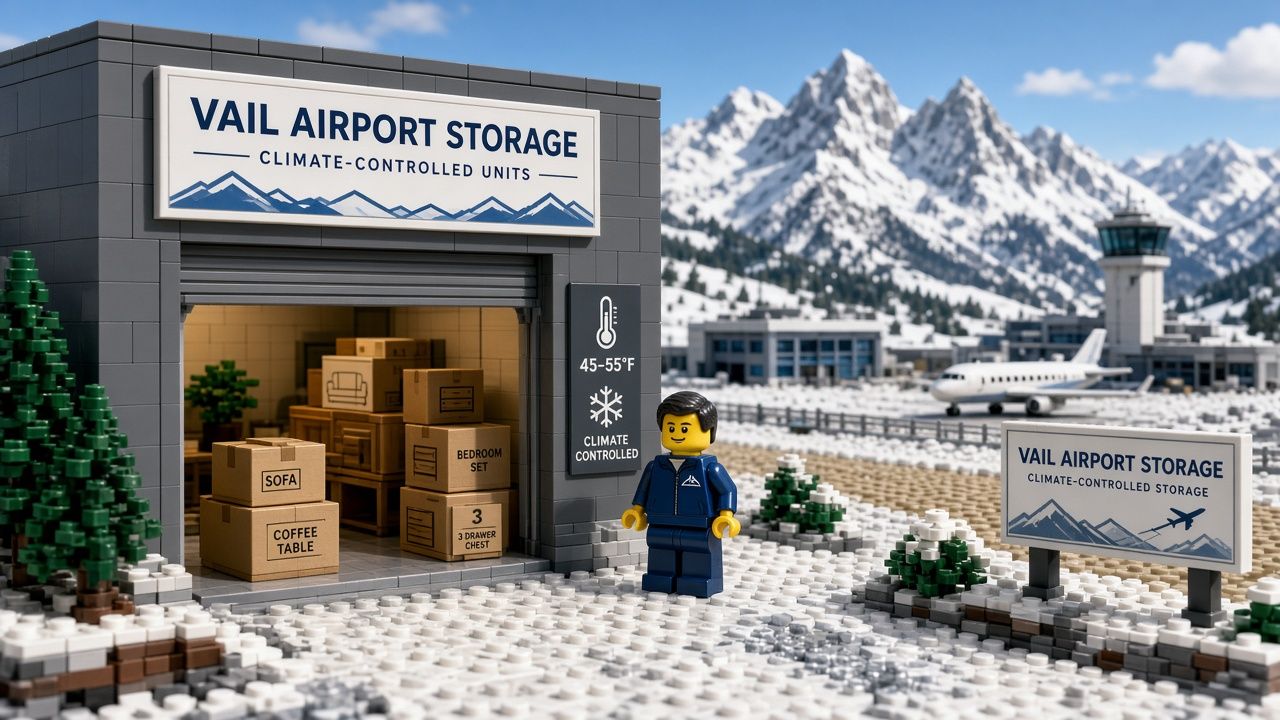
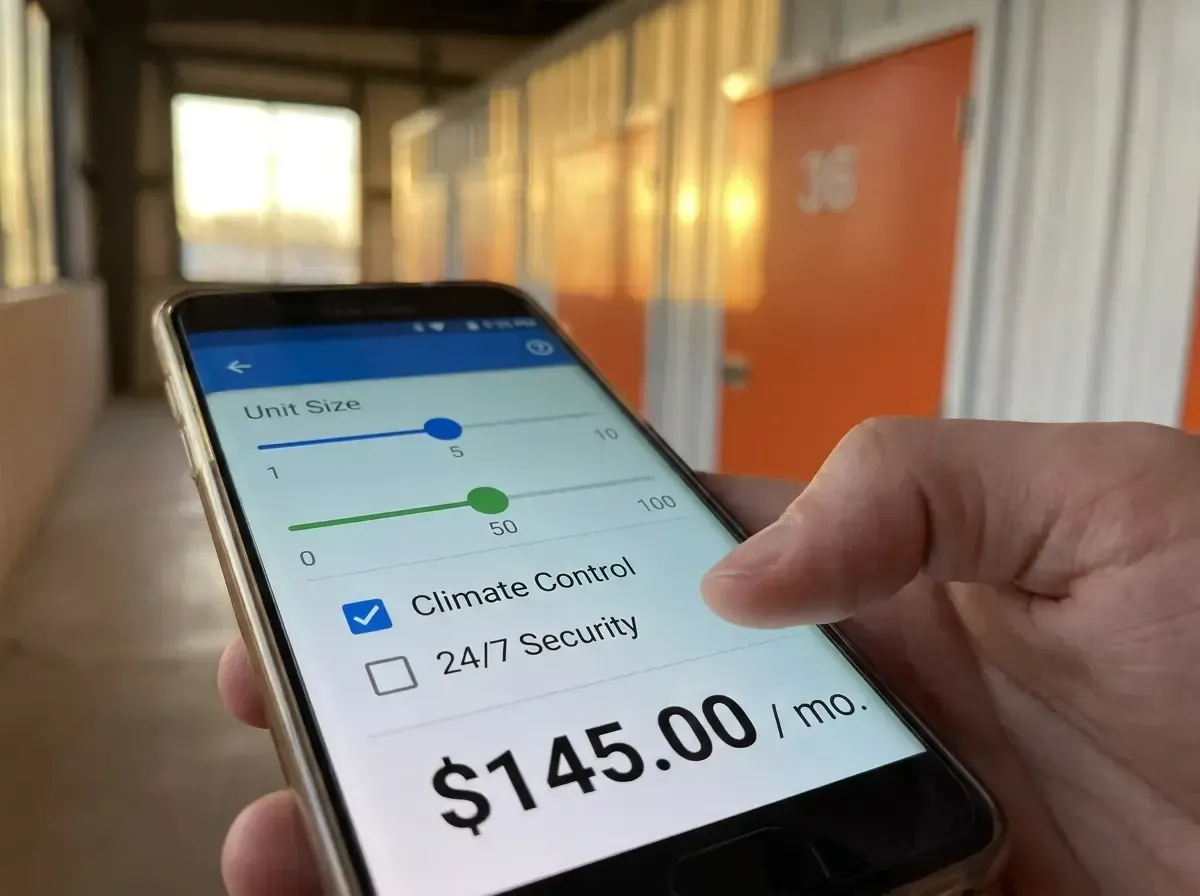
Climate-controlled storage can reduce exposure to outdoor temperature swings. Features and prices vary by facility and unit. Compare the documented conditions and current price rather than automatically adding a fixed percentage premium.
If your belongings are sensitive to temperature or moisture, review their storage guidance and ask what conditions the selected unit provides. A climate-controlled label alone does not establish a particular temperature or humidity guarantee.
Items That Require Climate Control
For electronics, follow the manufacturer's storage instructions, keep items dry and avoid packing them while damp. Confirm the conditions a unit provides rather than assuming one temperature range suits every device.
Wood furniture, instruments, photographs, documents and other sensitive belongings may need specific storage conditions. Ask the manufacturer or a qualified conservator about valuable items, and verify the selected unit's documented features.
Learn exactly what climate-controlled storage means and when the premium justifies the added protection for your specific items.
Feature Premiums That Affect Your Storage Cost
Beyond size and location, specific amenities add incremental costs to your monthly rate. Understanding these premiums helps you balance convenience against budget constraints when selecting a unit.
Drive-Up Access
Drive-up access lets you load and unload at the unit door. Compare the actual rate with indoor options and consider whether that access suits your belongings and how often you visit.
Direct loading can reduce the need to move items through corridors. Check the route, doorway and permitted use for the selected unit; do not assume an ATV or other vehicle is permitted or will fit.
Power and Lighting
If power matters, compare listings that explicitly include outlets and lighting. Confirm permitted devices and activities with the facility. An outlet does not by itself authorize battery charging, work inside a unit or other equipment use.
Smart Lock Technology
Nokē smart locks at Vail Airport Storage support phone access and digital key sharing. Check the selected listing and account terms for included access features and any applicable charges.
Discover how smart lock storage compares to traditional padlock systems for security and convenience.
24/7 Access
Access hours vary by facility. Confirm the hours available to tenants and whether any related charges apply. Compare the complete quote rather than assuming a standard access surcharge.
Learn more about how 24/7 storage access works and what security features make round-the-clock entry safe.
How to Calculate Storage Cost Per Unit: Step-by-Step
Use these steps to compare the current offers you receive. Record the terms for each selected unit so that features, recurring charges and one-time costs are counted consistently.
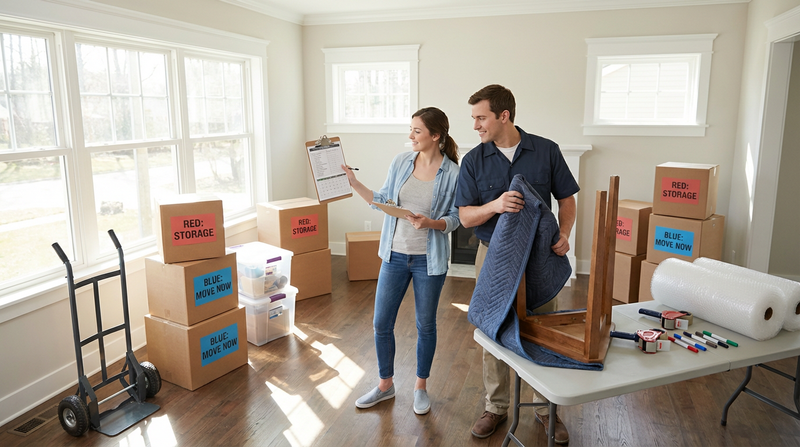
Step 1: Determine Required Space Measure your belongings and consider how they will be packed. Allow room to reach items you need. Use the size guide and confirm dimensions instead of relying only on the number of bedrooms in your home.
Step 2: Collect Current Quotes Compare suitable units at the locations you would use. Record each quoted rent, size, included features and the date you checked availability.
Step 3: Compare Included Features Check whether climate control, drive-up access, power, smart locks or other required features are included in each quote. Add only separately stated charges; do not apply assumed percentage premiums.
Step 4: Record Other Charges Review any required coverage, deposits, one-time fees and payment terms in the current agreement. Separate move-in costs from recurring monthly charges, and check when any introductory offer ends.
Step 5: Calculate the Total Quoted monthly rent + required monthly charges not already included = total recurring monthly cost. Add applicable one-time costs separately when budgeting for move-in.
How Much Does a 20-Foot Storage Unit Cost?
A 10 × 20 ft unit provides 200 square feet of floor area. Its current rent depends on the facility, features and availability. Compare live quotes and verify the doorway and usable dimensions before choosing it for your belongings.
Compare a 10 × 20 ft indoor option with a drive-up option using the actual listing prices and conditions. A national average or an old example rate is not a quote for the unit available when you rent.
For a vehicle, measure its complete length, width and height and confirm permitted use, doorway clearance and access. VAS lists 8 × 15 ft open-air parking, which is not a general fit for large RVs or boats. For a separate covered-parking product, compare Eagle Canopy RV Storage.
Hidden Costs to Include in Your Storage Budget
The advertised rent may not describe every amount due. Review the selected unit's checkout and rental agreement, including any required coverage, one-time costs and payment conditions.
Insurance and Tenant Protection
Ask what insurance or tenant protection is required and review the applicable cost, exclusions and limits. If you already have insurance, confirm with the provider whether it covers stored belongings and meets the rental requirements.
Review the current tenant protection information and applicable agreement before deciding what coverage you need.
Move-In Fees and Deposits
Check whether the current offer includes any administration charge, deposit or other move-in cost. Include each applicable amount in your first-month budget and distinguish refundable deposits from fees.
Lock Purchases
Confirm the lock or access system required for the selected unit and whether there is a separate charge. Nokē access on applicable VAS units uses a phone rather than a traditional padlock.
Late Payment Penalties
Review the rental agreement for late fees and payment terms. Autopay can help with routine payments, but keep payment details current and confirm each payment was processed.
Strategies to Reduce Your Storage Costs
A useful cost comparison starts with the space and features you actually need. The following steps can help you evaluate offers without relying on assumed discounts or guaranteed savings.
Right-Size Your Unit
Overestimating space needs is the most common budgeting mistake. Measure your items precisely and consult facility size guides before committing. A complete guide to storage unit sizes for 2-bedroom apartments helps determine exact requirements for common scenarios.
Consider Location Trade-Offs
Compare the actual price difference with the time and travel cost of each location. A slightly farther facility may or may not save money; the result depends on its current quote and how often you visit.
Negotiate Lease Terms
Ask whether any current promotion or rate arrangement applies to your selected unit. Read its eligibility, duration and renewal terms. Do not assume an unpublished discount or a fixed rate is available.
Time Your Rental Strategically
If your timing is flexible, compare current availability and offers for the dates you need. Seasonal changes do not guarantee a lower price, and waiting can change which sizes are available.
Business Storage Cost Considerations
For business storage, budget for the full rental cost and any required coverage or one-time charges. Keep invoices and ask your qualified tax adviser how the expense should be treated for your circumstances.
Record the business purpose and applicable rental terms. Do not reduce your budget by an assumed tax saving before obtaining advice specific to your business.
Contractor and Inventory Storage
For tools or inventory, compare loading access, permitted use and the space you need. Selected VAS drive-up listings include power and lighting; confirm permitted devices before relying on electricity. Explore commercial storage options and current rental listings.
Document and Archive Storage
Business records may need particular temperature, moisture and security conditions. Check retention requirements and document-care guidance, then confirm whether the selected unit meets those needs.
Frequently Asked Questions About Storage Pricing
How do you price a storage unit?
Facilities set prices based on their current offers, unit sizes, features and availability. For comparison, divide the quoted monthly rent by floor area and add required recurring charges that are not already included. Verify the full terms rather than applying fixed feature premiums.
What is the formula for storage cost?
For a renter's budget: quoted monthly rent + required recurring charges not already included = monthly total. Hypothetical example: $150 rent plus a separately required $15 monthly charge equals $165. These invented figures are not a current VAS quote; one-time costs must be budgeted separately.
How to calculate storage cost per unit?
Divide the monthly rental rate by the unit's square footage to determine cost per square foot. Compare this figure across multiple facilities to identify the best value. A $150 monthly rate for a 100 square foot unit equals $1.50 per square foot. This standardized comparison accounts for size differences between facilities.
How much does a 20 ft storage unit cost?
A 10 × 20 ft unit has 200 square feet, but there is no single price for that size. Check current listings and compare the total charge for the features and access you need.
Making Your Final Storage Decision
Calculating storage costs requires balancing size requirements, feature needs, and budget constraints. Start by accurately assessing your space needs using facility size guides, then compare per-square-foot rates across 3-5 local options. Factor in all fees, insurance requirements, and access needs before committing.
Vail Airport Storage is at 500 Plane Street in Gypsum, near Eagle County Regional Airport. Compare indoor climate-controlled and drive-up units, listing-specific features and current availability. Review all charges and rental terms at checkout.
Contact facilities directly with your specific requirements to receive accurate quotes. Most modern facilities offer fully online rental processes, allowing you to compare options, reserve units, and complete payments without visiting in person.
|