How to Prepare Furniture for Long Term Storage: Complete Guide |
| HOW TO PREPARE FURNITURE FOR LONG TERM STORAGE
⏱ 12 min read ·
📄 #2,313 words
Learn how to prepare furniture for long term storage with our step-by-step guide. Covers cleaning, wrapping, climate control, and protection for 6+ months.
|
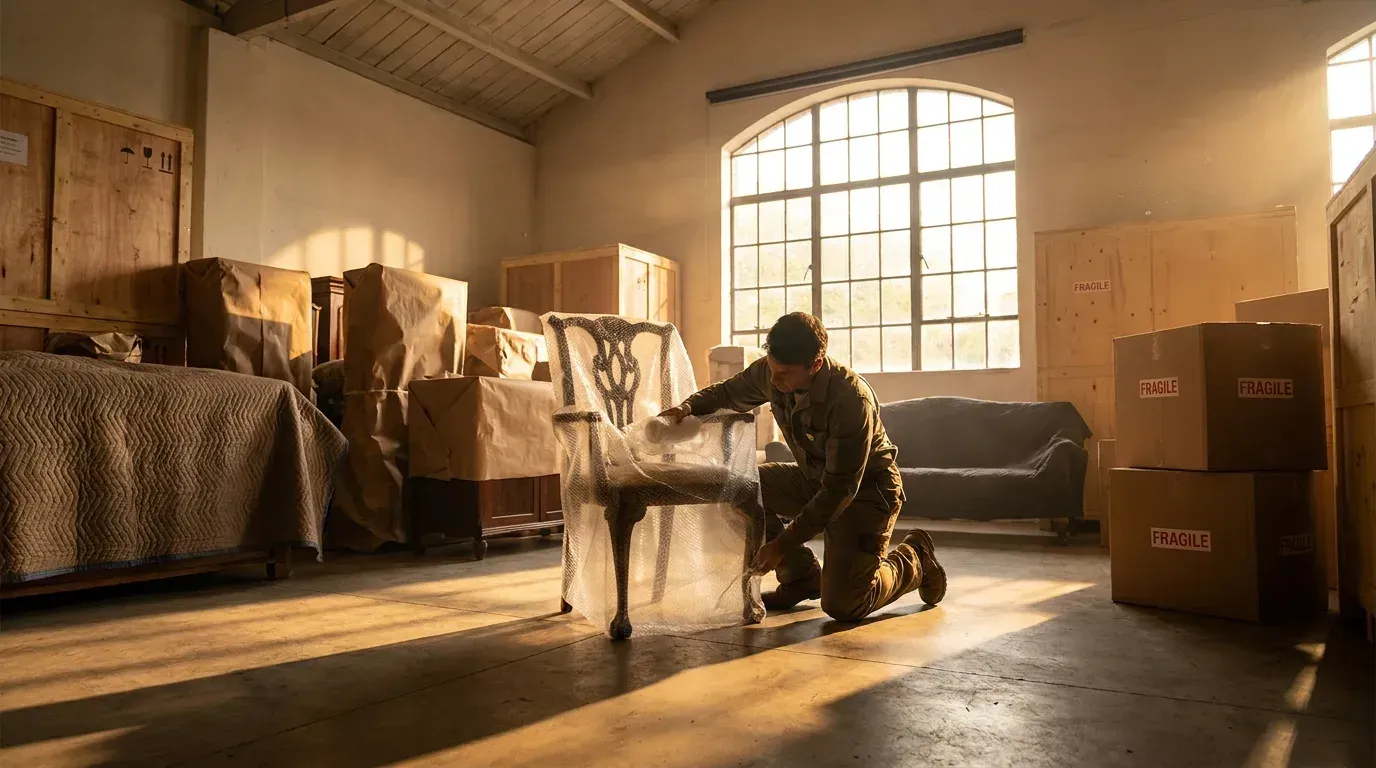
P reparing furniture for long term storage requires thorough cleaning, proper disassembly, breathable wrapping materials, and ideally a climate-controlled environment maintaining 55 to 80 degrees Fahrenheit. These four steps prevent the warping, mold, pest damage, and fabric deterioration that destroy improperly stored furniture within 6 to 12 months.
| Key Points: | |
|---|---|
| • | Clean all furniture 24 to 48 hours before storage; residual moisture causes mold within weeks |
| • | Use moving blankets and cotton sheets, not plastic wrap directly on wood or fabric |
| • | Climate-controlled units at 55 to 80 degrees Fahrenheit prevent 90% of long term damage |
| • | Elevate furniture 2 to 4 inches off concrete floors using pallets or boards |
| • | Disassemble large pieces to reduce joint stress and maximize protection per component |
Why Furniture Preparation Matters for Long Term Storage
According to Extra Space Storage's furniture guide, most storage damage claims stem from improper packing rather than facility failures. Wood furniture expands and contracts with temperature swings, leather cracks in dry conditions, and upholstery develops mold when moisture gets trapped under plastic covers.
The Self Storage Association reports that Americans spend over $39 billion annually on self storage, with furniture ranking among the top five stored item categories. Yet industry data shows that 15 to 20 percent of stored furniture sustains preventable damage during the first year. Proper preparation eliminates nearly all of these issues.
In mountain climates like Colorado's Vail Valley, temperature fluctuations between summer highs of 85 degrees and winter lows below zero degrees create particular challenges. Items stored without climate control experience repeated expansion and contraction cycles that loosen joints, crack veneers, and warp solid wood panels.
Step 1: Clean and Dry Every Surface Thoroughly
Cleaning furniture before storage is not optional. Dust contains acids that etch wood finishes over time. Food residue attracts pests. Body oils degrade leather and fabric. Moisture trapped under covers creates perfect conditions for mold growth within two to four weeks.
Wood Furniture Cleaning Protocol
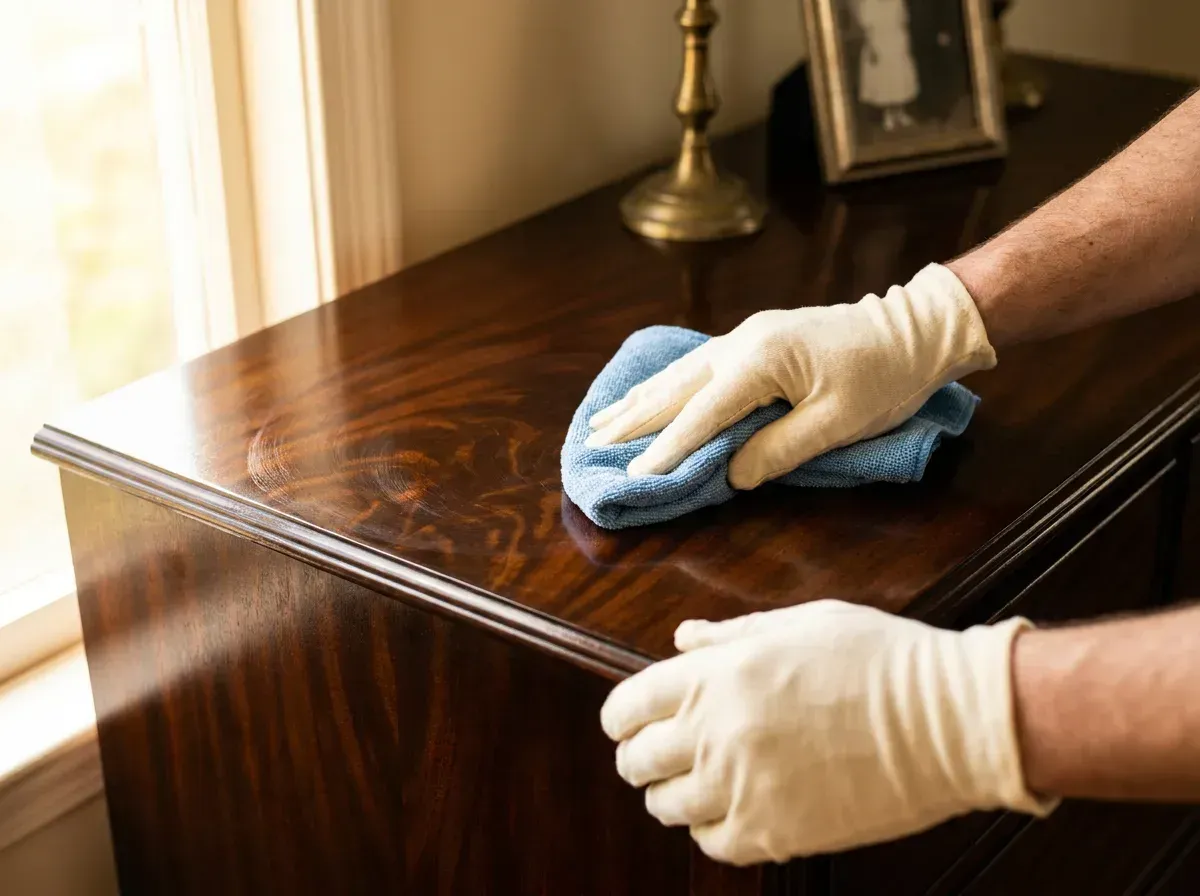
Wipe all wood surfaces with a slightly damp cloth, then immediately follow with a dry cloth. Apply a high-quality furniture polish or paste wax, avoiding silicone-heavy sprays that leave residue. Allow 24 hours for the wax to cure completely before wrapping. This creates a protective barrier that seals the wood against humidity changes.
Upholstered Furniture Preparation
Vacuum all fabric surfaces using upholstery attachments, paying attention to crevices where crumbs and pet hair accumulate. Spot-clean visible stains according to fabric care instructions. For valuable pieces, professional steam cleaning or dry cleaning before storage provides the best protection. Ensure cushions are completely dry; even slight dampness leads to mold and permanent odor.
Leather Furniture Care
Wipe leather with a soft, dry cloth to remove dust and oils. Apply a pH-balanced leather conditioner, working it into the surface in circular motions. Allow the conditioner to absorb fully, typically 4 to 6 hours, before covering. This step prevents the cracking and hardening that occurs when leather dries out in storage, particularly in low-humidity mountain environments.
Metal and Glass Components
Clean metal hardware and frames with appropriate metal cleaner to remove fingerprints and oils that cause corrosion over months. Dry thoroughly. Clean glass surfaces with glass cleaner and dry completely to prevent mineral deposits from forming permanent spots.
Step 2: Disassemble Large Pieces Strategically
Disassembly serves two purposes: reducing stress on furniture joints during storage and allowing better protection of individual components. StoreSpace recommends removing table legs, bed frames, headboards, shelving units, and sofa feet whenever possible.
Keep all hardware organized by placing screws, bolts, and small parts in labeled plastic bags. Tape these bags directly to the corresponding furniture piece or store them in a clearly marked container. This prevents the frustrating search for missing hardware during reassembly months or years later.
Wrap each disassembled component individually. Table legs wrapped together will scratch each other. Headboards leaned against dressers cause dents. Individual wrapping adds 15 to 20 minutes to preparation time but prevents hundreds of dollars in damage.
Step 3: Choose the Right Storage Environment
Environment determines whether furniture emerges from storage in original condition or with permanent damage. The choice between climate-controlled and standard storage depends on furniture type, storage duration, and local climate conditions.
When Climate Control Is Essential
Climate-controlled storage maintains temperatures between 55 and 80 degrees Fahrenheit year-round, preventing the expansion and contraction cycles that damage furniture. According to furniture conservation guidelines, climate control is necessary for solid wood furniture and antiques, leather upholstery, pieces with veneer or inlay work, items containing electronics or mechanical components, and any furniture stored longer than six months.
Learn more about what climate-controlled storage actually means and when the investment pays off. For furniture valued over $1,000, the additional $20 to $50 monthly cost of climate control represents inexpensive insurance.
Standard Storage Considerations
Non-climate units work acceptably for metal shelving, plastic furniture, and inexpensive laminated pieces when stored for less than six months. Even in standard units, proper wrapping and elevation remain essential. Check on items monthly during temperature extremes if possible.
Comparison: Climate-Controlled vs. Standard Storage for Furniture
| Factor | Climate-Controlled | Standard Unit |
|---|---|---|
| Temperature Range | 55 to 80 degrees F | Varies with outdoor temps |
| Monthly Cost (10x10) | $70 to $150 | $50 to $100 |
| Wood Furniture Risk | Minimal warping or cracking | High risk after 6 months |
| Leather Furniture Risk | Minimal with conditioning | Cracking likely within 1 year |
| Mold Risk | Very low | Moderate to high |
| Best For | Antiques, wood, leather, 6+ months | Metal, plastic, short-term |
Our climate-controlled storage units maintain consistent temperatures year-round, protecting furniture from the extreme temperature swings common in Colorado mountain communities.
Step 4: Wrap and Protect Using Proper Materials
The materials you use for wrapping matter as much as the wrapping itself. Conservation experts and professional movers agree that improper wrapping causes more damage than no wrapping at all, particularly when plastic traps moisture against furniture surfaces.
Recommended Wrapping Materials
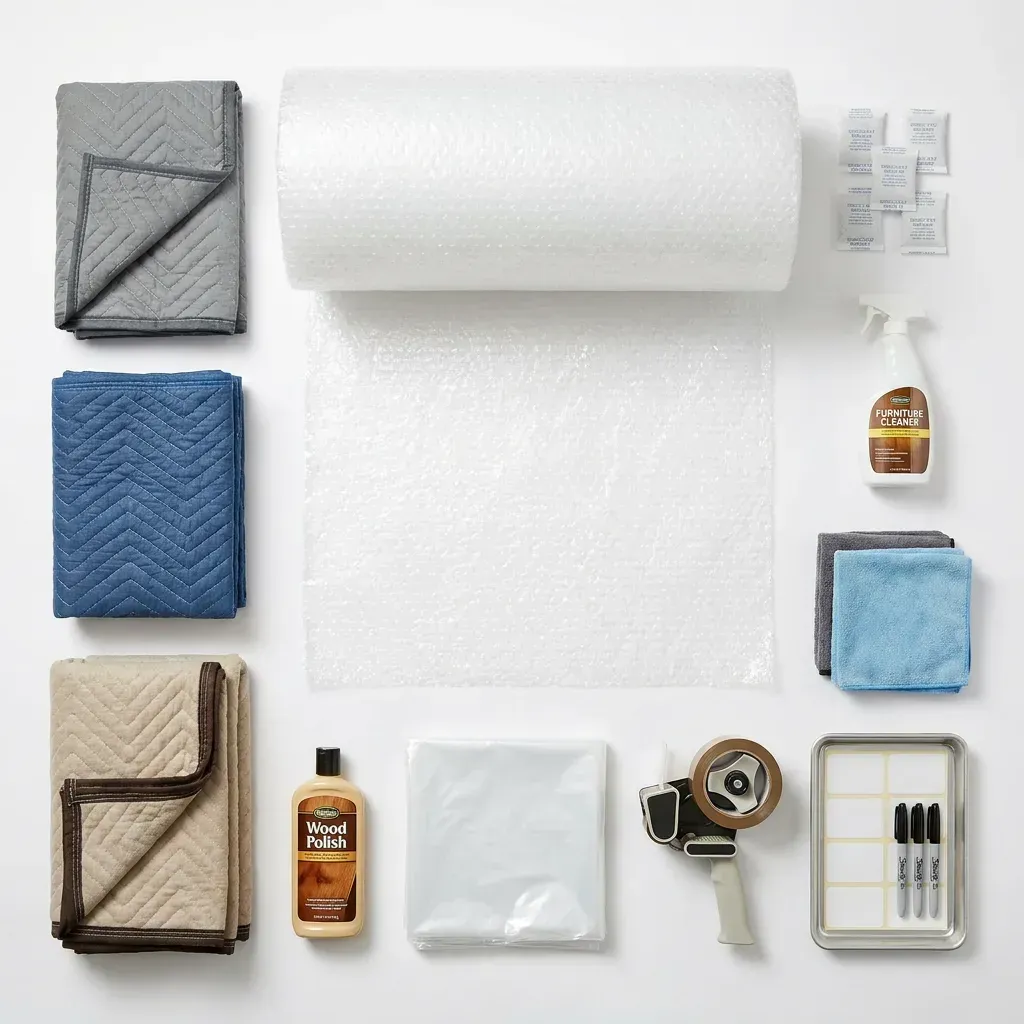
Moving blankets and furniture pads serve as the primary protective layer for wood and upholstered furniture. They protect against scratches, dings, and light exposure while allowing air circulation. Budget $15 to $30 per blanket, or rent them from moving companies at $10 to $20 per dozen.
Cotton sheets work as breathable dust covers for sofas, chairs, and wood surfaces. Old bed sheets repurposed for storage work perfectly. Avoid synthetic materials that trap moisture.
Bubble wrap protects fragile components like mirrors, glass panels, and delicate carvings. Wrap glass first in paper or cardboard, then add bubble wrap as an outer layer. Secure with packing tape, but never let tape contact furniture surfaces directly.
Cardboard corner protectors shield table edges and frame corners from impact damage. These cost $1 to $3 each and prevent the most common type of furniture damage during moves and storage.
The Plastic Wrap Warning
Never wrap wood or fabric directly in tight plastic for long term storage. As noted by experienced storage users on Reddit, plastic traps moisture and promotes mold growth, condensation, and finish damage. If plastic is used at all, place it only as an outer layer over breathable materials and leave gaps or vent holes for air circulation.
Step 5: Position and Arrange Furniture Correctly
How you arrange furniture in the storage unit affects its condition as much as how you prepare it. Professional storage guidelines emphasize elevation, airflow, and weight distribution.
Elevation Requirements
Place all furniture on pallets, concrete blocks, or boards to keep items 2 to 4 inches off the floor. This protects against condensation that forms on concrete, minor water intrusion from unexpected leaks, and pest access from ground level. Pallets cost $5 to $15 each at home improvement stores or are often available free from local businesses.
Airflow and Spacing
Maintain 2 to 4 inches of clearance between furniture and unit walls. This allows air circulation that prevents moisture buildup and discourages pests from nesting in hidden spaces. Museum and archival guidelines recommend allowing airflow around every surface for items stored longer than one year.
Weight Distribution
Store heavier, sturdier items like dressers and solid tables on the bottom. Place lighter furniture and boxes on top only if the lower items can bear the weight without damage. Never stack heavy objects on sofas or mattresses, as this deforms cushions and springs permanently.
Store mattresses flat when possible. If space requires upright storage, secure them so they cannot bend or slump over time. Use a breathable mattress bag designed for long term storage rather than thin plastic that tears and traps moisture.
Step 6: Protect Against Pests and Environmental Threats
Prevention costs far less than treating pest damage or replacing infested furniture. According to pest control industry data, 8 to 12 percent of storage units experience some pest activity annually, with rodents and insects causing the most furniture damage.
Prevention Strategies
Remove all food residue before storing any furniture. Do not store furniture alongside cardboard boxes that previously held food, plants, or organic materials. Use sealed plastic bins for linens and fabric items stored alongside furniture.
Place non-toxic pest deterrent traps near the unit entrance. Cedar blocks or lavender sachets deter moths from fabric without chemicals. Check traps during periodic visits to catch problems early.
Moisture Control
Even in climate-controlled spaces, desiccant packs or moisture absorbers provide additional protection during humid seasons. Place one to two moisture absorbers per 100 square feet of storage space. Replace them every three to six months during long term storage.
Furniture-Specific Storage Guidelines
Antique and Heirloom Wood Furniture
Antiques require the most careful preparation. Apply high-quality paste wax, not spray polish, before storage. Wrap in acid-free tissue paper or unbleached cotton, then moving blankets. Store only in climate-controlled units. For pieces valued over $5,000, consider professional furniture storage services that maintain museum-quality conditions.
Upholstered Sofas and Chairs
Deep clean all fabric and allow 48 hours minimum drying time. Remove cushions and wrap separately in breathable bags or cotton sheets. Do not compress cushions under heavy items. Place deodorizing products safe for fabric inside cushion covers for storage exceeding six months.
Leather Furniture
Condition leather thoroughly and allow complete absorption before covering. Store only in climate-controlled units where temperature and humidity remain stable. Cover with soft, breathable material. Even in storage, avoid positioning leather furniture where any light source might cause fading.
Glass and Mirror Components
Wrap with paper or foam first, then bubble wrap, and place inside sturdy boxes or custom cardboard sleeves. Store glass items vertically rather than flat to reduce pressure on the glass surface. Mark all sides clearly as fragile.
Long Term Storage Timeline and Maintenance
Even with excellent preparation, periodic monitoring protects your investment. For storage lasting longer than 12 months, visit the unit at least yearly to check for moisture, pest activity, and shifting stacks. Adjust items to relieve pressure points and refresh moisture absorbers.
Furniture can remain in proper storage indefinitely with correct preparation and climate control. However, leather benefits from conditioning every 12 to 18 months even in storage. Wood furniture stored more than two years should be inspected for finish degradation and re-waxed if necessary.
For customers who travel frequently or maintain seasonal residences, Noke smart lock technology allows you to grant temporary access to trusted contacts for periodic checks without sharing physical keys.
Frequently Asked Questions
How do you prep furniture for long term storage?
Preparation involves four essential steps: clean and dry all surfaces completely, disassemble large pieces and organize hardware, wrap using breathable materials like moving blankets rather than plastic, and choose climate-controlled storage for wood, leather, or valuable pieces. Allow 24 to 48 hours for cleaning products and conditioners to dry before wrapping.
What items should you not put in a storage unit?
Never store perishable food, plants, hazardous materials, flammable liquids, or items with batteries that may leak. Avoid storing furniture with any food residue, as this attracts pests. Wet or damp items should never enter storage, as moisture spreads to other contents and causes mold throughout the unit.
How long can furniture stay in storage?
Properly prepared furniture in climate-controlled storage can remain in excellent condition indefinitely. Without climate control, expect potential damage after 6 to 12 months depending on furniture type and local climate. Leather and solid wood show damage earliest in non-climate units, while metal and plastic furniture tolerates longer periods.
What are the 4 D's of self storage?
The 4 D's refer to common life events driving storage needs: Death (estate storage during probate), Divorce (household division), Downsizing (moving to smaller space), and Displacement (relocation, renovation, or military deployment). Each situation benefits from understanding proper furniture preparation to protect belongings during uncertain timelines.
Is climate-controlled storage necessary for all furniture?
Climate control is essential for solid wood, leather, antiques, and upholstered furniture stored longer than six months. Standard units work acceptably for metal shelving, plastic furniture, and laminated pieces during short term storage of three months or less. In mountain climates with extreme temperature swings, climate control provides significantly better protection for all furniture types.
Choosing the Right Storage Unit Size for Furniture
Selecting appropriate unit size prevents damage from overcrowding while avoiding unnecessary expense. A 5x10 unit accommodates a studio apartment's furniture. A 10x10 unit holds contents from a one-bedroom apartment with room for access aisles. A 10x15 or 10x20 unit stores furniture from a two to three bedroom home.
Use our storage unit size guide to determine the right fit for your specific furniture inventory. Remember to account for the 2 to 4 inch clearance needed around walls and between pieces for proper airflow.
For questions about preparing specific furniture types or choosing between storage options, our frequently asked questions page addresses common concerns from Vail Valley residents storing furniture during renovations, relocations, and seasonal transitions.
|