
What Is Climate Controlled Storage and Do You Need It?
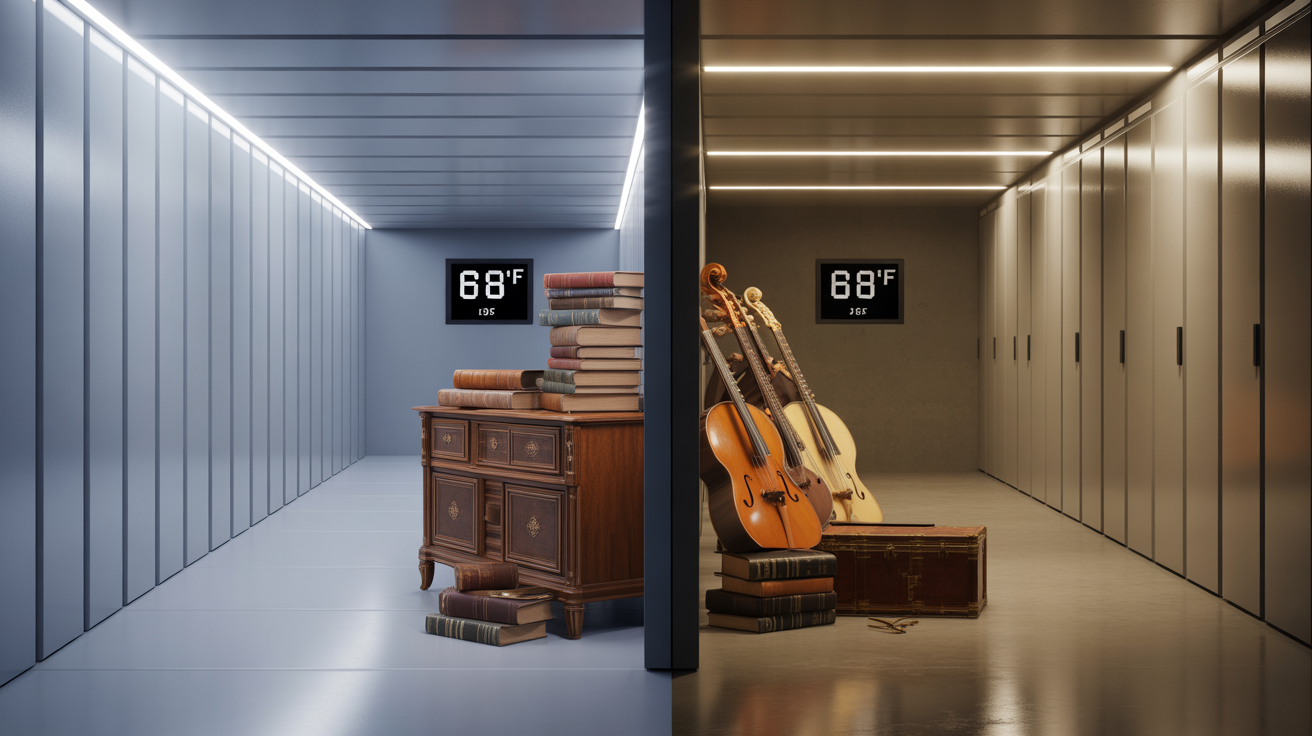
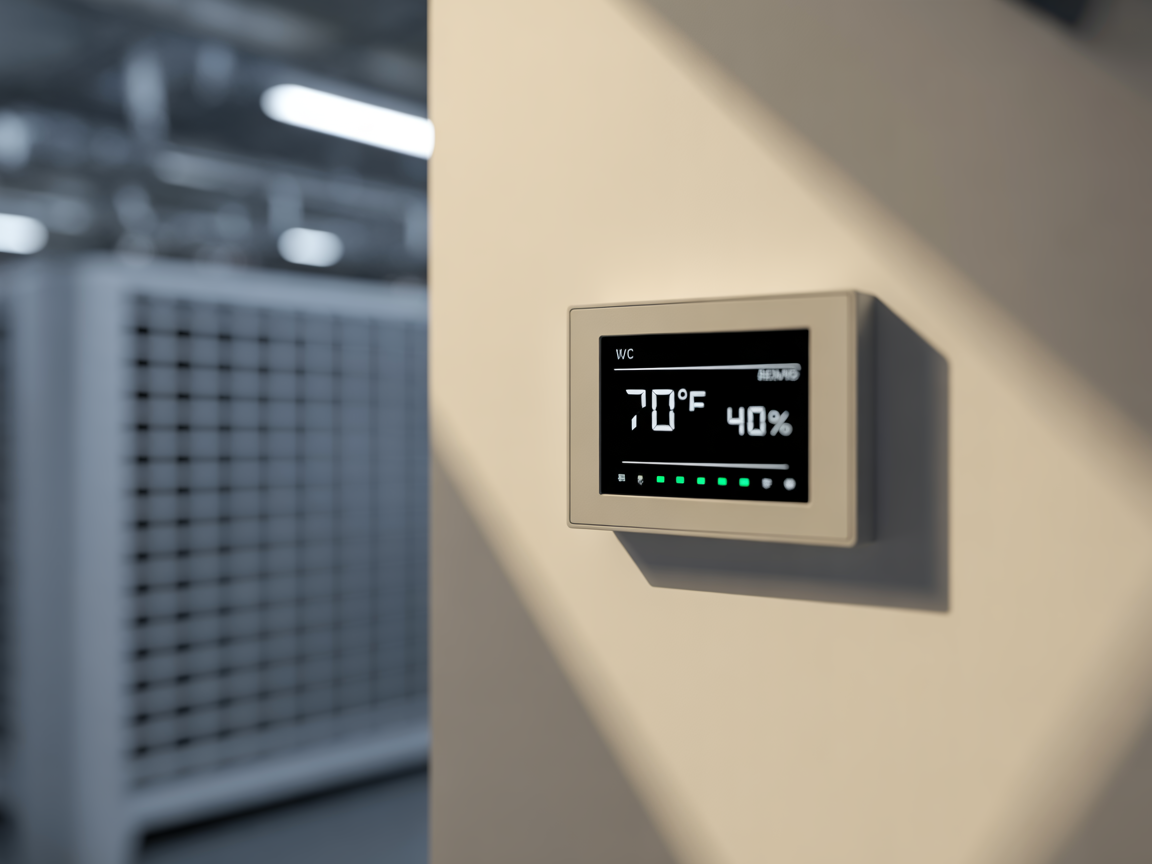
Climate controlled storage maintains temperatures between 55 and 80 degrees Fahrenheit with humidity levels of 30 to 50 percent year-round. You need it if you are storing electronics, wooden furniture, artwork, documents, photographs, leather goods, or musical instruments for more than 90 days, or if your local climate experiences temperature swings beyond this range.
How Climate Controlled Storage Actually Works
Climate controlled storage facilities use integrated HVAC systems, industrial dehumidifiers, and air filtration to maintain stable conditions inside each unit. According to the Self Storage Association, these systems monitor internal conditions continuously and adjust automatically regardless of external weather. The technology prevents the temperature cycling that causes most storage damage.
Standard storage units mirror outdoor conditions. In Gypsum, Colorado, this means units can reach 95 degrees Fahrenheit in summer and drop below zero in winter. A 2024 study by the Institute of Inspection, Cleaning and Restoration Certification found that temperature fluctuations of more than 20 degrees within 24 hours accelerate material degradation by 3 to 5 times compared to stable environments.
The sealed interior design of climate controlled units also prevents dust, pests, and outdoor pollutants from reaching stored items. Extra Space Storage reports that climate controlled units experience 78 percent fewer pest-related damage claims than standard drive-up units in the same facilities.
Climate Controlled vs Standard Storage: Direct Comparison
At Vail Airport Storage, climate controlled units currently start around $16 per month for a 5x5 space (confirm on Rent Online) and include ground floor access. This pricing reflects the Vail Valley market, where mountain weather creates unique storage challenges that standard facilities cannot address.
Items That Require Climate Controlled Storage
The National Furniture Association recommends climate controlled storage for any wooden furniture valued above $500. Wood expands and contracts with temperature changes, causing joints to loosen, veneer to separate, and finishes to crack. A single winter in an uncontrolled unit can cause irreversible damage to antique pieces.
Electronics and Technology
Consumer Electronics Association guidelines specify that electronics should be stored between 50 and 85 degrees Fahrenheit. Temperatures below freezing can crack LCD screens, damage battery cells, and cause solder joints to fail. Heat above 90 degrees accelerates capacitor degradation. Items requiring climate control include computers, televisions, gaming consoles, cameras, and audio equipment.
Documents, Books, and Photographs
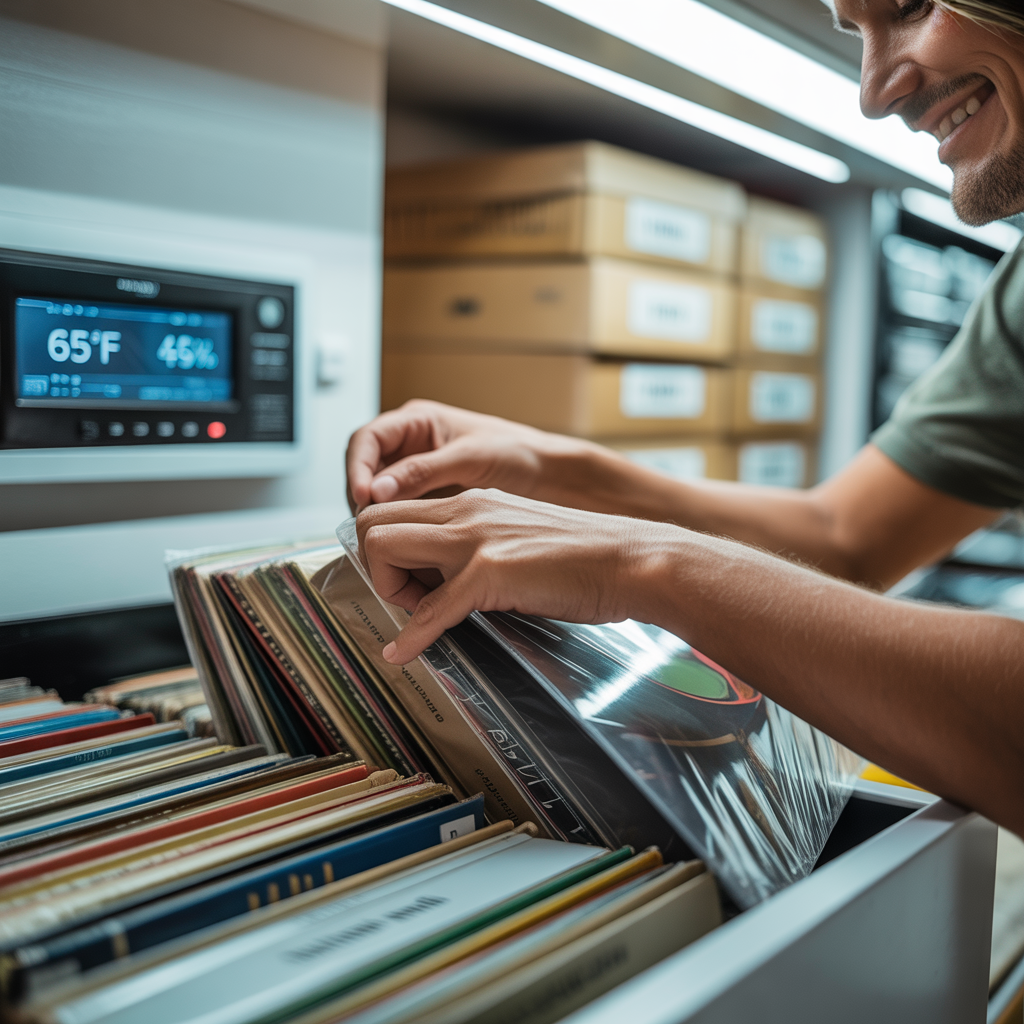
The American Institute for Conservation recommends storage conditions of 65 to 70 degrees Fahrenheit with 30 to 40 percent relative humidity for paper materials. High humidity causes mold growth, while low humidity makes paper brittle. Photographs are particularly vulnerable; the Image Permanence Institute at Rochester Institute of Technology found that photographs stored at 75 degrees degrade twice as fast as those stored at 65 degrees.
Musical Instruments
Yamaha Corporation specifies that pianos require 42 to 45 percent humidity and temperatures between 68 and 72 degrees Fahrenheit. Guitars, violins, and other wooden instruments face similar requirements. The National Association of Music Merchants reports that improper storage causes $340 million in instrument damage annually in the United States.
Artwork and Antiques
The American Alliance of Museums maintains strict environmental standards: 68 to 72 degrees Fahrenheit with 45 to 55 percent relative humidity for most artwork. Oil paintings are particularly sensitive to humidity fluctuations, which cause canvas to expand and contract, eventually cracking paint layers. Climate controlled storage protects investments in fine art and collectibles.
Leather and Fabric Items
Leather requires consistent humidity between 40 and 50 percent. Excessive moisture causes mold and mildew, while dry conditions crack and stiffen leather permanently. Upholstered furniture, clothing collections, and textile heirlooms face similar risks. The Leather Research Laboratory at the University of Northampton found that leather stored in uncontrolled environments shows visible degradation within 6 months.
Items That Do Not Need Climate Control
Not everything requires climate controlled storage. Understanding what can safely go in a standard unit saves money without risking damage. According to U-Haul's storage guidelines, approximately 60 percent of stored items can safely use standard units.
Safe for standard storage:
Metal tools and equipment, plastic storage bins, holiday decorations made of plastic or metal, outdoor furniture, lawn equipment, sporting goods made of metal or synthetic materials, and appliances designed for outdoor use. These items tolerate temperature swings without significant damage.
Short-term exceptions:
Items stored for less than 90 days face lower risk in standard units, even if they would normally require climate control. Moving between homes during mild weather months often does not justify the premium for climate controlled space.
Why Mountain Climates Demand Climate Control
The Vail Valley presents unique storage challenges that lowland areas do not face. According to the National Weather Service, Gypsum, Colorado experiences average temperature ranges from negative 5 degrees Fahrenheit in January to 90 degrees in July. This 95-degree annual swing exceeds the tolerance of most sensitive materials.
Altitude compounds the problem. At 6,200 feet elevation, humidity levels drop significantly compared to sea level. The Colorado Climate Center at Colorado State University reports average relative humidity of 35 percent in winter, which can damage leather and wood through excessive drying. Summer monsoon season brings humidity spikes that create condensation in uncontrolled units.
Seasonal residents and vacation homeowners face particular challenges. Storing furniture, electronics, and personal items during off-seasons exposes them to the full range of mountain weather. A climate controlled storage unit
maintains consistent conditions whether you visit weekly or annually.
Cost Analysis: Is Climate Control Worth the Premium?
Nationally, climate controlled units are often priced higher than standard units of the same size, but at Vail Airport Storage climate can cost less than drive-up — compare live rates. For a 10x10 unit, this may translate to a premium or a discount depending on location and facility — at VAS, climate is often priced below drive-up at the same size (confirm live). Amenities. The question becomes whether this premium protects enough value to justify the expense.
Break-even calculation:
If climate control costs an extra $40 per month and you store items for 12 months, the premium totals $480. If your stored items include a $2,000 leather sofa, $800 in electronics, and a $600 wooden desk, you are protecting $3,400 in value for $480, or about 14 percent of replacement cost. Insurance claims data from the Self Storage Association shows that 1 in 12 standard unit renters files a climate-related damage claim within 2 years.
Current promotions can reduce this calculation significantly. At Vail Airport Storage, the 3 months 50 percent off promotion on climate controlled units
brings the first-year premium down substantially. A 10x10 climate controlled unit at about $73 per month (promotions vary — confirm live) is a useful reference; older promo math of $65.63 per month over the first year.
Do I Really Need a Climate Controlled Storage Unit?
You need climate controlled storage if any of these conditions apply to your situation. First, you are storing temperature-sensitive items like electronics, wood furniture, leather, artwork, photographs, or documents. Second, you plan to store items for longer than 90 days. Third, your local climate experiences temperatures below 32 degrees or above 90 degrees Fahrenheit. Fourth, you are storing items with combined replacement value exceeding $2,000.
You likely do not need climate control if you are storing durable items like metal tools, plastic containers, or outdoor equipment for less than 3 months during mild weather. The savings on a standard unit make sense when the risk of damage is low.
How Likely Is It to Get Bed Bugs from a Storage Unit?
Bed bug transmission from storage units is rare but possible. The National Pest Management Association reports that less than 2 percent of storage facilities experience bed bug incidents annually. Climate controlled units present lower risk because the indoor, sealed environment limits pest migration between units.
Prevention measures include inspecting furniture before storage, using sealed plastic containers instead of cardboard boxes, and avoiding storing upholstered items that previously showed signs of infestation. Reputable facilities conduct regular pest inspections and maintain clean common areas.
What Should Never Be Stored in Cold Rooms?
Certain items face immediate damage in cold storage conditions. Latex paint freezes at 32 degrees Fahrenheit and becomes unusable. Liquid medications and cosmetics containing water can freeze and separate permanently. Wine stored below 45 degrees can push corks and oxidize. Canned goods may burst when frozen liquids expand.
Electronics present particular cold-weather risks. Lithium-ion batteries lose capacity permanently when charged below 32 degrees. LCD screens can crack when temperatures drop below 20 degrees. Hard drives may fail when lubricants thicken in cold conditions. If your storage area drops below freezing, these items require climate controlled space.
Choosing the Right Unit Size with Climate Control
Climate controlled units come in the same size range as standard units, from small 5x5 closet-sized spaces to large 10x30 units that hold a 3-bedroom home. The storage size guide
helps match your inventory to the appropriate unit dimensions.
Smart Lock Technology and Climate Controlled Access
Modern climate controlled facilities combine environmental protection with advanced security features. Smart lock technology at Vail Airport Storage
provides 24/7 access with digital key sharing and access tracking. This matters for climate controlled storage because it allows you to check on sensitive items anytime without facility staff assistance.
The Noke smart lock system used at premium facilities generates access logs showing exactly when units were opened. For business customers storing inventory or seasonal residents checking on vacation home contents, this accountability adds security beyond the climate protection itself.
Making Your Decision: Climate Control Checklist
Use this checklist to determine whether climate controlled storage fits your needs:
- Item sensitivity: Does your inventory include electronics, wood, leather, paper, or artwork?
- Storage duration: Will items remain in storage longer than 90 days?
- Local climate: Does your area experience temperatures below 32 or above 90 degrees Fahrenheit?
- Replacement value: Would replacing damaged items cost more than the climate control premium?
- Insurance coverage: Does your policy cover climate-related damage in standard units?
If you answered yes to two or more questions, climate controlled storage provides meaningful protection for your investment. The premium pays for itself by preventing damage that standard units cannot avoid in challenging weather conditions.
Plan your long distance move with storage using this detailed 8-12 week timeline. Includes costs, coordination tips, and checklists from industry experts.
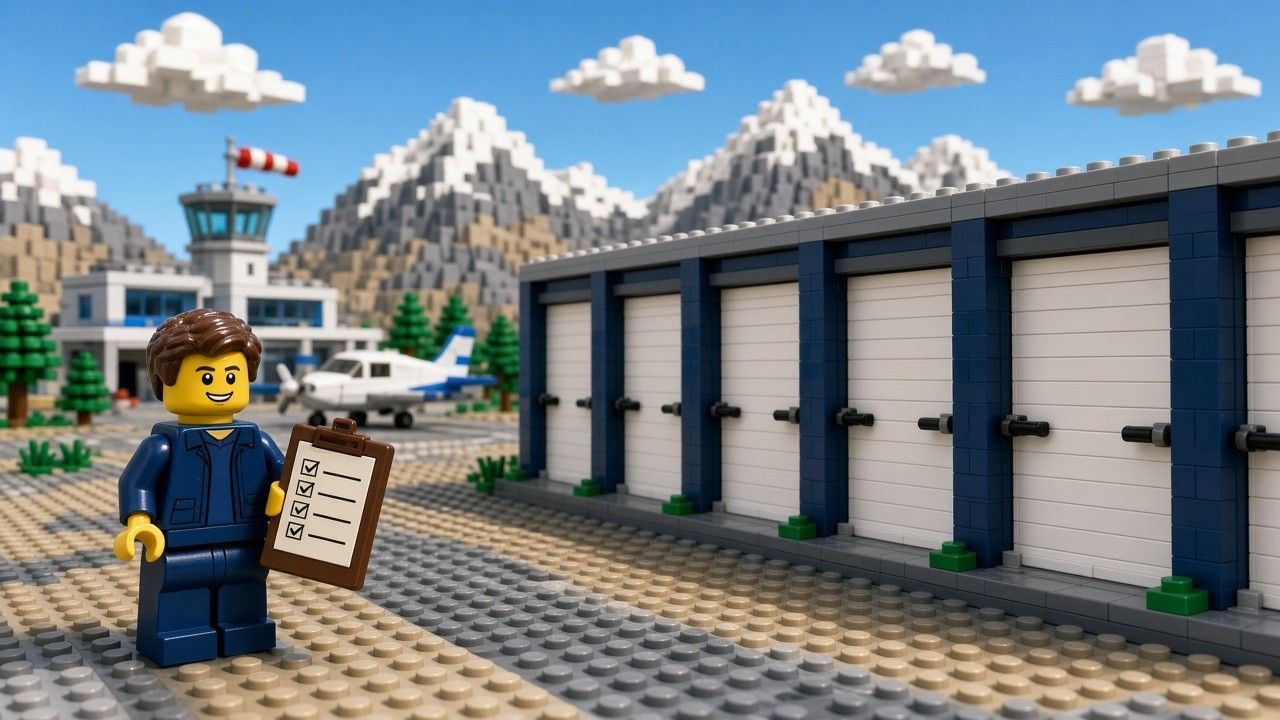
Practical checklist for storage near Eagle County Airport: pick unit size, drive-up vs indoor, access hours, and when VAS or Eagle Canopy RV Storage fits.
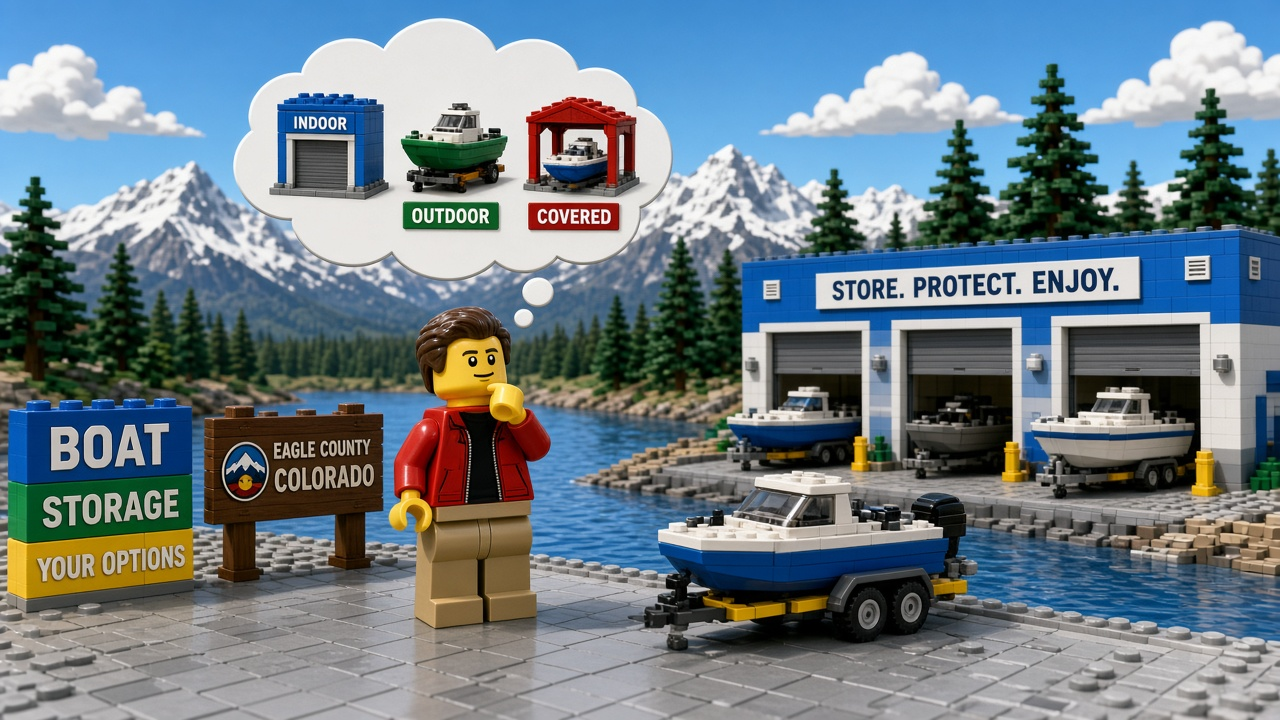
Compare indoor, outdoor & covered boat storage in Eagle County and the Vail Valley. Decide what fits your boat, plus where VAS and Eagle Canopy RV Storage fit.
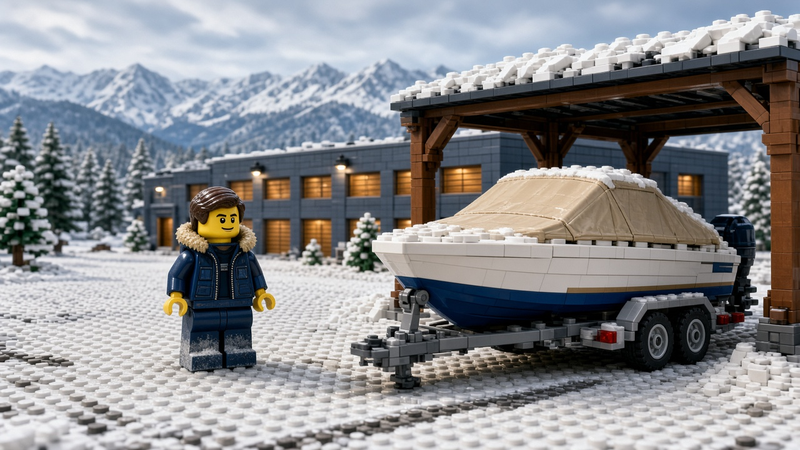
Plan winter boat storage in Eagle County and Gypsum: winterization, outdoor vs covered vs indoor, plus where VAS and Eagle Canopy RV Storage fit.
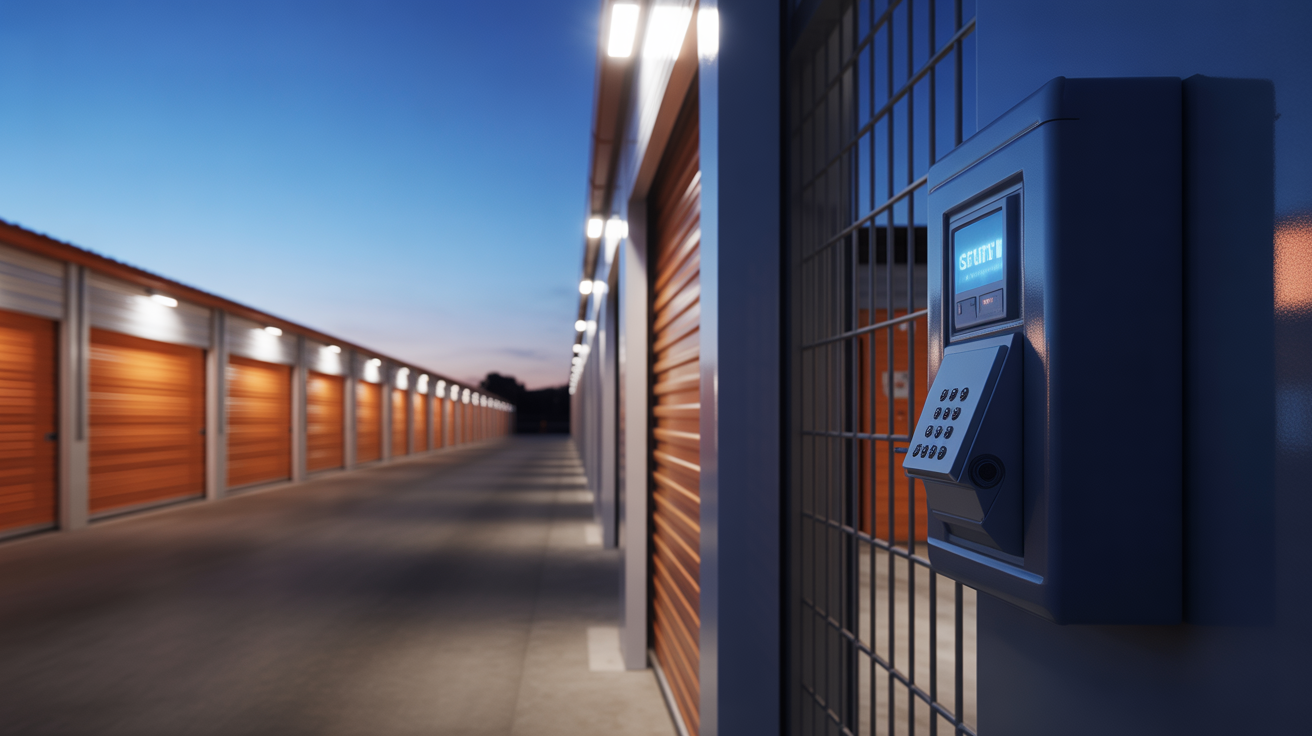
Find out if you can access your storage unit 24/7. Learn about access hours, security features, gate codes, and what to expect at modern storage…
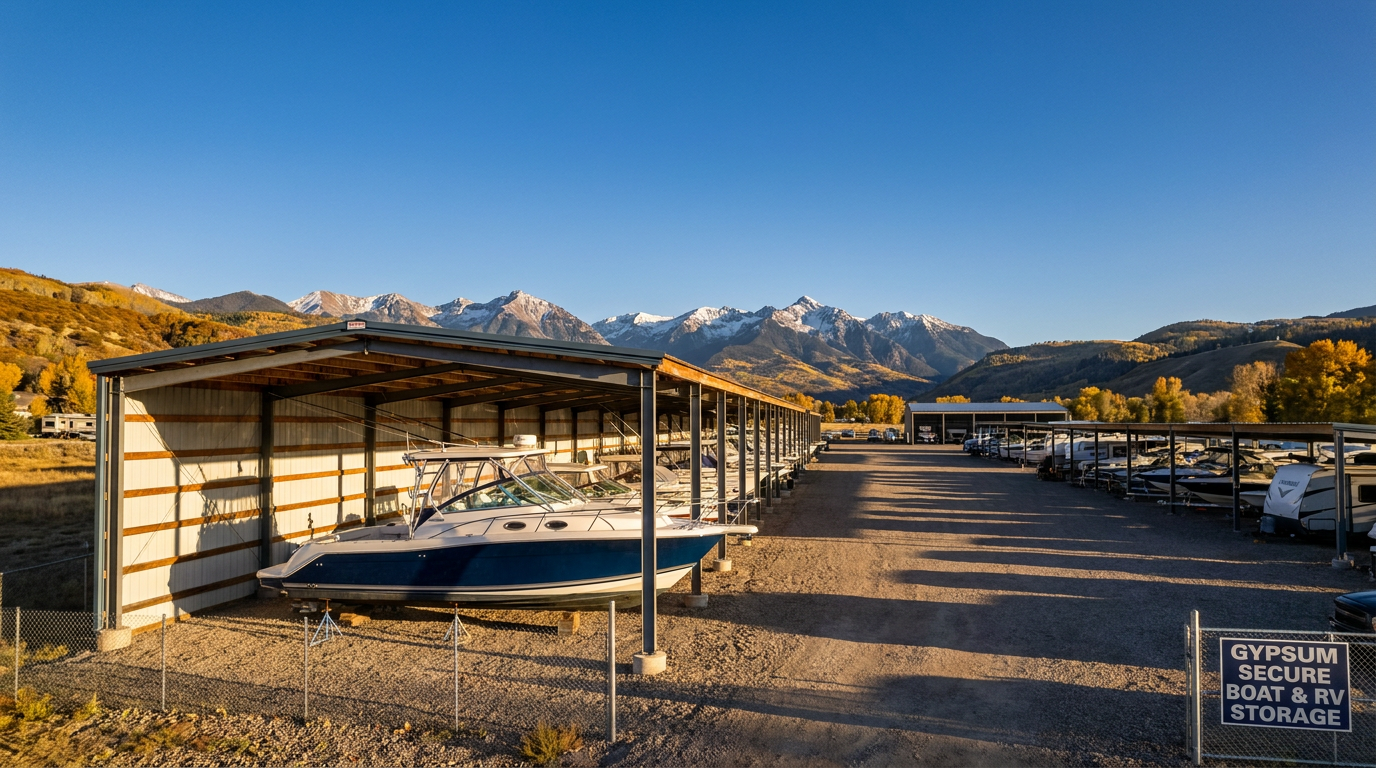
Boat storage in Gypsum, CO costs $209 to $375 per month at Vail Airport Storage. Compare open parking and enclosed drive-up options, sizes, and winter…
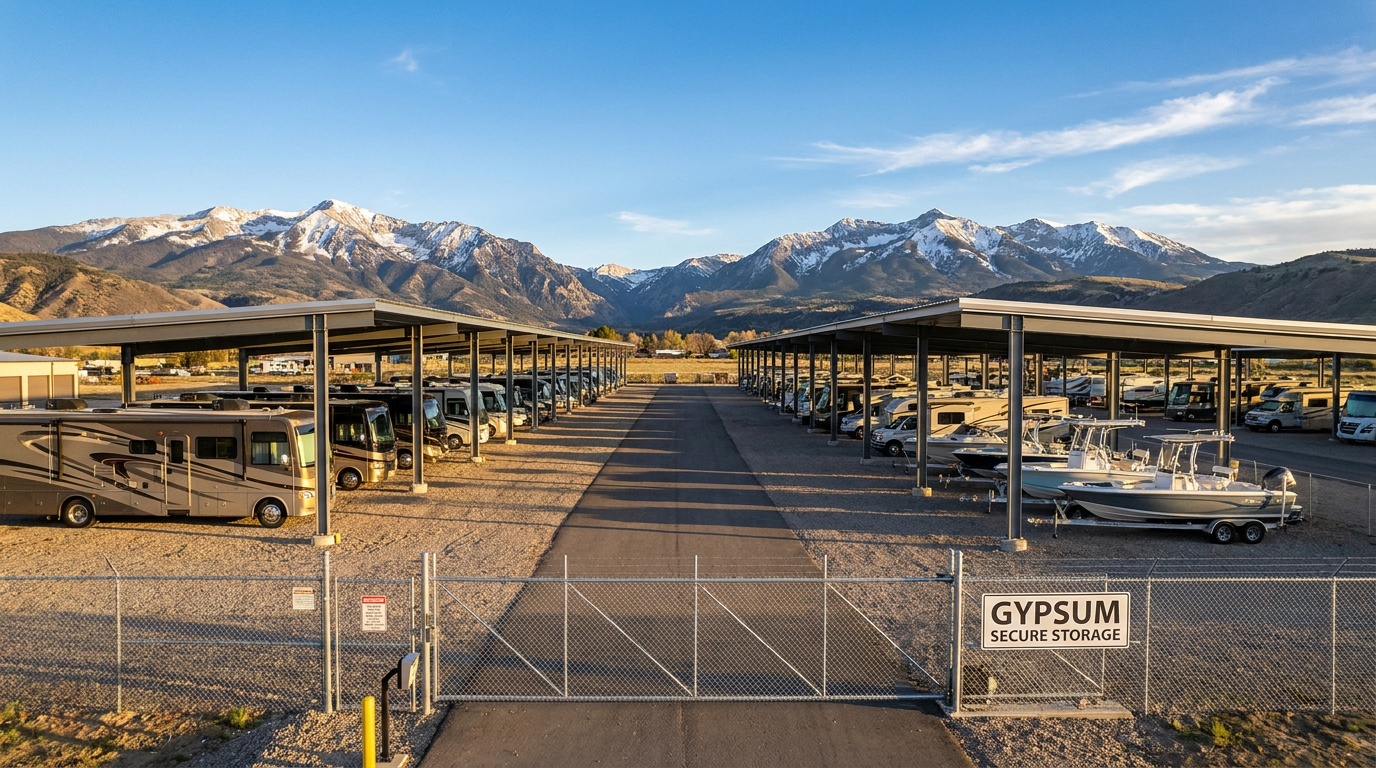
Looking for boat storage in Gypsum, CO? Compare open parking from $190 and covered canopy from $250, plus security, access, and prep tips before you…

Complete business storage unit checklist for entrepreneurs. Covers unit selection, inventory systems, legal requirements, and organization strategies.
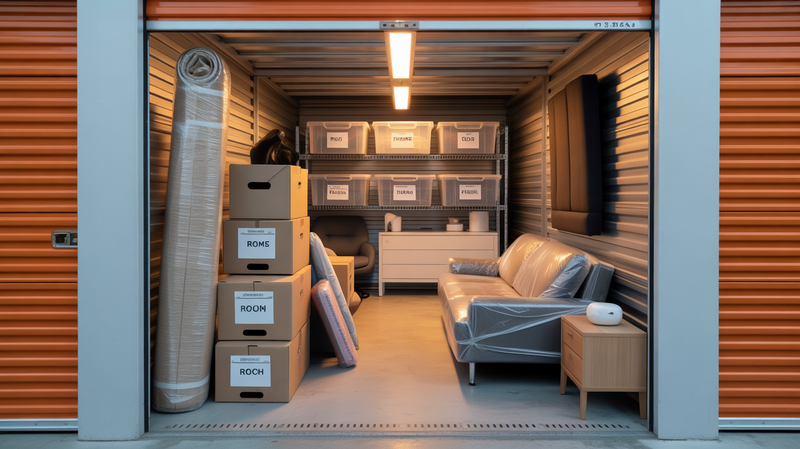
A 7.5x10 storage unit provides 75 square feet of space, fitting 1-2 bedroom apartment contents. Learn dimensions, capacity, and costs.
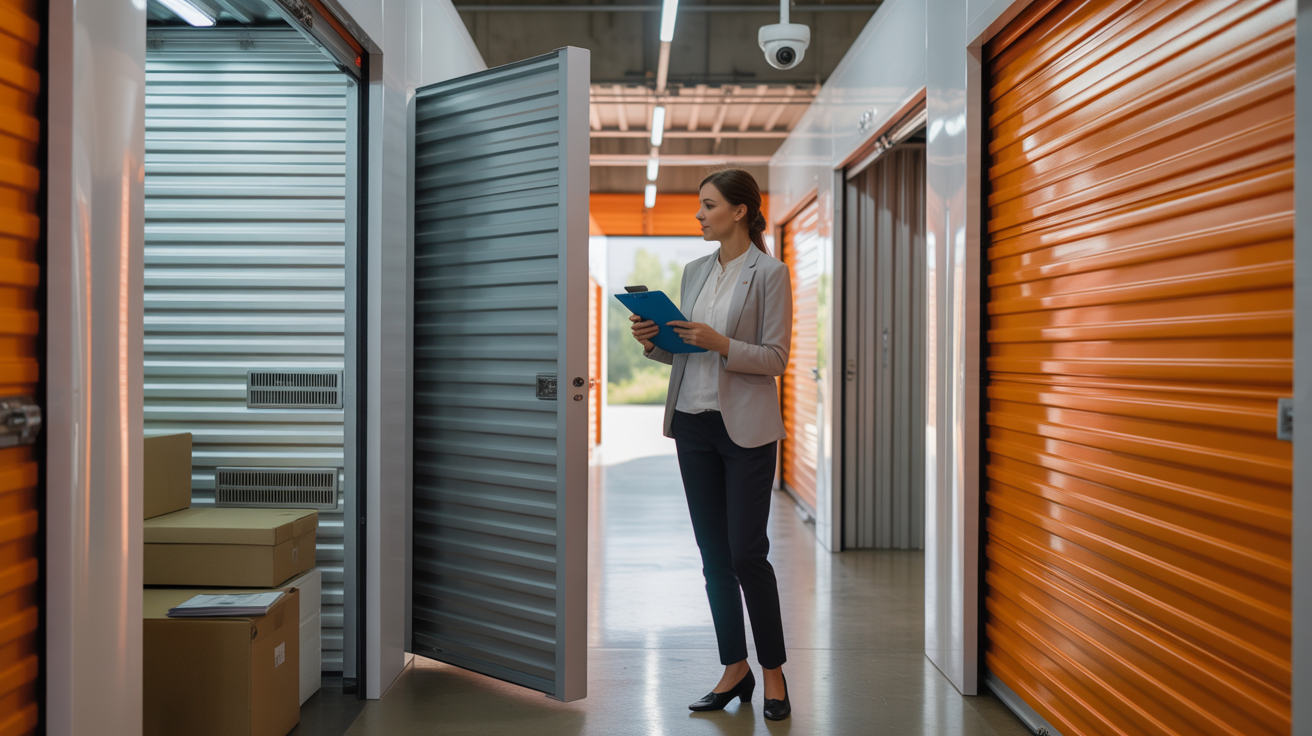
Use this comprehensive self storage facility comparison checklist to evaluate security, pricing, climate control, and access before renting your next unit.