5x5 Storage Unit Size Guide: What Fits and What It Costs
A 5x5 storage unit provides 25 square feet of floor space. Its usable volume depends on ceiling height and layout. Compare the measurements of your boxes, small furniture and seasonal gear with the unit and door dimensions before renting. Check current listings for local rates and availability.
What Are the Exact Dimensions of a 5x5 Storage Unit?
The Self Storage Association reports that 5x5 units represent approximately 8% of all rented storage space nationwide. These units serve as entry-level options for first-time storage renters who need minimal extra space without committing to larger units.
Some facilities offer slight variations in dimensions. A 5x4 unit provides 20 square feet, while a 5x7 unit offers 35 square feet. Always confirm exact measurements with your chosen facility before renting, as ceiling heights and door widths vary between providers.
What Fits Inside a 5x5 Storage Unit?
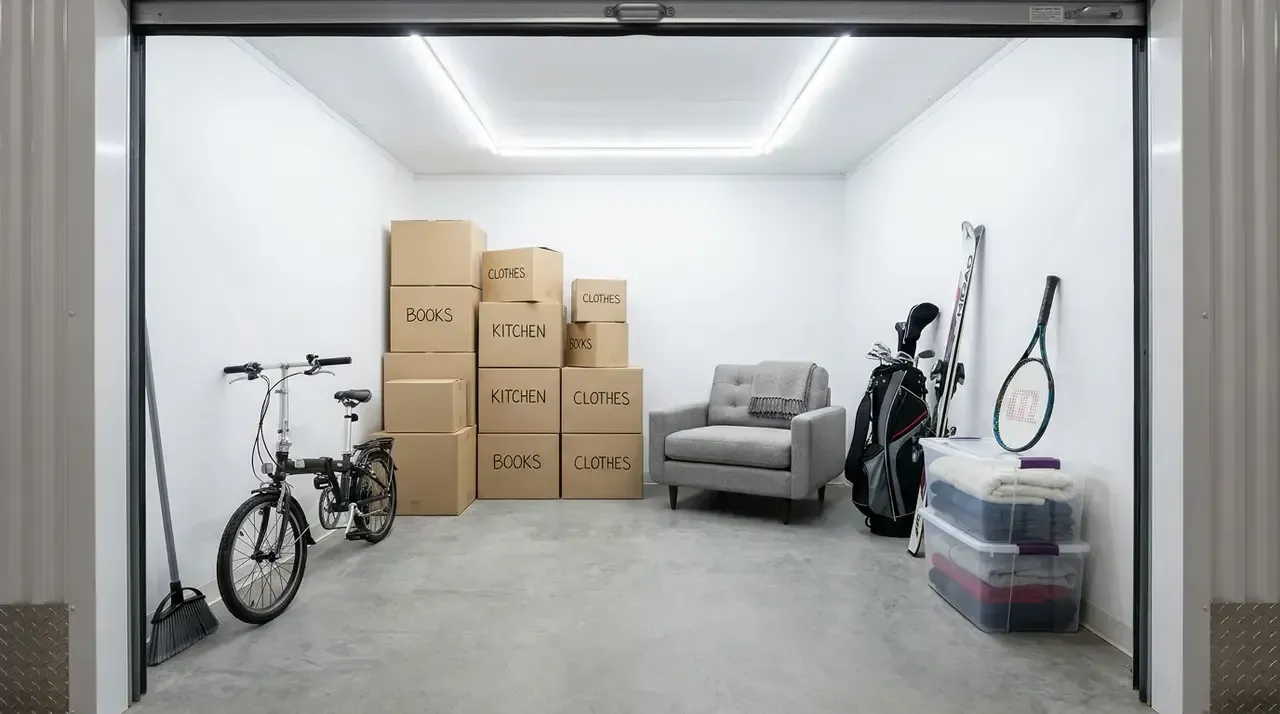
A 5x5 unit accommodates items equivalent to a small closet or the trunk of a midsize SUV. The vertical space allows strategic stacking to maximize capacity. Here is a breakdown of what fits comfortably:
Boxes and Containers
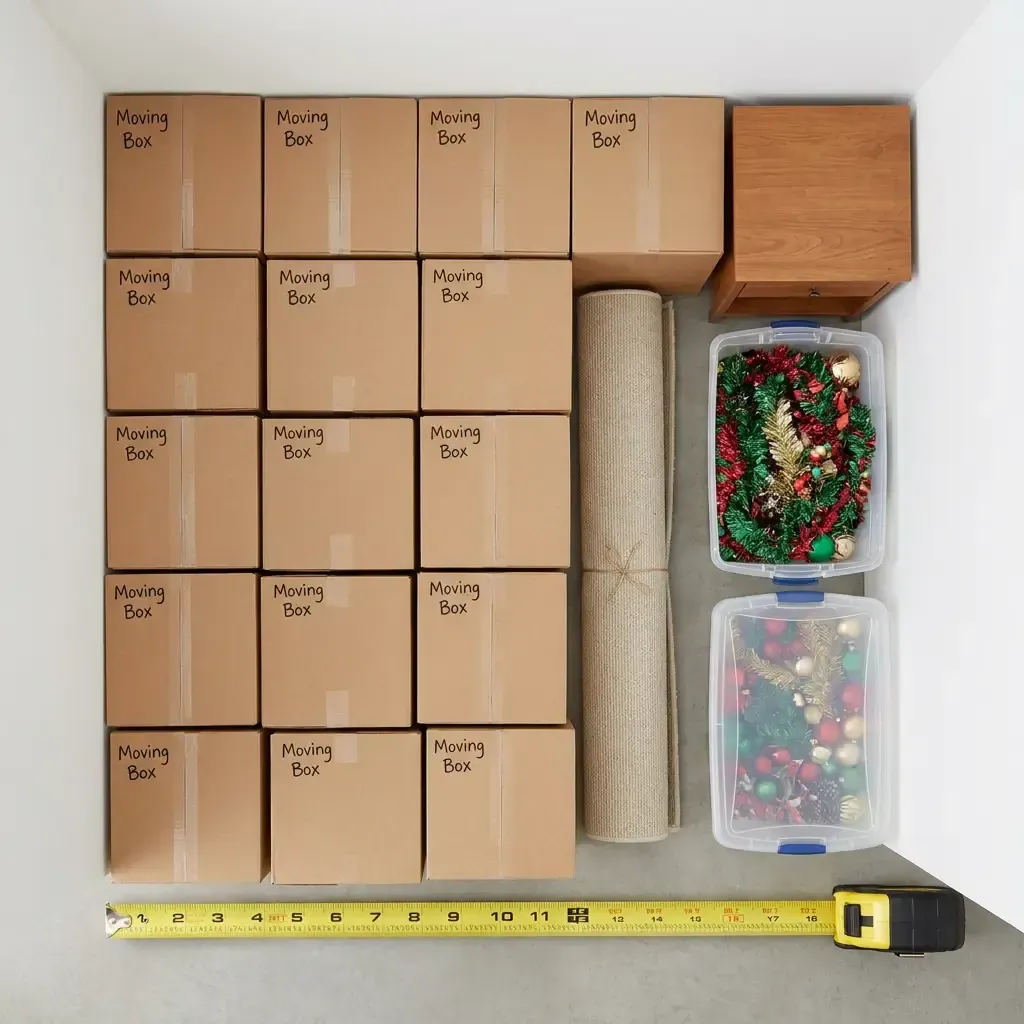
You can store 10 to 20 medium moving boxes (18x18x16 inches) when stacked floor to ceiling. Standard banker boxes for documents fit 30 to 40 units. Clear plastic bins work well for seasonal items you need to identify quickly.
Small Furniture
A twin or twin XL mattress and box spring fit when stored vertically against the back wall. One nightstand, a small bookshelf, or a compact desk chair also fits. Disassembled furniture like IKEA shelving units store efficiently in this space.
Seasonal and Personal Items
Holiday decorations including artificial Christmas trees up to 7 feet (disassembled) fit well. Winter coats, seasonal clothing in vacuum bags, and luggage sets store compactly. Family photo albums, memorabilia boxes, and collectibles work in this size.
Sports and Recreation Equipment
Skis, snowboards, and poles fit vertically along walls. Golf club bags, fishing gear, and camping equipment store efficiently. A folding bicycle or scooter fits, though full-size bikes require a 5x10 unit.
What Does NOT Fit
Full or queen mattresses exceed the 5-foot width. Sofas, large dressers, and dining tables require at least a 5x10 unit. Appliances like refrigerators and washing machines need 10x10 or larger spaces. If you are storing contents from a studio apartment, upgrade to a 5x10 or 10x10 unit.
5x5 Storage Unit Picture: Visual Size Comparison
Visualizing a 5x5 unit helps determine if this size meets your needs. The floor space equals a standard interior door laid flat (approximately 3x7 feet) plus an additional 2x5 feet. Standing inside, you can extend your arms and nearly touch both side walls.
According to
our size guide
, this unit size accommodates what fits in a small walk-in closet. The 8-foot ceiling height provides significant vertical storage capacity that many renters underestimate.
How Much Does a 5x5 Storage Unit Cost?
Pricing for 5x5 storage units varies significantly based on location, facility type, and features. Here is a comparison of typical monthly rates across different markets and configurations:
Rates vary by market, unit features and current availability. Compare the ongoing rent with any introductory offer, and check the full rental terms before calculating your storage budget.
Factors That Affect 5x5 Unit Pricing
Location:
Urban centers and resort areas command 40-60% higher rates than rural markets. Proximity to airports, universities, and downtown districts increases pricing.
Climate control:
Compare the actual temperature-control features and current prices of indoor and drive-up units. Do not assume climate-controlled storage always costs more. If an item needs a particular temperature or humidity range, confirm whether the facility can meet that requirement.
Facility Class:
New Class A facilities with advanced security features, smart lock technology, and 24/7 access typically price 15-25% above older facilities with basic amenities.
Lease Terms:
Month-to-month rentals offer flexibility but may cost 5-10% more than 6 or 12-month commitments at some facilities.
5x5 vs 5x10 Storage Unit: Which Size Do You Need?
Choosing between a 5x5 and 5x10 unit depends on your specific storage requirements. The 5x10 provides double the floor space at 50 square feet, accommodating significantly more items. Here is a direct comparison:
Choose a 5x5 if you are storing seasonal decorations, sports equipment, or 15 or fewer boxes. Upgrade to a 5x10 if you need to store a full mattress set with additional furniture, the contents of a studio apartment, or business inventory requiring frequent access.
Best Uses for a 5x5 Storage Unit
Apartment and Home Overflow
Renters in high-cost markets use 5x5 units as external closet space. According to RentCafe's San Francisco analysis, small storage units help offset expensive apartment rents by allowing residents to live in smaller spaces while keeping belongings secure nearby.
College Student Storage
Students can use a small unit for dorm belongings such as bedding, a small television, a cleaned and dry mini fridge, and boxes. Measure bulky items and compare the total rental cost with transport or shipping costs for the break.
Seasonal Gear in Mountain Communities
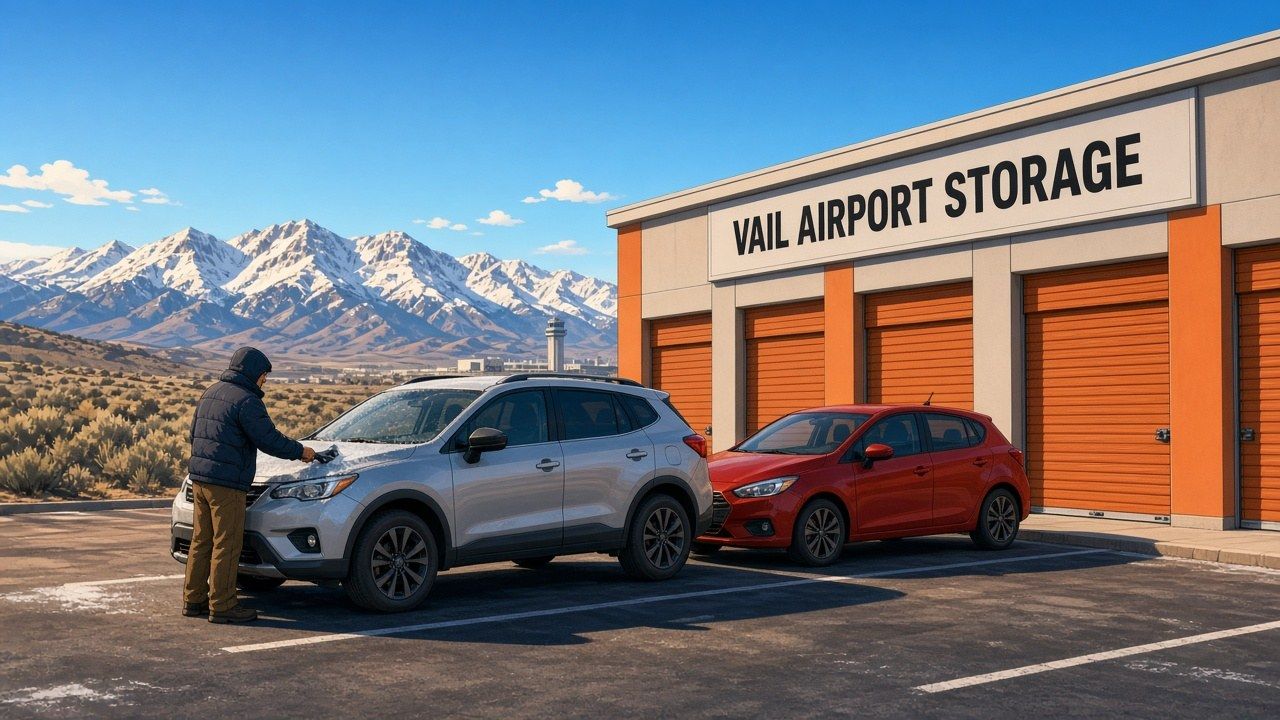
Residents of resort areas like Colorado's Vail Valley store ski equipment, snowboards, winter tires, and camping gear in 5x5 units. This frees garage and closet space at home while keeping gear accessible near recreation areas. Facilities near Eagle County Regional Airport serve fly-in visitors who store seasonal items year-round.
Small Business and Document Storage
Businesses use 5x5 units for archived documents, marketing materials, product samples, and small tools. A 5x5 unit holds approximately 30 to 40 banker boxes, meeting IRS requirements for 7-year document retention without consuming office space. Learn more about storage tax deductions for businesses.
Travel and Airport-Adjacent Storage
Frequent travelers and seasonal homeowners store luggage, travel gear, and vacation property items in 5x5 units near airports. This eliminates the need to transport items on each trip and provides secure storage between visits.
Do You Need Climate Control for a 5x5 Unit?
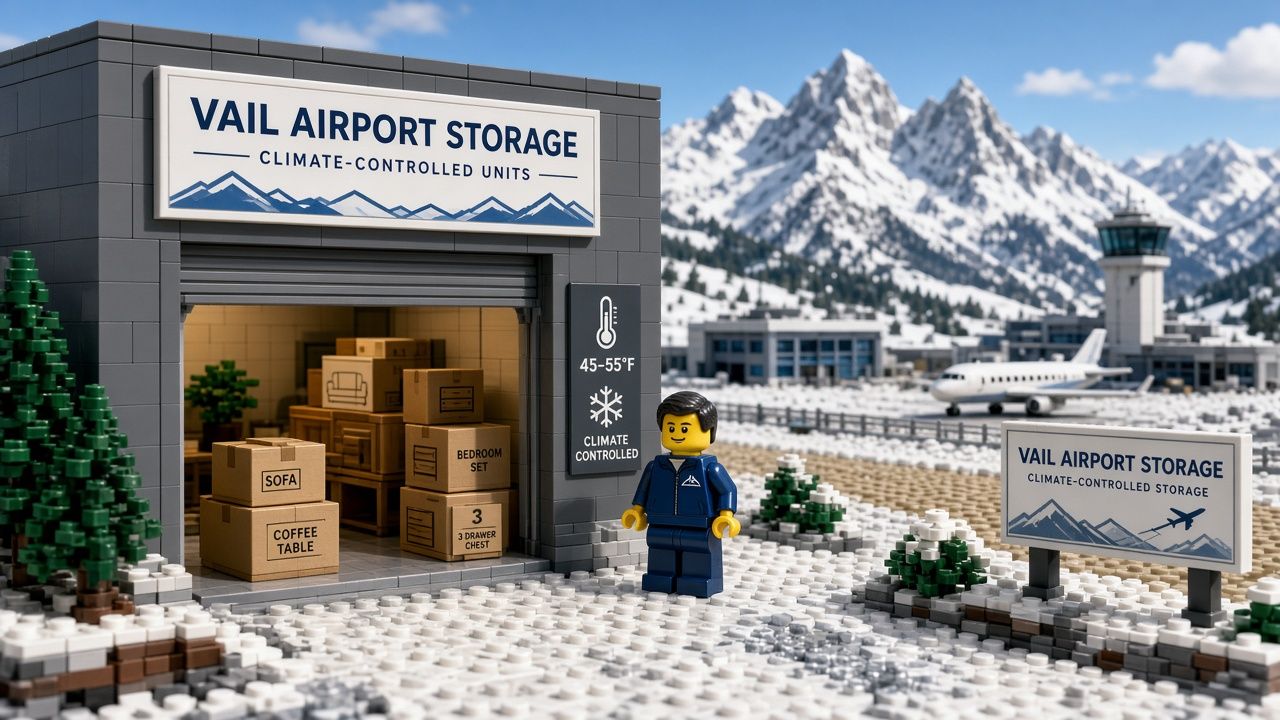
Climate-controlled storage can reduce exposure to outdoor temperature swings, but operating conditions and humidity controls vary by facility. Match the unit’s documented features to the care instructions for your belongings.
Items Requiring Climate Control
Electronics:
Computers, TVs, and audio equipment contain components that degrade in extreme temperatures. Condensation from temperature swings causes corrosion and circuit damage.
Documents and Photos:
Paper products yellow, become brittle, and develop mold in humid or fluctuating conditions. Important records, photo albums, and artwork need stable environments.
Wooden Furniture:
Wood expands and contracts with temperature changes, causing warping, cracking, and joint separation over time.
Clothing and Textiles:
Leather, wool, and delicate fabrics develop mold, mildew, and pest damage in non-climate-controlled spaces.
When Standard Storage Works
Durable items like metal tools, plastic bins, outdoor furniture, and sporting goods tolerate temperature variations. If storing items for less than 3 months in moderate climates, standard units often suffice.
In mountain climates where temperatures range from -10°F in winter to 90°F in summer, climate control becomes essential
for most stored items. The 100-degree annual temperature swing in areas like Gypsum, Colorado damages items that would survive in milder regions.
Security Features to Look For
Security varies significantly between storage facilities. When evaluating 5x5 units, assess these protective features:
Access Control:
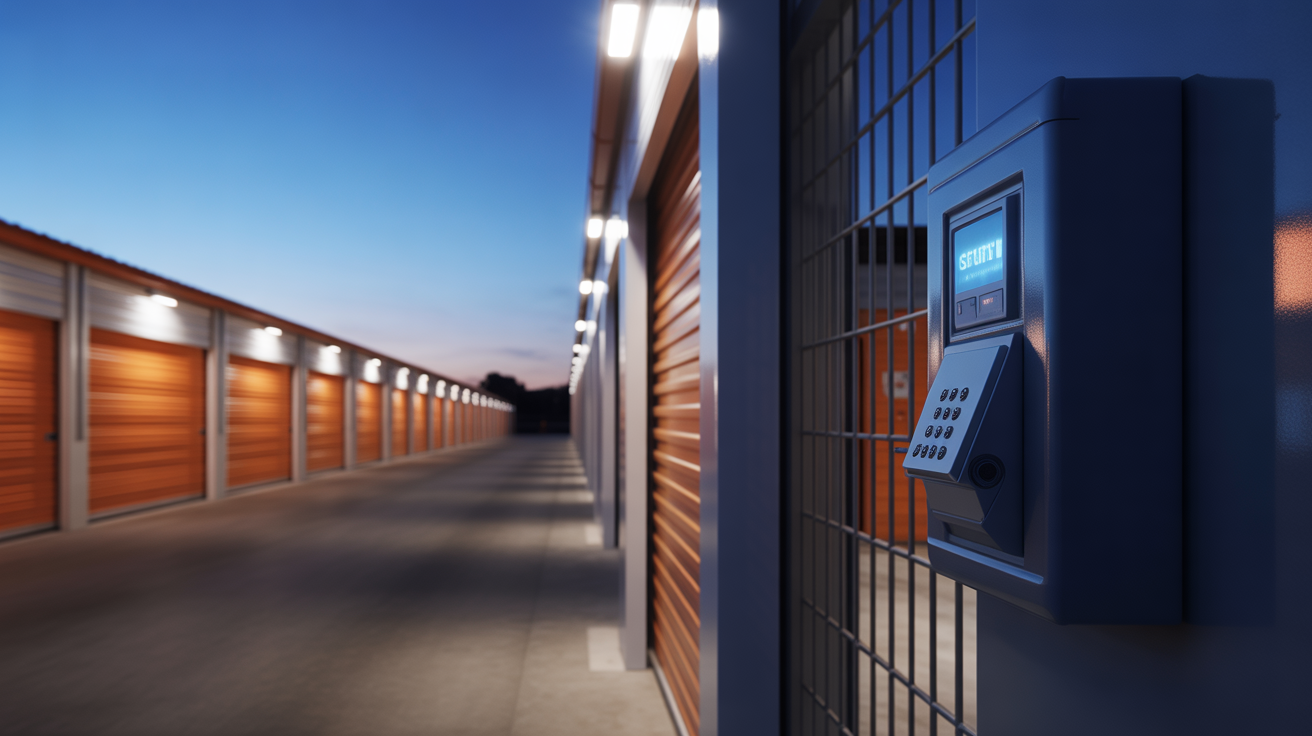
Gated facilities with individual access codes track who enters and when. Advanced facilities use Bluetooth smart lock technology
like Noke systems, eliminating physical keys and providing complete access logs.
Video Surveillance:
24/7 digital recording with 30-day retention provides documentation if issues arise. Well-lit facilities with cameras at unit corridors offer better protection than perimeter-only coverage.
Physical Barriers:
Perimeter fencing of 8 to 9 feet with controlled entry points deters unauthorized access. Individual unit alarms add another security layer.
On-Site Management:
Facilities with resident managers or regular staff presence respond faster to issues and maintain better overall security.
How to Maximize Space in a 5x5 Unit
Strategic packing increases effective capacity by 30 to 50 percent. Follow these organization principles:
Stack Vertically:
Use the full 8-foot ceiling height. Place heavy, sturdy boxes on the bottom with lighter items on top. Uniform box sizes stack more efficiently than mixed dimensions.
Create an Aisle:
Leave a 12 to 18 inch path to the back of the unit. This allows access to items without unpacking everything.
Use Shelving:
Freestanding wire shelving units maximize vertical space for smaller items. A 5-shelf unit fits against one wall and organizes bins, boxes, and loose items.
Store Mattresses Vertically:
A twin mattress stored upright against the back wall uses only 6 inches of depth while freeing floor space.
Label Everything:
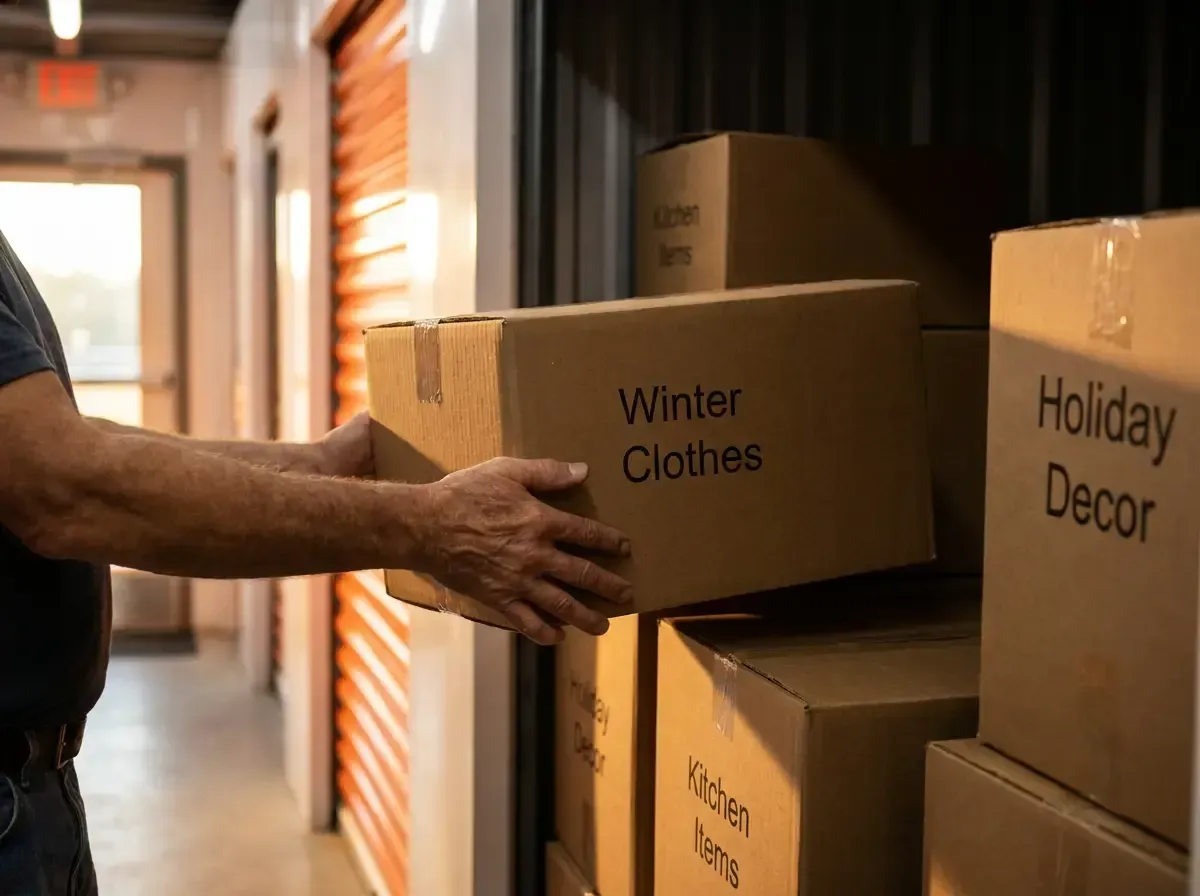
Mark boxes on multiple sides with contents and priority. Place frequently accessed items near the door.
Frequently Asked Questions About 5x5 Storage Units
How tall is a 5x5 storage unit?
Most 5x5 storage units have ceiling heights between 8 and 9 feet, providing 200 to 225 cubic feet of total volume. Some facilities offer units with 10-foot ceilings in newer buildings. Always confirm ceiling height before renting, especially if storing tall items like artificial Christmas trees or standing mirrors.
Can a bed fit in a 5x5 storage unit?
A twin or twin XL mattress and box spring fit in a 5x5 unit when stored vertically. Full, queen, and king mattresses exceed the 5-foot width and require a 5x10 or larger unit. Disassembled bed frames fit alongside a twin mattress if compact.
How many boxes fit in a 5x5 storage unit?
A 5x5 unit holds 10 to 20 medium moving boxes (18x18x16 inches) when stacked efficiently. Smaller boxes or uniform-sized bins allow stacking to the ceiling, increasing capacity to 25 or more containers. Leave an access path to reach items in the back.
Is a 5x5 storage unit big enough for furniture?
A 5x5 unit accommodates small furniture pieces: nightstands, end tables, small bookshelves, folding chairs, and compact desks. Full-size furniture like sofas, dining tables, dressers, and armchairs require at least a 5x10 unit.
What is the difference between a 5x5 and 10x5 storage unit?
A 5x5 and 10x5 unit both provide 50 square feet of floor space. The difference is door width and layout. A 10x5 unit has a 10-foot wide door, making it easier to access items across the full width. A 5x5 unit has a standard 3 to 4-foot door. Choose based on what you are storing and how often you need access.
How long can I rent a 5x5 storage unit?
Most facilities offer month-to-month leases with no maximum duration. You can rent for one month during a move or keep the unit for years. Some facilities offer discounted rates for 6 or 12-month prepayment. There are no typical limits on how long you can store items.
Do I need insurance for a 5x5 storage unit?
Check the facility’s coverage requirements before renting. Homeowners or renters insurance may cover some stored belongings, subject to the policy’s limits and exclusions. If you choose a tenant protection plan, review its terms, charges and covered incidents; a protection plan is not the same as insurance.
Finding the Right 5x5 Storage Unit
When selecting a 5x5 storage unit, visit the facility before signing a lease. Inspect the specific unit assigned to you, not just a show unit. Check for signs of water damage, pest activity, or inadequate lighting. Verify that doors seal properly and locks function correctly.
Ask about access hours, as some facilities restrict entry to business hours while others offer true 24/7 access. Understand all fees including administration charges, insurance requirements, and late payment penalties before committing.