How Long Can You Keep Items in Storage? Complete Guide |
| HOW LONG CAN YOU KEEP ITEMS IN STORAGE
⏱ 11 min read ·
📄 #2,054 words
Store items indefinitely with month-to-month leases. Learn storage duration limits by item type, climate control needs, and tips to protect belongings.
|
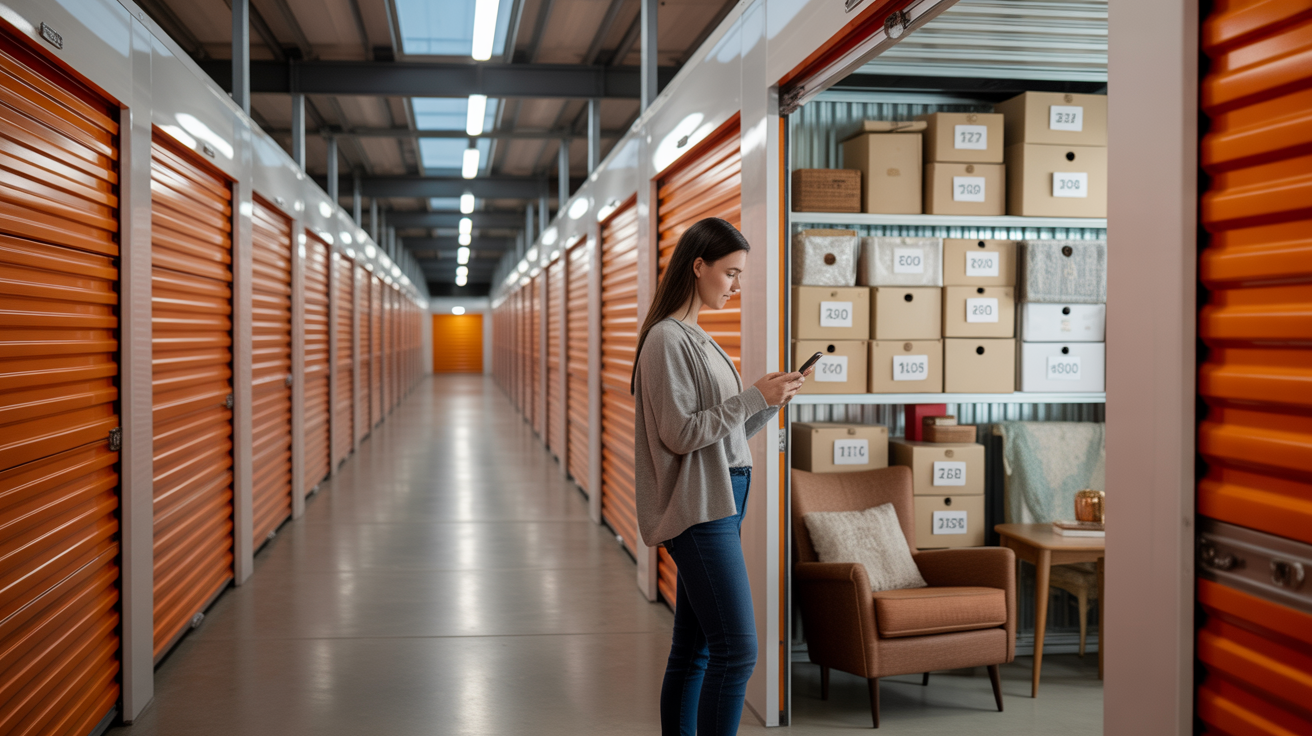
Y ou can keep items in a storage unit indefinitely. Most facilities offer month-to-month leases with no maximum duration, allowing you to store belongings for weeks, years, or even decades. The real question is not how long facilities allow storage, but how long your specific items will remain in good condition based on storage type and climate control.
| Key Points: | |
|---|---|
| • | No time limits exist at most facilities; month-to-month leases continue as long as you pay |
| • | Climate-controlled units (55-80°F) protect sensitive items for 10+ years |
| • | Standard drive-up units work well for 1-5 years in moderate climates |
| • | Electronics, wood furniture, and documents require climate control beyond 6 months |
| • | Proper packing extends safe storage duration by 3-5x for most item categories |
Storage Facility Time Limits and Lease Terms
Storage facilities do not impose maximum storage durations. Whether you need space for 30 days during a move or 10 years while living abroad, facilities accommodate both scenarios equally. The standard lease structure is month-to-month, meaning your rental continues automatically until you provide notice and vacate.
Some facilities offer discounted rates for longer commitments. Signing a 6-month or 12-month lease can reduce your monthly rate by 10-20%. However, month-to-month flexibility often outweighs these savings if your timeline is uncertain.
What Happens If You Stop Paying?
If you stop paying rent, facilities follow a legal process before disposing of your items. In Colorado, storage facilities must wait at least 30 days after a missed payment before beginning lien proceedings. After proper notification (typically via certified mail), they can auction your belongings to recover unpaid rent.
Most facilities send multiple reminders before taking action. Late fees typically range from $20-50 per occurrence. If you anticipate payment difficulties, contact your facility immediately; many offer payment plans or grace periods for long-term customers.
Storage Duration by Item Type
While facilities allow indefinite storage, your belongings have practical limits based on material composition and storage conditions. Understanding these limits helps you choose the right unit type and packing methods.
Items Safe for Long-Term Standard Storage (5+ Years)
Certain items withstand temperature fluctuations and humidity changes without significant degradation. Metal tools, ceramic dishware, glass items, and plastic containers store well in standard drive-up units for extended periods. Seasonal decorations made from durable materials also tolerate long-term standard storage.
Outdoor equipment like camping gear, sporting goods with metal frames, and lawn equipment can remain in drive-up storage units for years with minimal maintenance. Clean items thoroughly before storing and apply rust-preventive treatments to metal surfaces.
Items Requiring Climate Control for Extended Storage
Temperature-sensitive items need climate-controlled storage to survive beyond 6 months. These units maintain temperatures between 55-80°F year-round, preventing the expansion, contraction, and moisture damage that ruins delicate materials.
| Item Category | Standard Unit Max | Climate Control Max |
|---|---|---|
| Wood Furniture | 6-12 months | 10+ years |
| Electronics | 3-6 months | 5-10 years |
| Leather Items | 3-6 months | 10+ years |
| Documents/Photos | 6 months | 20+ years |
| Musical Instruments | 1-3 months | 10+ years |
| Artwork/Antiques | Not recommended | 10+ years |
| Clothing/Textiles | 6-12 months | 10+ years |
| Ski/Sports Equipment | 6-12 months | 10+ years |
In mountain climates like the Vail Valley, temperature swings from below freezing to 90°F+ create especially harsh conditions for sensitive items. Climate-controlled units eliminate this stress entirely, maintaining consistent conditions regardless of outdoor weather.
Will My Stuff Get Moldy in Storage?
Mold growth depends on three factors: humidity levels above 60%, temperatures between 77-86°F, and organic material to feed on. Standard storage units in humid climates create ideal mold conditions during summer months. Climate-controlled units maintain humidity between 30-50%, preventing mold growth entirely.
Preventing Mold in Any Storage Environment
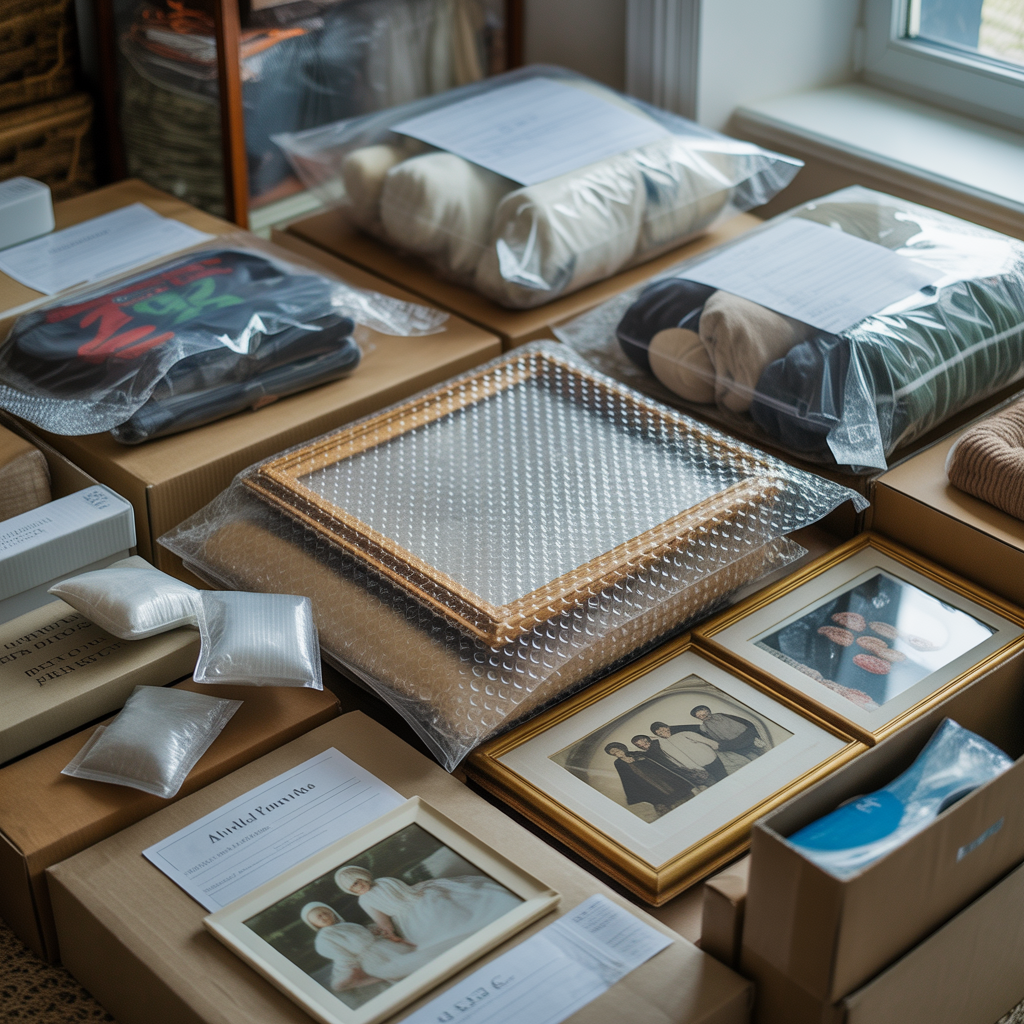
Even in climate-controlled units, proper packing prevents moisture problems. Never store items in plastic bags or wrap, which trap moisture against surfaces. Use breathable cotton sheets, moving blankets, or acid-free paper instead.
Specific mold prevention strategies include:
- Clean everything before storing: Dirt and food residue attract mold spores
- Use moisture absorbers: Place silica gel packets or DampRid containers throughout your unit
- Elevate items off the floor: Use pallets or shelving to create airflow underneath
- Leave space between items: 2-4 inches allows air circulation
- Visit quarterly: Check for musty smells or visible growth
Upholstered furniture and mattresses face the highest mold risk. If storing these items long-term, climate control is essential. Wrap mattresses in breathable mattress bags (not plastic) and stand them on edge to prevent compression.
How Likely Is It to Get Bed Bugs from a Storage Unit?
Bed bug transmission in storage facilities is rare but possible. These pests travel on furniture, clothing, and boxes from infested homes. They can survive 6-12 months without feeding, meaning they can remain dormant in stored items and reactivate when brought back into living spaces.
Reducing Bed Bug Risk
Modern facilities with concrete floors, metal doors, and regular pest control programs minimize infestation risk. Before renting, ask about pest management schedules and inspect the unit for signs of insects.
Protect your belongings with these steps:
- Inspect items before storing: Check seams of furniture and inside boxes
- Use sealed plastic bins: Unlike cardboard, bed bugs cannot penetrate hard plastic
- Encase mattresses and upholstery: Bed bug-proof encasements prevent entry and exit
- Avoid used boxes: Cardboard from unknown sources may harbor pests
- Heat treat before retrieval: If concerned, expose items to 120°F+ for 90 minutes
Short-Term vs. Long-Term Storage: Which Do You Need?
Industry standards define short-term storage as 3 months or less and long-term storage as anything beyond. Your storage duration affects unit selection, packing approach, and cost optimization strategies.
Short-Term Storage (Under 3 Months)
Short-term storage works well for moving transitions, home renovations, or seasonal decluttering. Standard drive-up units typically suffice since items will not experience multiple seasonal temperature cycles.
For short-term needs, prioritize convenience over climate control. A drive-up unit allows quick loading and unloading without navigating hallways or elevators. You can pack items less meticulously since they will not sit long enough for minor issues to become major problems.
Long-Term Storage (3+ Months)
Long-term storage requires more careful planning. Items stored for years need protection from temperature extremes, humidity fluctuations, and pests. Invest in quality packing materials, choose climate control for sensitive items, and create an inventory system.
Cost considerations for long-term storage:
- Monthly rates: Climate-controlled units cost 20-50% more than standard units
- Total cost calculation: Multiply monthly rate by expected duration
- Break-even analysis: If total storage cost exceeds replacement cost, consider selling
- Insurance: Long-term storage justifies higher coverage limits
Packing Strategies for Maximum Storage Duration
Proper packing extends safe storage duration by 3-5x for most items. The investment in quality materials and careful preparation pays dividends over months and years.
Essential Packing Materials
Skip newspaper (ink transfers) and plastic wrap (traps moisture). Instead, invest in:
- Acid-free tissue paper: $15-25 per pack, essential for documents and textiles
- Furniture blankets: $10-20 each, reusable for multiple moves
- Heavy-duty boxes: Spend 20% more for double-walled cardboard
- Vacuum storage bags: Reduce textile volume by 75%, protect from pests
- Silica gel packets: $10-15 for bulk packs, absorb excess moisture
Furniture Preparation
Disassemble furniture whenever possible. Remove legs from tables, take apart bed frames, and detach cushions from sofas. This reduces required space and prevents stress on joints during long-term storage.
Apply furniture polish to wood surfaces before storing. The polish creates a protective barrier against humidity fluctuations. For leather furniture, use leather conditioner to prevent cracking and drying.
Electronics Storage Protocol
Electronics require specific preparation for storage beyond 3 months:
- Remove batteries: Prevents corrosion and leakage
- Clean thoroughly: Dust attracts moisture and causes short circuits
- Use original packaging: Designed for protection during storage and transport
- Add desiccants: Place silica gel inside boxes with electronics
- Store upright: Prevents pressure on screens and components
Climate Considerations for Vail Valley Storage
The Vail Valley presents unique storage challenges. Winter temperatures regularly drop below 0°F, while summer highs can exceed 85°F. This 85+ degree annual temperature swing stresses materials in ways that moderate climates do not.
Items That Cannot Survive Mountain Winters Unprotected
Certain items will suffer irreversible damage in standard units during Vail Valley winters:
- Latex paint: Freezes and separates permanently below 35°F
- Wine and spirits: Cork damage and flavor changes below 45°F
- Vinyl records: Warp and crack in temperature extremes
- LCD screens: Liquid crystal damage below 32°F
- Wooden instruments: Cracking and warping from humidity swings
- Photographs: Emulsion damage from freeze-thaw cycles
For these items, climate-controlled storage is not optional but essential for any storage duration exceeding one season.
Seasonal Storage for Ski Equipment
Many Vail Valley residents store ski and snowboard equipment during summer months. Proper off-season storage extends equipment life by 2-3 years compared to garage storage.
Before storing ski equipment:
- Clean bases thoroughly: Remove dirt and old wax
- Apply storage wax: Thick coat protects base material
- Loosen bindings: Releases spring tension
- Store vertically: Prevents warping
- Climate control recommended: Prevents rust on edges and binding components
How Long Can You Keep Stuff in Storage Without Paying?
You cannot keep items in storage without paying. Storage facilities are businesses that require payment for continued use of their space. However, understanding the default timeline helps if you face temporary financial difficulties.
The Lien Process Timeline
Colorado law (Colorado Revised Statutes 38-21.5) governs storage facility liens. The typical timeline after a missed payment:
- Day 1-5: Late fee applied (typically $20-50)
- Day 30: Facility sends written notice of default
- Day 45-60: Second notice with auction warning
- Day 60-90: Facility can schedule auction
- Day 90+: Public auction of contents to recover debt
Most facilities prefer to work with customers rather than conduct auctions. If you anticipate payment problems, communicate early. Many facilities offer payment plans, temporary rate reductions, or grace periods for established customers.
Cost-Effective Long-Term Storage Strategies
Storing items for years requires balancing protection against ongoing costs. Several strategies help minimize expenses while maintaining item condition.
Right-Size Your Unit
Most people rent more space than needed. Before signing a lease, create a detailed inventory and use a storage calculator. A 10x10 unit holds a 1-2 bedroom apartment; a 10x15 holds a 2-3 bedroom home. Downsizing from a 10x15 to a 10x10 saves $200-400 annually.
Consider What is Worth Storing
Apply the replacement cost test: if storing an item for 2+ years costs more than replacing it, sell or donate instead. A $50/month storage unit costs $1,200 over two years. Items worth less than this threshold rarely justify long-term storage.
Items typically worth storing long-term:
- Antiques and collectibles: Irreplaceable or appreciating value
- Family heirlooms: Emotional value exceeds monetary cost
- Quality furniture: Replacement cost exceeds storage cost
- Seasonal equipment: Used annually, expensive to replace
- Business inventory: Required for operations
Take Advantage of Promotions
Most storage facilities offer move-in specials. Common promotions include first month free, 50% off for 2-3 months, or waived administrative fees. These promotions can save $100-300 on initial costs, making the first year significantly more affordable.
Maintaining Items During Extended Storage
Long-term storage is not a "set and forget" situation. Regular maintenance visits prevent small issues from becoming expensive problems.
Recommended Visit Schedule
- Monthly (first 3 months): Check for leaks, pests, or moisture issues
- Quarterly (ongoing): Inspect items, refresh moisture absorbers, check for pest activity
- Annually: Deep inspection, reorganize if needed, assess continued storage need
Maintenance Tasks During Visits
Each visit should include specific checks:
- Smell test: Musty odors indicate moisture problems
- Visual inspection: Look for water stains, pest droppings, or mold
- Moisture absorber check: Replace saturated silica gel or DampRid
- Furniture inspection: Check for warping, cracking, or pest damage
- Box condition: Replace any boxes showing wear or moisture damage
Making the Decision: Store or Let Go?
After 2-3 years of storage, many people realize they have not needed their stored items. This realization often comes too late, after spending thousands on storage fees. Before committing to long-term storage, ask yourself:
- Have I used this item in the past year?
- Will I definitely need it within the next 2 years?
- Does the replacement cost justify storage fees?
- Does this item have irreplaceable sentimental value?
If you answer "no" to most questions, selling, donating, or discarding may be the better financial decision. Storage should preserve items you will actually use or that hold genuine irreplaceable value.
|
Storing in the Vail Valley?
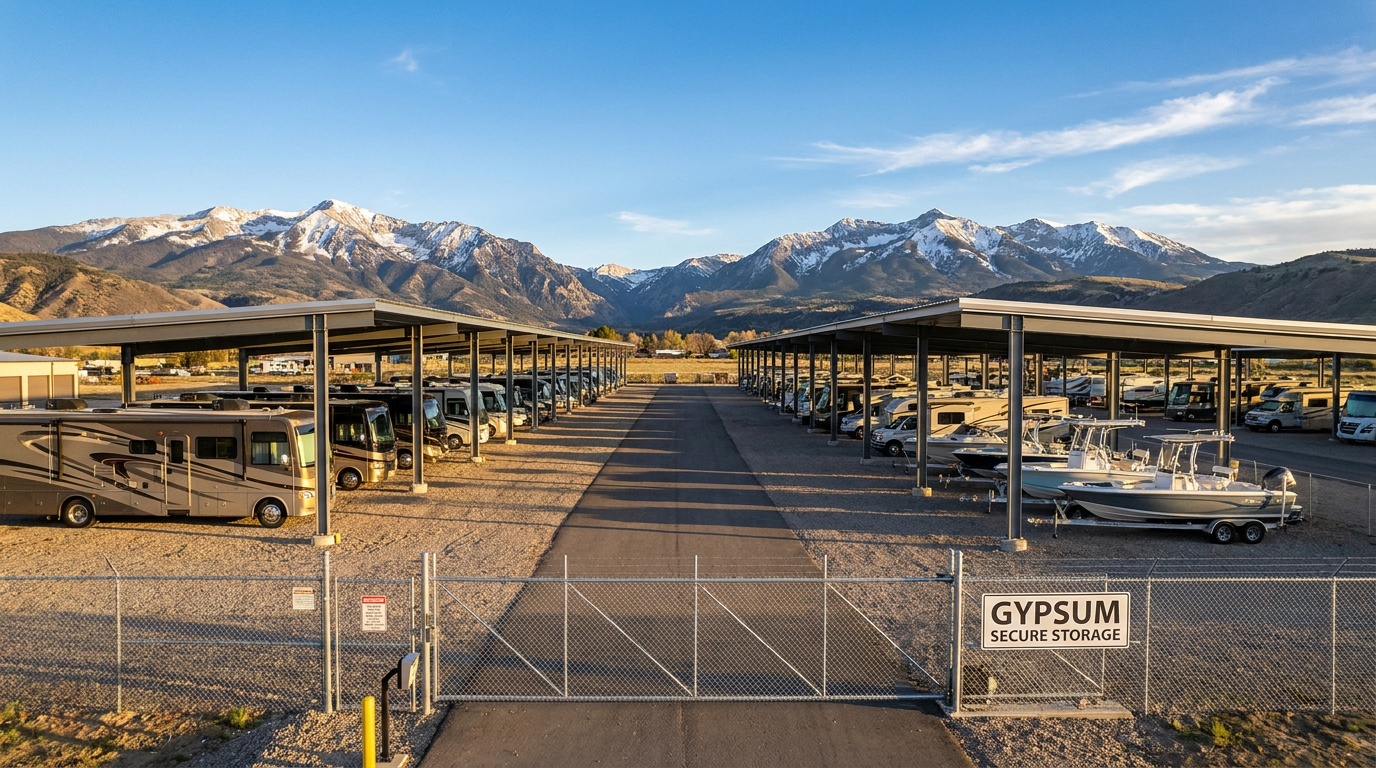
Vail Airport Storage is a brand-new facility in Gypsum, CO, next to Eagle County Regional Airport: heated indoor units, drive-up units with power and lights, and vehicle parking, open 24/7 with smart-lock access.