What Happens If You Don't Pay Storage Unit Rent |
| WHAT HAPPENS IF YOU DON'T PAY STORAGE UNIT RENT
⏱ 12 min read ·
📄 #2,322 words
Learn the exact timeline and consequences of unpaid storage unit rent, from late fees to lien notices to auction. Know your rights and avoid losing items.
|
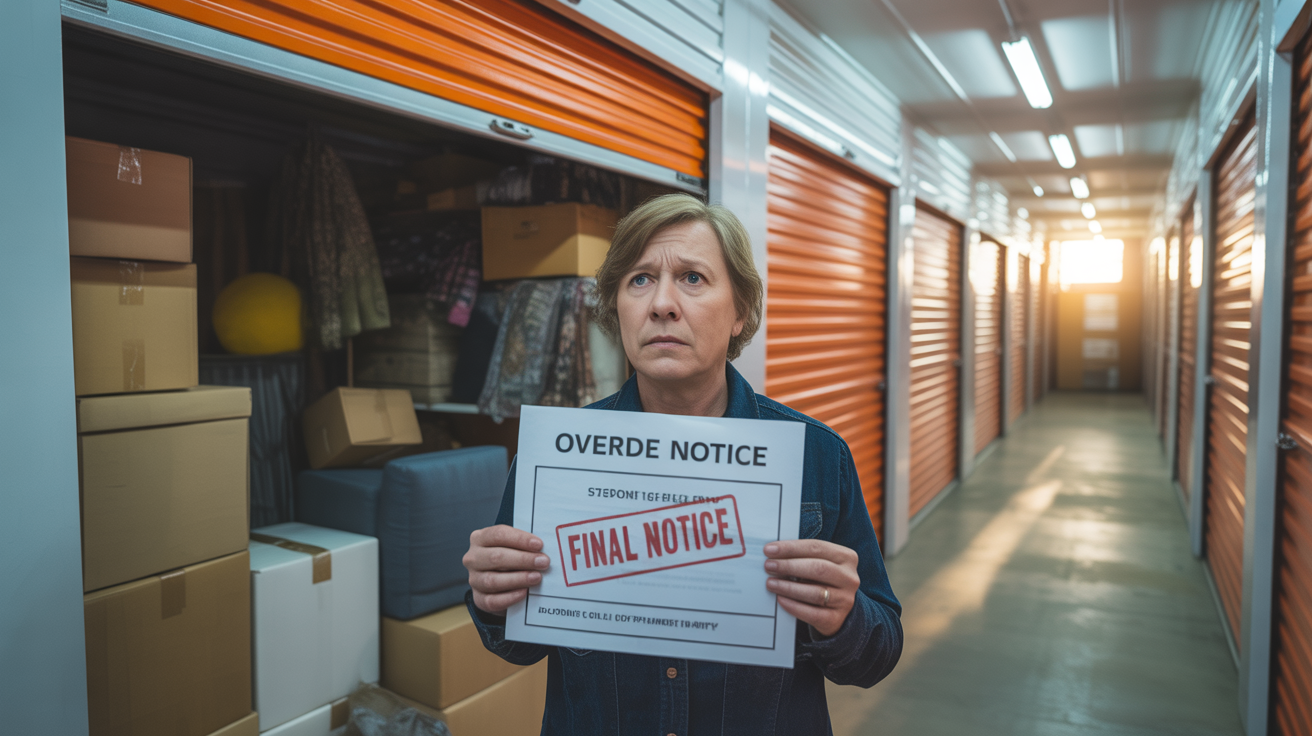
M issing storage unit payments triggers a legal lien process that typically spans 30 to 90 days, starting with late fees on day 6, followed by a formal lien notice, then denial of access, and ultimately auction of your belongings. The exact timeline depends on your state's self-storage lien laws and your facility's rental agreement.
| Key Points: | |
|---|---|
| • | Late fees begin 5 to 6 days after your due date, typically $20 or 20% of monthly rent |
| • | Lien notices must be sent via certified mail 10 to 60 days before enforcement action |
| • | Auctions occur 30 to 90 days after non-payment, depending on state law |
| • | You can reclaim items by paying all outstanding balances before the auction date |
| • | Servicemembers receive additional protections under federal SCRA regulations |
The Complete Timeline of Storage Unit Non-Payment
Storage facilities follow a legally mandated process when tenants stop paying rent. This process protects both the facility's right to recover unpaid rent and your right to retrieve your belongings. Understanding each stage helps you take action before losing your items permanently.
Every U.S. state has specific self-storage lien laws that govern this process. These laws differ from standard eviction procedures and the Uniform Commercial Code. Your rental agreement outlines the specific terms, but state law sets minimum notice requirements that facilities must follow.
Days 1 to 5: The Grace Period
Most storage facilities provide a grace period of 3 to 5 days after your rent due date. During this window, you can pay without penalty. Your access remains unchanged, and no negative actions appear on your account.
If you use autopay and your payment method declines, facilities typically attempt the charge again within this grace period. Contact your facility immediately if you receive a declined payment notice to avoid late fees.
Days 6 to 30: Late Fees and Initial Notices
Once the grace period ends, late fees apply automatically. State laws cap these fees at reasonable amounts, typically $20 flat or 20% of your monthly rent, whichever is greater. Some states allow additional daily fees that compound over time.
During this phase, you receive informal notices via email, text, or phone calls reminding you of the overdue balance. You still have full access to your unit and can pay the outstanding balance plus late fees to bring your account current.
Days 30 to 60: Formal Lien Notice
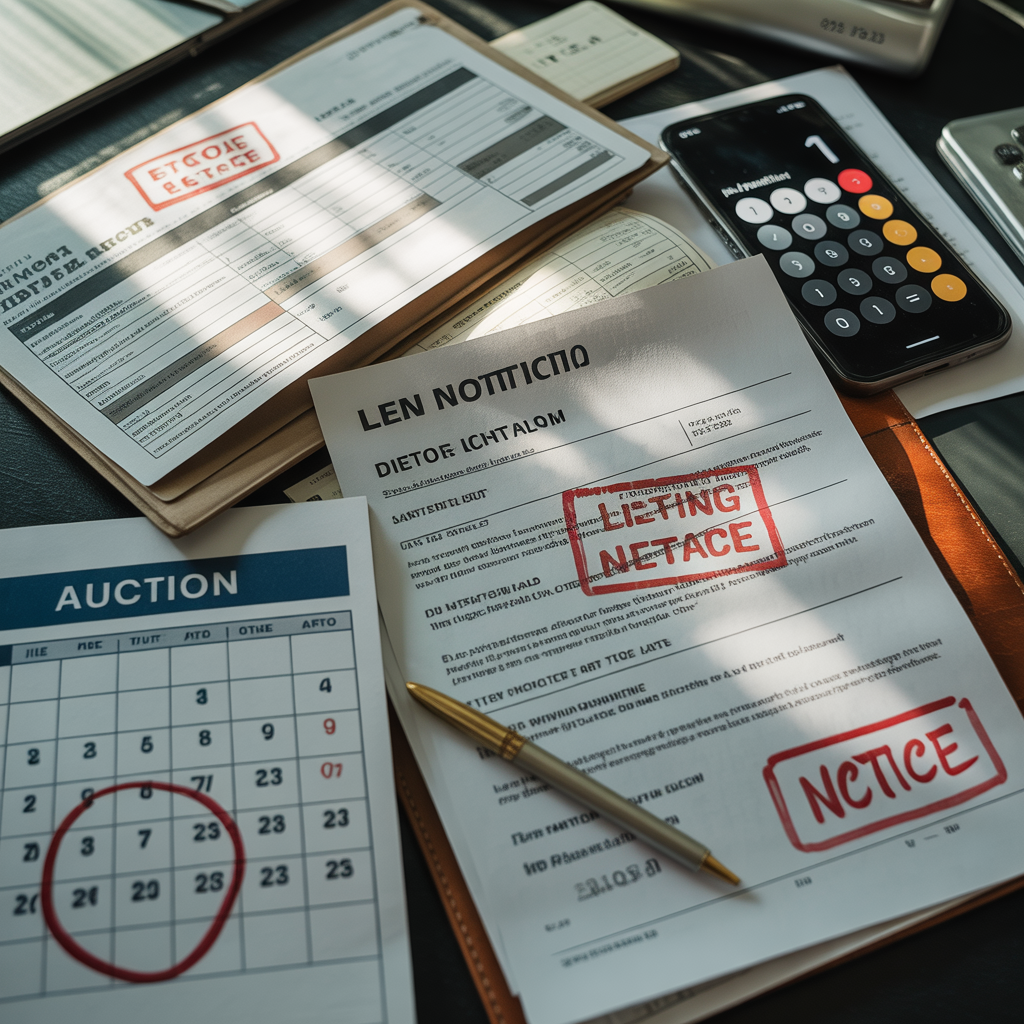
After approximately 30 days of non-payment, facilities issue a formal lien notice. This legal document, sent via certified mail or verified delivery method, informs you that the facility claims a lien on your stored property. The notice includes your total balance owed, a deadline to pay (typically 10 to 30 additional days), and a statement that your items may be sold at auction if you fail to pay.
This notice is your most critical warning. Once you receive it, you have a limited cure period to pay your balance in full and retain your belongings. Some states require facilities to send multiple notices before proceeding.
Days 60 to 90: Lockout and Auction Preparation
If you fail to respond to the lien notice, the facility denies access to your unit. Staff may cut your lock and replace it with a facility lock, or if you use smart lock technology, your digital access is revoked.
The facility then advertises the auction according to state requirements. Most states require public notice in local newspapers or online auction platforms for a minimum period, typically 7 to 14 days before the sale date.
State-by-State Lien Law Variations
Self-storage lien laws vary significantly across states. These differences affect how much time you have to cure a default and what notices you must receive. The following table summarizes key variations in major states.
| State | Notice Period | Cure Period | Total Time to Auction |
|---|---|---|---|
| California | 14 days | 14 days after notice | 45 to 60 days |
| Texas | 10 to 15 days | 10 to 15 days after notice | 30 to 45 days |
| New York | 30 days | 30 days after notice | 75 to 90 days |
| Florida | 15 days | 15 days after notice | 45 to 60 days |
| Colorado | 30 days | 30 days after notice | 60 to 75 days |
Colorado, where Vail Airport Storage operates, has one of the longer timelines. Under Colorado's self-service storage lien law (C.R.S. 38-21.5-103), a unit must be in continuous default for at least 30 days before a facility can begin enforcement. The facility must then send written notice of the default and intended sale, including the amount due, a description of the property, and the date after which it may be sold, and wait at least another 30 days before any auction. In practice, that means roughly 60 to 75 days from your first missed payment before a sale can occur.
|
What Happens at a Storage Unit Auction
Storage auctions sell the entire contents of a unit to the highest bidder. Bidders cannot open boxes or thoroughly inspect items before bidding. They make offers based on what they can see from the doorway of the unit.
How Auction Proceeds Are Applied
The auction sale amount first covers the facility's costs in this order: outstanding rent, late fees, lien processing fees, advertising costs, and auction expenses. If any money remains after satisfying these debts, the surplus belongs to you.
To claim surplus funds, you must contact the facility with proof of identity within a specified timeframe, typically 1 to 2 years depending on state law. Unclaimed surplus eventually escheats to the state as abandoned property.
What If Auction Proceeds Do Not Cover Your Debt
If your items sell for less than your total balance, you may still owe the difference. Facilities can pursue this deficiency through collections or small claims court. This debt can appear on your credit report and affect your ability to rent storage units in the future.
Your Rights During the Lien Process
Storage facilities cannot simply throw away your belongings or sell them without following proper procedures. You have specific rights throughout this process that protect you from improper facility actions.
Required Notice Provisions
Facilities must send lien notices to your last known address via certified mail or another verified delivery method. Some states now allow electronic notice if you consented to electronic communications in your rental agreement. If you never receive proper notice, you may have grounds to challenge the sale.
Keep your contact information current with your storage facility. If you move or change phone numbers, update your account immediately. Failure to receive notice because of outdated contact information does not invalidate the lien process.
Right to Cure Before Sale
You can stop the auction process at any point by paying your full balance, including all rent, late fees, lien fees, and any advertising costs the facility has incurred. Most facilities accept payment up until the auction begins.
Some facilities offer payment plans for tenants experiencing temporary financial hardship. Contact your facility manager directly to discuss options before the lien process advances. Proactive communication often leads to flexible arrangements.
Servicemembers Civil Relief Act Protections
Active duty military members receive additional protections under the Servicemembers Civil Relief Act (SCRA). Facilities cannot sell a servicemember's belongings without first obtaining a court order. In 2015, a San Diego storage facility paid $170,000 in damages for auctioning a deployed Navy member's items without following SCRA requirements.
If you are called to active duty, notify your storage facility immediately and provide documentation of your military status. This triggers SCRA protections and prevents the facility from proceeding with a standard lien sale.
How to Avoid Losing Your Storage Unit Contents
Prevention is always better than dealing with the consequences of non-payment. Several strategies help you avoid the lien process entirely.
Set Up Automatic Payments
Autopay eliminates the risk of forgetting your payment date. Link a credit card or bank account that maintains sufficient funds. Check your payment method monthly to ensure it remains valid and has available credit or balance.
Choose an Affordable Unit Size
Renting more space than you need increases your monthly obligation unnecessarily. Use a storage size guide to determine the smallest unit that fits your belongings. A 5x5 unit at $37 per month costs $444 annually less than a 10x10 unit at $75 per month.
Communicate With Your Facility Early
If you anticipate difficulty making a payment, contact your facility before the due date. Many facilities work with tenants who communicate proactively. Options may include payment extensions, partial payments, or temporary downsizing to a smaller unit.
Consider Insurance and Item Value
If your stored items have significant value, ensure you have adequate insurance coverage. Standard renters or homeowners policies may cover stored belongings, or you can purchase tenant protection through your storage facility. If financial hardship forces you to abandon items, insurance may help recover some value.

What to Do If You Cannot Pay Your Storage Bill
Financial difficulties happen. If you find yourself unable to pay your storage rent, take these steps to minimize damage and protect your most valuable items.
Step 1: Assess Your Stored Items
Make a complete inventory of everything in your unit. Identify items with high monetary or sentimental value that you absolutely must keep. Determine which items you could replace or live without.
Step 2: Contact the Facility Immediately
Explain your situation honestly and ask about available options. Some facilities offer hardship programs, payment plans, or the ability to downsize to a cheaper unit. The earlier you reach out, the more options you typically have.
Step 3: Remove Essential Items
If you cannot afford to continue renting, retrieve your most important belongings before losing access. Prioritize irreplaceable items like family photos, important documents, and high-value possessions. You can store these items temporarily with friends or family.
Step 4: Properly Terminate Your Lease
If you decide to vacate, follow proper move-out procedures. Most facilities require 7 to 14 days written notice before your next billing date. Remove all items, including trash and debris, or face cleaning fees of $25 or more. Return any keys or access devices.
Step 5: Document Everything
Keep copies of all communications with the facility, payment receipts, and your rental agreement. If disputes arise later, documentation protects your interests. Take photos of your empty unit when you move out to prove you left it in good condition.
Frequently Asked Questions About Storage Unit Non-Payment
How long before a storage unit is auctioned for non-payment?
Most storage units go to auction 30 to 90 days after the first missed payment, depending on state law. The timeline includes a grace period (3 to 5 days), a late payment period (25 to 30 days), a formal lien notice period (10 to 30 days), and an auction advertising period (7 to 14 days). States with longer notice requirements, like New York with its 30-day cure period, extend this timeline.
What are late fees for storage units by state?
Late fees vary by state law and facility policy. Most states cap late fees at $20 or 20% of monthly rent, whichever is greater. Some states allow additional daily fees after the initial late charge. California limits late fees to $20 for rents under $100 and 20% for higher rents. Texas allows reasonable late fees as specified in the rental agreement.
Can storage facilities evict you without notice?
No. Every state requires storage facilities to provide written notice before enforcing a lien on your belongings. Notice periods range from 10 to 30 days depending on the state. Facilities must send notices via certified mail or verified delivery to your last known address. Failure to provide proper notice can invalidate the lien sale.
What happens to my stuff if I abandon a storage unit?
Abandoned items follow the same lien process as non-payment. After 30 or more days without payment and no response to notices, the facility considers the unit abandoned. Contents are inventoried, advertised, and sold at auction. Proceeds cover outstanding debts first, with any surplus held for you to claim within a specified period.
Do I get money back from a storage auction surplus?
Yes, if your items sell for more than your total debt. After the facility deducts all rent, fees, and auction costs, any remaining funds belong to you. Contact the facility with proof of identity to claim surplus proceeds. Most states require facilities to hold surplus funds for 1 to 2 years before they become unclaimed property.
What happens if I stop paying for my storage unit?
Stopping payments initiates the lien process. You first incur late fees, then receive a formal lien notice, then lose access to your unit, and finally your items are sold at auction. The entire process takes 30 to 90 days. You can stop the process at any point by paying your full balance before the auction occurs.
What does Public Storage do if you do not pay?
Public Storage and other major chains follow state lien laws. They charge late fees after a 5-day grace period, send lien notices via certified mail, deny access to delinquent units, and auction contents after the legally required notice periods. Large chains typically have strict policies with less flexibility for payment arrangements than independent facilities.
Protecting Your Belongings From the Start
The best way to avoid storage unit problems is choosing the right facility and unit from the beginning. Look for facilities with transparent policies, reasonable fees, and good communication practices.
Facilities that offer no administrative fees or security deposits reduce your upfront costs and ongoing financial burden. Climate-controlled units protect sensitive items from temperature and humidity damage, preserving their value if you ever need to sell them. Smart lock technology provides detailed access records that can help resolve disputes about unit access.
Before signing a rental agreement, read the entire document carefully. Understand the late fee structure, lien process timeline, and move-out requirements. Ask questions about anything unclear. A few minutes of careful review prevents costly surprises later.
Store items you can afford to lose in standard units and keep irreplaceable possessions in secure, climate-controlled spaces or with trusted family members. This strategy limits your exposure if financial circumstances change unexpectedly.
|
Storing in the Vail Valley?
Vail Airport Storage is a brand-new facility in Gypsum, CO, next to Eagle County Regional Airport: heated indoor units, drive-up units with power and lights, and vehicle parking, open 24/7 with smart-lock access.