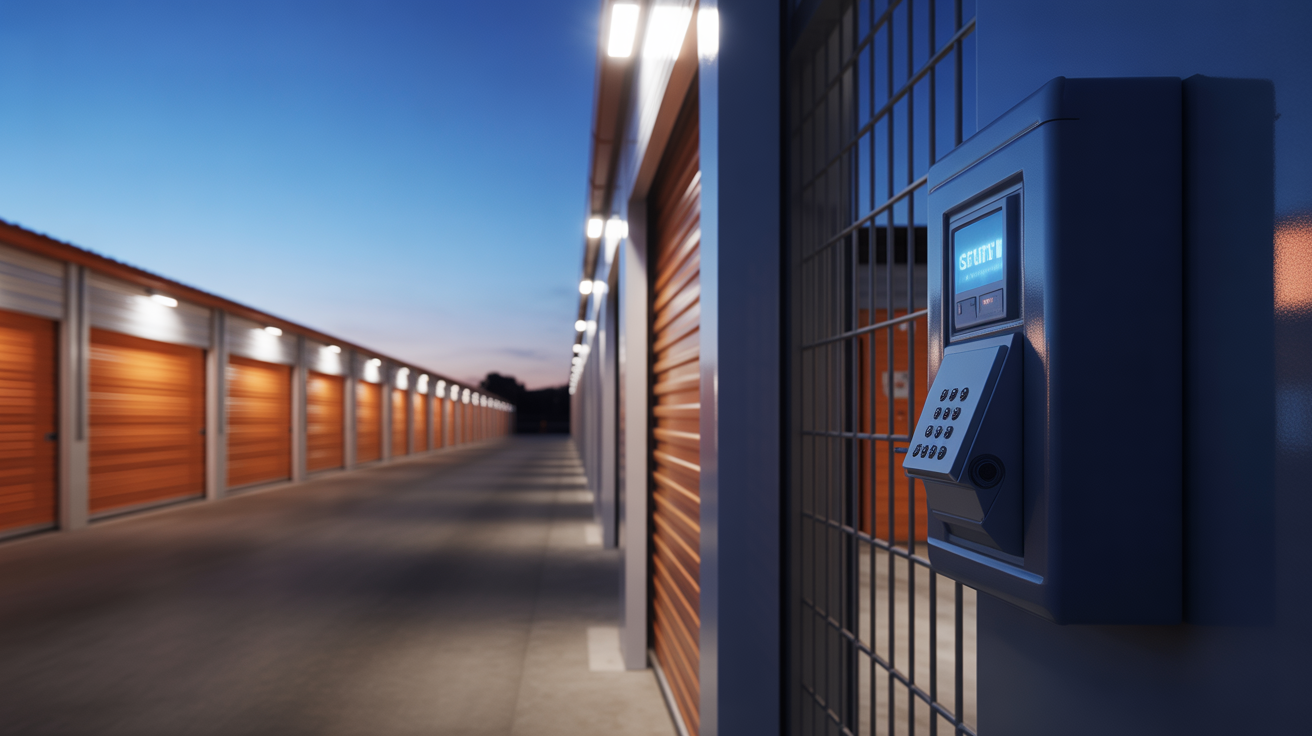
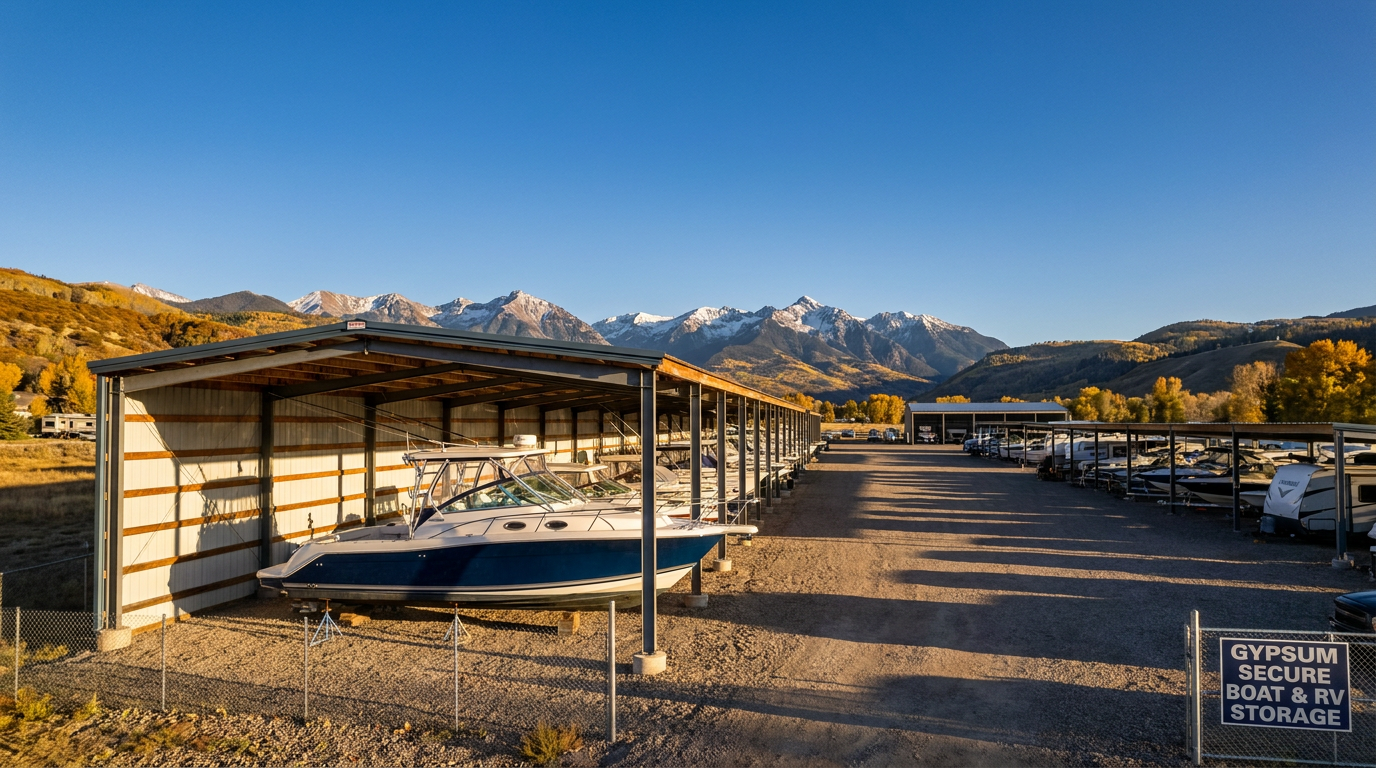
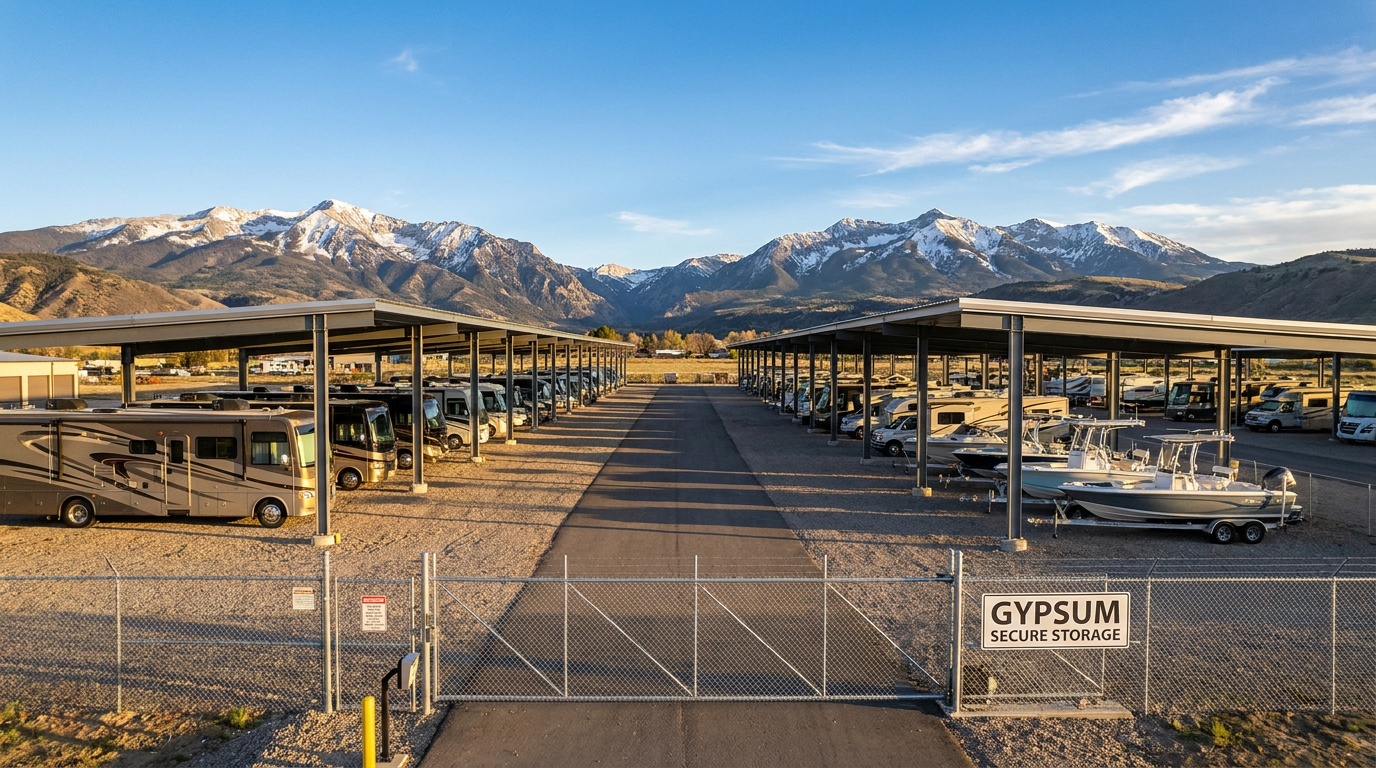
RV and boat storage falls into three main categories: fully enclosed units ($150-500/month), covered parking ($75-200/month), and open lot storage ($50-150/month). The right choice depends on your vehicle dimensions, how often you need access, local weather exposure, and HOA restrictions that may prohibit storing recreational vehicles at home.
Key Points:
- Most RVs require units 12-15 feet wide and 30-50 feet deep with 14-16 foot ceiling clearance
- Enclosed storage costs 2-3x more than open parking but provides complete weather and UV protection
- Drive aisles must be 45-60 feet wide for safe maneuvering of large recreational vehicles
- Many HOAs limit RV parking to 24-72 hours, making off-site storage necessary for most owners
- 24/7 access with smart lock technology allows retrieval before early morning trips
Three Main Storage Types for RVs and Boats
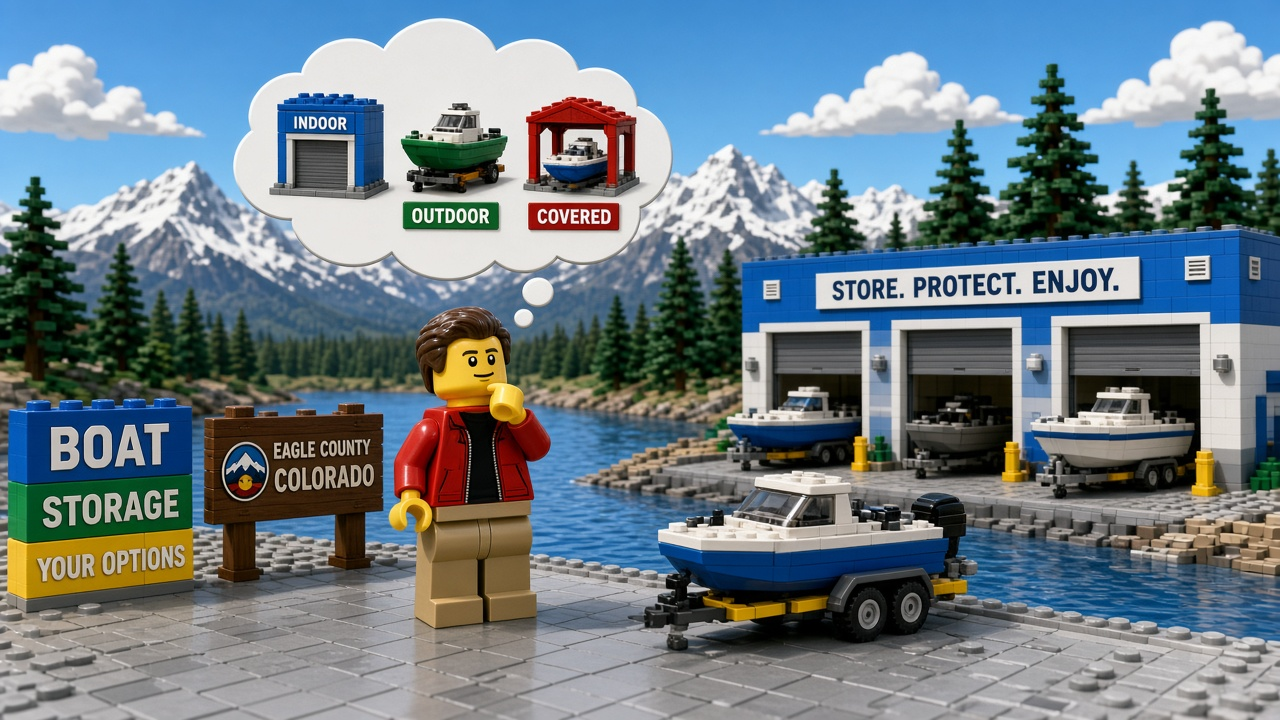
Each storage type offers different levels of protection, accessibility, and cost. Understanding these differences helps you match your storage choice to your vehicle value, usage patterns, and budget constraints.
Fully Enclosed Storage Units
Enclosed units function as private garages accessible only by the renter. Standard dimensions include 12-15 feet width, 45-50 feet depth, and 14-16 foot ceiling heights with 12x14 foot doors. These units provide complete protection from weather, UV damage, theft, and vandalism.
Monthly costs range from $150-500 depending on unit size and location. Premium facilities with climate-controlled storage
cost an additional 25-40% but maintain temperatures between 55-80 degrees Fahrenheit year-round. This temperature regulation prevents moisture damage, battery degradation, and interior cracking common in mountain climates.
Covered Parking Structures
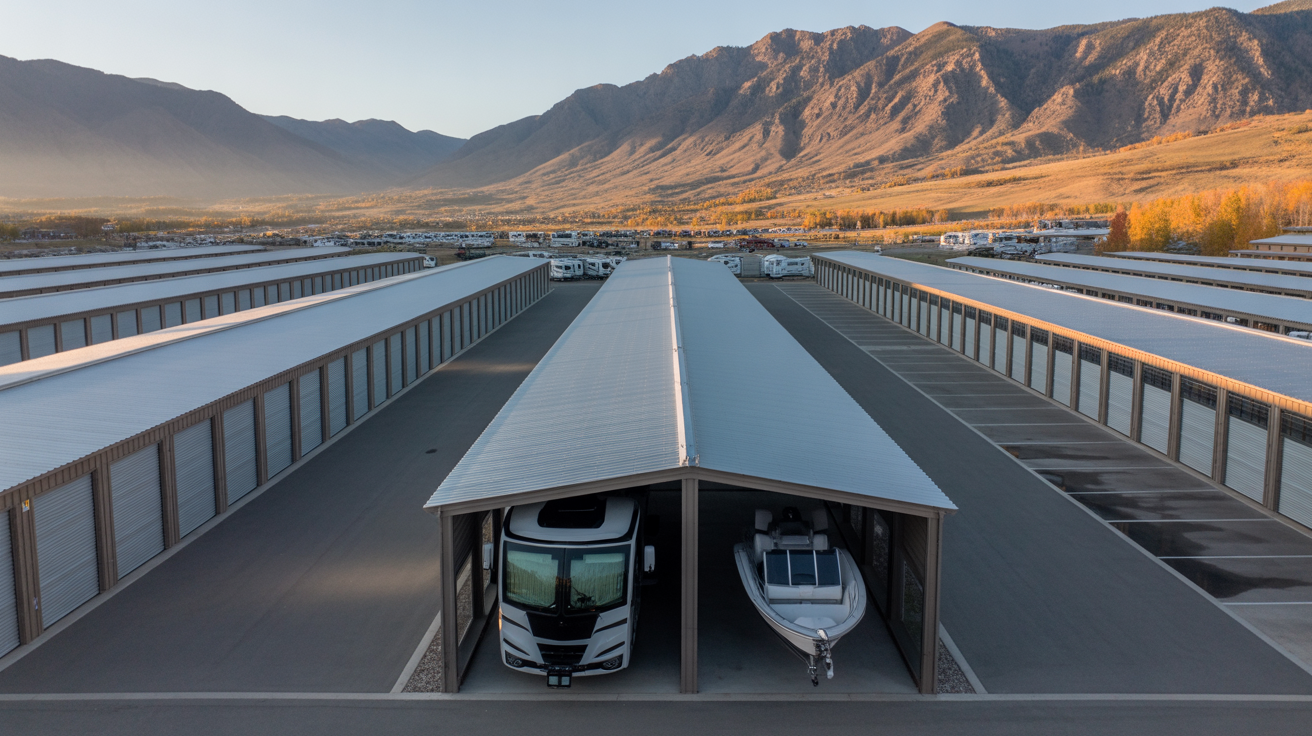
Covered parking provides overhead protection from sun, rain, hail, and snow at moderate cost. Typical monthly rates run $75-200, positioning this option between open lots and enclosed units. The roof shield blocks UV rays that fade paint, crack rubber seals, and deteriorate fiberglass over time.
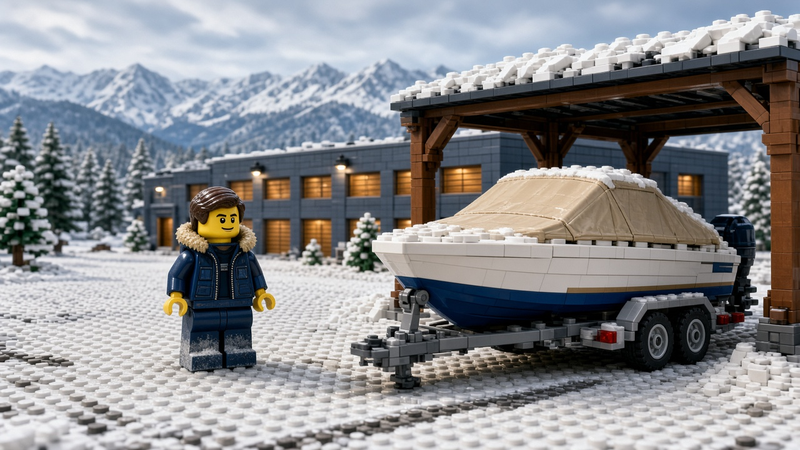
Standard canopy structures have open sides, offering limited protection from wind-driven rain and snow. Three-sided covered units add walls on three sides, improving protection while maintaining easy drive-through access. In Vail Valley, covered storage prevents the heavy snow accumulation that can damage RV roofs and boat covers during winter months.
Open Lot and Uncovered Parking
Open lot storage represents the most budget-friendly option at $50-150 monthly. Vehicles park in designated outdoor spaces, typically on paved or gravel surfaces. This option works well for newer vehicles with quality covers, short-term storage needs, or owners on tight budgets.
Uncovered storage requires additional vehicle preparation. High-quality covers rated for UV protection cost $200-600 but extend vehicle life significantly. Without covers, expect accelerated fading, seal deterioration, and potential weather damage, particularly during Colorado's intense summer sun and winter storms.
Size Requirements by Vehicle Type
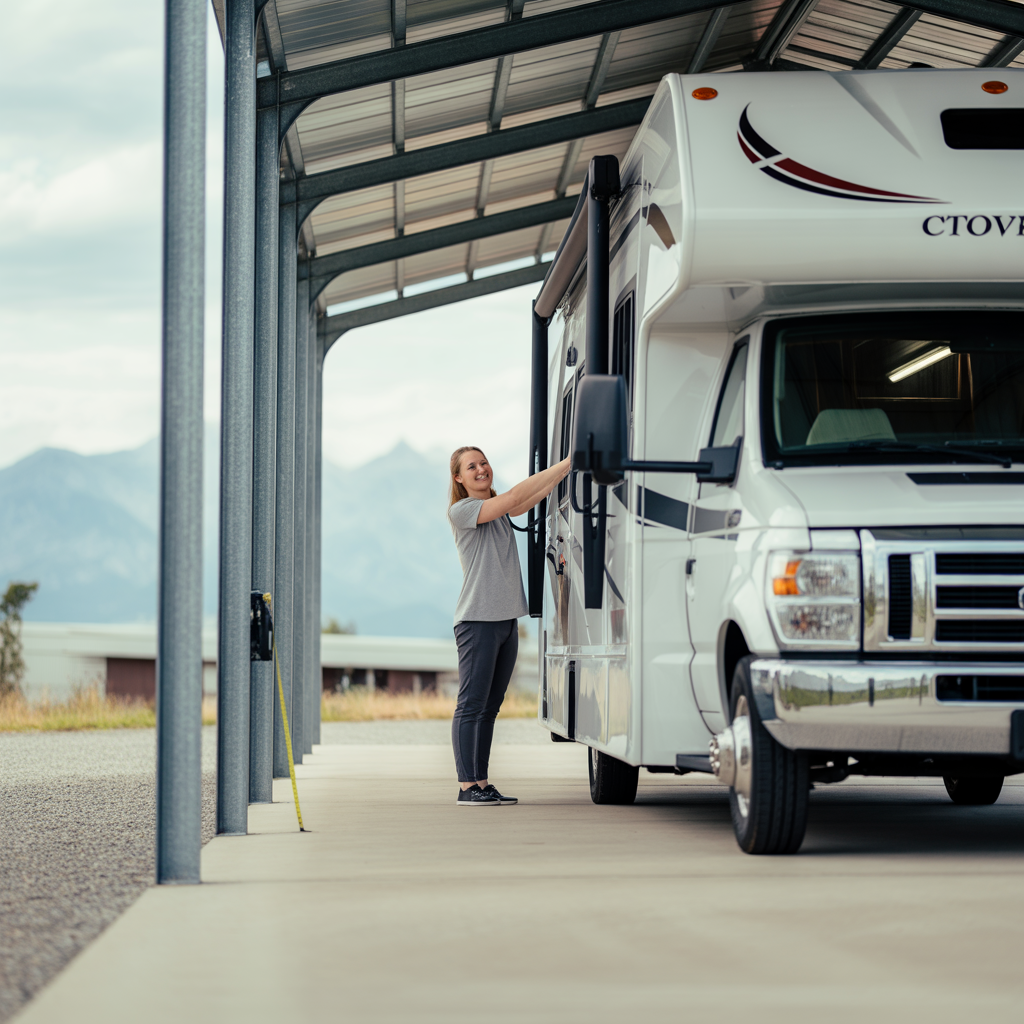
Accurate measurements determine which storage options fit your vehicle. Measure length from bumper to hitch, width including mirrors, and height including any rooftop accessories or antennas.
RV Size Categories and Space Needs
| RV Type |
Typical Length |
Recommended Unit |
| Class B Camper Van |
17-23 feet |
10x25 or 10x30 |
| Class C Motorhome |
23-33 feet |
12x35 or 12x40 |
| Class A Motorhome |
26-45 feet |
14x45 or 15x50 |
| Travel Trailer |
12-35 feet |
10x20 to 12x40 |
| Fifth Wheel |
22-40 feet |
12x30 to 14x45 |
Add 2-3 feet to your vehicle length for comfortable maneuvering room. Height clearance matters most for Class A motorhomes and fifth wheels, which often exceed 12 feet with air conditioning units and satellite dishes.
Boat Storage Dimensions
Boat storage calculations must include the trailer. A 20-foot boat on a trailer typically measures 24-26 feet total length. Width measurements should account for the trailer fenders, which often extend beyond the boat hull.
| Boat Type |
Total Length (with trailer) |
Recommended Unit |
| Personal Watercraft |
12-16 feet |
10x15 or 10x20 |
| Fishing Boat |
18-24 feet |
10x25 or 10x30 |
| Ski/Wake Boat |
22-28 feet |
10x30 or 12x30 |
| Pontoon Boat |
24-32 feet |
12x35 or 14x35 |
Vail Airport Storage offers size guide resources
to help match your specific vehicle dimensions to available units. Our 8x15 open parking spaces accommodate most boats and smaller trailers at $209/month with paved surfaces.
Facility Requirements and Features to Evaluate
Beyond basic space, several facility features significantly impact your storage experience. Evaluate these factors before committing to a long-term rental.
Access and Maneuvering Space
Drive aisle width determines whether you can safely navigate your vehicle. Standard storage facilities designed for cars have 24-foot aisles, far too narrow for RVs and boat trailers. Proper RV and boat facilities maintain 45-60 foot drive aisles for perpendicular parking or 35 feet minimum for angled parking at 60 degrees.
Entry gates should measure at least 30 feet wide to allow two-way traffic. Quality facilities position keypads at both 42 inches and 66 inches from the ground, accommodating car windows and elevated RV cabs. Gate areas should stack at least three vehicles before the security checkpoint to prevent road congestion during busy periods.
Security Features
Recreational vehicles represent significant investments, with Class A motorhomes valued at $100,000-500,000 and quality boats ranging from $20,000-150,000. Security features should match this value.
Essential security elements include:
- Perimeter fencing
at minimum 6 feet height with secure gates
- Camera surveillance
covering all entry points and storage areas
- License plate cameras
recording vehicles entering and exiting
- Individual unit alarms
for enclosed storage
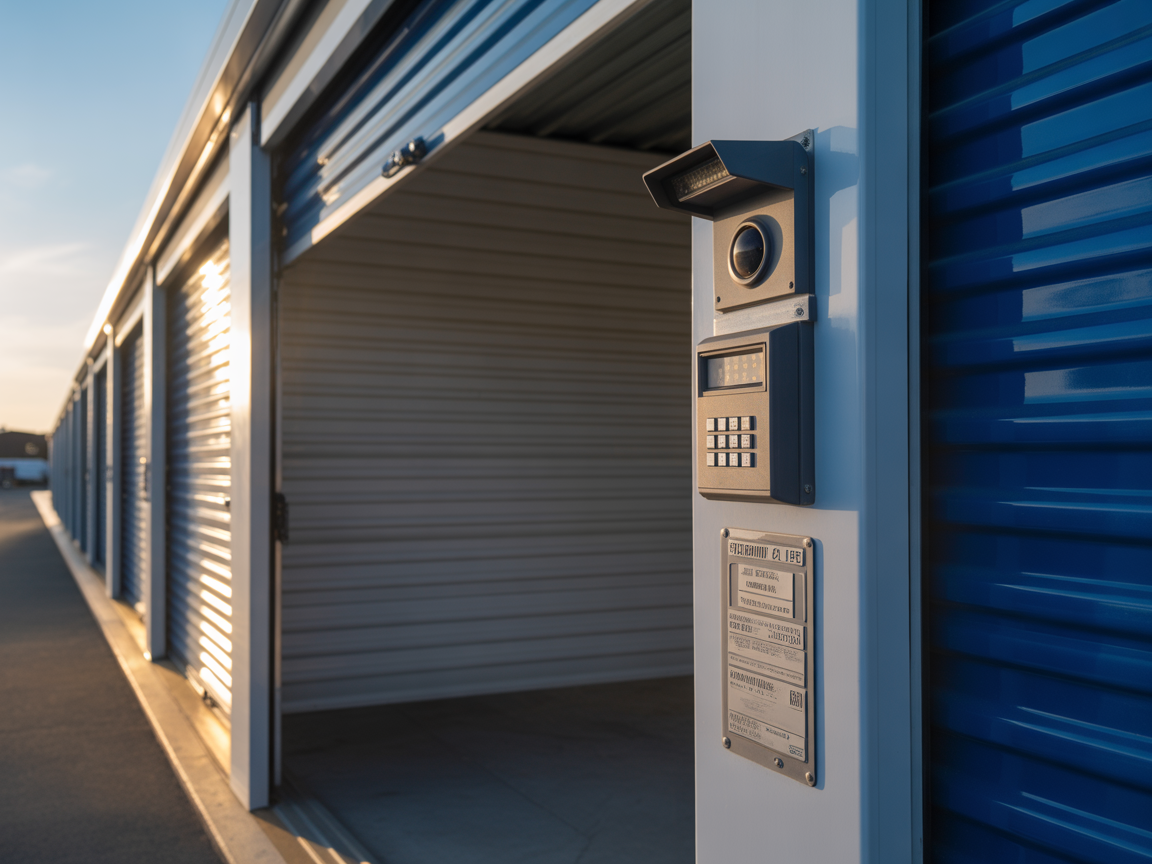
- Smart lock technology
with access tracking and digital key sharing
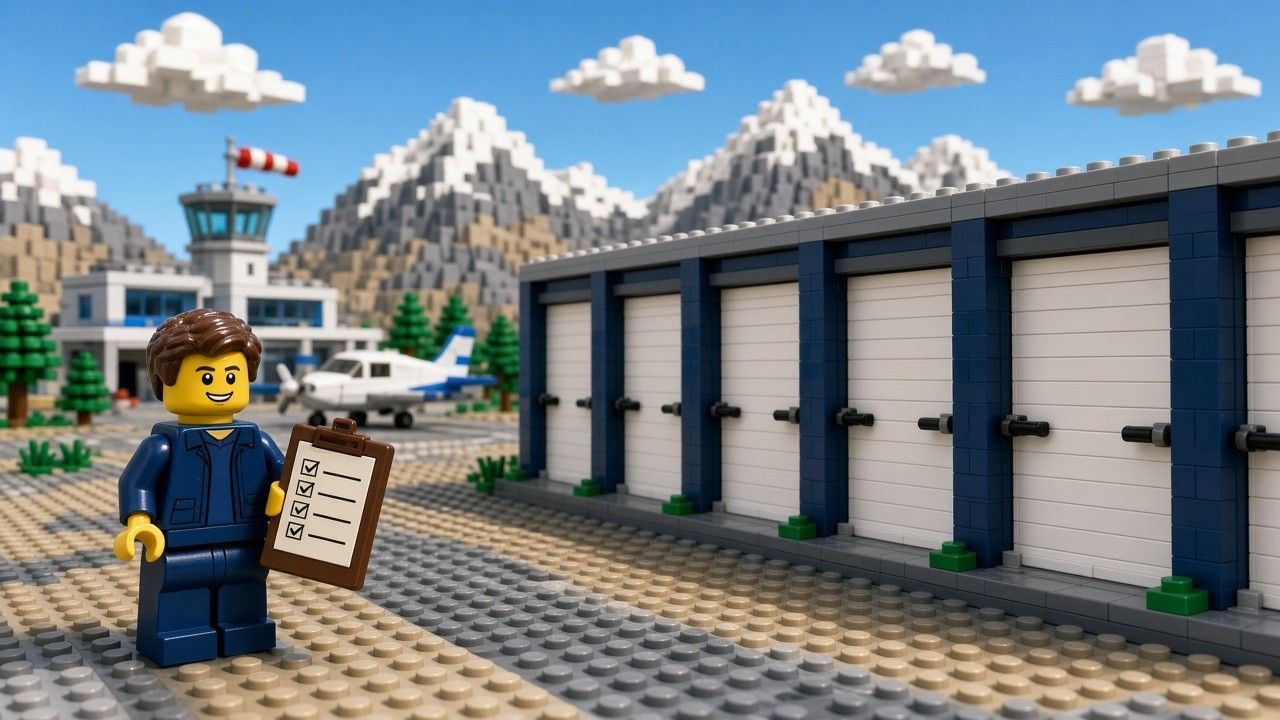
Our airport storage facility
uses smart lock technology that tracks all access events and allows digital key sharing. This proves valuable when you need a friend or family member to retrieve your vehicle while traveling.
Access Hours and Convenience
RV and boat trips often start early. A facility with 9-5 access limits your ability to hit the road before dawn or return late from weekend adventures. Look for 24/7 access with proper lighting throughout the facility.
Location matters for frequent users. A facility 5 minutes from your home saves hours annually compared to one 30 minutes away. For Vail Valley residents, proximity to Eagle County Regional Airport provides convenient access before and after travel.
HOA Restrictions and Legal Requirements
Many RV and boat owners discover they need storage only after receiving HOA violation notices. Understanding these restrictions helps you plan appropriately.
Common HOA Regulations
Homeowner associations frequently restrict recreational vehicle parking to maintain neighborhood aesthetics. Typical rules include:
- Time limits
of 24-72 hours for loading and unloading only
- Out-of-sight requirements
prohibiting any visible RV or boat storage
- Size restrictions
limiting vehicles over certain lengths or heights
- Street parking bans
for recreational vehicles of any size
- Driveway limitations
even for temporary parking
Violations typically result in warning letters, followed by fines ranging from $25-500 per day. Repeated violations can lead to liens on your property or legal action. Some associations have authority to tow vehicles at the owner's expense.
Municipal Regulations
Beyond HOA rules, many municipalities have zoning ordinances restricting RV storage in residential areas. These regulations vary significantly by location. Gypsum and other Eagle County communities have specific rules about vehicle storage that may affect your options.
Check both HOA covenants and local ordinances before assuming you can store your RV or boat at home. Even properties without HOA oversight may face municipal restrictions.
Preparing Your Vehicle for Storage
Proper preparation extends vehicle life and prevents costly repairs. These steps apply to both short-term seasonal storage and longer periods.
RV Storage Preparation Checklist
- Clean thoroughly
inside and out, removing all food to prevent pest attraction
- Drain water systems
completely and add RV antifreeze if storing in freezing temperatures
- Disconnect batteries
or use a battery maintainer to prevent discharge
- Check tire pressure
and consider tire covers to prevent UV damage
- Close all vents and windows
while leaving interior cabinet doors open for air circulation
- Add fuel stabilizer
and run the engine briefly to distribute it
- Cover external components
including air conditioning units and satellite dishes
Boat Storage Preparation
- Flush engine
with fresh water, especially after saltwater use
- Fog the engine
with fogging oil to protect internal components
- Drain all water
from the engine, live wells, and bilge
- Add fuel stabilizer
and fill the tank to prevent condensation
- Remove electronics
and valuables to prevent theft and temperature damage
- Clean and wax
the hull to protect the finish
- Support the trailer
properly to prevent tire flat spots
For extended storage in Colorado's variable mountain climate, climate-controlled units prevent the freeze-thaw cycles that damage seals, crack plastics, and corrode metal components.
Cost Comparison and Value Analysis
Storage costs vary significantly based on type, location, and amenities. This breakdown helps you evaluate the true cost of each option.
Monthly Cost Ranges by Storage Type
| Storage Type |
Monthly Range |
Annual Cost |
| Open Lot Parking |
$50-150 |
$600-1,800 |
| Covered Parking |
$75-200 |
$900-2,400 |
| Enclosed Unit |
$150-350 |
$1,800-4,200 |
| Climate-Controlled Enclosed |
$200-500 |
$2,400-6,000 |
Hidden Costs to Consider
Some facilities charge administrative fees ($25-75), security deposits (often one month's rent), or require insurance purchases. Vail Airport Storage eliminates these extras with no administrative fees or security deposits, reducing your total cost of ownership.
Factor in the cost of damage prevention. A $200 annual premium for enclosed storage may save $2,000-5,000 in repairs from hail damage, UV deterioration, or weather exposure over a vehicle's lifetime.
Frequently Asked Questions
What size storage unit do I need for my RV or boat?
Measure your vehicle's total length (including hitch or trailer tongue), width (including mirrors), and height (including rooftop accessories). Add 2-3 feet to the length for maneuvering room. A 30-foot Class C motorhome typically needs a 12x35 unit, while a 20-foot boat on trailer fits in a 10x25 space.
How much does RV and boat storage cost per month?
Open lot storage costs $50-150 monthly, covered parking runs $75-200, and enclosed units range from $150-500 depending on size and climate control. Premium locations and resort areas like Vail Valley typically fall at the higher end of these ranges.
Can I store my RV in my driveway if my HOA allows it?
Even with HOA permission, check municipal zoning ordinances. Many communities restrict RV storage in residential areas regardless of HOA rules. Some areas allow storage only in rear yards, behind fencing, or with specific screening requirements.
What is the difference between covered and uncovered RV storage?
Covered storage provides overhead protection from sun, rain, hail, and snow, typically costing 50-75% more than uncovered options. Uncovered storage exposes vehicles to all weather elements but costs less. In Colorado's climate with intense UV exposure and hail risk, covered storage significantly reduces maintenance costs.
Are there climate-controlled options for boat and RV storage?
Yes, climate-controlled enclosed units maintain temperatures between 55-80 degrees Fahrenheit year-round. These units cost 25-40% more than standard enclosed storage but prevent freeze damage, battery degradation, interior cracking, and moisture-related issues common in mountain climates.
Choosing the Right Storage for Vail Valley
Vail Valley's mountain climate creates unique storage challenges. Winter temperatures regularly drop below zero, summer sun intensity at altitude accelerates UV damage, and afternoon thunderstorms bring hail risk from May through September.
For vehicles valued over $50,000 or those containing sensitive electronics, climate-controlled enclosed storage provides the best protection. Mid-range vehicles benefit from covered parking that blocks the worst weather while keeping costs manageable. Budget-conscious owners can use open storage with quality covers, accepting some additional maintenance requirements.
Consider your usage patterns. Frequent users benefit from 24/7 access and convenient locations that minimize travel time. Seasonal users storing vehicles for 6 or more months should prioritize protection over access convenience.
Find Your RV or Boat Storage Solution
Vail Airport Storage offers open parking, drive-up units with power, and climate-controlled options for recreational vehicles. Located near Eagle County Regional Airport with 24/7 smart lock access and no administrative fees.
View Available Units