What to Do Before Renting Your First Storage Unit
Complete checklist for first-time storage renters: assess needs, compare facilities, prepare belongings, and avoid costly mistakes. Expert tips included.

Before renting your first storage unit, complete these five essential steps: inventory your belongings, calculate the right unit size, compare facility security and pricing, gather required documents, and prepare items for storage. Most first-time renters overspend by 15 to 25 percent by skipping this preparation process.
- Calculate unit size accurately: 5x5 holds one room, 10x10 holds a one-bedroom apartment, 10x20 holds a three-bedroom home
- Budget $37 to $276 per month for most residential storage needs, with climate control adding 20 to 30 percent
- Bring government-issued photo ID, proof of address, and payment method to complete rental
- Clean, photograph, and inventory all items before storing to protect your investment and simplify insurance claims
- Visit facilities in person to verify security features, access hours, and unit condition before signing
Step 1: Create a Complete Inventory of Items to Store
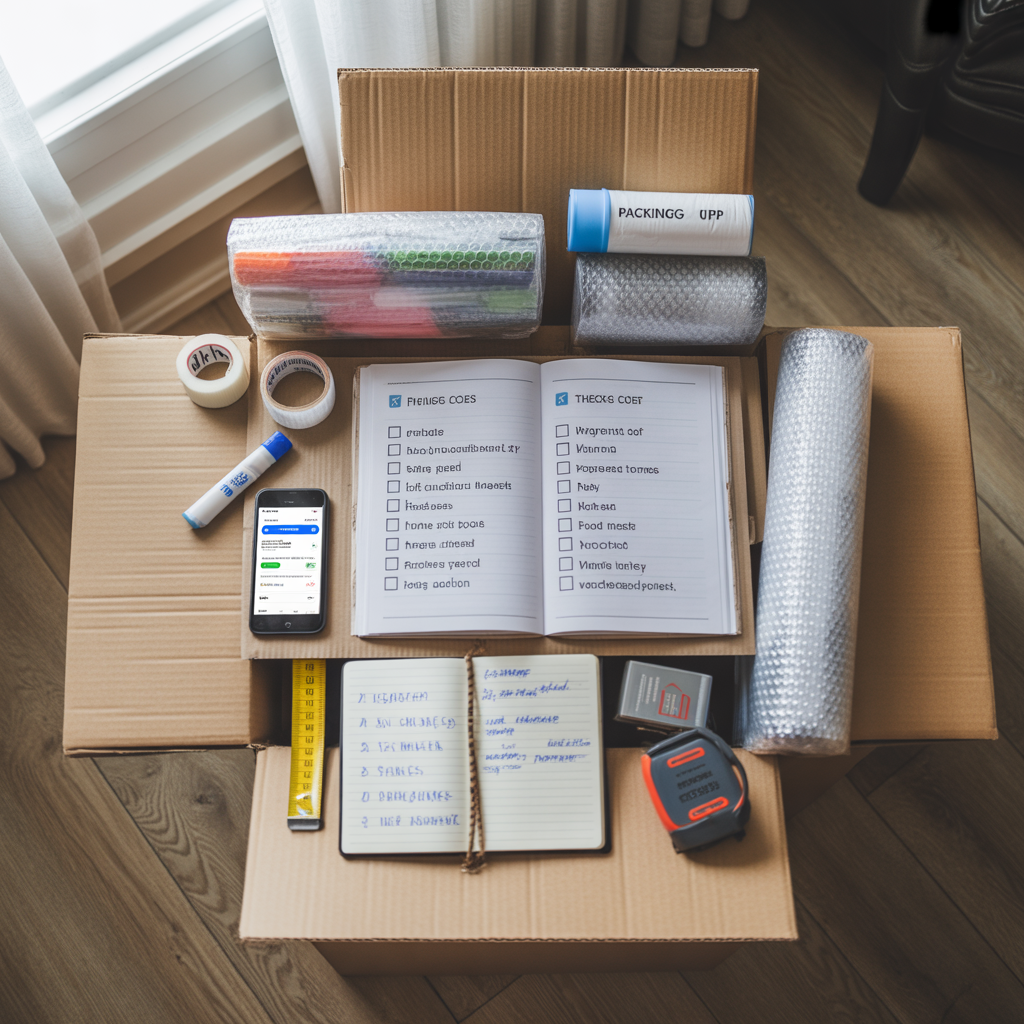
Start by walking through your home with a notebook or smartphone and listing every item you plan to store. Group items by category: furniture, boxes, appliances, seasonal items, and specialty equipment like skis or bicycles. This inventory becomes your master reference for choosing unit size, purchasing insurance, and locating items later.
Separate items into three priority levels. High-priority items include things you might need to access within the first three months. Medium-priority items are seasonal or occasional use belongings. Low-priority items are long-term storage candidates you will not need for six months or longer. This categorization determines how you pack and organize your unit.
Items You Cannot Store
Storage facilities prohibit specific items for safety and legal reasons. Never store perishable food, flammable materials like gasoline or propane, hazardous chemicals, firearms without proper documentation, or any living creatures including plants. Wet or damp items attract mold and can damage neighboring units.
Keep these items elsewhere rather than in storage: original birth certificates, passports, cash, high-value jewelry exceeding $5,000, irreplaceable family photographs, and medications. Safe deposit boxes or home safes provide better protection for these valuables.
Declutter Before You Pack
The average American household contains 300,000 items according to professional organizing statistics. Renting storage for items you no longer need wastes $50 to $200 monthly. Before packing, apply the four D's of self storage: decide what you truly need, donate usable items to charity, discard broken or worthless items, and distribute items to family members who can use them.
Schedule a dedicated decluttering weekend two to three weeks before your move date. Sort items into keep, donate, sell, and trash piles. Selling unwanted items on local marketplaces can offset your first few months of storage costs.
Step 2: Calculate the Right Storage Unit Size
Choosing the wrong size costs money either way. Too small forces you to upgrade and move everything again. Too large means paying for empty space every month. Use this sizing guide based on typical room contents:
| Unit Size | Square Feet | Typical Contents | Monthly Cost Range |
|---|---|---|---|
| 5x5 | 25 sq ft | Small closet, 10-15 boxes, seasonal items | $37 to $69 |
| 5x10 | 50 sq ft | Walk-in closet, mattress set, dresser, 20+ boxes | $39 to $123 |
| 10x10 | 100 sq ft | One-bedroom apartment, small office | $57 to $75 |
| 10x15 | 150 sq ft | Two-bedroom apartment or house | $87 to $231 |
| 10x20 | 200 sq ft | Three-bedroom home, vehicle storage | $124 to $276 |
| 10x30 | 300 sq ft | Four+ bedroom home, multiple vehicles | $174+ |
When in doubt, choose one size up from your estimate. The additional $10 to $30 monthly provides flexibility and prevents the hassle of upgrading later. Use a facility's storage size guide to visualize exactly what fits in each unit dimension.
Factor in Vertical Space
Most storage units have 8 to 10 foot ceilings. Stacking boxes and using shelving units can reduce your required floor space by 30 to 40 percent. Plan to stack sturdy boxes three to four high, with heavier items on the bottom. Purchase or rent wire shelving units to maximize vertical storage for smaller items.
Step 3: Decide Between Climate Control and Standard Units
Climate-controlled storage maintains temperatures between 55 and 80 degrees Fahrenheit year-round and regulates humidity between 30 and 50 percent. This protection costs 20 to 30 percent more than standard units but prevents damage to sensitive items.
When Climate Control Is Essential
Choose climate-controlled storage if you are storing any of the following:
- Wood furniture: Temperature swings cause warping, cracking, and joint separation
- Electronics: Humidity damages circuit boards and causes corrosion within 3 to 6 months
- Leather and upholstery: Extreme temperatures cause cracking and mold growth
- Documents and photographs: Paper yellows and photographs stick together in humidity
- Musical instruments: Wood and string instruments require stable conditions
- Wine collections: Temperature fluctuations ruin wine within weeks
- Artwork and antiques: Paint cracks and finishes deteriorate in extreme conditions
- Ski and snowboard equipment: Wax, bindings, and boot materials degrade in heat
In mountain climates like the Vail Valley, where temperatures range from below zero to above 90 degrees Fahrenheit annually, climate control becomes particularly important for protecting valuable belongings from extreme temperature swings.
When Standard Units Work Fine
Save money with standard drive-up units for these items: metal tools and equipment, outdoor furniture, holiday decorations in sealed plastic bins, camping and sports gear designed for outdoor use, and vehicles with proper preparation. Standard units also work well for short-term storage under three months in moderate weather.
Step 4: Compare Storage Facilities and Pricing
Not all storage facilities offer equal value. Visit at least three facilities in person before committing. Online photos and virtual tours cannot reveal cleanliness issues, pest problems, or security gaps that become obvious during an in-person visit.
Security Features to Verify
Ask these specific questions during your facility tour:
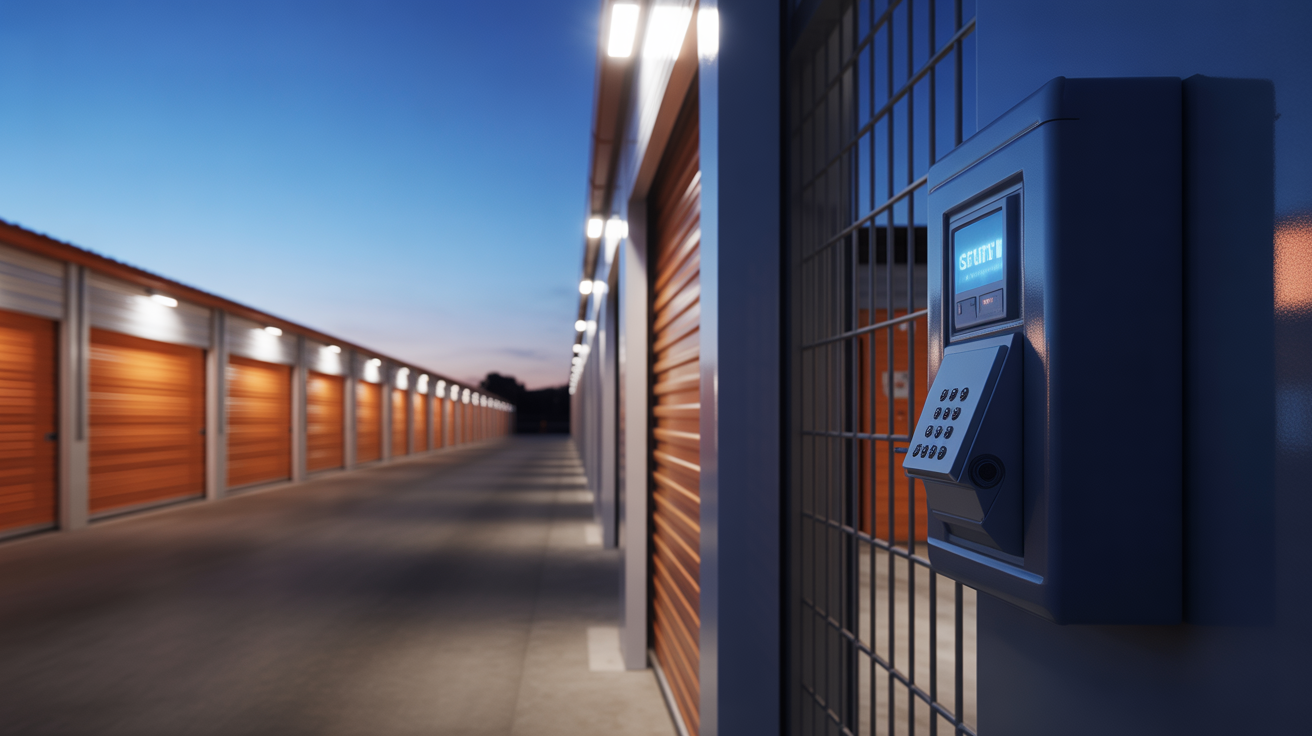
- Access control: Does the facility use individual access codes or smart locks? Generic keys shared among tenants create security risks.
- Surveillance coverage: Are cameras positioned to capture unit hallways and doors, or just parking areas?
- Lighting: Walk the facility at dusk to check lighting in parking areas, hallways, and near your potential unit.
- Fencing and gates: Perimeter security should include solid fencing and controlled gate access.
- On-site management: Facilities with on-site managers during business hours typically experience fewer break-ins.
Modern facilities offer smart lock technology that provides digital key sharing, access tracking, and the ability to grant temporary access to movers or family members. This technology eliminates lost key concerns and creates an access log for added security.
Pricing and Contract Terms
Storage pricing varies significantly based on location, amenities, and promotional offers. Understand these cost factors before signing:
Base monthly rent: The advertised price for your unit size. Climate-controlled units typically cost $10 to $50 more monthly than standard units of the same size.
Administrative fees: Some facilities charge $20 to $50 one-time administrative or setup fees. Others, like facilities that advertise no administrative fees, waive these charges entirely.
Security deposits: Traditional facilities often require one month's rent as a security deposit. Look for facilities offering no security deposit requirements to reduce upfront costs.
Insurance requirements: Most facilities require proof of insurance covering stored items. Options include adding a rider to your homeowner's or renter's policy for $10 to $20 annually, or purchasing facility-offered coverage for $10 to $30 monthly.
Rate increases: Ask about rate increase policies. Some facilities guarantee rates for 6 to 12 months, while others can increase rates with 30 days notice.
Questions to Ask Before Signing
Prepare this list of questions for facility managers:
- What are the access hours? 24/7 access provides flexibility for early morning or late night visits.
- How do you handle pest control? Monthly treatments indicate proactive management.
- What happens if I need to change unit sizes? Understand transfer policies and fees.
- How much notice is required to vacate? Most facilities require 10 to 30 days written notice.
- What payment methods do you accept? Auto-pay options often include small discounts.
- Are there any current promotions? Many facilities offer 50 percent off for the first one to three months.
Step 5: Gather Required Documents
Storage facilities require specific documentation to complete your rental. Arriving without proper documents delays your move-in and wastes time. Gather these items before your appointment:
Identification Requirements
Government-issued photo ID: Driver's license, state ID, passport, or military ID. The name must match your payment method.
Proof of current address: Utility bill, bank statement, or lease agreement dated within the last 60 days. Some facilities accept your ID if the address is current.
Vehicle information: If storing a vehicle, bring registration and proof of insurance. Some states require facilities to record VIN numbers.
Payment Preparation
Expect to pay the following at move-in:
- First month's rent (prorated if moving in mid-month)
- Administrative fee if applicable ($0 to $50)
- Security deposit if required ($0 to one month's rent)
- Lock purchase if required ($10 to $25)
- Insurance premium if purchasing through facility ($10 to $30)
Total move-in costs typically range from one month's rent to 2.5 times monthly rent depending on facility policies. Facilities waiving administrative fees and security deposits significantly reduce this initial investment.
Do Storage Facilities Run Credit Checks?
Most self storage facilities do not run credit checks for standard rentals. Unlike apartment rentals, storage agreements are month-to-month with minimal financial risk to the facility. However, some facilities may check credit for premium units, vehicle storage, or commercial accounts. Ask about credit requirements when calling to reserve your unit.
Step 6: Prepare Your Belongings for Storage
Proper preparation prevents damage and makes retrieval easier. Spend time preparing items correctly before moving day to protect your investment.
Cleaning and Disassembly
Clean all items before storing. Dirt, food residue, and organic matter attract pests and cause odors. Specific preparation steps include:
Furniture: Wipe down all surfaces with appropriate cleaners. Apply furniture polish to wood pieces. Remove cushions from upholstered furniture and store separately in breathable covers.
Appliances: Clean interiors thoroughly. Leave refrigerator and freezer doors slightly open to prevent mold. Disconnect and drain washing machine hoses. Clean dryer lint traps completely.
Clothing and textiles: Wash or dry clean all items. Store in vacuum-sealed bags or breathable garment bags, not plastic that traps moisture.
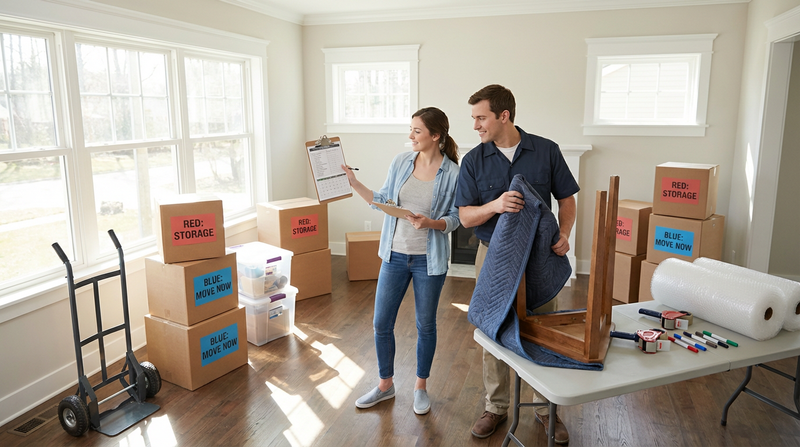
Disassembly: Remove legs from tables, disassemble bed frames, and take apart modular furniture. Keep hardware in labeled plastic bags taped to the corresponding furniture piece. Take photos of complex assemblies for reference during reassembly.
Packing Materials and Techniques
Invest in quality packing materials. Damaged items from poor packing cost more than proper supplies. Essential materials include:
- Sturdy boxes: Use uniform sizes for easy stacking. Medium boxes (18x18x16 inches) work best for most items.
- Packing paper: Unprinted newsprint protects without ink transfer. Use for wrapping dishes, glassware, and decorative items.
- Bubble wrap: Reserve for fragile items like electronics, artwork, and delicate collectibles.
- Furniture covers: Moving blankets or fitted covers protect against dust and scratches.
- Mattress bags: Plastic mattress bags prevent staining and pest infiltration.
- Packing tape: Use quality tape rated for moving boxes. Dollar store tape fails in temperature fluctuations.
Labeling and Inventory Systems
Create a labeling system before packing your first box. Effective systems include:
Color coding: Assign colors to rooms or categories. Blue labels for bedroom items, green for kitchen, yellow for office supplies. This allows quick visual sorting without reading every label.
Numbered inventory: Number each box and maintain a master list describing contents. Box 1: Winter coats, scarves, gloves. Box 2: Holiday decorations, tree stand, lights. Store this list digitally and keep a printed copy.
Multi-side labeling: Label boxes on top and at least two sides. Stacked boxes hide top labels, and boxes against walls hide side labels.
Priority marking: Mark boxes you may need to access with a distinct symbol or color. Place these boxes near the front of your unit.
Photographing Valuable Items
Document the condition of valuable items before storage. This documentation serves two purposes: supporting insurance claims if damage occurs, and providing reference for proper reassembly or setup.
Photograph electronics from multiple angles, capturing model numbers and serial numbers. Document furniture condition including any existing scratches or wear. Create a video walkthrough of your packed unit before closing the door. Store photos and videos in cloud storage accessible from any device.
Step 7: Plan Your Moving Day Logistics
Moving day efficiency depends on advance planning. Coordinate these elements for a smooth experience:
Transportation Options
Rental trucks: Reserve two to three weeks in advance, especially during peak moving season from May through September. Cargo van rentals cost $20 to $40 daily for small loads. Box trucks range from $40 to $100 daily depending on size.
Professional movers: Hourly rates range from $80 to $200 for two movers with a truck. Most companies require two to four hour minimums. Book two to four weeks ahead for guaranteed availability.
Personal vehicles: Multiple trips in personal vehicles work for small storage needs but increase total time significantly. Calculate whether rental costs offset time savings.
Loading Strategy
Plan your loading order before the truck arrives. Load items in reverse order of how you want them positioned in your unit:
- Load first (goes to back of unit): Large furniture, mattresses stood on edge, appliances, items you will not need for months
- Load second (middle of unit): Medium boxes, seasonal items, bulk storage
- Load last (front of unit): Frequently accessed items, priority boxes, items you may need within weeks
Create a center aisle in your unit for access to back items. Leave 2 to 3 feet of walking space rather than packing wall to wall. This accessibility prevents complete unpacking when you need one item from the back.
Timing Considerations
Schedule your move strategically:
- Day of week: Weekday moves often mean less traffic at facilities and lower rental truck rates
- Time of day: Morning moves beat afternoon heat and provide buffer time for delays
- Month: Winter months offer lower rates and better availability than summer peak season
- Weather: Check forecasts and reschedule if rain or snow threatens. Wet items in storage create mold problems.
Step 8: Understand Your Rental Agreement
Read every section of your storage rental agreement before signing. Key terms to understand include:
Payment Terms and Late Fees
Most facilities charge late fees starting 5 to 10 days after the due date. Typical late fees range from $10 to $50 or 10 to 20 percent of monthly rent. Continued non-payment leads to lien proceedings after 30 to 90 days depending on state law. Set up autopay to avoid accidental late payments.
Lien Laws and Auction Procedures
Storage facilities can auction your belongings to recover unpaid rent. Colorado law requires facilities to send written notice of default and provide a redemption period before auction. Understand your state's specific requirements and the facility's procedures. Never assume you can simply walk away from a storage agreement without consequences.
Insurance and Liability
Standard rental agreements limit facility liability for stored items. Your belongings are typically not covered by the facility's insurance. Options for protecting your items include:
- Homeowner's or renter's insurance: Many policies cover stored items up to 10 percent of total coverage. Contact your insurance provider to confirm coverage and add riders if needed.
- Facility-offered insurance: Convenient but often more expensive than adding coverage to existing policies. Compare rates and coverage limits.
- Standalone storage insurance: Specialized policies available for high-value collections or business inventory.
Access and Restrictions
Confirm access policies match your needs. Some facilities restrict access to business hours while others offer 24/7 access. Understand any restrictions on:
- After-hours access procedures
- Guest or authorized user policies
- Vehicle size restrictions in parking areas
- Prohibited activities on facility property
Facilities with smart lock technology and 24/7 access provide maximum flexibility for accessing your belongings whenever needed, which proves especially valuable for travelers or those with unpredictable schedules.

Frequently Asked Questions
What is required to rent a storage unit?
You need a valid government-issued photo ID, proof of current address dated within 60 days, and a payment method for the first month's rent plus any applicable fees. Some facilities also require proof of insurance for stored items. Vehicle storage requires registration and insurance documentation.
What are the 4 D's of self storage?
The 4 D's help you decide what to store: Decide what you truly need to keep, Donate usable items you no longer want, Discard broken or worthless items, and Distribute belongings to family or friends who can use them. Applying these principles before renting prevents paying to store items you should eliminate.
Do they run your credit to get a storage unit?
Most self storage facilities do not run credit checks for standard unit rentals. Storage agreements are month-to-month with minimal financial risk, unlike apartment leases. Some facilities may check credit for premium units, vehicle storage, or commercial accounts. Ask about credit requirements when reserving your unit.
How much does a storage unit cost and what affects pricing?
Storage unit costs range from $37 to $519 monthly depending on size, location, and features. Climate control adds 20 to 30 percent to base prices. Urban locations cost more than suburban facilities. Ground-floor and drive-up access units often carry premium pricing. Promotional offers can reduce first-month costs by 50 percent or more.
What size storage unit do I need for my apartment or house?
A 5x10 unit holds a studio apartment or one room of furniture. A 10x10 unit accommodates a one-bedroom apartment. A 10x15 holds a two-bedroom home. A 10x20 fits a three-bedroom house. Add one size up if storing vehicles, large appliances, or maintaining an access aisle.
Is climate-controlled storage worth the extra cost?
Climate control is worth the 20 to 30 percent premium for wood furniture, electronics, documents, photographs, leather goods, musical instruments, and wine. Standard units work fine for metal items, plastic bins, outdoor equipment, and short-term storage under three months. In areas with extreme temperatures, climate control prevents costly damage to sensitive belongings.
What insurance do I need for items in storage?
Check if your homeowner's or renter's policy covers stored items, typically up to 10 percent of total coverage. If not, add a storage rider for $10 to $20 annually or purchase facility-offered coverage for $10 to $30 monthly. Document valuable items with photographs and maintain a written inventory for claims.
How do I organize a storage unit for easy access?
Create a center aisle for walking access. Place frequently needed items near the front. Stack boxes with heaviest on bottom, three to four high maximum. Label boxes on multiple sides. Use shelving to maximize vertical space. Keep a master inventory list with box numbers and contents.
How do I keep mice out of my storage unit?
Never store food or items with food residue. Use plastic bins instead of cardboard boxes. Place cotton balls soaked in peppermint oil around the unit perimeter. Inspect the unit for gaps before renting. Choose facilities with documented pest control programs. Report any signs of pests immediately to facility management.
First-Time Renter Checklist
Use this checklist to ensure you complete all preparation steps:
Two to Four Weeks Before:
- Complete home inventory of items to store
- Declutter using the 4 D's method
- Calculate required unit size
- Research and visit three or more facilities
- Compare pricing, security, and contract terms
- Reserve your unit and confirm move-in date
One Week Before:
- Purchase packing supplies
- Begin packing non-essential items
- Reserve moving truck or schedule movers
- Gather required documents
- Confirm insurance coverage
Two to Three Days Before:
- Clean all furniture and appliances
- Disassemble large furniture pieces
- Complete packing and labeling
- Photograph valuable items
- Finalize inventory list
Moving Day:
- Load truck in reverse unit order
- Bring ID, payment, and documents to facility
- Complete rental agreement
- Inspect unit before loading
- Unload with access aisle in mind
- Photograph loaded unit before locking
Following this comprehensive preparation process saves money, prevents damage, and ensures your first storage experience is successful. Take time to complete each step rather than rushing into a rental that may not meet your needs.
Ready to Find Your Perfect Storage Unit?
Vail Airport Storage offers climate-controlled and drive-up units with smart lock technology, 24/7 access, and no administrative fees or security deposits. Take advantage of our current promotion: 50% off your first three months.
View Available Units