Storage Unit Organization Systems and Shelving Ideas
Maximize your storage unit with proven shelving systems, organization tips, and layout strategies. Learn which systems work best for 5x5 to 10x30 units.
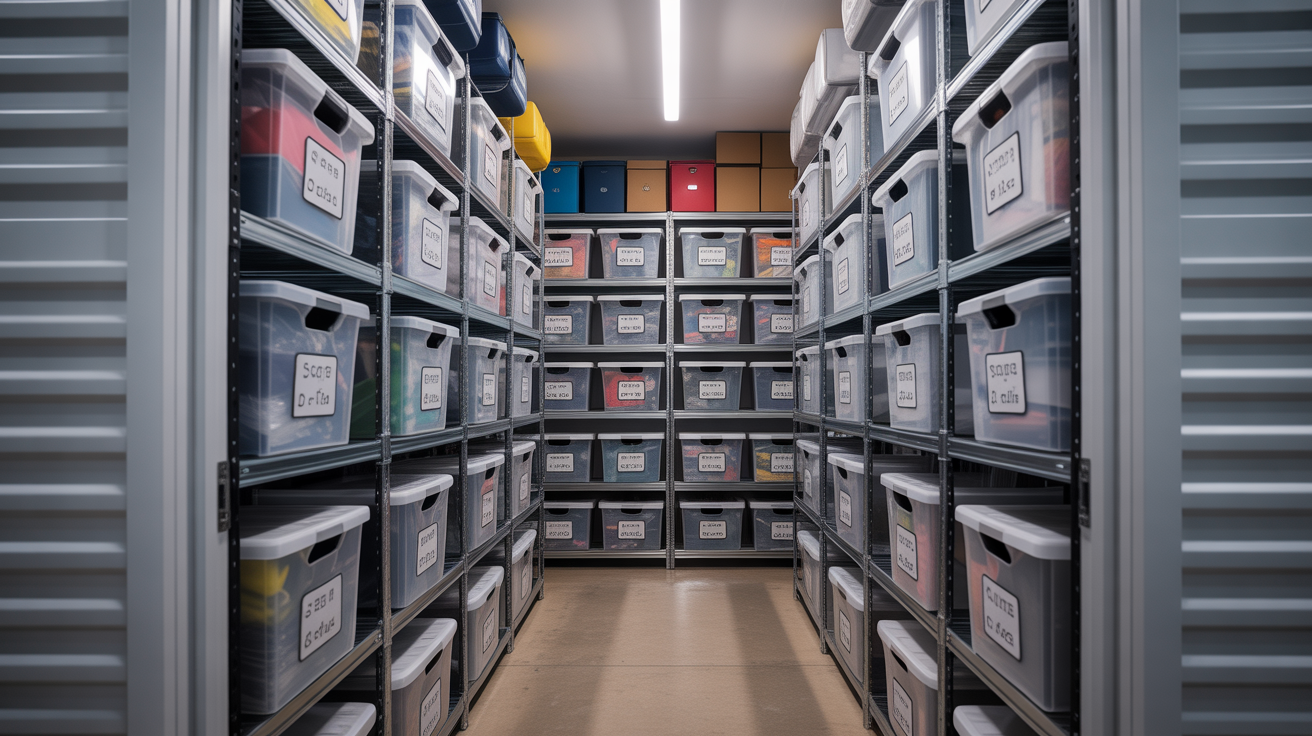
The right shelving system transforms a cluttered storage unit into an accessible, organized space where you can find any item in under 60 seconds. Freestanding wire shelving units ($30 to $150 each) work best for most renters, while wall-mounted systems and industrial steel racks suit long-term storage needs in units 10x10 and larger.
- Freestanding wire shelving ($30 to $150 per unit) offers the best balance of cost, durability, and flexibility for most storage units
- Vertical organization can increase usable storage space by 40% to 60% in units with 8 to 10 foot ceilings
- Clear plastic bins (not cardboard) paired with a labeling system reduce item retrieval time from 15 minutes to under 2 minutes
- Create a center aisle at least 36 inches wide for safe access to all stored items
- Climate-controlled units protect shelving investments and stored items from temperature damage ranging from minus 20 to 100 degrees Fahrenheit in mountain climates
Choosing the Right Shelving System for Your Unit Size
Storage unit dimensions directly determine which shelving systems will fit and function properly. A 5x5 unit (25 square feet) requires compact, space-efficient solutions, while a 10x20 unit (200 square feet) can accommodate industrial-grade systems with multiple configurations. Matching your shelving to your unit size prevents wasted space and blocked access.
Small Units: 5x5 to 5x10 (25 to 50 Square Feet)
Small units benefit most from vertical shelving placed against the back wall. A single 48-inch wide, 72-inch tall wire shelving unit costs $40 to $80 and holds 350 to 500 pounds per shelf. This setup leaves a 24 to 36 inch walkway for access while tripling your usable vertical space.
For climate-controlled units storing temperature-sensitive items, consider plastic or coated wire shelving that resists humidity fluctuations. Avoid uncoated metal in non-climate units where condensation can cause rust within 6 to 12 months.
Medium Units: 10x10 to 10x15 (100 to 150 Square Feet)
Medium units allow for L-shaped or U-shaped shelving configurations. Place primary shelving units along the back and one side wall, leaving the opposite side for larger items like furniture or appliances. Budget $150 to $400 for a complete medium unit shelving setup.
Industrial steel shelving becomes cost-effective at this size. Units rated for 1,000 to 2,000 pounds per shelf cost $100 to $200 each and last 15 to 20 years with proper care. These handle heavy items like tools, equipment, and packed boxes without bowing.
Large Units: 10x20 to 10x30 (200 to 300 Square Feet)
Large units support warehouse-style organization with multiple shelving zones. Create distinct areas for different item categories: seasonal items near the back, frequently accessed items near the door, and heavy equipment at ground level. A comprehensive shelving system for large units costs $400 to $1,000.
Consider pallet racking systems for units storing commercial inventory or heavy equipment. These industrial systems cost $200 to $500 per section but hold 2,000 to 4,000 pounds per level. Check with your storage facility about weight limits and floor load capacity before installation.
Types of Shelving Systems Compared
Each shelving type offers distinct advantages for storage unit applications. Your choice depends on budget, weight requirements, assembly preferences, and whether you need permanent or portable solutions.
| Shelving Type | Cost Range | Weight Capacity | Best For |
|---|---|---|---|
| Wire Shelving | $30 to $150 | 250 to 500 lbs/shelf | Boxes, bins, general storage |
| Plastic Shelving | $25 to $100 | 100 to 250 lbs/shelf | Light items, humid conditions |
| Steel Shelving | $100 to $300 | 500 to 2,000 lbs/shelf | Heavy items, tools, equipment |
| Wood Shelving | $50 to $200 | 200 to 400 lbs/shelf | Custom builds, aesthetic needs |
| Pallet Racking | $200 to $500 | 2,000 to 4,000 lbs/level | Commercial, warehouse storage |
Wire Shelving: The Versatile Standard
Wire shelving dominates storage unit applications for good reason. The open design allows air circulation (critical for preventing mold), visibility of contents, and easy cleaning. Chrome-plated or epoxy-coated versions resist rust for 5 to 10 years even in non-climate-controlled environments.
Assembly takes 15 to 30 minutes with no tools required for most models. Adjustable shelf heights in 1-inch increments accommodate items from small boxes to tall equipment. Popular brands include Metro, Honey-Can-Do, and Amazon Basics, with prices ranging from $40 for basic 4-shelf units to $150 for heavy-duty 6-shelf configurations.
Steel Shelving: Built for Heavy Loads
Steel shelving handles weight that would buckle wire or plastic alternatives. Boltless assembly systems allow setup in 20 to 45 minutes, with shelf heights adjustable in 1.5-inch increments. The solid shelf surface (versus wire mesh) provides stability for irregularly shaped items.
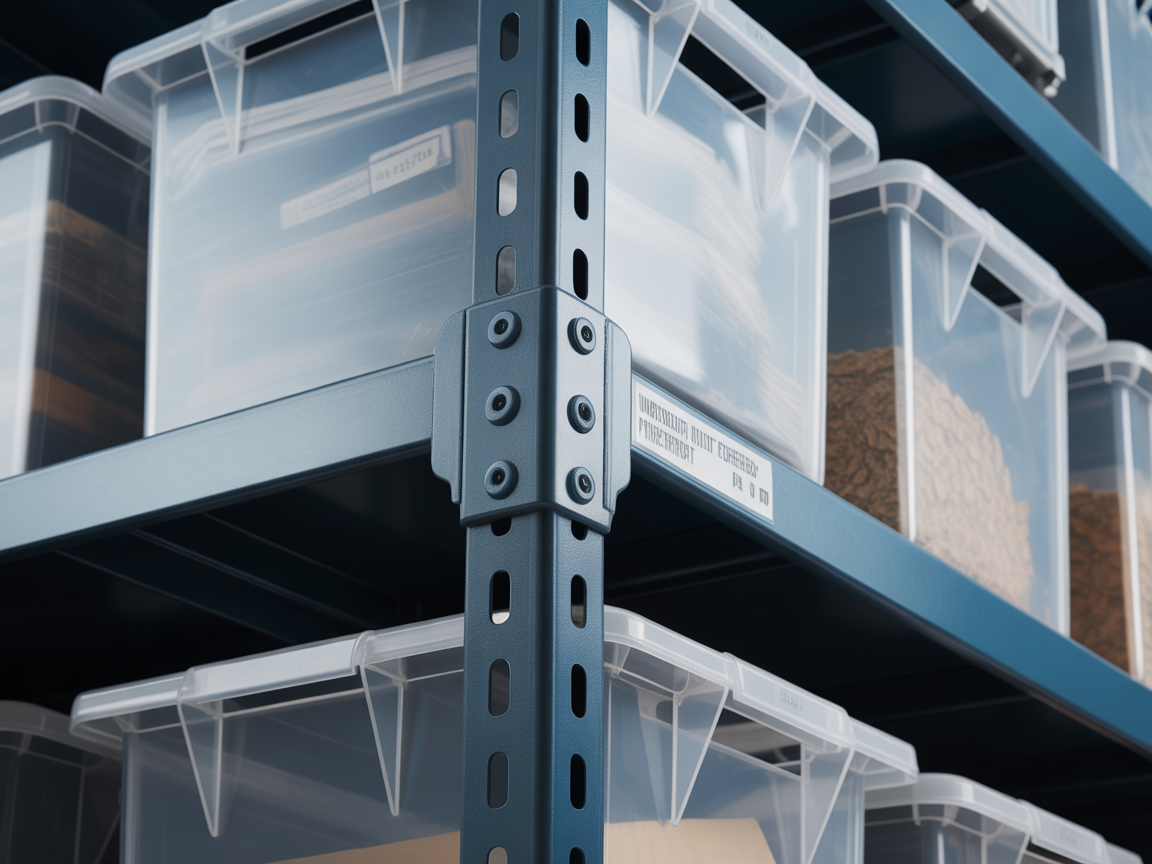
Powder-coated steel resists scratches and corrosion better than painted alternatives. Look for shelving with corner gussets and cross-bracing for maximum stability. Brands like Edsal, Sandusky, and Muscle Rack offer commercial-grade options at consumer prices.
Strategic Layout Planning for Maximum Accessibility
Poor layout is the primary reason renters cannot find items in their storage units. A strategic approach places items based on access frequency, weight, and size while maintaining clear pathways for safe navigation.
The Zone System for Storage Organization
Divide your storage unit into three distinct zones based on how often you need access to items:
- Zone A (Front 30%): Items accessed monthly or more frequently. Keep at eye level or waist height for easy retrieval.
- Zone B (Middle 40%): Items accessed 2 to 4 times per year. Seasonal decorations, sports equipment, and rotating inventory belong here.
- Zone C (Back 30%): Items accessed once yearly or less. Long-term storage, archives, and rarely needed items go against the back wall.
This system reduces the average retrieval time from 15 to 20 minutes (for disorganized units) to 2 to 5 minutes. It also prevents the common problem of needing to move 10 boxes to reach one item at the back.
Aisle Width and Traffic Flow
Maintain a center aisle at least 36 inches wide for safe movement and box carrying. In units 10x15 and larger, consider a T-shaped or cross-shaped aisle pattern that provides access to all walls. This layout sacrifices 10% to 15% of floor space but increases functional accessibility by 50% or more.
For drive-up storage units, position the aisle to align with the door opening. This allows direct loading and unloading without navigating around obstacles. Leave 24 inches of clearance in front of shelving units for comfortable item retrieval.
Vertical Stacking Guidelines
Most storage units offer 8 to 10 feet of ceiling height, but renters typically use only the bottom 4 to 5 feet. Proper vertical organization can increase usable space by 40% to 60% without renting a larger unit.
Stack heavy items on the bottom, lighter items on top. Never stack boxes more than 5 high without shelving support, as the bottom boxes will crush within 3 to 6 months. Use uniform box sizes when possible; mixed sizes create unstable stacks and wasted space between boxes.
Organization Systems Beyond Shelving
Shelving forms the foundation, but complementary organization systems maximize efficiency. These additions cost $50 to $200 total and dramatically improve item accessibility and protection.
Clear Plastic Bins vs. Cardboard Boxes
Clear plastic bins cost 3 to 5 times more than cardboard boxes ($8 to $15 versus $2 to $3 each) but offer significant advantages for storage unit use:
- Visibility: See contents without opening, reducing search time by 70% to 80%
- Durability: Last 10 to 15 years versus 1 to 2 years for cardboard
- Pest resistance: Sealed lids prevent insect and rodent access
- Moisture protection: Waterproof construction protects contents from humidity and minor leaks
- Stackability: Uniform sizing and interlocking lids create stable, space-efficient stacks
For long-term storage in climate-controlled units, clear bins protect items from the temperature fluctuations that occur when doors open. This matters especially in mountain climates where exterior temperatures swing 40 to 60 degrees between day and night.
Labeling Systems That Actually Work
A labeling system is only effective if you can read labels from the aisle without moving boxes. Use these proven approaches:
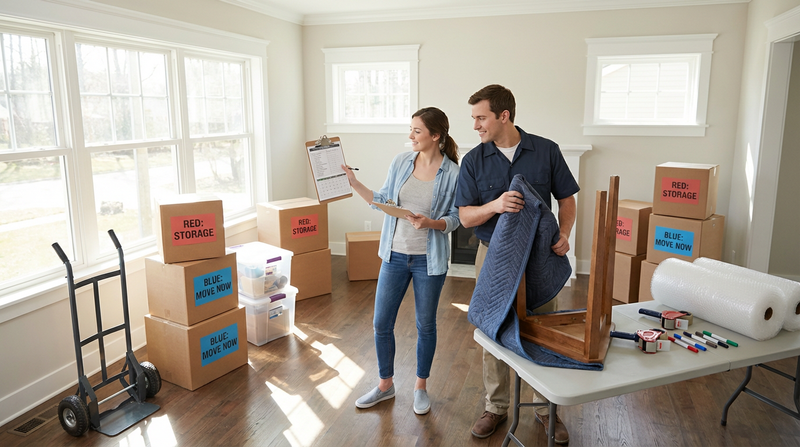
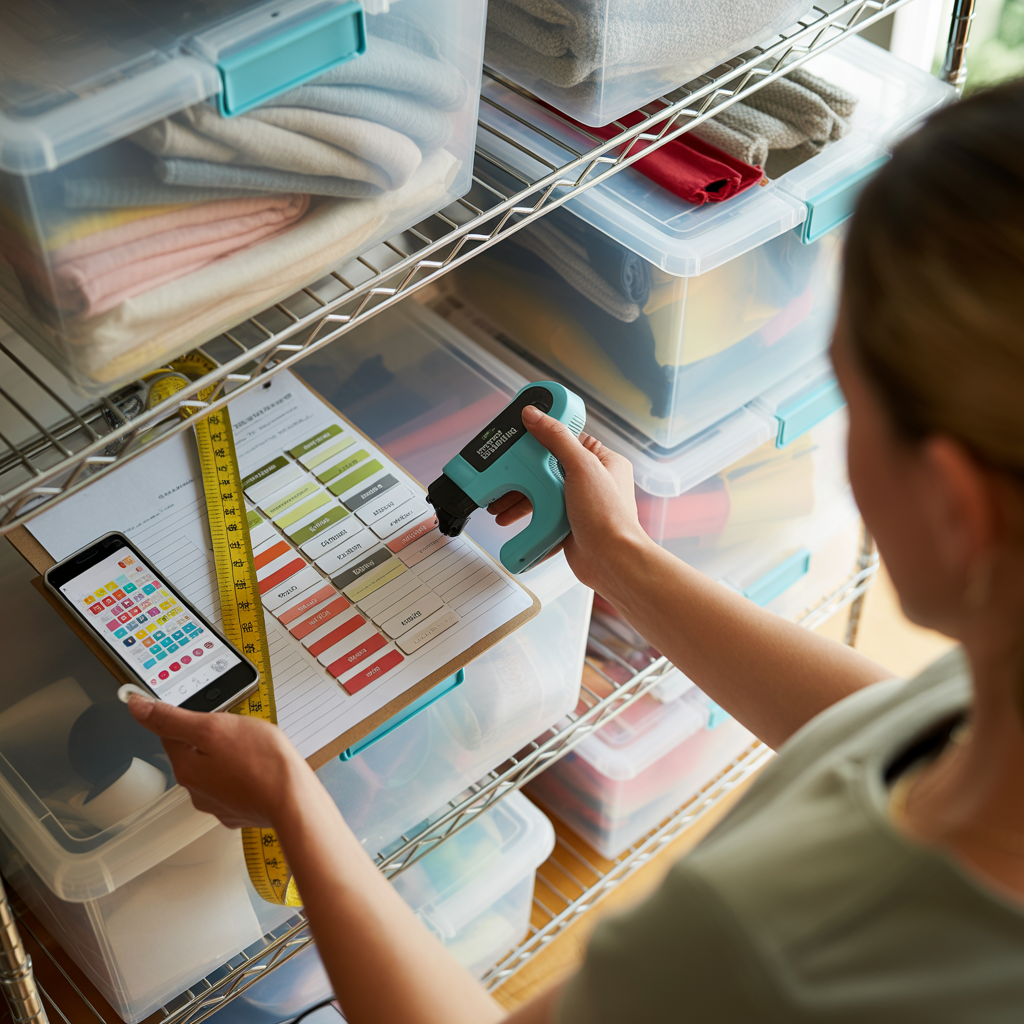
Color-coding by category: Assign colors to item types (red for holiday, blue for documents, green for sports equipment). Apply colored tape or stickers visible from 6 to 8 feet away. This system allows instant visual identification of item locations.
Numbered inventory system: Number each box 1 through however many you have. Maintain a master list (digital or paper) describing contents of each numbered box. Store the list on your phone and keep a printed copy at the front of the unit.
Photo documentation: Photograph contents before sealing each box. Store photos in a dedicated phone album or cloud folder organized by box number. This 30-second step per box saves hours of searching later.
Hooks, Pegboards, and Wall-Mounted Solutions
Wall-mounted organization frees floor space for larger items while keeping tools and equipment accessible. Note that most storage facilities prohibit drilling into walls, so use freestanding alternatives:
- Freestanding pegboard panels:$40 to $80 for 4x8 foot sections with stands
- Over-door hooks:$10 to $25, hold 20 to 50 pounds for bikes, ladders, or bags
- Magnetic tool strips: Mount on metal shelving uprights for hand tools
- S-hooks on wire shelving:$1 to $2 each, hang items from shelf edges
DIY Shelving Ideas for Budget-Conscious Renters
Commercial shelving is not the only option. DIY solutions can cut costs by 50% to 70% while providing customized dimensions for your specific unit and items.
Cinder Block and Board Shelving
This classic approach costs $30 to $60 for a 6-foot wide, 4-shelf unit. Stack cinder blocks (2 to 3 per column) at desired heights, then lay 2x10 or 2x12 boards across them. Each shelf holds 100 to 200 pounds depending on board thickness and span length.
Advantages include zero assembly tools required, infinitely adjustable heights, and easy disassembly when moving out. The main disadvantage is weight; a complete setup weighs 150 to 300 pounds, making repositioning difficult.
Pallet Shelving Systems
Free or low-cost pallets (check local businesses, often $0 to $10 each) create sturdy shelving when mounted vertically against walls or stacked horizontally. Sand rough edges to prevent splinters and apply a sealant for moisture resistance.
A vertical pallet mounted on a plywood base creates instant wall storage with built-in slots for long items like skis, lumber, or pipes. Horizontal pallet stacks with plywood tops form workbench-height surfaces for $20 to $40 total.
PVC Pipe Frameworks
PVC pipe and fittings create lightweight, customizable shelving frames for under $50. Use 1-inch or 1.5-inch diameter pipe for light loads (under 50 pounds per shelf) or 2-inch pipe for medium loads (up to 100 pounds). Add plywood or wire mesh shelf surfaces.
This approach works especially well for oddly shaped units or when you need non-standard dimensions. PVC cuts easily with a hand saw and assembles without glue for easy reconfiguration.
Specialty Storage Organization Solutions
Certain item categories require specialized organization approaches. These solutions protect valuable items while maximizing space efficiency.
Ski and Snowboard Storage
The Vail Valley's outdoor lifestyle means many storage units contain ski equipment. Proper storage extends equipment life by 3 to 5 years and prevents warping, rust, and binding damage.
Store skis and snowboards vertically in dedicated racks ($30 to $80) or DIY slots made from PVC pipe mounted to plywood. Apply storage wax to bases before storing, and loosen binding DIN settings to reduce spring tension. Climate-controlled storage prevents the temperature cycling that causes base delamination.
Document and Archive Storage
Business documents, tax records, and personal archives require specific organization for both protection and retrieval. Use banker's boxes ($2 to $4 each) with clear labeling showing date ranges and content categories. Store boxes on shelving at least 4 inches off the floor to prevent water damage from minor flooding.
For long-term document storage exceeding 2 years, climate control is essential. Paper degrades rapidly when exposed to humidity above 65% or temperatures exceeding 75 degrees Fahrenheit. Our climate-controlled units maintain consistent conditions that preserve documents for decades.
Furniture Storage and Protection
Furniture takes up significant space but cannot be stacked like boxes. Maximize efficiency by:
- Disassembling: Remove table legs, bed frames, and modular components. Store hardware in labeled bags taped to the main piece.
- Standing sofas on end: A sofa standing vertically uses 60% less floor space than lying flat.
- Using furniture as storage: Fill dresser drawers, armoires, and cabinets with smaller items.
- Covering with breathable materials: Use cotton sheets or furniture covers, never plastic wrap which traps moisture.
Common Organization Mistakes to Avoid
Even well-intentioned organization efforts fail when renters make these common errors. Avoiding these mistakes saves time, money, and frustration.
Blocking Access to Frequently Needed Items
The most common mistake is placing rarely-used items near the door and frequently-needed items at the back. This creates a domino effect where every visit requires moving multiple items. Spend 15 to 20 minutes planning your layout before moving anything into the unit.
Overloading Shelves Beyond Capacity
Shelf weight ratings exist for safety reasons. Exceeding capacity by even 20% can cause shelf collapse within 6 to 12 months, potentially damaging items worth far more than the shelving cost. Distribute heavy items across multiple shelves and place the heaviest items on bottom shelves closest to uprights.
Ignoring Climate Considerations
In mountain climates like the Vail Valley, temperature extremes affect both stored items and organization systems. Metal shelving in non-climate units can reach 120 degrees Fahrenheit in summer, damaging heat-sensitive items placed directly on shelves. Use cardboard or foam padding between metal surfaces and sensitive items.
Skipping the Inventory Process
Without an inventory, you cannot find items efficiently and may forget what you have stored entirely. Studies show 23% of storage unit renters have purchased replacement items they already owned but could not locate. A 2-hour inventory session prevents hundreds of dollars in unnecessary purchases.
Maintaining Your Organized Storage Unit
Organization is not a one-time event. Regular maintenance prevents gradual deterioration into chaos and ensures your system continues working effectively.
Quarterly Check-Ins
Visit your storage unit every 3 months for a 15 to 30 minute maintenance check. Inspect for:
- Pest activity: Droppings, gnaw marks, or nesting materials
- Moisture issues: Condensation, musty odors, or visible mold
- Structural problems: Leaning shelves, crushed boxes, or shifted stacks
- Inventory accuracy: Update your list with any items added or removed
Seasonal Rotation Strategy
If you access seasonal items (holiday decorations, sports equipment, seasonal clothing), plan rotation visits at the start of each season. Move upcoming season items to Zone A, just-finished season items to Zone B or C. This 30-minute quarterly rotation maintains the zone system's effectiveness.
Annual Purge and Reorganization
Once per year, evaluate whether each stored item is worth the ongoing storage cost. A 10x10 climate-controlled unit at $75 per month costs $900 annually. Items worth less than their proportional storage cost (based on space occupied) should be sold, donated, or discarded.
Use this annual visit to upgrade organization systems, replace worn labels, and photograph current contents for insurance documentation.
Getting Started: Your Organization Action Plan
Transform your storage unit from chaotic to organized with this step-by-step approach:
- Measure your unit and sketch a layout plan (30 minutes)
- Purchase shelving appropriate for your unit size and weight needs ($100 to $400)
- Create your inventory system with numbered boxes and a master list (1 to 2 hours)
- Install shelving along back and side walls, maintaining center aisle (1 to 2 hours)
- Organize items by zone based on access frequency (2 to 4 hours)
- Label everything with category colors and box numbers (1 hour)
- Photograph your setup for reference and insurance (15 minutes)
Total investment: $100 to $500 and 6 to 10 hours. The return: years of easy access, protected belongings, and zero frustration searching for items.
For those storing valuable items, temperature-sensitive materials, or planning long-term storage, climate-controlled units provide the stable environment that protects both your belongings and your organization investment. Our Vail Airport Storage facility offers 24/7 access with smart lock technology, making those quarterly maintenance visits convenient regardless of your schedule.
Ready to Organize Your Storage Space?
Vail Airport Storage offers climate-controlled and drive-up units in sizes from 5x4 to 15x20, with 24/7 smart lock access and no administrative fees. Find the right unit size for your organized storage system.
View Available Units