College students typically need a 5x5 storage unit ($40-80/month) for dorm essentials or a 5x10 unit ($60-120/month) for a full room of furniture. The best time to reserve is 4-6 weeks before semester end, when facilities near campuses fill quickly. Climate-controlled units protect electronics and textbooks from temperature damage during summer breaks lasting 3-4 months.
Key Points:
- A 5x5 unit (25 sq ft) fits a twin mattress, dresser, 10-15 boxes, and a bike for $40-80/month
- Student discounts of 10-20% are available at most facilities; always ask before signing
- Climate control is essential for electronics, books, and wooden furniture stored over 3 months
- Reserve 4-6 weeks before May move-out to secure units near campus at competitive rates
- Sharing a 5x10 unit with a roommate cuts individual costs to $30-60/month
Why College Students Need Self Storage
The average college student moves 4-6 times during their undergraduate years. Between dorm assignments, summer breaks, study abroad programs, and off-campus housing transitions, belongings need a temporary home. Hauling everything back to your parents' house costs $200-500 in gas and vehicle rental for students living more than 300 miles from campus.
Storage solves three specific problems: limited dorm space (averaging 120-150 square feet shared with a roommate), mandatory move-out during breaks, and the cost of replacing items versus storing them. A $400 mini-fridge stored for $50/month over summer costs far less than buying new each year.
Common Situations Requiring Student Storage
Summer break storage
accounts for 60% of student rentals. Most dorms require complete move-out by mid-May, with fall move-in not until late August. That leaves 3-4 months where your belongings need a secure location.
Study abroad programs
present a longer-term challenge. Students spending a semester or full year overseas need 4-12 months of storage. Climate-controlled units become essential for protecting electronics and documents over extended periods.
Internship relocations
often happen in different cities. Rather than moving everything twice, students store non-essentials and travel light to their temporary housing.
Choosing the Right Storage Unit Size
Unit size directly impacts your monthly cost. Renting too large wastes money; too small forces difficult decisions about what to keep. Use this guide based on actual student inventory needs.
| Unit Size |
Square Feet |
What It Holds |
Monthly Cost |
| 4x4 |
16 |
8-12 boxes, small electronics, seasonal clothes |
$30-60 |
| 5x5 |
25 |
Twin mattress, dresser, desk chair, 10-15 boxes, bike |
$40-80 |
| 5x10 |
50 |
Full dorm room contents, futon, mini-fridge, multiple boxes |
$60-120 |
| 10x10 |
100 |
2-3 roommates' belongings, apartment furniture |
$80-150 |
Most storage units have 8-10 foot ceilings. Stack boxes and use vertical space to fit more in smaller units. A well-organized 5x5 unit can hold the equivalent of a 7x7 poorly packed space.

Climate Control: When You Need It
Standard units work fine for durable items like plastic bins, metal bed frames, and outdoor gear. Climate-controlled units maintain temperatures between 55-80 degrees Fahrenheit and regulate humidity below 55%. This protection matters for specific items.
Items Requiring Climate Control
- Electronics:
Laptops, gaming consoles, TVs, and monitors risk condensation damage in temperature swings
- Textbooks and documents:
Paper warps, yellows, and develops mold in humid conditions
- Wooden furniture:
Desks, bed frames, and dressers crack or warp in extreme temperatures
- Musical instruments:
Guitars, violins, and keyboards require stable humidity
- Leather items:
Jackets, bags, and furniture dry out and crack without humidity control
Climate-controlled units cost 20-30% more than standard options. For a 5x5 unit, expect to pay $50-100/month instead of $40-80. The premium is worth it for items valued over $500 or those with sentimental value that cannot be replaced.
Students in regions with extreme weather, particularly areas where summer temperatures exceed 90 degrees Fahrenheit or winter temperatures drop below 32 degrees Fahrenheit, should prioritize climate-controlled storage
for any extended storage period beyond 30 days.
Step-by-Step Storage Planning Process
Step 1: Create a Complete Inventory (2-3 Hours)
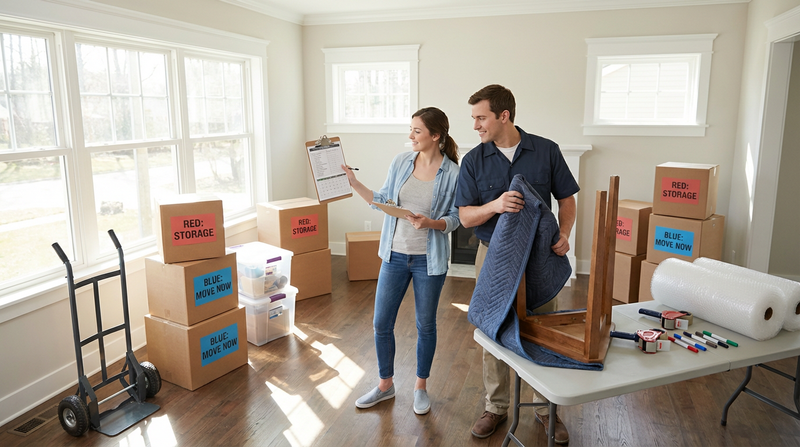
Walk through your dorm or apartment with your phone. Photograph and list every item you plan to store. Group items into categories: furniture, electronics, clothing, books, and miscellaneous. This inventory serves three purposes: calculating unit size, documenting condition for insurance, and creating a retrieval checklist.
Step 2: Calculate Your Space Requirements
Use this formula: measure your largest items (mattress, desk, dresser) and add 30% for boxes and walking space. A twin mattress measures 38x75 inches; stood on its side, it takes about 3 feet of wall space. Most online storage calculators overestimate needs by 20-40% to upsell larger units.
Step 3: Research Facilities 4-6 Weeks Early
Campus-adjacent facilities fill fastest. Start your search in early April for May move-out. Compare at least three facilities on these criteria:
- Distance from campus:
Under 5 miles saves time and moving costs
- Access hours:
24/7 access provides flexibility for late-night packing sessions
- Security features:
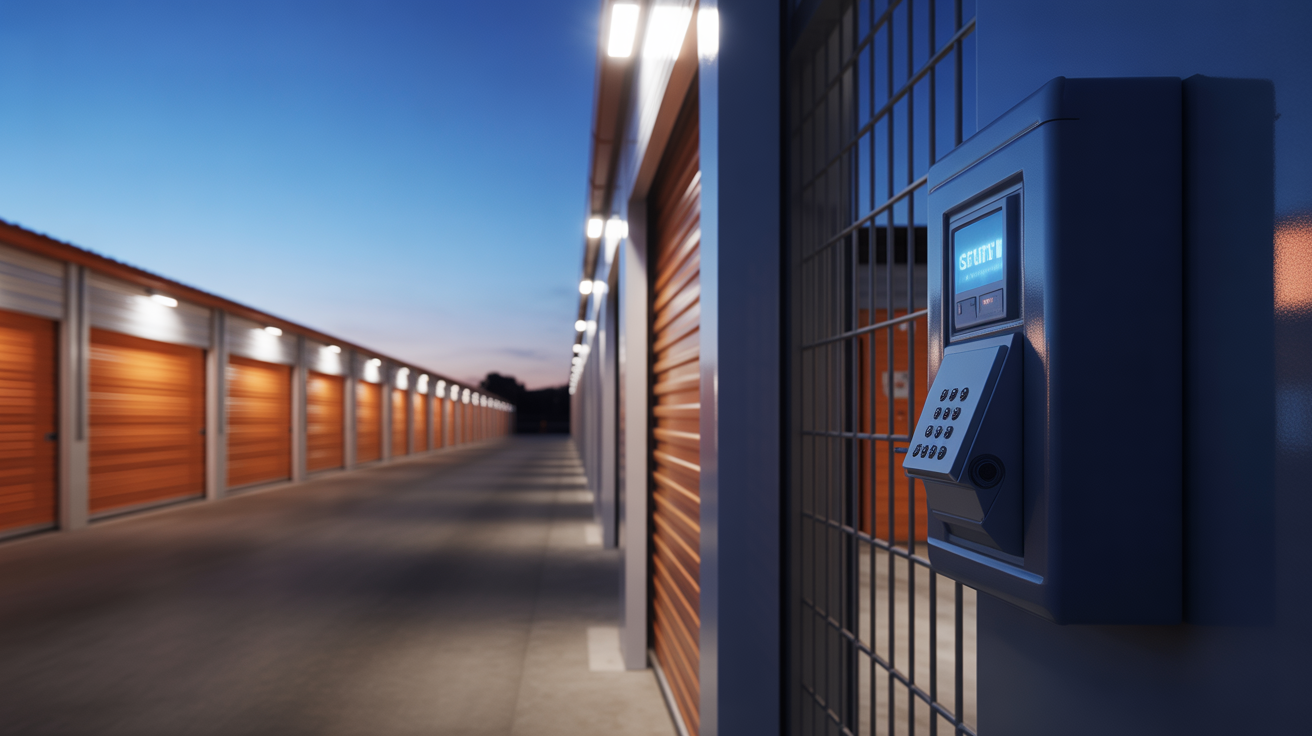
Look for individual unit alarms, gated access, and video surveillance
- Month-to-month leases:
Avoid long-term contracts for seasonal storage
- Student discounts:
10-20% off with valid student ID
Step 4: Reserve and Confirm Details
Book online or by phone. Confirm the exact unit number, monthly rate, payment schedule, and move-in date. Ask about prorated first-month charges if moving in mid-month. Request written confirmation of any student discount applied.
Step 5: Gather Packing Supplies
Budget $30-75 for supplies depending on your inventory size. Essential items include:
- Medium boxes (16x12x12): $1.50-2.50 each, need 10-20 for most students
- Packing tape: $4-8 per roll, need 2-3 rolls
- Bubble wrap: $15-25 for a 50-foot roll
- Furniture covers: $10-20 for mattress bags, $5-10 for furniture blankets
- Permanent markers: $3-5 for labeling
Save money by collecting free boxes from campus mail rooms, grocery stores, or local buy-nothing groups 2-3 weeks before your move.
Packing Strategies That Protect Your Belongings
The Box Packing Method
Pack heavy items in small boxes, light items in large boxes. This prevents crushing and makes carrying manageable. Books go in small boxes (under 30 pounds each); bedding and clothes fill large boxes without weight issues.
Label every box on at least two sides with contents and the room it belongs to. When you retrieve items months later, clear labels save hours of searching. Use a numbering system and keep a master list on your phone.
Furniture Preparation
Disassemble everything possible. Remove bed frame legs, detach desk components, and take apart bookshelves. Store hardware in labeled plastic bags taped directly to the furniture piece. This prevents lost screws and simplifies reassembly.
Wrap wooden surfaces in moving blankets or old sheets to prevent scratches. Never use plastic wrap directly on wood; it traps moisture and causes damage over time.
Electronics Protection
Original boxes provide the best protection for electronics. If unavailable, wrap items in anti-static bubble wrap (pink-tinted) and place in boxes with 2-3 inches of padding on all sides. Remove batteries from all devices to prevent corrosion and leakage.
For laptops and tablets, back up all data before storage. Even in climate-controlled environments, storing devices for 3+ months without use can affect battery health.
Unit Organization for Easy Access
Create a center aisle in your unit. Place items you might need to access (seasonal clothes, specific boxes) near the front. Stack heaviest boxes on the bottom, lightest on top. Use pallets or 2x4 boards to elevate boxes off the floor, protecting against minor flooding or moisture.
Take a photo of your organized unit before leaving. This helps you remember the layout and serves as documentation if any issues arise.
What You Cannot Store
Storage facilities prohibit certain items for safety and legal reasons. Violating these rules can result in immediate eviction and forfeiture of belongings.
Prohibited items include:
- Perishable food (attracts pests, creates odors)
- Flammable liquids (gasoline, propane, lighter fluid)
- Hazardous materials (chemicals, fertilizers, batteries in bulk)
- Living things (plants, pets, any animals)
- Illegal items or stolen property
- Weapons and ammunition (varies by facility)
Dispose of all food items before storage. Even sealed packages attract rodents and insects. Clean your mini-fridge thoroughly and leave the door propped open to prevent mold growth.
Cost-Saving Strategies for Students
Share a Unit With Roommates
A 5x10 unit split between two people costs $30-60 each monthly, less than individual 4x4 units. Coordinate your inventories to maximize space efficiency. Create a written agreement covering payment responsibilities, access schedules, and liability for damaged items.
Negotiate Student Rates
Always ask for student discounts, even if not advertised. Most facilities offer 10-20% off for students with valid ID. Some provide additional discounts for prepaying multiple months or setting up autopay.
Time Your Rental Strategically
Facilities near colleges raise prices in late April and May when demand peaks. Booking 6-8 weeks early often locks in lower rates. Some facilities offer price guarantees that prevent increases during your rental period.
Consider Location Trade-offs
Units 10-15 minutes from campus often cost 15-25% less than those within walking distance. If you have access to a car for move-in and move-out, the savings add up quickly over a 3-4 month summer rental.
For students in the Vail Valley area, airport-adjacent storage facilities
offer convenient access for those traveling home during breaks, with options starting at $37/month for smaller units.
Insurance and Protection Options
Your parents' homeowners or renters insurance may cover stored belongings. Check policy details before purchasing additional coverage. Most policies extend to students' possessions stored off-site, with coverage limits of $2,500-10,000.
Facility-offered insurance typically costs $10-20/month for $2,000-5,000 in coverage. This makes sense if you lack existing coverage or store high-value items. Document everything with photos and receipts before storing.
For valuable electronics or instruments worth over $1,000 individually, consider scheduling them separately on an insurance policy. This provides replacement value coverage rather than depreciated value.
Move-In and Move-Out Best Practices
Move-In Day Checklist
- Inspect the unit before loading; document any existing damage
- Sweep or vacuum the floor to remove debris
- Set up your organization system (pallets, shelving) first
- Load largest items against back wall
- Stack boxes with heaviest on bottom
- Leave 2-foot aisle down center for access
- Take photos of final layout
- Verify lock functions properly before leaving
During Storage Period
Visit your unit at least once during extended storage periods. Check for signs of pests, moisture, or temperature issues. This is especially important for storage lasting longer than 3 months.
Keep your account in good standing. Set up autopay to avoid late fees, which typically run $20-50 per occurrence. Most facilities begin lien processes after 30-60 days of non-payment.
Move-Out Process
Schedule your move-out to align with your lease end date. Most facilities require notice 7-14 days before your rental period ends to avoid automatic renewal. Clean the unit completely and remove all items, including packing materials and debris.
Request a final walkthrough with facility staff if possible. This documents the unit's condition and ensures your security deposit return, if applicable.

Frequently Asked Questions
What size storage unit do I need for a college dorm room?
A 5x5 unit (25 square feet) fits most single dorm room contents: a twin mattress, dresser, desk chair, 10-15 boxes, and a bike. If storing a futon, mini-fridge, or sharing with a roommate, upgrade to a 5x10 unit (50 square feet). Use the storage size guide
to match your specific inventory to the right unit.
How much does student self-storage cost per month?
Expect to pay $40-80/month for a 5x5 unit and $60-120/month for a 5x10 unit, depending on location and climate control. Student discounts reduce these rates by 10-20%. Facilities farther from campus typically charge 15-25% less than those within walking distance.
Can I store food or electronics in a storage unit?
Never store perishable food; it attracts pests and violates facility policies. Sealed, non-perishable items in original packaging are generally acceptable but not recommended. Electronics require climate-controlled storage to prevent condensation damage and battery degradation during temperature fluctuations.
What are the best packing tips for long-term student storage?
Use uniform box sizes for stable stacking. Pack heavy items (books) in small boxes, light items (bedding) in large boxes. Label every box on two sides. Disassemble furniture and tape hardware bags directly to pieces. Elevate boxes on pallets and leave a center aisle for access.
Are there student discounts at self-storage facilities near campuses?
Most facilities offer 10-20% student discounts with valid ID, though not all advertise them. Always ask directly. Additional savings come from autopay enrollment (5-10% off), prepaying multiple months, and booking 6-8 weeks before peak move-out season.
How do I choose between climate-controlled and standard units?
Choose climate control if storing electronics, wooden furniture, books, musical instruments, or leather items for more than 30 days. Standard units work for plastic bins, metal items, and durable outdoor gear. Climate control costs 20-30% more but prevents damage worth hundreds in replacements.
Ready to Reserve Your Student Storage Unit?
Vail Airport Storage offers climate-controlled units starting at $37/month with smart lock technology and 24/7 access. No administrative fees or security deposits required.
View Available Units