Self Storage vs POD Containers: Complete Comparison Guide |
| SELF STORAGE VS POD STORAGE CONTAINERS ULTIMATE GUIDE
⏱ 11 min read ·
📄 #2,199 words
Compare self storage units and POD containers side by side. Learn costs, pros, cons, and which option fits your needs in this comprehensive 2026 guide.
|
S elf storage units cost $100 to $200 per month and require you to transport items to a fixed facility, while POD containers cost $149 to $359 per month and get delivered directly to your location. Choose self storage for long-term, budget-conscious storage needs; choose PODs when you need combined moving and storage convenience.
| Key Points: | |
|---|---|
| • | Self storage runs $100 to $200 monthly; PODs cost $149 to $359 plus $75 to $150 delivery fees |
| • | PODs provide doorstep convenience with 30 days loading time; self storage requires immediate transport |
| • | Self storage offers 24/7 facility access; PODs stay on your property until you schedule pickup |
| • | Climate-controlled self storage protects items in extreme temperatures (below 32°F or above 90°F) |
| • | PODs work best for moves and renovations; self storage wins for storage lasting 6 months or longer |
Understanding the Core Differences
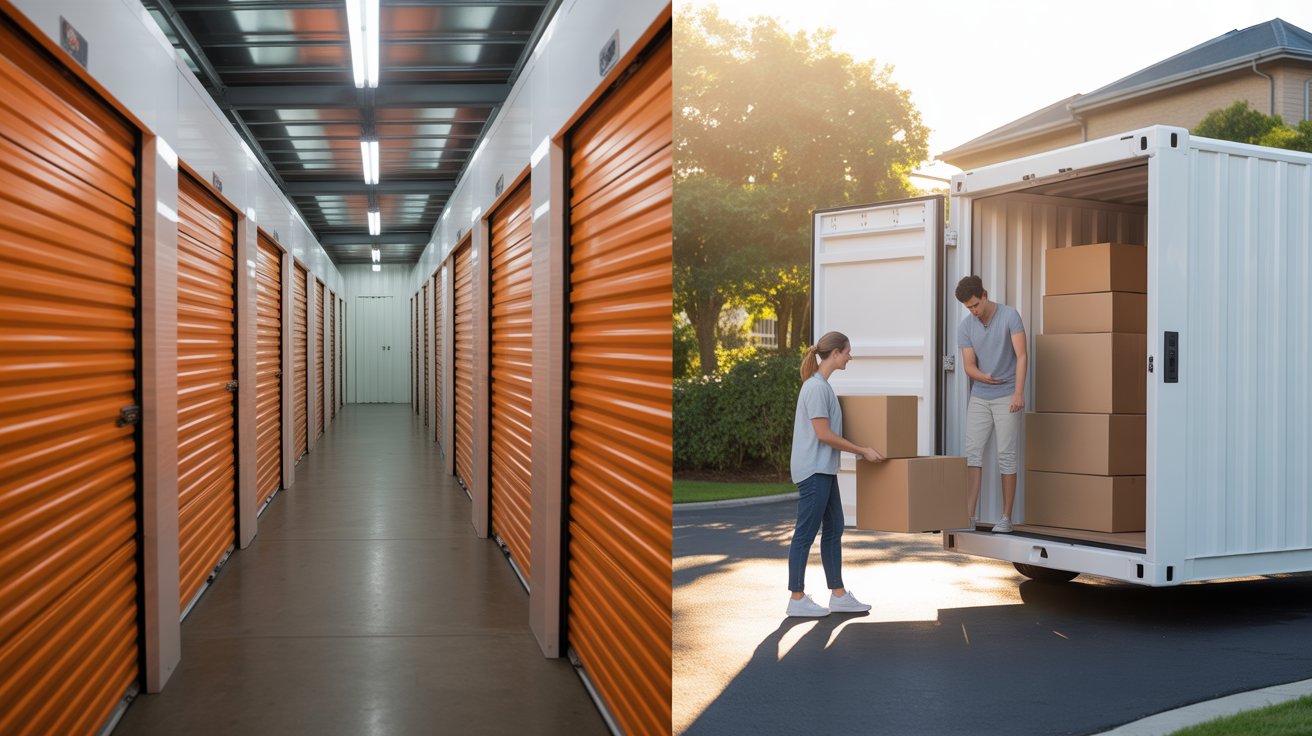
Self storage facilities are permanent buildings where you rent a dedicated unit and transport your belongings to the site. You control access during facility hours (or 24/7 at modern facilities), and you handle all loading and unloading yourself. Units range from 5x5 closet-sized spaces to 10x30 garage-sized rooms.
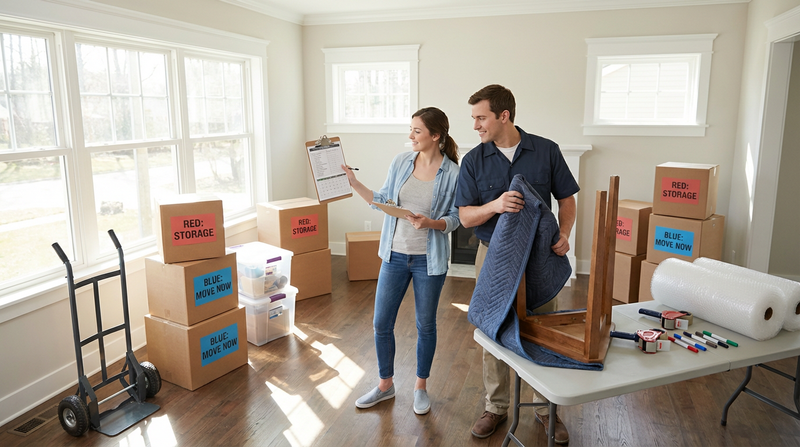
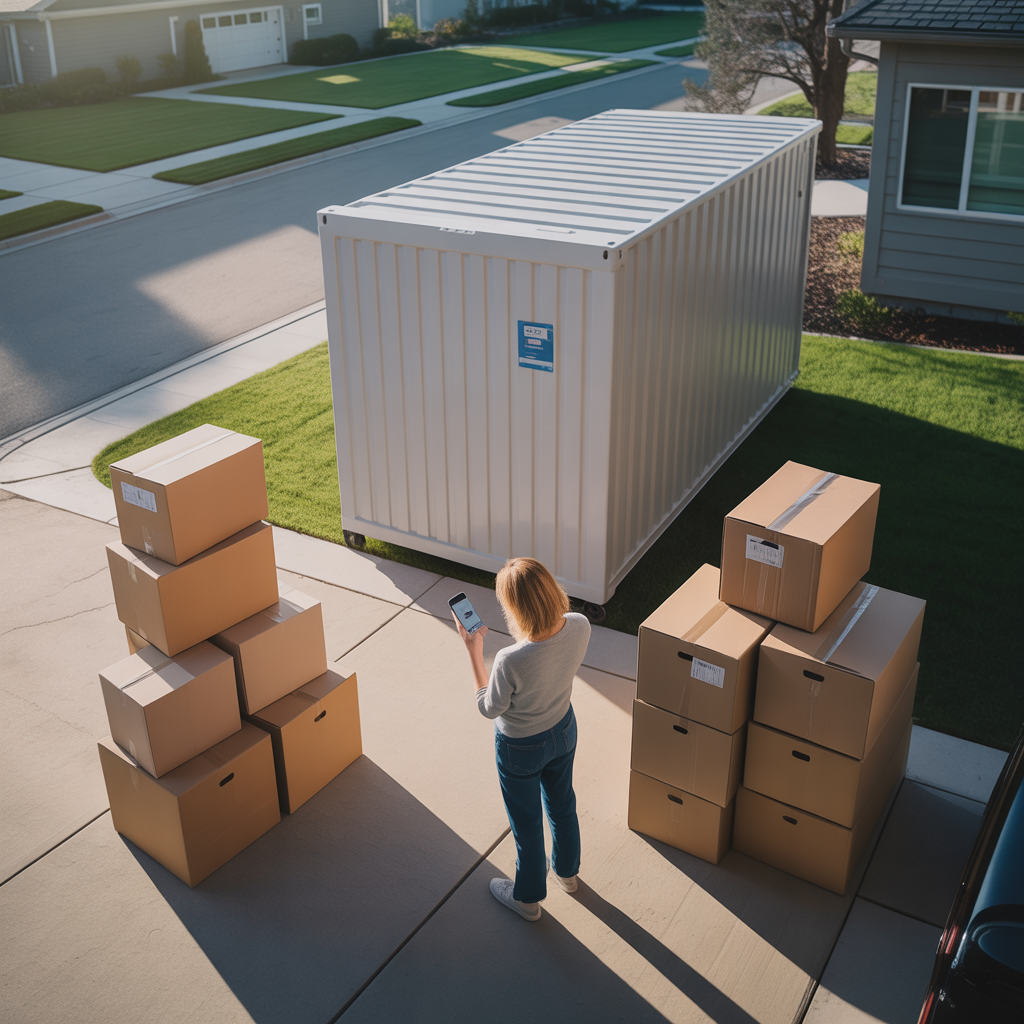
POD storage (Portable On Demand Storage) delivers a steel container directly to your driveway or property. You load at your own pace, then the company either stores the container at their facility or transports it to a new location. Container sizes typically include 8-foot, 12-foot, and 16-foot options.
Location and Access Comparison
Self storage requires driving to an off-site facility every time you need to access your belongings. Modern facilities like Vail Airport Storage offer 24/7 access with smart lock technology, eliminating the limitation of business hours. However, you still need to factor in travel time and transportation costs.
POD containers sit on your property during the loading phase, providing unlimited access without leaving home. Once the container moves to the company's storage facility, access becomes more restricted. Most POD providers require 24 to 48 hours notice for facility access, and some charge additional fees for each visit.
Complete Cost Breakdown for 2026
Understanding the true cost of each option requires looking beyond the monthly rental rate. Hidden fees, delivery charges, and transportation costs significantly impact your total expense.
Self Storage Costs
| Unit Size | Standard Unit | Climate Controlled |
|---|---|---|
| 5x5 (closet) | $30 to $50/month | $37 to $70/month |
| 5x10 (walk-in closet) | $39 to $80/month | $75 to $125/month |
| 10x10 (half garage) | $57 to $120/month | $75 to $175/month |
| 10x20 (full garage) | $124 to $200/month | $200 to $300/month |
Additional self storage costs include truck rental ($50 to $100 per day), fuel for multiple trips, and moving supplies. Some facilities charge administrative fees and require security deposits, though facilities like Vail Airport Storage waive these charges entirely.
POD Container Costs
POD pricing includes several components that add up quickly. Monthly storage rates range from $149 for an 8-foot container to $359 for a 16-foot container. Initial delivery costs $75 to $150, and pickup adds another $75 to $150 when you finish.
For local moves (under 50 miles), expect to pay $220 to $650 total including one month of storage. Long-distance moves cost significantly more, ranging from $1,500 to $7,448 depending on distance and container size. Summer months (May through August) typically increase POD costs by 20% to 30% due to peak demand.
Pros and Cons of Self Storage
Self Storage Advantages
- Lower monthly cost: Standard units cost 30% to 50% less than equivalent POD containers
- More space options: Units range from 25 square feet to 300+ square feet, with multiple size options available
- Climate control available: Temperature-regulated units maintain 55°F to 80°F year-round, protecting sensitive items
- Immediate access: Visit your unit anytime during facility hours (or 24/7 at modern facilities)
- On-site security: Surveillance cameras, gated access, and individual unit alarms provide layered protection
- Long-term stability: Month-to-month leases with no maximum duration
Self Storage Disadvantages
- Transportation required: You must arrange and pay for moving items to the facility
- Time investment: Multiple trips may be needed for large storage projects
- Loading pressure: Truck rental time limits create urgency during loading and unloading
- Distance factor: Facility location affects convenience and total cost
Pros and Cons of POD Containers
POD Container Advantages
- Doorstep convenience: Container arrives at your location, eliminating transportation logistics
- Flexible loading time: Take up to 30 days to load without additional charges
- Combined moving and storage: One solution handles both needs without double handling
- Weather-resistant construction: Steel containers withstand winds up to 110 mph
- Scalable sizing: Start with one container, add more as needed
- Mid-move flexibility: Change destination or add storage time during the process
POD Container Disadvantages
- Higher monthly cost: Rates run 50% to 100% more than equivalent self storage
- Limited availability: Not available in Alaska, Montana, North Dakota, or Wyoming
- Restricted facility access: Requires 24 to 48 hours advance notice for visits
- Property requirements: Need adequate driveway space (minimum 60 feet clearance for delivery truck)
- HOA restrictions: Many homeowner associations prohibit containers on residential properties
- Damage rates: Industry reports show 5% to 20% damage rates during transport, with fragile items most affected
When to Choose Self Storage
Self storage makes the most financial sense for pure storage needs lasting six months or longer. The lower monthly rate compounds into significant savings over time. A 10x10 unit at $100 per month costs $1,200 annually, while an equivalent POD container at $200 per month costs $2,400 for the same period.
Ideal Self Storage Scenarios
Seasonal item storage: Ski equipment, holiday decorations, and seasonal clothing benefit from climate-controlled storage that maintains consistent temperature regardless of outside conditions. This protection proves essential in mountain climates where temperatures swing from below zero to above 90°F.
Business inventory: Companies storing product inventory, equipment, or documents need reliable, accessible space. Self storage provides consistent access without scheduling delays, and larger units accommodate pallets and bulk storage.
Downsizing transitions: When moving to a smaller home, self storage provides indefinite holding space while you decide what to keep. The ability to visit frequently and gradually sort through belongings makes the transition manageable.
Vacation home overflow: Second homeowners in resort areas often need storage for off-season items, extra furniture, or recreational equipment. A nearby facility with 24/7 access allows retrieval whenever needed.
When to Choose POD Containers
POD containers excel when moving and storage combine into a single project. The convenience of loading once and handling logistics later justifies the premium cost for many users.
Ideal POD Container Scenarios
Home renovations: Major remodeling projects require clearing rooms of furniture and belongings. A POD container in your driveway provides immediate access while protecting items from construction dust and damage. Load items as you clear each room, then retrieve them as rooms complete.
Relocations with uncertain timing: Job transfers, home sales, and cross-country moves often involve unpredictable schedules. POD containers accommodate delays without penalty, holding your belongings until your new location becomes available.
Staging homes for sale: Real estate agents recommend decluttering before listing. A POD container removes excess furniture and personal items, making spaces appear larger. The container stays accessible for showing essential items to potential buyers.
College transitions: Students moving between dorms, apartments, and home benefit from summer storage that travels with them. Load the container at school, store it over summer, then deliver it to the next location in fall.
Security Comparison
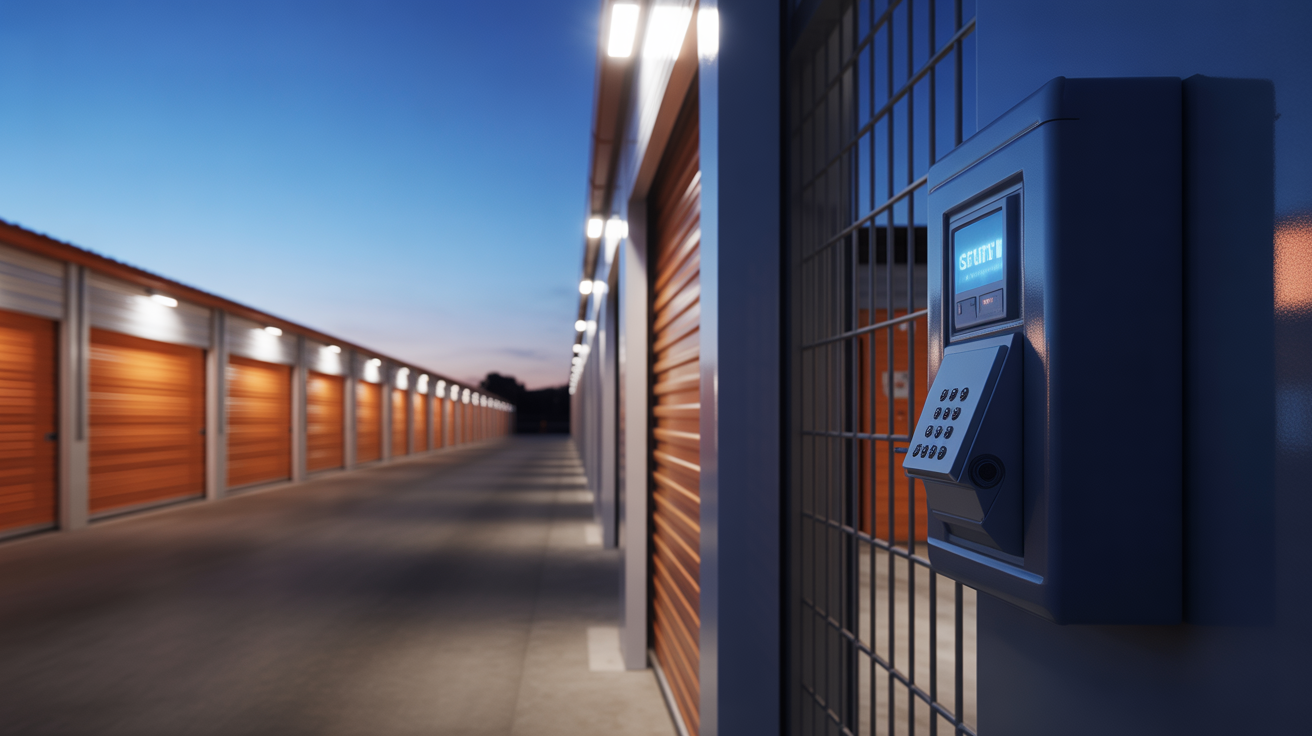
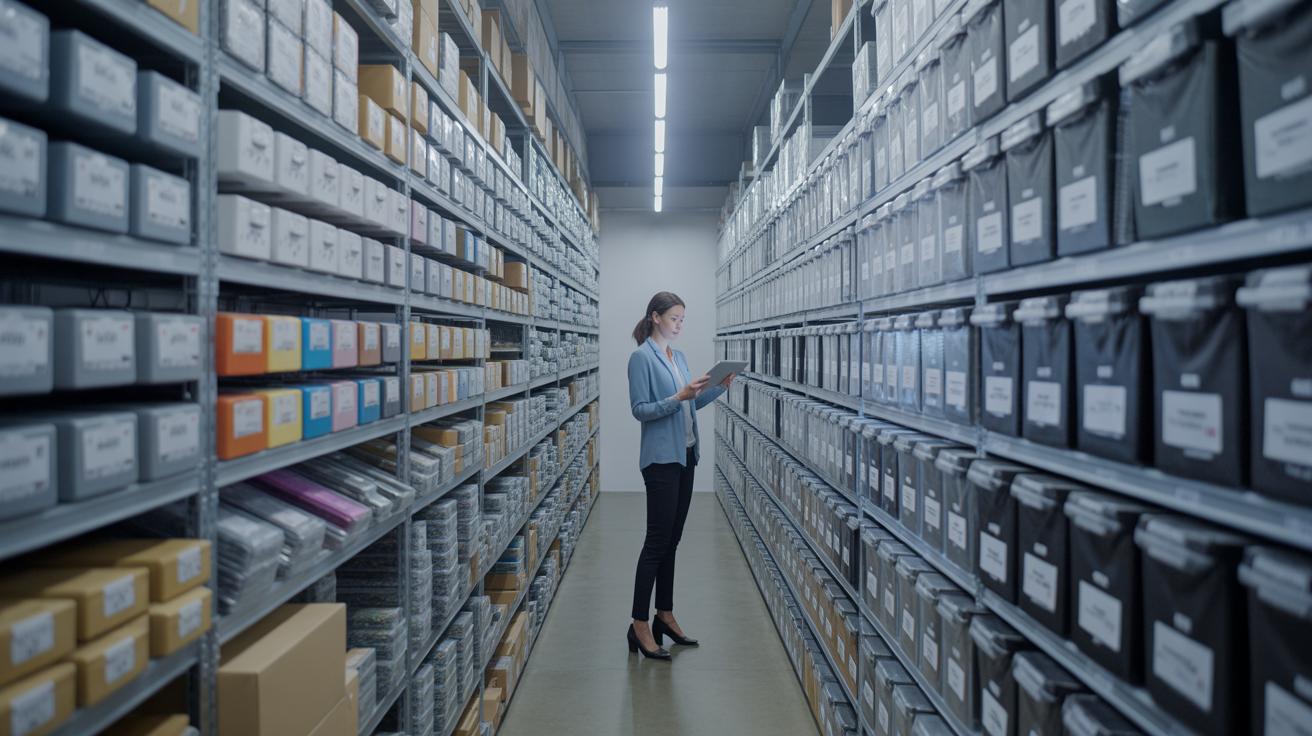
Both options provide reasonable security, but through different mechanisms. Self storage facilities offer layered protection including perimeter fencing, gated access with individual codes, surveillance cameras, and on-site management. Higher-end facilities add individual unit alarms and smart lock technology that tracks every access.
POD containers rely on their steel construction and padlock security. While on your property, you control access completely. Once at the storage facility, containers sit in secured yards with fencing and surveillance. However, the transportation phase introduces vulnerability that self storage avoids entirely.
Industry data shows POD damage rates between 5% and 20% depending on provider and distance traveled. Fragile items face the highest risk. Self storage eliminates transit damage but requires careful transport to the facility initially.
Climate Control Considerations
Temperature and humidity control represents a significant advantage for self storage facilities. Climate-controlled units maintain temperatures between 55°F and 80°F with regulated humidity levels. This protection proves essential for:
- Electronics: Temperature swings cause condensation that damages circuits
- Wooden furniture: Humidity fluctuations cause warping, cracking, and joint failure
- Documents and photos: Paper deteriorates rapidly in humid conditions
- Musical instruments: Wood and string instruments require stable environments
- Wine collections: Temperature consistency prevents premature aging
- Leather goods: Extreme temperatures cause cracking and mold growth
POD containers offer weather-resistant construction but no climate control. Steel containers can reach interior temperatures exceeding 120°F in summer sun and drop below freezing in winter. This limitation makes PODs unsuitable for temperature-sensitive items during extended storage.
Size Comparison Guide
Matching your storage needs to the right container or unit size prevents overpaying for unused space or cramming items into inadequate areas.
POD Container Sizes
| Container Size | Capacity | Best For |
|---|---|---|
| 8-foot | 1 to 2 rooms | Studio apartment, dorm room |
| 12-foot | 2 to 3 rooms | 1-bedroom apartment |
| 16-foot | 3 to 4 rooms | 2-bedroom home |
Self Storage Unit Sizes
| Unit Size | Square Feet | Best For |
|---|---|---|
| 5x5 | 25 sq ft | Boxes, small furniture, seasonal items |
| 5x10 | 50 sq ft | Studio apartment contents |
| 10x10 | 100 sq ft | 1-bedroom apartment contents |
| 10x15 | 150 sq ft | 2-bedroom home contents |
| 10x20 | 200 sq ft | 3-bedroom home, vehicle storage |
| 10x30 | 300 sq ft | Large home, multiple vehicles, business inventory |
Frequently Asked Questions
Is it cheaper to get a POD or a storage unit?
Self storage units cost less for pure storage needs. A 10x10 self storage unit averages $100 to $150 monthly, while an equivalent 12-foot POD container costs $180 to $250 monthly plus delivery fees. However, PODs become cost-competitive when you factor in truck rental, fuel, and time for transporting items to a self storage facility. For moves combining storage and relocation, PODs often cost less than hiring movers plus renting storage separately.
What are the downsides of using PODs?
POD containers have several limitations. Monthly costs run 50% to 100% higher than equivalent self storage. Access to your belongings requires 24 to 48 hours advance notice once the container reaches the storage facility. Containers lack climate control, making them unsuitable for temperature-sensitive items. Property requirements include adequate driveway space and may conflict with HOA rules. Transportation introduces damage risk, with industry reports showing 5% to 20% damage rates.
What is the cheapest way to store my belongings?
Traditional self storage offers the lowest monthly cost for storage-only needs. To minimize expenses further, choose a standard (non-climate-controlled) unit in a suburban location, rent during off-peak months (October through February), and look for move-in specials. Many facilities offer the first month free or 50% off for three months. Avoid premium features unless necessary, and select the smallest unit that fits your belongings.
What is the difference between a POD and a container?
PODS is a specific brand name that has become generic shorthand for portable storage containers, similar to how Kleenex refers to tissues. The term "POD" specifically refers to containers from PODS Moving and Storage company. "Container" describes the broader category including competitors like U-Pack, 1-800-PACK-RAT, and SMARTBOX. All portable storage containers function similarly: delivered to your location, loaded at your pace, then transported to storage or a new destination.
Can I keep a POD container on my property long-term?
Most municipalities allow POD containers on residential property for 30 to 90 days with a permit. Longer placement typically requires special permits or zoning variances. Many HOAs prohibit containers entirely or limit placement to 7 to 14 days. Check local regulations and HOA rules before planning extended on-site storage. For long-term needs, having the container stored at the company's facility avoids these restrictions.
Are POD containers more secure than self storage facilities?
Self storage facilities generally provide superior security through multiple layers: perimeter fencing, gated access, surveillance cameras, individual unit alarms, and on-site management. POD containers rely primarily on padlocks and steel construction. While on your property, you control access completely. At storage facilities, containers sit in secured yards but typically lack individual monitoring. The transportation phase introduces security vulnerability that self storage avoids.
Making Your Decision
The right choice depends on your specific situation. Consider these factors when deciding:
Choose self storage if:
- You need storage for six months or longer
- Budget is your primary concern
- You require climate control for sensitive items
- You want frequent, immediate access to belongings
- You have transportation available for the initial move
Choose POD containers if:
- You are combining moving and storage
- Your timeline is uncertain or flexible
- Convenience outweighs cost considerations
- You need storage during home renovations
- You lack transportation for moving items
For residents in the Vail Valley area, local self storage provides the advantage of proximity without the limitations of POD availability in mountain regions. Facilities near Eagle County Airport offer convenient access for travelers and seasonal residents who need reliable storage with flexible access hours.
|
Storing in the Vail Valley?
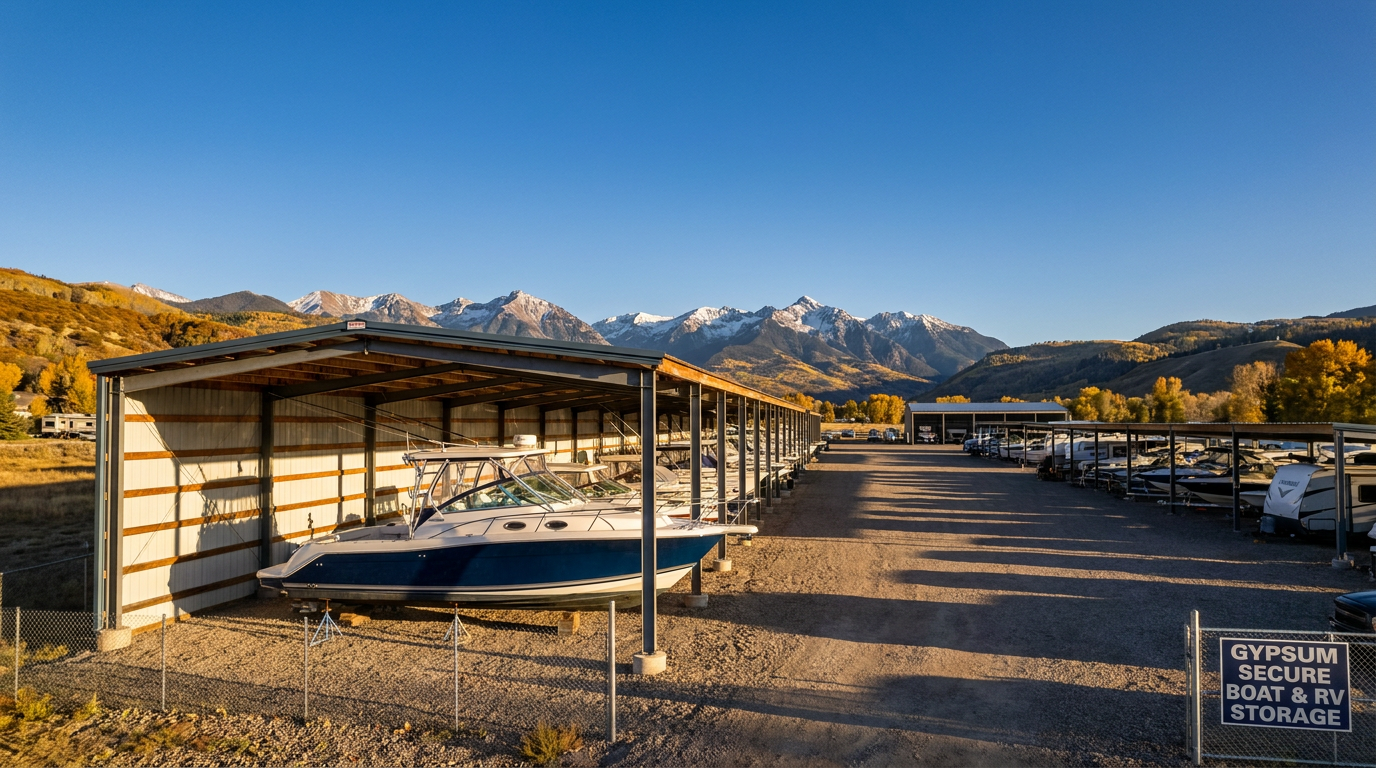
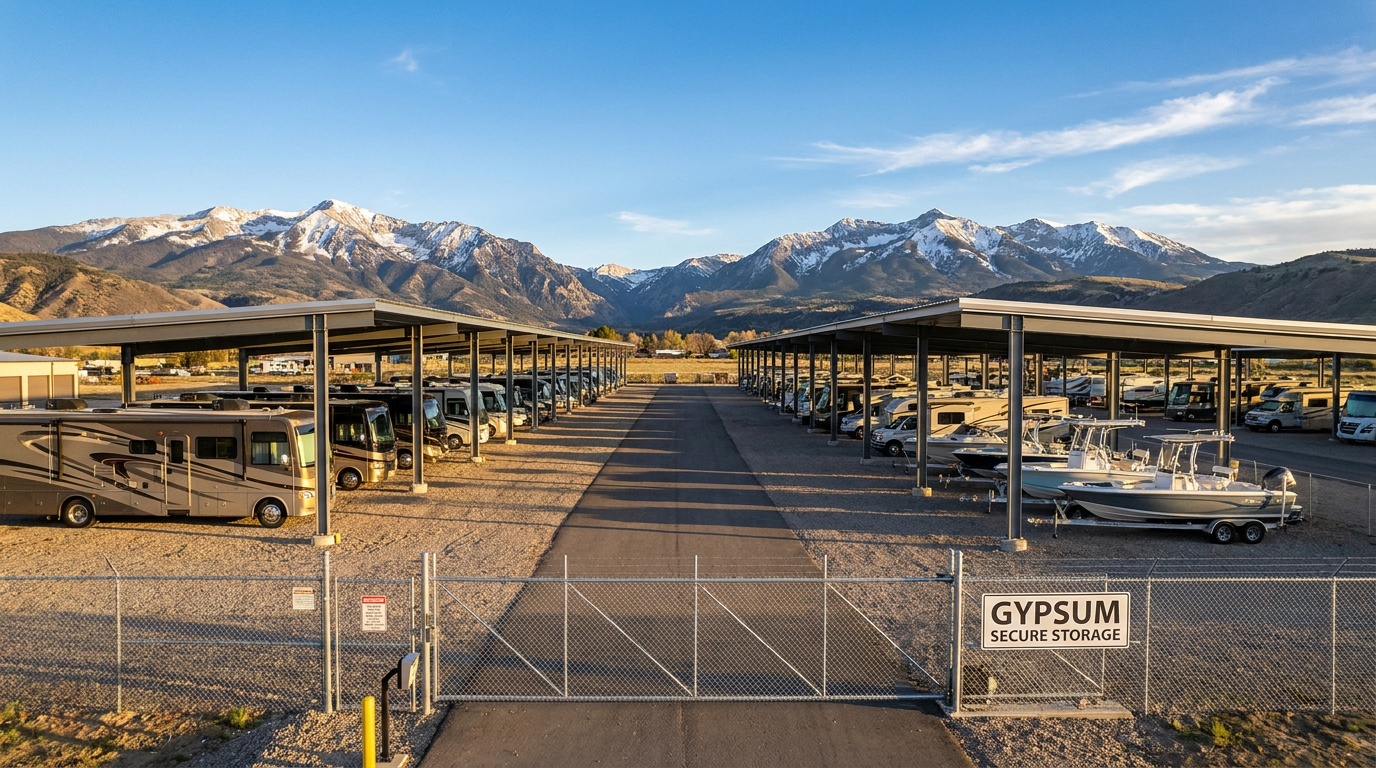
Vail Airport Storage is a brand-new facility in Gypsum, CO, next to Eagle County Regional Airport: heated indoor units, drive-up units with power and lights, and vehicle parking, open 24/7 with smart-lock access.