The Pros and Cons of Climate-Controlled Storage: What You Need to Know
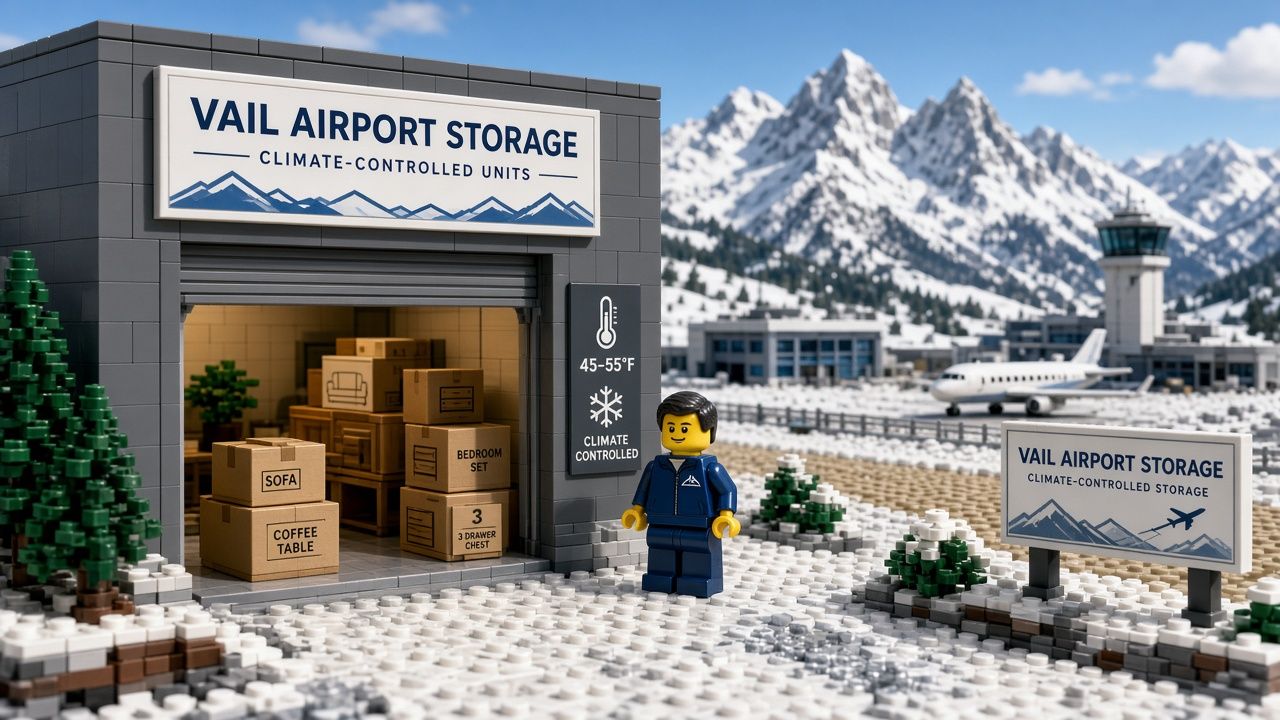
Climate-controlled storage units maintain temperatures between 55 and 80 degrees Fahrenheit with humidity levels of 30 to 50 percent. Nationally they often cost more than standard units, but at Vail Airport Storage climate-controlled units are frequently priced below drive-up at the same size (for example, a 10x10 climate-controlled unit currently about $73 vs about $112 drive-up - confirm on Rent Online). The investment protects sensitive items like electronics, wood furniture, and documents from extreme temperature swings, but proves unnecessary for durable goods like metal tools or plastic containers.
What Climate-Controlled Storage Actually Does
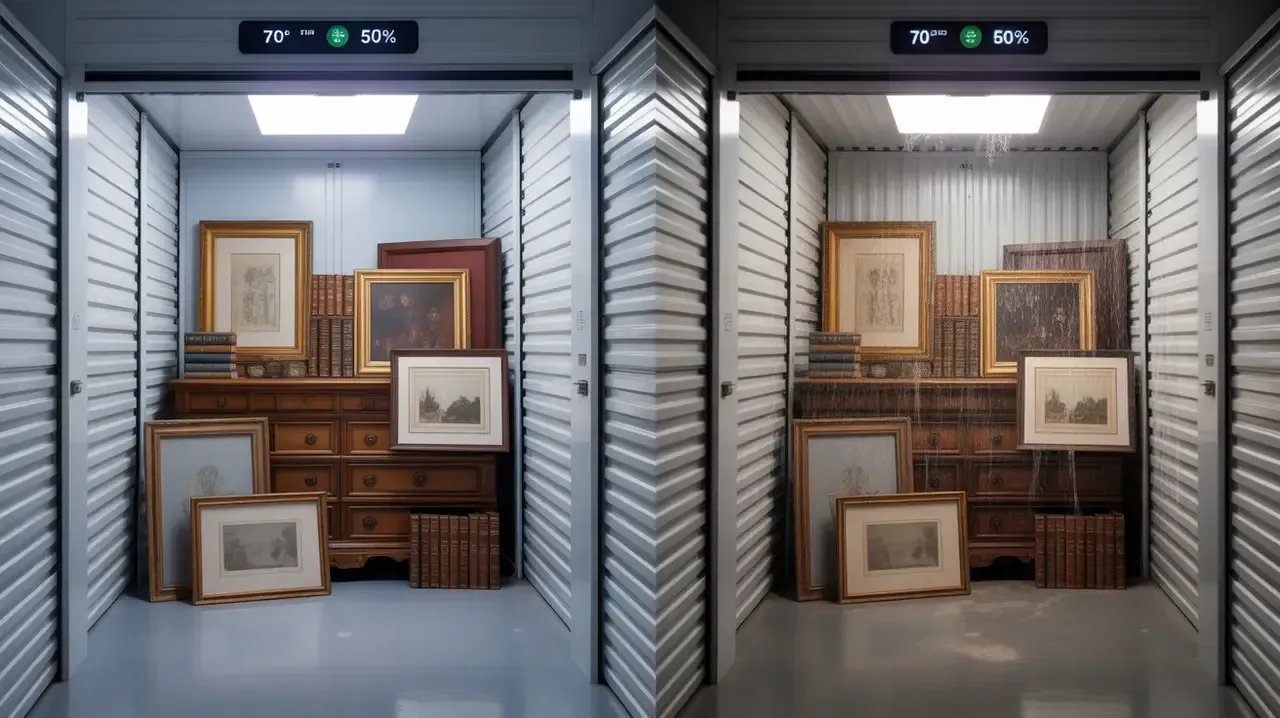
Climate-controlled storage maintains a consistent internal environment regardless of external weather conditions. According to the Self Storage Association, these units use HVAC systems to regulate both temperature and humidity throughout the year. The technology prevents the thermal cycling that damages sensitive materials.
Standard storage units, by contrast, experience the full range of outdoor temperature fluctuations. A study by the International Association of Certified Home Inspectors found that uninsulated storage spaces can reach internal temperatures 20 to 30 degrees higher than ambient air in direct sunlight. In Colorado mountain communities, this means summer highs exceeding 100 degrees and winter lows dropping below zero.
The humidity control component proves equally important. The American Society of Heating, Refrigerating and Air-Conditioning Engineers recommends maintaining indoor relative humidity between 30 and 50 percent for material preservation. Climate-controlled facilities achieve this through dehumidification systems that remove excess moisture from the air.
The Complete Advantages of Climate-Controlled Storage
Protection from Temperature Extremes
Temperature stability prevents the expansion and contraction cycles that crack wood, warp plastic, and degrade electronics. The National Archives and Records Administration specifies that paper documents require storage temperatures below 75 degrees Fahrenheit to prevent accelerated deterioration. Wood furniture experiences cellular damage when temperatures drop below freezing, causing joints to separate and finishes to crack.
Electronics face particular vulnerability to temperature swings. Consumer Reports testing found that lithium-ion batteries lose up to 20 percent of their capacity when stored in temperatures exceeding 95 degrees Fahrenheit. Circuit boards develop condensation when moved between extreme temperatures, leading to corrosion and component failure.
For seasonal residents in the Vail Valley storing ski equipment during summer months, climate-controlled storage units prevent binding degradation and base material warping. Ski boot liners, made from EVA foam, compress permanently when exposed to temperatures above 100 degrees.
Humidity and Moisture Control
Humidity regulation prevents mold growth, rust formation, and material degradation. The Environmental Protection Agency states that mold begins growing on organic materials within 24 to 48 hours when relative humidity exceeds 60 percent. Climate-controlled facilities maintain humidity below this threshold year-round.
Leather goods absorb ambient moisture, leading to mildew growth and structural weakening. The Leather Research Laboratory at the University of Northampton recommends storage humidity between 40 and 50 percent for long-term leather preservation. Musical instruments, particularly those with wooden components, require similar conditions to prevent warping and cracking.
Metal items develop oxidation and rust when exposed to high humidity. According to the Corrosion Doctors research database, steel begins corroding at relative humidity levels above 50 percent when combined with airborne pollutants. Climate control eliminates this risk for tools, equipment, and metal collectibles.
Superior Air Quality
Climate-controlled facilities feature sealed environments with filtered air circulation. This design reduces dust accumulation, prevents pest infiltration, and maintains cleaner storage conditions. The National Pest Management Association reports that temperature-controlled buildings experience 60 percent fewer pest infestations than non-controlled structures.
Air filtration removes particulates that settle on stored items, reducing cleaning requirements and preventing surface damage. Artwork, textiles, and upholstered furniture benefit significantly from reduced dust exposure over extended storage periods.
Long-Term Cost Efficiency
Even when climate control costs more than a basic unit in other markets, it often proves more economical over time - and at Vail Airport Storage climate is frequently the lower-priced option versus drive-up. Replacing a damaged leather sofa costs $2,000 to $5,000, while a year of climate-controlled storage for that same sofa runs approximately $900 to $1,500. The Insurance Information Institute notes that storage-related damage claims average $1,200 per incident.
Antiques, collectibles, and family heirlooms often carry replacement values far exceeding storage costs. A damaged vintage guitar or warped antique dresser may be irreplaceable regardless of insurance coverage. Climate control provides protection that standard insurance cannot replicate.
The Disadvantages of Climate-Controlled Storage
Higher Monthly Costs
Climate-controlled units often command premium pricing nationally due to construction and operating expenses - but local rate cards can invert that assumption. At Vail Airport Storage, a 10x10 climate-controlled unit currently rents for $73 per month compared to $112 for a standard drive-up unit of the same size - so climate is often less than drive-up here. Confirm on Rent Online.
Larger units show greater cost disparities. A 10x20 climate-controlled space currently costs about $199 monthly versus about $375 for drive-up access (climate is often the lower-priced option at this size - confirm on Rent Online). Budget-conscious renters storing durable goods may prefer drive-up for access even when climate is the lower monthly rate.
Indoor Location Limitations
Climate-controlled units typically occupy interior building spaces, requiring navigation through hallways and elevators. This configuration complicates loading and unloading heavy or bulky items. Moving a full bedroom set into a third-floor interior unit takes significantly longer than backing a truck up to a ground-level drive-up door.
For frequent access needs, drive-up units offer superior convenience. Business owners retrieving inventory daily or hobbyists accessing equipment weekly may prioritize accessibility over climate protection. The storage size guide helps determine which configuration matches specific access requirements.
Unnecessary for Many Items
Durable goods require no climate protection and store safely in standard units. Metal tools, lawn equipment, outdoor furniture, camping gear, and plastic storage containers withstand temperature and humidity fluctuations without damage. Storing these items in climate-controlled spaces wastes money without providing additional benefit.
Holiday decorations, sporting equipment made from synthetic materials, and automotive accessories also tolerate standard storage conditions. The key distinction lies in material composition: items made from wood, leather, paper, fabric, or containing electronics need climate control, while metal, plastic, and synthetic materials do not.
Items That Require Climate-Controlled Storage
Electronics and Appliances
Televisions, computers, gaming consoles, and audio equipment contain sensitive components vulnerable to temperature extremes. The Consumer Electronics Association recommends storage temperatures between 50 and 95 degrees Fahrenheit for electronics. Temperatures outside this range damage LCD screens, degrade capacitors, and corrupt storage media.
Large appliances with electronic controls, including modern refrigerators, washers, and dryers, also benefit from climate control. The compressor oil in refrigerators thickens in cold temperatures, potentially causing startup failures after extended storage.
Wood Furniture and Antiques
Solid wood furniture expands and contracts with humidity changes, causing joints to loosen and veneers to separate. The Smithsonian Institution recommends maintaining relative humidity between 45 and 55 percent for wooden artifact preservation. Antique furniture, often constructed with hide glue that softens in humidity, requires particularly stable conditions.
Musical instruments made from wood, including pianos, guitars, and violins, demand climate control for proper preservation. The Piano Technicians Guild states that pianos should be stored at 42 percent relative humidity to prevent soundboard cracking and tuning pin loosening.
Documents, Photos, and Artwork
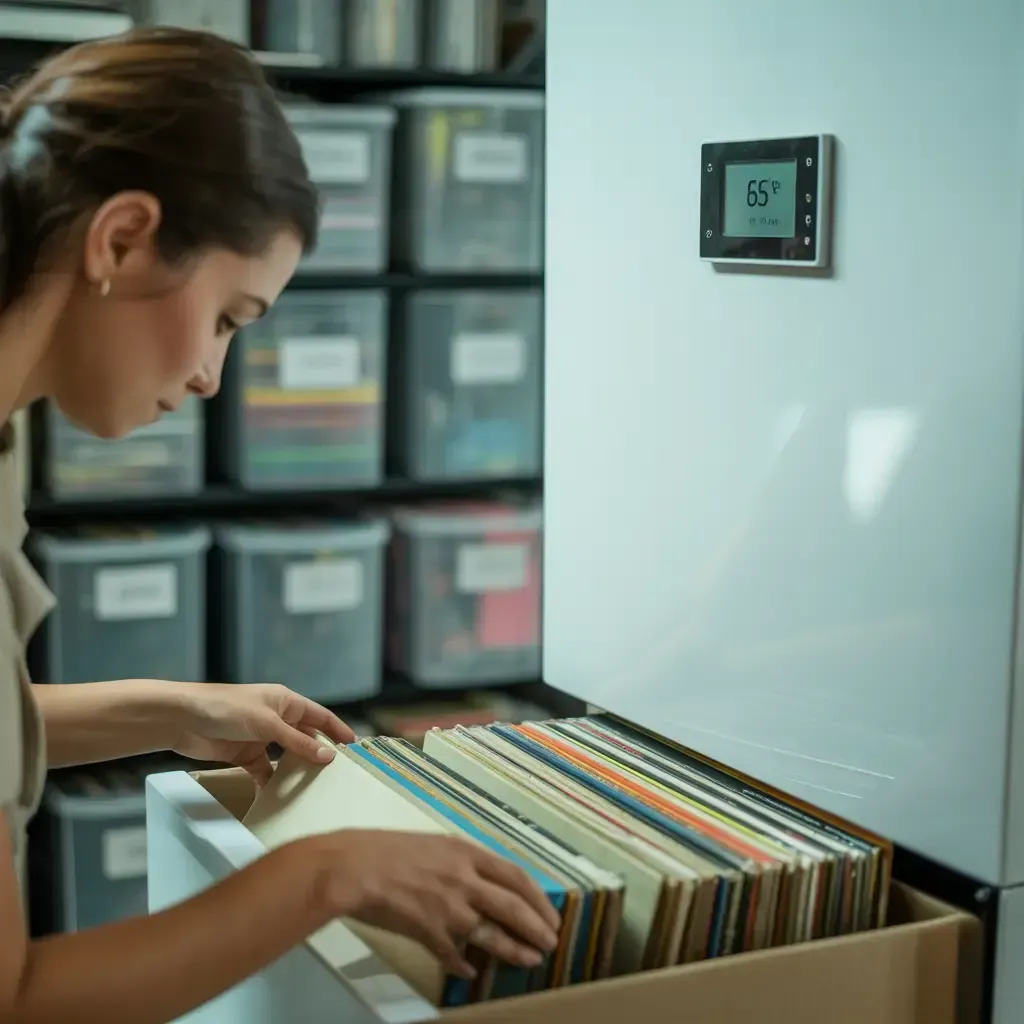
Paper products deteriorate rapidly in uncontrolled environments. The Library of Congress specifies that paper documents require temperatures below 70 degrees Fahrenheit and relative humidity below 50 percent for archival preservation. Photographs stored in high humidity develop fungal growth and emulsion damage within months.
Oil paintings, watercolors, and prints require stable conditions to prevent canvas warping, paint cracking, and paper deterioration. Museums worldwide maintain strict climate controls for artwork storage, and personal collections deserve similar protection.
Clothing and Textiles
Natural fiber clothing, including wool, silk, cotton, and linen, absorbs moisture and attracts pests in uncontrolled storage. The Textile Museum recommends storage humidity between 30 and 50 percent for fabric preservation. Wedding dresses, vintage clothing, and designer items warrant climate-controlled protection.
Leather jackets, shoes, and accessories develop mold and lose structural integrity in humid conditions. Fur coats require cold storage specifically designed for pelts, though climate-controlled units provide adequate protection for short-term needs.
Items Safe for Standard Storage
Outdoor and Garage Equipment
Lawn mowers, snow blowers, garden tools, and outdoor furniture withstand temperature fluctuations without damage. These items experience similar conditions during normal use and require no special protection in storage. Draining fuel and lubricating moving parts before storage provides adequate preparation.
Bicycles, kayaks, and camping equipment made from aluminum, steel, or synthetic materials store safely in standard units. Proper cleaning before storage prevents issues regardless of climate control status.
Vehicles and Recreational Equipment
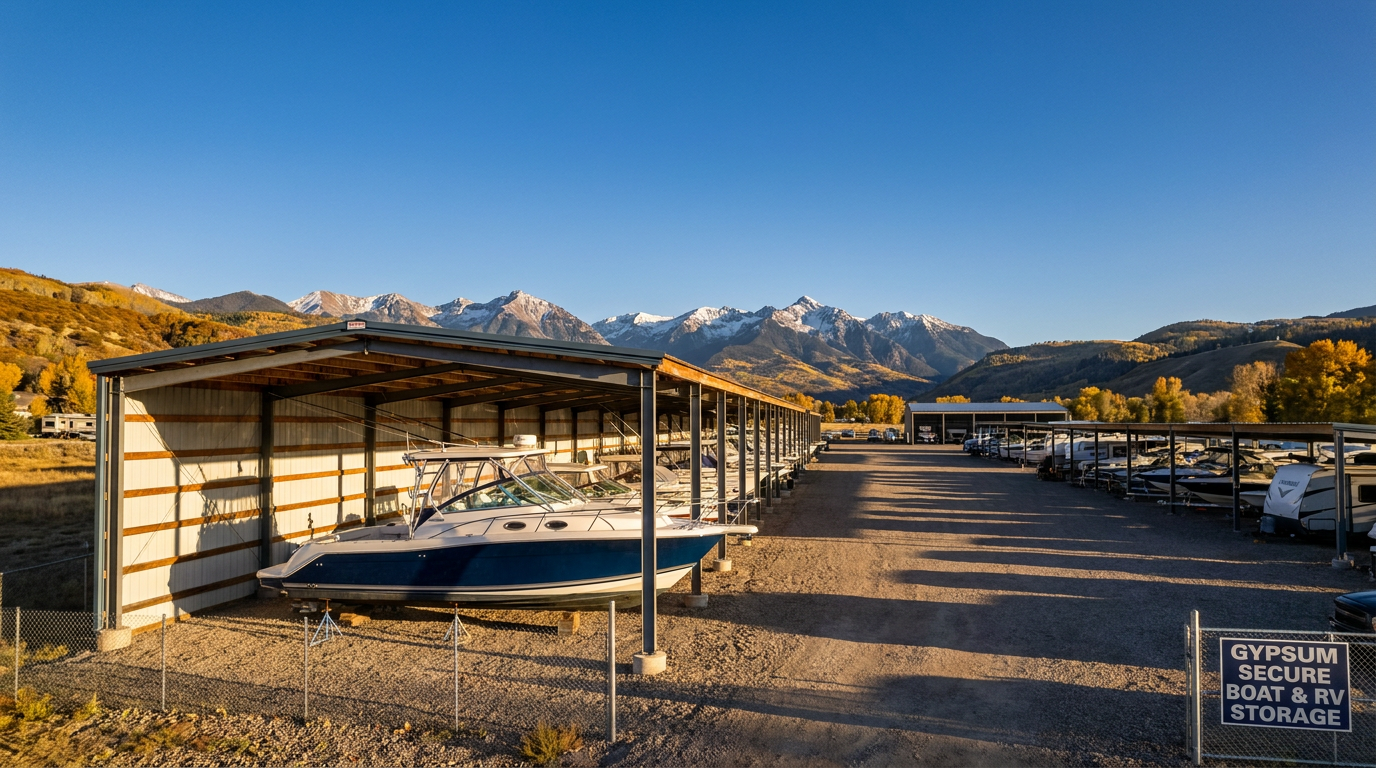
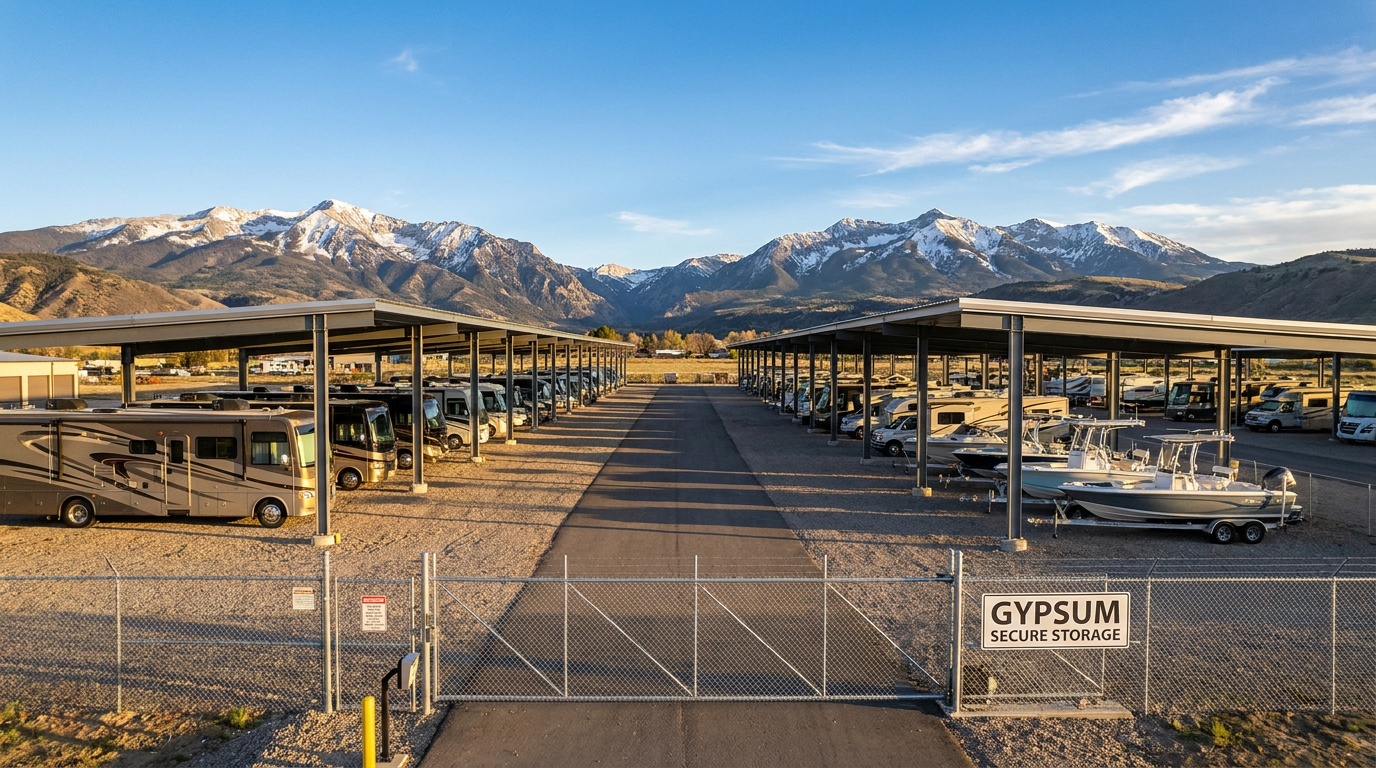
Cars, motorcycles, boats, and RVs tolerate standard covered storage when properly prepared. Battery disconnection, fuel stabilization, and tire inflation address the primary storage concerns for vehicles. The airport storage facility offers parking options for travelers storing vehicles during extended trips.
ATVs, snowmobiles, and jet skis store well in drive-up units that accommodate their size and weight. These vehicles experience extreme conditions during use and require no additional climate protection in storage.
Durable Household Items
Plastic storage bins, metal shelving, glass items, and ceramic pieces require no climate control. Kitchen appliances without electronic components, including manual tools and cookware, store safely in standard conditions. Exercise equipment made from metal and rubber tolerates temperature variations.
Climate-Controlled Storage in Mountain Climates
Why Vail Valley Demands Climate Control
The Eagle County region experiences temperature ranges from negative 20 degrees Fahrenheit in winter to 90 degrees in summer, creating a 110-degree annual swing. According to the Western Regional Climate Center, Gypsum averages 15 days annually below zero and 45 days above 85 degrees. This extreme variability accelerates damage to temperature-sensitive items.
Mountain humidity fluctuates dramatically between seasons. Winter air holds minimal moisture, dropping indoor humidity below 20 percent without humidification. Summer monsoon patterns bring humidity spikes exceeding 70 percent. These swings stress materials designed for stable environments.
Seasonal Storage Considerations
Seasonal residents storing belongings between visits face extended exposure to temperature extremes. A vacation home owner leaving furniture from October through May subjects items to five months of winter conditions. Climate-controlled storage eliminates this risk while providing convenient access near Eagle County Regional Airport.
Ski equipment stored during summer months requires protection from heat that degrades binding components and base materials. Conversely, water sports equipment stored through winter needs protection from freezing temperatures that crack plastic hulls and damage inflatable components.
Making the Right Storage Decision
Cost-Benefit Analysis Framework
Calculate the replacement cost of items requiring storage and compare against the annual premium for climate control. If replacement costs exceed $2,000, the $200 to $500 annual premium for climate control represents sound insurance. Items with sentimental value beyond monetary worth always warrant climate protection.
Consider storage duration in the calculation. Short-term storage under 30 days during moderate weather may not require climate control even for sensitive items. Storage extending through summer heat or winter cold demands climate protection for anything beyond durable goods.
Questions to Determine Your Needs
Answer these questions to guide your storage type selection:
- Does the item contain wood, leather, paper, fabric, or electronics? If yes, choose climate control.
- Will storage extend through summer or winter extremes? If yes, choose climate control for sensitive items.
- Would damage to this item cost more than $500 to repair or replace? If yes, consider climate control.
- Does the item have irreplaceable sentimental value? If yes, choose climate control.
- Do you need frequent drive-up access for heavy items? If yes, consider drive-up units with climate-controlled options.
Frequently Asked Questions
Is it worth it to get a climate-controlled storage unit?
Climate-controlled storage proves worthwhile when storing items valued over $2,000, containing sensitive materials, or requiring storage longer than 30 days through temperature extremes. Any extra cost versus a bare-bones unit - or, at Vail Airport Storage, choosing climate when it is already priced below drive-up - costs less than replacing damaged electronics, furniture, or documents. For durable goods like tools and outdoor equipment, standard storage provides adequate protection at lower cost.
What should you not put in an outside storage unit?
Never store electronics, wood furniture, leather goods, important documents, photographs, artwork, musical instruments, wine, or natural fiber clothing in non-climate-controlled units. These items suffer irreversible damage from temperature extremes and humidity fluctuations. Antiques, collectibles, and family heirlooms also require climate protection regardless of material composition.
Can mold grow in a climate-controlled storage unit?
Mold growth in properly maintained climate-controlled units is extremely rare. These facilities maintain humidity below 50 percent, while mold requires humidity above 60 percent to grow. However, storing wet or damp items introduces moisture that can cause localized mold growth. Always ensure items are completely dry before placing them in any storage unit.
How likely is it to get bed bugs from a storage unit?
Bed bug transmission through storage units occurs infrequently but remains possible. The National Pest Management Association reports that climate-controlled facilities experience 60 percent fewer pest issues than standard units due to sealed environments and regular monitoring. Inspecting items before storage and using sealed plastic containers reduces transmission risk significantly.
What temperature do climate-controlled units maintain?
Climate-controlled storage units maintain temperatures between 55 and 80 degrees Fahrenheit year-round. This range protects sensitive materials from the damage caused by freezing or excessive heat. Humidity levels stay between 30 and 50 percent, preventing both desiccation in dry conditions and mold growth in humid conditions.
How much more does climate-controlled storage cost?
National guides often assume climate costs 25 to 50 percent more than standard units of equivalent size. At Vail Airport Storage, a 10x10 climate-controlled unit currently rents for $73 monthly compared to $112 for a standard drive-up unit - so climate is about 35 percent less than drive-up here, not a premium. Confirm live rates and any promotions on Rent Online.
Sustainable Storage Practices
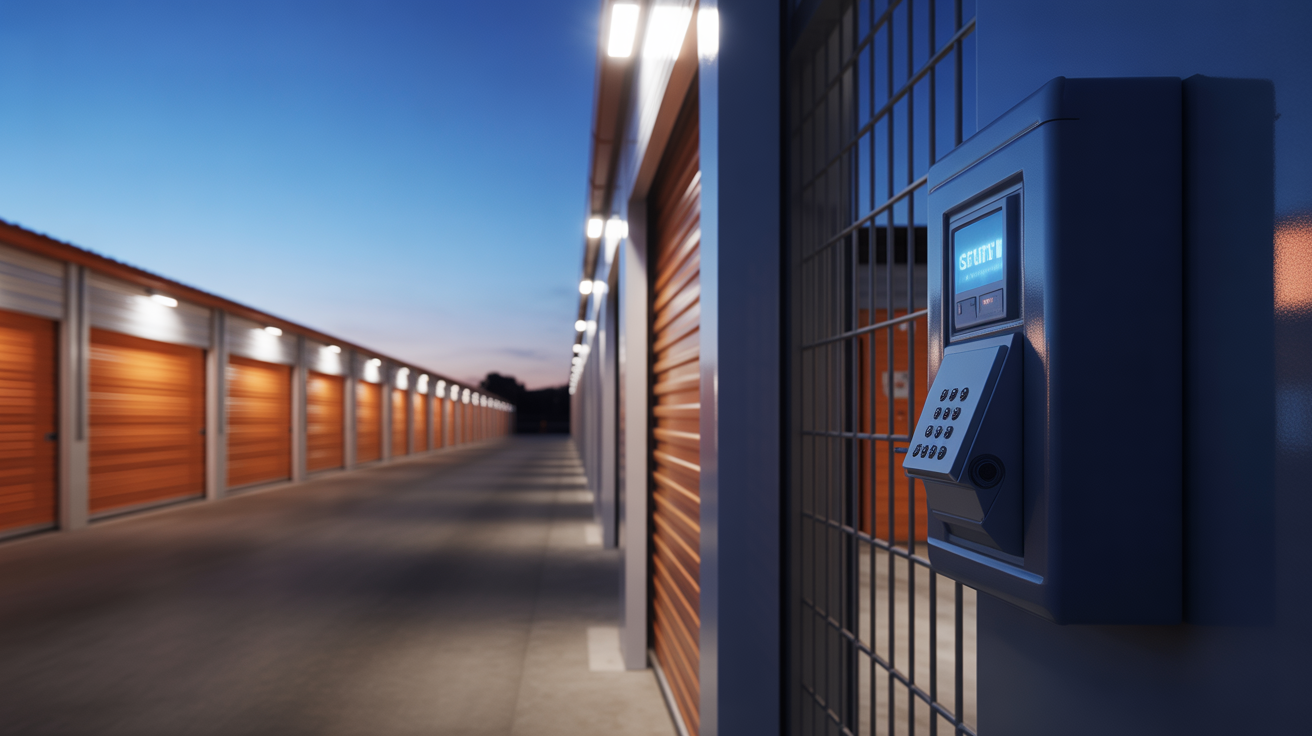
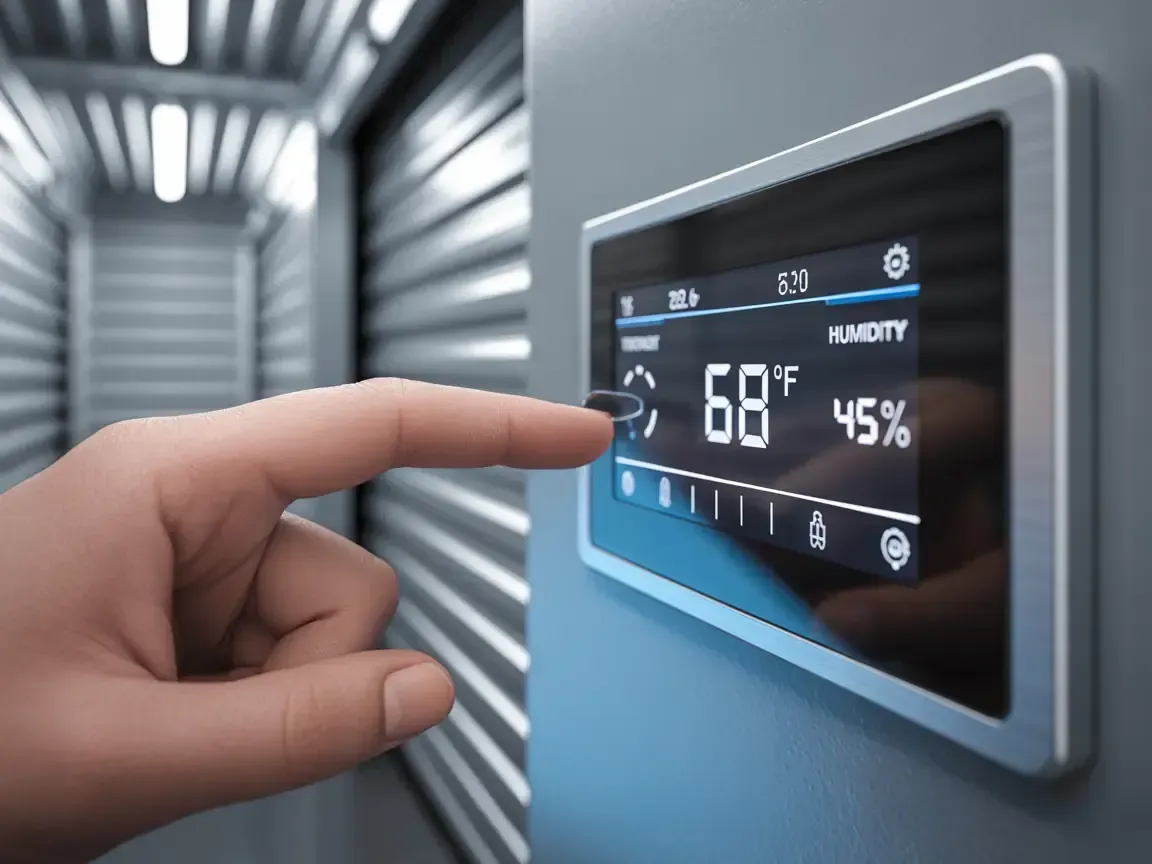
Modern climate-controlled facilities incorporate energy-efficient systems that minimize environmental impact. High-efficiency HVAC systems, LED lighting, and improved insulation reduce energy consumption compared to older storage buildings. Vail Airport Storage utilizes smart lock technology that eliminates the need for physical key production and reduces facility energy use through automated lighting controls.
Choosing appropriately sized units prevents energy waste from conditioning unused space. The storage size guide helps match unit dimensions to actual storage needs, avoiding the environmental cost of oversized spaces. Consolidating items efficiently within units maximizes space utilization and minimizes the facility footprint required.
Special Considerations for College Students
College students storing belongings between semesters face unique challenges. Dorm furniture, textbooks, electronics, and clothing require different storage approaches. Climate-controlled units protect laptops, tablets, and gaming systems that students rely on for coursework, while standard storage suffices for plastic bins of seasonal clothing and durable furnishings.
Summer storage from May through August exposes items to peak heat conditions. Students at Colorado Mountain College and other regional institutions should factor local temperature extremes into storage decisions. A 5x5 climate-controlled unit at about $16 monthly provides adequate space for most student belongings at minimal cost.
Business Storage Applications
Commercial users face distinct storage requirements based on inventory type. Retailers storing seasonal merchandise, restaurants holding equipment during renovations, and offices archiving documents all benefit from climate control. The Small Business Administration recommends climate-controlled storage for any business inventory valued over $10,000.
Document retention requirements often mandate specific storage conditions. HIPAA regulations for medical records, SEC requirements for financial documents, and legal retention standards all specify environmental controls. Climate-controlled storage meets these regulatory requirements while providing secure access through smart lock technology.