Storage Unit Security Features: What to Look For and Avoid
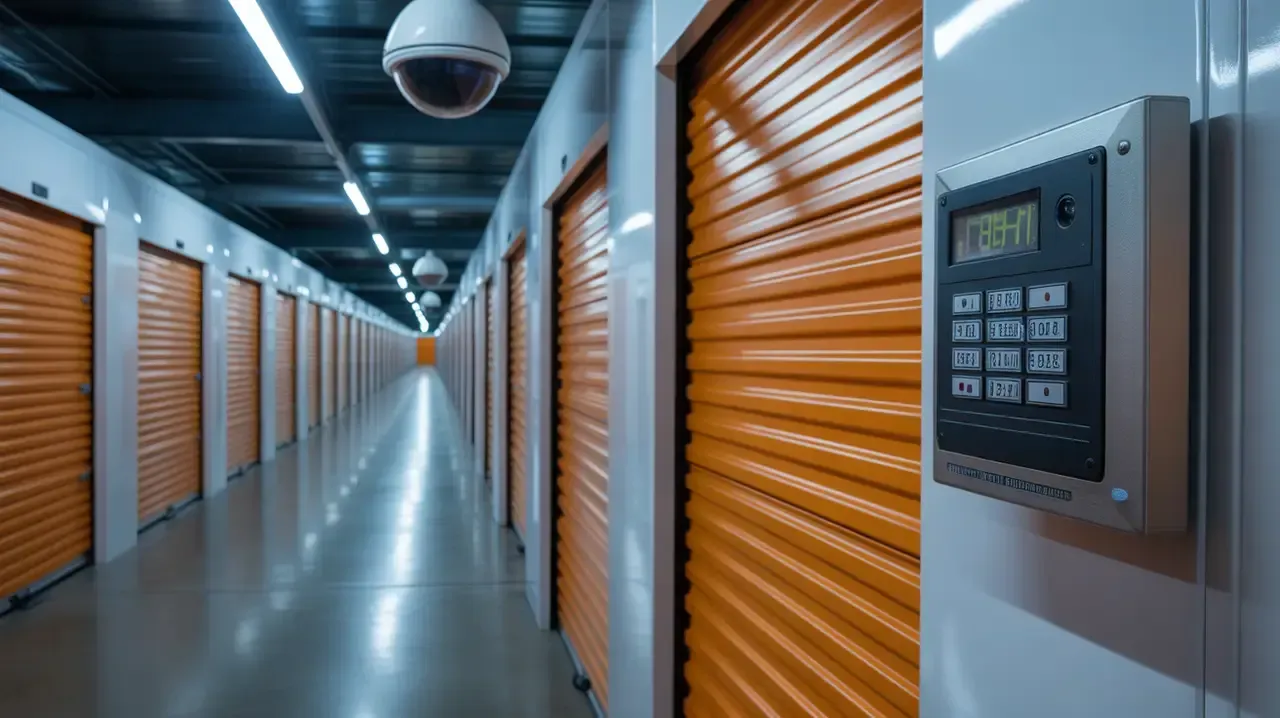
The most secure storage facilities combine three layers of protection: physical barriers like gated perimeter fencing, electronic systems including 24/7 video surveillance and individual unit alarms, and human oversight through on-site staff or resident managers. Facilities lacking any of these three layers present significantly higher theft risk.
Key Points:
|
Essential Security Features Every Storage Facility Should Have
Security at storage facilities operates on a principle called defense in depth. Each layer of protection creates an additional obstacle for potential intruders. When evaluating a facility, assess each security category independently before making your decision.
Perimeter Security and Access Control
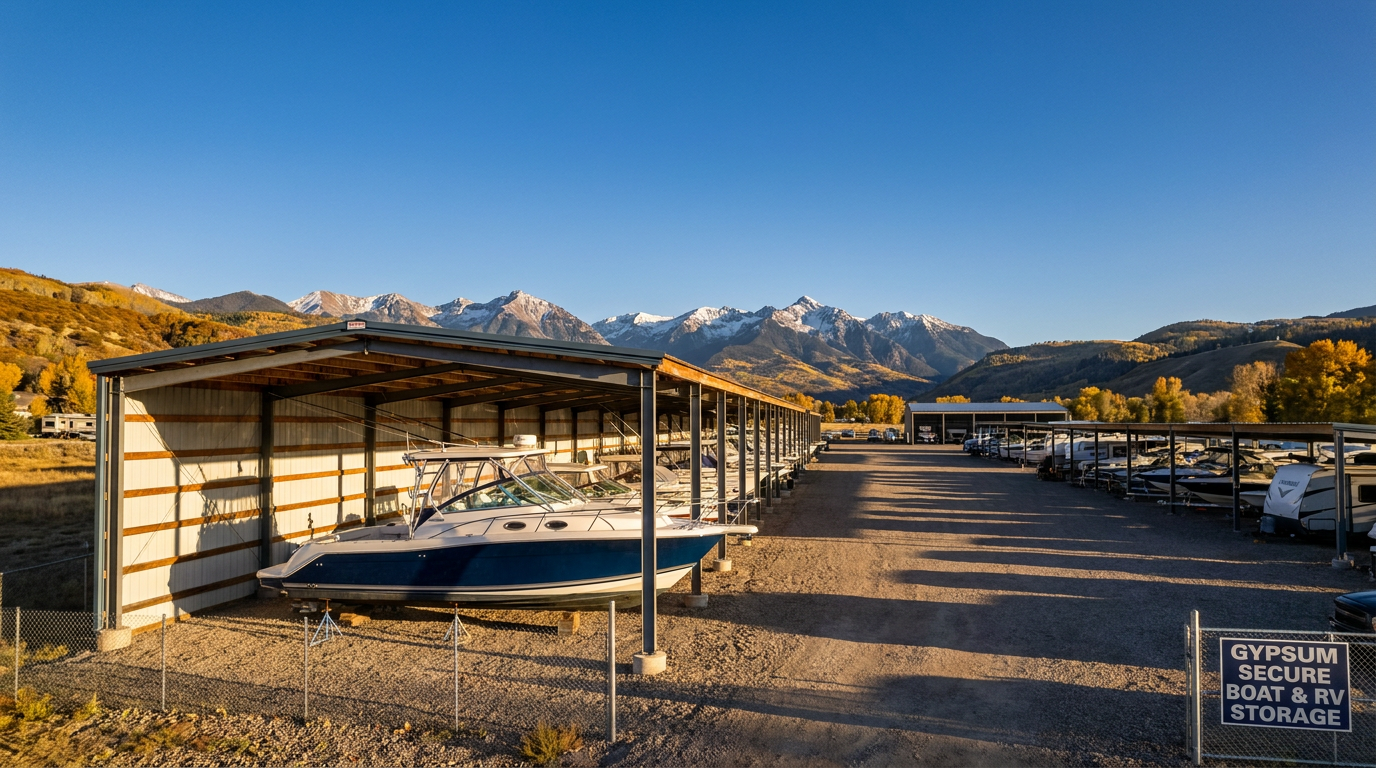
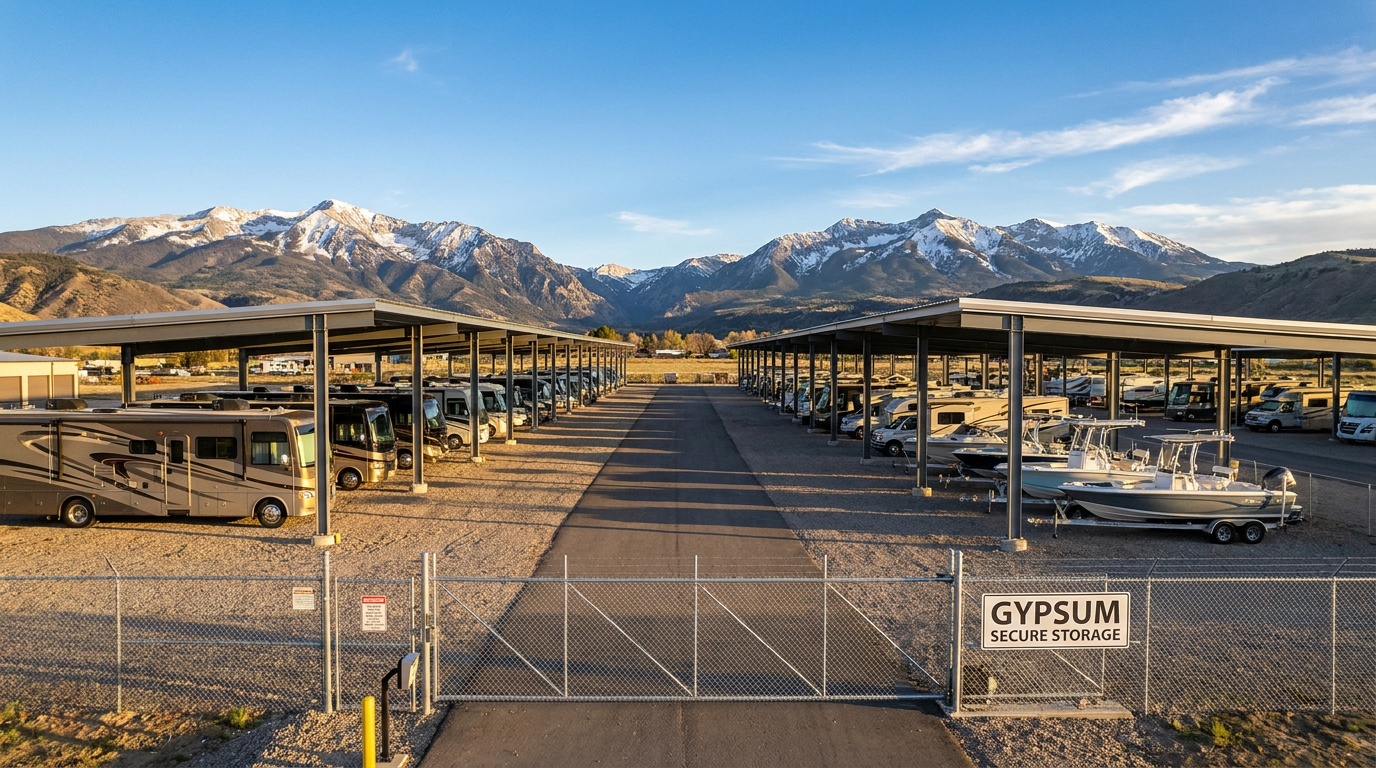
The first line of defense begins at the property boundary. Quality facilities feature 6 to 8 foot perimeter fencing made of commercial-grade steel or concrete. Chain link fencing with barbed wire or anti-climb features provides adequate protection, while wooden fencing or low decorative barriers signal inadequate security investment.
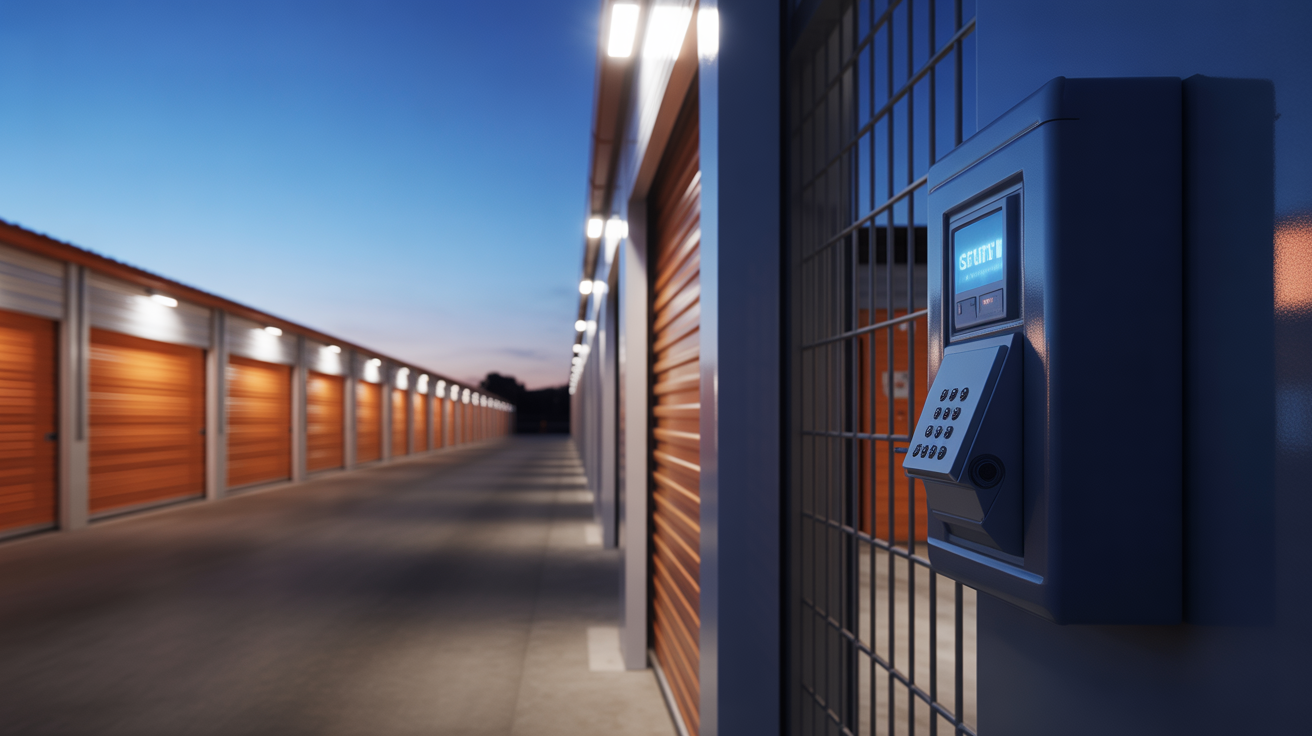
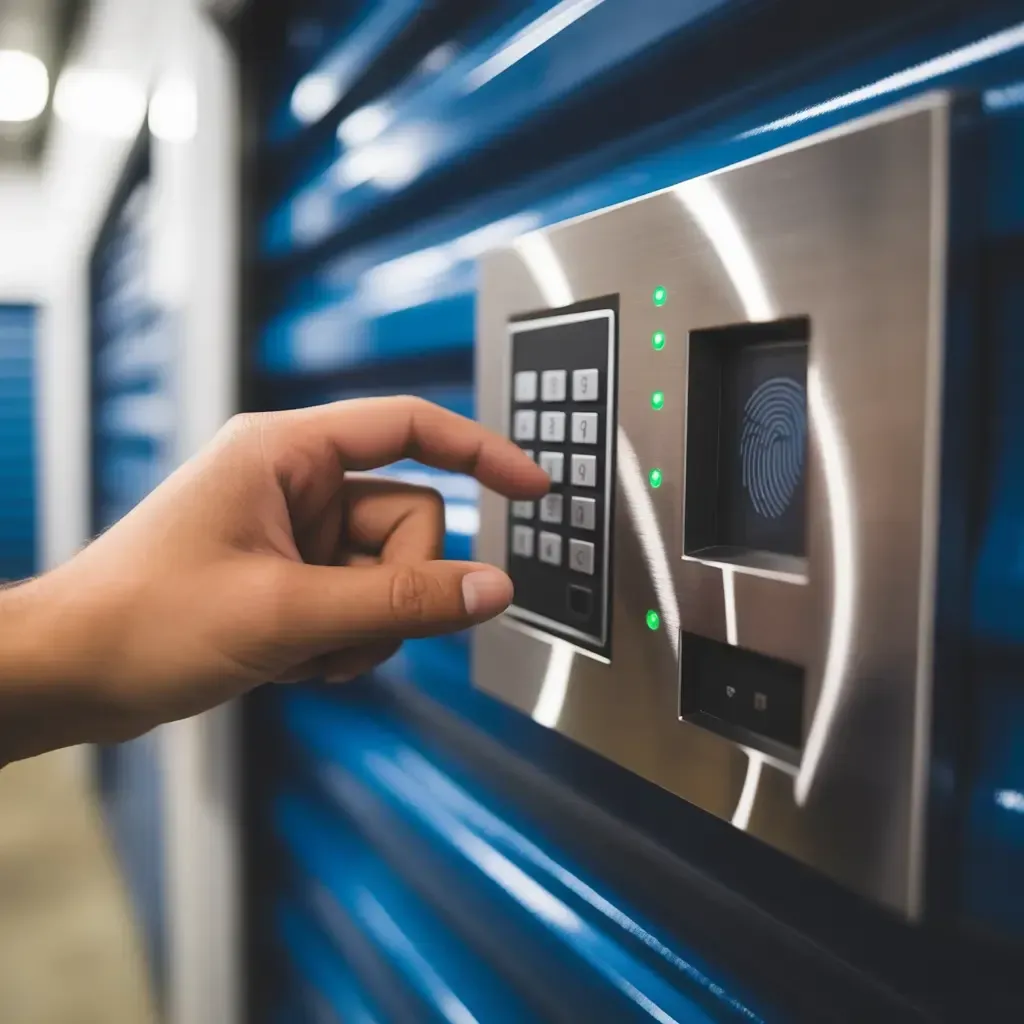
Gated access with personalized entry codes ensures only authorized renters enter the property. Each tenant should receive a unique PIN code that logs their entry and exit times. This creates an audit trail that helps identify who accessed the facility during specific timeframes. Facilities using a single shared code for all tenants eliminate this accountability.
Advanced facilities now offer smart lock technology with digital key sharing, allowing you to grant temporary access to family members or delivery personnel while maintaining complete access records. This technology represents a significant upgrade over traditional keypad systems.
Video Surveillance Systems
Effective surveillance requires more than cameras mounted on buildings. Look for facilities with cameras positioned at entry gates, hallway intersections, individual unit rows, and parking areas. Coverage gaps create blind spots that experienced thieves exploit.
The quality of cameras matters significantly. Modern facilities use high-definition cameras (1080p minimum) with night vision capability and at least 30 days of footage retention. Ask facility managers directly about their camera resolution and storage duration. Vague answers suggest outdated or poorly maintained systems.
Remote monitoring adds another security layer. Facilities that transmit footage to off-site security companies or cloud storage maintain evidence even if on-site recording equipment is damaged or stolen during a break-in.
Lighting and Visibility
Well-lit facilities deter criminal activity and improve surveillance camera effectiveness. Parking areas, walkways, and unit access points should have lighting that activates automatically at dusk. Motion-activated lights in unit hallways provide additional security while reducing energy costs.
During your facility tour, note any burned-out bulbs, dark corners, or areas where someone could hide undetected. Poorly maintained lighting often indicates broader maintenance neglect that extends to security systems.
Individual Unit Security Features
Beyond facility-wide security, individual unit features provide your last line of defense. Units with individual door alarms alert staff immediately when opened, creating a response window measured in minutes rather than hours.
Door construction matters significantly. Steel roll-up doors with reinforced frames resist prying and cutting attempts better than thin aluminum alternatives. Check for door integrity during your tour, looking for dents, gaps, or signs of previous forced entry attempts.
Climate-controlled indoor units often provide enhanced security through limited access points. Rather than individual exterior doors, these units typically exist within a secured building requiring multiple authentication steps to reach.
Locks: Your Personal Security Investment
The lock you choose represents your direct contribution to unit security. Standard padlocks, while inexpensive at $5 to $15, offer minimal protection. Bolt cutters defeat most padlocks in under 30 seconds.
Recommended Lock Types
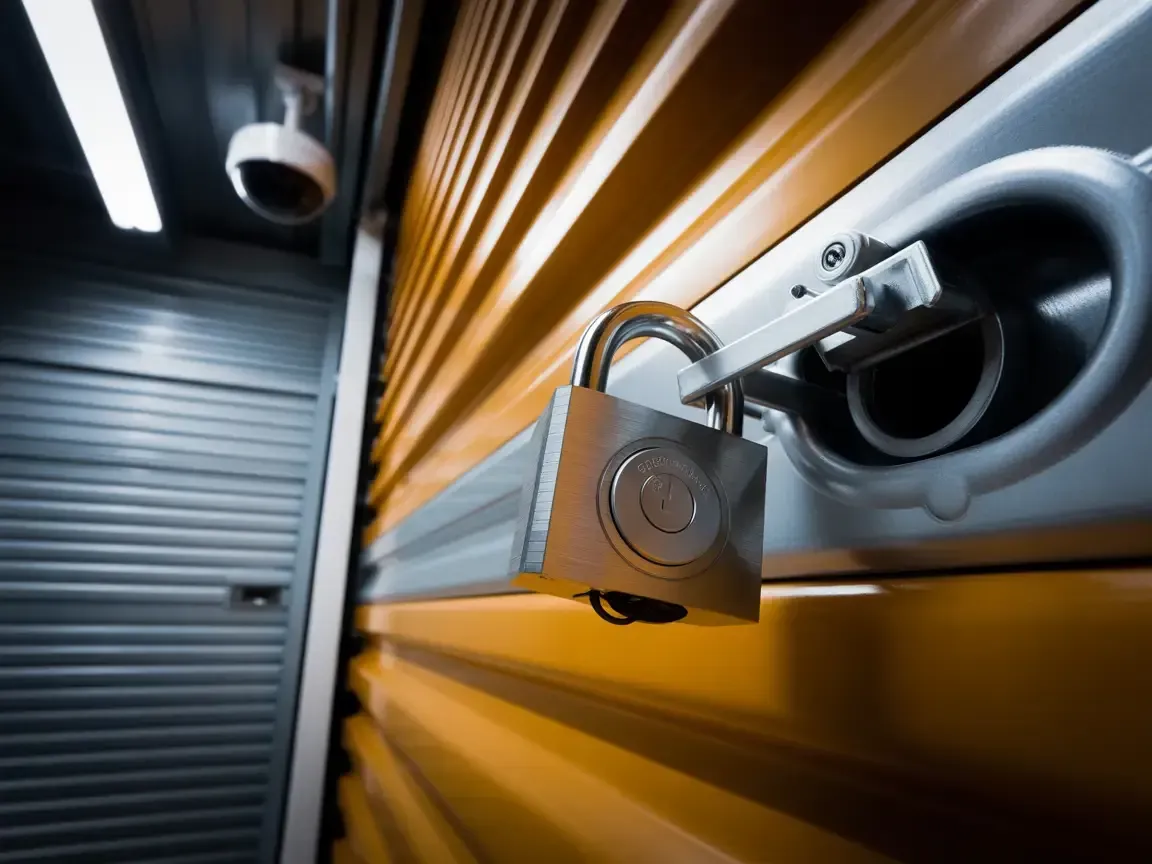
Disc locks (also called disc padlocks or circular locks) cost $15 to $40 and provide significantly better protection. Their circular design with a shrouded shackle prevents bolt cutter access. The shackle extends only enough to secure the hasp, leaving no exposed metal to cut.
Cylinder locks mount directly into the door mechanism, eliminating external shackles entirely. These locks cost $20 to $50 and require drilling or specialized tools to defeat. Many modern facilities include cylinder lock compatibility as a standard feature.
Smart locks represent the newest security option, ranging from $50 to $150. These battery-powered locks connect to smartphone apps, providing access notifications, entry logs, and the ability to change access codes remotely. Some facilities now offer integrated smart lock systems included with rental.
Locks to Avoid
Combination locks with exposed shackles fail against determined thieves. The combination mechanism itself presents a vulnerability, as many can be decoded or shimmed open. Standard keyed padlocks from hardware stores offer convenience but minimal security. If a lock costs under $10, assume it provides proportional protection.
Red Flags That Signal Security Problems
Identifying problematic facilities before signing a lease saves significant stress and potential loss. Watch for these warning signs during your facility evaluation.
Physical Security Failures
- Broken or propped-open gates: Defeats the purpose of access control entirely
- Damaged fencing with visible gaps: Creates unauthorized entry points
- Non-functional cameras: Look for disconnected cables, damaged housings, or cameras pointed at walls
- Overgrown vegetation near fencing: Provides cover for intrusion attempts
- Graffiti or vandalism on property: Indicates inadequate monitoring and response
Operational Red Flags
- No ID verification during rental: Allows anonymous access to the facility
- Shared access codes: Eliminates individual accountability
- No on-site staff during business hours: Delays response to security incidents
- Reluctance to discuss security features: Suggests inadequate systems
- No insurance requirements or recommendations: Indicates lack of comprehensive security planning
Maintenance Neglect Indicators
Security systems require regular maintenance to function properly. Facilities that neglect visible maintenance likely neglect security system upkeep as well. Look for burned-out lights, rusty gates, cracked pavement, and general disrepair. These visible issues often correlate with invisible security system failures.
The Four Types of Security in Storage Facilities
Security professionals categorize protection measures into four distinct types. Understanding this framework helps you evaluate facilities systematically.
Physical Security
Physical security includes tangible barriers: fencing, gates, walls, doors, and locks. These elements prevent or delay unauthorized physical access. Evaluate physical security by asking how long it would take an intruder to reach your unit if they arrived with basic tools.
Electronic Security
Electronic systems detect and document security events. Cameras, alarms, motion sensors, and access logging fall into this category. Electronic security cannot prevent intrusion but creates evidence and enables rapid response.
Procedural Security
Procedural security encompasses policies and practices: ID verification requirements, access hour restrictions, visitor policies, and incident response protocols. Strong procedures maximize the effectiveness of physical and electronic systems.
Human Security
On-site staff, security patrols, and resident managers provide human security. People can respond to unusual situations that automated systems miss. Facilities with 24/7 staff presence or regular security patrols offer significantly faster incident response than unmanned locations.
Climate-Controlled Units and Security Benefits
Beyond protecting temperature-sensitive items, climate-controlled storage units often provide inherent security advantages. These units typically exist within enclosed buildings rather than as individual exterior-access structures.
Building access requires passing through a main entrance with surveillance coverage. Interior hallways provide additional camera coverage and limited escape routes for potential intruders. The building envelope itself creates another physical barrier beyond the unit door.
In mountain climates like Colorado's Vail Valley, climate control serves dual purposes. Units maintaining temperatures between 55 and 80 degrees Fahrenheit protect sensitive items from freeze damage while the indoor location provides enhanced security. This combination makes climate-controlled options particularly valuable for high-value storage.
Questions to Ask Before Renting
Prepare these questions for your facility tour to evaluate security comprehensively:
- How long do you retain surveillance footage? (Minimum acceptable: 30 days)
- Are access codes unique to each tenant? (Shared codes indicate weak security)
- What happens if someone attempts to break into my unit? (Look for specific response protocols)
- When were security systems last updated or maintained? (Regular maintenance indicates commitment)
- Is there on-site staff or security presence? (Human oversight improves response times)
- What type of locks do you recommend or require? (Disc or cylinder lock requirements suggest security awareness)
- Can I see the access log for my unit? (Access transparency indicates accountability)
Insurance and Security: Understanding the Connection
Storage facility insurance typically covers facility negligence, not theft from individual units. If a roof leak damages your belongings due to facility maintenance failure, their insurance may apply. If someone cuts your lock and steals your items, facility insurance likely does not cover your loss.
Protect yourself through tenant insurance or a rider on your homeowner's or renter's policy. Coverage costs $10 to $30 monthly for $5,000 to $15,000 in protection. Document stored items with photographs and receipts before placing them in storage.
Some facilities require proof of insurance as a rental condition. This requirement actually indicates security consciousness, as it demonstrates the facility understands the limits of their own protection measures.
What Happens During a Break-In
Understanding incident response helps set realistic expectations. When a break-in occurs at a well-secured facility, the typical sequence includes:
- Detection: Alarm triggers or camera motion detection identifies unusual activity (immediate)
- Verification: Staff or monitoring service confirms the security event (1 to 5 minutes)
- Response: Police notification and on-site response begins (5 to 15 minutes)
- Documentation: Footage review and incident reporting (same day)
- Notification: Affected tenants contacted with incident details (within 24 hours)
Facilities without monitoring or staff presence may not detect break-ins until the next business day or until affected tenants visit their units. This delay significantly reduces recovery chances and evidence quality.
Protecting High-Value Items
Certain items warrant additional security precautions beyond standard facility features. For valuables worth over $5,000, consider these supplementary measures:
- Secondary locks: Add a second disc lock if the unit accommodates multiple hasps
- Motion-activated cameras: Battery-powered cameras inside your unit provide additional documentation
- Inventory documentation: Photograph items with serial numbers visible and store records off-site
- Strategic placement: Position valuable items away from unit doors, behind less valuable items
- Visit irregularly: Unpredictable visit patterns prevent surveillance by potential thieves
For extremely valuable collections, consider facilities offering vault storage or units with enhanced security features like reinforced doors and individual alarm systems.
Seasonal Considerations for Vail Valley Storage
Storage security needs vary seasonally in mountain communities. During ski season, facilities near airports and resort areas experience higher traffic, which can improve security through increased presence but also creates more opportunities for tailgating through gates.
Off-season periods present different challenges. Reduced facility traffic means fewer witnesses to suspicious activity. However, facilities with 24/7 access and smart lock technology maintain security monitoring regardless of seasonal traffic patterns.
For travelers using Eagle County Airport, storage facilities with digital access features allow checking unit status remotely. This capability provides peace of mind during extended absences without requiring physical visits.
Making Your Final Decision
Evaluate storage facilities using a weighted scoring system. Assign points based on security feature presence and quality:
| Security Feature | Points |
|---|---|
| Perimeter fencing (6+ feet) | 10 |
| Gated access with individual codes | 15 |
| HD surveillance with 30+ day retention | 15 |
| Individual unit alarms | 15 |
| On-site staff or security | 15 |
| Adequate lighting throughout | 10 |
| Smart lock or digital access options | 10 |
| Climate-controlled indoor units available | 10 |
Facilities scoring 70 or above out of 100 provide strong security. Scores below 50 indicate significant security gaps that increase theft risk. Use this framework to compare multiple facilities objectively rather than relying on marketing claims alone.
Security features justify price premiums. A facility charging $20 more monthly but offering comprehensive security protects items worth far more than the annual $240 difference. Calculate the replacement cost of your stored items when evaluating whether security upgrades warrant additional expense.
Experience Modern Storage Security in Vail ValleyVail Airport Storage offers smart lock technology, 24/7 access, climate-controlled units, and digital key sharing. Located near Eagle County Regional Airport with no administrative fees or security deposits. View Available Units |