Storage Facility Red Flags: 12 Warning Signs That Should Make You Walk Away
The most dangerous storage facility red flags include visible pest evidence, water damage, broken security cameras, hidden fees in contracts, and staff who refuse to show you the actual unit before signing. According to the Self Storage Association, 25 to 30 percent of facilities fail basic maintenance inspections, and 68 percent of renters experience unexpected rate increases within their first 12 months.
Key Points:
|
Physical Condition Red Flags That Signal Poor Management
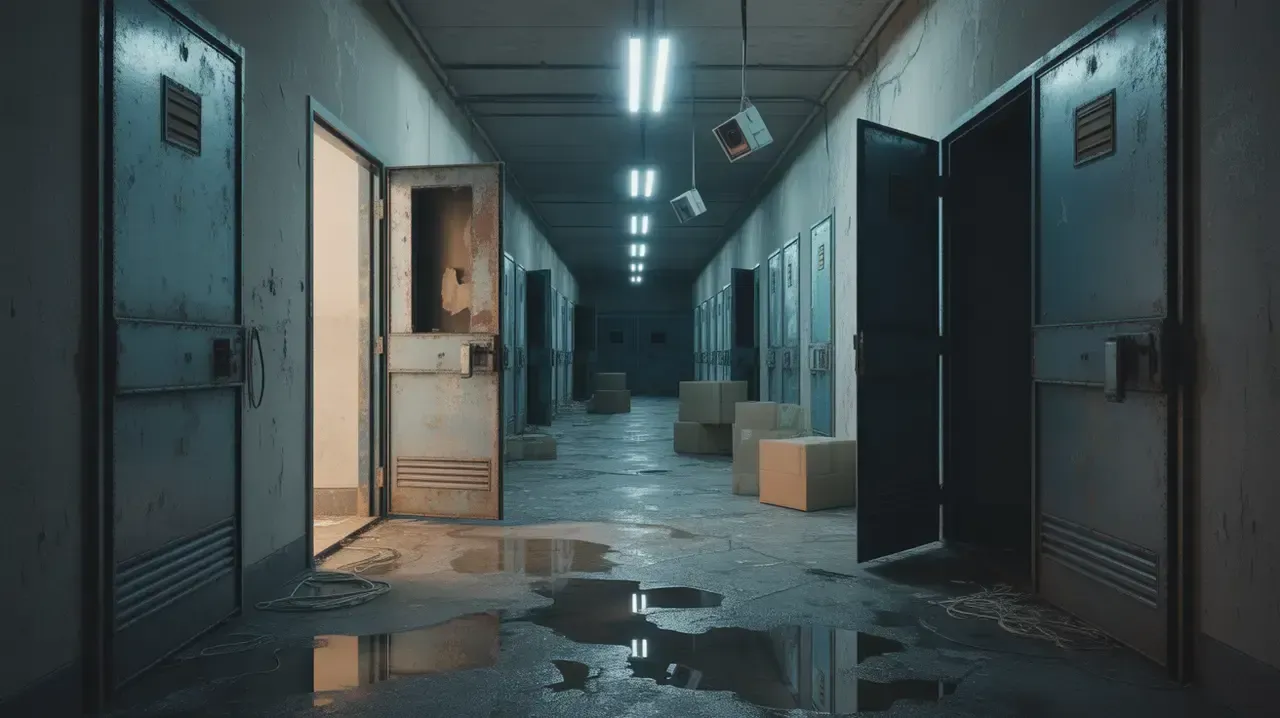
The physical state of a storage facility reveals everything about how management treats your belongings. A 2025 industry audit by Extra Space Storage found that facilities with visible maintenance issues have 3.2 times higher rates of customer complaints and damage claims. Your first walkthrough should feel like an inspection, not a sales tour.
Pest Evidence and Infestation Signs
Rodent droppings, gnaw marks on doors, dead insects in hallways, and spiderwebs in unit corners indicate active pest problems. The Self Storage Association reports that 12 percent of facilities experience pest infestations annually, with urban areas in cities like Denver, Phoenix, and Los Angeles seeing rates twice as high. Once pests establish themselves in a facility, they migrate between units through shared walls and ventilation systems.
Look specifically for mouse droppings near walls, cockroach egg casings in corners, and evidence of nesting materials like shredded paper or fabric. Facilities that spray pesticides reactively rather than maintaining preventive pest control programs create ongoing risks for your stored items. Ask management directly about their pest control schedule and provider.
Water Damage and Moisture Problems
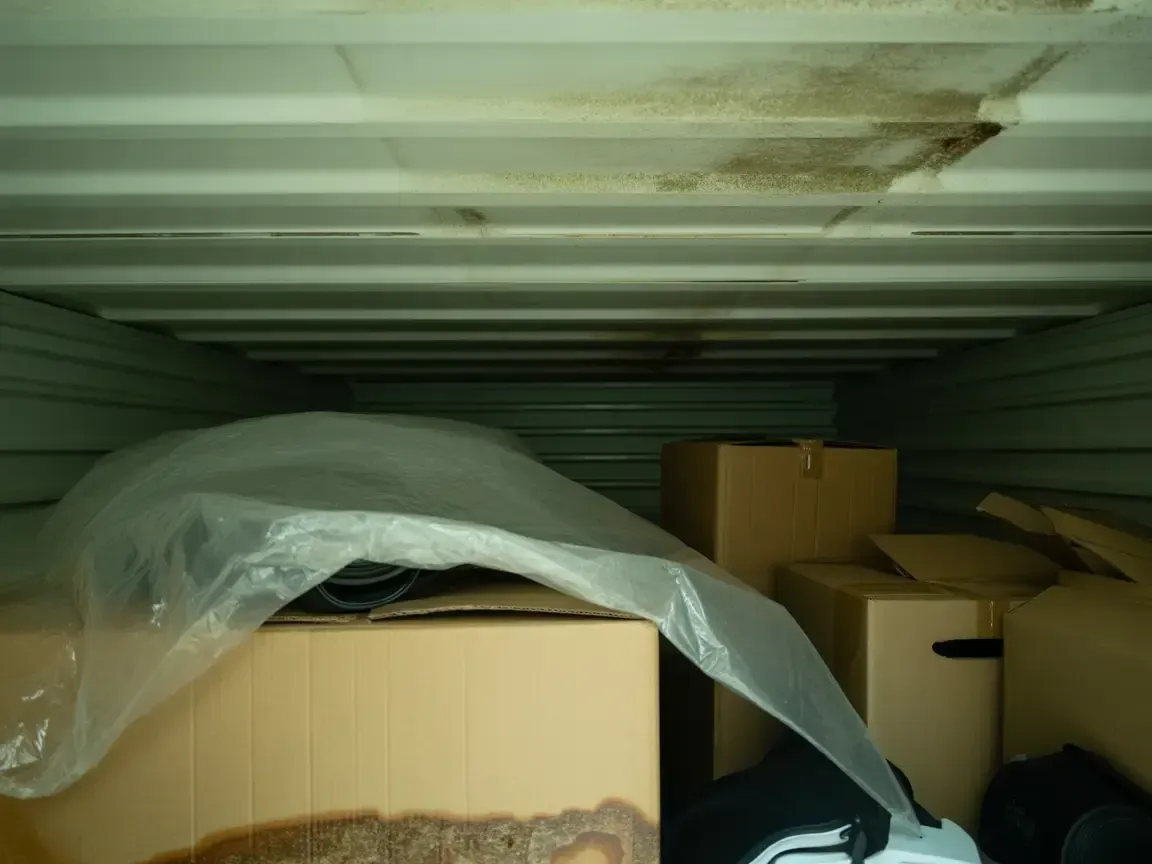
Stained ceilings, warped flooring, rust on unit doors, and musty odors signal moisture infiltration that destroys stored belongings. According to MiniCo Insurance, the leading self-storage insurance provider, water damage claims account for 31 percent of all storage unit insurance payouts. A single roof leak can damage items in multiple units before anyone notices.
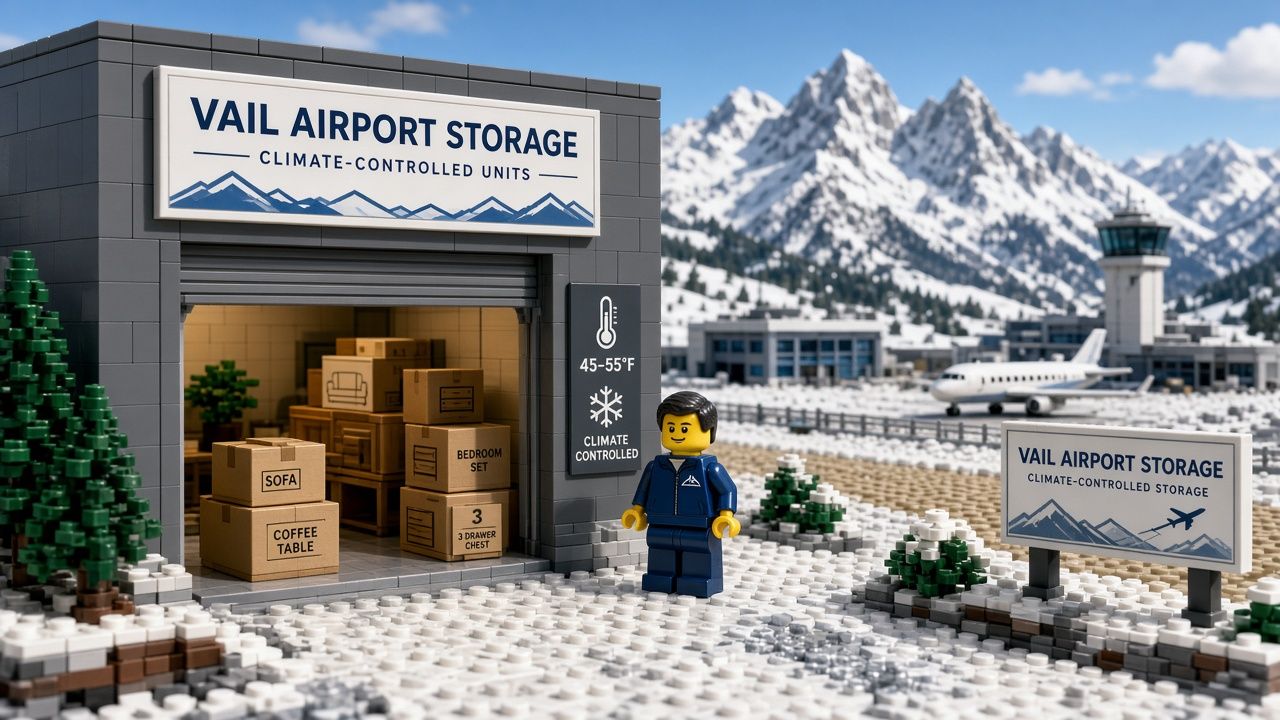
During your facility tour, run your hand along the bottom of unit walls to check for dampness. Inspect ceiling tiles for brown water stains or sagging. Smell the air inside units for mold or mildew odors. Facilities in mountain climates like Colorado's Vail Valley face particular risks from snowmelt infiltration during spring months. Climate-controlled units with proper HVAC systems, like those at Vail Airport Storage's climate-controlled facility, maintain consistent humidity levels between 30 and 50 percent to prevent moisture damage.
Broken Amenities and Deferred Maintenance
Non-functional elevators, flickering lights, broken gate keypads, and cracked pavement indicate management that cuts corners on maintenance. A JLL commercial real estate report found that facilities with more than 10 percent deferred capital expenditures have significantly higher tenant turnover and damage incidents. These visible problems suggest invisible ones: failing roof membranes, deteriorating fire suppression systems, and inadequate drainage.
Test every amenity during your visit. Push the elevator buttons. Try the keypad at the gate. Check that hallway lights work. Flush toilets in any restroom facilities. If management cannot maintain the parts you can see, they certainly are not maintaining the infrastructure you cannot see.
Security Vulnerabilities That Put Your Belongings at Risk
Security breaches at self-storage facilities result in an estimated $1.2 billion in stolen property annually across the United States, according to data compiled by Neighbor.com. Facilities with inadequate security measures experience theft rates between 5 and 10 percent of units per year. The right security infrastructure reduces this risk to below 1 percent.
Insufficient Camera Coverage
Modern storage facilities should have security cameras covering every hallway, entry point, and exterior area. Tom Benz, a security consultant with the Self Storage Association, recommends a minimum of 4 cameras per 100 units for adequate coverage. Facilities falling below this threshold experience 40 percent more security incidents than properly monitored locations.
Ask to see the camera monitoring setup during your tour. Verify that cameras record continuously rather than only on motion detection. Confirm how long footage is retained; 30 days minimum is industry standard. Facilities that cannot answer these questions or seem evasive about their security systems are hiding inadequate protection.
Weak Access Control Systems
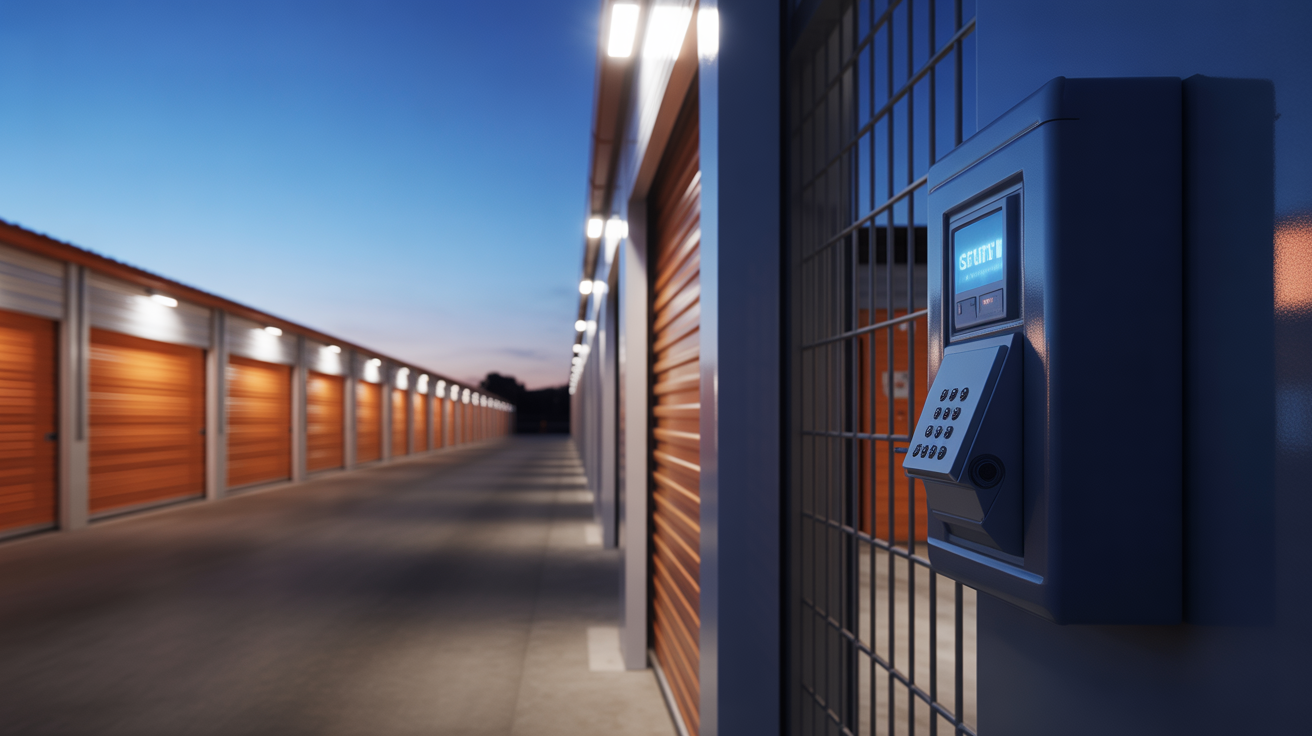
Gate codes shared among all tenants, broken perimeter fencing, propped-open doors, and 24/7 unrestricted access without monitoring create opportunities for theft. The best facilities use individual access codes that track entry and exit times for each tenant. Some modern facilities, including facilities near Eagle County Airport, now offer smart lock technology that provides digital key sharing and complete access tracking.
Red flags include gates that stay open for extended periods, fencing with gaps or damage, and doors without automatic closing mechanisms. Ask whether the facility logs individual access times and whether management reviews unusual access patterns. A facility that allows anyone to enter at any time without documentation is not secure.
No On-Site Management or Security Personnel
Facilities without regular staff presence experience higher rates of break-ins, vandalism, and unauthorized access. According to Public Storage's internal security analysis, locations with daily on-site management have 60 percent fewer security incidents than unmanned facilities. Staff presence deters criminal activity and enables rapid response to problems.
Ask about staffing schedules during your facility tour. Determine whether someone is on-site during business hours, evenings, and weekends. Find out how quickly management responds to after-hours security alerts. Facilities that operate entirely through remote monitoring and automated systems may offer lower prices but provide significantly less protection.
Pricing and Contract Red Flags That Cost You Money
Hidden fees and aggressive rate increases represent the most common complaints in the self-storage industry. A 2025 StorageCafe consumer survey found that 68 percent of storage renters experienced price increases within their first 12 months, with average increases ranging from 20 to 50 percent. Understanding contract terms before signing protects your budget.
Hidden Fees and Unclear Pricing
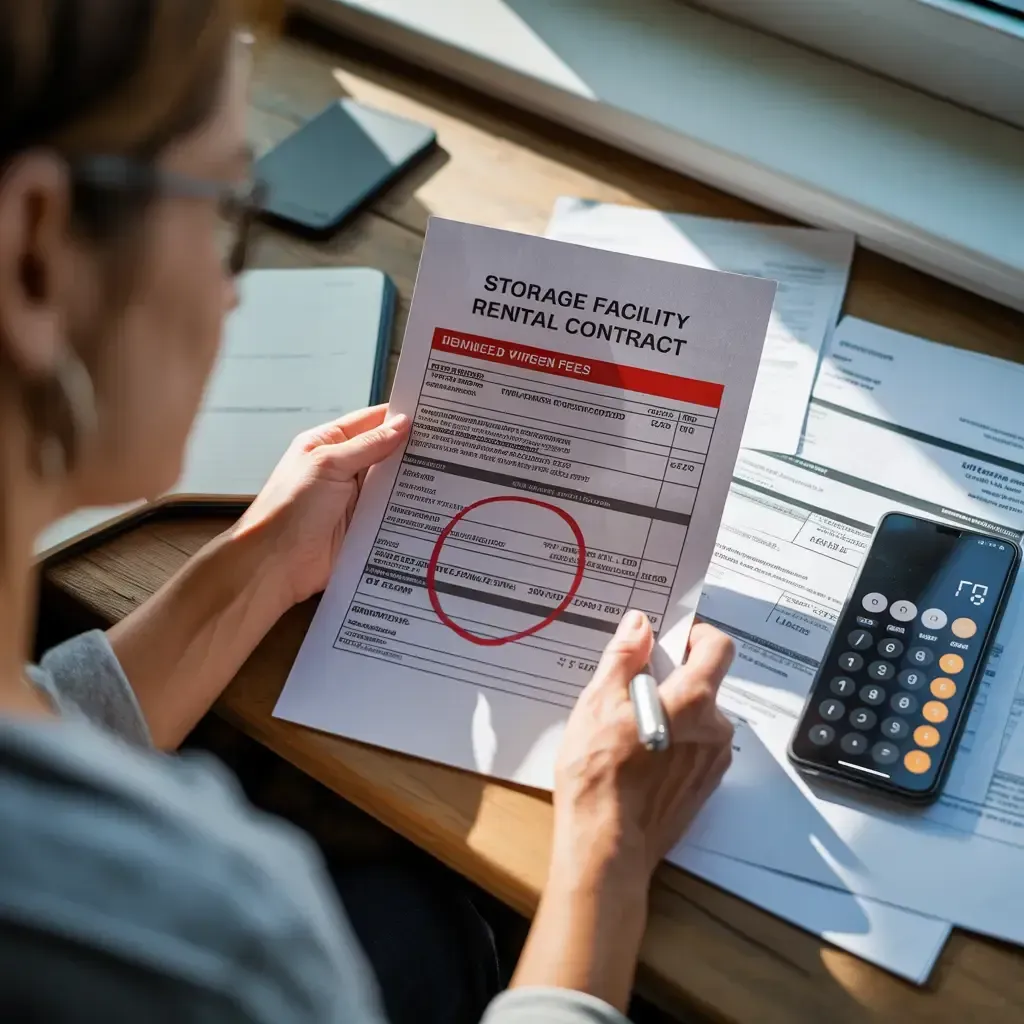
Administrative fees, mandatory insurance charges, lock purchase requirements, and late payment penalties can add 30 to 50 percent to your monthly storage costs. According to research compiled from Reddit's r/selfstorage community, 40 percent of chain storage facilities include fees not prominently disclosed during the initial sales process.
| Fee Type | Typical Cost | How to Avoid |
|---|---|---|
| Administrative Fee | $20 to $50 one-time | Choose facilities with no admin fees |
| Security Deposit | $25 to $100 refundable | Ask for deposit waiver or select no-deposit facilities |
| Mandatory Insurance | $10 to $25 monthly | Provide proof of homeowner's or renter's insurance |
| Lock Purchase | $15 to $40 one-time | Bring your own disc lock or choose smart-lock facilities |
| Late Payment Fee | $20 to $50 per occurrence | Set up automatic payments |
Request a complete fee schedule in writing before signing any contract. Reputable facilities like Vail Airport Storage advertise no administrative fees and no security deposits upfront, eliminating these surprise costs entirely.
Bait-and-Switch Unit Availability
Advertising extremely low prices for specific unit sizes that are never actually available represents a common deceptive practice in the storage industry. A JLL self-storage market report found that 25 percent of renters report being told their desired unit size is unavailable upon arrival, then pressured into more expensive alternatives.
Protect yourself by calling ahead to confirm specific unit availability before visiting. Ask for the exact unit number you will be renting. Request to see that specific unit during your tour, not a similar one. If a facility consistently has no availability for their advertised lowest-priced units, they are likely using bait-and-switch tactics.
Aggressive Rate Increase Policies
Major storage chains including CubeSmart, Public Storage, and Extra Space Storage are known for raising rates every 3 to 6 months after introductory promotional periods end. Reddit users in the r/selfstorage community report increases of 20 to 50 percent within the first year of tenancy. Some facilities raise rates specifically because moving stored items is inconvenient, creating a captive customer base.
Before signing, ask directly about rate increase policies. Request written documentation of when and how rates can change. Look for facilities that offer rate-lock guarantees for 12 months or longer. Read online reviews specifically mentioning price increases; patterns of complaints indicate problematic pricing practices.
Customer Service Red Flags That Predict Future Problems
How a storage facility treats you during the sales process predicts how they will treat you as a customer. Pushy sales tactics, refusal to answer questions, and unprofessional communication indicate management that prioritizes revenue over customer service.
Refusal to Show the Actual Unit
Any facility that will not let you inspect the specific unit you will be renting before signing is hiding something. According to Divine Moving's consumer guide, this represents one of the most obvious red flags for storage renters. Legitimate facilities have nothing to hide and welcome thorough inspections.
Insist on seeing your exact unit, not a model or similar unit. Check for cleanliness, damage, pest evidence, and proper door function. Test the lock mechanism. Measure the dimensions to confirm they match advertised sizes. Document any existing damage with photos before moving in.
Pressure Tactics and Urgency Creation
Claims that units are almost sold out, today-only pricing, or pressure to sign immediately without reading the contract indicate a facility that relies on manipulation rather than service quality. Legitimate storage facilities understand that customers need time to make informed decisions.
Walk away from any facility that will not give you time to review the contract at home, consult with family members, or compare options. High-pressure sales tactics often mask unfavorable contract terms that become apparent only after signing.
Poor Online Reviews and Reputation
Consistent negative reviews mentioning the same problems, such as pest issues, security breaches, rate increases, or poor customer service, indicate systemic management failures. Check Google Reviews, Yelp, and the Better Business Bureau before committing to any facility.
Pay attention to how management responds to negative reviews. Defensive, argumentative, or dismissive responses predict how they will handle your complaints. Look for facilities that acknowledge problems and describe specific corrective actions. A pattern of unaddressed complaints spanning multiple years indicates management that does not prioritize customer satisfaction.
The 4 D's of Self Storage: A Framework for Evaluation
Industry professionals use the 4 D's framework to evaluate storage facility quality: Distance, Dimensions, Durability, and Documentation. This systematic approach helps you compare facilities objectively and avoid emotional decision-making.
Distance and Accessibility
Consider how often you will need to access your stored items. A facility 30 minutes away may offer lower prices but becomes impractical for frequent access. Calculate the true cost including fuel, time, and convenience. For travelers using Eagle County Regional Airport, a storage facility near the airport provides significant convenience advantages.
Evaluate access hours carefully. 24/7 access sounds appealing but may indicate weaker security if not properly monitored. Determine whether access hours align with when you actually need to visit. Some facilities restrict hours during holidays or severe weather.
Dimensions and Size Accuracy
Storage unit sizes are nominal, meaning a 10x10 unit may actually measure 9.5 by 9.5 feet. This difference equals 9.75 square feet of lost space. Always measure the actual unit dimensions during your inspection. Use a storage size guide to determine what will actually fit in your chosen unit.
Consider ceiling height as well as floor dimensions. Units with 10-foot ceilings provide 25 percent more storage capacity than units with 8-foot ceilings for the same floor space. Stacking furniture and boxes vertically maximizes your rental value.
Durability and Construction Quality
Unit construction affects how well your belongings are protected. Look for concrete block walls rather than thin metal partitions. Check door seals for gaps that allow dust, pests, and moisture infiltration. Evaluate roof construction and drainage systems.
Climate-controlled units in mountain environments like Colorado's Vail Valley should maintain temperatures between 55 and 80 degrees Fahrenheit year-round. Ask for documentation of temperature and humidity monitoring. Facilities that cannot provide this data may not actually maintain consistent climate control despite advertising it.
Documentation and Contract Terms
Read every word of your storage contract before signing. Pay particular attention to rate increase clauses, insurance requirements, lien sale procedures, and termination terms. Understand exactly what happens if you miss a payment and how much notice is required to vacate.
Document the condition of your unit with dated photographs before moving items in. Keep copies of all contracts, payment receipts, and correspondence. This documentation protects you in disputes over damage, billing, or contract terms.
Two Key Considerations When Selecting Storage Options
Beyond avoiding red flags, focus on two critical factors that determine long-term storage success: climate control requirements and security feature adequacy.
Climate Control: When You Need It
Climate-controlled storage is essential for electronics, wooden furniture, musical instruments, artwork, photographs, documents, and any items sensitive to temperature or humidity extremes. In Colorado's mountain climate, where temperatures can range from negative 20 to 95 degrees Fahrenheit annually, climate control prevents warping, cracking, mold growth, and electronic component failure.
| Item Category | Climate Control Needed? | Reason |
|---|---|---|
| Electronics | Yes, essential | Condensation damages circuits; extreme cold affects batteries |
| Wooden Furniture | Yes, essential | Wood expands and contracts, causing cracks and warping |
| Clothing and Textiles | Recommended | Humidity promotes mold and mildew growth |
| Ski Equipment | Yes, essential | Temperature swings damage bindings, edges, and boot materials |
| Metal Tools | Helpful | Humidity causes rust; less critical than organic materials |
| Plastic Items | Not required | Plastic tolerates temperature variation well |
Climate-controlled units typically cost 25 to 50 percent more than standard drive-up units but provide essential protection for valuable or irreplaceable items. The cost of replacing damaged belongings almost always exceeds the premium for climate control.
Security Features: What Actually Matters
Effective storage security requires multiple layers working together. Individual unit alarms, perimeter fencing, gated access with unique codes, video surveillance with adequate retention, and regular staff presence create comprehensive protection. No single feature provides adequate security alone.
Smart lock technology represents the newest advancement in storage security. Facilities offering digital access tracking can tell you exactly when your unit was accessed and by whom. This capability proves invaluable if theft occurs and creates accountability that traditional locks cannot provide.
How to Tell If a Storage Unit Facility Is Safe
Evaluating storage facility safety requires examining physical security, operational procedures, and historical performance. A truly safe facility excels in all three areas.
Physical Security Assessment
Walk the entire perimeter during your facility visit. Check fencing for gaps, damage, or areas where someone could climb over. Verify that all gates close and lock properly. Count security cameras and note their positioning; ensure coverage includes your specific unit area.
Examine lighting throughout the facility. Criminals prefer dark areas where they can work unobserved. Well-lit hallways, parking areas, and unit access points deter break-in attempts. Motion-activated lighting in less-trafficked areas provides additional protection.
Operational Security Evaluation
Ask detailed questions about security procedures. How are access codes managed when tenants leave? Are codes changed regularly? What happens when someone enters an incorrect code multiple times? How quickly does management respond to security alerts?
Request information about recent security incidents. Legitimate facilities will be transparent about their security history and the measures taken to address any problems. Facilities that claim they have never had any security issues are either lying or have not been operating long enough to establish a track record.
Historical Performance Research
Search online for news reports about break-ins or thefts at the facility. Check police reports if available in your jurisdiction. Read online reviews specifically mentioning security concerns. Contact your local police department's non-emergency line to ask about incident history at the address.
The Better Business Bureau maintains complaint records that may reveal patterns of security-related issues. Insurance claim databases, while not publicly accessible, influence facility ratings that insurance providers may share with prospective tenants.
Red Flags for Storage Facility Investors and Buyers
If you are considering purchasing or investing in a storage facility rather than renting, additional red flags apply. Due diligence for acquisition requires examining financial performance, physical condition, and market position.
Financial Warning Signs
Vacancy rates exceeding 15 percent indicate either poor management, unfavorable location, or market oversupply. According to Inside Self-Storage industry analysis, facilities with high vacancy often have underlying problems that new ownership cannot easily fix.
Examine rent roll stability. High tenant turnover suggests pricing problems, service issues, or competition from nearby facilities. Look for patterns of tenants leaving after rate increases, which indicates pricing above market tolerance.
Physical Due Diligence Red Flags
Deferred maintenance exceeding 10 percent of property value should make you pause, according to Alan Bent of JLL's self-storage investment team. Roof replacement, HVAC system overhaul, and security system upgrades can cost hundreds of thousands of dollars and significantly impact investment returns.
Environmental issues including proximity to flood zones, contaminated soil from previous industrial use, or non-compliance with fire codes create liability and remediation costs that may exceed property value. Always conduct Phase I environmental assessments before acquisition.
Market Position Concerns
Multiple nearby competitors offering aggressive promotions, such as 50 percent off for 2 or more months or stacked promotional offers, indicate market oversupply. New construction in the immediate area may further increase competition and pressure rental rates downward.
Zoning restrictions that prevent expansion or improvement limit future value creation. Verify that current use complies with zoning and that any planned improvements are permitted under existing regulations.
Your Storage Facility Inspection Checklist
Use this comprehensive checklist during facility visits to systematically evaluate potential storage providers. Document your findings for comparison across multiple facilities.
Exterior Inspection
Check perimeter fencing for damage, gaps, or climbable sections. Verify gate functionality and access control systems. Assess parking lot condition and lighting. Look for security camera coverage of exterior areas. Note proximity to other businesses and traffic patterns.
Interior Inspection
Walk all hallways and note cleanliness, lighting, and camera coverage. Check for pest evidence including droppings, webs, and dead insects. Smell for mold, mildew, or chemical odors. Test elevator functionality if applicable. Verify fire suppression systems are present and appear maintained.
Unit Inspection
Examine your specific unit, not a model. Measure actual dimensions. Check walls, ceiling, and floor for damage or moisture. Test door operation and lock mechanism. Verify climate control functionality if applicable. Document existing damage with photographs.
Contract Review
Request complete fee schedule in writing. Understand rate increase policies and notice requirements. Verify insurance requirements and options. Review lien sale procedures and timelines. Confirm termination terms and any penalties.
Making Your Final Decision
After evaluating multiple facilities against these criteria, choose the option that best balances security, condition, pricing transparency, and convenience for your specific needs. The lowest price rarely represents the best value when hidden fees, rate increases, and inadequate protection are factored into total cost.
Trust your instincts during facility visits. If something feels wrong, it probably is. Professional storage facilities welcome thorough inspections and detailed questions because they have nothing to hide. Facilities that discourage inspection, rush your decision, or cannot answer basic questions about security and maintenance should be avoided regardless of price.
For residents of Colorado's Vail Valley, travelers using Eagle County Regional Airport, and outdoor enthusiasts storing seasonal equipment, choosing a facility with proven climate control, modern security technology, and transparent pricing protects both your belongings and your budget over the long term.
Find Storage You Can Trust in Vail ValleyVail Airport Storage offers climate-controlled units, smart lock technology, 24/7 access, and transparent pricing with no administrative fees or security deposits. See our available units and current promotions. View Available Units |