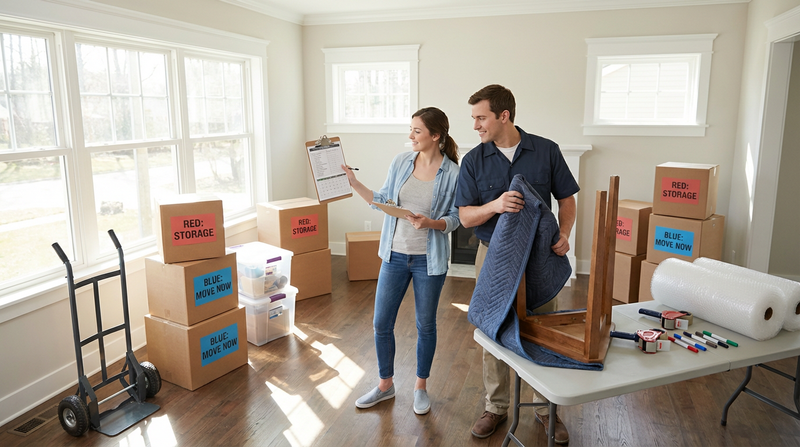
W hether you are storing treasured family heirlooms, delicate glassware, or valuable electronics, knowing how to pack fragile items for long-term storage can mean the difference between preserving your possessions and discovering heartbreaking damage months or years later. The challenges of extended storage differ significantly from short-term solutions, requiring careful consideration of materials, techniques, and environmental factors.
This comprehensive guide draws on expert packing methods and industry best practices to help you protect your most delicate belongings. From selecting the right materials to mastering specialized wrapping techniques, you will learn everything needed to ensure your fragile items remain intact throughout their time in storage.
Understanding the Unique Challenges of Long-Term Storage
Long-term storage presents distinct challenges that short-term solutions simply do not address. When items remain in storage for months or years, they face cumulative stress from temperature fluctuations, humidity changes, settling, and the gradual breakdown of inadequate packing materials. Understanding these challenges is the first step toward protecting your valuables.
Environmental Factors That Affect Fragile Items
Temperature variations cause materials to expand and contract repeatedly, which can stress glass, ceramics, and delicate joints over time. Humidity fluctuations pose additional risks, potentially warping wooden frames, encouraging mold growth on organic materials, and causing metal components to corrode. For residents of mountain communities like those in Eagle County, Colorado, these environmental concerns are particularly relevant given the dramatic seasonal weather changes.
Choosing a climate-controlled storage facility can mitigate many of these risks by maintaining consistent temperature and humidity levels year-round. This investment proves especially valuable for antiques, artwork, electronics, and items with sentimental value that cannot be replaced.
The Cumulative Effects of Time and Pressure
Even perfectly packed items experience gradual settling over extended periods. Boxes stacked for months compress under their own weight, and items inside shift imperceptibly. What begins as a snug fit can become loose padding that no longer protects against impact. Additionally, some packing materials degrade over time; newspaper ink transfers to surfaces, certain plastics become brittle, and foam can break down and lose its cushioning properties.
Essential Packing Materials for Fragile Items
Selecting high-quality packing materials is fundamental to protecting fragile items during long-term storage. Investing in proper supplies upfront prevents costly damage and preserves your belongings for years to come.
Boxes and Containers
The foundation of any packing strategy begins with sturdy, appropriately sized boxes. For fragile items, consider these options:
- Double-corrugated boxes : These feature two layers of corrugated cardboard, providing superior strength and crush resistance compared to standard single-wall boxes. They are ideal for heavy or particularly delicate items.
- Dish pack boxes : Also called dish barrels, these specialized containers measure approximately 18 x 18 x 28 inches and feature double-wall construction specifically designed for fragile dishware and glassware.
- Cell boxes : These include cardboard dividers that create individual compartments, perfect for stemware, bottles, and other items that should not touch each other.
- Picture and mirror boxes : Adjustable telescoping boxes designed to accommodate framed artwork and mirrors of various sizes while providing edge protection.
- Small to medium boxes : For fragile items, smaller boxes (approximately 1.5 cubic feet) are preferable because they limit weight, reduce the risk of overpacking, and allow for better cushioning distribution.
Always choose new or like-new boxes for long-term storage. Used boxes may have compromised structural integrity, hidden moisture damage, or pest contamination that could affect your belongings over time.
Wrapping and Cushioning Materials
Multiple layers of protection create the best defense against damage. Here are the essential materials to have on hand:
- Packing paper : Unprinted newsprint paper provides an excellent first layer for wrapping items. Unlike newspaper, it will not transfer ink to surfaces. Use it to wrap items individually before adding additional protection.
- Bubble wrap : Available in various bubble sizes, this material offers excellent shock absorption. Large bubbles (one inch or larger) work well for bulky items, while small bubbles conform better to intricate shapes. For long-term storage, apply two to three inches of bubble wrap thickness around fragile items.
- Foam sheets : Thin foam sheets provide a soft, non-abrasive layer ideal for wrapping items with delicate surfaces like fine china, crystal, or polished metals.
- Packing peanuts : These lightweight fillers work well for filling voids and preventing movement within boxes. Opt for biodegradable versions when possible.
- Kraft paper : Heavier than packing paper, kraft paper adds an extra protective layer and works well for bundling wrapped items together.
- Cardboard dividers : Custom or pre-made dividers keep items separated and prevent contact that could cause chips or scratches.
Specialty Materials for Specific Items
Certain fragile items require specialized protection:
- Anti-static bubble wrap : Essential for electronics, this pink-tinted material prevents static electricity buildup that can damage sensitive components.
- Acid-free tissue paper : Required for archival storage of photographs, documents, and textiles to prevent yellowing and deterioration.
- Glassine paper : A smooth, glossy paper that protects against moisture and fingerprints, ideal for artwork and photographs.
- Silica gel packets : These moisture absorbers help maintain dry conditions inside sealed containers, protecting against humidity damage.
Step-by-Step Packing Techniques for Common Fragile Items
Different fragile items require different approaches. The following techniques address the most common categories of delicate belongings.
How to Wrap Fragile Items for Storage
The basic wrapping technique applies to most fragile items and forms the foundation for more specialized methods:
- Prepare your workspace : Clear a large, clean, flat surface. Lay out packing paper in a stack for easy access.
- Create a paper cushion : Place several sheets of packing paper on your work surface, overlapping them to create a larger wrapping area.
- Position the item : Place the fragile item diagonally on the paper, near one corner.
- Wrap the first layer : Fold the corner of the paper over the item, tucking it underneath. Roll the item toward the opposite corner, folding in the sides as you go.
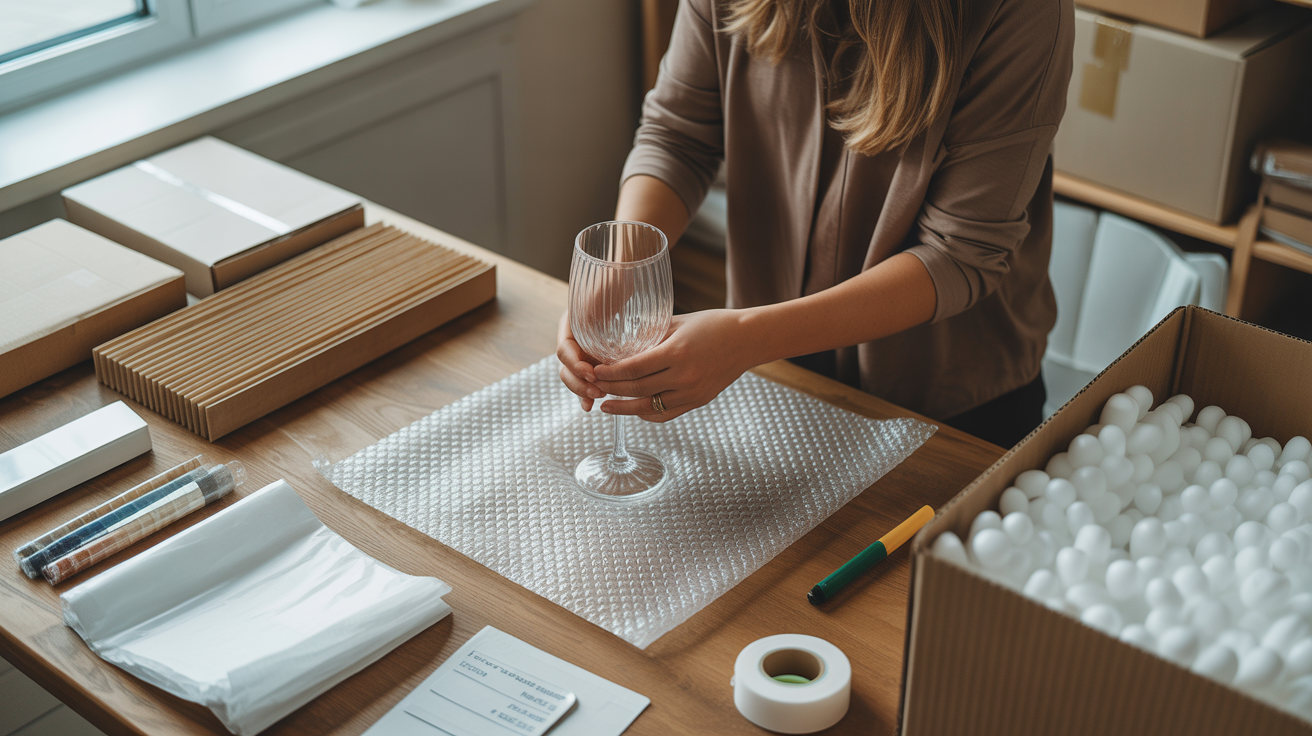
- Add bubble wrap : Once wrapped in paper, add a layer of bubble wrap, securing it with tape. Ensure all surfaces are covered, paying special attention to corners and protruding elements.
- Secure without over-tightening : Use tape to hold materials in place, but avoid wrapping so tightly that you create pressure points.
Packing Glassware and Stemware
Glassware requires particular attention due to its fragility and often irregular shapes:
- Stuff hollow spaces : Before wrapping, fill the inside of glasses, vases, and other hollow items with crumpled packing paper. This internal support prevents collapse from external pressure.
- Wrap stems separately : For stemware, wrap the stem and base with extra padding, as these are the most vulnerable points.
- Use the bundle method : Wrap two to three glasses together after individually wrapping each one. This creates a more stable unit that resists tipping.
- Pack vertically : Place wrapped glasses upright or on their sides, never upside down on their rims. The rim is often the thinnest and most fragile part.
- Create layers : Place a thick layer of crumpled paper on the box bottom, add a layer of wrapped glasses, cover with more paper, and repeat. Each layer should be snug but not compressed.
Protecting Dishes and Plates
Plates and dishes face unique stresses when stacked, making proper packing essential:
- Wrap each plate individually : Place the plate in the center of a packing paper sheet and fold the paper over, creating a neat package.
- Stack in small groups : Bundle three to four wrapped plates together, securing with tape or an additional paper layer.
- Pack on edge, not flat : Place plate bundles vertically in the box, like records in a crate. This position distributes weight more evenly and reduces the risk of pressure fractures that occur when plates are stacked flat.
- Fill gaps completely : Use crumpled paper or foam peanuts to fill every void. Plates should not shift when you gently shake the sealed box.
- Limit box weight : A box of dishes can become extremely heavy. Keep the total weight under 30 pounds for safe handling.
Storing Electronics Safely
Electronics require protection from both physical damage and environmental factors:
- Use original packaging when available : Manufacturers design packaging specifically for their products. If you have retained original boxes and foam inserts, use them.
- Remove batteries : Batteries can leak over time, causing corrosive damage. Remove all batteries before storage.
- Wrap in anti-static material : Standard bubble wrap can generate static electricity. Use anti-static (pink) bubble wrap for all electronic components.
- Protect screens : Place a layer of foam or cardboard over screens before wrapping to prevent pressure damage.
- Label cables : If disconnecting cables, label each one and store them with their corresponding device in a sealed bag.
- Consider climate control : Electronics are particularly sensitive to humidity and temperature extremes. Climate-controlled storage units provide the stable environment electronics need.
Preserving Artwork and Framed Items
Artwork requires careful handling to prevent damage to both the piece and its frame:
- Clean before packing : Dust frames and glass gently before wrapping to prevent scratching.
- Protect the glass : Apply painter's tape in an X pattern across glass surfaces. If the glass breaks, the tape will hold fragments in place and prevent them from damaging the artwork.
- Wrap in glassine first : For valuable artwork, a layer of glassine paper protects against moisture and prevents materials from sticking to the surface.
- Add cardboard corners : Protect frame corners with cardboard corner protectors or folded cardboard pieces secured with tape.
- Use picture boxes : Adjustable picture boxes accommodate various sizes and provide rigid protection during storage.
- Store upright : Never lay framed artwork flat. Store pieces vertically, and if storing multiple pieces together, place padding between each one.
Protecting Antiques and Heirlooms
Antiques and family heirlooms often have irreplaceable value and may require extra care:
- Document condition : Photograph items from multiple angles before packing. This documentation proves invaluable for insurance purposes and helps you identify any changes after storage.
- Research specific needs : Different materials have different requirements. Wood needs humidity control, silver requires tarnish-prevention measures, and textiles need protection from pests.
- Use soft materials : Clean cotton cloths, acid-free tissue, and muslin provide gentle protection without chemicals that might react with antique surfaces.
- Avoid plastic for long-term contact : While plastic protects against moisture, it can trap humidity and cause condensation. Use breathable materials for items in direct contact with antiques.
- Consider professional assessment : For particularly valuable items, consulting with a conservator before storage can prevent costly mistakes.
What Is the Best Packing Material for Fragile Items?
The best packing material depends on the specific item and storage duration. For most fragile items in long-term storage, a combination of materials provides optimal protection:
For general fragile items : Start with acid-free packing paper as the first layer against the item's surface, followed by bubble wrap for cushioning, all placed in a double-corrugated box with packing peanuts or crumpled paper filling voids.
For extremely delicate items : Use foam sheets or glassine paper as the first layer, followed by multiple layers of small-bubble wrap, custom-cut foam inserts, and a rigid outer container.
For items with delicate surfaces : Acid-free tissue paper or clean cotton fabric prevents scratching and chemical reactions, followed by soft padding materials.
The key principle is layering: each layer serves a specific purpose, from preventing surface damage to absorbing shock to maintaining position within the container.
Is Packing Paper or Bubble Wrap Better for Moving?
This common question has a nuanced answer: both materials serve important but different functions, and the best approach uses them together.
Packing paper excels at :
- Providing a clean, non-abrasive first layer against item surfaces
- Filling small voids and gaps
- Wrapping items with intricate details where bubble wrap might not conform
- Cost-effective protection for less fragile items
- Biodegradable and environmentally friendly disposal
Bubble wrap excels at :
- Absorbing shock and impact
- Providing consistent cushioning thickness
- Protecting against compression
- Creating a moisture barrier
- Visible confirmation that items are protected
For long-term storage of fragile items, use packing paper as the first layer to prevent surface damage and ink transfer, then add bubble wrap for cushioning. This combination addresses both surface protection and shock absorption.
Will UPS Pack Fragile Items?
While this guide focuses on self-storage rather than shipping, many people ask about professional packing services. UPS Store locations do offer packing services for fragile items, including custom packaging solutions for unusually shaped or extremely delicate objects. However, for items going into long-term storage rather than transit, packing them yourself using the techniques in this guide often provides better protection because you can customize the approach to your specific storage conditions and duration.
If you prefer professional assistance, many moving companies and specialty packing services offer long-term storage preparation. When hiring professionals, ensure they understand the difference between packing for a short move and packing for extended storage, as the techniques differ significantly.
Box Packing Strategies for Maximum Protection
How you arrange items within boxes significantly impacts their safety during storage.
The Foundation Layer
Every box should begin with a two to three inch layer of cushioning material at the bottom. Crumpled packing paper works well, as do packing peanuts or foam sheets. This layer absorbs shock from below and prevents items from contacting the box bottom directly.
Weight Distribution
Place heavier items at the bottom of boxes and lighter items on top. This prevents crushing and creates a more stable package. However, remember that fragile items should generally go in smaller boxes to limit overall weight.
Preventing Movement
Items that shift during storage can chip, crack, or break against each other or the box walls. Fill every void with cushioning material. The test is simple: gently shake the sealed box. If you hear or feel movement, add more padding.
Creating Separation
Fragile items should never touch each other directly, even when individually wrapped. Use cardboard dividers, additional padding, or foam sheets between items. This separation prevents the transfer of impact from one item to another.
Top Layer Protection
Before sealing, add a final layer of cushioning on top. This protects against compression if other boxes are stacked above and provides a buffer against impacts from above.
Labeling and Organization for Long-Term Storage
Proper labeling serves multiple purposes: it guides handlers, helps you locate items later, and ensures fragile boxes receive appropriate treatment.
Essential Labels
- FRAGILE : Apply to multiple sides of the box in large, clear letters
- THIS SIDE UP : Include an arrow indicating proper orientation
- Contents description : List the general contents (e.g., "Kitchen: Glassware and Stemware")
- Room destination : If you will eventually unpack to a specific location, note it now
- Date packed : Helps you track how long items have been in storage
- Priority level : If some boxes contain items you might need to access, mark them accordingly
Creating an Inventory
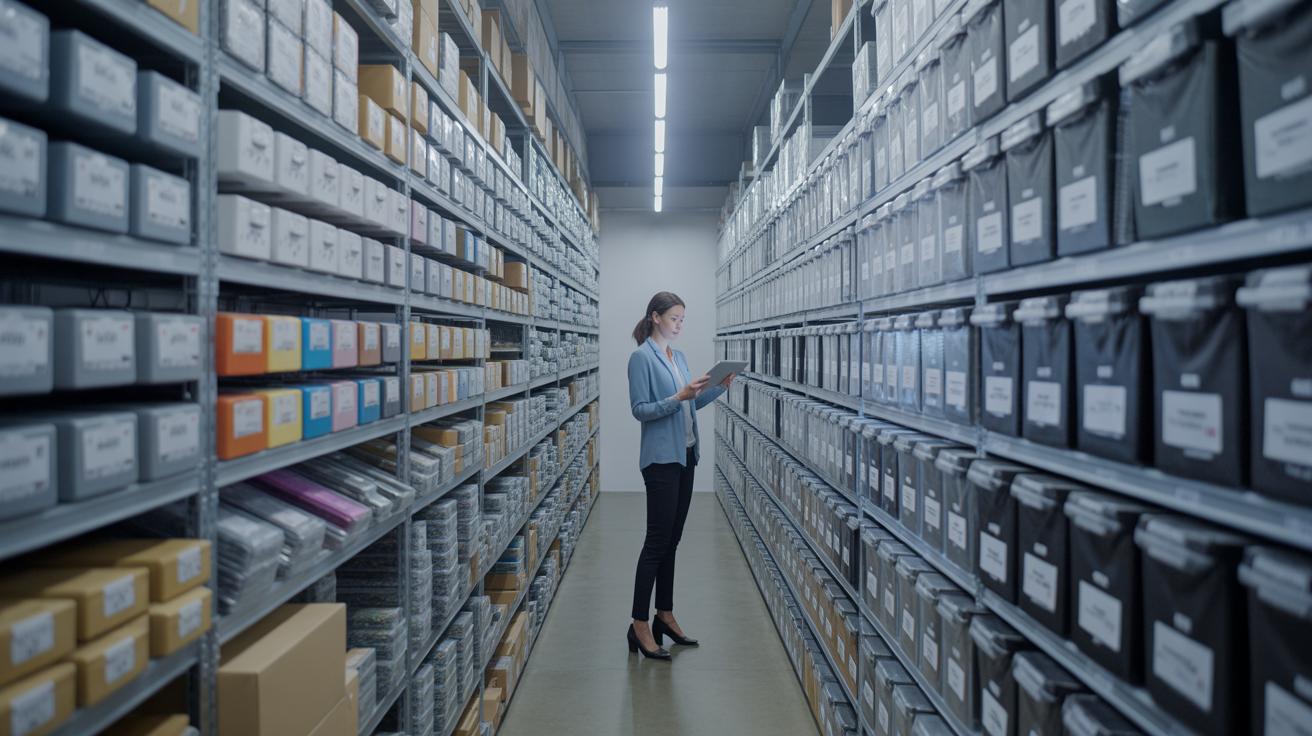
For long-term storage, maintain a written or digital inventory of packed items. Number each box and create a corresponding list of contents. This system proves invaluable when you need to locate specific items without opening multiple boxes, and it provides documentation for insurance purposes.
Storage Unit Organization and Placement
How you arrange items within your storage unit affects their long-term safety.
Stacking Guidelines
- Place heaviest, sturdiest boxes on the bottom
- Never stack fragile boxes more than two high
- Position fragile boxes on top of the stack or on shelving
- Leave space between stacks for air circulation
- Create stable, level surfaces before adding upper layers
Accessibility Considerations
If you might need to access fragile items during the storage period, position those boxes where you can reach them without moving other items. Repeatedly shifting boxes to reach items behind them increases the risk of accidents.
Environmental Positioning
Within your unit, place fragile items away from exterior walls where temperature fluctuations are greatest. Elevate boxes off concrete floors using pallets or shelving to prevent moisture absorption. If your unit has climate control, these concerns are minimized, but the precautions still provide additional protection.
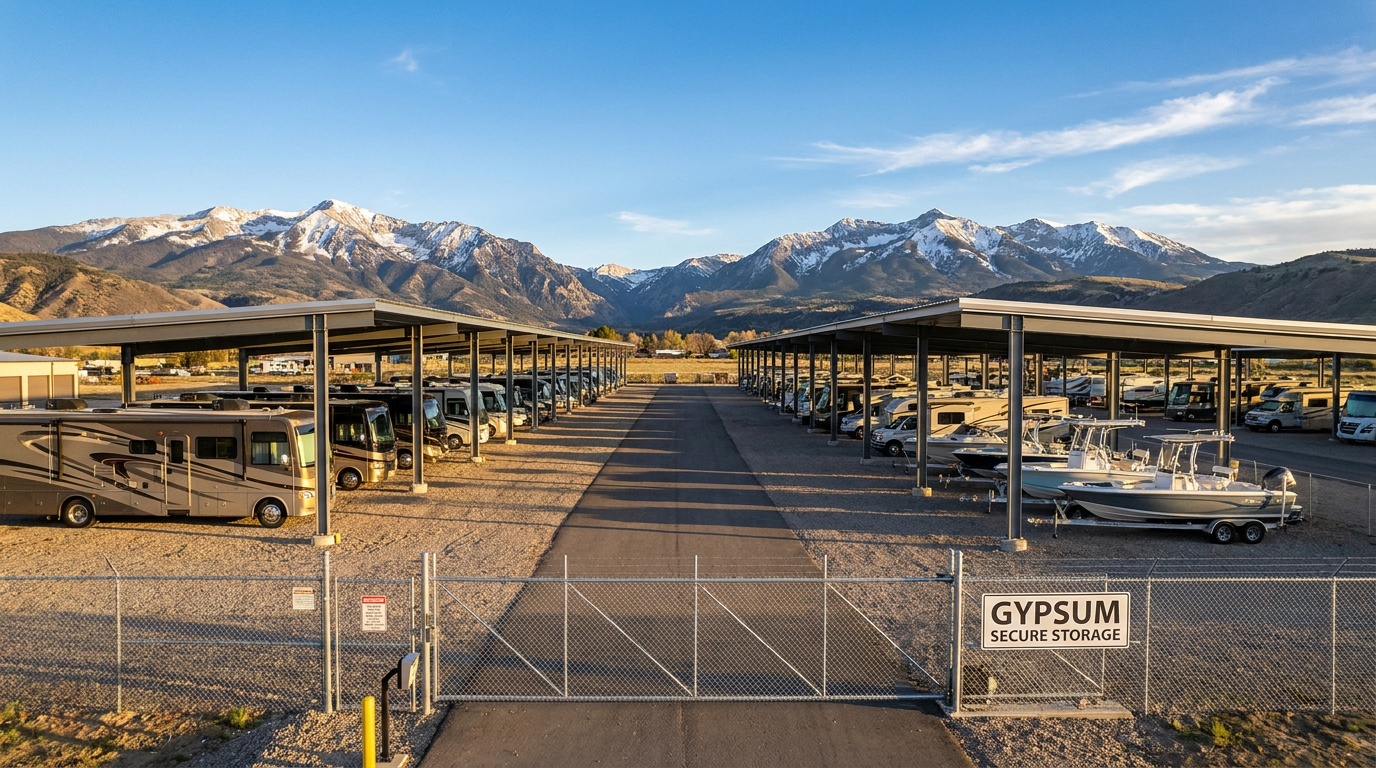
For those storing items near Eagle County Regional Airport, convenient airport-adjacent storage solutions offer both accessibility and the security features that protect valuable belongings.
Common Mistakes to Avoid
Learning from others' mistakes can save your fragile items from preventable damage.
Overpacking Boxes
The temptation to fit more items into fewer boxes leads to overpacked containers that are too heavy to handle safely and lack adequate cushioning. Keep fragile item boxes under 30 pounds and ensure ample padding surrounds each piece.
Using Newspaper for Wrapping
While newspaper seems like a convenient, free packing material, the ink transfers to surfaces over time, leaving permanent stains on dishes, glassware, and other items. Always use unprinted packing paper for items that will remain wrapped for extended periods.
Neglecting Internal Supports
Hollow items like vases, bowls, and decorative pieces need internal support. Without stuffing inside, external pressure can cause collapse. Always fill hollow spaces with crumpled paper before wrapping the exterior.
Sealing Items in Plastic
While plastic provides moisture protection, completely sealing items in plastic for long-term storage can trap humidity inside, leading to mold, mildew, or condensation damage. Use plastic strategically, not as a complete seal, or include silica gel packets to absorb moisture.
Ignoring Climate Concerns
Storing fragile items in non-climate-controlled units subjects them to temperature extremes and humidity fluctuations that cause gradual damage. For valuable or irreplaceable items, the additional cost of climate-controlled storage is a worthwhile investment.
Rushing the Packing Process
Careful packing takes time. Rushing leads to inadequate wrapping, insufficient padding, and poor box organization. Schedule enough time to pack fragile items properly, and take breaks to maintain focus and attention to detail.
Special Considerations for Mountain Climate Storage
Storing fragile items in mountain communities like those in the Vail Valley presents unique challenges. The dramatic temperature swings between seasons, low humidity, and high altitude all affect stored items.
Temperature Fluctuations
Mountain regions experience significant temperature variations, sometimes within a single day. These fluctuations cause materials to expand and contract repeatedly, stressing glass, ceramics, and adhesives. Climate-controlled storage maintains consistent temperatures that prevent this thermal cycling.
Low Humidity Concerns
Mountain air tends to be dry, especially in winter. While this reduces mold risk, it can cause wooden items to crack, leather to dry out, and certain materials to become brittle. Climate-controlled units typically maintain humidity levels that protect against both excessive moisture and excessive dryness.
Altitude Effects
At higher altitudes, air pressure differences can affect sealed containers and certain materials. While this rarely causes significant problems for most fragile items, it is worth considering for items with sealed compartments or pressure-sensitive components.
[FOOTER_IMAGE]Preparing for Retrieval
Eventually, you will retrieve your stored items. Planning for this phase during packing makes the process smoother and safer.
Documentation
Keep your inventory list accessible, not packed in storage. Digital copies stored in cloud services ensure you can always access your records.
Inspection Plan
When retrieving items, inspect them before fully unpacking. Look for signs of moisture, pest activity, or damage. If problems exist, document them immediately for insurance purposes.
Gradual Acclimatization
Items stored in climate-controlled units may need time to adjust to different conditions in your home. Avoid placing cold items in warm environments too quickly, as rapid temperature changes can cause condensation and thermal shock.
Final Checklist for Packing Fragile Items
Before sealing each box, verify the following:
- Each item is individually wrapped with appropriate materials
- Hollow items have internal support
- A cushioning layer exists at the box bottom
- Items do not touch each other or box walls
- All voids are filled with padding
- Heavy items are at the bottom, lighter items on top
- A cushioning layer covers the top before sealing
- The box is sealed securely with quality packing tape
- Labels clearly indicate fragile contents and proper orientation
- The box is not too heavy to lift and handle safely
- Contents are documented in your inventory
Following these guidelines protects your fragile items throughout their time in storage, ensuring they emerge in the same condition they entered. The investment of time and quality materials pays dividends in preserved belongings and peace of mind.
For those seeking secure, convenient storage solutions near Eagle County Airport, modern facilities offer the features that fragile items need: climate control, security monitoring, and easy access when you need to check on or retrieve your belongings.
|