Choosing a Storage Facility: Complete Guide for 2026
F inding the right storage facility can feel overwhelming. With thousands of options available across the country, each promising secure, affordable, and convenient storage solutions, how do you separate the exceptional facilities from the mediocre ones? The decision you make will affect the safety of your belongings, your monthly budget, and your overall peace of mind for months or even years to come.
Whether you are downsizing your home, storing seasonal equipment, managing business inventory, or simply need extra space while traveling, this comprehensive guide will walk you through every factor you need to consider when choosing a storage facility. We will cover security features, climate control options, pricing structures, location considerations, and the often-overlooked details that can make or break your storage experience.
By the end of this guide, you will have the knowledge and confidence to select a storage facility that perfectly matches your needs, protects your valuables, and provides genuine value for your investment.
Understanding Your Storage Needs Before You Begin
Before you start comparing facilities, take time to assess exactly what you need from a storage solution. This foundational step will save you countless hours of research and prevent costly mistakes down the road.
Inventory Your Items
Create a detailed list of everything you plan to store. This inventory serves multiple purposes: it helps you determine the appropriate unit size, identifies items that may require special storage conditions, and provides documentation for insurance purposes.
Consider categorizing your items by type:
- Furniture and large household items
- Electronics and sensitive equipment
- Clothing and textiles
- Documents and paperwork
- Seasonal items like holiday decorations or sporting equipment
- Vehicles, boats, or recreational equipment
- Business inventory or supplies
Determine Your Timeline
How long do you anticipate needing storage? Your timeline significantly impacts which facility and pricing structure makes the most sense. Short-term storage during a move has different requirements than long-term storage for seasonal items or business archives.
Many facilities offer month-to-month rentals, while others provide discounts for longer commitments. Understanding your timeline helps you negotiate better rates and avoid paying for flexibility you do not need.
Establish Your Budget
Storage costs vary dramatically based on location, unit size, features, and facility quality. Before touring facilities, establish a realistic monthly budget that accounts for:
- Base rental rate
- Insurance costs
- Administrative fees
- Lock and security deposit requirements
- Potential rate increases over time
How to Choose the Right Storage Unit: Essential Factors
Selecting the perfect storage unit requires balancing multiple factors. Here is a detailed breakdown of the most critical considerations that will guide your decision-making process.
Security Features: Protecting What Matters Most
Security should be your top priority when evaluating storage facilities. Your belongings deserve protection, and the right security measures provide peace of mind that your items remain safe around the clock.
Perimeter Security
The first line of defense begins at the property boundary. Look for facilities with:
- Fully enclosed perimeter fencing, preferably at least six feet tall
- Controlled access gates with individual entry codes
- Well-maintained grounds with clear sightlines
- Adequate lighting throughout the property, including parking areas
Surveillance Systems
Modern storage facilities employ comprehensive video surveillance. When touring a facility, ask about:
- Number and placement of cameras throughout the property
- Recording quality and retention periods
- Real-time monitoring capabilities
- Coverage of hallways, entrances, and individual unit areas
Access Control Technology
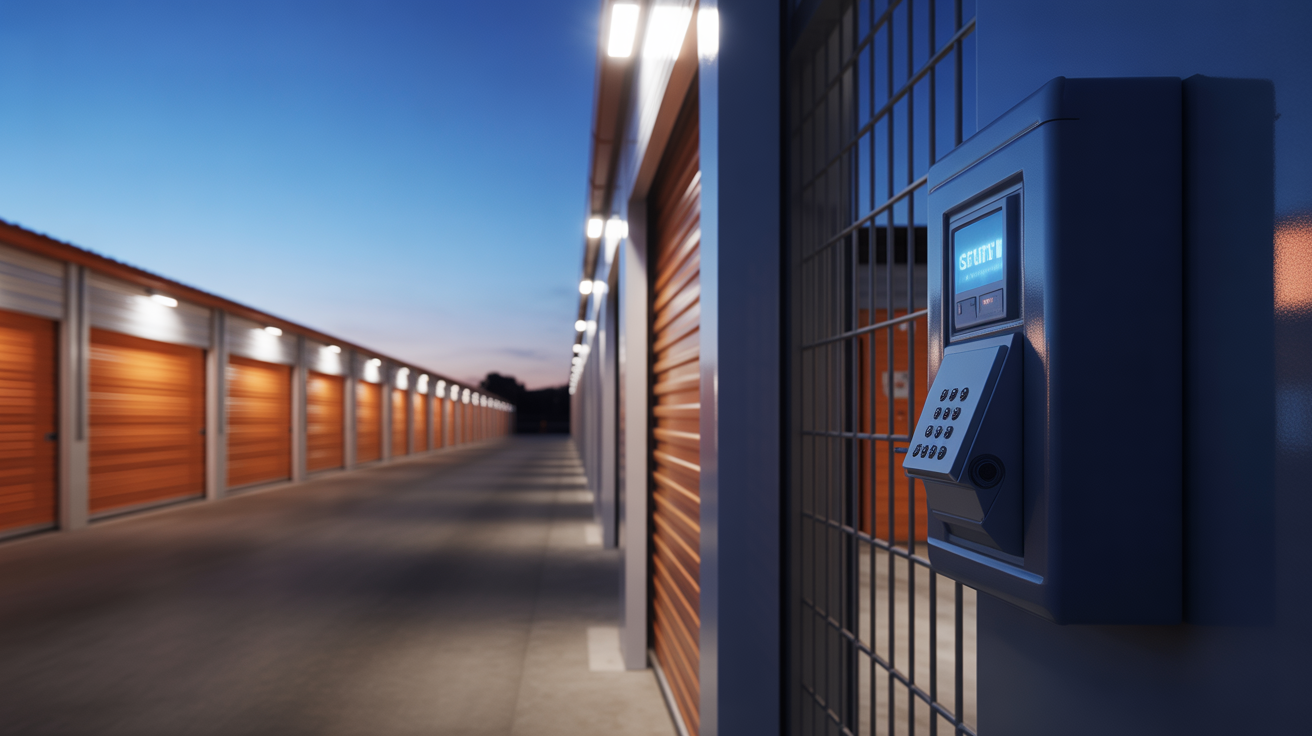
Advanced access control systems track who enters the facility and when. The best facilities offer digital smart locks that provide keyless entry and maintain detailed access logs. This technology eliminates the risk of lost keys and allows facility managers to monitor unusual access patterns.
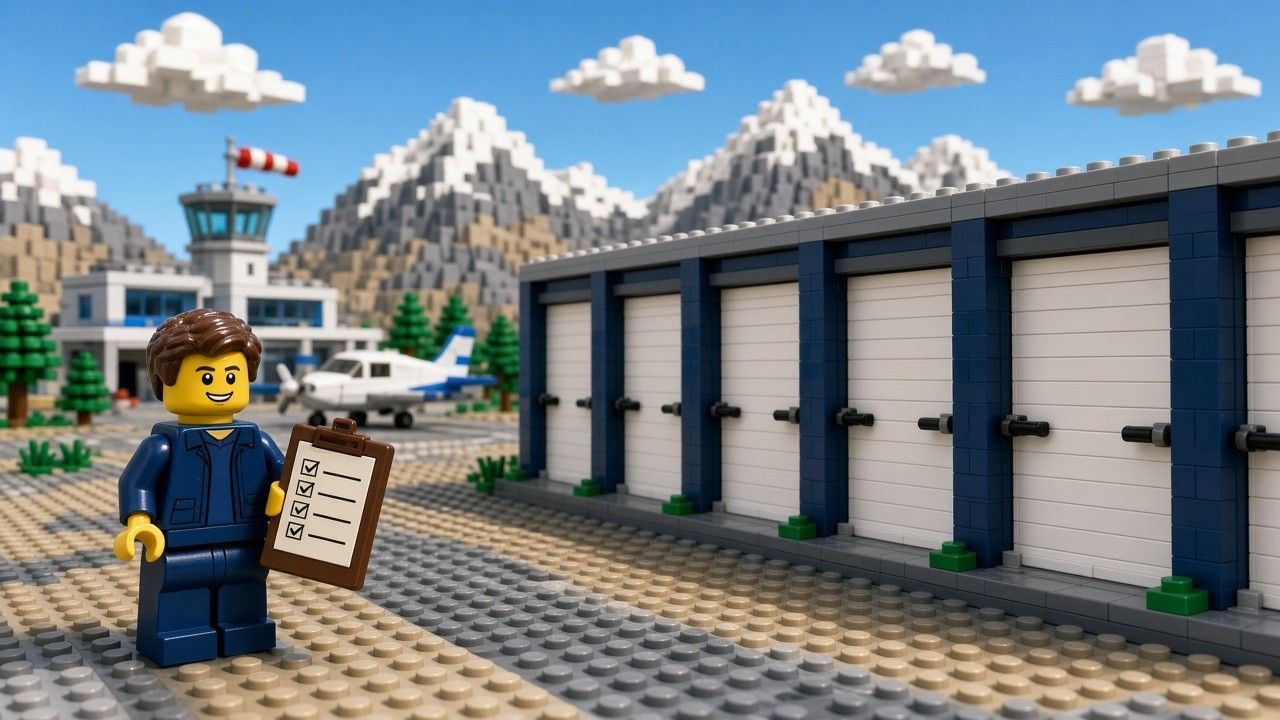
At facilities like Vail Airport Storage, smart lock technology ensures that only authorized users can access units while providing a complete digital record of all entry activity.
Individual Unit Security
Beyond facility-wide measures, consider security at the unit level:
- Individually alarmed units that alert staff to unauthorized access
- Heavy-duty locks or integrated locking systems
- Solid construction with no gaps between units
- Fire detection and suppression systems
Location and Accessibility
The perfect storage facility balances convenient location with practical accessibility. Consider these factors when evaluating location:
Proximity to Your Home or Business
If you plan to access your unit frequently, choose a facility close to your daily routes. A storage unit twenty minutes away might seem acceptable initially, but that forty-minute round trip adds up quickly when you need regular access.
For business storage, proximity to your operations center reduces transportation costs and minimizes the time items spend in transit. This consideration becomes especially important for temperature-sensitive inventory.
Traffic Patterns and Access Routes
Visit potential facilities during the times you would typically need access. A facility that seems easily accessible on a weekend afternoon might present challenges during weekday rush hours. Consider:
- Highway access and major road proximity
- Traffic congestion during peak hours
- Ease of maneuvering trucks or trailers
- Parking availability for loading and unloading
Special Location Considerations
Certain storage needs demand specific locations. Travelers and aviation professionals, for example, benefit significantly from airport-adjacent storage solutions that allow quick access before and after flights. This convenience proves invaluable when storing travel gear, seasonal equipment, or vehicles during extended trips.
Climate Control: When and Why It Matters
Climate-controlled storage maintains consistent temperature and humidity levels within your unit, protecting sensitive items from extreme conditions. Understanding when climate control is necessary helps you avoid both unnecessary expenses and preventable damage to your belongings.
Items That Require Climate Control
Consider climate-controlled storage for:
- Wooden furniture that can warp, crack, or develop mold
- Electronics and appliances sensitive to temperature fluctuations
- Photographs, artwork, and important documents
- Musical instruments
- Leather goods and upholstered furniture
- Wine and collectibles
- Medical equipment and supplies
- Antiques and heirlooms
Regional Climate Considerations
Your geographic location significantly impacts climate control requirements. In mountain regions like Colorado, where temperatures can swing dramatically between seasons and even within a single day, climate-controlled units protect belongings from both freezing winter temperatures and summer heat.
Humidity presents another challenge. High humidity promotes mold growth, rust, and material degradation, while extremely low humidity can cause wood to crack and leather to become brittle. Quality climate-controlled units maintain humidity levels between 30 and 50 percent year-round.
Temperature Range Standards
Most climate-controlled facilities maintain temperatures between 55 and 80 degrees Fahrenheit. When evaluating facilities, ask specifically about their temperature range and how they handle extreme weather events that might challenge their systems.
What Are the 4 D's of Self Storage?
Industry professionals often reference the "4 D's" when discussing self-storage demand drivers. Understanding these factors helps explain why storage facilities exist and can guide your decision about whether storage is the right solution for your situation.
Death
When a family member passes away, survivors often need temporary storage while settling the estate. This period may involve sorting through belongings, waiting for probate proceedings, or coordinating among multiple family members who live in different locations.
Divorce
Relationship changes frequently create immediate storage needs. One or both parties may need temporary storage while transitioning to new living arrangements or while determining how to divide shared possessions.
Downsizing
Whether driven by retirement, empty nest syndrome, or financial considerations, downsizing often means parting with living space while retaining cherished possessions. Storage provides a bridge between larger and smaller living situations.
Dislocation
Job relocations, military deployments, extended travel, and temporary housing situations all create storage needs. When life requires mobility, storage provides stability for your belongings.
Beyond these traditional drivers, modern storage customers include small business owners managing inventory, seasonal residents storing belongings between visits, and collectors protecting valuable items.
What Is an Important Factor in Selecting a Storage Location?
While many factors contribute to the ideal storage facility, convenience consistently emerges as the most important consideration for most customers. A facility with excellent security and competitive pricing provides little value if accessing your belongings becomes a burden.
Defining Convenience for Your Situation
Convenience means different things to different people. For some, it means proximity to home. For others, it means 24/7 access hours or drive-up unit availability. Consider what convenience means for your specific situation:
- How often will you access your unit?
- What times of day will you typically visit?
- Will you need to load or unload large items?
- Do you require vehicle access directly to your unit?
- Will you visit alone or with help?
Access Hours and Flexibility
Standard business hours work for some customers, but many people need access outside the traditional 9-to-5 window. Facilities offering 24/7 access provide maximum flexibility, allowing you to retrieve items early in the morning, late at night, or on weekends without restriction.
When evaluating access policies, ask about:
- Gate access hours versus office hours
- Holiday access policies
- Any restrictions on access during certain hours
- Procedures for emergency access if needed
Drive-Up Versus Indoor Units
Drive-up units allow you to park your vehicle directly in front of your storage door, eliminating the need to carry items through hallways or use elevators. This configuration proves especially valuable when storing heavy items, making frequent trips, or managing inventory that requires regular rotation.
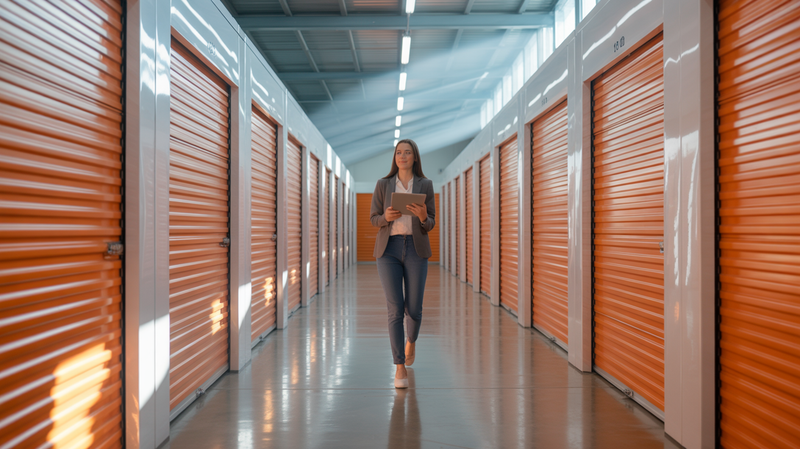
Indoor units, typically accessed through climate-controlled hallways, offer better protection from weather and often provide enhanced security. The trade-off involves carrying items from your vehicle to your unit, which may require carts or multiple trips.
What to Know Before Getting a Storage Unit
First-time storage renters often discover unexpected policies or fees after signing their rental agreement. Arm yourself with knowledge about these common issues before committing to any facility.
Understanding Pricing Structures
Storage pricing involves more than the advertised monthly rate. Ask detailed questions about:
Promotional Rates and Expiration
Many facilities advertise attractive promotional rates that expire after a set period. Understand exactly when promotions end and what your rate will become afterward. A facility advertising "50% off your first three months" might seem affordable initially but could become expensive once standard rates apply.
Rate Increase Policies
Most storage facilities reserve the right to increase rates, sometimes with as little as 30 days notice. Ask about:
- Historical rate increase frequency and amounts
- Price-lock guarantees or caps on increases
- Notification requirements before rate changes
- Options for long-term rate agreements
Additional Fees
Beyond monthly rent, watch for:
- Administrative or setup fees
- Lock purchase requirements
- Late payment penalties
- Insurance requirements and costs
- Move-out or cleaning fees
Insurance Requirements and Options
Most storage facilities require renters to maintain insurance coverage on stored items. Options typically include:
- Facility-offered insurance plans
- Coverage through your homeowners or renters insurance policy
- Third-party storage insurance providers
Review coverage limits, exclusions, and deductibles carefully. Standard policies may not cover certain items like jewelry, artwork, or collectibles without additional riders.
Lease Terms and Flexibility
Understand your obligations before signing:
- Minimum rental periods
- Notice requirements for move-out
- Procedures for changing unit sizes
- Penalties for early termination
- Payment methods accepted
- Auto-pay requirements or incentives
Facility Rules and Restrictions
Every facility maintains rules about what you can and cannot store. Common restrictions include:
- Hazardous materials and flammable substances
- Perishable food items
- Living things, including plants
- Stolen or illegal goods
- Items requiring special permits
Some facilities also restrict activities within units, such as operating businesses, spending extended time in units, or making modifications to the space.
Evaluating Storage Unit Sizes
Choosing the right unit size prevents both wasted money on unused space and the frustration of items that do not fit. Use this guide to estimate your needs, then confirm by visiting facilities and viewing actual units.
Small Units: 5x5 to 5x10
These compact units work well for:
- Seasonal decorations and clothing
- Small furniture pieces
- Boxes of documents or memorabilia
- Sports equipment and hobby supplies
- College student belongings during summer break
A 5x5 unit provides approximately 25 square feet, similar to a small walk-in closet. A 5x10 unit doubles that space to 50 square feet, accommodating the contents of a small bedroom.
Medium Units: 10x10 to 10x15
Medium units accommodate:
- One-bedroom apartment contents
- Multiple rooms of furniture
- Business inventory and equipment
- Seasonal items plus furniture
A 10x10 unit offers 100 square feet, roughly equivalent to a half-car garage. This popular size balances capacity with affordability for most residential storage needs.
Large Units: 10x20 and Above
Large units handle:
- Multi-bedroom home contents
- Vehicle storage
- Business inventory requiring significant space
- Contractors storing equipment and materials
A 10x20 unit provides 200 square feet, comparable to a one-car garage. These units can accommodate vehicles, boats, or the contents of a three to four bedroom home.
Sizing Tips
When estimating your needs:
- Consider vertical space and your ability to stack items safely
- Account for aisle space if you need to access items at the back
- When in doubt, size up slightly to avoid cramped conditions
- Ask facilities about their policies for changing unit sizes if needed
Inspecting Facilities: What to Look For
Never rent a storage unit without visiting the facility in person. Online photos and descriptions cannot capture the full picture of facility quality and maintenance.
Cleanliness and Maintenance
A well-maintained facility indicates professional management that cares about customer experience. During your visit, observe:
- Cleanliness of common areas, hallways, and restrooms
- Condition of unit doors, walls, and floors
- Evidence of pest control measures
- Proper drainage and absence of standing water
- Functioning lighting throughout the facility
- Well-maintained landscaping and parking areas
Security System Verification
Confirm that advertised security features actually exist and function properly:
- Check that cameras are positioned to capture activity, not just for show
- Test the access control system
- Verify that perimeter fencing is intact and secure
- Confirm lighting works throughout the property
- Ask about the frequency of security patrols if advertised
Staff Professionalism
Facility staff significantly impact your storage experience. Evaluate:
- Responsiveness to questions and concerns
- Knowledge about facility features and policies
- Willingness to show multiple units
- Transparency about pricing and fees
- Overall professionalism and helpfulness
Red Flags to Watch For
Certain warning signs suggest you should continue your search elsewhere:
- Reluctance to show units or answer questions
- Visible pest activity or droppings
- Broken locks, doors, or security equipment
- Unpleasant odors indicating mold, mildew, or pests
- Abandoned items in common areas
- Poor reviews mentioning theft or break-ins
- Pressure tactics to sign immediately
Special Storage Considerations
Certain storage situations require additional planning and specialized facilities. Consider these factors if your needs extend beyond basic household storage.
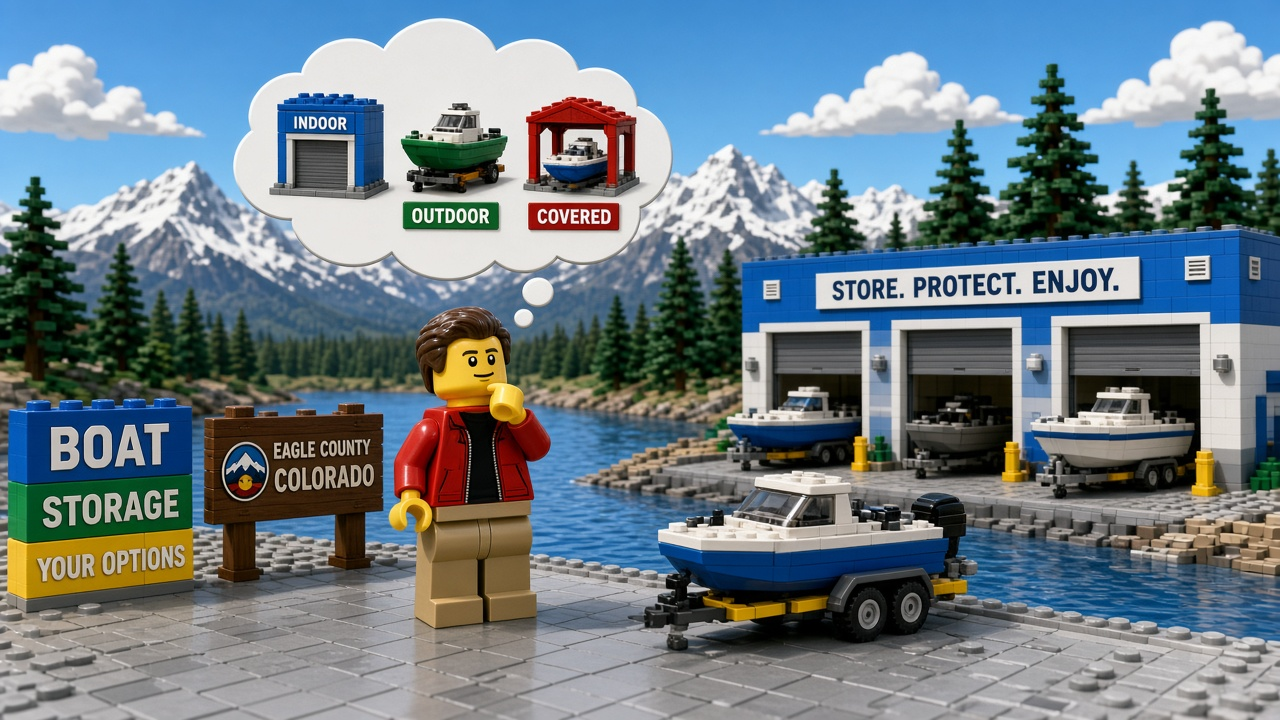
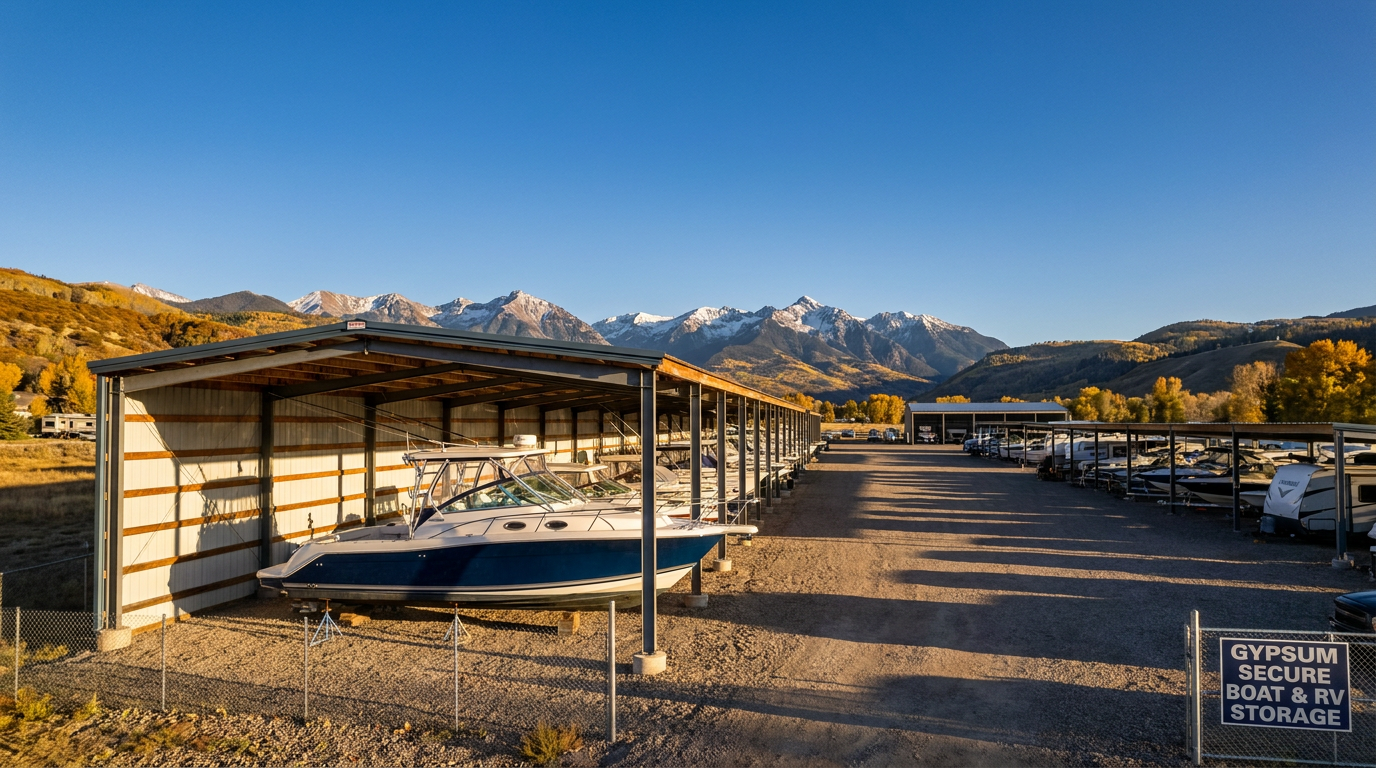
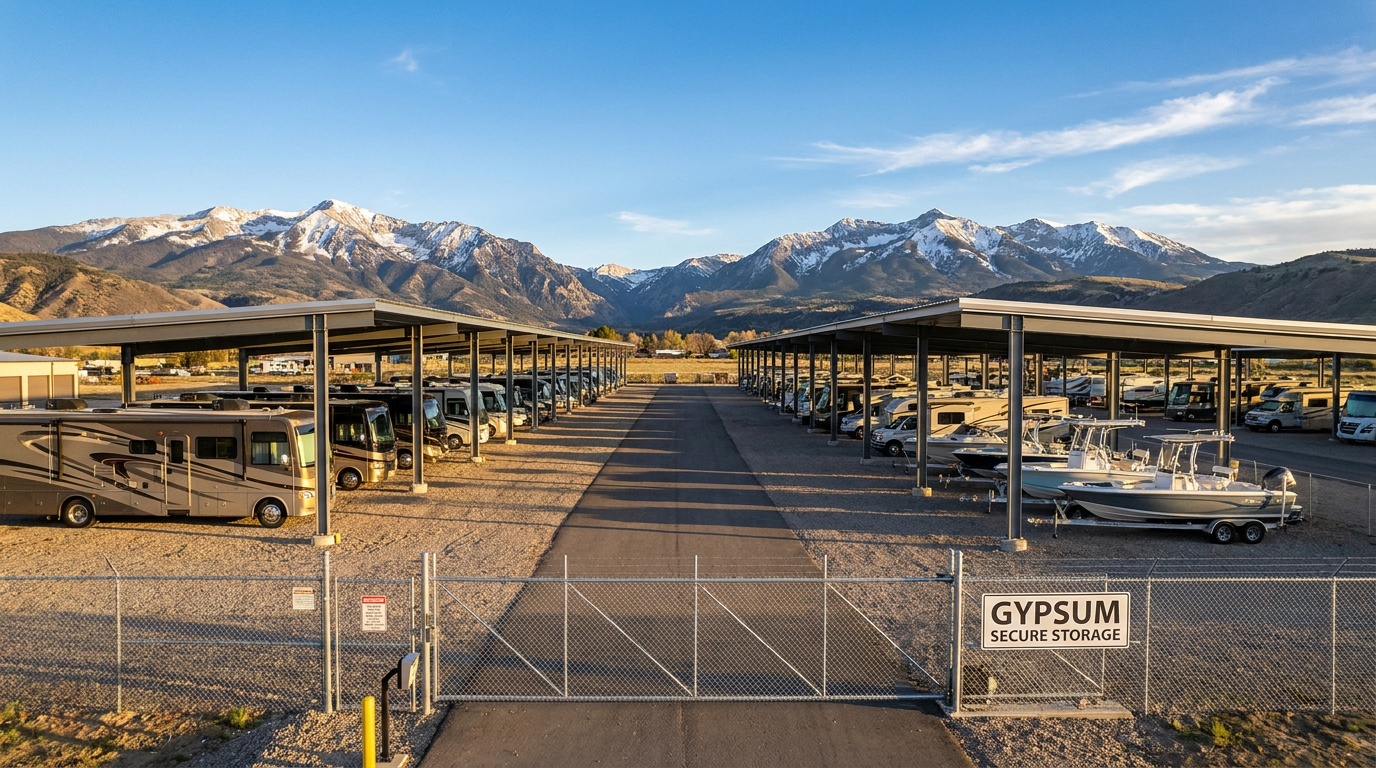
Vehicle and RV Storage
Storing vehicles requires facilities designed to accommodate their size and specific needs:
- Adequate unit dimensions for your vehicle plus access space
- Reinforced flooring to support vehicle weight
- Ventilation to prevent moisture buildup
- Power outlets for battery maintenance
- Wide driveways and turning radius for maneuvering
Business and Commercial Storage
Business storage demands often differ from residential needs:
- Receiving capabilities for deliveries
- Inventory management access
- Commercial insurance options
- Flexible sizing as inventory fluctuates
- Extended or 24/7 access for operational needs
Travel and Aviation Storage
Frequent travelers, pilots, and aviation professionals benefit from storage solutions designed around their unique schedules and needs. Airport-adjacent storage facilities provide convenient access for storing:
- Vehicles during extended trips
- Aviation equipment and gear
- Seasonal items accessed between visits
- Travel supplies and luggage
The convenience of storing items minutes from the airport eliminates the stress of coordinating storage access with travel schedules.
Seasonal and Recreational Equipment
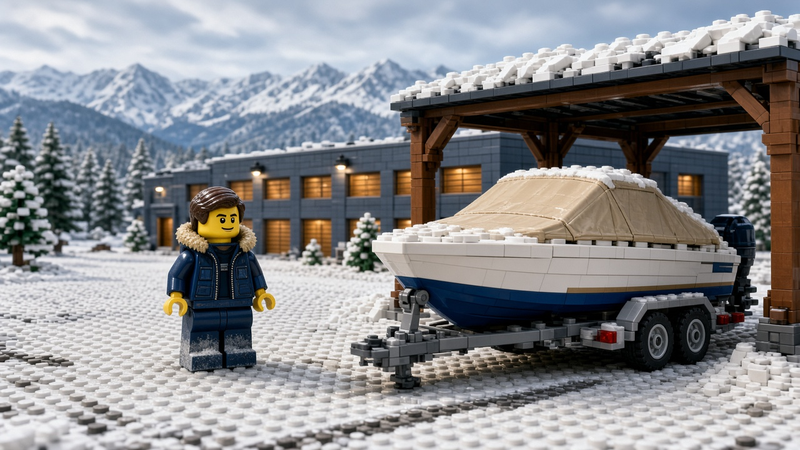
Mountain communities present unique storage challenges for seasonal equipment. Skis, snowboards, bicycles, kayaks, and camping gear require protection from temperature extremes and humidity fluctuations.
Climate-controlled storage ensures that expensive recreational equipment remains in optimal condition between seasons. Proper storage extends equipment life and maintains performance characteristics that degrade when items are stored in unsuitable conditions.
Comparing Facilities: A Systematic Approach
After identifying several potential facilities, use a systematic comparison process to make your final decision.
Create a Comparison Matrix
List your top priorities and rate each facility against these criteria:
- Security features (1-10)
- Location convenience (1-10)
- Climate control quality (1-10)
- Pricing value (1-10)
- Access hours flexibility (1-10)
- Staff professionalism (1-10)
- Facility cleanliness (1-10)
- Overall impression (1-10)
Calculate True Costs
Compare total costs over your expected rental period, not just monthly rates:
- Add all fees and charges
- Account for promotional rate expirations
- Include insurance costs
- Factor in transportation costs based on location
- Consider the value of your time for access trips
Read Reviews Critically
Online reviews provide valuable insights but require critical evaluation:
- Look for patterns across multiple reviews
- Pay attention to management responses to complaints
- Consider the recency of reviews
- Weight reviews that describe specific experiences over vague complaints
- Check multiple review platforms for a complete picture
Ask for References
Quality facilities willingly provide references from satisfied customers, especially for commercial accounts. Speaking with current customers offers insights that reviews and tours cannot provide.
Preparing for Your Move-In
Once you have selected a facility, proper preparation ensures a smooth move-in experience and optimal protection for your stored items.
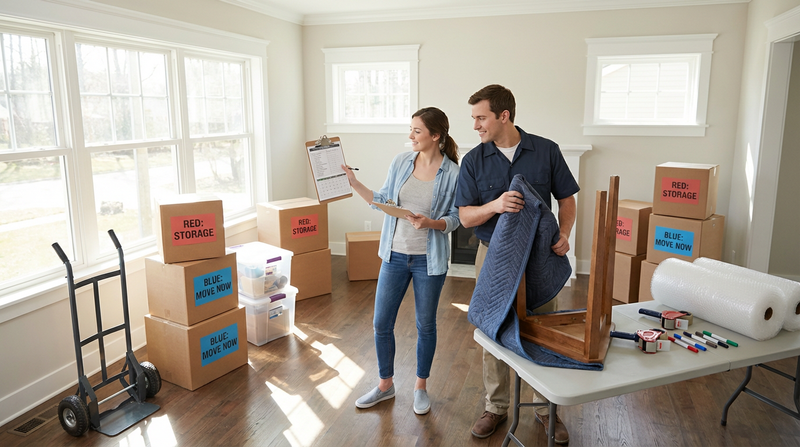
Packing Best Practices
How you pack items significantly impacts their condition during storage:
- Use uniform box sizes when possible for efficient stacking
- Label all boxes clearly on multiple sides
- Wrap fragile items individually
- Disassemble furniture when practical
- Use furniture covers to protect upholstery
- Avoid plastic containers for long-term storage, as they can trap moisture
Organizing Your Unit
Strategic organization makes accessing your belongings easier:
- Create an aisle for access to items at the back
- Place frequently accessed items near the front
- Store heavy items on the bottom, lighter items on top
- Keep an inventory list and unit layout diagram
- Leave space between items and walls for air circulation
Documentation
Protect yourself with thorough documentation:
- Photograph items before storing
- Keep receipts for valuable items
- Maintain a detailed inventory list
- Store copies of your rental agreement and insurance policy
- Note the condition of your unit before move-in
Long-Term Storage Maintenance
Storage is not a "set and forget" solution. Regular attention keeps your belongings safe and your unit organized.
Periodic Visits
Visit your unit periodically to:
- Check for any signs of moisture, pests, or damage
- Ensure climate control systems are functioning
- Rotate items if needed
- Update your inventory as items are added or removed
- Verify that locks and access systems work properly
Seasonal Considerations
Adjust your storage approach based on seasonal changes:
- Check units before and after extreme weather events
- Rotate seasonal items to maintain accessibility
- Verify that climate control settings remain appropriate
- Address any condensation or humidity issues promptly
Communication with Facility Management
Maintain open communication with your storage facility:
- Report any concerns promptly
- Keep contact information current
- Respond to facility communications
- Provide feedback on facility conditions
Making Your Final Decision
After thorough research and facility visits, trust your assessment. The right storage facility should feel like a secure, professional environment where you can confidently store your belongings.
Remember that the cheapest option is rarely the best value. Security, convenience, and peace of mind justify reasonable premiums over bargain facilities that may compromise your belongings or your time.
Consider facilities that invest in modern technology, maintain clean and secure premises, employ professional staff, and demonstrate genuine care for customer satisfaction. These qualities indicate a facility that will protect your belongings and provide reliable service throughout your rental period.
For those in the Eagle County area seeking premium storage with exceptional convenience, Vail Airport Storage exemplifies the qualities that define an outstanding storage facility: advanced security with digital smart locks, climate-controlled options to protect against mountain weather extremes, 24/7 access for maximum flexibility, and a location just two minutes from Eagle County Regional Airport.
Whether you are a pilot storing aviation equipment, a traveler needing secure vehicle storage, or a local resident seeking reliable space for household items, choosing the right storage facility is an investment in peace of mind. Take the time to research thoroughly, visit facilities in person, and select a storage partner that meets your standards for security, convenience, and value.