What Items Should Never Be Kept in a Storage Unit: Complete Safety Guide |
| WHAT ITEMS SHOULD NEVER BE KEPT IN A STORAGE UNIT?
⏱ 13 min read ·
📄 #2,412 words
Discover which items are prohibited in storage units - from hazardous materials to perishables. Essential safety guide with key restrictions for renters.
|
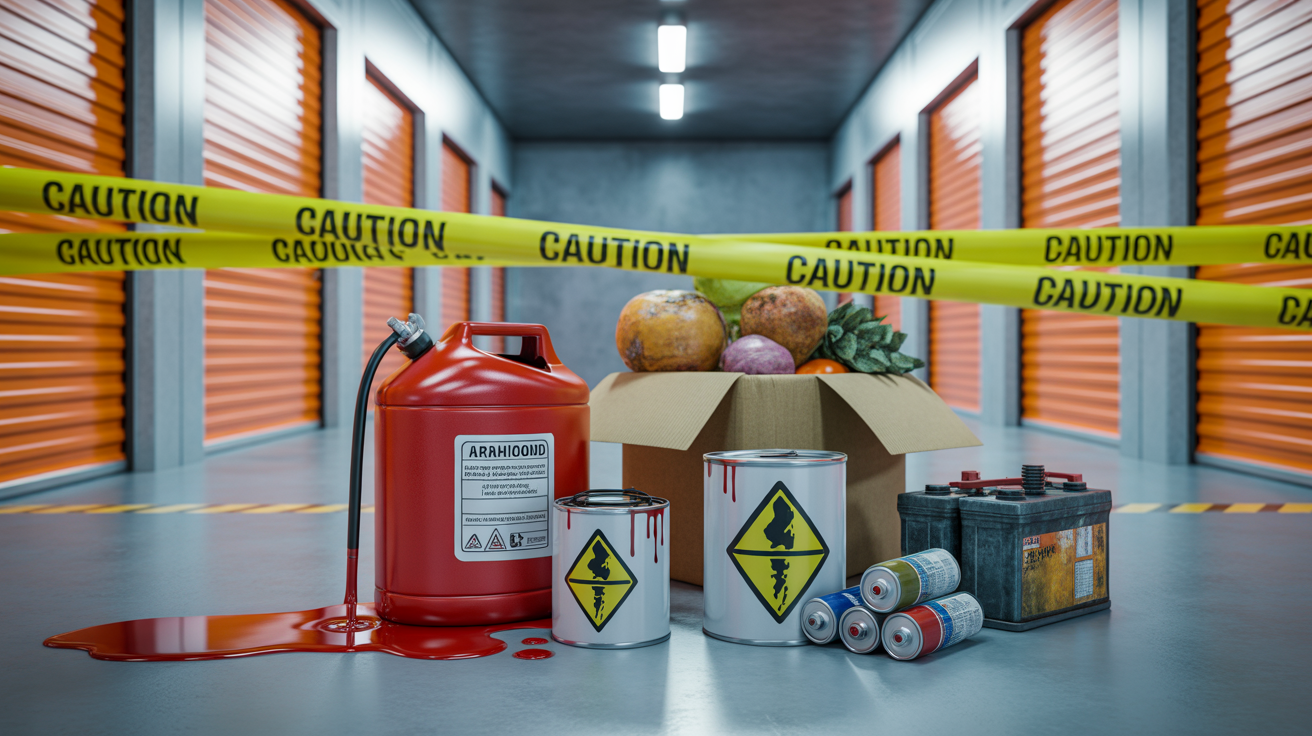
U nderstanding what items are prohibited in storage units is crucial for safety, legal compliance, and protecting your belongings. Key prohibited categories include: hazardous materials (gasoline, propane, chemicals), perishable items (food, plants), living things, weapons and ammunition, illegal substances, high-value irreplaceable items, vehicles in standard units, and temperature-sensitive electronics without climate control. Violations can result in: lease termination, financial penalties, insurance claim denials, liability for damages, or criminal charges. This comprehensive guide details each prohibited category, explains the safety and legal reasons behind restrictions, and provides practical alternatives to help you make informed storage decisions while protecting yourself and other renters.
Renting a storage unit opens up valuable space in your home or business, but not everything belongs behind that rolling door. Whether you are decluttering a Vail Valley vacation home, storing seasonal gear between ski trips, or managing business inventory, understanding what you cannot store is just as important as knowing what you can.
Storage facilities maintain strict rules about prohibited items for good reasons: safety, legal compliance, liability protection, and preserving the integrity of all stored belongings on the property. Violating these rules can result in lease termination, financial penalties, insurance claim denials, or even criminal charges.
This comprehensive guide covers every category of prohibited items, explains why these restrictions exist, and offers practical alternatives for items that cannot go into storage.
Why Storage Units Have Item Restrictions
Before diving into the specific prohibited items, understanding the reasoning behind these rules helps renters make better decisions about their belongings.
Safety Concerns
Storage facilities house dozens or hundreds of units in close proximity. A fire, chemical leak, or pest infestation in one unit can quickly spread to neighboring units, causing widespread damage. Facilities prohibit items that could trigger these cascading problems.
Legal Compliance
Federal, state, and local laws regulate the storage and transportation of certain materials. Storage facilities must comply with regulations like the Comprehensive Environmental Response, Compensation, and Liability Act (CERCLA) regarding hazardous substances. Storing illegal items makes both the renter and potentially the facility liable.
Insurance and Liability
Most storage facility insurance policies exclude coverage for damage caused by prohibited items. If you store something against the rules and it causes damage, you may be personally liable for repairs to your unit, adjacent units, and common areas.
Protecting Other Renters
Your storage neighbors have a reasonable expectation that their belongings will remain safe. Prohibited item restrictions protect everyone who rents at the facility.
Hazardous, Flammable, and Toxic Materials
This category represents the most universally prohibited items across all storage facilities. The risks of fire, explosion, toxic fumes, and environmental contamination make these materials completely unsuitable for storage units.
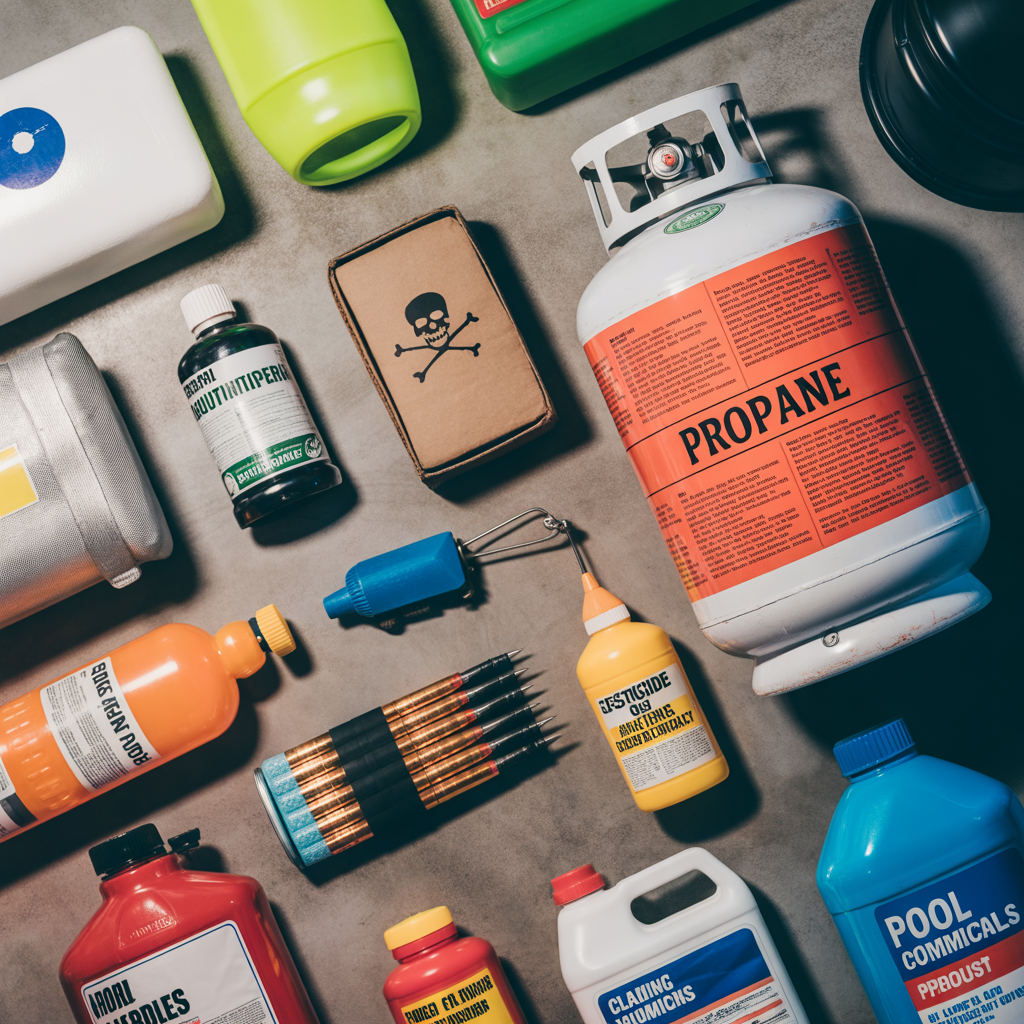
Flammable Liquids and Gases
Never store these items in any storage unit:
- Gasoline, diesel fuel, and kerosene
- Propane tanks (even empty ones may contain residual gas)
- Paint thinner, turpentine, and mineral spirits
- Lighter fluid and charcoal starter
- Acetone and nail polish remover in large quantities
- Alcohol-based solvents
These substances can ignite from heat buildup, electrical sparks, or chemical reactions. Storage units lack the ventilation and temperature control needed to safely contain volatile liquids.
Aerosol Cans
Many renters do not realize that common household aerosols are prohibited:
- Spray paint
- Hair spray and other beauty products
- Cooking sprays
- Air fresheners
- Insecticides and pesticides
- WD-40 and similar lubricants
Aerosol cans contain pressurized propellants that can explode when exposed to heat. In a standard drive-up unit without climate control, summer temperatures can exceed safe thresholds for these products.
Corrosive and Toxic Chemicals
Household and commercial chemicals that fall under this prohibition include:
- Bleach and chlorine-based cleaners
- Drain cleaners and oven cleaners
- Antifreeze and automotive fluids
- Pool chemicals
- Ammonia-based products
- Acids and bases used in hobbies or work
These substances can leak, react with other materials, or release toxic fumes, especially in units where temperature and humidity fluctuate.
Explosives and Ammunition
All explosive materials are strictly prohibited:
- Fireworks of any kind
- Ammunition and gunpowder
- Flares and signal devices
- Blasting caps or detonators
The combination of heat, confined spaces, and potential for accidental ignition makes explosives extremely dangerous in storage environments.
Batteries
Certain battery types pose significant fire risks:
- Lithium-ion batteries (loose or in devices)
- Car batteries and deep-cycle batteries
- Large quantities of alkaline batteries
Lithium batteries can experience thermal runaway, leading to fires that are difficult to extinguish. If you must store electronics, remove batteries when possible and consider climate-controlled storage units that maintain stable temperatures.
Perishable Items and Food Products
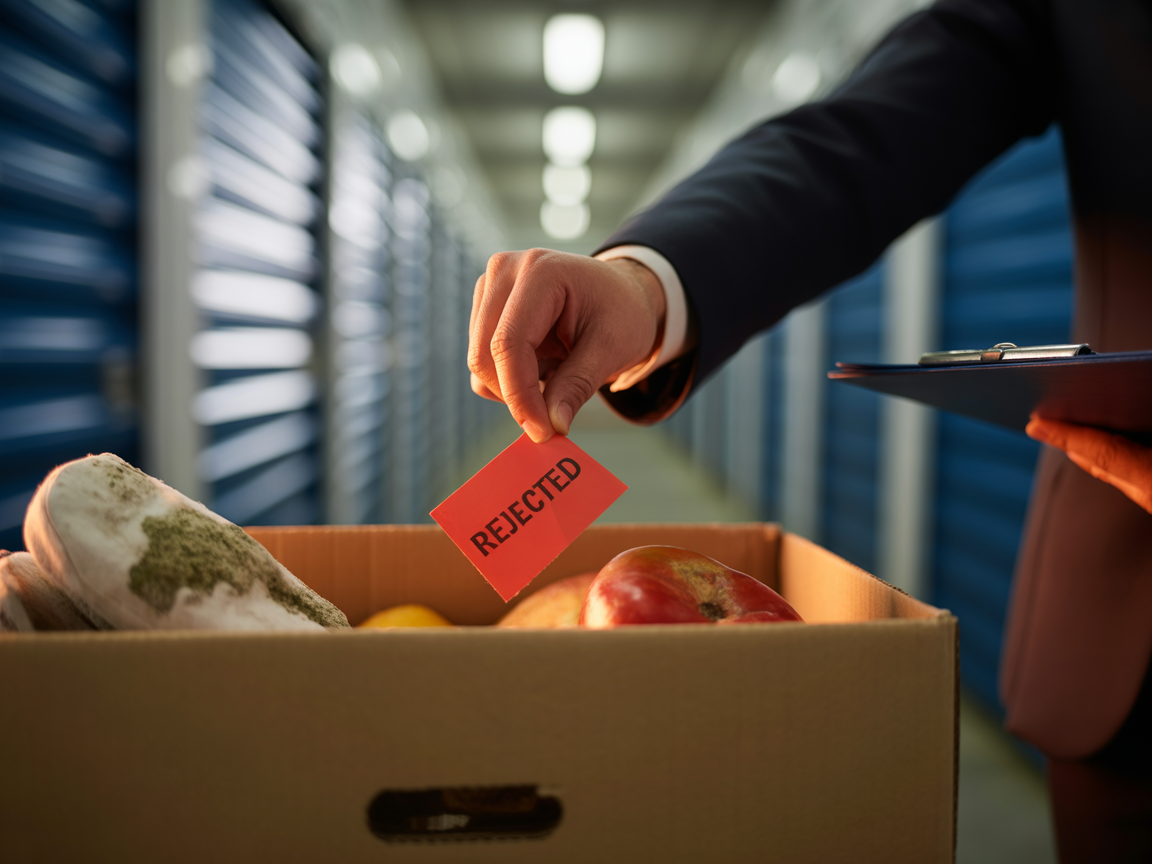
Food and perishable items create multiple problems in storage units, from pest infestations to mold growth and unpleasant odors that can affect neighboring units.
Why Food Cannot Be Stored
Even in climate-controlled units, food storage creates serious issues:
- Attracts rodents, insects, and other pests
- Spoils and creates mold that spreads to other items
- Produces odors that permeate fabrics and porous materials
- Can contaminate the entire facility
Prohibited Food Items
The following items should never enter a storage unit:
- Fresh, frozen, or refrigerated foods
- Canned goods (can rust, leak, or attract pests)
- Pet food and animal feed
- Seeds and grains
- Spices and dried herbs
- Cooking oils
- Open food packages of any kind
Related Perishable Items
Beyond food, other organic materials create similar problems:
- Fresh flowers or plant materials
- Wet or damp items that can mold
- Unwashed clothing with food residue
- Items with strong odors
Living Things: Plants and Animals
This prohibition should be obvious, but it bears emphasizing: storage units are not suitable environments for any living creature.
Animals
Never store or house any animal in a storage unit, including:
- Pets of any kind
- Livestock
- Fish or aquatic animals
- Insects (even for hobbies or research)
Storage units lack ventilation, climate control, and access to food and water. Keeping animals in storage constitutes animal cruelty and violates both facility rules and animal welfare laws.
Plants
Living plants cannot survive in storage units:
- No natural light
- No water access
- Temperature extremes
- No ventilation
Dead and dying plants attract pests and create mold, compounding the problem.
Weapons and Firearms
Most storage facilities prohibit weapons due to theft risk, liability concerns, and the potential for ammunition to become unstable in uncontrolled environments.
Commonly Prohibited Weapons
- Firearms of all types
- Ammunition and gunpowder
- Crossbows and compound bows
- Swords, machetes, and large knives
- Illegal weapons of any kind
Some facilities may allow certain items with proper documentation and secure storage methods. Always check your specific facility's policy and local laws before considering weapon storage.
Safe Alternatives for Firearm Storage
If you need to store firearms, consider:
- Licensed gun dealers offering storage services
- Specialized firearm storage facilities
- Home safes rated for firearm storage
- Bank safety deposit boxes (for smaller items)
Illegal Items and Contraband
Storage facilities are legally obligated to report suspected illegal activity. Storing contraband can result in criminal charges, immediate eviction, and forfeiture of all stored property.
Prohibited Illegal Items
- Illegal drugs and controlled substances
- Marijuana products (even in states with legal cannabis, most facilities prohibit it)
- Stolen property
- Counterfeit goods
- Unlicensed or illegally obtained items
- Items obtained through fraud
Legal Consequences
Storing illegal items exposes you to:
- Criminal prosecution
- Civil asset forfeiture
- Immediate lease termination
- Loss of all stored property
- Liability for facility damages
Valuables and Irreplaceable Items
While not technically prohibited at most facilities, storing high-value or irreplaceable items in storage units is strongly discouraged due to insurance limitations and security concerns.
Items Better Kept Elsewhere
- Cash and currency
- Financial documents and stock certificates
- Jewelry and precious metals
- Fine art and antiques
- Collectibles with significant value
- Family heirlooms and irreplaceable photos
- Important legal documents
Why These Items Are Risky in Storage
Standard storage facility insurance typically does not cover:
- Theft of high-value items
- Damage to irreplaceable belongings
- Full replacement value of expensive items
Even facilities with excellent security cannot guarantee protection against all risks. Bank safety deposit boxes, home safes, or specialized vault storage offer better protection for truly valuable items.
If You Must Store Valuables
If storing valuable items is unavoidable:
- Purchase separate renter's insurance with adequate coverage
- Document everything with photos and appraisals
- Choose a climate-controlled unit to prevent environmental damage
- Use high-quality locks and consider additional security measures
- Visit regularly to check on items
Vehicles and Vehicle-Related Items
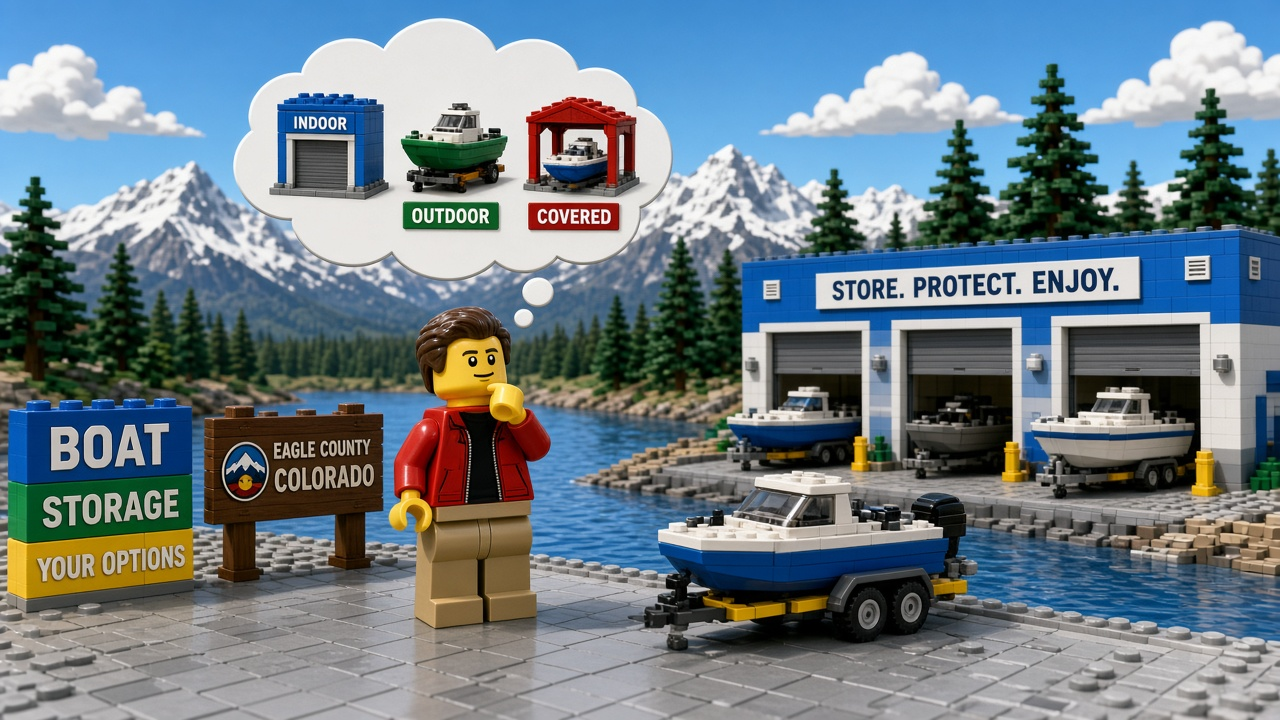
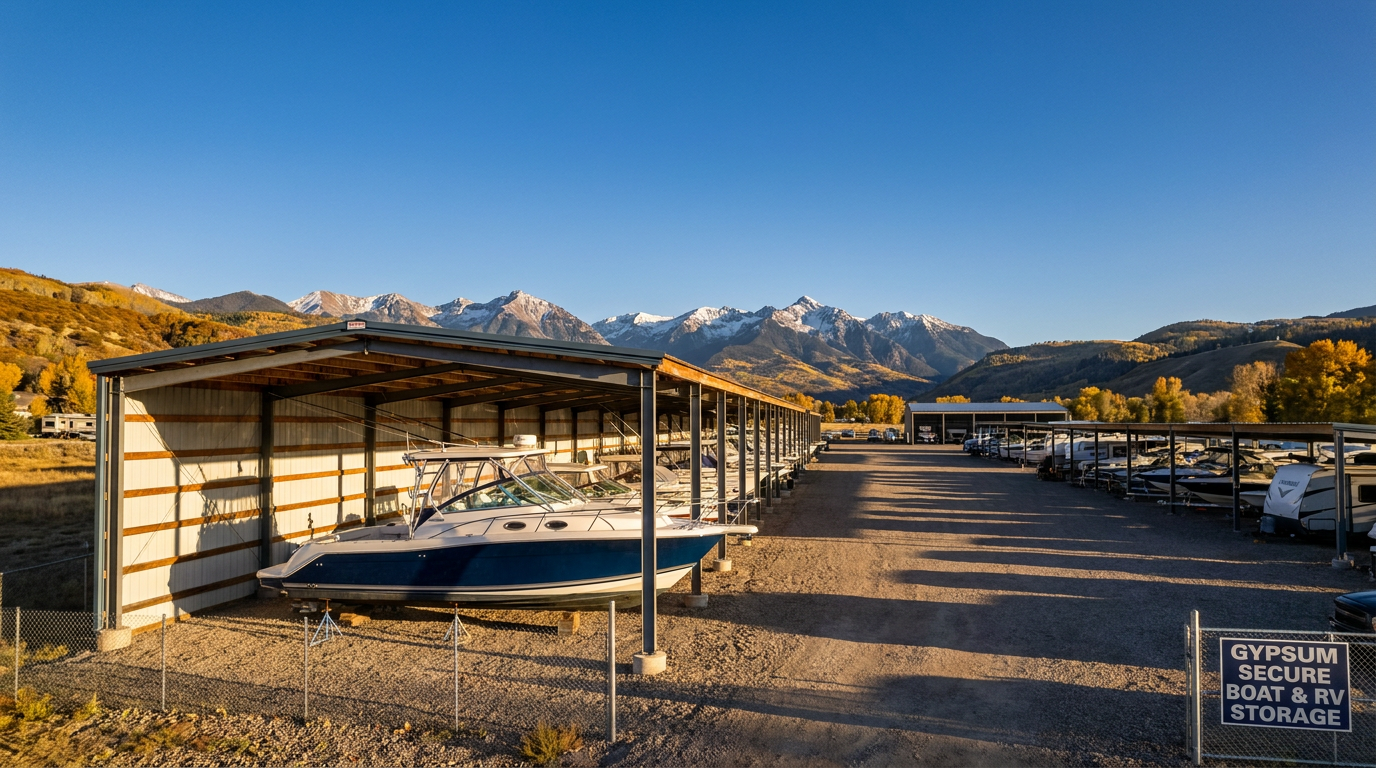
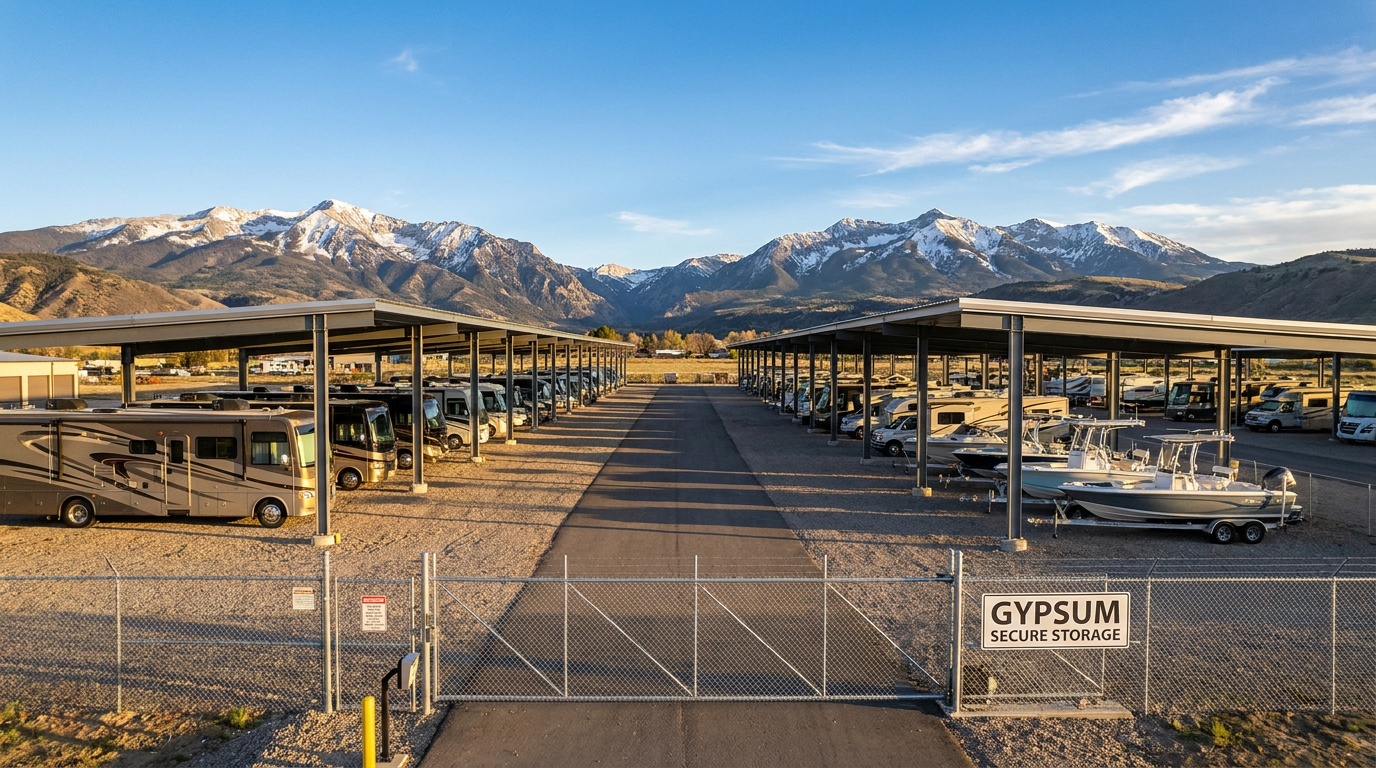
Standard storage units are not designed for vehicle storage, though many facilities offer dedicated vehicle parking or enclosed vehicle storage options.
Vehicle Restrictions in Standard Units
- Cars, trucks, and motorcycles (except for brief loading)
- ATVs and recreational vehicles
- Boats and watercraft
- Trailers
Vehicle-Related Items Often Prohibited
- Tires (can off-gas and attract pests)
- Fuel containers (even empty)
- Large quantities of motor oil
- Automotive batteries
Exceptions and Alternatives
Small amounts of automotive fluids in properly stored machinery may be acceptable. For example, a lawnmower with minimal fuel in the tank might be permitted if the facility allows it and you take proper precautions.
For vehicle storage needs, ask about dedicated parking areas or enclosed vehicle storage units designed for this purpose.
Temperature and Humidity Sensitive Items
Certain items require specific environmental conditions that standard storage units cannot provide. Even if not explicitly prohibited, storing these items improperly leads to damage.
Items Requiring Climate Control
- Electronics and computer equipment
- Musical instruments
- Wooden furniture and antiques
- Leather goods
- Photographs and film
- Wine and spirits
- Medical equipment
- Certain medications
In the Vail Valley, where temperatures can swing dramatically between seasons, climate-controlled storage becomes essential for protecting sensitive belongings. Our climate-controlled units maintain consistent temperature and humidity levels year-round, protecting your items from the mountain weather extremes.
Signs of Environmental Damage
Watch for these indicators that items have been damaged by improper storage conditions:
- Warping or cracking in wood
- Mold or mildew growth
- Rust on metal components
- Discoloration or fading
- Musty odors
- Electronic malfunction
Prohibited Activities in Storage Units
Beyond prohibited items, certain activities violate storage facility agreements and local laws.
Living in a Storage Unit
Using a storage unit as a residence is illegal and dangerous:
- No ventilation or climate control for human habitation
- No plumbing or sanitary facilities
- Fire code violations
- Violates zoning laws
- Immediate lease termination
Operating a Business
While storing business inventory is typically allowed, conducting business operations from a storage unit is prohibited:
- No customer meetings or sales
- No manufacturing or production
- No workshops or repair services
- No office operations
Other Prohibited Activities
- Sleeping overnight
- Using as a workshop
- Performing vehicle repairs
- Storing items for others without authorization
- Subletting or sharing access without permission
What Happens If You Store Prohibited Items
Understanding the consequences helps reinforce why these rules matter.
Discovery and Notification
Facilities may discover prohibited items through:
- Routine inspections
- Odor complaints from neighboring units
- Pest infestations traced to your unit
- Fire or safety incidents
- Law enforcement investigations
Potential Consequences
Depending on the violation, you may face:
- Written warning and requirement to remove items
- Lease termination with short notice
- Forfeiture of security deposits
- Financial liability for damages
- Storage lien enforcement and auction of belongings
- Criminal charges for illegal items
State Lien Laws
Most states have Self-Service Storage Facility Acts that allow facilities to place liens on stored property and eventually auction it if renters violate lease terms. Notice periods typically range from 15 to 60 days, but serious violations can accelerate this process.
Frequently Asked Questions
Can I store food in a storage unit?
No. Food of any kind, including canned goods, dried foods, and pet food, is prohibited in storage units. Food attracts pests, spoils, creates odors, and can damage your belongings and those in neighboring units. If you need to store food long-term, consider a climate-controlled pantry at home or specialized food storage facilities.
Is it legal to live in a storage unit?
No. Living in a storage unit is illegal everywhere in the United States. Storage units lack proper ventilation, sanitation, and safety features required for human habitation. Doing so violates fire codes, zoning laws, and your lease agreement. Discovery results in immediate eviction and potential legal consequences.
What happens if I store prohibited items?
Consequences range from warnings to immediate lease termination, depending on the severity. You may lose your security deposit, face financial liability for any damages caused, have your belongings auctioned through lien enforcement, or face criminal charges if the items are illegal. Your insurance will not cover damages related to prohibited items.
Can I store my car or motorcycle in a storage unit?
Standard storage units are not designed for vehicles. Most facilities prohibit vehicles in regular units but offer dedicated vehicle storage options, including open parking, covered parking, or enclosed vehicle units. Ask your facility about vehicle-specific storage solutions. If storing a vehicle, ensure it has minimal fuel and a disconnected battery.
Are firearms allowed in self-storage?
Most facilities prohibit firearms and ammunition due to liability concerns and theft risk. Ammunition can become unstable in temperature extremes. If you need to store firearms, look for specialized storage facilities, licensed dealers offering storage services, or invest in a proper home safe. Always verify your facility's specific policy and comply with all applicable laws.
What You Can Safely Store
After reviewing all the prohibited items, you might wonder what actually belongs in storage. Here is a helpful overview of commonly stored items that are perfectly acceptable:
Household Items
- Furniture (clean and dry)
- Clothing and linens (washed and in sealed containers)
- Books and documents (in climate-controlled units)
- Kitchen items and small appliances
- Decorations and holiday items
Recreational Equipment
- Ski and snowboard equipment (properly cleaned)
- Camping gear
- Sports equipment
- Bicycles
- Golf clubs
Business Items
- Inventory and merchandise
- Office furniture and equipment
- Archived records and files
- Marketing materials
- Seasonal business supplies
For guidance on selecting the right unit size for your belongings, visit our storage size guide.
Preparing Items for Safe Storage
Proper preparation prevents problems even with permitted items.
Cleaning and Drying
- Clean all items before storage
- Ensure everything is completely dry
- Remove any food residue from appliances
- Wash clothing and linens
Proper Packing
- Use sturdy boxes and containers
- Wrap fragile items individually
- Label everything clearly
- Create an inventory list
Climate Considerations
In mountain climates like the Vail Valley, temperature swings can damage sensitive items. Consider climate-controlled storage for:
- Electronics and media
- Wooden furniture
- Musical instruments
- Photographs and artwork
- Leather and fabric items
Making Smart Storage Decisions
Understanding what cannot go into storage helps you plan better and avoid costly mistakes. When in doubt about a specific item, contact your storage facility directly. Most managers are happy to clarify their policies and suggest alternatives for prohibited items.
Remember that these rules exist to protect everyone: you, your belongings, other renters, and the facility itself. Following them ensures a safe, positive storage experience.
For residents and businesses in the Vail Valley area, choosing the right storage solution means considering both what you need to store and the environmental challenges of mountain living. From seasonal ski equipment to business inventory, proper storage protects your investment and gives you peace of mind.
|