
Furniture Storage Preparation and Protection: Complete Guide
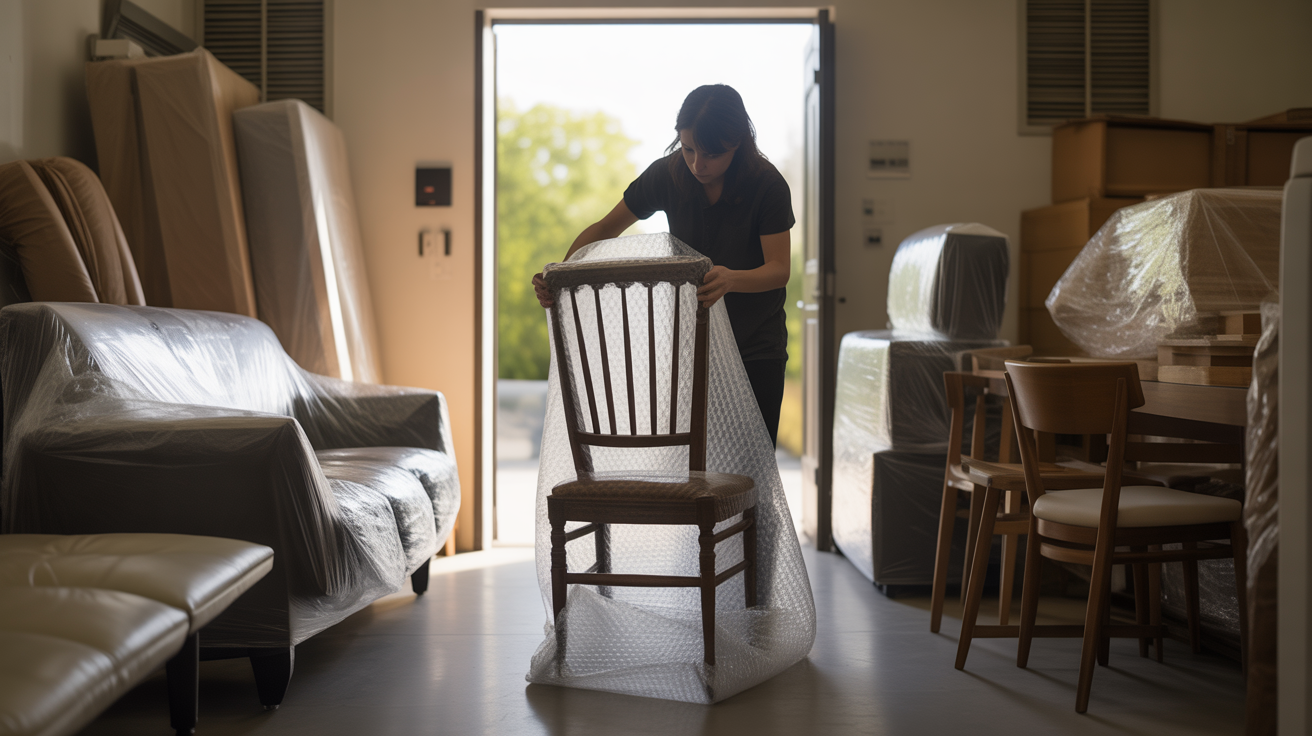
Whether you are relocating, downsizing, renovating your home, or simply need extra space, storing furniture requires careful planning and execution. Improper storage can lead to warping, cracking, mold growth, pest infestations, and irreversible damage to pieces you have spent years collecting. The difference between furniture that emerges from storage in pristine condition and furniture that requires costly repairs or replacement often comes down to how well you prepare and protect it before it enters the storage unit.
This comprehensive guide covers everything you need to know about furniture storage preparation and protection, from initial cleaning and disassembly to selecting the right wrapping materials and storage environment. By following these expert recommendations, you can ensure your wooden tables, upholstered sofas, antique dressers, and other valuable pieces remain in excellent condition throughout their time in storage.
Understanding the Risks of Improper Furniture Storage
Before diving into preparation techniques, it helps to understand what can go wrong when furniture is stored incorrectly. Wood furniture is particularly susceptible to environmental changes. Fluctuations in temperature and humidity cause wood fibers to expand and contract, leading to warping, cracking, and joint separation over time. Upholstered furniture faces different challenges, including moisture absorption, mold and mildew growth, fabric deterioration, and pest infestations.
According to storage industry professionals, the primary causes of furniture damage in storage include improper disassembly and packing, inadequate protection from dust and moisture, direct contact with concrete floors, lack of air circulation, and exposure to extreme temperature variations. Each of these risks can be mitigated with proper preparation and the right storage environment.
Step One: Thorough Cleaning and Conditioning
The first and most critical step in furniture storage preparation is thorough cleaning. Dirt, dust, oils, and food residue left on furniture can attract pests, promote mold growth, and cause permanent staining during extended storage periods. Different materials require different cleaning approaches.
Cleaning Wood Furniture
For wood furniture, begin by dusting all surfaces with a soft, lint-free cloth. Pay special attention to crevices, carved details, and joints where dust accumulates. After dusting, clean the surface with a wood-appropriate cleaner or a mixture of mild soap and water applied sparingly with a damp cloth. Never saturate wood with liquid, as excess moisture can damage the finish and penetrate the grain.
Once clean, allow the furniture to dry completely for at least 24 hours before applying any protective treatments. Apply a quality furniture polish or wood conditioner containing UV inhibitors and moisture guards. These products create a protective barrier that helps prevent drying, cracking, and fading from light exposure or humidity changes during storage.
Cleaning Upholstered Furniture
Upholstered items require thorough vacuuming to remove dust, pet hair, crumbs, and debris embedded in the fabric. Use appropriate attachments to reach into seams, tufting, and under cushions. For stains, spot clean according to the manufacturer's instructions and allow adequate drying time before storage.
Consider applying a fabric protectant spray to help repel moisture and prevent staining during storage. Remove all cushions and vacuum both sides before replacing them. If cushions are removable, consider storing them separately wrapped in breathable covers.
Cleaning Leather and Metal Components
Leather furniture should be cleaned with a leather-specific cleaner and conditioned with a quality leather conditioner to prevent drying and cracking. Metal hardware and accents should be wiped clean and can benefit from a light application of metal polish to prevent tarnishing or corrosion.
Step Two: Strategic Disassembly
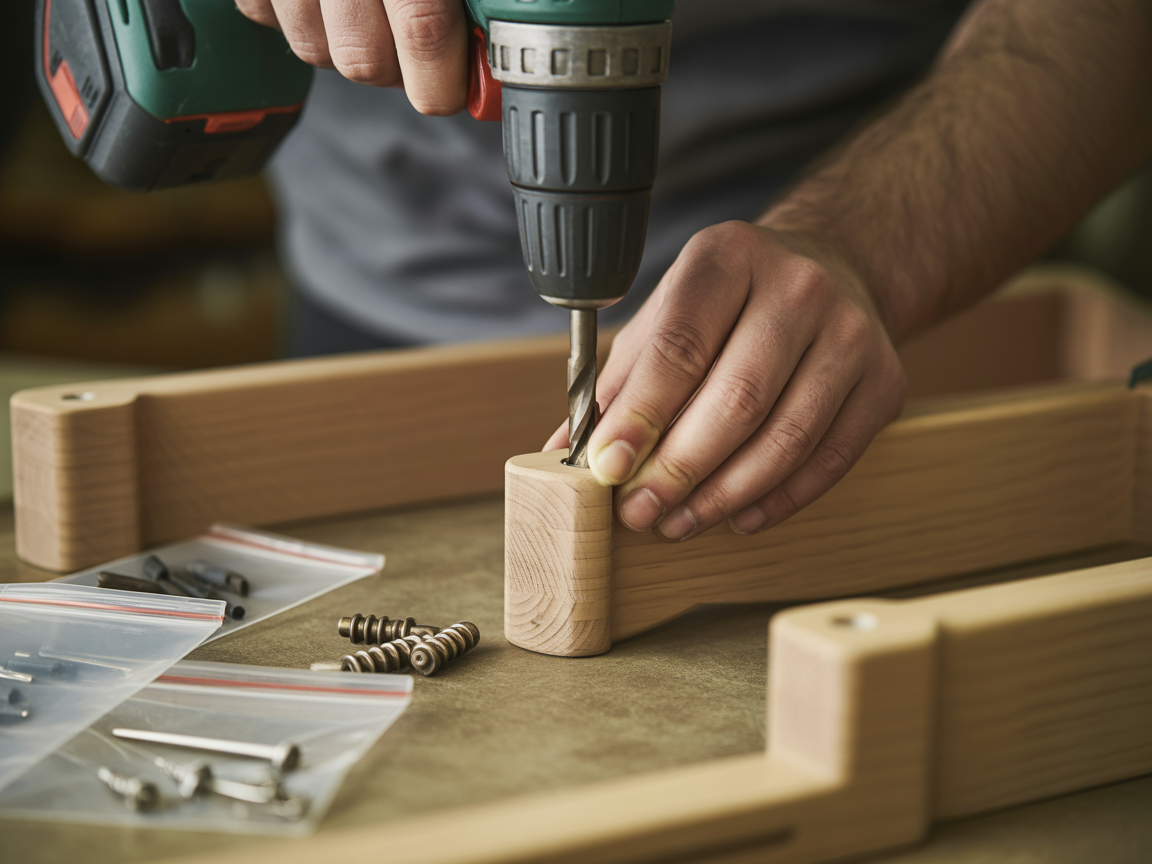
Disassembling furniture before storage offers multiple benefits. It reduces the risk of damage during transport and handling, makes more efficient use of storage space, eliminates stress on joints and structural components, and allows for better protection of individual parts.
What to Disassemble
Focus on disassembling items with removable components such as bed frames, dining tables, bookshelves, modular sofas, and desks. Remove table legs, bed rails, shelf supports, and any detachable hardware. Take apart items that would be difficult to maneuver through doorways or into the storage unit.
However, avoid disassembling antique or delicate pieces that may not reassemble properly, items with complex mechanisms you are unfamiliar with, or furniture where disassembly might cause damage to the finish or structure.
Organizing Hardware and Small Parts
One of the most common frustrations when retrieving furniture from storage is discovering missing screws, bolts, or other hardware. Prevent this by placing all hardware from each piece in a clearly labeled plastic bag. Tape the bag securely to the furniture piece it belongs to, or store all hardware bags in a single labeled container that you can easily locate.
For complex assemblies, take photographs during disassembly to document the order and orientation of parts. This visual reference proves invaluable during reassembly, especially for furniture that has been in storage for extended periods.
Step Three: Selecting the Right Wrapping and Protection Materials
The materials you use to wrap and protect furniture significantly impact how well it survives storage. The key principle is to protect against dust, scratches, and physical damage while allowing adequate air circulation to prevent moisture buildup.
Recommended Materials
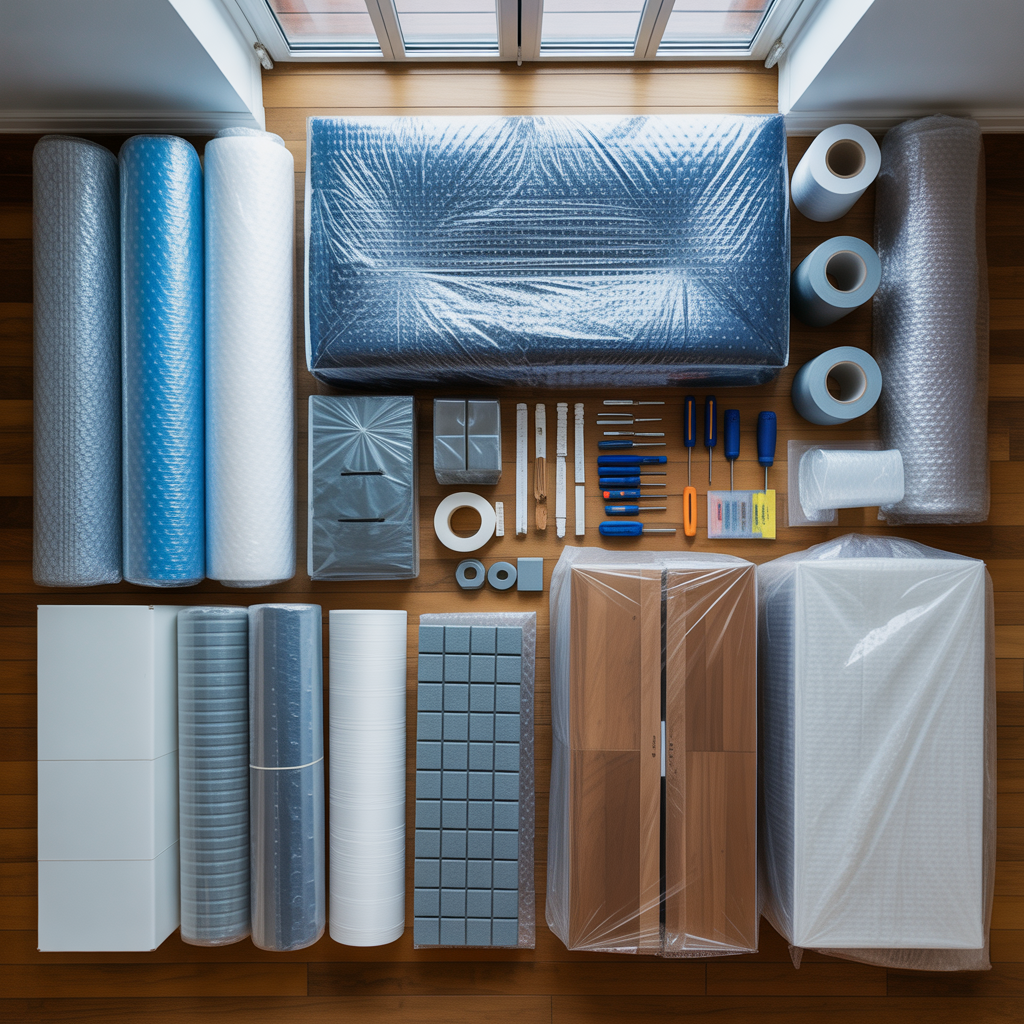
Moving blankets and furniture pads: These thick, padded covers provide excellent protection against scratches, dents, and dust. They are breathable, reusable, and ideal for covering large pieces like dressers, tables, and sofas.
Cotton sheets and drop cloths: Breathable cotton covers work well for protecting furniture from dust while allowing air circulation. They are particularly suitable for wood furniture and can be layered for additional protection.
Bubble wrap: Ideal for protecting fragile components such as glass tabletops, mirrors, decorative hardware, and delicate ornamentations. Wrap these items carefully and secure with packing tape.
Packing paper: Acid-free packing paper works well for wrapping smaller items, protecting surfaces from scratches, and filling gaps in boxes containing disassembled parts.
Stretch wrap: Plastic stretch wrap can secure padding and covers in place without suffocating the furniture. Use it over breathable materials rather than directly on furniture surfaces.
Materials to Avoid
Never wrap furniture directly in plastic sheeting, tarps, or non-breathable materials. Plastic traps moisture against furniture surfaces, creating ideal conditions for mold growth, wood warping, and fabric deterioration. This is one of the most common and damaging mistakes people make when storing furniture.
Wrapping Techniques by Furniture Type
Wood furniture: Wrap legs and corners with bubble wrap or foam padding, then cover the entire piece with moving blankets or cotton sheets. Secure covers with stretch wrap or fabric ties, avoiding tape directly on finished surfaces.
Upholstered furniture: Cover with breathable cotton sheets or specialized furniture covers. Avoid plastic entirely. Place silica gel packets nearby to absorb excess moisture.
Glass and mirrors: Apply painter's tape in an X pattern across glass surfaces to reduce shattering risk if breakage occurs. Wrap in bubble wrap, then protect with cardboard or foam boards. Store vertically rather than flat.
How to Protect Your Furniture in Storage
Protection extends beyond wrapping materials to include how and where you position furniture within the storage unit. Proper placement prevents damage from moisture, pressure, and environmental factors.
Elevate Furniture Off the Floor
Never place furniture directly on concrete floors. Concrete absorbs and releases moisture, which can transfer to furniture and cause damage over time. Use wooden pallets, plastic storage pallets, or 2x4 lumber to elevate furniture at least a few inches off the ground. This simple step significantly reduces moisture-related problems.
Create Air Circulation Space
Leave several inches of space between furniture pieces and between furniture and walls. This allows air to circulate freely, preventing moisture buildup and reducing the risk of mold and mildew growth. Avoid pushing furniture tightly against walls or packing items so densely that air cannot flow between them.
Strategic Stacking and Placement
Place heavy, sturdy items at the bottom and lighter, more fragile pieces on top. Never stack items on upholstered furniture, as the weight can permanently compress cushions and damage springs. Position furniture so that no bare wood or metal edges contact upholstery or delicate surfaces.
Use padding or soft materials between stacked items to absorb shocks and prevent scratching. Ensure all furniture is stable and will not shift or topple during the storage period.
The 4 D's of Self Storage
Storage professionals often reference the 4 D's as fundamental principles for successful storage: Declutter, Disassemble, Document, and Defend.
Declutter: Before storing furniture, evaluate whether each piece is worth the cost and effort of storage. Sell, donate, or dispose of items you no longer need or want. This reduces storage costs and ensures you are only storing furniture worth preserving.
Disassemble: As discussed earlier, breaking down furniture into smaller components protects against damage and maximizes storage efficiency.
Document: Create an inventory of everything you store, including photographs and descriptions. This helps with insurance claims if damage occurs and makes it easier to locate specific items later.
Defend: Protect your furniture with appropriate wrapping materials, proper placement, and the right storage environment, including climate-controlled storage when necessary.
How to Stop Furniture from Going Mouldy in Storage
Mold and mildew are among the most common and destructive problems affecting stored furniture. These fungi thrive in damp, stagnant environments and can cause permanent damage to wood, fabric, and leather. Prevention requires a multi-faceted approach.
Choose Climate-Controlled Storage
Climate-controlled storage units maintain consistent temperature and humidity levels throughout the year. This stable environment prevents the moisture fluctuations that promote mold growth. For valuable furniture, antiques, or any pieces you plan to store for extended periods, climate control is strongly recommended.
In mountain environments like Colorado's Vail Valley, where temperature swings can be dramatic between seasons, climate-controlled units provide essential protection against both extreme cold and summer heat. The consistent conditions prevent wood from expanding and contracting, which can lead to cracking and warping over time.
Use Moisture Absorbers
Place silica gel packets, moisture-absorbing crystals, or commercial dehumidifier products throughout the storage unit. Position them near furniture and in enclosed spaces like drawers and cabinets. Replace or recharge these products periodically according to manufacturer instructions.
Ensure Proper Ventilation
As mentioned earlier, leave space between items and avoid sealing furniture in plastic. If possible, visit your storage unit periodically to check for signs of moisture or mold and to allow fresh air circulation.
Clean and Dry Before Storage
Ensure all furniture is completely dry before storage. Even small amounts of moisture left from cleaning can promote mold growth in an enclosed storage environment. Allow at least 24 to 48 hours of drying time after cleaning before wrapping and storing furniture.
What Is the Best Thing to Wrap Furniture in for Storage?
The best wrapping materials depend on the type of furniture and the storage duration. However, moving blankets and furniture pads consistently rank as the top choice among storage professionals for most furniture types.
Moving blankets offer several advantages. They provide substantial padding against impacts and scratches. The thick fabric protects against dust while remaining breathable. They are reusable and cost-effective for multiple storage situations. They conform to furniture shapes and can be secured without damaging surfaces.
For a comprehensive protection system, layer your materials: start with a cotton sheet or drop cloth directly against the furniture surface, add moving blankets or furniture pads for padding, and use stretch wrap over the top to secure everything in place without direct contact with the furniture.
For fragile components like glass tabletops or decorative elements, bubble wrap provides superior impact protection. Wrap these items separately and label them clearly as fragile.
Choosing the Right Storage Unit Size
Selecting an appropriately sized storage unit ensures you have adequate space for proper furniture placement and air circulation without paying for unused space. A storage unit size guide can help you estimate your needs based on the furniture you plan to store.
As a general guideline, a 5x10 unit accommodates the contents of a small bedroom or office. A 10x10 unit holds the furniture from a one-bedroom apartment. A 10x15 or 10x20 unit provides space for a two to three bedroom home's furnishings.
When calculating size, remember to account for the space needed between items for air circulation and access. It is better to choose a slightly larger unit than to pack furniture too tightly.
Special Considerations for Different Furniture Types
Antique and Valuable Furniture
Antiques and high-value pieces warrant extra care. Consider professional cleaning and conditioning before storage. Use acid-free materials for wrapping to prevent chemical reactions with finishes. Climate-controlled storage is essential for antiques, as environmental fluctuations can cause irreparable damage to aged wood and finishes.
Document the condition of valuable pieces with detailed photographs before storage. Consider specialized insurance coverage for items of significant value.
Outdoor and Patio Furniture
Even furniture designed for outdoor use benefits from proper storage preparation. Clean thoroughly to remove dirt, pollen, and organic debris. Ensure items are completely dry before storage. Remove cushions and store them separately in breathable bags. Collapse or disassemble items when possible to save space.
Office Furniture
Desks, file cabinets, and office chairs require attention to moving parts and mechanisms. Lock or secure drawers to prevent opening during transport. Adjust chairs to their lowest position and wrap bases to prevent scratching. Remove and pack small items like desk accessories separately.
Creating Your Furniture Storage Checklist
To ensure thorough preparation, work through this checklist before placing any furniture in storage:
- Clean all surfaces thoroughly and allow complete drying
- Apply appropriate polish, conditioner, or protectant
- Disassemble removable components and large pieces
- Bag and label all hardware and small parts
- Photograph furniture condition and assembly configurations
- Wrap fragile components in bubble wrap
- Cover all pieces with breathable materials
- Secure wrapping with stretch wrap or ties
- Prepare pallets or blocks for floor elevation
- Create an inventory list with descriptions
- Place moisture absorbers in the storage unit
- Position furniture with adequate spacing for air circulation
Long-Term Storage Maintenance
If you plan to store furniture for extended periods, periodic maintenance helps ensure items remain in good condition. Visit your storage unit every few months to check for signs of moisture, pests, or damage. Replace moisture absorbers as needed. Adjust covers or wrapping that may have shifted.
For storage facilities near Eagle County Airport, 24/7 access with smart lock technology allows you to check on your belongings at your convenience, making regular maintenance visits easy to schedule around your other commitments.
Conclusion
Proper furniture storage preparation and protection requires time and attention to detail, but the investment pays dividends when you retrieve your belongings in the same condition you stored them. By following the techniques outlined in this guide, from thorough cleaning and strategic disassembly to appropriate wrapping materials and climate-controlled storage, you can confidently store furniture for months or even years without worry.
Remember that the key principles are cleanliness, breathability, elevation, and environmental stability. Address each of these factors, and your furniture will emerge from storage ready to serve you for many more years to come.
Ready to Store Your Furniture with Confidence?
Vail Airport Storage offers climate-controlled units, 24/7 smart lock access, and a variety of sizes to protect your valuable furniture. Visit us today to find the perfect storage solution for your needs.