Storage Units with Electricity: Complete Guide for 2026
Find storage units with electricity near you. Learn about costs, benefits, and what to look for when renting powered storage units for your specific needs.

When standard storage simply will not meet your needs, storage units with electricity offer a practical solution for everything from climate control equipment to workshop spaces. While most self-storage facilities provide basic units without power, a growing number of providers now offer powered options to accommodate customers who need more than just empty space.
Whether you are storing temperature-sensitive items, maintaining a vehicle, running a small business operation, or pursuing a hobby that requires power tools, understanding how to find and evaluate storage units with electricity can save you time, money, and frustration. This comprehensive guide covers everything you need to know about powered storage units, from typical costs and availability to the specific features that matter most for your situation.
What Are Storage Units with Electricity?
Storage units with electricity are rental spaces equipped with functional electrical outlets and, in many cases, built-in lighting. Unlike standard storage units that offer only a secure, enclosed space, powered units allow renters to plug in equipment, run climate control devices, charge batteries, and perform tasks that require electrical power.
These units typically feature:
- One or more standard 110-volt electrical outlets
- Built-in overhead lighting or the ability to install temporary lighting
- Higher monthly rental rates compared to non-powered units
- Potential restrictions on electrical usage and equipment types
It is important to understand that storage units with electricity are not the same as commercial or industrial spaces. They remain subject to standard storage facility rules regarding occupancy, business operations, and the types of activities permitted on the premises.
Why Would You Need a Storage Unit with Power?
The reasons for seeking powered storage vary widely, but several common use cases drive most of the demand for these specialized units.
Climate Control and Environmental Protection
One of the most practical applications for powered storage involves running fans, dehumidifiers, or portable air conditioning units. In regions with extreme temperatures or high humidity, these devices help protect stored items from moisture damage, mold growth, and temperature-related deterioration.
For those storing items in mountain climates like the Vail Valley area, where temperatures can swing dramatically between seasons, having power to run climate control equipment provides an extra layer of protection beyond what standard climate-controlled storage facilities offer.
Vehicle and Equipment Maintenance
Car enthusiasts, motorcycle collectors, and boat owners often seek powered storage units to maintain their vehicles. Having access to electricity allows for:
- Battery tenders and trickle chargers to keep batteries healthy during storage
- Small compressors for tire maintenance
- Work lights for inspections and minor repairs
- Heated blankets or engine block heaters in cold climates
Aviation professionals and pilots who store aircraft-related equipment particularly benefit from powered units. The ability to charge aviation batteries, run diagnostic equipment, and maintain flight gear makes airport-adjacent storage solutions with power an attractive option.
Business Inventory and Operations
Small business owners frequently use powered storage units as overflow inventory space or satellite operations centers. E-commerce sellers, contractors, and service professionals may need electricity to:
- Charge equipment batteries between jobs
- Power small refrigeration units for temperature-sensitive inventory
- Run computers or tablets for inventory management
- Operate security cameras or monitoring systems
Hobby and Workshop Applications
Hobbyists who lack workshop space at home often turn to powered storage units. Woodworkers, artists, musicians, and crafters can use these spaces to pursue their interests without disturbing family members or neighbors. The key advantage is having a dedicated space where power tools and equipment can remain set up and ready to use.
How Common Are Storage Units with Electricity?
The availability of powered storage units varies significantly by location and facility type. According to industry data, the majority of self-storage facilities do not offer electricity in individual units as a standard feature. However, the demand for powered units has grown steadily, prompting more facilities to add this option.
You are more likely to find storage units with electricity at:
- Newer facilities built within the last decade
- Facilities that cater to commercial or business customers
- Drive-up storage locations with larger unit sizes
- Facilities in areas with high concentrations of recreational vehicle owners
- Storage centers near airports or marinas
Indoor climate-controlled facilities sometimes have electrical access in common areas but not in individual units. Drive-up units are more commonly wired for individual power access, as the infrastructure is easier to install in these configurations.

How Much Do Storage Units with Electricity Cost?
Powered storage units command premium pricing compared to standard units of the same size. The additional cost reflects both the infrastructure investment required to provide electricity and the increased utility expenses the facility incurs.
Typical Pricing Structures
Most facilities that offer powered units use one of these pricing approaches:
Flat Rate Premium: A fixed additional monthly fee, typically ranging from $30 to $85 per month on top of the base unit rental rate. This approach is common when electricity usage is expected to be minimal.
Metered Electricity: Some facilities install individual meters and bill tenants for actual electricity consumption. This approach is fairer for light users but can result in higher costs for those running equipment continuously.
Tiered Pricing: Certain facilities offer different electrical packages based on expected usage levels, with higher tiers providing more outlets or higher amperage capacity.
Factors Affecting Cost
Several variables influence the final cost of a powered storage unit:
- Geographic location: Areas with higher commercial real estate costs and electricity rates will have correspondingly higher rental prices
- Unit size: Larger units with electricity cost more, both in base rent and electrical fees
- Electrical capacity: Units wired for higher amperage or 220-volt service cost more than standard 110-volt configurations
- Facility amenities: Premium facilities with security features, climate control, and convenient access typically charge more across all unit types
Cost Comparison Example
To illustrate the cost difference, consider a typical 10x20 drive-up unit:
| Unit Type | Monthly Cost Range |
|---|---|
| Standard 10x20 (no power) | $165 to $275 |
| 10x20 with electricity | $220 to $385 |
| 10x20 with power and lighting | $250 to $440 |
These figures represent national averages; actual costs in your area may differ substantially based on local market conditions.
How to Find Storage Units with Electricity Near You
Locating powered storage units requires more effort than finding standard storage, as online search tools do not always accurately filter for this feature. Here are the most effective strategies for finding what you need.
Direct Facility Contact
The most reliable method is calling storage facilities directly. Online listings may not be current, and the "electricity" filter on aggregator websites sometimes produces inaccurate results. When calling, ask specifically about:
- Whether electrical outlets are available in individual units
- The type and number of outlets provided
- Any restrictions on electrical usage
- How electricity is billed (flat rate vs. metered)
- Whether lighting is included or tenant-installed
Online Search Strategies
When searching online, try these approaches:
Use specific search terms: Instead of just "storage units near me," search for "storage units with electricity," "powered storage units," or "workshop storage rental" in your area.
Check aggregator sites: Platforms like SpareFoot, SelfStorage.com, and StorageCafe allow filtering by amenities, though you should verify availability by phone.
Look at facility types: Search for "commercial storage," "business storage," or "contractor storage" as these categories more commonly include powered units.
Alternative Options to Consider
If traditional self-storage facilities in your area do not offer powered units, consider these alternatives:
- Warehouse flex space: Small commercial spaces often include utilities and may be competitively priced
- Portable storage containers: Some companies offer powered container rentals that can be placed on your property
- Shared workshop spaces: Makerspaces and shared workshops provide power and tools for hobbyists
- Agricultural or farm storage: Rural storage facilities sometimes offer powered units for equipment
What to Look for When Renting a Powered Storage Unit
Not all powered storage units are created equal. Before signing a rental agreement, evaluate these critical factors to ensure the unit meets your needs.
Electrical Specifications
Understanding the electrical setup is essential for avoiding problems:
Outlet type and quantity: Standard units typically have one or two 110-volt, 15-amp outlets. If you need to run multiple devices or higher-draw equipment, verify the unit can accommodate your requirements.
Circuit capacity: Ask about the amperage rating of the circuit serving your unit. A standard 15-amp circuit can handle approximately 1,800 watts of continuous load. Running equipment that exceeds this capacity will trip breakers repeatedly.
Dedicated vs. shared circuits: Some facilities run multiple units on shared circuits, which can cause problems if neighboring tenants draw heavy loads. Dedicated circuits provide more reliable power.
Usage Restrictions
Storage facilities impose various restrictions on how electricity can be used. Common limitations include:
- Prohibitions on space heaters, air conditioners, or other high-draw appliances
- Restrictions on continuous equipment operation (such as running a dehumidifier 24/7)
- Bans on certain activities like welding, spray painting, or operating loud equipment
- Requirements to use only surge-protected power strips
- Prohibitions on modifying electrical systems or adding outlets
Review the rental agreement carefully and ask questions about any restrictions that might affect your intended use.
Safety Considerations
Electrical safety in storage units deserves careful attention:
- Inspect outlets for damage, discoloration, or signs of overheating
- Check that outlets are properly grounded (three-prong)
- Verify that GFCI protection is installed in units where moisture might be present
- Ask about the facility's fire detection and suppression systems
- Understand the facility's policy on extension cords and power strips
Access and Convenience
Consider how the unit's location and access hours affect your ability to use the electrical features:
- 24-hour access is valuable if you need to check on equipment or work during off-hours
- Drive-up access simplifies loading and unloading heavy electrical equipment
- Proximity to your home or business affects how frequently you can use the space
- Lighting in common areas and hallways matters for safety during evening visits
Common Uses for Powered Storage Units
Understanding how others use powered storage can help you determine whether this option suits your needs and how to maximize the value of your rental.
Seasonal Vehicle Storage
Powered units excel for storing vehicles that need periodic attention:
Classic cars and motorcycles: Battery maintainers keep batteries charged and healthy during months of storage. Some owners also use timed lights to deter pests.
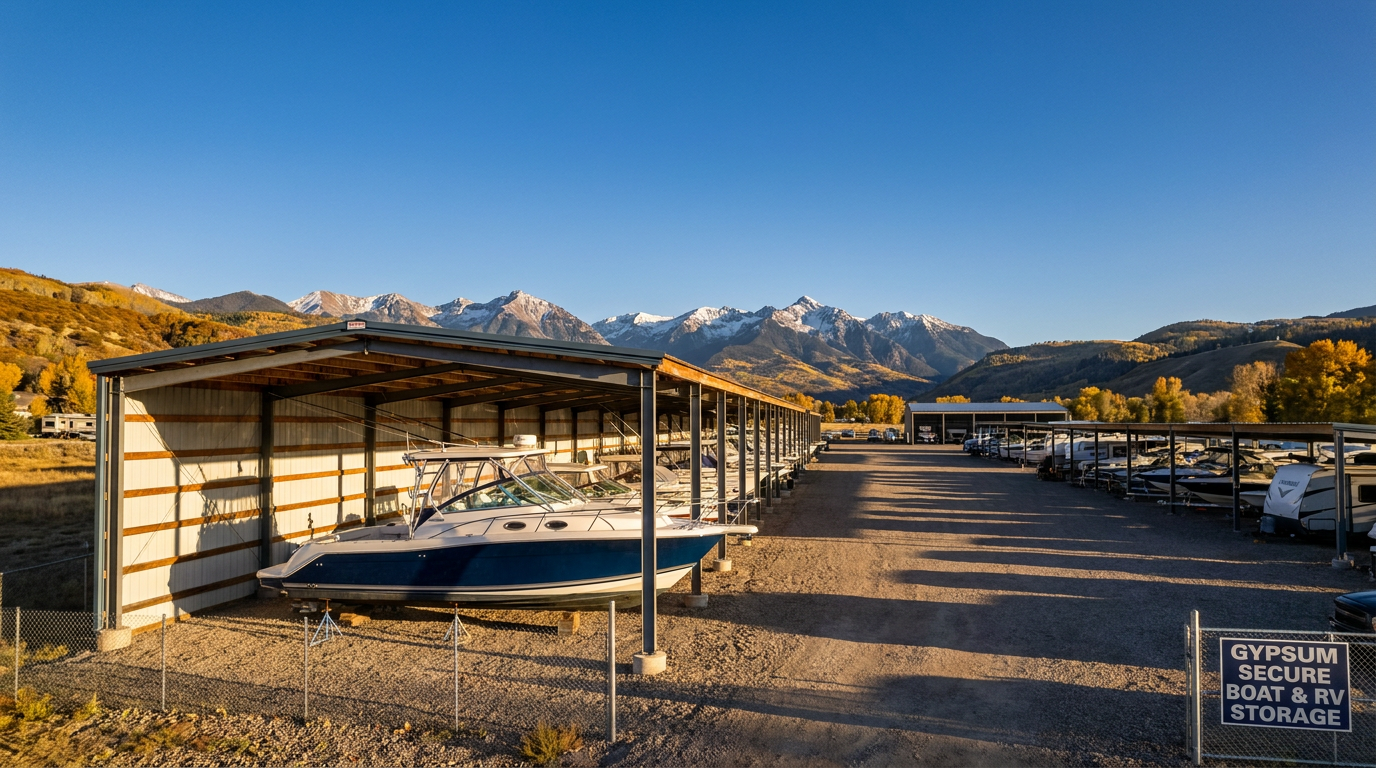
Boats and watercraft: Dehumidifiers prevent mold and mildew in enclosed boat cabins. Battery chargers maintain starting batteries and trolling motor batteries.
RVs and campers: Powered storage allows running refrigerators periodically to prevent seal damage, maintaining battery systems, and running small heaters in extreme cold to protect plumbing.
Business and Commercial Applications
Small businesses find numerous applications for powered storage:
E-commerce operations: Sellers use powered units to photograph products, charge shipping scale batteries, and run small printers for labels.
Contractor equipment storage: Electricians, plumbers, and other tradespeople store tools and charge battery-powered equipment between jobs.
Document storage: Businesses requiring long-term document retention use powered units to run dehumidifiers that protect paper records from moisture damage.
Hobby and Personal Projects
Personal uses for powered storage continue to expand:
Woodworking and crafts: Hobbyists set up small workshops with table saws, drill presses, and other power tools.
Music practice: Musicians store instruments and amplifiers, using the space for practice sessions that would disturb neighbors at home.
Art studios: Artists use powered units for painting, sculpting, and other creative work that requires dedicated space and good lighting.
Tips for Using Your Powered Storage Unit Safely and Effectively
Once you have secured a powered storage unit, following best practices ensures safe operation and protects your stored items.
Electrical Safety Best Practices
Prevent electrical hazards by following these guidelines:
- Never overload circuits; calculate the total wattage of connected devices and stay well under the circuit's capacity
- Use only heavy-duty extension cords rated for your equipment's power draw
- Avoid daisy-chaining multiple power strips or extension cords
- Unplug equipment when not in use, especially heating or cooling devices
- Keep electrical cords away from water sources and areas where they might be damaged
- Install a smoke detector if the facility permits and check batteries regularly
Climate Control Strategies
If you are using electricity for climate control, optimize your approach:
Dehumidifiers: Choose units with automatic shutoff when the collection tank is full, or models that can drain continuously through a hose. Set humidity targets between 30% and 50% for most stored items.
Fans: Circulation fans help prevent moisture buildup and hot spots. Position them to create airflow throughout the unit rather than blowing directly on stored items.
Temperature monitoring: Consider a smart thermometer or humidity monitor that sends alerts to your phone if conditions fall outside acceptable ranges.
Organization and Layout
Plan your unit layout with electrical access in mind:
- Keep outlets accessible; do not block them with stored items
- Create clear pathways to electrical equipment for monitoring and maintenance
- Position items that need power (battery chargers, dehumidifiers) near outlets to minimize cord lengths
- Store flammable materials away from electrical equipment and outlets
Alternatives When Powered Storage Is Not Available
If you cannot find or afford a storage unit with electricity, several alternatives may meet your needs.
Battery-Powered Solutions
Modern battery technology offers viable alternatives to grid power:
Portable power stations: Large lithium battery packs can power small devices for hours or days. Charge them at home and bring them to your storage unit as needed.
Solar charging systems: For units with exterior access or skylights, small solar panels can maintain battery systems or power low-draw devices.
Battery-powered dehumidifiers: While less powerful than plug-in models, rechargeable dehumidifiers can help control moisture in smaller spaces.
Desiccant and Passive Climate Control
Non-electric moisture control options include:
- Silica gel packets or buckets for small-scale moisture absorption
- Calcium chloride dehumidifiers (such as DampRid) for ongoing moisture control
- Proper ventilation and air circulation through strategic item placement
- Moisture barrier wraps and covers for sensitive items
Periodic Maintenance Visits
Without continuous power, regular visits become more important:
- Check on stored items weekly or bi-weekly during humid seasons
- Bring portable equipment (fans, dehumidifiers, chargers) during visits
- Remove and charge vehicle batteries at home rather than using in-unit maintainers
- Use a portable generator briefly for necessary tasks (if facility rules permit)

Questions to Ask Before Renting a Powered Storage Unit
Prepare for your facility visit or phone call with these essential questions:
About the Electrical System
- How many outlets are in the unit, and what type are they?
- What is the amperage rating of the circuit?
- Is the circuit dedicated to my unit or shared with others?
- Is GFCI protection installed?
- Are there any known issues with the electrical system?
About Costs and Billing
- What is the total monthly cost including electricity?
- Is electricity included in the rent or billed separately?
- If metered, what is the rate per kilowatt-hour?
- Are there any caps on electrical usage?
- What happens if I exceed usage limits?
About Rules and Restrictions
- What types of equipment am I prohibited from using?
- Can I run equipment continuously (24/7)?
- Are there noise restrictions that affect power tool use?
- What activities are prohibited in the unit?
- Can I install additional lighting or make other modifications?
About Access and Security
- What are the access hours?
- Is 24-hour access available, and at what cost?
- What security measures protect the facility?
- How will I be notified if there is a power outage affecting my unit?
Making the Right Choice for Your Storage Needs
Storage units with electricity serve a genuine need for many renters, but they are not necessary for everyone. Before committing to the higher cost of a powered unit, honestly assess your requirements.
A powered unit makes sense if you:
- Need to run climate control equipment continuously
- Store vehicles that require battery maintenance
- Plan to use the space as a workshop or project area
- Have business needs that require electrical access
- Store items that are highly sensitive to temperature or humidity
A standard unit may suffice if you:
- Are storing household items, furniture, or boxes
- Can use battery-powered alternatives for occasional needs
- Are willing to make regular visits to check on and maintain stored items
- Are storing items in a climate-controlled facility that already maintains appropriate conditions
For those in the Eagle County area seeking storage with modern amenities, facilities like Vail Airport Storage offer options including drive-up units with built-in lighting and power outlets. The convenience of advanced security features and smart lock technology combined with electrical access provides flexibility for a wide range of storage needs.
Whether you are a pilot storing aviation equipment near Eagle County Regional Airport, a seasonal resident protecting valuable belongings, or a business owner needing overflow space with power, the right storage solution exists. The key is understanding your specific requirements and asking the right questions before you sign a rental agreement.
Find Your Perfect Storage Solution
Vail Airport Storage offers drive-up units with power and lighting, climate-controlled options, and 24/7 smart lock access. Located just minutes from Eagle County Regional Airport, we serve pilots, travelers, and local residents with secure, modern storage solutions.
Explore Available Units