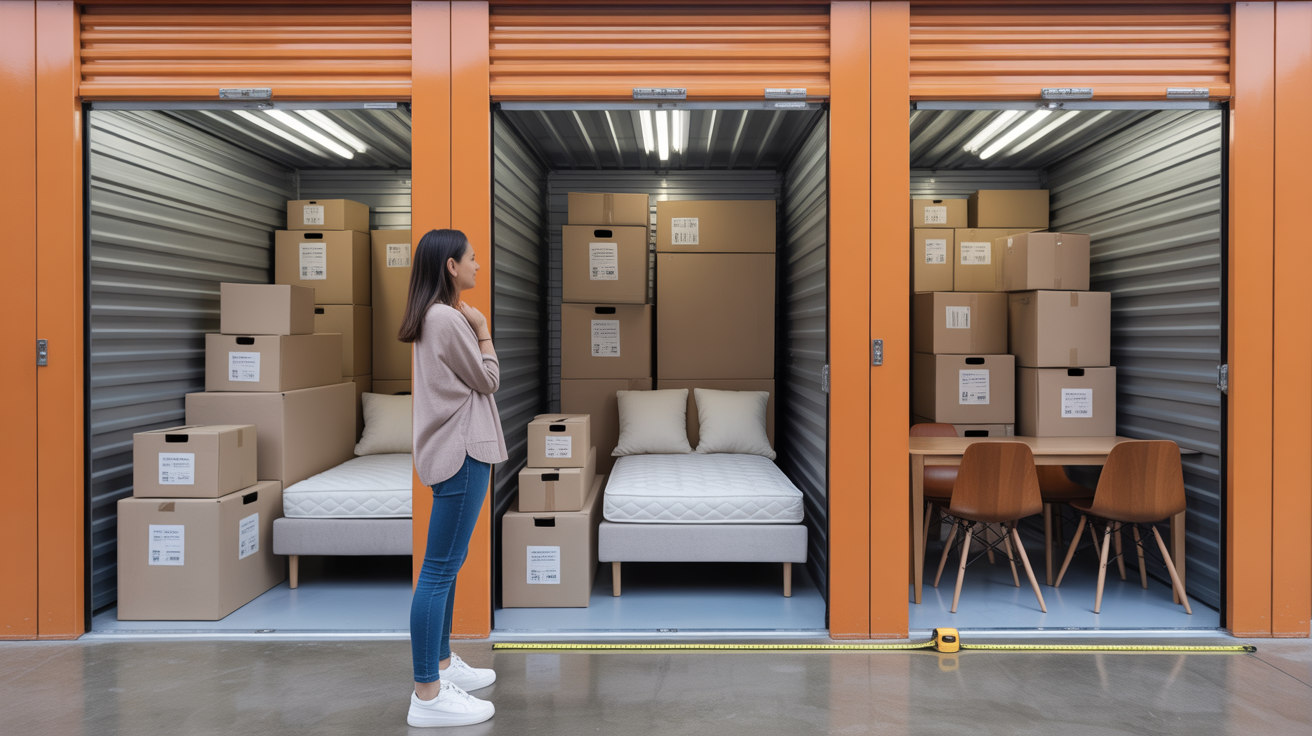
Moving out of a one bedroom apartment or simply need to declutter your living space? Choosing the right storage unit size can feel overwhelming when you are staring at a list of dimensions like 5x10, 10x10, or 10x15. Select a unit that is too small, and you will find yourself playing an impossible game of Tetris with your furniture. Choose one that is too large, and you will waste money on empty space every month.
The good news is that determining the ideal storage unit size for a one bedroom apartment follows a logical process. This comprehensive guide walks you through everything you need to know, from understanding standard unit dimensions to calculating exactly how much space your belongings require. Whether you are storing a fully furnished apartment or just seasonal items, you will find the answers you need to make a confident decision.
Quick Answer: What Size Storage Unit Do You Need for a One Bedroom Apartment?
For most one bedroom apartments, a 10x10 storage unit provides the ideal balance of space and value. This 100 square foot unit comfortably accommodates typical furniture including a queen size bed, sofa, dresser, dining table with chairs, and approximately 50 to 75 moving boxes.
However, your specific needs may vary based on several factors:
- Minimally furnished apartments: A 5x10 unit (50 square feet) may suffice
- Average one bedroom apartments: A 10x10 unit (100 square feet) works best
- Fully furnished or large apartments: A 10x15 unit (150 square feet) provides extra breathing room
The sections below will help you determine exactly which category your situation falls into, along with detailed packing strategies to maximize every cubic foot of your chosen unit.
Understanding Storage Unit Dimensions
Before diving into specific recommendations, it helps to understand what these measurements actually mean in practical terms. Storage unit sizes are expressed as width by depth in feet, but the usable space extends vertically as well.
Standard Unit Heights
Most storage facilities offer units with ceiling heights between 8 and 10 feet. This vertical space significantly increases your storage capacity beyond the floor dimensions alone. A 10x10 unit with 8 foot ceilings provides 800 cubic feet of storage space, while the same unit with 10 foot ceilings offers 1,000 cubic feet.
Common Storage Unit Sizes Compared
| Unit Size | Square Feet | Cubic Feet (8ft ceiling) | Comparable To |
|---|---|---|---|
| 5x5 | 25 sq ft | 200 cu ft | Small closet |
| 5x10 | 50 sq ft | 400 cu ft | Walk-in closet |
| 8x10 | 80 sq ft | 640 cu ft | Large walk-in closet |
| 10x10 | 100 sq ft | 800 cu ft | Half of a one-car garage |
| 10x15 | 150 sq ft | 1,200 cu ft | Three-quarters of a one-car garage |
| 10x20 | 200 sq ft | 1,600 cu ft | Full one-car garage |
For a more detailed breakdown of all available options, visit our comprehensive storage size guide which includes visual comparisons and specific item recommendations for each unit size.
The 5x10 Unit: For Minimally Furnished One Bedroom Apartments
A 5x10 storage unit provides 50 square feet of floor space, roughly equivalent to a standard walk-in closet. This size works well for one bedroom apartments with minimal furniture or for renters who plan to sell or donate larger items before moving.
What Fits in a 5x10 Unit
A typical 5x10 unit can accommodate:
- One queen size mattress and box spring (stored on their sides)
- One dresser or chest of drawers
- One small desk or nightstand
- Several small chairs (not a full sofa)
- 20 to 30 medium moving boxes
- Miscellaneous items like lamps, small electronics, and personal belongings
When a 5x10 Makes Sense
Consider this size if you:
- Rent a furnished apartment and only need to store personal items
- Plan to sell your sofa and large furniture before moving
- Are storing belongings temporarily during a short transition
- Have a studio or particularly small one bedroom apartment
- Want to minimize monthly storage costs
Limitations of the 5x10 Size
The main challenge with a 5x10 unit is the narrow width. At only 5 feet wide, you cannot place items side by side easily, which limits your organizational options. You will need to stack items vertically and place furniture strategically to maximize the space.
Most importantly, a standard sofa will not fit comfortably in a 5x10 unit alongside other furniture. If you own a full size couch and need to store it, you will likely need to upgrade to a larger unit.
The 10x10 Unit: The Sweet Spot for Most One Bedroom Apartments
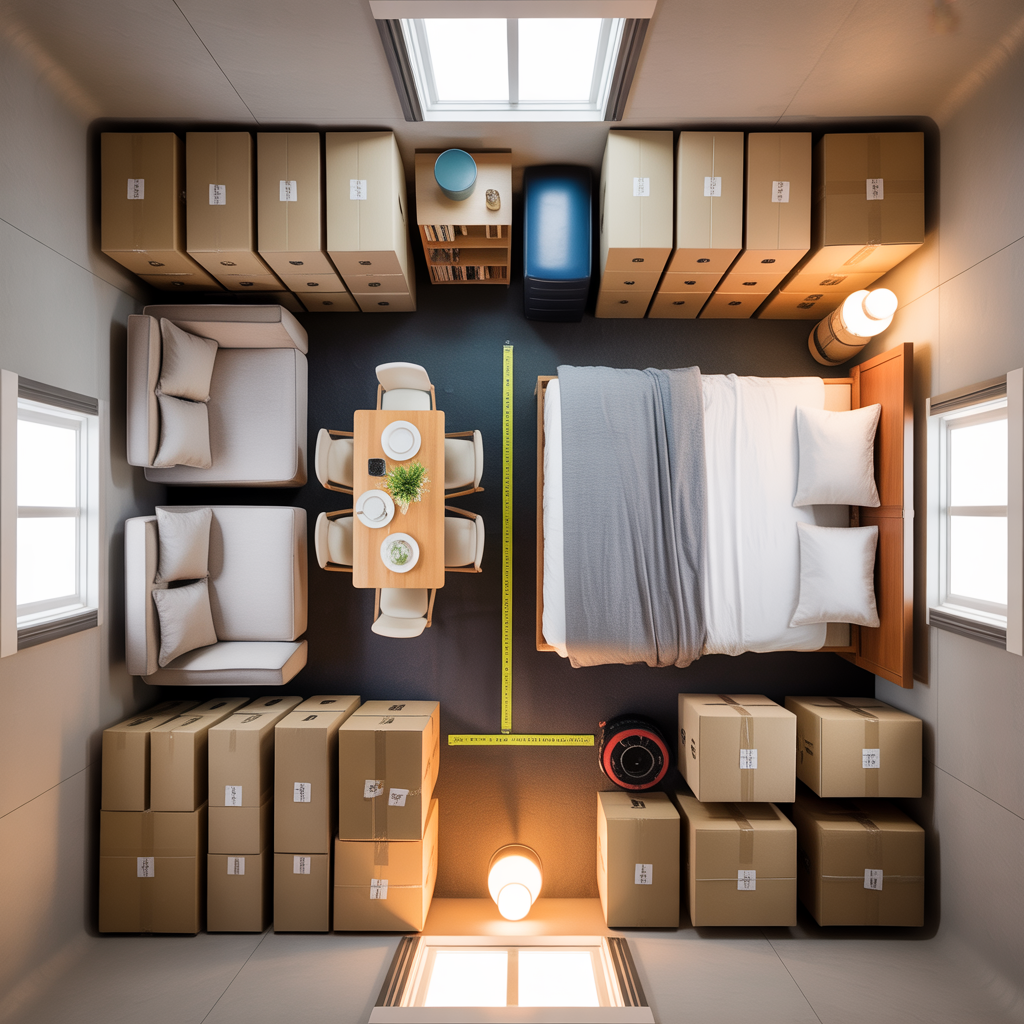
The 10x10 storage unit represents the most popular choice for one bedroom apartment storage. With 100 square feet of floor space and approximately 800 cubic feet of total volume, this size handles the contents of a typical one bedroom apartment without requiring you to part with any furniture.
What Fits in a 10x10 Unit
A well-organized 10x10 unit can hold:
- One queen or king size mattress set
- One full size sofa or loveseat
- One dining table with 4 chairs
- One dresser and one chest of drawers
- One desk and office chair
- One or two nightstands
- One bookshelf
- One or two armchairs
- Small appliances (microwave, coffee maker, blender)
- 50 to 75 medium moving boxes
- Lamps, artwork, and decorative items
Why 10x10 Works for One Bedroom Apartments
The square dimensions of a 10x10 unit provide significant advantages over narrower options. You can arrange furniture along the walls while maintaining a center aisle for access. This layout allows you to reach items in the back without completely emptying the unit.
The 10 foot width also accommodates most standard sofas, which typically measure between 7 and 8 feet long. You can place your sofa along one wall, your mattress set along another, and still have room for boxes and smaller furniture pieces.
Pricing Considerations
While a 10x10 unit costs more than a 5x10, the price per square foot often decreases as unit size increases. Additionally, the flexibility of a 10x10 prevents the frustration of discovering your belongings do not fit, which could result in needing to rent a second unit or upgrade mid-lease.
At Vail Airport Storage, our conveniently located facility offers 10x10 units in both drive-up and climate-controlled configurations, allowing you to choose the option that best fits your needs and budget.
The 10x15 Unit: For Larger or Fully Furnished One Bedroom Apartments
A 10x15 storage unit provides 150 square feet of floor space, offering 50% more room than the standard 10x10. This size makes sense for larger one bedroom apartments, those with extensive belongings, or renters who want extra space for easy access and organization.
What Fits in a 10x15 Unit
A 10x15 unit can accommodate everything that fits in a 10x10, plus:
- Additional seating (sectional sofa, extra chairs)
- Larger entertainment center or TV stand
- Exercise equipment (treadmill, stationary bike, weight bench)
- Outdoor furniture (patio set, grill)
- Seasonal items (holiday decorations, sports equipment)
- 100+ medium moving boxes
- Musical instruments (keyboard, guitar collection)
- Hobby supplies and collections
When to Choose a 10x15 Over a 10x10
Upgrade to a 10x15 if you:
- Own a sectional sofa or oversized furniture
- Have a large collection of books, records, or other items
- Need to store bicycles, skis, or other sports equipment
- Plan to access your unit frequently and want room to move around
- Are storing items from a one bedroom apartment plus additional belongings
- Prefer the peace of mind that comes with extra space
The Cost-Benefit Analysis
A 10x15 unit typically costs 10 to 20 percent more than a 10x10. For many renters, this modest increase provides significant value through easier access, better organization, and the ability to store seasonal items that might otherwise require a separate unit.
Consider your storage duration as well. If you plan to store items for several months or longer, the extra space becomes increasingly valuable as you may need to retrieve specific items periodically.
Should I Get a 10x10 or 10x15 Storage Unit?
This common question comes down to a few key factors. Understanding your specific situation helps you make the right choice without overspending or running out of room.
Choose a 10x10 If:
- Your one bedroom apartment is under 700 square feet
- You own standard size furniture (not oversized pieces)
- You do not have significant collections or hobby equipment
- You are comfortable with a tightly packed unit
- Budget is a primary concern
- You do not plan to access items frequently
Choose a 10x15 If:
- Your one bedroom apartment is over 700 square feet
- You own large or oversized furniture
- You have significant collections, sports equipment, or hobby supplies
- You prefer easy access and room to organize
- You plan to store items long-term
- You need to access your unit regularly
The Middle Ground: 10x12 Units
Some facilities offer 10x12 units, which provide 120 square feet of space. This option splits the difference between 10x10 and 10x15, offering extra room without the full price jump. If available, a 10x12 can be an excellent compromise for one bedroom apartments that fall between the typical size categories.
How Many Rooms Will a 10x10 Storage Unit Hold?
Industry standards suggest that a 10x10 storage unit holds the contents of approximately two to three rooms of furniture. For a one bedroom apartment, this translates to:
- One bedroom (bed, dresser, nightstands)
- One living room (sofa, coffee table, entertainment center)
- One dining area (table and chairs)
- Plus boxes containing kitchen items, bathroom supplies, and personal belongings
This capacity makes the 10x10 unit ideal for one bedroom apartments, as it matches the typical room count almost exactly. The math works because most one bedroom apartments contain a bedroom, living room, kitchen, bathroom, and possibly a small dining area or office nook.
Factors That Affect Room Capacity
Several variables influence how many rooms worth of furniture actually fit:
- Furniture size: Compact furniture allows more items; oversized pieces reduce capacity
- Packing efficiency: Strategic stacking and organization maximize space
- Box quantity: More boxes mean less room for furniture
- Appliance storage: Large appliances take up significant space
- Disassembly: Taking apart furniture saves considerable room
Creating Your Storage Inventory
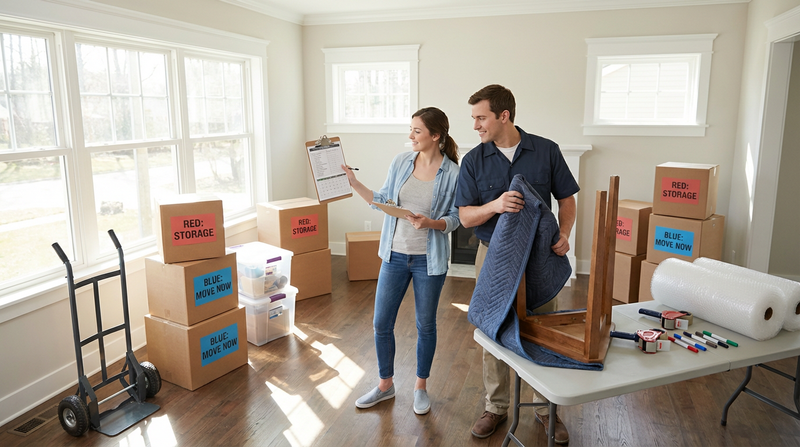
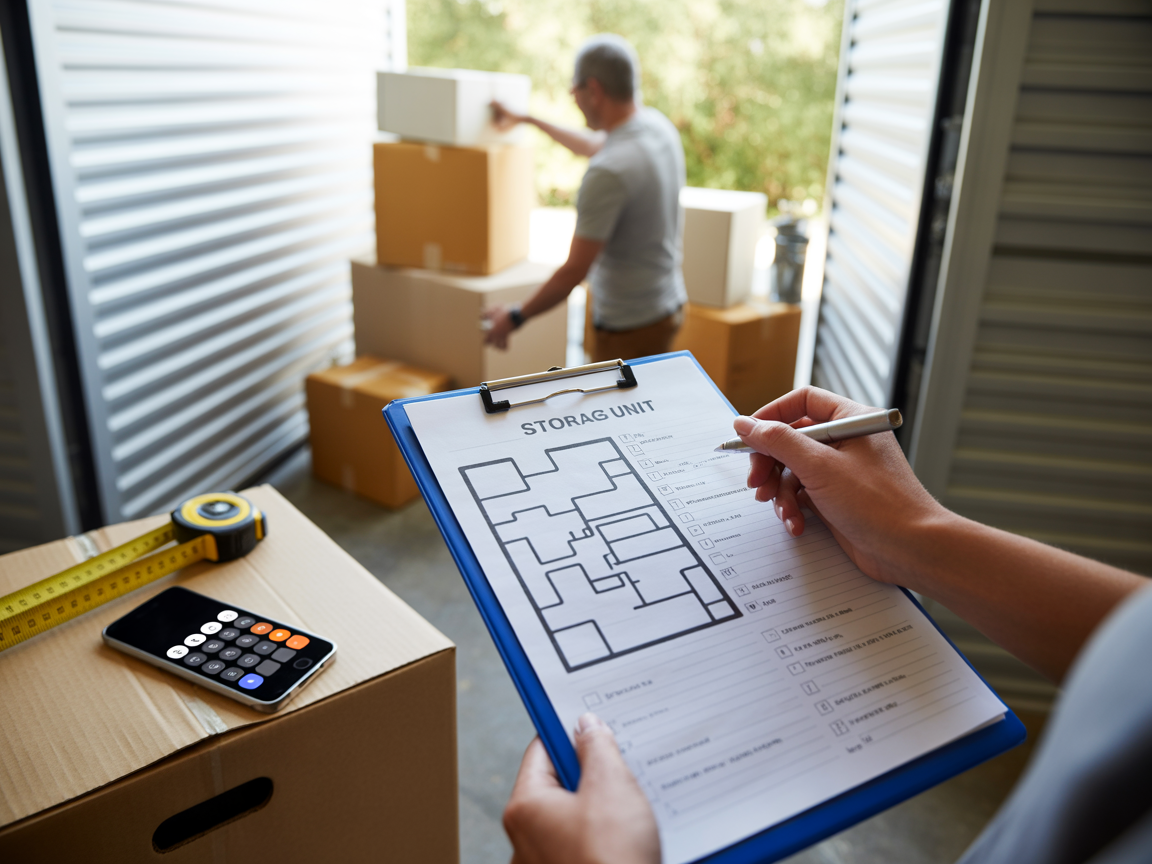
Before selecting a unit size, take inventory of everything you plan to store. This step prevents surprises and helps you choose the right size the first time.
Room-by-Room Inventory Checklist
Bedroom:
- Mattress and box spring (note size: twin, full, queen, king)
- Bed frame (headboard, footboard, rails)
- Dresser
- Nightstands
- Lamps
- Clothing boxes
- Linens and bedding
Living Room:
- Sofa (measure length)
- Armchairs
- Coffee table
- End tables
- Entertainment center or TV stand
- Television
- Bookshelf
- Lamps
- Decorative items and artwork
Dining Area:
- Dining table
- Dining chairs (count them)
- China cabinet or buffet
- Dishes and glassware boxes
Kitchen:
- Small appliances
- Pots and pans
- Dishes and utensils
- Food storage containers
Other Items:
- Bicycles
- Sports equipment
- Exercise equipment
- Holiday decorations
- Tools
- Musical instruments
- Collections
Estimating Box Quantities
A typical one bedroom apartment generates between 40 and 80 moving boxes depending on how much you own. Use these estimates as a starting point:
- Kitchen: 10 to 15 boxes
- Bedroom: 8 to 12 boxes
- Living room: 5 to 10 boxes
- Bathroom: 3 to 5 boxes
- Closets: 10 to 20 boxes
- Miscellaneous: 5 to 15 boxes
Packing Strategies to Maximize Your Storage Unit
Proper packing techniques can help you fit more into a smaller unit or provide better access in a larger one. These strategies apply regardless of which size you choose.
Disassemble Everything Possible
Taking apart furniture dramatically reduces the space it occupies:
- Remove table legs and store them separately
- Disassemble bed frames completely
- Take apart modular furniture like bookshelves
- Remove sofa legs if possible
- Keep all hardware in labeled bags taped to the corresponding item
Use Vertical Space
With 8 to 10 foot ceilings, your storage unit offers significant vertical capacity:
- Stack boxes to the ceiling (heavier on bottom, lighter on top)
- Store mattresses and box springs on their sides against walls
- Place tall items like dressers and bookshelves along walls
- Fill vertical furniture (dressers, filing cabinets) with small items
Create an Access Aisle
Unless you are certain you will not need anything until you empty the entire unit, leave a path to reach items in the back:
- Place frequently needed items near the front
- Create a center aisle or perimeter path
- Stack boxes so labels face the aisle
- Keep a step stool in the unit for reaching high items
Protect Your Belongings
Proper protection prevents damage and allows tighter packing:
- Wrap furniture in moving blankets or plastic wrap
- Use mattress bags to protect beds from dust and moisture
- Place pallets or plywood under items to protect from concrete floors
- Avoid placing items directly against exterior walls
For items sensitive to temperature and humidity fluctuations, such as wooden furniture, electronics, and photographs, consider our climate-controlled storage units which maintain consistent conditions year-round.
Climate Control Considerations for One Bedroom Apartment Storage
When storing the contents of a one bedroom apartment, you likely have items that benefit from climate-controlled storage. Understanding when climate control matters helps you make an informed decision.
Items That Benefit from Climate Control
- Wooden furniture: Temperature and humidity fluctuations cause warping, cracking, and finish damage
- Electronics: Extreme temperatures and moisture damage sensitive components
- Photographs and documents: Heat and humidity cause fading, warping, and mold
- Leather goods: Temperature extremes cause cracking and discoloration
- Musical instruments: Wood and metal components are sensitive to environmental changes
- Clothing and textiles: Humidity promotes mold and mildew growth
- Artwork: Canvas, paint, and frames suffer in extreme conditions
- Vinyl records: Heat causes warping; humidity damages sleeves
When Standard Storage Suffices
Climate control may be unnecessary if you are storing:
- Metal furniture and shelving
- Plastic containers and items
- Outdoor furniture designed for weather exposure
- Sports equipment (except wooden items)
- Tools (if properly oiled and protected)
Regional Climate Factors
Your local climate significantly impacts the need for climate control. In mountain regions like the Vail Valley, temperature swings between day and night, combined with seasonal extremes, make climate-controlled storage particularly valuable for protecting furniture and electronics. The dry mountain air can also cause wood to crack if not stored in a humidity-controlled environment.
Drive-Up vs. Interior Units for Apartment Storage
Beyond size and climate control, you will also choose between drive-up and interior unit configurations. Each offers distinct advantages for apartment storage.
Drive-Up Units
Drive-up units function like small garages with roll-up doors:
Advantages:
- Pull your vehicle directly to the unit door
- Easier loading and unloading of heavy furniture
- No hallways, elevators, or stairs to navigate
- Typically less expensive than climate-controlled options
Considerations:
- Exposed to outdoor temperature fluctuations
- May have less security than interior units
- Weather can affect loading and unloading
Interior Units
Interior units are located inside a building, accessed through hallways:
Advantages:
- Often climate-controlled
- Additional security layer (building access required)
- Protected from weather during access
- Cleaner environment with less dust
Considerations:
- Longer distance from parking to unit
- May require use of carts or dollies
- Elevator size limits in multi-story buildings
Making the Choice
For one bedroom apartment storage, drive-up units offer convenience during the initial move-in when you are handling large furniture. However, if you are storing valuable items long-term, interior climate-controlled units provide better protection.
Many renters find an ideal solution in facilities that offer drive-up units with climate control, combining loading convenience with environmental protection.
Frequently Asked Questions About One Bedroom Apartment Storage
What size storage unit should I get for a 1 bedroom apartment?
For most one bedroom apartments, a 10x10 storage unit provides adequate space. This 100 square foot unit fits typical furniture including a bed, sofa, dresser, dining set, and 50 to 75 boxes. If your apartment is larger than average or you own oversized furniture, consider a 10x15 unit. For minimally furnished apartments or studio apartments, a 5x10 may suffice.
How do I calculate the storage space I need?
Start by creating an inventory of all items you plan to store. Measure large furniture pieces, particularly your sofa length. Estimate your box count using the guidelines above. Then compare your inventory against the capacity charts for different unit sizes. When in doubt, choose one size larger than you think you need, as the cost difference is usually modest compared to the inconvenience of insufficient space.
Can a 10x10 storage unit hold a queen mattress and sofa comfortably?
Yes, a 10x10 unit comfortably accommodates both a queen mattress set and a standard sofa. Store the mattress and box spring on their sides against one wall, and place the sofa along an adjacent wall. This arrangement leaves substantial floor space for additional furniture and boxes. For sectional sofas or oversized couches exceeding 8 feet, consider a 10x15 unit.
Is a 10x15 storage unit worth the extra cost for a one bedroom apartment?
A 10x15 unit is worth the extra cost if you own large furniture, have extensive belongings, or plan to access your unit frequently. The additional 50 square feet provides easier organization, better access to stored items, and room for seasonal items or sports equipment. If you are storing long-term or have a fully furnished apartment with extra belongings, the 10 to 20 percent price increase often proves worthwhile.
How many boxes fit in a 10x10 storage unit?
A 10x10 storage unit can hold approximately 100 to 120 medium moving boxes if completely empty. However, when storing furniture as well, expect to fit 50 to 75 boxes alongside your furniture. Using uniform box sizes and stacking efficiently maximizes capacity. Remember to place heavier boxes on the bottom and lighter boxes on top.
How long does it take to fill a storage unit from a one bedroom apartment?
With proper preparation, most people can load a 10x10 storage unit with one bedroom apartment contents in 2 to 4 hours. This timeline assumes you have packed boxes in advance, disassembled furniture, and have appropriate moving equipment like a dolly and moving blankets. Having a helper significantly reduces this time.
Making Your Final Decision
Choosing the right storage unit size for your one bedroom apartment comes down to balancing space needs with budget considerations. For most situations, the 10x10 unit offers the best combination of capacity and value. However, your specific circumstances may point toward a smaller 5x10 or larger 10x15 unit.
Remember these key takeaways:
- Create a detailed inventory before selecting a unit size
- Measure your largest furniture pieces, especially your sofa
- Consider climate control for valuable or sensitive items
- Factor in access needs and storage duration
- Use vertical space and proper packing techniques to maximize capacity
Taking time to assess your needs upfront saves money and frustration throughout your storage experience. Whether you are moving between apartments, decluttering your space, or storing belongings during a life transition, the right storage unit makes the process significantly easier.
Ready to Find Your Perfect Storage Unit?
Vail Airport Storage offers a variety of unit sizes perfect for one bedroom apartment storage, including climate-controlled options and drive-up access. Take advantage of our current promotions and secure your unit today.
View Available Units