How Much Should I Budget for Storage Unit Insurance?
Learn exactly how much to budget for storage unit insurance in 2025. Compare costs, coverage options, and discover what factors affect your premium rates.

When renting a storage unit, most people focus on the monthly rental cost and forget about one critical expense: insurance. Whether you are storing seasonal ski equipment, household items during a move, or business inventory, understanding storage unit insurance costs helps you protect your belongings without overspending.
The good news is that storage unit insurance is more affordable than most people expect. The challenging part is knowing which type of coverage you need and how much to budget based on your specific situation. This comprehensive guide breaks down everything you need to know about storage unit insurance costs in 2026, helping you make an informed decision that protects your valuables while staying within your budget.
Understanding Storage Unit Insurance Basics
Before diving into specific costs, it is important to understand what storage unit insurance actually covers and why you might need it. Storage unit insurance provides financial protection for your belongings while they are stored in a rental facility. This coverage typically protects against common risks including theft, fire, water damage, vandalism, and natural disasters.
Many people assume their existing homeowners or renters insurance automatically covers items in storage, but this is often not the case. Standard policies typically limit off-premises coverage to just 10% of your total personal property limit. If your renters insurance covers $50,000 in personal property, only $5,000 would apply to items stored away from your home.
Types of Storage Unit Insurance Coverage
There are three main options for insuring your stored belongings:
- Facility-offered protection plans: Most storage facilities offer their own insurance or protection plans, typically ranging from $8 to $30 per month depending on coverage limits.
- Standalone storage insurance: Third-party insurance providers offer dedicated storage unit policies with potentially lower rates and broader coverage options.
- Extended homeowners or renters insurance: Some insurance companies allow you to add a rider or endorsement to your existing policy to increase off-premises coverage.
Average Storage Unit Insurance Costs in 2026
Storage unit insurance costs vary based on several factors, but here are the typical price ranges you can expect:
Monthly Cost Breakdown by Coverage Amount
| Coverage Amount | Monthly Cost Range | Annual Cost |
|---|---|---|
| $1,000 to $2,000 | $8 to $12 | $96 to $144 |
| $3,000 to $5,000 | $12 to $20 | $144 to $240 |
| $5,000 to $10,000 | $18 to $30 | $216 to $360 |
| $10,000 to $26,000 | $26 to $45 | $300 to $540 |
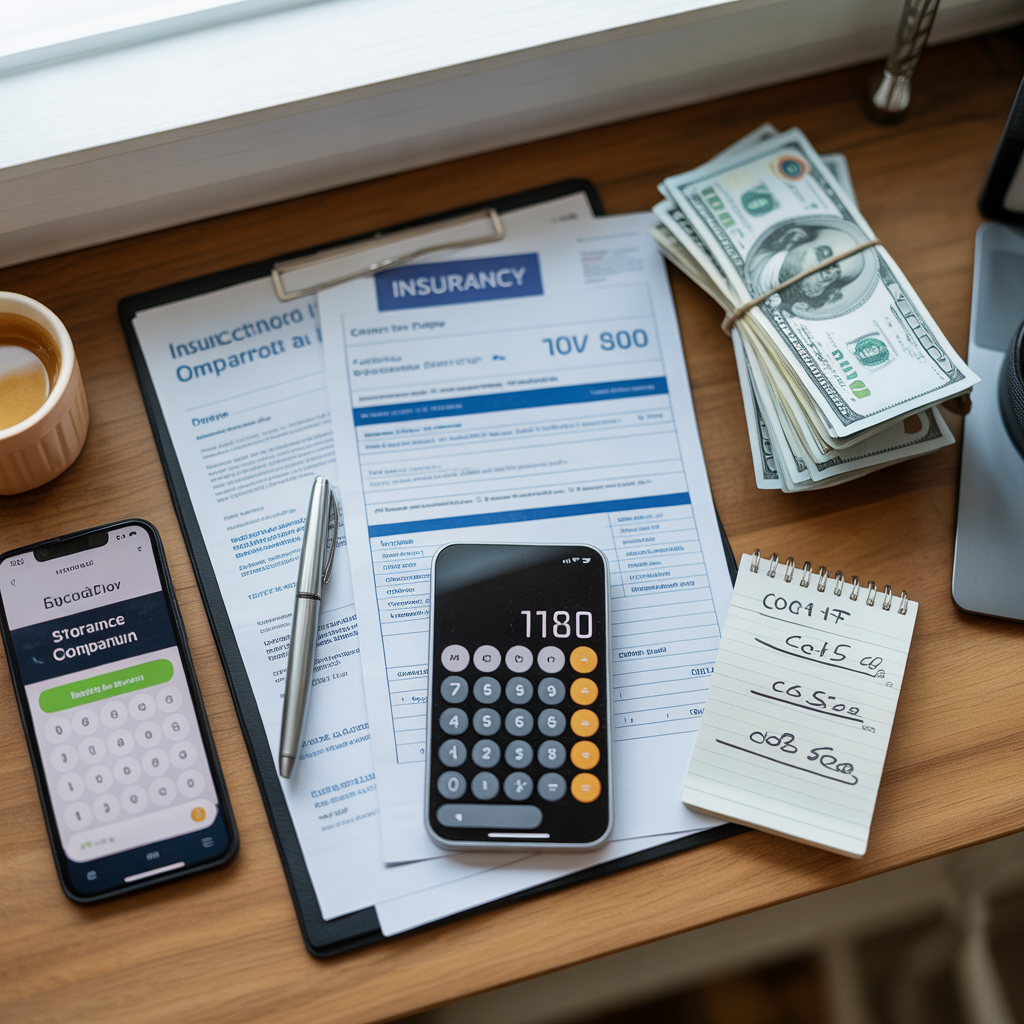
For most people storing typical household items, budgeting between $10 and $26 per month provides adequate coverage. Those storing high-value items like antiques, electronics, or expensive equipment should expect to pay more for higher coverage limits.
Factors That Affect Your Insurance Premium
Several variables influence how much you will pay for storage unit insurance. Understanding these factors helps you estimate your costs more accurately and potentially find ways to reduce your premium.
Declared Value of Stored Items
The total value of items you are insuring is the primary cost driver. Insurance providers require you to declare a maximum replacement value for your belongings. Be careful to estimate accurately; undervaluing your items means you will receive reduced payouts if you file a claim. For example, if you declare $5,000 in coverage but your items are actually worth $10,000, you may only receive 50% of any claim amount.
Storage Unit Location and Security Features
Facilities with robust security features often qualify for lower insurance rates. Modern security measures like 24/7 video surveillance, individual unit alarms, and smart lock technology reduce the risk of theft and damage, which can translate to lower premiums. When choosing a storage facility, consider how security features might affect your total monthly costs, including insurance.
Climate Control Considerations
The type of storage unit you rent can impact insurance costs. Climate-controlled units protect items from temperature extremes and humidity, reducing the risk of damage to sensitive belongings. While these units cost more to rent, they may lower your insurance risk profile. In mountain communities like the Vail Valley, where temperature fluctuations can be extreme, climate-controlled storage is particularly important for protecting valuable items.
Insurance Provider and Policy Type
Prices vary significantly between insurance providers. Comparing quotes from multiple sources can reveal substantial savings. Third-party storage insurance providers often offer competitive rates compared to facility-offered plans, sometimes saving you 20% to 40% on monthly premiums.
Does Homeowners Insurance Cover Items in Storage Units?
This is one of the most common questions about storage unit insurance, and the answer is nuanced. Standard homeowners and renters insurance policies do provide some coverage for belongings stored off-premises, but with significant limitations.
Most policies cap off-premises coverage at 10% of your personal property limit. This means if your policy covers $100,000 in personal belongings, only $10,000 would apply to items in your storage unit. Additionally, this 10% limit applies to all off-premises locations combined, including items in your car, at a hotel, or anywhere else outside your home.
When Homeowners Insurance Falls Short
There are several scenarios where relying on homeowners insurance for storage unit protection is inadequate:
- You are storing items worth more than 10% of your personal property limit
- Your policy has specific exclusions for storage facility losses
- You need coverage for business inventory or equipment
- Your deductible is higher than the value of stored items
Contact your insurance agent to review your current policy before assuming you have adequate coverage. They can explain exactly what protection you have and recommend additional coverage if needed.
What Is the Difference Between Storage Facility Insurance and Renters Insurance?
Understanding the distinction between these two types of coverage helps you make better decisions about protecting your belongings.
Storage Facility Protection Plans
Many storage facilities offer their own protection plans, sometimes called tenant protection or storage protection. These plans are specifically designed for items in storage and typically feature:
- Coverage that starts immediately upon enrollment
- No deductibles or low deductibles
- Simple claims processes handled through the facility
- Monthly billing added to your storage rent
However, facility-offered plans may have limitations. Coverage might exclude certain perils, cap payouts for specific item categories, or require you to provide proof of value for high-ticket items.
Standalone Renters or Storage Insurance
Third-party insurance policies often provide broader coverage options and may cost less than facility-offered plans. Benefits include:
- More comprehensive coverage options
- Ability to bundle with other insurance policies for discounts
- Higher coverage limits available
- Coverage that may extend to items in transit
The downside is that standalone policies may have higher deductibles and require more documentation when filing claims.
How to Calculate the Replacement Value of Items for Storage Insurance
Accurately calculating the replacement value of your stored items is essential for getting appropriate coverage. Here is a systematic approach to determining how much insurance you need.
Step 1: Create a Complete Inventory
Before moving items into storage, document everything you plan to store. Create a detailed list including:
- Item descriptions with brand names and model numbers
- Purchase dates and original prices when available
- Current condition of each item
- Serial numbers for electronics and valuable equipment
Step 2: Determine Replacement Costs
Research what it would cost to replace each item with a similar new item today. For furniture and household goods, check current retail prices. For electronics, find comparable models since exact replacements may not be available. For antiques or collectibles, consider getting professional appraisals.
Step 3: Document Everything
Take photographs or video of all items before placing them in storage. Keep receipts, appraisals, and your inventory list in a safe location outside the storage unit. This documentation is critical if you ever need to file a claim.
Step 4: Add a Buffer
Consider adding 10% to 20% to your calculated total to account for items you may have forgotten or undervalued. It is better to have slightly more coverage than to discover you are underinsured after a loss.
What Items Are Typically Excluded from Storage Unit Insurance Coverage?
Most storage unit insurance policies have exclusions, meaning certain items or types of damage are not covered. Understanding these exclusions helps you avoid unpleasant surprises.
Commonly Excluded Items
- Cash and securities: Currency, stocks, bonds, and similar financial instruments
- Perishable goods: Food, plants, and items that can spoil
- Hazardous materials: Flammable liquids, explosives, and toxic substances
- Living things: Pets, animals, and plants
- Vehicles: Cars, motorcycles, and boats (may require separate policies)
- Illegal items: Contraband or stolen property
Common Coverage Exclusions
Beyond specific items, policies may exclude certain types of damage:
- Damage from pests, mold, or mildew (often preventable with proper storage)
- Gradual deterioration or wear and tear
- Damage from improper packing
- Loss due to war or nuclear events
- Intentional damage by the policyholder
Always read your policy carefully and ask questions about anything unclear before signing up for coverage.
Can I Get Storage Insurance Without Renting from an Official Storage Facility?
If you are storing items in a non-traditional location, such as a friend's garage, a warehouse, or a portable storage container, your insurance options differ from standard storage facility coverage.
Alternative Storage Situations
For items stored in locations other than commercial storage facilities:
- Portable storage containers: Many container companies offer their own insurance, or you can purchase third-party coverage
- Private rentals: Your homeowners or renters insurance may provide limited coverage, but verify with your agent
- Business warehouses: Commercial property insurance or business contents coverage may apply
Specialized Insurance Options
Some insurance providers offer inland marine insurance or floater policies that cover personal property regardless of location. These policies are particularly useful for items that move between locations frequently or are stored in non-traditional settings.
Special Considerations for Seasonal Storage
In mountain communities like the Vail Valley, seasonal storage is common for ski equipment, outdoor gear, and items used only part of the year. These situations require special consideration when budgeting for insurance.
Ski and Winter Sports Equipment
High-quality ski equipment, snowboards, and winter sports gear represent significant investments. A single pair of premium skis can cost $1,000 or more, and a complete setup including boots, bindings, poles, and accessories can easily exceed $3,000 to $5,000. Budget for insurance coverage that reflects the true replacement cost of your winter sports equipment.
Seasonal Resident Storage Needs
Seasonal residents who maintain homes in multiple locations often store furniture, appliances, and personal items during off-seasons. For these situations, consider:
- Year-round coverage even if you only access the unit seasonally
- Higher coverage limits to protect furnishings and household goods
- Climate-controlled storage to prevent damage from temperature extremes
College Student Storage Insurance Guide
College students storing belongings over summer break or during study abroad programs have unique insurance considerations.
Coverage Through Parents' Insurance
Many students remain covered under their parents' homeowners or renters insurance policy while in school. However, the same 10% off-premises limitation applies. If parents have $200,000 in personal property coverage, only $20,000 would cover the student's belongings stored off-premises.
Student-Specific Insurance Options
Several insurance companies offer affordable renters insurance policies designed for college students. These policies typically cost $10 to $20 per month and provide dedicated coverage for belongings in dorm rooms, apartments, and storage units.
Budgeting Tips for Students
- Inventory electronics, textbooks, and valuables before storing
- Consider the actual replacement cost of items, not sentimental value
- Look for student discounts on insurance policies
- Choose facilities with strong security features to minimize risk
Tips for Reducing Storage Insurance Costs
While insurance is essential, there are legitimate ways to reduce your premium without sacrificing necessary coverage.
Choose a Secure Facility
Facilities with advanced security features often qualify for lower insurance rates. Look for:
- 24/7 video surveillance
- Individual unit alarms
- Gated access with unique entry codes
- On-site management or security personnel
- Well-lit premises
Compare Multiple Quotes
Do not automatically accept the first insurance option offered. Compare quotes from:
- The storage facility's protection plan
- Your current homeowners or renters insurance provider
- At least two third-party storage insurance companies
Bundle Insurance Policies
If you already have homeowners, renters, or auto insurance, ask about bundling storage coverage. Many insurers offer discounts of 5% to 15% when you combine multiple policies.
Increase Your Deductible
Choosing a higher deductible reduces your monthly premium. If you are storing items worth $5,000 and can afford to pay the first $500 of any loss out of pocket, a $500 deductible policy will cost less than a $100 deductible policy.
Store Items Properly
Proper packing and storage techniques reduce the risk of damage, which can help maintain lower insurance rates. Use quality packing materials, store items off the ground, and avoid overpacking boxes.
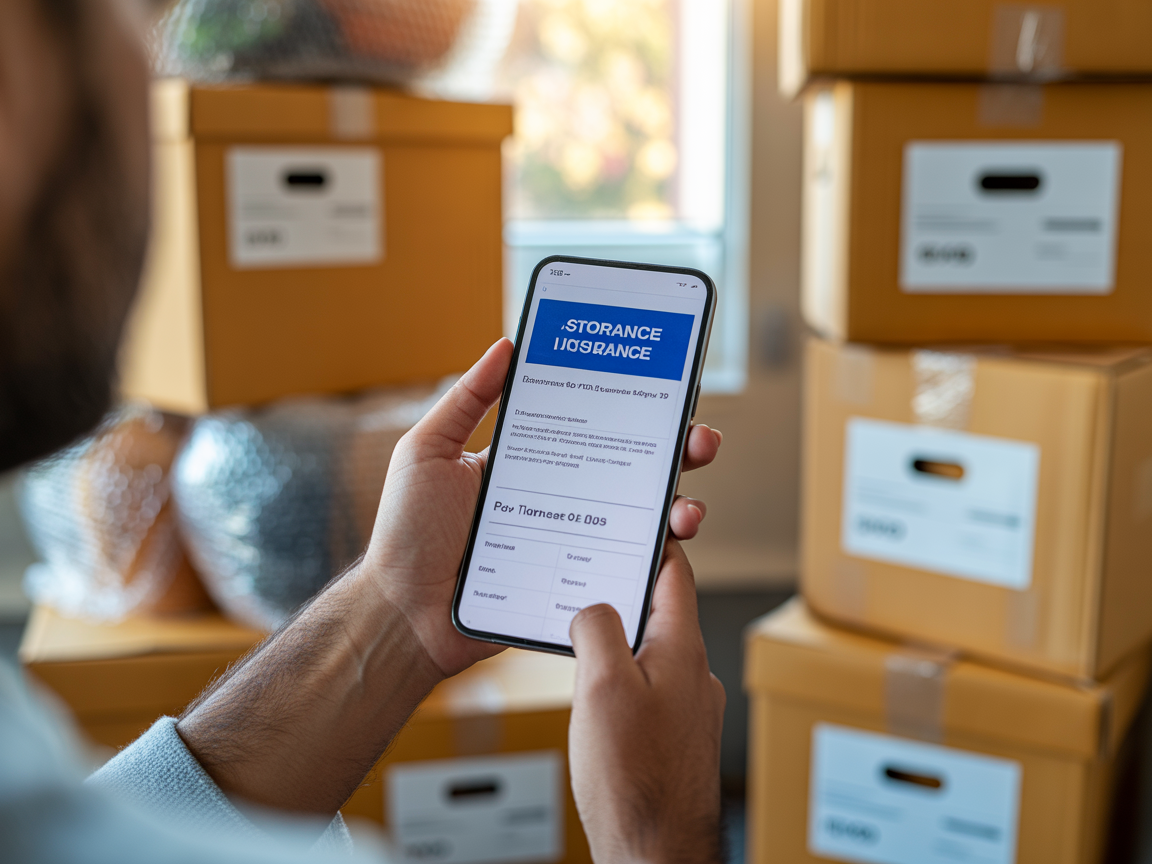
Creating Your Storage Insurance Budget
Now that you understand the factors involved, here is how to create a realistic budget for storage unit insurance.
Step-by-Step Budget Planning
- Calculate total item value: Add up the replacement cost of everything you plan to store
- Determine coverage needs: Decide if you need full replacement value coverage or can accept a lower limit
- Research options: Get quotes from at least three sources
- Factor in deductibles: Consider how deductible amounts affect both premiums and your out-of-pocket risk
- Include insurance in total storage costs: Add your insurance premium to your monthly storage rent for accurate budgeting
Sample Budget Scenarios
Basic Storage (household items, $3,000 value):
- Storage unit rent: $75 to $150 per month
- Insurance: $10 to $15 per month
- Total monthly budget: $85 to $165
Moderate Storage (furniture and electronics, $8,000 value):
- Storage unit rent: $100 to $200 per month
- Insurance: $20 to $30 per month
- Total monthly budget: $120 to $230
High-Value Storage (antiques, equipment, $20,000 value):
- Storage unit rent: $150 to $300 per month
- Insurance: $35 to $50 per month
- Total monthly budget: $185 to $350
Final Recommendations for Storage Insurance
Protecting your stored belongings does not have to be complicated or expensive. Here are the key takeaways for budgeting storage unit insurance:
- Plan to spend $10 to $30 per month for most standard storage insurance needs
- Always verify what your existing homeowners or renters insurance covers before purchasing additional protection
- Accurately calculate the replacement value of your items to avoid being underinsured
- Compare quotes from multiple providers to find the best value
- Choose a storage facility with strong security features to potentially reduce insurance costs
- Document all stored items with photos and an inventory list
Taking the time to properly insure your stored belongings provides peace of mind and financial protection. Whether you are storing seasonal items for a few months or keeping belongings long-term, the relatively small cost of insurance is worthwhile protection against unexpected losses.
Ready to Get Started?
Visit Vail Airport Storage to learn more about our services and how we can help you achieve your goals.
Visit Our Website