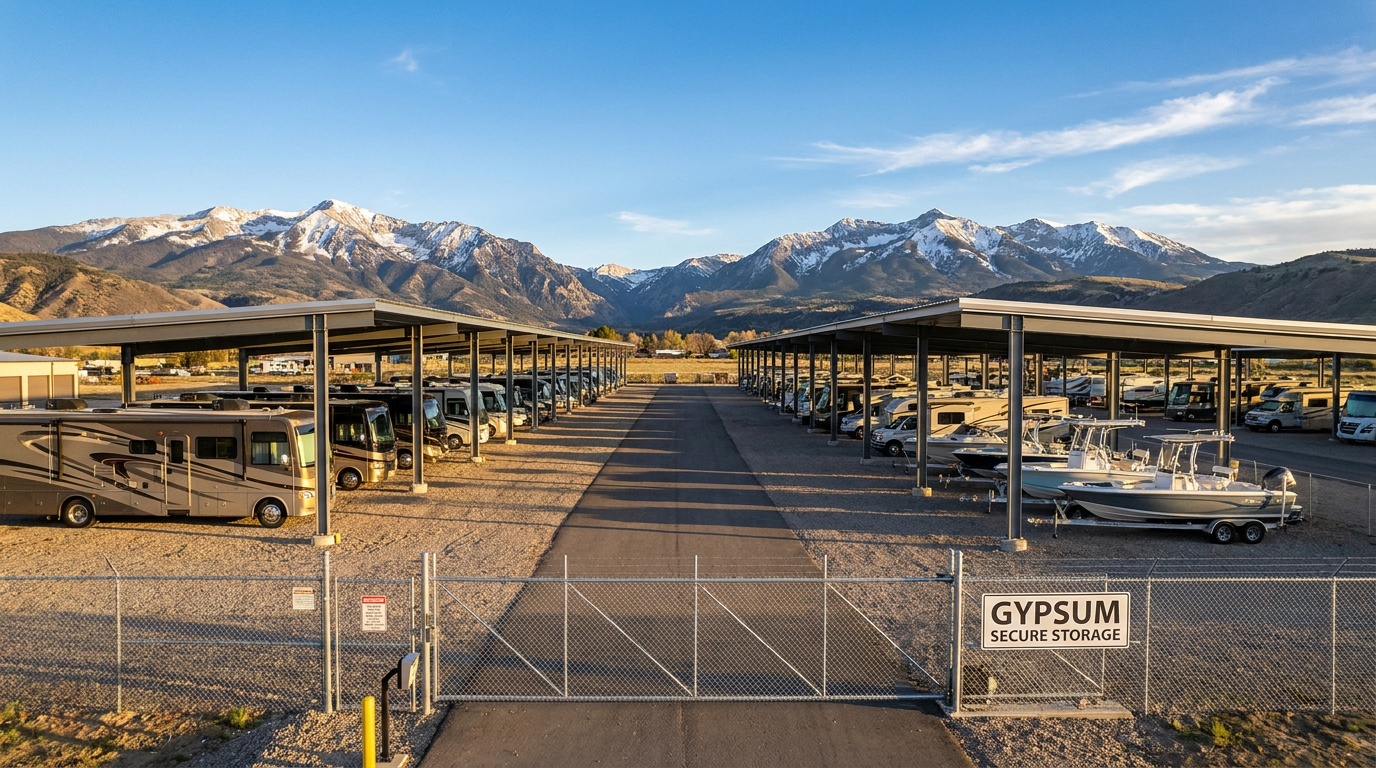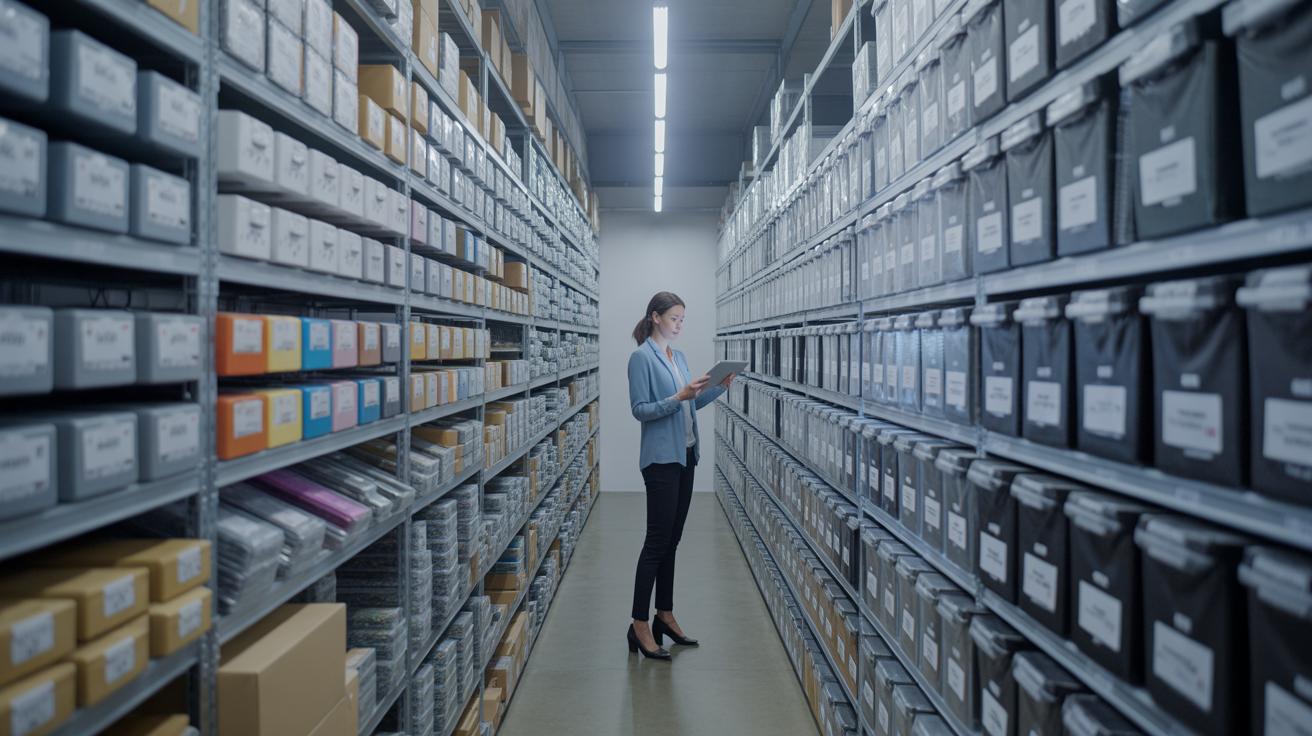
W hen temperatures plunge below zero or summer heat waves push thermometers past 100 degrees, your stored belongings face serious risks. Understanding how extreme weather impacts storage units helps you make informed decisions about protecting everything from family heirlooms to seasonal gear.
For residents of mountain communities like the Vail Valley, weather extremes are simply part of life. Winter brings heavy snowfall and bitter cold, while summer can deliver intense UV exposure and occasional severe storms. These conditions create unique challenges for self-storage facilities and the items people entrust to them.
How Different Weather Extremes Affect Storage Units
Each type of extreme weather presents distinct challenges for storage facilities. The structural integrity of units, the condition of stored items, and even accessibility can all be compromised without proper preparation and facility design.
Extreme Cold and Freezing Temperatures
Mountain communities regularly experience temperatures well below freezing during winter months. Standard outdoor storage units without climate control can reach the same temperature as the outside air, sometimes dropping to minus 20 degrees Fahrenheit or colder.
Cold weather affects stored items in several ways:
- Liquid-based products can freeze and expand, causing containers to crack or burst
- Electronics may suffer damage to batteries and LCD screens
- Wooden furniture can crack as moisture within the wood freezes
- Leather goods become brittle and may develop permanent cracks
- Vinyl records and photographs can warp or become damaged
The freeze-thaw cycle presents particular problems. When temperatures fluctuate around the freezing point, moisture repeatedly freezes and thaws, accelerating deterioration of sensitive materials.
Intense Heat and High Temperatures
While mountain regions are known for cold winters, summer temperatures can still climb significantly. Metal storage units without climate control can become extremely hot, sometimes exceeding 120 degrees Fahrenheit when ambient temperatures reach the 80s or 90s.
Heat damage manifests in various ways:
- Candles and cosmetics melt and become unusable
- Photographs and artwork can stick together or fade
- Wine and other beverages spoil when exposed to high temperatures
- Medications lose effectiveness and may become unsafe
- Adhesives on furniture can soften, causing joints to loosen
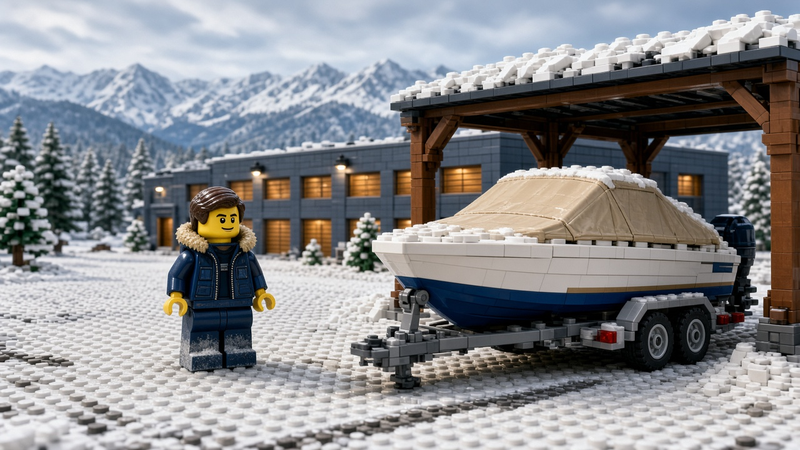
Heavy Snow and Ice Accumulation
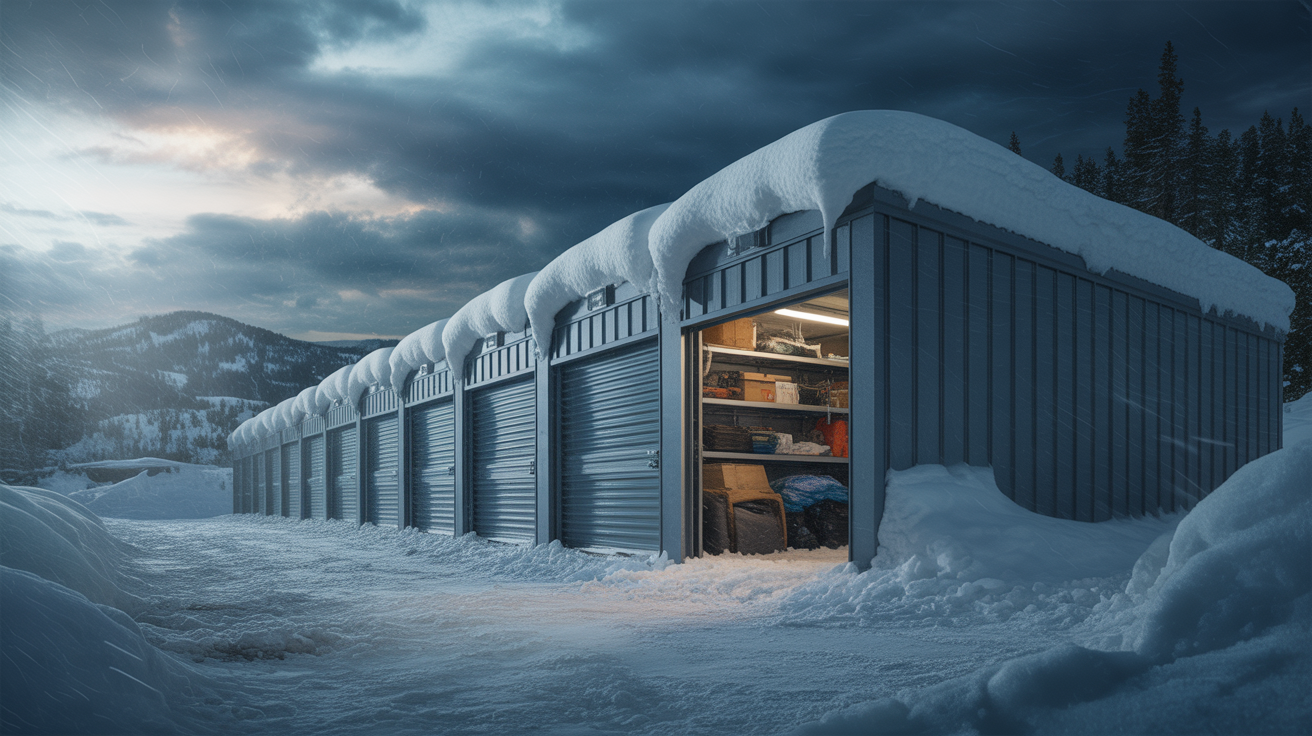
Facilities in mountain regions must contend with significant snow loads. A well-designed storage facility accounts for snow accumulation in its structural engineering, but older or poorly maintained facilities may experience roof stress or even collapse under extreme conditions.
Ice presents additional challenges. Ice dams can form on roofs, potentially leading to water infiltration. Frozen door mechanisms may prevent access to units, and icy walkways create safety hazards for customers.
Severe Storms and High Winds
Thunderstorms, microbursts, and high winds can damage storage facilities through:
- Flying debris striking unit doors or walls
- Roof damage allowing water intrusion
- Power outages affecting security systems and climate control
- Fallen trees impacting structures or blocking access
Flooding and Water Damage
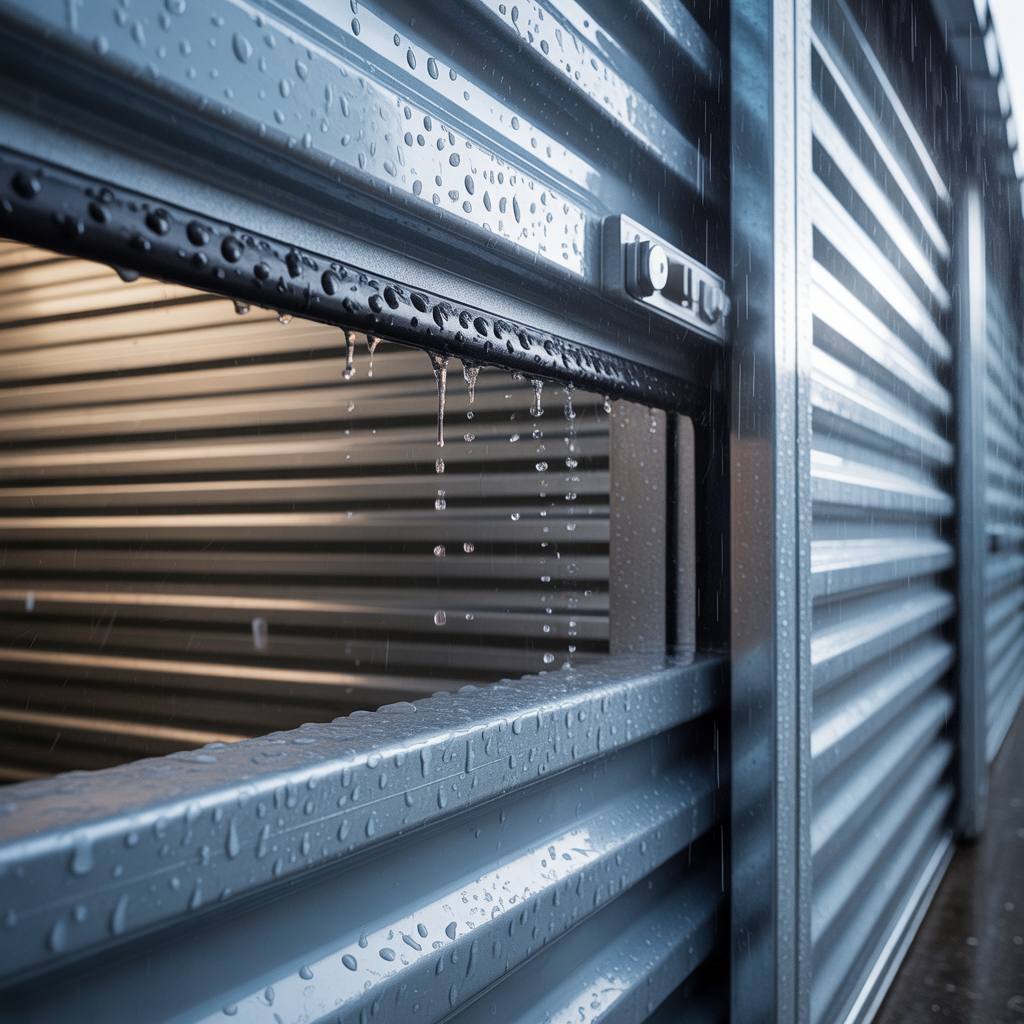
While mountain facilities often sit at elevations that reduce flood risk, spring snowmelt and sudden heavy rains can still cause water issues. Facilities built on sloped terrain or near drainage areas may experience water intrusion during rapid snowmelt periods.
How Climate-Controlled Storage Protects Your Belongings
Climate-controlled storage units maintain consistent temperature and humidity levels regardless of outside conditions. This protection proves essential for many types of belongings, particularly in regions with dramatic seasonal weather variations.
At Vail Airport Storage, our climate-controlled units maintain stable conditions year-round, protecting your items from the mountain weather that can range from subzero winters to warm summer days.
Temperature Regulation Benefits
Climate-controlled units typically maintain temperatures between 55 and 80 degrees Fahrenheit. This range protects sensitive items from both freezing and overheating, eliminating the risks associated with temperature extremes.
Items that benefit most from temperature control include:
- Wooden furniture and antiques
- Electronics and appliances
- Musical instruments
- Artwork and photographs
- Documents and books
- Leather goods and clothing
- Wine collections
- Medical supplies and equipment
Humidity Control Advantages
Beyond temperature, humidity control prevents moisture-related damage. High humidity encourages mold and mildew growth, while low humidity can cause wood to crack and leather to dry out.
Climate-controlled facilities maintain humidity levels between 30 and 50 percent, creating an environment that protects against:
- Mold and mildew growth on fabrics and paper
- Rust formation on metal items
- Warping of wooden furniture
- Deterioration of photographs and documents
- Corrosion of electronic components
Seasonal Storage Considerations for Mountain Living
Living in a mountain community means dealing with distinct seasons, each bringing different storage needs and challenges. Understanding these seasonal patterns helps you plan storage strategies effectively.
Winter Storage Strategies
Winter presents the most significant weather challenges for storage in mountain regions. Preparing items for winter storage requires specific attention:
For vehicles and watercraft: Drain all fluids that could freeze, disconnect batteries, and use fuel stabilizer. Consider drive-up units with power outlets for battery tenders.
For household items: Avoid storing anything with liquid components in non-climate-controlled units. Remove batteries from electronics and wrap furniture in breathable covers.
For seasonal gear: Clean and dry all items thoroughly before storage. Ski equipment, for example, should have bindings loosened and edges protected.
Summer Storage Strategies
Summer storage in mountain regions is generally less challenging than winter, but precautions remain important:
Temperature-sensitive items: Even in mountain climates, non-climate-controlled units can become quite warm. Store heat-sensitive items in climate-controlled spaces.
Pest prevention: Warmer months bring increased insect activity. Avoid storing food products and use appropriate pest deterrents.
UV protection: Items near unit doors may receive sun exposure. Position sensitive items away from direct light.
Transitional Season Considerations
Spring and fall bring their own challenges, primarily related to rapid temperature fluctuations and moisture from snowmelt or rain. These transitional periods can be particularly hard on stored items due to the constant changes in conditions.
What to Look for in Weather-Resistant Storage Facilities
Not all storage facilities offer the same level of protection against extreme weather. When evaluating options, consider these factors:
Building Construction and Design
Quality facilities feature:
- Steel or concrete construction rated for local weather conditions
- Proper roof pitch and drainage for snow and rain
- Sealed floors to prevent moisture intrusion
- Adequate insulation in climate-controlled buildings
- Weather seals around doors and openings
Emergency Preparedness
Well-managed facilities have plans for weather emergencies, including:
- Backup power systems for climate control and security
- Snow removal protocols for access roads and walkways
- Regular roof inspections and maintenance
- Drainage systems to handle heavy precipitation
- Communication systems to alert customers of access issues
Access Features
Consider how weather might affect your ability to access your unit:
- Indoor hallway access eliminates exposure to weather when retrieving items
- Drive-up units with covered areas provide protection during loading
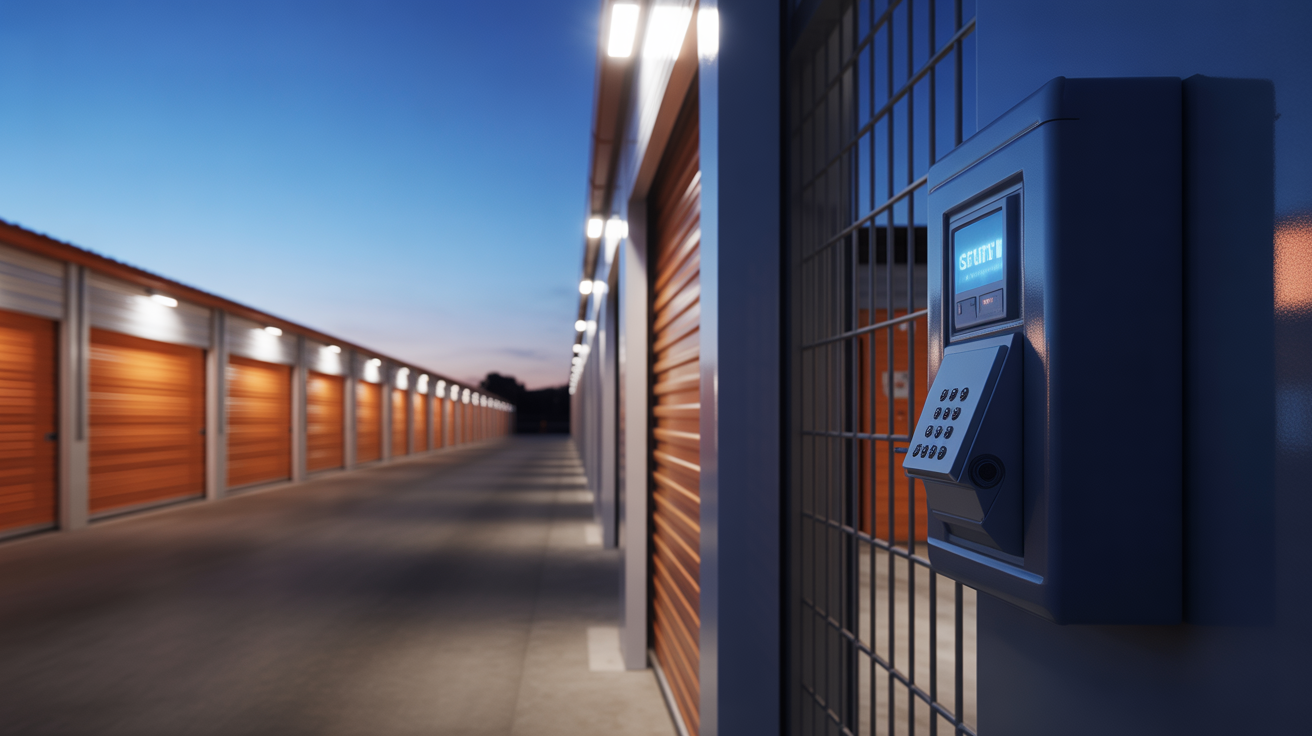
- 24/7 access with keyless smart lock technology allows retrieval regardless of weather conditions
- Well-lit facilities improve safety during winter's shorter days
Protecting Specific Items from Weather Damage
Different categories of belongings require different protective measures. Here are detailed strategies for common stored items:
Furniture and Antiques
Wood and upholstered furniture are particularly vulnerable to temperature and humidity fluctuations. To protect these items:
- Use climate-controlled storage whenever possible
- Cover items with breathable cotton sheets rather than plastic
- Elevate furniture slightly off the floor using pallets or blocks
- Apply furniture polish or wax before storage to protect wood finishes
- Remove cushions and store them separately in sealed containers
Electronics and Appliances
Temperature extremes and humidity can damage electronic components. Protect electronics by:
- Storing in climate-controlled units exclusively
- Removing all batteries before storage
- Using original packaging when available
- Wrapping items in anti-static materials
- Including silica gel packets to absorb moisture
Clothing and Textiles
Fabrics can develop mold, mildew, and pest damage in improper storage conditions:
- Clean all items thoroughly before storage
- Use breathable garment bags rather than plastic
- Store in climate-controlled units to prevent mold growth
- Include cedar blocks or lavender sachets as natural pest deterrents
- Avoid vacuum storage bags for delicate fabrics
Documents and Photographs
Paper products are extremely sensitive to environmental conditions:
- Use acid-free boxes and folders
- Store in climate-controlled units only
- Keep photographs in archival-quality sleeves
- Maintain consistent humidity to prevent warping and sticking
- Consider digitizing irreplaceable documents as backup
Seasonal Recreation Equipment
Mountain living often means storing seasonal gear like skis, snowboards, bikes, and camping equipment:
- Clean and dry all equipment thoroughly before storage
- Apply appropriate protective treatments (wax for skis, lubricant for bike chains)
- Store in climate-controlled units to prevent rust and material degradation
- Loosen bindings and release tension on springs
- Hang items when possible to prevent warping
Frequently Asked Questions About Weather and Storage Units
Can storage units withstand extreme weather conditions?
Quality storage facilities are engineered to withstand local weather extremes. Modern facilities use steel construction, proper drainage systems, and structural designs rated for regional snow loads and wind speeds. However, the level of protection varies significantly between facilities. When evaluating options, ask about construction standards, maintenance practices, and emergency preparedness plans.
How do I know if my items need climate-controlled storage?
Consider climate-controlled storage for any item that could be damaged by temperature extremes or humidity changes. This includes wood furniture, electronics, photographs, documents, musical instruments, artwork, leather goods, wine, and medications. If an item would be uncomfortable in a car parked outside in extreme weather, it likely needs climate control.
What happens to a storage unit during a power outage?
During power outages, climate-controlled units will gradually adjust toward ambient temperature. Quality facilities have backup power systems or generators to maintain climate control during outages. Security systems typically have battery backup as well. Ask potential facilities about their backup power capabilities before renting.
Are drive-up storage units safe in bad weather?
Drive-up units provide convenient access but offer less protection than indoor units. They are generally safe for weather-resistant items but may not be ideal for temperature-sensitive belongings. Our drive-up units with power and lights provide added convenience while still offering solid protection for appropriate items.
How often should I check on my stored items during extreme weather?
In climate-controlled units, quarterly checks are typically sufficient. For non-climate-controlled storage, consider monthly visits during extreme weather seasons to catch any issues early. Look for signs of moisture, pest activity, or temperature damage during each visit.
Does insurance cover weather damage to stored items?
Coverage varies by policy and situation. Many homeowners or renters insurance policies extend coverage to stored belongings, but limits and exclusions apply. Some facilities offer tenant insurance programs. Review your existing policies and consider additional coverage for valuable items.
Sustainable Storage Practices for Weather Protection
Protecting your belongings from weather while minimizing environmental impact is increasingly important. Consider these eco-friendly approaches:
Efficient Packing Strategies
Maximize your unit's efficiency to reduce the space needed:
- Use uniform box sizes for easier stacking
- Fill boxes completely to prevent crushing
- Disassemble furniture when possible
- Create an inventory to avoid unnecessary visits
Sustainable Packing Materials
Choose environmentally responsible materials:
- Recycled cardboard boxes
- Biodegradable packing peanuts
- Newspaper or kraft paper instead of bubble wrap
- Reusable plastic bins for long-term storage
- Old linens and towels as padding
Energy-Efficient Facility Features
Modern storage facilities incorporate sustainable design elements:
- LED lighting throughout facilities
- Energy-efficient HVAC systems
- Solar panels for power generation
- Smart climate control systems that optimize energy use
Special Considerations for Aviation Professionals and Travelers
For pilots, aviation professionals, and frequent travelers using airport-adjacent storage, weather considerations take on additional dimensions:
Aircraft Equipment and Supplies
Aviation equipment requires careful storage conditions:
- Avionics and electronic equipment need climate control
- Lubricants and fluids require temperature stability
- Documentation and charts must be protected from moisture
- Emergency equipment should be easily accessible
Travel Convenience
Weather can affect travel plans, making storage accessibility crucial:
- 24/7 access accommodates unpredictable schedules
- Proximity to the airport minimizes weather-related delays
- Drive-up access allows quick retrieval in inclement weather
- Smart lock technology eliminates fumbling with keys in cold conditions
Planning Ahead: Seasonal Storage Calendar
Staying ahead of weather challenges requires planning. Consider this seasonal approach:
Spring (March through May)
- Inspect stored items for winter damage
- Transition winter gear into storage
- Prepare summer equipment for use
- Check for moisture issues from snowmelt
Summer (June through August)
- Monitor for heat-related issues in non-climate-controlled units
- Ensure pest prevention measures are in place
- Prepare winter gear storage areas
- Take advantage of good weather for reorganization
Fall (September through November)
- Transition summer gear into storage
- Prepare items for winter conditions
- Check climate control systems before cold weather
- Stock up on appropriate packing materials
Winter (December through February)
- Minimize unit visits during severe weather
- Verify facility access during snow events
- Monitor climate-controlled unit conditions
- Plan spring reorganization
Making the Right Storage Choice for Your Climate
Extreme weather is an unavoidable reality, but its impact on your stored belongings is largely preventable. The key lies in choosing the right facility, selecting appropriate unit types, and preparing your items properly for storage.
For mountain residents dealing with significant temperature swings and heavy winter weather, climate-controlled storage offers the best protection for valuable or sensitive items. Drive-up units remain excellent choices for weather-resistant items, vehicles, and equipment that benefits from easy access.
Understanding how weather affects storage units empowers you to make informed decisions. Whether you are storing family heirlooms, seasonal recreation equipment, or business inventory, proper planning and facility selection ensure your belongings remain protected regardless of what weather conditions arise.
|