
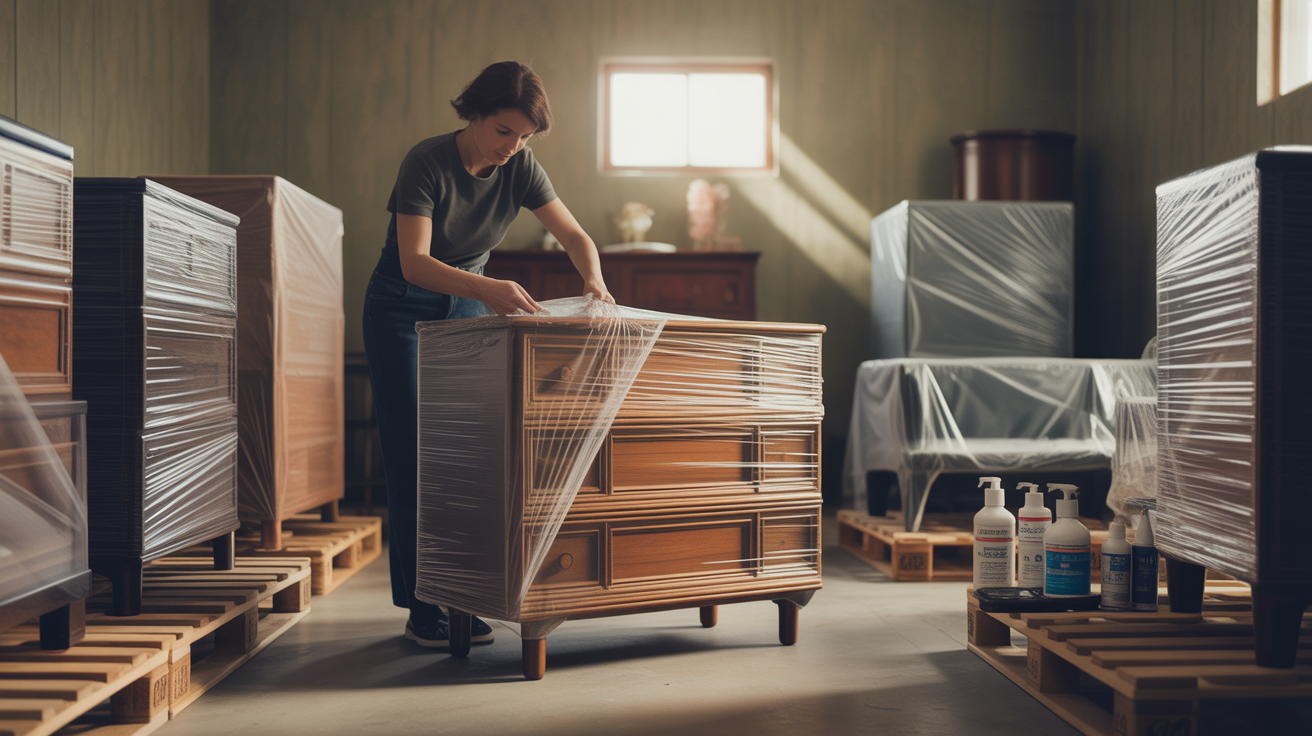
L iving in the Vail Valley means enjoying stunning mountain views, world-class skiing, and crisp, clean air. However, the same dry climate that makes Colorado so appealing can pose unique challenges when storing furniture for extended periods. Whether you are a seasonal resident heading back to your primary home, downsizing temporarily, or simply need to clear space, understanding how to protect your furniture from dry climate damage is essential.
Dry environments present different risks than humid regions. While you may not worry about mold or mildew as much, low humidity can cause wood to crack, leather to become brittle, and upholstery to fade. This comprehensive guide will walk you through every step of preparing your furniture for long-term storage in dry climates, ensuring your pieces emerge in the same condition they went in.
Understanding the Risks of Dry Climate Storage
Before diving into preparation techniques, it helps to understand exactly what dry air does to furniture. In Colorado and similar mountain environments, relative humidity often drops below 30 percent, particularly during winter months. This low moisture content affects different materials in distinct ways.
How Dry Air Affects Wood Furniture
Wood is hygroscopic, meaning it absorbs and releases moisture based on its environment. When humidity drops significantly, wood releases moisture and contracts. This contraction can lead to several problems: joints may loosen, veneer can lift or crack, and solid wood pieces may develop splits along the grain. Antique furniture and pieces with intricate joinery are particularly vulnerable to these issues.
Impact on Leather and Upholstery
Leather requires a certain level of moisture to maintain its suppleness. In persistently dry conditions, leather can become stiff, develop cracks, and eventually deteriorate beyond repair. Fabric upholstery faces different challenges: fibers can become brittle, colors may fade more quickly, and dust tends to settle more readily in dry environments.
Metal and Hardware Concerns
While metal components generally fare better in dry climates than humid ones, extreme temperature fluctuations common in mountain storage environments can still cause expansion and contraction. This movement may loosen screws, bolts, and other hardware over time.
Step-by-Step Furniture Preparation Process
Proper preparation is the foundation of successful long-term storage. Following these steps systematically will protect your investment and save you from costly repairs or replacements later.
Step 1: Deep Clean Every Piece
Thorough cleaning is non-negotiable before storage. Dust, dirt, oils from skin contact, and food residues can attract pests and cause surface damage over time. Each material type requires a specific approach.
For wood furniture, use a soft cloth dampened with a mixture of mild soap and water. Avoid soaking the wood; the cloth should be barely damp. Follow up with a dry cloth to remove any remaining moisture. For stubborn grime, a wood-specific cleaner works well, but always test in an inconspicuous area first.
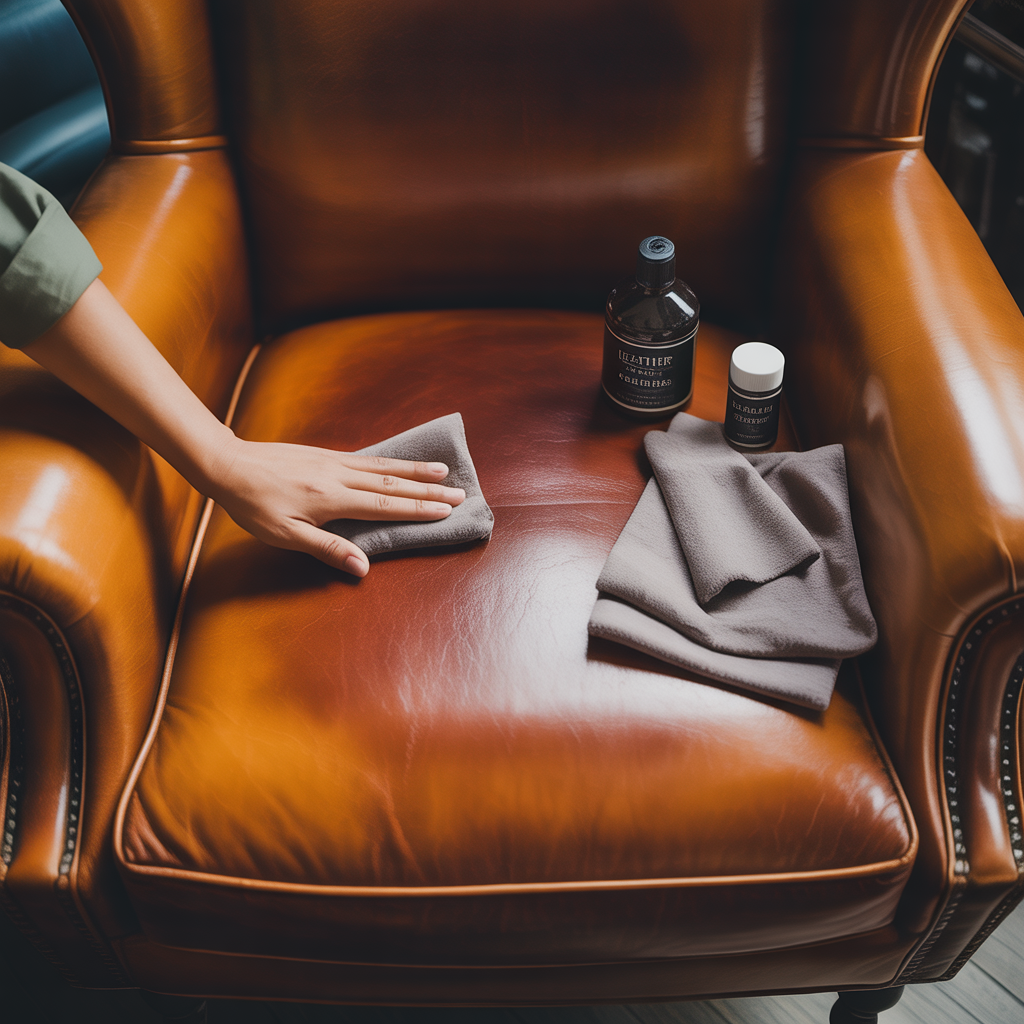
Upholstered pieces benefit from vacuuming with an upholstery attachment to remove dust, pet hair, and debris from fabric fibers and crevices. For leather, use a specialized leather cleaner and follow with a quality leather conditioner to add moisture before storage.
Metal components should be wiped with a dry cloth. If you notice any rust spots, address them with appropriate rust remover before storage to prevent further deterioration.
Step 2: Allow Complete Drying
After cleaning, furniture must dry completely before wrapping or covering. Even small amounts of trapped moisture can cause problems during storage, including mold growth or water stains. Allow at least 24 to 48 hours of drying time in a well-ventilated area before proceeding to the next step.
Step 3: Apply Protective Treatments
This step is particularly important for dry climate storage. Protective treatments create a barrier that helps furniture retain moisture and resist environmental damage.
For wood furniture, apply a high-quality furniture polish or wax that contains UV inhibitors. These products not only add a protective layer but also help prevent the fading that can occur even in storage environments with minimal light exposure. Consider using a product specifically designed for the type of wood you are protecting, whether it is hardwood, softwood, or veneer.
Leather pieces should receive a thorough application of leather conditioner. Work the conditioner into the leather using circular motions, paying special attention to areas that experience regular wear such as armrests and seat cushions. Allow the conditioner to absorb fully before covering.
For fabric upholstery, consider applying a fabric protector spray that guards against dust accumulation and potential staining. These products create an invisible barrier without affecting the look or feel of the fabric.
Step 4: Disassemble When Possible
Disassembling furniture serves multiple purposes. It makes pieces easier to transport and store, reduces the risk of damage during handling, and allows for better air circulation around all components. Remove table legs, detach headboards from bed frames, and take shelves out of bookcases when feasible.
As you disassemble, place all hardware in clearly labeled plastic bags and tape them to the corresponding furniture piece. This simple step will save considerable frustration when it comes time to reassemble. Take photos of complex assemblies to serve as a reference guide later.
Step 5: Choose Appropriate Coverings
The materials you use to cover furniture matter significantly, especially in dry climates. Avoid plastic wrap or plastic sheeting directly on furniture surfaces. While plastic might seem like good protection, it traps any residual moisture and prevents air circulation, potentially causing more harm than good in dry environments.
Instead, use breathable materials such as cotton sheets, canvas drop cloths, or purpose-made furniture covers. Moving blankets provide excellent protection for larger pieces and add cushioning against bumps and scratches. For extra protection, you can layer a breathable cover underneath a moving blanket.
When wrapping, ensure coverage is complete but not overly tight. You want to protect surfaces while still allowing some air movement around the piece.
Selecting the Right Storage Environment
Where you store your furniture is just as important as how you prepare it. The storage environment directly impacts how well your furniture survives long-term storage in dry climates.
Climate-Controlled Storage Benefits
For valuable furniture or pieces with sentimental importance, climate-controlled storage offers the best protection. These units maintain consistent temperature and humidity levels year-round, typically keeping temperatures between 55 and 85 degrees Fahrenheit with moderate humidity levels.
Climate control is particularly beneficial for wood furniture, which responds poorly to the temperature swings common in non-climate-controlled spaces. In the Vail Valley, where temperatures can vary dramatically between day and night, and between seasons, this consistency prevents the expansion and contraction cycles that damage joints and finishes.
Choosing the Right Unit Size
Selecting an appropriately sized unit affects both your budget and your furniture's condition. A unit that is too small forces you to stack items tightly, restricting airflow and increasing the risk of damage. A unit that is too large wastes money on unused space.
Use a storage size guide to estimate your needs accurately. As a general rule, plan for enough space to leave several inches between items and between furniture and walls. This spacing promotes air circulation and makes it easier to access specific pieces if needed.
Unit Placement Considerations
Within your storage unit, strategic placement protects furniture and maximizes space efficiency. Follow these guidelines for optimal results.
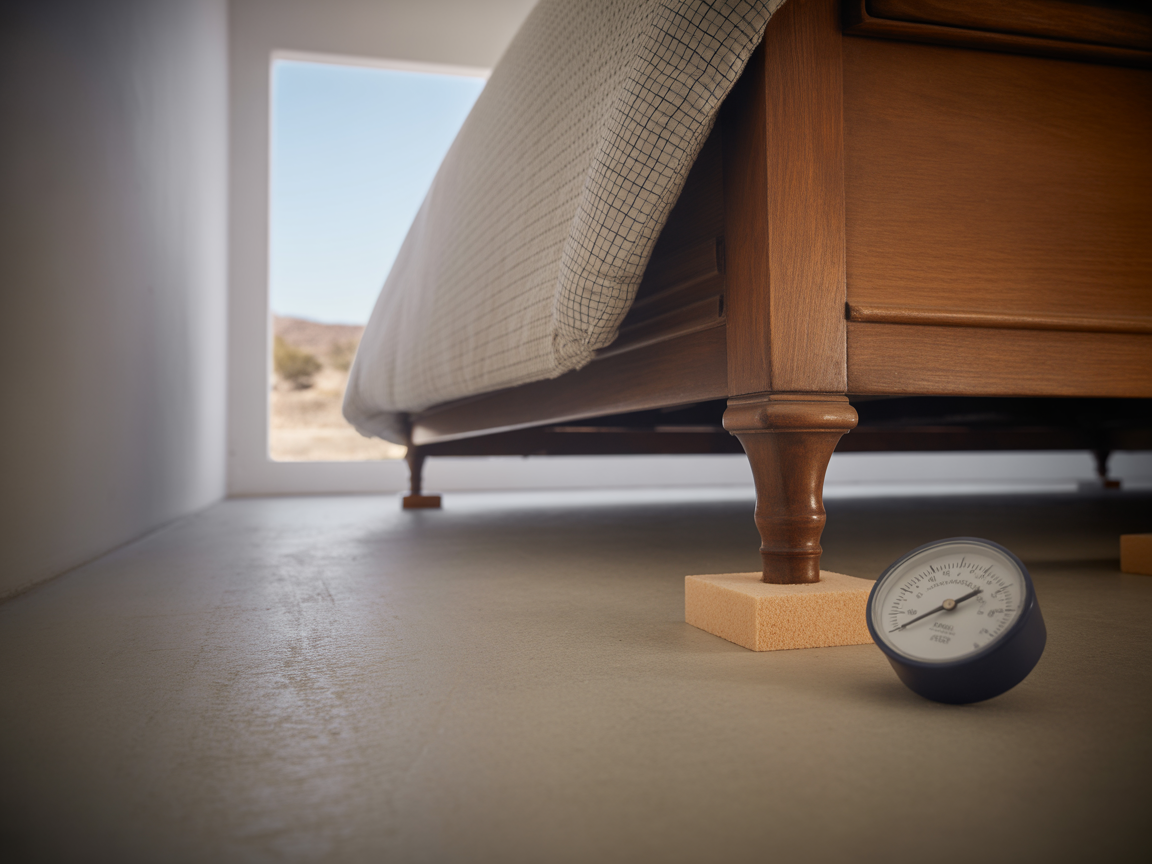
Elevate furniture off the floor using pallets, blocks, or purpose-built risers. This elevation improves airflow beneath pieces and provides protection against any moisture that might enter the unit through the floor. Even in dry climates, unexpected water intrusion from storms or plumbing issues can occur.
Position furniture away from exterior walls when possible. These walls experience the most temperature variation, which can transfer to items stored against them. Leave at least a few inches of space between furniture and any wall.
Place heavier items on the bottom and lighter items on top if stacking is necessary. Never stack heavy items on upholstered furniture, as this can permanently compress cushions and damage fabric.
Managing Humidity in Dry Climate Storage
While dry climates generally present fewer moisture problems than humid regions, maintaining appropriate humidity levels still matters for furniture preservation. The goal is to prevent both excessive dryness and unexpected moisture accumulation.
Using Moisture Absorbers Strategically
Silica gel packets and other moisture absorbers serve an important purpose even in dry climates. They buffer against unexpected humidity spikes from weather events or seasonal changes. Place these absorbers inside drawers, cabinets, and near upholstered pieces.
Check and replace moisture absorbers periodically if you have access to your storage unit. Many modern absorbers change color when saturated, making it easy to determine when replacement is needed.
Humidity Monitoring Options
For particularly valuable furniture collections, consider placing a small hygrometer in your storage unit. These inexpensive devices measure relative humidity and can alert you to conditions that might damage your furniture. Ideal humidity for furniture storage ranges from 30 to 50 percent.
Protecting Against Common Storage Hazards
Beyond climate concerns, several other factors can damage stored furniture. Addressing these proactively ensures comprehensive protection.
Pest Prevention Strategies
Pests can cause significant damage to stored furniture, particularly upholstered pieces and wood. Prevention starts with thorough cleaning before storage, as food residues and organic debris attract insects and rodents.
Choose a storage facility that maintains high cleanliness standards and has pest control measures in place. Avoid storing food items in the same unit as furniture. Cedar blocks or sachets placed near furniture provide natural pest deterrence without the chemical residue of mothballs.
Dust Management
Dust accumulation is inevitable during long-term storage, but proper covering minimizes its impact. The breathable covers mentioned earlier protect surfaces while allowing air circulation. For furniture stored for extended periods, plan to check and dust pieces annually if possible.
Preventing Physical Damage
Physical damage from bumps, scratches, and pressure is entirely preventable with proper planning. Wrap corners and edges with extra padding, especially on wood furniture where chips and dents show prominently. Use furniture pads between stacked items and ensure nothing heavy rests on delicate surfaces.
Special Considerations for Different Furniture Types
Different furniture pieces require tailored approaches to storage preparation. Understanding these nuances helps you provide appropriate protection for your entire collection.
Antique and Heirloom Pieces
Antique furniture demands extra care due to its age, value, and often irreplaceable nature. Original finishes on antiques are particularly sensitive to environmental changes. Consider consulting with a furniture restoration professional before storing valuable antiques, as they can recommend specific treatments and identify potential vulnerabilities.
Upholstered Furniture
Sofas, chairs, and other upholstered pieces benefit from standing upright rather than lying flat during storage. This position maintains cushion shape and prevents fabric compression. If your unit allows, store upholstered furniture on its legs rather than its back or sides.
Mattresses and Box Springs
Mattresses should be stored flat when possible, though standing them on their side is acceptable for shorter storage periods. Use mattress bags to protect against dust and pests, but choose breathable options rather than sealed plastic. Place a barrier between the mattress and the floor to prevent moisture absorption.
Frequently Asked Questions
How do you protect wood furniture from drying out in dry climates?
Protecting wood furniture from drying requires a multi-step approach. Apply quality furniture polish or wax with moisturizing properties before storage. Choose climate-controlled storage that maintains moderate humidity levels. Use breathable covers rather than plastic to allow some moisture exchange while protecting from dust. Consider placing a small container of water in enclosed spaces like cabinets to add localized humidity.
What materials are best for covering furniture during long-term storage?
Breathable materials provide the best protection for long-term furniture storage. Cotton sheets, canvas drop cloths, and moving blankets allow air circulation while protecting against dust and light scratches. Avoid plastic wrap or sheeting directly on furniture surfaces, as these trap moisture and can cause damage. For additional protection, layer a breathable cotton cover under a heavier moving blanket.
Can plastic wrap be used for furniture storage in dry environments?
Plastic wrap should generally be avoided for furniture storage, even in dry environments. While it might seem logical to seal out dust, plastic traps any residual moisture against furniture surfaces and prevents the air circulation that wood and other materials need. The exception is using plastic to secure moving blankets in place, where the plastic does not contact furniture surfaces directly.
How often should stored furniture be checked or maintained?
Ideally, check stored furniture every three to six months during the first year, then annually thereafter. During checks, inspect for signs of pest activity, dust accumulation, moisture damage, or any developing issues with joints and finishes. Replace moisture absorbers as needed and adjust coverings if they have shifted. For valuable pieces, more frequent checks provide peace of mind.
What temperature and humidity levels are ideal for storing wooden furniture?
Wooden furniture stores best at temperatures between 55 and 85 degrees Fahrenheit with relative humidity between 30 and 50 percent. These ranges prevent the extreme expansion and contraction that damages wood over time. Climate-controlled storage units typically maintain conditions within these parameters, making them ideal for valuable wood furniture.
Planning for Retrieval and Reassembly
Successful long-term storage includes planning for the day you retrieve your furniture. A few preparations now will make that process smoother.
Keep an inventory of everything stored, including photographs of each piece. Note any existing damage so you can identify storage-related issues later. Store your disassembly photos and hardware bags in an easily accessible location within the unit or at home.
When retrieving furniture from storage, allow pieces to acclimate gradually to their new environment. Moving furniture directly from a climate-controlled unit into a very different environment can cause the same expansion and contraction issues you worked to prevent. Give wood furniture several days to adjust before subjecting it to normal use.
Making the Right Storage Choice for Your Needs
Preparing furniture for long-term storage in dry climates requires attention to detail, but the effort pays dividends in preserved furniture and avoided repair costs. From thorough cleaning and protective treatments to selecting the right storage environment, each step contributes to successful preservation.
For residents of the Vail Valley, whether full-time locals or seasonal visitors, convenient airport-adjacent storage provides an ideal solution for furniture storage needs. The combination of proper preparation techniques and quality storage facilities ensures your furniture remains in excellent condition throughout its time in storage.
|