Storage Unit Contract Terms to Understand Before Signing
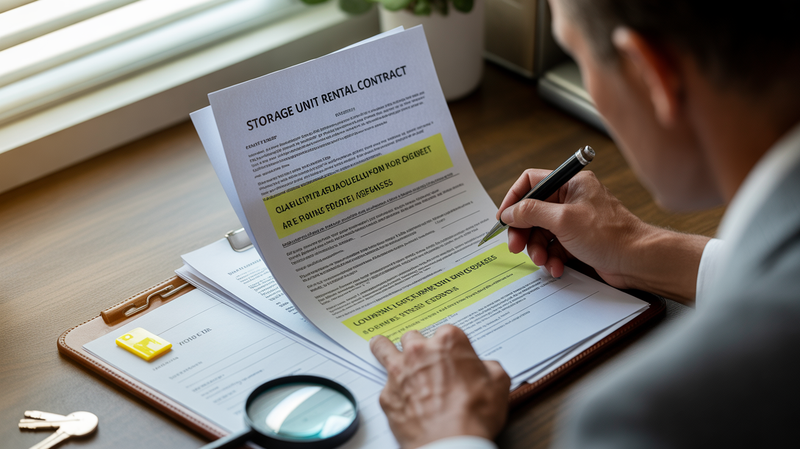
S torage unit contracts contain 12 critical terms that determine your rights, costs, and liability: rental period, payment terms, late fees, lien rights, insurance requirements, access restrictions, prohibited items, rate increase clauses, liability limitations, termination procedures, automatic renewal provisions, and lock requirements. Reading and understanding these terms before signing protects you from unexpected charges and potential loss of your belongings.
What Is a Storage Unit Contract?
A storage unit contract, also called a rental agreement or lease agreement, is a legally binding document between you and the storage facility. This contract establishes the terms under which you rent space, outlines both parties' responsibilities, and details what happens if either party fails to meet their obligations.
Unlike residential leases that may run 12 months, most storage contracts operate month-to-month. This flexibility benefits renters who need short-term solutions but also means facilities can modify terms with proper notice. The contract length, whether month-to-month or fixed-term, directly affects your ability to terminate and the facility's ability to raise rates.
Storage contracts are governed by state-specific self-storage lien laws, which vary significantly. Colorado, for example, requires facilities to send written notice via certified mail before conducting a lien sale, with a minimum 30-day waiting period after default.
Payment Terms and Fee Structure
Monthly Rent and Due Dates
Your contract specifies the exact monthly rent amount and payment due date. Most facilities set rent due on the first of the month or on the anniversary of your move-in date. Understanding this date prevents accidental late payments and associated fees.
Payment methods accepted vary by facility. Modern storage facilities typically accept credit cards, debit cards, ACH transfers, and online payments. Some facilities still accept checks or money orders, though processing times may delay payment posting. At facilities with smart lock technology and digital access, payments often integrate directly with your access credentials.
Late Fees and Grace Periods
Late fee structures fall into two categories: flat fees and percentage-based fees. Flat fees range from $10 to $50 per occurrence. Percentage-based fees typically run 5% to 20% of your monthly rent. Some facilities use tiered systems where fees increase the longer payment remains outstanding.
Grace periods provide a buffer between the due date and when late fees apply. Standard grace periods run 5 to 10 days. Your contract must clearly state the grace period length and exactly when late fees begin accruing. A $100 monthly rent with a 10% late fee and no grace period costs $110 if paid on the second of the month.
Administrative Fees and Deposits
Administrative fees, sometimes called setup fees or processing fees, range from $15 to $50 at many facilities. These one-time charges cover paperwork processing and account setup. Security deposits, typically equal to one month's rent, protect facilities against damage or unpaid rent.
Not all facilities charge these fees. Some storage providers waive administrative fees and security deposits entirely, reducing your upfront costs. When comparing facilities, factor in these additional charges alongside the advertised monthly rate to calculate true costs.
Insurance and Liability Provisions
Facility Liability Limitations
The liability limitation clause is arguably the most important section of your storage contract. Nearly all storage agreements contain language limiting the facility's liability for damage to or loss of your belongings to $0. This means the facility bears no financial responsibility if your items are stolen, damaged by water, destroyed by fire, or harmed by pests.
This limitation applies even when the facility's negligence contributed to the loss. Courts consistently uphold these provisions because you sign acknowledging them. The contract language typically reads: "Occupant releases Owner from any and all claims for loss or damage to stored property from any cause whatsoever."
Some contracts include a maximum liability cap, often $1,000 to $5,000, rather than complete exclusion. This cap applies regardless of your stored items' actual value. If you store $20,000 worth of belongings in a unit with a $2,500 liability cap, you can only recover $2,500 maximum from the facility.
Insurance Requirements
Most storage contracts require tenants to maintain insurance coverage on stored items. You have three options: use your existing homeowners or renters insurance policy, purchase the facility's offered protection plan, or obtain a standalone storage insurance policy.
Homeowners and renters policies often extend coverage to storage units, typically at 10% of your policy's personal property limit. A policy with $50,000 in personal property coverage would provide $5,000 for off-premises storage. Contact your insurance provider to confirm coverage and understand any limitations.
Facility-offered protection plans cost $10 to $30 monthly for $2,000 to $10,000 in coverage. These plans are not technically insurance but rather a contractual agreement between you and the facility. Read the exclusions carefully as they often exclude damage from pests, mold, temperature fluctuation, and "acts of God."
Standalone storage insurance policies from companies like Safestor or Storage Insurance Direct offer broader coverage, typically $15 to $50 monthly for $5,000 to $25,000 in protection. These policies often cover more scenarios than facility protection plans.
Valuation of Stored Items
Your contract may require you to declare the value of stored items. This declaration serves two purposes: it establishes the basis for insurance claims and may affect your monthly insurance premium. Undervaluing items to reduce premiums creates problems when filing claims.
Keep a detailed inventory of stored items with photographs, receipts, and serial numbers. Store this documentation outside the storage unit. This record proves invaluable for insurance claims and helps establish item values if disputes arise.
Lien Rights and Default Procedures
Understanding Self-Storage Lien Laws
Every state has self-storage lien laws that allow facilities to sell your belongings to recover unpaid rent. Your contract incorporates these laws and may add additional requirements. Understanding this process protects you from losing irreplaceable items.
The lien process follows a specific timeline. After you miss a payment, the facility must wait a state-mandated period, typically 30 to 90 days, before conducting a sale. During this time, they must send written notices to your last known address. Colorado requires at least one notice sent via certified mail with a minimum 14-day waiting period after the notice date.
Notice Requirements
Facilities must provide written notice before selling your belongings. This notice must include: the amount owed, a description of the unit contents, the deadline to pay, and the date, time, and location of the proposed sale. Failure to provide proper notice can invalidate the lien sale.
Keep your contact information current with the facility. If notices go to an old address, you may not learn about the pending sale until after it occurs. Most contracts require you to notify the facility within 10 to 30 days of any address change.
Redemption Rights
You can stop the lien sale process by paying all amounts owed, including rent, late fees, and any collection costs. This right to redeem continues until the sale begins. Once the auctioneer starts accepting bids, you lose the right to reclaim your belongings.
Some contracts allow partial payments to delay the sale, while others require full payment. Understand your contract's specific terms regarding partial payments and whether they extend the redemption period.
Access Rights and Restrictions
Access Hours
Your contract specifies when you can access your unit. Standard access hours run 6:00 AM to 10:00 PM daily. Some facilities offer extended hours or 24/7 access with smart lock technology, which proves especially valuable for business users or those with irregular schedules.
Access restrictions may apply during certain conditions. Facilities may limit access during severe weather, power outages, or emergency situations. The contract should specify under what circumstances access may be restricted and how you will be notified.
Facility's Right to Enter
While you control access to your unit, the contract grants the facility limited rights to enter. Common provisions allow entry for: emergency situations, suspected lease violations, performing repairs, or conducting inspections. Most contracts require advance notice for non-emergency entry, typically 24 to 48 hours.
The facility can also deny you access under certain circumstances. Non-payment of rent triggers access denial at most facilities, typically after the grace period expires. Your belongings remain in the unit, but you cannot retrieve them until the account is current.
Lock Requirements
Contracts specify who provides the lock and what type is acceptable. Some facilities require you to purchase a specific lock type, often a disc lock or cylinder lock that resists cutting. Others provide locks as part of the rental, sometimes with additional fees.
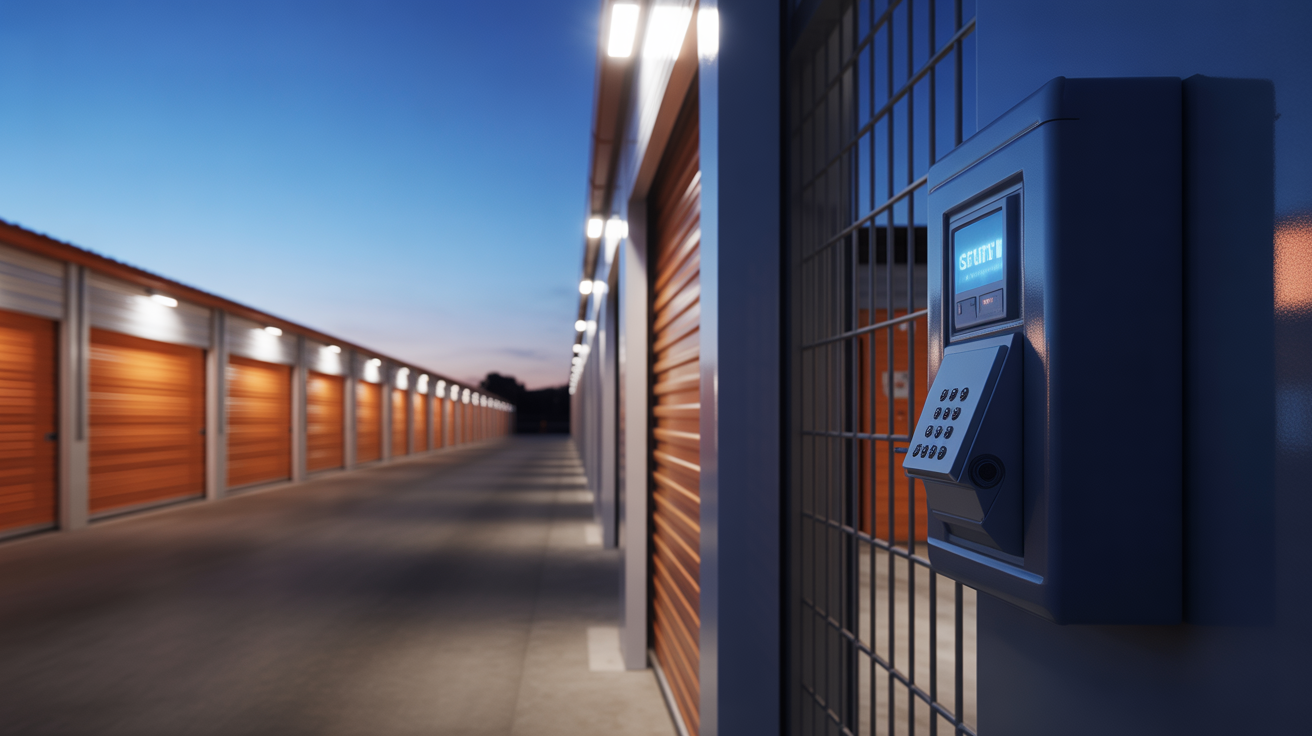
Modern facilities increasingly use electronic smart locks that integrate with facility management systems. These systems provide audit trails showing exactly when the unit was accessed, enhance security, and allow digital key sharing with authorized users. This technology eliminates lost key concerns and provides detailed access records.
Prohibited Items and Use Restrictions
Commonly Prohibited Items
Storage contracts prohibit certain items for safety, legal, and insurance reasons. Standard prohibited items include:
- Hazardous materials: Gasoline, propane, chemicals, explosives, and toxic substances
- Perishable goods: Food, plants, and anything that attracts pests
- Living things: People, animals, and plants
- Illegal items: Stolen property, controlled substances, and contraband
- Weapons and ammunition: Firearms, explosives, and related items (varies by facility)
- High-value items: Cash, securities, and irreplaceable documents
Storing prohibited items violates your contract and may result in immediate termination without refund. Some prohibited items, like hazardous materials, can result in criminal charges and liability for cleanup costs that can reach tens of thousands of dollars.
Use Restrictions
Your unit is for storage only. Contracts prohibit using units as living spaces, conducting business operations, or performing activities beyond simple storage and retrieval. Running a business from your unit, even just sorting inventory, may violate your agreement.
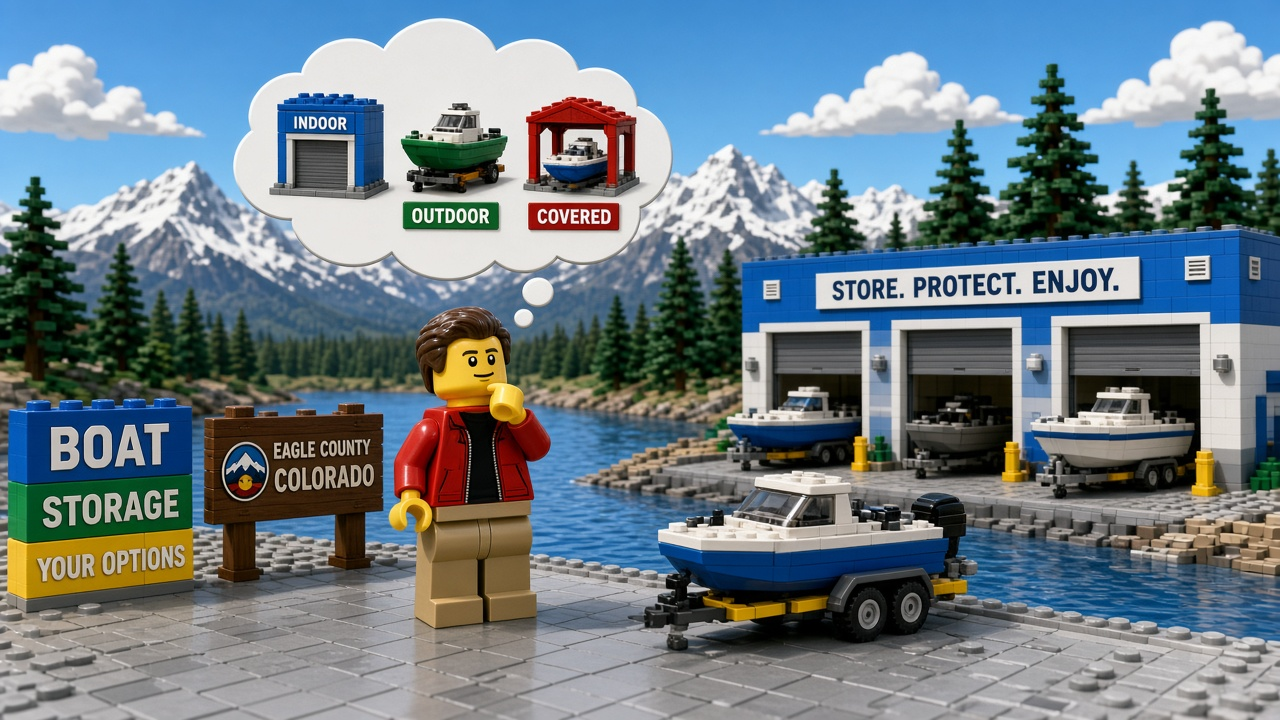
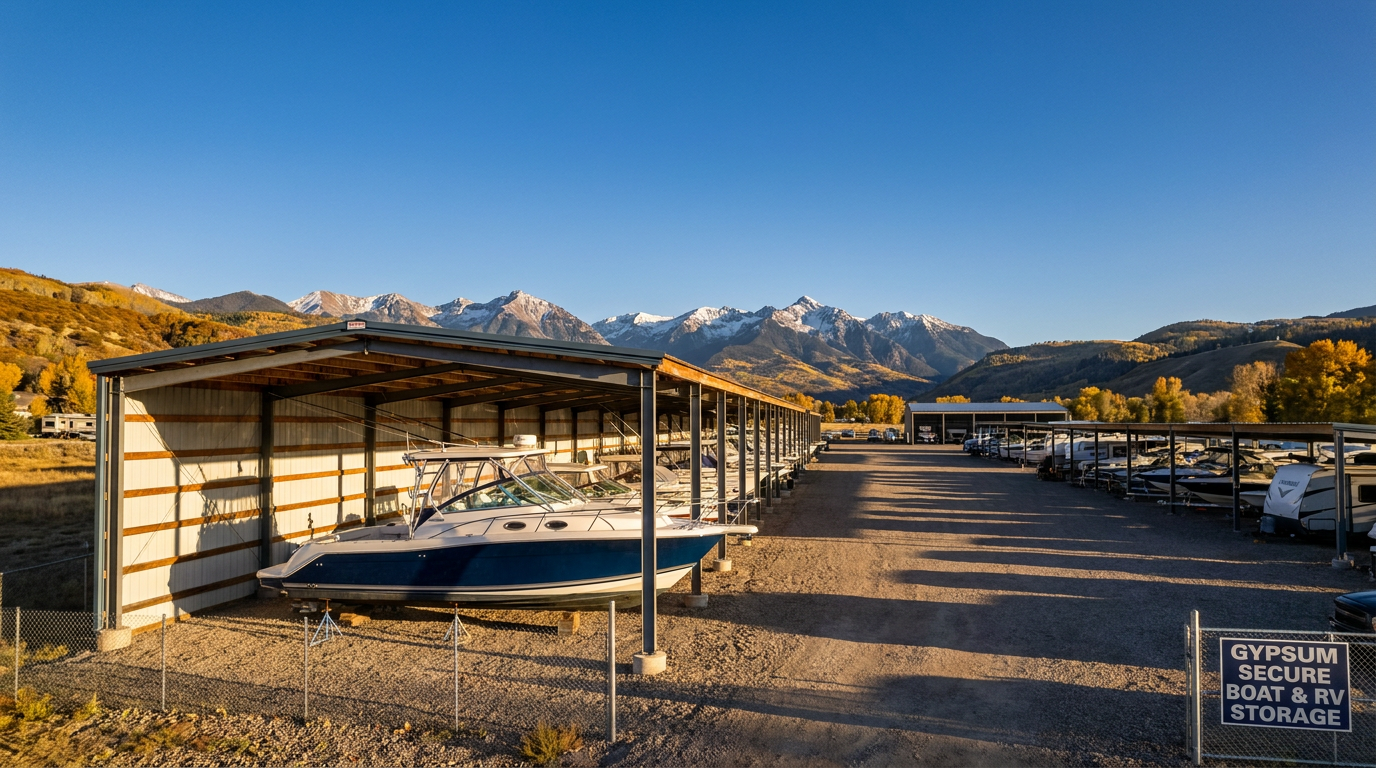
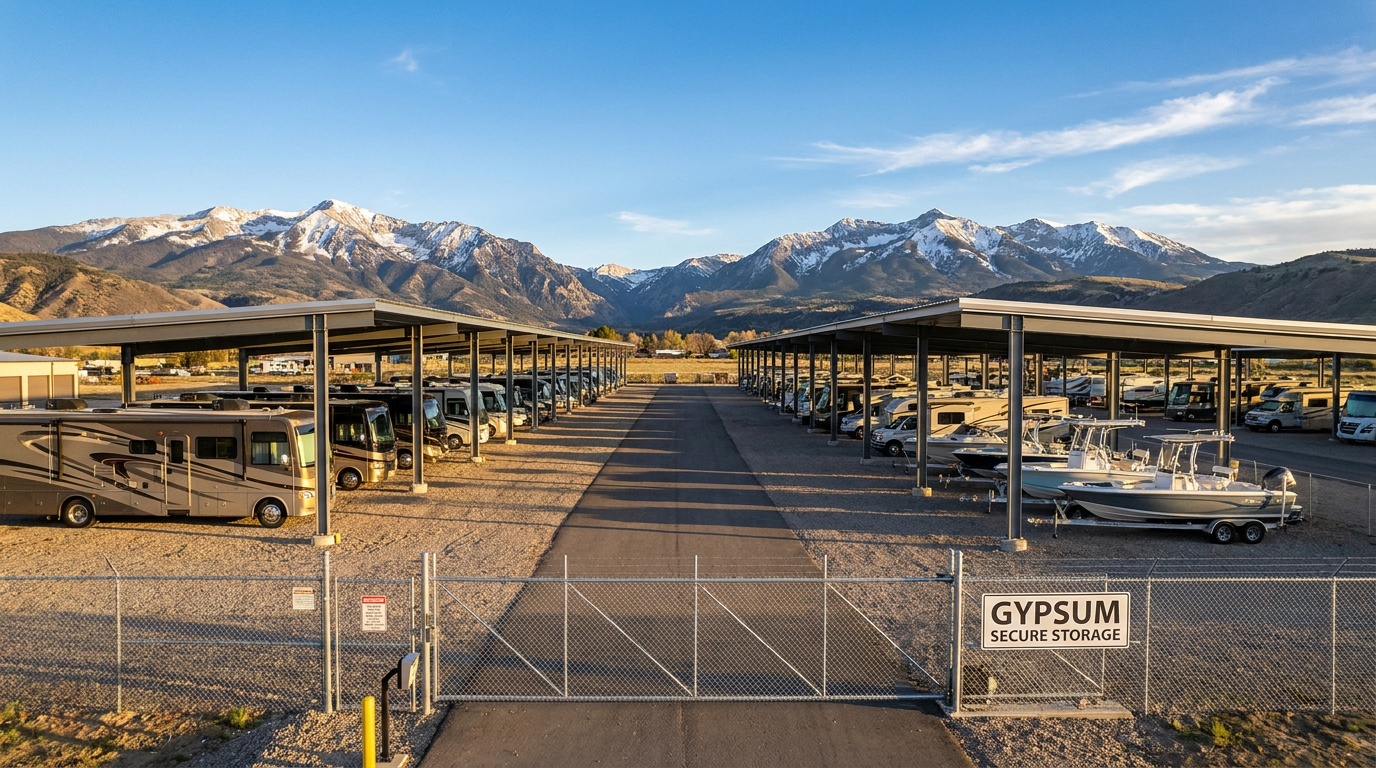
Vehicle storage carries additional restrictions. Boats, RVs, and cars must be properly registered and insured. Fluid leaks, battery charging, and engine running are typically prohibited. Some facilities require vehicles be operational, meaning they must start and move under their own power.
Rate Increases and Contract Modifications
Rate Increase Provisions
Your contract likely contains a rate increase clause allowing the facility to raise rent with proper notice. Industry-wide, rate increases of 5% to 15% annually are common. Some facilities increase rates more aggressively, particularly for long-term tenants, with increases reaching 25% or more in competitive markets.
Notice requirements for rate increases vary by state and contract. Most require 30 days written notice before any increase takes effect. The notice must clearly state the new rate and effective date. Without proper notice, you may have grounds to dispute the increase.
Strategies for Managing Rate Increases
Several strategies help manage rate increases:
- Negotiate: Contact management when you receive an increase notice. Facilities sometimes reduce or waive increases for reliable, long-term tenants.
- Compare competitors: Research current market rates. If competitors offer better pricing, use this information in negotiations or consider moving.
- Prepay: Some facilities lock in rates for tenants who prepay multiple months in advance.
- Downsize: A rate increase may be an opportunity to reassess whether you need your current unit size. Consult a storage size guide to determine if a smaller unit meets your needs.
Other Contract Modifications
Facilities can modify other contract terms with proper notice. Changes to access hours, insurance requirements, or facility rules typically require 30 days notice. Your options when facing unfavorable changes include accepting the changes, negotiating alternatives, or terminating your agreement.
Termination and Move-Out Procedures
Notice Requirements
Terminating your storage contract requires written notice, typically 10 to 30 days before your intended move-out date. Verbal notice or simply removing your belongings without written notification may result in continued charges.
The notice must be delivered according to contract specifications. Some facilities require certified mail, while others accept email or online submissions. Keep proof of your termination notice, including delivery confirmation, to dispute any charges after your intended end date.
Automatic Renewal Clauses
Month-to-month contracts automatically renew unless you provide proper termination notice. This means your obligation continues indefinitely until you formally end the agreement. Missing the notice deadline by even one day can obligate you for another full month's rent.
Set calendar reminders for your notice deadline if you plan to move out on a specific date. Calculate the required notice period backward from your intended end date to determine when you must submit termination notice.
Move-Out Inspection and Refunds
Most facilities conduct a move-out inspection to assess unit condition. Damage beyond normal wear and tear may result in charges against your security deposit. Document the unit's condition with photographs before and after your tenancy to dispute any unfair damage claims.
Refund timelines for security deposits and prepaid rent vary by contract and state law. Most facilities process refunds within 14 to 30 days after move-out. Ensure the facility has your current mailing address to receive any refund checks.
Climate Control and Unit Condition Provisions
Climate Control Specifications
If you rent a climate-controlled storage unit, your contract should specify the maintained temperature and humidity ranges. Standard climate control maintains temperatures between 55 and 80 degrees Fahrenheit with humidity below 55%. These conditions protect sensitive items like electronics, documents, wooden furniture, and artwork.
However, contracts typically include disclaimers limiting liability for climate control failures. The facility may not guarantee specific conditions and may exclude liability for damage caused by HVAC malfunctions. Understand these limitations before storing temperature-sensitive valuables.
Unit Condition and Maintenance
Your contract addresses responsibilities for unit condition. Facilities typically guarantee the unit is clean and functional at move-in. You assume responsibility for maintaining cleanliness during your tenancy and returning the unit in similar condition at move-out.
Report any unit defects immediately upon discovery. Water leaks, pest evidence, or structural issues should be documented in writing and reported to management. Failure to report problems promptly may affect your ability to claim damages later.
Special Clauses to Watch For
Arbitration and Dispute Resolution
Many storage contracts include mandatory arbitration clauses requiring disputes be resolved through arbitration rather than court litigation. Arbitration can be faster and cheaper than court but may limit your legal options. Some contracts also include class action waivers preventing you from joining group lawsuits.
Understand the arbitration process specified in your contract. Note who selects the arbitrator, where arbitration occurs, and who pays arbitration costs. Some clauses require arbitration in distant locations or impose costs that make pursuing small claims impractical.
Indemnification Provisions
Indemnification clauses require you to protect the facility from claims arising from your use of the unit. If someone is injured while helping you move items, or if your stored property damages adjacent units, you may be responsible for the facility's legal costs and any resulting judgments.
These provisions underscore the importance of adequate insurance coverage. Your liability extends beyond your own belongings to potential harm to others and their property.
Assignment and Subletting
Contracts typically prohibit assigning your lease or subletting your unit to others. You cannot transfer your rental agreement to another person or allow others to use your unit as primary users. Violations can result in immediate termination.
If you need to transfer your unit to someone else, contact the facility about proper procedures. Most facilities will terminate your agreement and create a new one with the other party, which may involve new fees and different rates.
Questions to Ask Before Signing
Before signing any storage contract, ask these specific questions:
- What is the total move-in cost? Include first month's rent, deposits, administrative fees, and required insurance.
- When and how much can rent increase? Get specific answers about frequency and typical increase percentages.
- What is the late fee structure? Understand grace periods, fee amounts, and how fees accumulate.
- How much notice is required to move out? Confirm the exact number of days and acceptable notice methods.
- What happens if I miss a payment? Understand the timeline from missed payment to potential lien sale.
- What insurance coverage is required? Determine minimum coverage amounts and acceptable policy types.
- What are the access hours? Confirm hours match your needs, especially for business use.
- Are there any current promotions? Many facilities offer discounts like 50% off the first three months that significantly reduce initial costs.
Red Flags in Storage Contracts
Watch for these warning signs when reviewing storage contracts:
- Vague fee language: Terms like "reasonable fees" or "standard charges" without specific amounts
- Unlimited rate increases: No caps or limitations on how much or how often rates can increase
- Short lien timelines: Aggressive timelines that allow sales faster than state minimums
- Broad liability waivers: Language releasing the facility from liability for their own gross negligence
- Restrictive arbitration: Clauses requiring arbitration in distant locations or imposing excessive costs
- Automatic payment requirements: Mandatory autopay without option for manual payment
- Excessive termination fees: Penalties for ending the agreement beyond forfeiting the current month
Request clarification or modification of concerning terms before signing. Reputable facilities will explain provisions and may negotiate certain terms. Unwillingness to discuss contract terms may indicate a facility to avoid.
Protecting Yourself After Signing
After signing your storage contract, take these protective steps:
- Keep a copy of the signed contract in a location outside your storage unit
- Photograph the unit before moving items in to document its condition
- Create and maintain an inventory with photographs and values of stored items
- Set payment reminders to avoid late fees and potential lien proceedings
- Update your contact information immediately if it changes
- Review insurance coverage annually to ensure adequate protection
- Document any unit issues in writing to facility management
- Save all correspondence with the facility including emails, letters, and receipts
These practices create a paper trail protecting your interests if disputes arise. Documentation proves invaluable when challenging improper charges, disputing damage claims, or pursuing insurance reimbursement.
Storing in the Vail Valley?
Vail Airport Storage is a brand-new facility in Gypsum, CO, next to Eagle County Regional Airport: heated indoor units, drive-up units with power and lights, and vehicle parking, open 24/7 with smart-lock access.