Self Storage Facility Comparison Checklist for 2026 |
| SELF STORAGE FACILITY COMPARISON CHECKLIST
⏱ 9 min read ·
📄 #1,637 words
Use this comprehensive self storage facility comparison checklist to evaluate security, pricing, climate control, and access before renting your next unit.
|
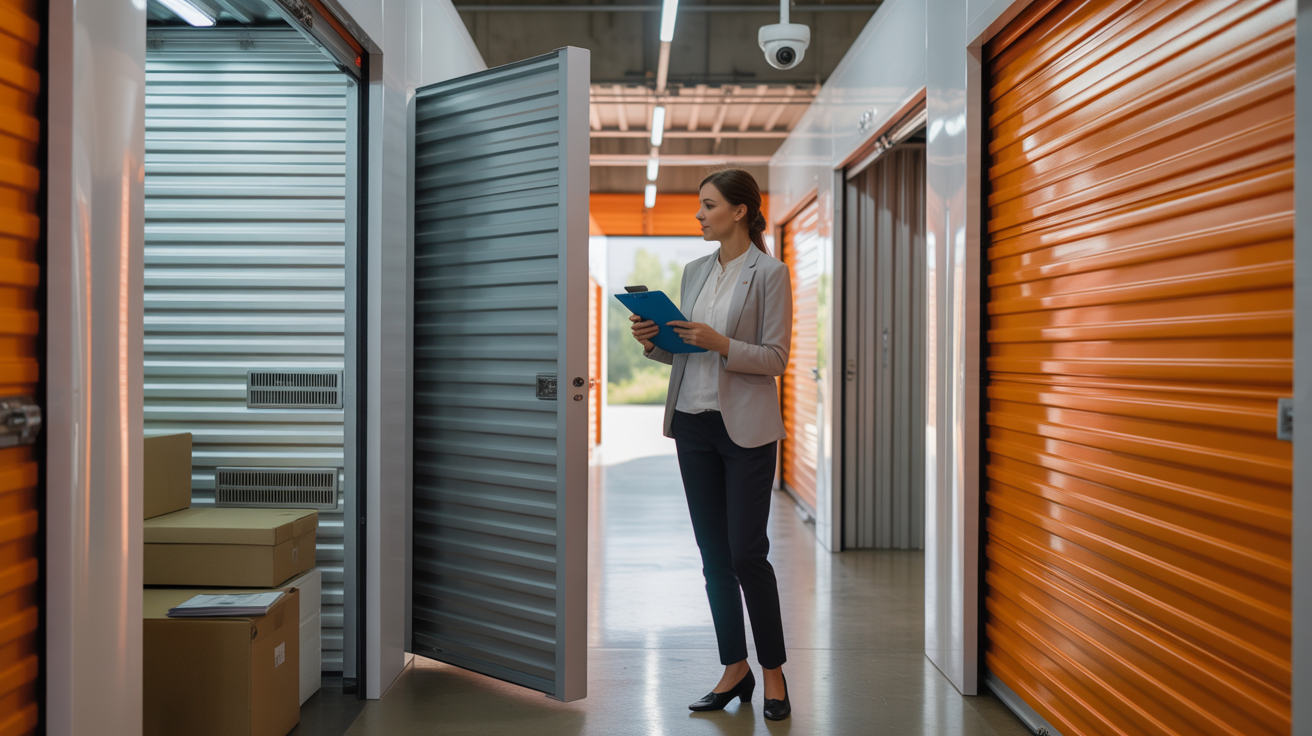
C hoosing a self storage facility involves more than just finding the lowest monthly rate. The right facility protects your belongings, offers convenient access when you need it, and provides transparent pricing without hidden fees. The wrong choice can mean damaged items, frustrating access restrictions, or unexpected costs that add up quickly.
This self storage facility comparison checklist walks you through every factor worth evaluating before signing a rental agreement. Whether you are storing seasonal gear, business inventory, or household items during a move, these criteria will help you make an informed decision.
Location and Accessibility Factors
The best storage facility balances convenience with cost. Urban locations typically charge premium rates, while facilities slightly outside city centers often offer better value without sacrificing accessibility.
Proximity Considerations
Think about how often you will visit your unit. If you need regular access to stored items, prioritize facilities within 15 to 20 minutes of your home or workplace. For long-term storage with infrequent visits, a slightly farther location with lower rates may make more sense.
Travelers and seasonal residents have different needs. A facility near Eagle County Regional Airport , for example, allows convenient access when flying in and out of the Vail Valley area.
Access Hours and Flexibility
Standard business hours work for some renters, but 24/7 access provides flexibility that many people need. Consider your schedule and whether you might need to retrieve items outside typical operating hours.
Evaluate these access features when comparing facilities:
- Gate access hours and any restrictions on entry times
- Drive-up unit availability for easy loading and unloading
- Elevator access for upper-floor indoor units
- Loading dock or freight elevator for large items
- Sufficient lighting in hallways and exterior areas
Unit Size and Type Options
Storage facilities offer various unit configurations, and selecting the right size prevents you from paying for unused space or cramming belongings into a unit that is too small.
Standard Size Categories
Most facilities offer units in these common dimensions:
| Unit Size | Square Footage | Typical Use |
|---|---|---|
| 5x5 | 25 sq ft | Small closet; boxes, seasonal items |
| 5x10 | 50 sq ft | Walk-in closet; studio apartment contents |
| 10x10 | 100 sq ft | Half garage; 1-2 bedroom apartment |
| 10x15 | 150 sq ft | Large room; 2-3 bedroom home |
| 10x20 | 200 sq ft | One-car garage; 3-4 bedroom home |
| 10x30 | 300 sq ft | Large garage; 4-5 bedroom home |
A detailed storage size guide can help you visualize what fits in each unit type and avoid renting more space than necessary.
Climate Control Requirements
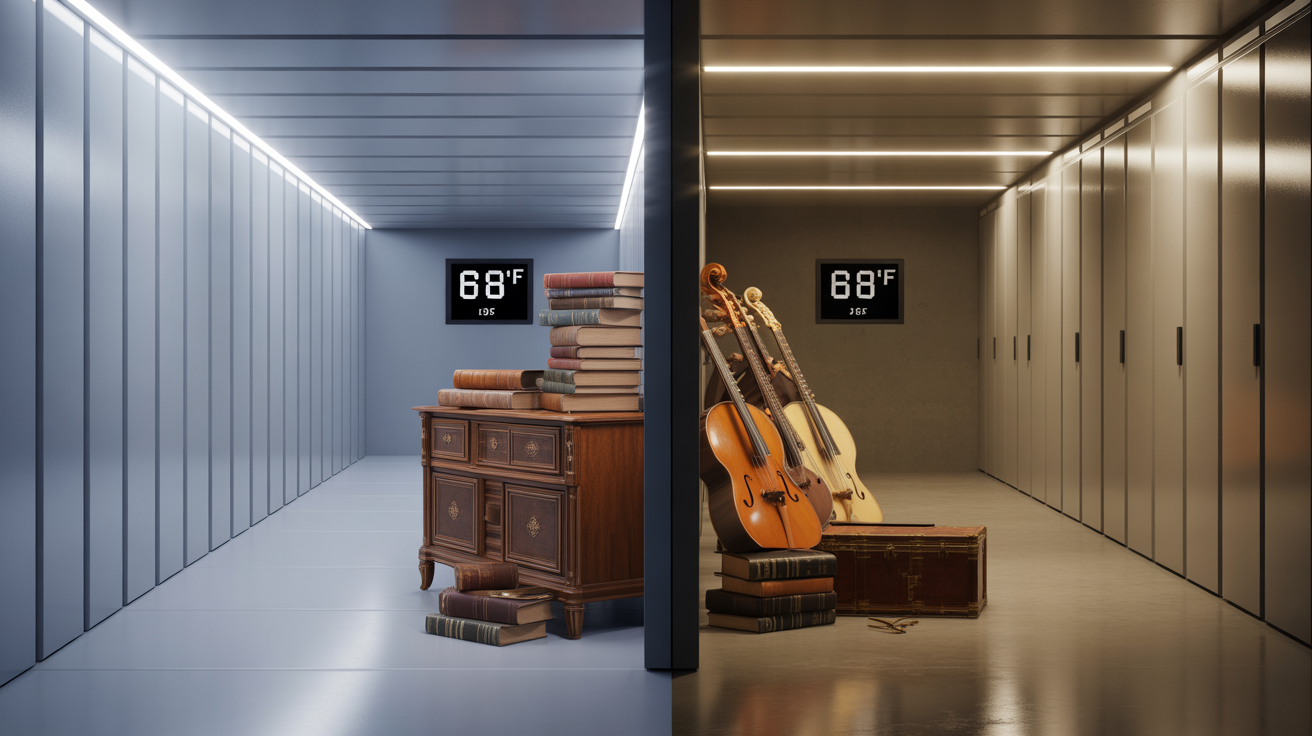
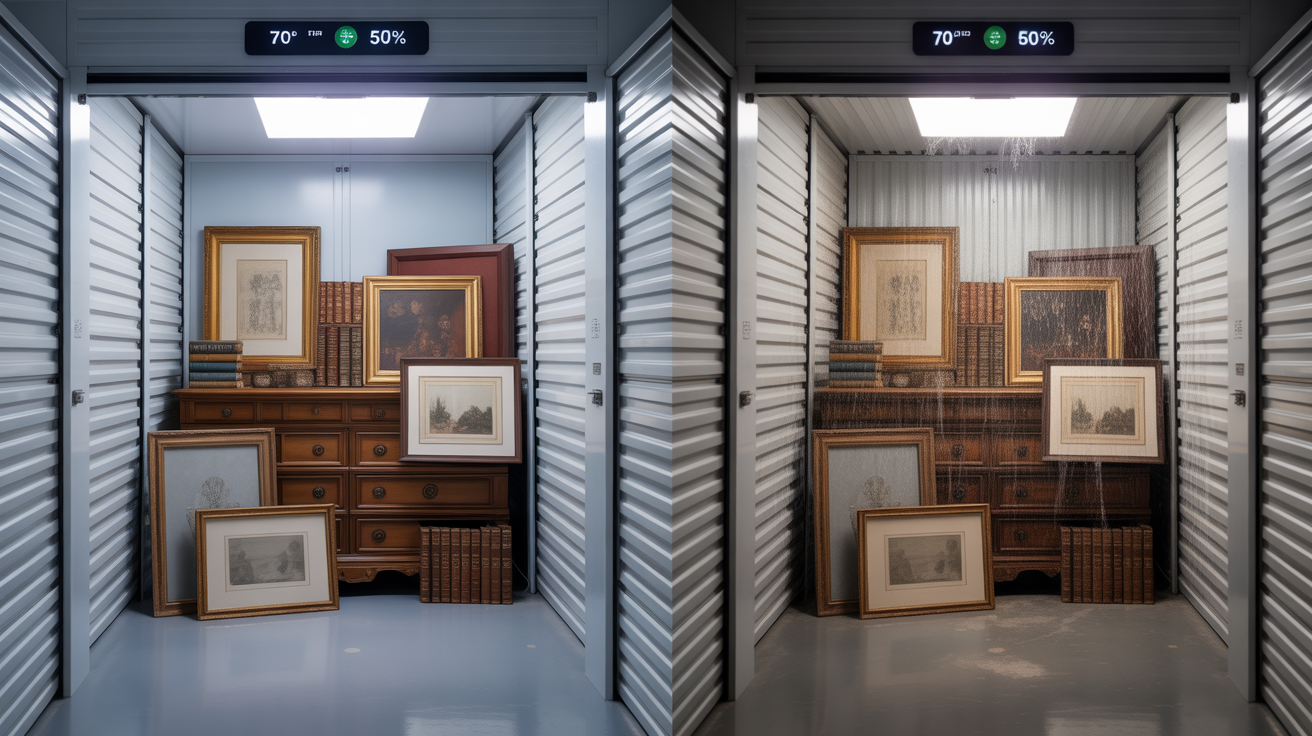
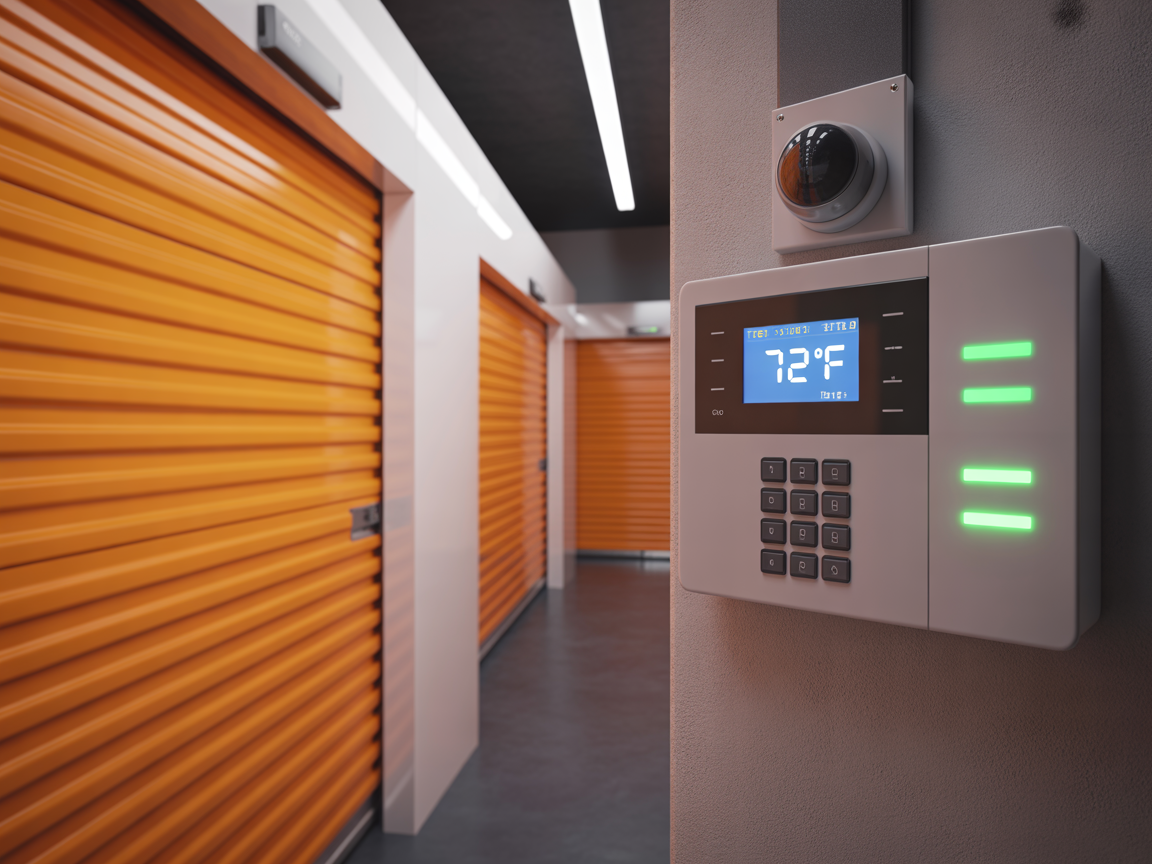
Not everything needs climate control, but certain items require temperature and humidity regulation to prevent damage. Climate-controlled units typically maintain temperatures between 55 and 85 degrees Fahrenheit year-round.
Items that benefit from climate control include:
- Wooden furniture and antiques
- Electronics and appliances
- Photographs, documents, and artwork
- Leather goods and upholstered furniture
- Musical instruments
- Wine collections
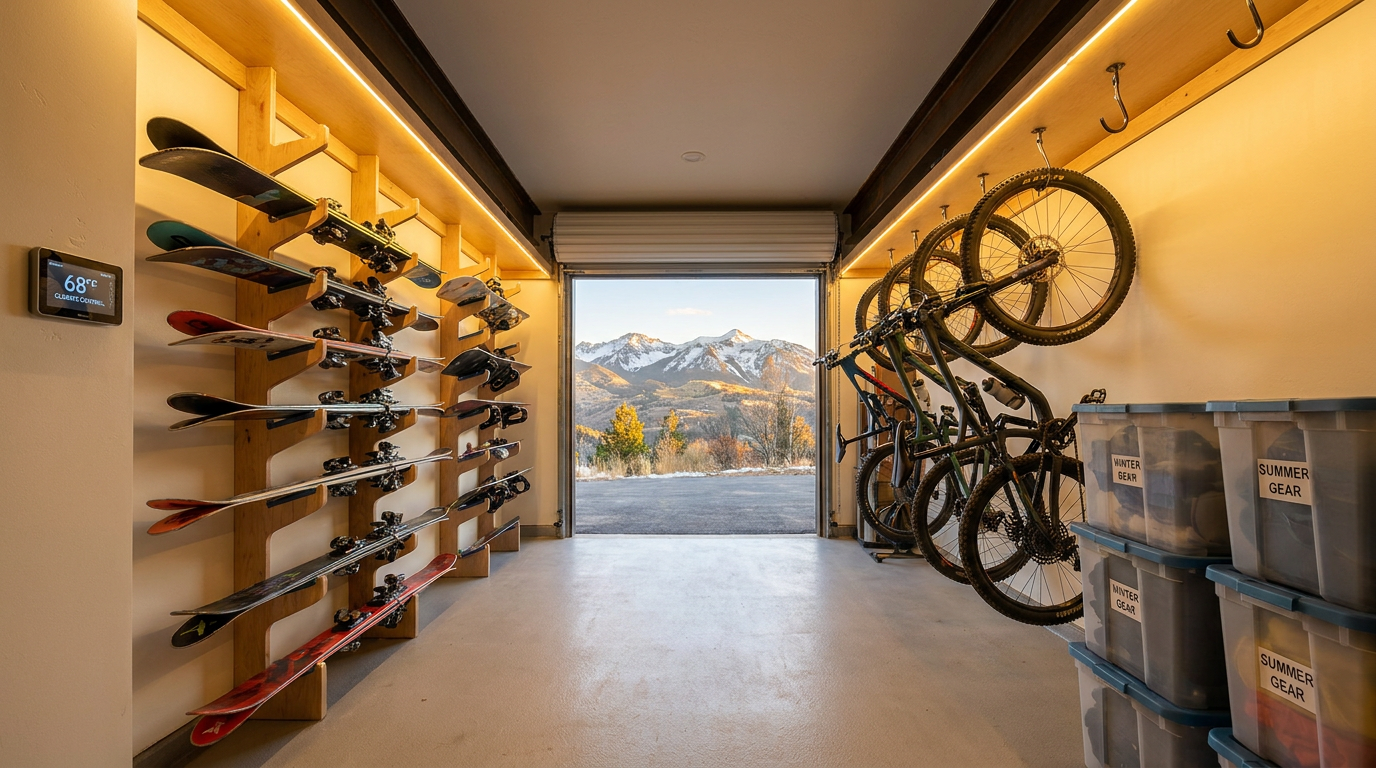
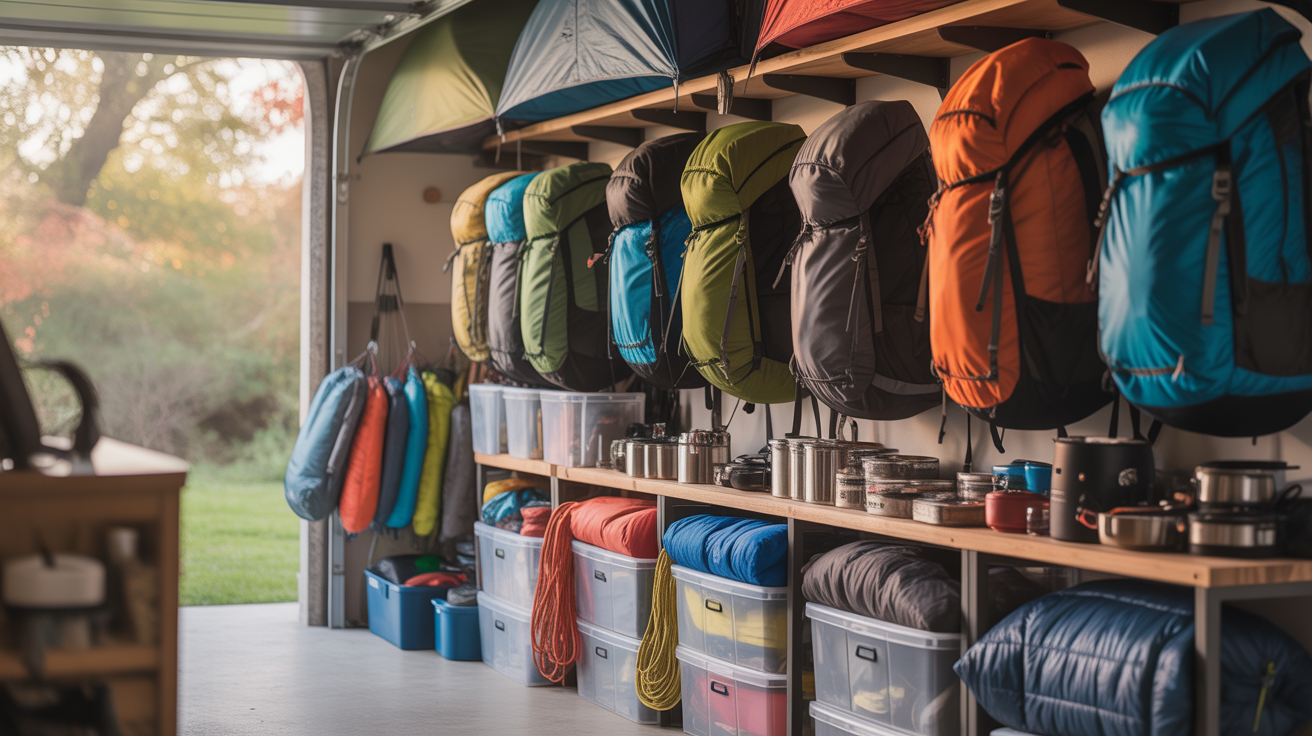
- Ski equipment and outdoor gear with sensitive materials
In mountain climates like the Vail Valley, temperature swings between seasons can be extreme. Climate-controlled storage protects sensitive items from these fluctuations.
Security Features to Evaluate
Security should be a primary consideration when comparing storage facilities. A lower monthly rate means nothing if your belongings are stolen or damaged due to inadequate protection.
Essential Security Elements
Look for these baseline security features at any facility you consider:
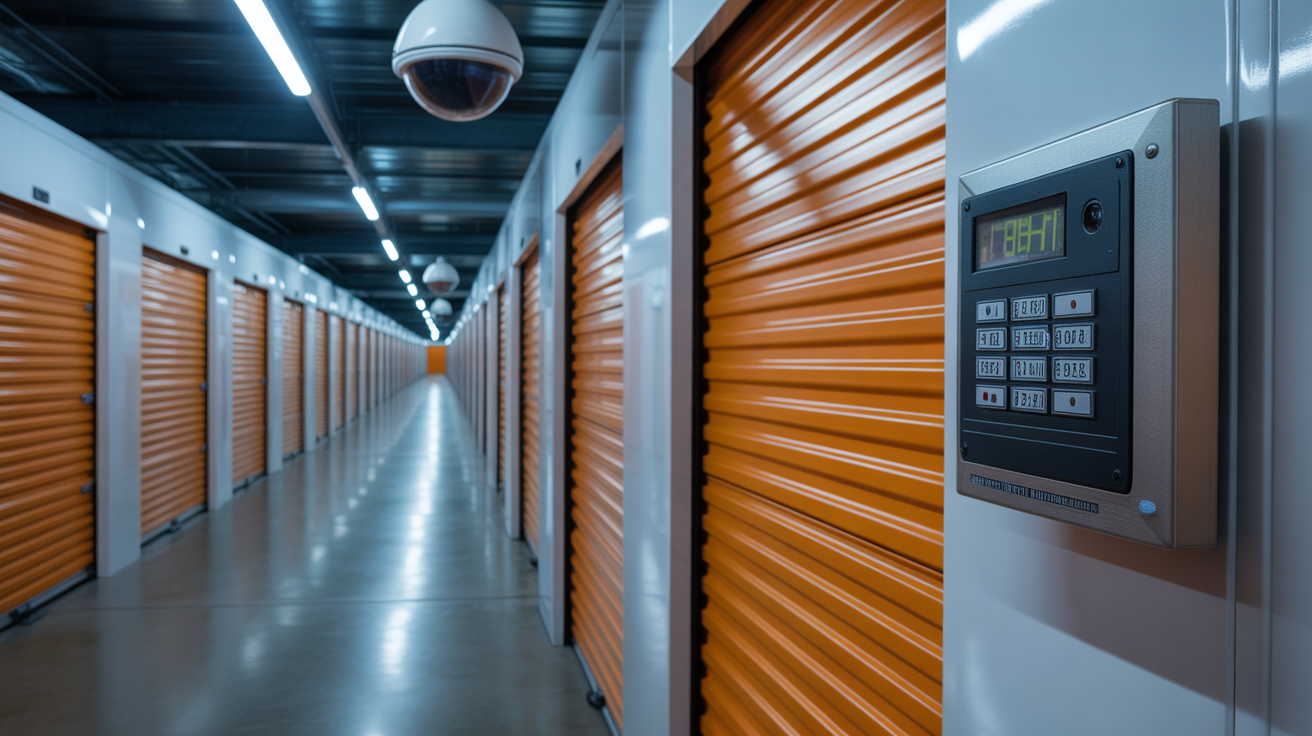
- Perimeter fencing with controlled gate access
- 24/7 video surveillance with recorded footage
- Individual unit door alarms
- Well-lit interior hallways and exterior areas
- Secure locks on all units
Advanced Security Technology
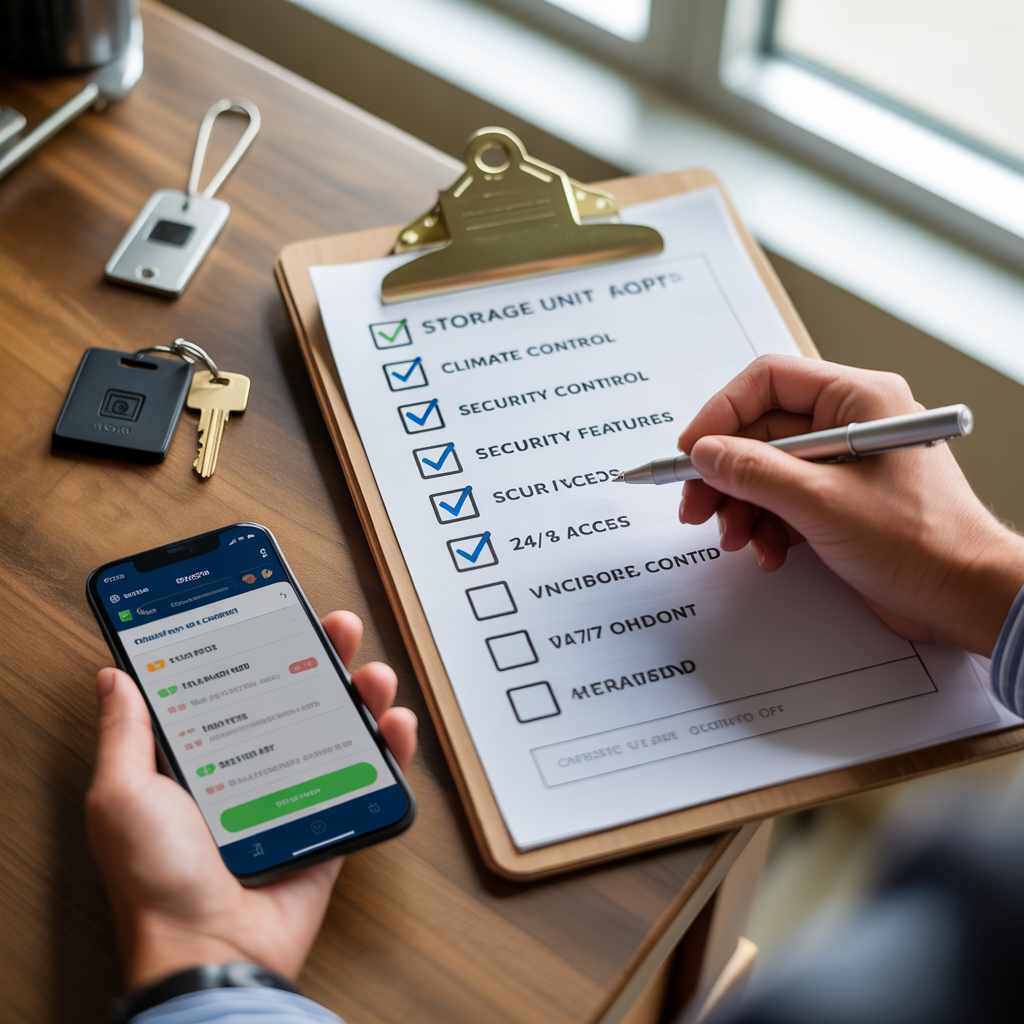
Modern facilities increasingly offer smart lock technology that provides additional security benefits. These systems allow you to:
- Grant temporary access to others without sharing physical keys
- Track when your unit was accessed and by whom
- Receive notifications when your unit is opened
- Manage access remotely through a smartphone app
Digital key sharing proves particularly valuable for business storage situations where multiple employees need access, or for vacation homeowners who want to grant access to property managers.
On-Site Management
Facilities with on-site managers during business hours add another layer of security and accountability. Staff presence deters criminal activity and ensures someone is available to address issues promptly.
Pricing and Contract Terms
Storage costs vary significantly by location, unit type, and facility amenities. Understanding the full cost structure helps you compare options accurately.
Monthly Rate Factors
Several variables affect monthly storage rates:
- Unit size and square footage
- Climate control versus standard units
- Ground floor versus upper floor location
- Drive-up access versus interior hallway units
- Geographic location and local market rates
Hidden Fees to Watch For
Some facilities advertise low base rates but add fees that increase your actual cost. Ask specifically about:
- Administrative or setup fees
- Security deposits
- Lock purchase requirements
- Insurance requirements and costs
- Late payment penalties
- Rate increase policies after promotional periods
Facilities that waive administrative fees and security deposits provide better value, even if their advertised monthly rate appears slightly higher than competitors.
Promotional Offers
Many facilities offer move-in specials, such as the first month free or discounted rates for an initial period. These promotions can provide significant savings, but calculate the total cost over your expected rental duration rather than focusing solely on the promotional rate.
Contract Flexibility
Month-to-month leases offer flexibility if your storage needs might change. Some facilities require longer commitments or charge premiums for month-to-month arrangements. Clarify the notice period required before moving out, which typically ranges from 10 to 30 days.
Additional Amenities and Services
Beyond the basics, certain amenities can make your storage experience significantly more convenient.
Vehicle and Specialty Storage
If you need to store vehicles, boats, or RVs, confirm the facility offers appropriate parking options:
- Covered versus uncovered parking
- Indoor vehicle storage availability
- Size restrictions for oversized vehicles
- Electrical hookups for battery maintenance
- Paved versus gravel surfaces
Business-Friendly Features
Commercial storage users should look for:
- Package receiving services
- Business hours that accommodate deliveries
- Units with power outlets for equipment
- Adequate space for inventory management
- Multiple user access capabilities
Moving Supplies and Assistance
Some facilities sell packing supplies on-site or offer moving truck rentals. While not essential, these conveniences can simplify your move-in process.
Questions to Ask Before Renting
Use these questions when visiting or calling storage facilities to gather the information you need for comparison:
About the Unit
- Can I see the actual unit I would rent, not just a sample?
- What is the ceiling height?
- Are there any obstructions like posts or pipes inside the unit?
- When was the unit last inspected for pests or moisture?
About Access
- What are the gate access hours?
- Is there a limit to how often I can access my unit?
- What happens if I forget my access code or lose my key?
- Can I authorize others to access my unit?
About Costs
- What is the total monthly cost including all fees?
- Is insurance required, and what does it cover?
- How much notice do you require before move-out?
- How often do rates increase, and by how much typically?
About Policies
- What items are prohibited from storage?
- What is the procedure if I fall behind on payments?
- How do you handle maintenance issues or pest control?
- What is your policy on unit transfers if I need a different size?
What Size Storage Unit Do I Need for a 2-Bedroom Apartment?
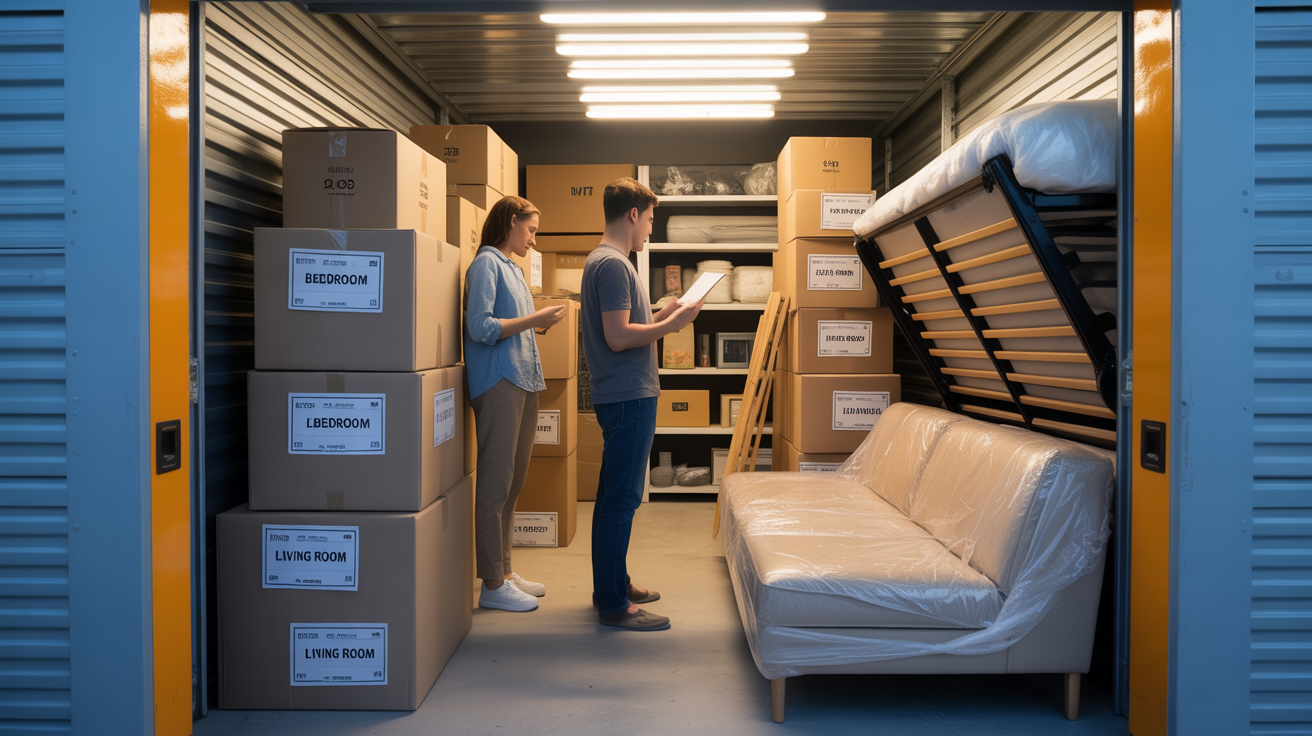
A 10x10 unit, providing 100 square feet, typically accommodates the contents of a one to two bedroom apartment. This size fits a mattress set, dresser, small dining set, several boxes, and miscellaneous furniture. If you have bulky items like a sofa or large appliances, consider stepping up to a 10x15 unit for easier organization and access.
How Much Do Climate-Controlled Storage Units Cost?
Climate-controlled units typically cost 20 to 50 percent more than standard units of the same size. Prices vary significantly by market. In the Vail Valley area, climate-controlled options range from approximately $37 per month for a 5x5 unit to $276 per month for a 10x20 unit, though promotional rates often reduce these costs significantly.
Are 24/7 Access and Security Cameras Standard at Self Storage Facilities?
Video surveillance has become standard at most reputable facilities, though coverage quality varies. True 24/7 access is less universal. Many facilities restrict gate access to extended hours rather than full around-the-clock availability. Always confirm specific access hours rather than assuming 24/7 means unrestricted access.
What Documents Are Required to Rent a Storage Unit?
Most facilities require a valid government-issued photo ID such as a driver's license or passport. You will also need to provide contact information and a payment method. Some facilities may request proof of insurance or offer their own coverage as part of the rental agreement.
Can I Store Vehicles Like RVs or Boats at Self Storage Facilities?
Many facilities offer vehicle storage, though options vary. Look for facilities with dedicated parking areas, appropriate space dimensions for your vehicle, and covered or indoor options if weather protection matters. Some facilities restrict vehicle types or require proof of registration and insurance.
Making Your Final Decision
After gathering information from multiple facilities, create a side-by-side comparison using this checklist. Weight each factor according to your priorities. Someone storing valuable antiques should prioritize climate control and security over the lowest price, while someone storing seasonal decorations might reasonably choose a basic unit with good access.
Visit your top choices in person before committing. Photos and descriptions only tell part of the story. Walking through a facility reveals details about cleanliness, actual unit conditions, staff professionalism, and overall atmosphere that online research cannot capture.
The right storage facility provides peace of mind alongside practical utility. Taking time to compare options thoroughly ensures you find a solution that protects your belongings and fits your budget.
|
Storing in the Vail Valley?
Vail Airport Storage is a brand-new facility in Gypsum, CO, next to Eagle County Regional Airport: heated indoor units, drive-up units with power and lights, and vehicle parking, open 24/7 with smart-lock access.