Ski, Bike, and Gear Storage Near Vail: Seasonal Rotation Guide |
| SKI, BIKE, AND GEAR STORAGE NEAR VAIL: SEASONAL ROTATION GUIDE
⏱ 11 min read ·
📄 #2,045 words
Store skis, bikes, and outdoor gear near Vail with this seasonal rotation guide. Learn prep tips, ideal unit sizes, and climate control needs for year-round protection.
|
R otating ski and bike gear between seasons in the Vail Valley requires a 5x10 or 10x10 storage unit with climate control to protect equipment from temperature swings between 0°F winters and 90°F summers. The ideal rotation schedule swaps gear in late April or early May for the ski-to-bike transition and mid-November for the bike-to-ski switch.
| Key Points: | |
|---|---|
| • | A 5x10 climate-controlled unit ($37-125/month) stores 2-4 pairs of skis, 2-3 bikes, and seasonal accessories |
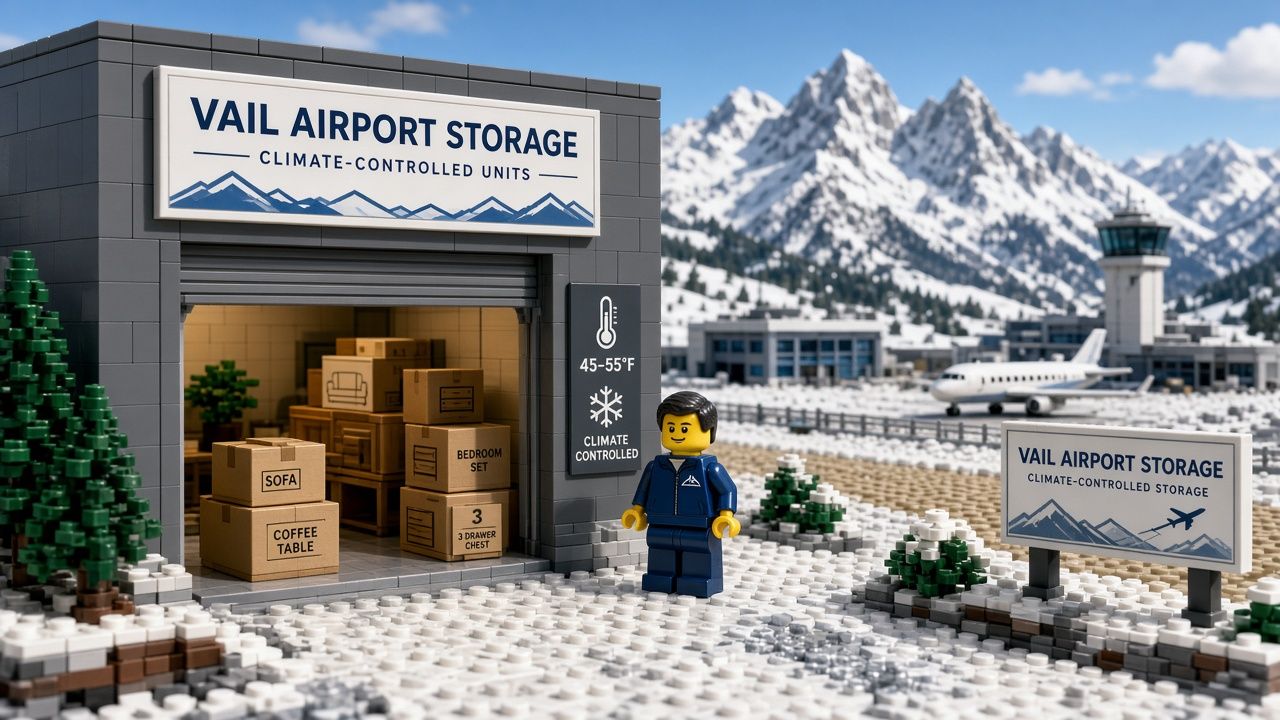
| • | Climate control maintains 55-80°F, preventing ski base delamination and bike component corrosion |
| • | Optimal rotation dates: late April for ski storage, mid-November for bike storage in Eagle County |
| • | Proper prep before storage extends equipment lifespan by 3-5 years according to industry data |
| • | 24/7 smartphone access via Noke smart locks allows gear retrieval for unexpected powder days or warm spells |
Why Vail Valley Residents Need Dedicated Gear Storage
Eagle County experiences temperature extremes that destroy outdoor equipment stored in garages or sheds. According to the National Weather Service Boulder office, Gypsum temperatures range from -10°F in January to 95°F in July. These 100+ degree swings cause ski bases to separate, bike hydraulic fluid to degrade, and metal components to corrode.
Mountain homes in Vail, Avon, Edwards, and Beaver Creek often lack adequate garage space. A 2024 survey by the Vail Valley Partnership found that 67% of local households own both ski and bike equipment, yet only 23% have climate-appropriate storage. The remaining 77% risk equipment damage or clutter living spaces with off-season gear.
Seasonal residents face additional challenges. Second homeowners visiting from Denver, Dallas, or Los Angeles need secure, accessible storage that protects $2,000-8,000 worth of equipment year-round. Climate-controlled storage units solve both the temperature and security problems simultaneously.
Seasonal Rotation Calendar for Eagle County
Timing your gear rotation correctly prevents rushed packing and ensures equipment is ready when you need it. The Vail Valley follows predictable seasonal patterns that dictate optimal swap dates.
Spring Transition: Skis to Storage (Late April to Early May)
Vail Mountain typically closes between mid-April and early May. The 2025-2026 season ended April 20th. Plan your ski storage within two weeks of your last ski day to prevent gear from sitting in warm, humid conditions.
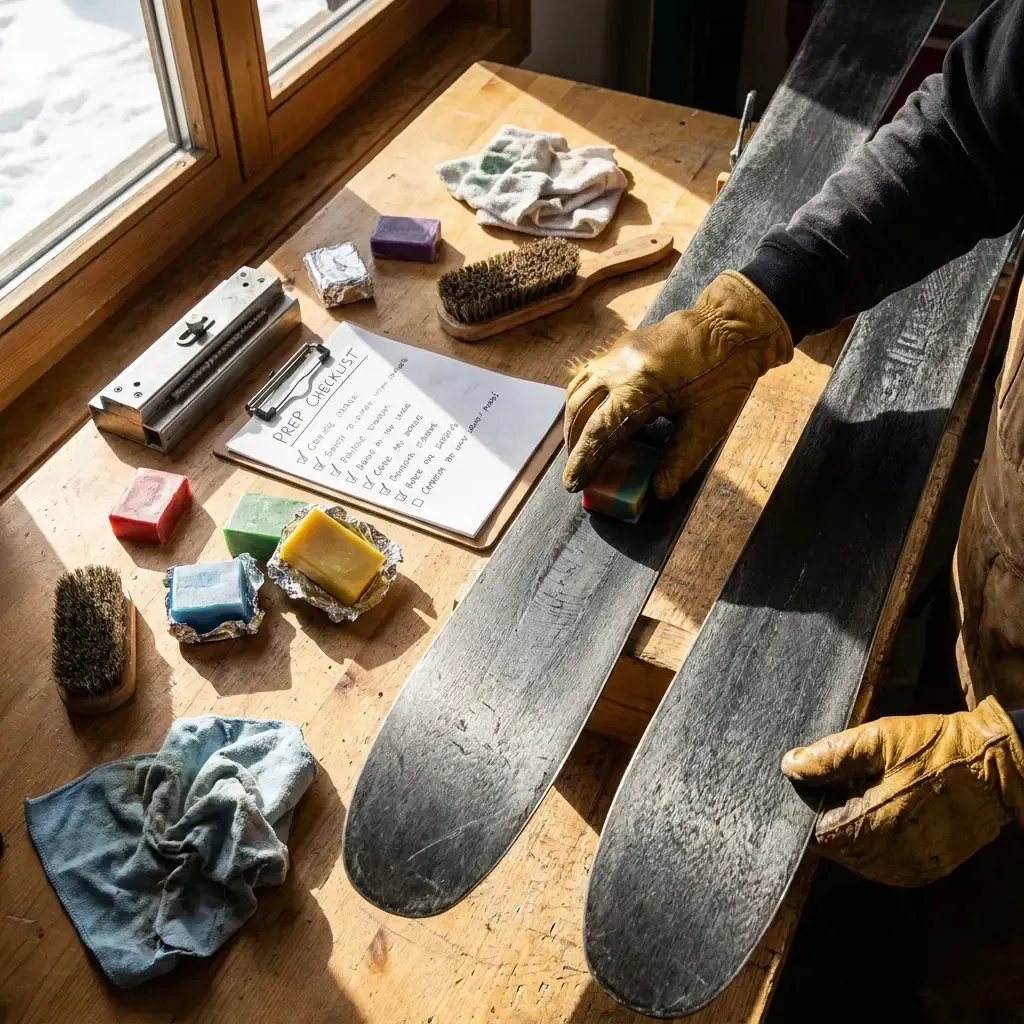
Before storing skis, complete these preparation steps: wipe down bases with a damp cloth, apply a thick layer of storage wax (do not scrape), loosen binding DIN settings by 2-3 points to reduce spring tension, and store boots with buckles loosened. This 30-minute process prevents base oxidation and extends binding lifespan by 2-3 seasons.
Fall Transition: Bikes to Storage (Mid-November)
Mountain biking trails in the Vail Valley remain rideable through late October in most years. The Eagle Valley Trail system and Gypsum Creek trails typically see snow cover by mid-November. Schedule bike storage 1-2 weeks after your last ride.
Bike preparation requires more attention than ski storage. Clean the drivetrain with degreaser, lubricate the chain with wet lube, inflate tires to 80% of maximum pressure, and remove batteries from e-bikes for separate indoor storage. Suspension components benefit from a light coating of suspension oil on stanchions.
Storage Unit Size Guide for Outdoor Gear
Choosing the right unit size prevents overpaying for unused space while ensuring adequate room for proper equipment organization. The table below shows recommended sizes based on household gear inventories common in the Vail Valley.
| Unit Size | Gear Capacity | Monthly Cost | Best For |
|---|---|---|---|
| 5x5 Climate Control | 2 pairs skis, 1 bike, boots, helmets | $37 | Single person, minimal gear |
| 5x10 Climate Control | 4 pairs skis, 2-3 bikes, all accessories | $125 | Couples, small families |
| 5x10 Drive-Up | 4-6 pairs skis, 3-4 bikes, camping gear | $37 | Budget option, less temp-sensitive gear |
| 10x10 Climate Control | 6-8 pairs skis, 4-5 bikes, plus seasonal decor | $74 | Families, multi-sport households |
| 10x15 Drive-Up with Lights | Full family gear plus kayaks, paddleboards | $85 | Multi-sport families, water sports |
Use our storage unit size guide to calculate exact space requirements based on your specific inventory. Most Vail Valley households with 2-4 family members find the 5x10 or 10x10 climate-controlled options optimal for seasonal gear rotation.
Climate Control Requirements for Mountain Sports Equipment
Not all gear requires climate control, but high-value items and temperature-sensitive materials benefit significantly. Understanding which items need protection helps optimize storage costs.
Items Requiring Climate Control (55-80°F Range)
Skis with sintered bases require stable temperatures. According to the International Skiing History Association, sintered polyethylene bases absorb wax more effectively but are susceptible to oxidation when exposed to temperature cycling. Storage above 90°F accelerates base degradation by 40% compared to climate-controlled environments.
Carbon fiber bikes and components expand and contract with temperature changes. The coefficient of thermal expansion for carbon fiber differs from aluminum and steel, creating stress at bonded joints. Trek, Specialized, and Santa Cruz all recommend storing carbon frames between 50-80°F to maintain structural integrity.
Electronic components in modern equipment demand stable conditions. Avalanche transceivers (Mammut Barryvox, BCA Tracker), GPS units (Garmin inReach, Wahoo ELEMNT), and e-bike batteries (Bosch, Shimano STEPS) contain lithium-ion cells that degrade rapidly above 85°F. Learn more about when you actually need climate-controlled storage for your specific equipment.
Items Safe for Standard Drive-Up Storage
Metal tools, basic camping equipment, and durable accessories tolerate temperature swings. Ski poles, trekking poles, bike pumps, and roof racks store safely in non-climate-controlled units. Nylon and polyester soft goods (bags, packs, tents) handle temperature variation but should remain dry.
Gear Preparation Checklist Before Storage
Proper preparation takes 1-3 hours depending on gear volume but prevents costly repairs and replacements. Follow this checklist for each equipment category.
Ski and Snowboard Prep (30-45 Minutes)
Start by inspecting bases for gouges deeper than 1mm that require professional repair before storage. Apply a thick coat of all-temperature storage wax using an iron set to 120-140°C. Do not scrape the wax; leave it on to seal the base from oxygen exposure. Store skis base-to-base with a strap at tip and tail to prevent warping.
Boots require special attention. Remove liners and insoles to air dry for 24-48 hours before storage. Buckle boots loosely on the second-to-last setting to maintain shell shape without stressing buckle mechanisms. Insert boot trees or stuff with newspaper to absorb residual moisture.
Bike Prep (45-60 Minutes)
Clean the entire drivetrain using a citrus-based degreaser and stiff brush. Rinse thoroughly and dry completely before applying fresh lubricant. The Park Tool maintenance guide recommends wet lube for storage because it provides longer-lasting protection than dry formulas.
Inflate tires to 75-80% of maximum rated pressure. This prevents flat spots from developing during months of stationary storage while avoiding excessive stress on sidewalls. For tubeless setups, add 30ml of fresh sealant before storage to prevent dried sealant from clogging valves.
Suspension components benefit from cycling through full travel 10-15 times before storage to distribute oil evenly. Apply a thin layer of suspension-specific lubricant (Fox Float Fluid, RockShox Maxima) to fork stanchions and rear shock shafts.
Organization Systems for Efficient Rotation
A well-organized storage unit reduces rotation time from hours to minutes. Invest in proper organization systems that keep gear accessible and protected.
Vertical Storage Solutions
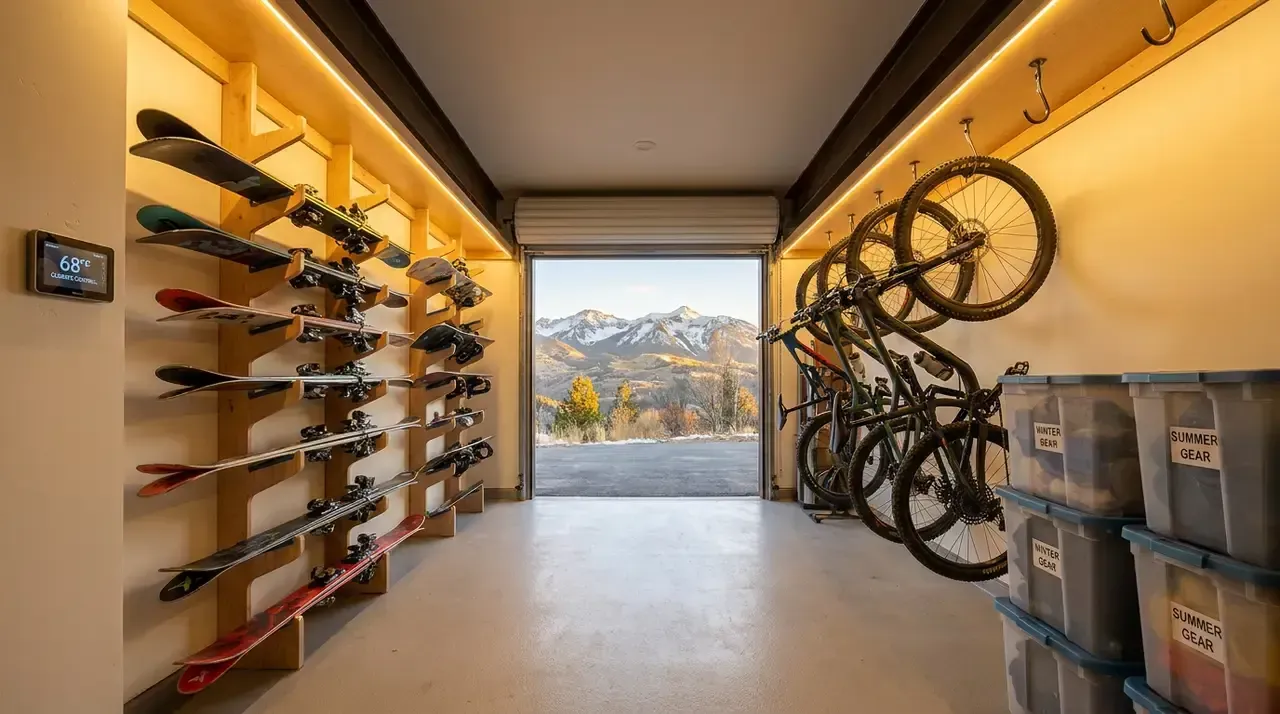
Wall-mounted ski racks from Monkey Bars or StoreYourBoard hold 4-8 pairs of skis in 2-3 linear feet of wall space. Position racks 4-5 feet off the ground to leave floor space for bins and bikes. Vertical storage prevents base damage from stacking and allows visual inspection without handling.
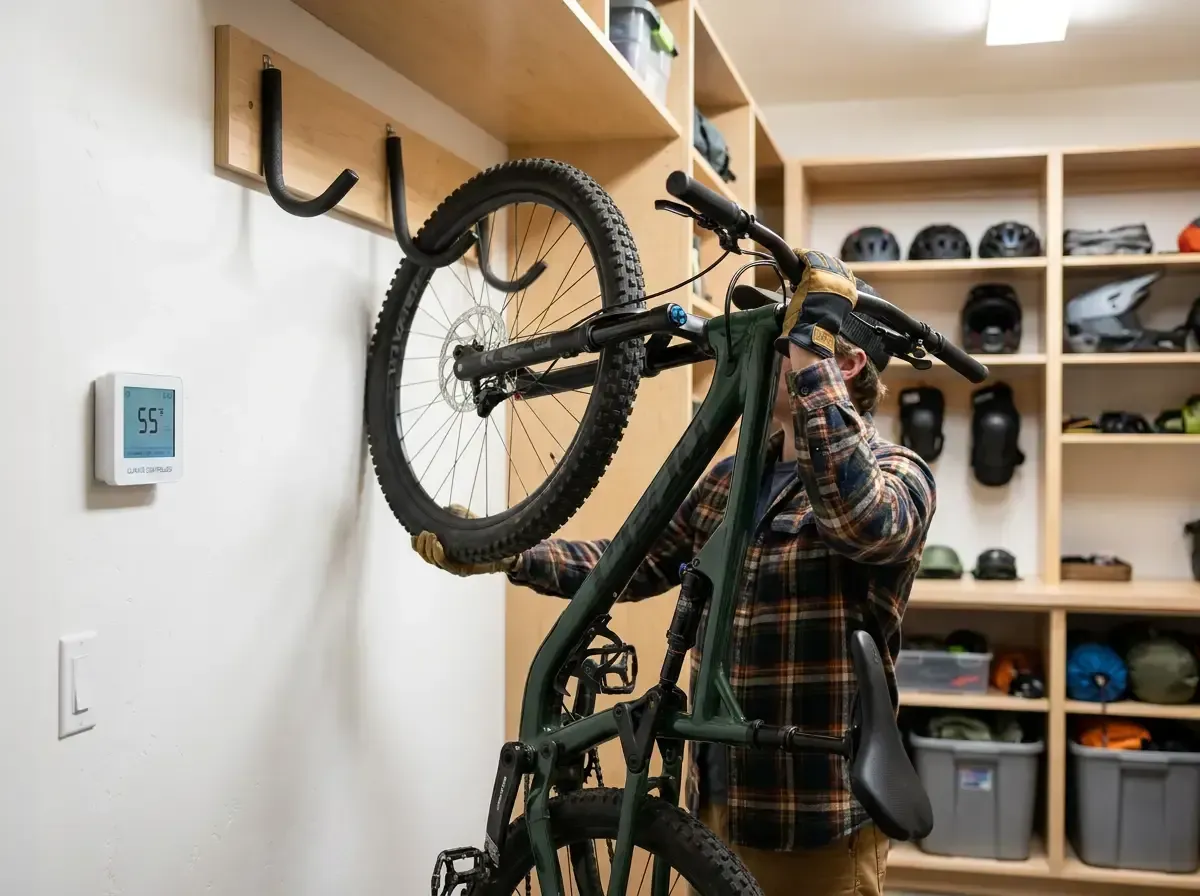
Bike hooks or pulley systems maximize vertical space utilization. A single bike hung vertically occupies only 2 square feet of floor space compared to 6-8 square feet when stored horizontally. The Feedback Sports Velo Hinge and Delta Cycle Leonardo systems both work well in storage unit environments.
Categorized Container System
Use clear plastic bins labeled by season and sport. A typical four-bin system includes: Winter Accessories (goggles, gloves, neck gaiters, hand warmers), Summer Accessories (cycling gloves, sunglasses, hydration packs), Maintenance Supplies (waxes, lubes, tools), and Electronics (transceivers, GPS units, chargers). Stack bins no more than three high to prevent crushing.
Access Considerations for Active Athletes
Vail Valley weather creates unpredictable gear needs. A late-season powder day in May or an unseasonably warm February week requires quick access to stored equipment.
Traditional storage facilities with limited access hours create frustration for spontaneous adventures. 24/7 storage access allows retrieval at 5am before first chair or 9pm after checking the next day's forecast.
With Noke smart lock technology, your smartphone replaces physical keys. Share digital access with family members heading to the unit separately. View complete access logs showing exactly when the unit was opened and by whom. Motion-detection alerts notify you of any unexpected access attempts.
Cost Comparison: Storage vs. Equipment Replacement
Proper storage represents a fraction of equipment replacement costs. The math strongly favors climate-controlled protection for serious gear investments.
| Equipment | Replacement Cost | Annual Storage Cost | Years Protected |
|---|---|---|---|
| Premium Skis (Volkl, Blizzard) | $800-1,200 | $444-888 | 8-12 |
| Carbon Mountain Bike | $4,000-10,000 | $444-888 | 10-15 |
| Ski Boots (Tecnica, Lange) | $400-800 | $444-888 | 5-8 |
| E-Bike (Specialized Levo) | $8,000-15,000 | $444-888 | 8-12 |
A 5x10 climate-controlled unit at $37-125 per month ($444-1,500 annually) protects $5,000-25,000 worth of equipment. The storage investment equals 2-6% of protected asset value annually, a reasonable insurance cost for extending equipment lifespan by 3-5 years beyond garage-stored equivalents.
Location Advantages for Vail Valley Storage
Storage location affects convenience during seasonal transitions. Facilities near major routes minimize detours during gear swaps.
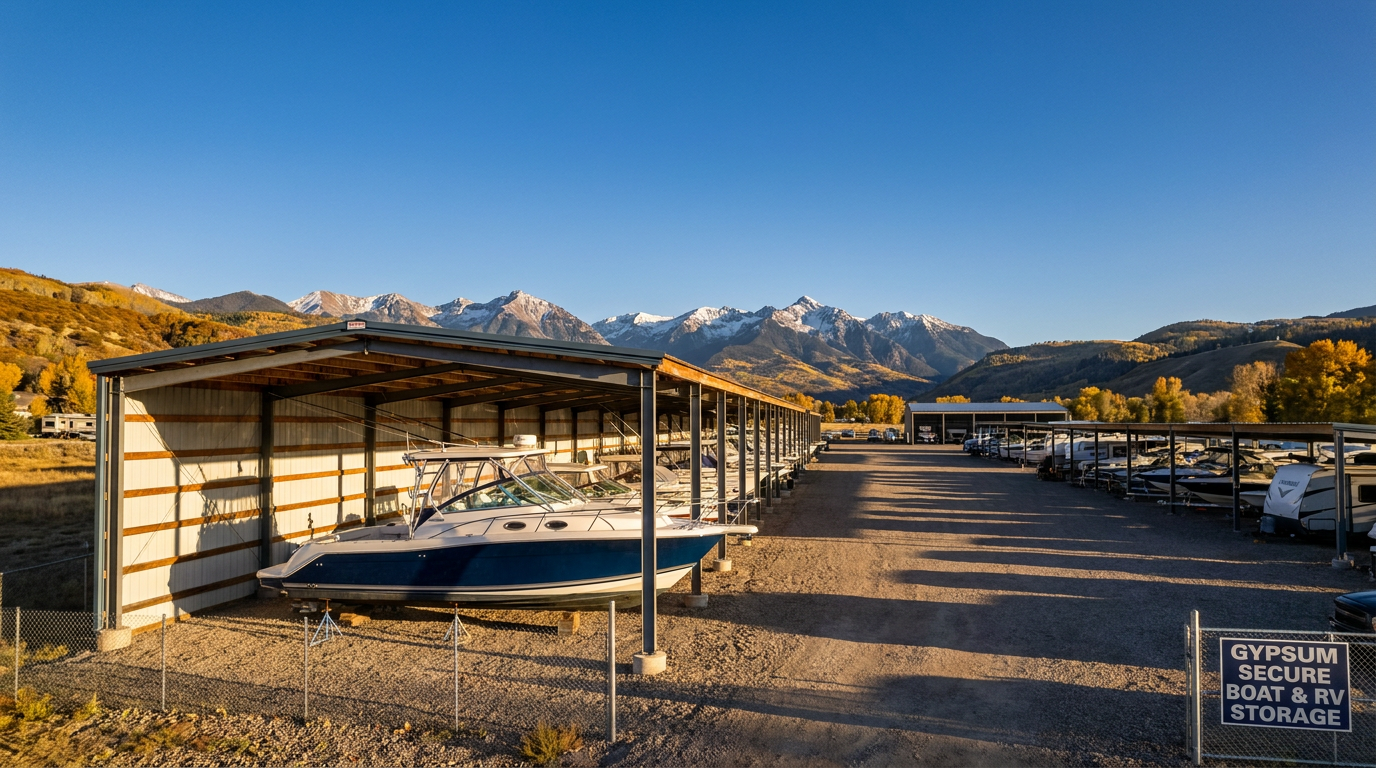
Vail Airport Storage at 500 Plane Street in Gypsum sits directly adjacent to Eagle County Regional Airport (EGE) and 2 minutes from I-70 Exit 140. This central location serves the entire Vail Valley corridor: 15 minutes from Eagle, 20 minutes from Edwards, 25 minutes from Avon, and 35 minutes from Vail Village.
The airport-adjacent location benefits seasonal residents flying through EGE. Store gear locally rather than transporting skis and bikes on flights. Arrive, retrieve equipment from storage, and head directly to the mountain or trail.
Additional Gear Storage Considerations
Beyond skis and bikes, Vail Valley residents accumulate significant seasonal equipment requiring organized storage solutions.
Water Sports Equipment
Paddleboards, kayaks, and inflatable watercraft used on the Eagle River, Sylvan Lake, and Piney River require winter storage. A 10x15 or 10x20 unit accommodates 2-3 paddleboards stored vertically plus kayaks on wall-mounted J-hooks. Deflate inflatable boards to 50% pressure for storage; full deflation causes fold creases.
Camping and Backpacking Gear
Tents, sleeping bags, and backpacks used in White River National Forest and Eagles Nest Wilderness benefit from climate-controlled storage. Store sleeping bags uncompressed in large cotton or mesh bags to maintain loft. Our seasonal gear storage guide covers detailed preparation steps for all camping equipment categories.
Golf Equipment
The Vail Valley golf season runs May through October at courses including Vail Golf Club, Beaver Creek Golf Club, and Eagle Ranch Golf Course. Store clubs in climate-controlled conditions to prevent grip degradation and shaft corrosion during the 6-month off-season.
Security Features for High-Value Gear
Outdoor equipment represents significant investment requiring appropriate security measures. Modern storage facilities offer multiple protection layers.
Perimeter security starts with 9-foot fencing and LED lighting covering all access points. 24/7 digital video surveillance records all facility activity with 30+ day retention. Gated entry requires authentication before accessing the property.
Unit-level security through Noke Bluetooth smart locks eliminates vulnerabilities of traditional padlocks. No physical key exists to lose, copy, or have stolen. Digital access logs create accountability records showing every entry and exit. Consider adding tenant protection coverage starting at $10/month for additional peace of mind on high-value equipment.
Month-by-Month Rotation Schedule
This calendar provides specific action items for each month to maintain optimal gear rotation throughout the year.
November: Store bikes after final fall rides. Prepare and store camping gear. Retrieve ski equipment and tune before season opening.
December-March: Active ski season. Unit contains bikes, camping gear, golf clubs, water sports equipment.
April: Monitor Vail Mountain closing date. Prepare ski storage supplies (wax, boot trees). Plan rotation day within two weeks of last ski day.
May: Complete ski storage. Retrieve and tune bikes. Pull camping gear for Memorial Day trips.
June-September: Active summer season. Unit contains skis, snowboards, winter accessories.
October: Monitor trail conditions and weather forecasts. Prepare bike storage supplies. Plan rotation day for mid-November.
|