Storage Unit Organization Systems for Long Term Storage |
| STORAGE UNIT ORGANIZATION SYSTEMS FOR LONG TERM STORAGE
⏱ 10 min read ·
📄 #1,926 words
Learn proven storage unit organization systems for long term storage. Includes shelving options, layout strategies, and protection tips for items stored 1-10+ years.
|
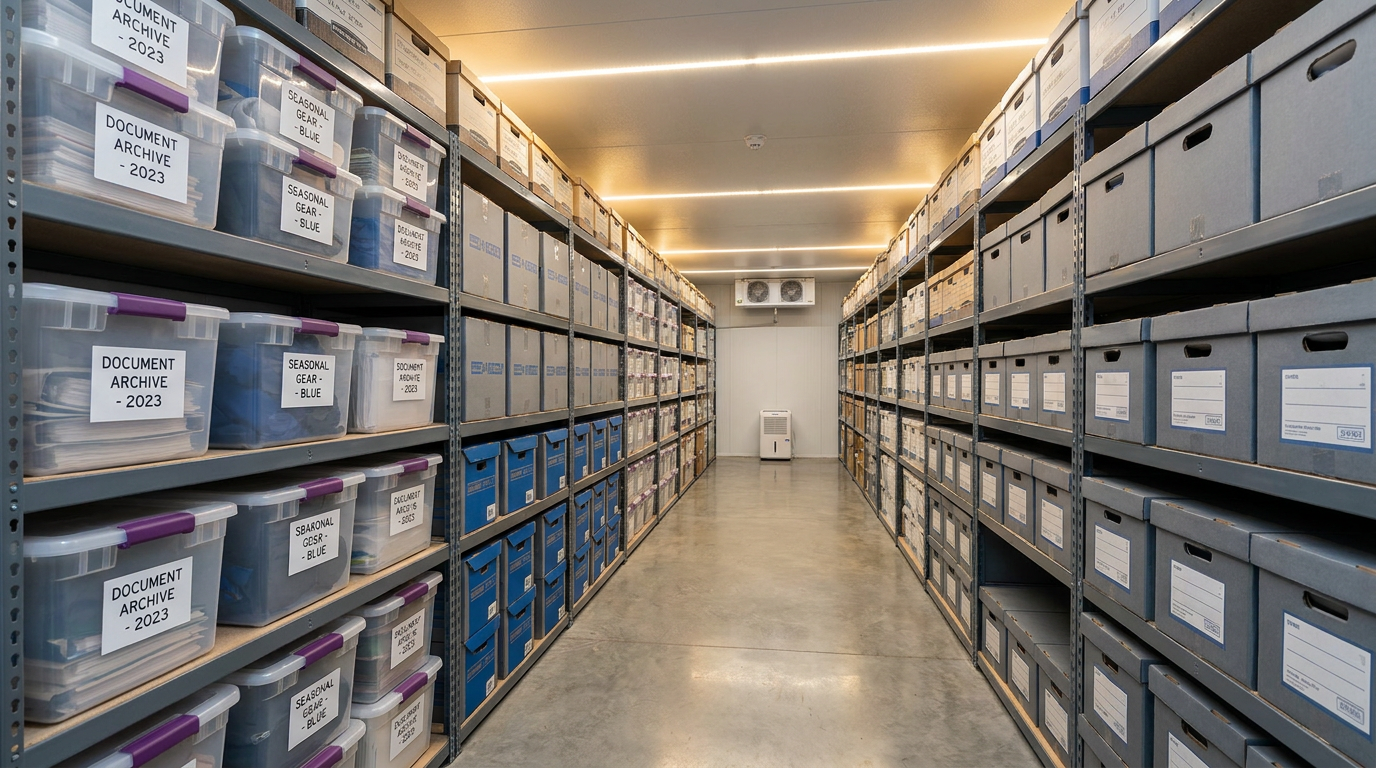
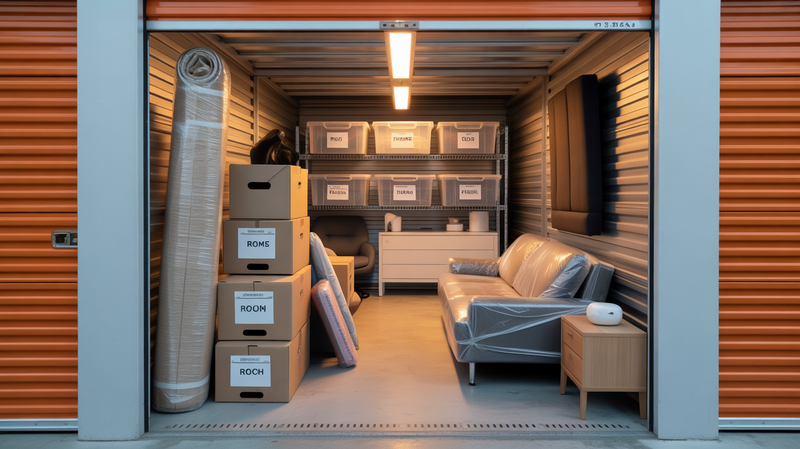
T he best storage unit organization systems for long term storage combine freestanding steel shelving, clear plastic bins, vertical stacking strategies, and climate control to protect belongings for 1 to 10+ years. A well-organized 10x10 unit can hold the contents of a three-bedroom home when properly configured with shelves, labeled containers, and a center aisle for access.
| Key Points: | |
|---|---|
| • | Steel wire shelving units ($50 to $150 each) maximize vertical space and keep items off concrete floors |
| • | Climate-controlled units maintaining 55 to 80 degrees Fahrenheit prevent damage to electronics, wood furniture, and documents |
| • | Zone-based layouts with a 2 to 3 foot center aisle allow access to all items without unstacking boxes |
| • | Clear plastic bins with silica gel packets protect contents from humidity for storage periods exceeding 12 months |
| • | Inventory management apps like Sortly or Encircle reduce retrieval time by 60% compared to unlabeled systems |
Why Long Term Storage Requires Different Organization
Short term storage lasting 1 to 6 months allows for quick, temporary solutions. Long term storage units holding items for 1 to 10+ years demand systematic organization that prevents deterioration, enables periodic access, and maintains item condition across seasons. According to the Self Storage Association's industry research, 65% of long term storage customers access their units at least quarterly, making accessibility as important as protection.
Mountain climates like Colorado's Vail Valley present unique challenges. Temperature swings from negative 10 degrees Fahrenheit in winter to 90 degrees Fahrenheit in summer stress materials, warp wood, and degrade electronics. Facilities offering climate-controlled storage units maintain consistent conditions that extend item lifespan by 3 to 5 times compared to standard units.
The investment in proper organization pays dividends over time. A $200 shelving system protecting $10,000 worth of furniture and electronics represents a 2% insurance cost that prevents thousands in potential damage.
Essential Shelving Systems for Storage Units
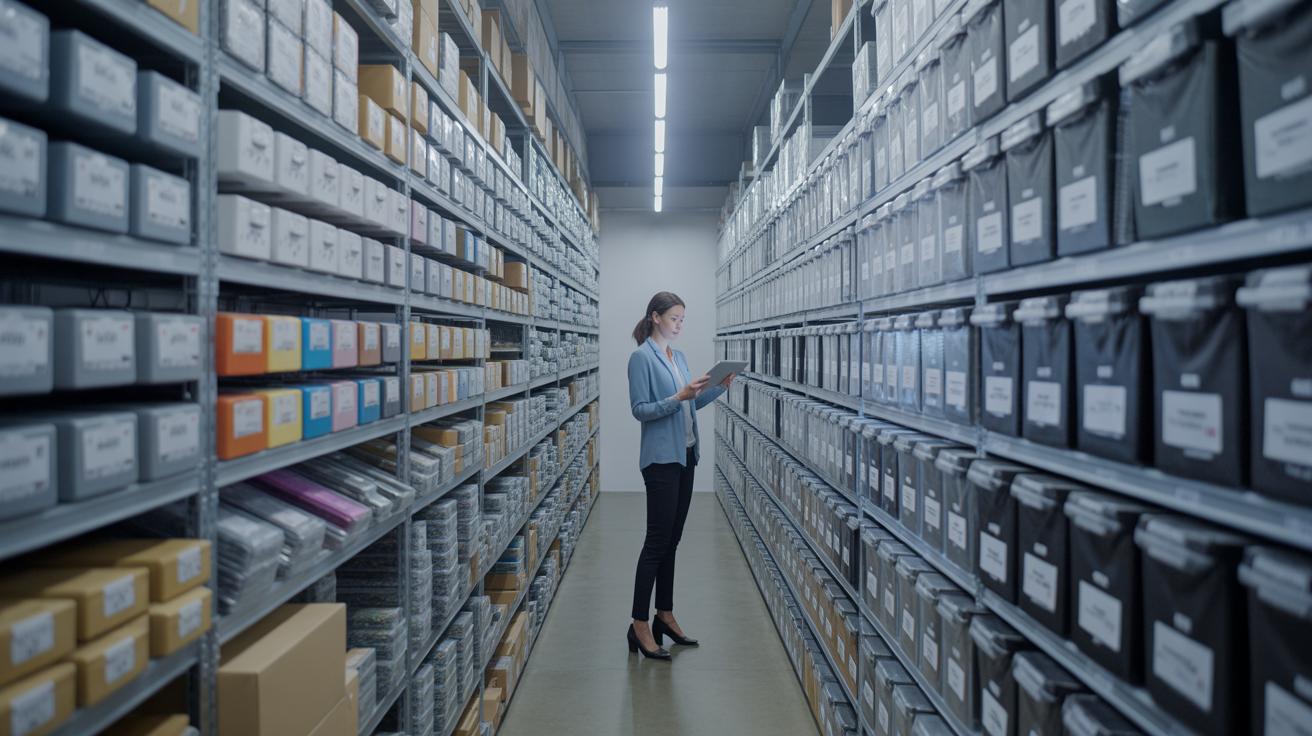
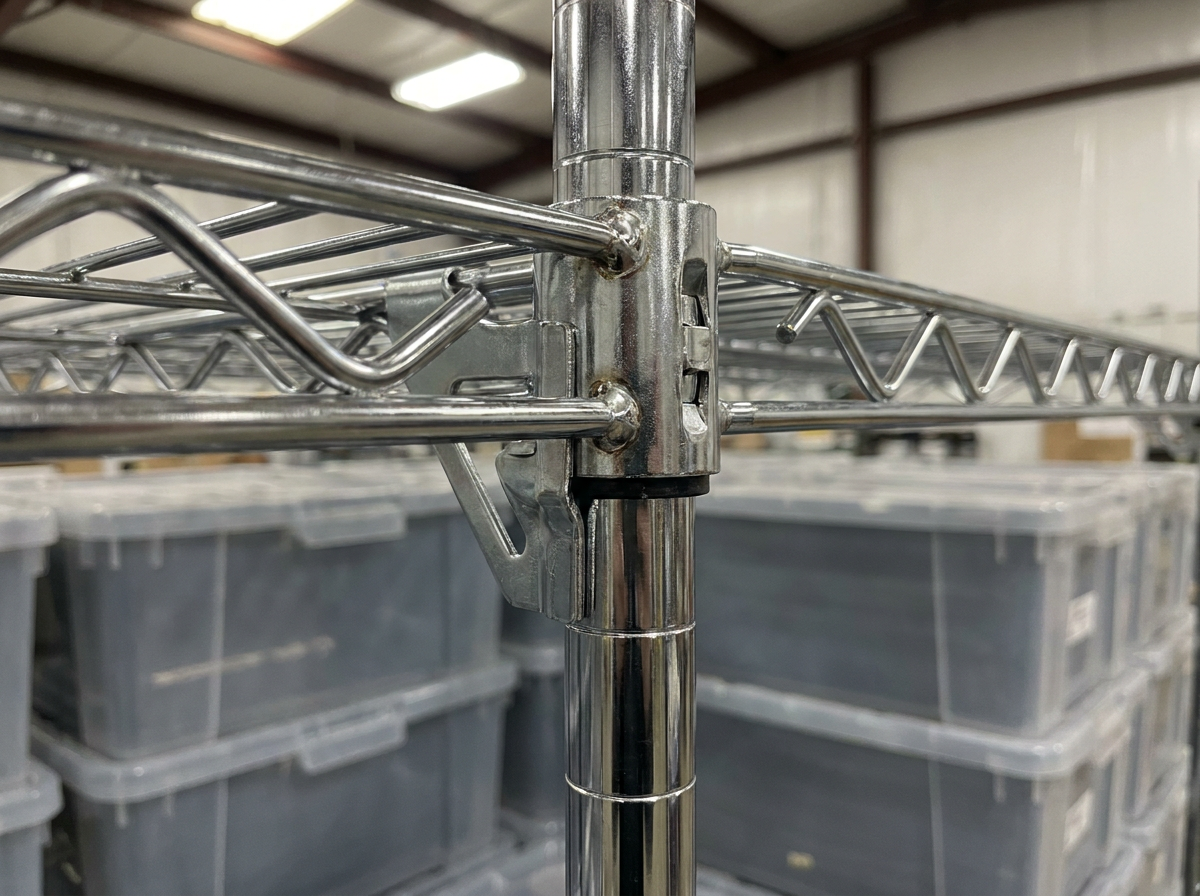
Shelving transforms a storage unit from a stacked pile into an accessible inventory system. The right shelving depends on unit size, item weight, and budget constraints. Heavy-duty steel wire shelving from manufacturers like Gladiator, Husky, and Edsal supports 250 to 500 pounds per shelf and resists rust in humid conditions.
| Shelving Type | Cost Range | Weight Capacity | Best For |
|---|---|---|---|
| Steel Wire Shelving | $50 to $150 | 250 to 500 lbs per shelf | Boxes, bins, medium items |
| Industrial Metal Shelving | $100 to $300 | 500 to 1,000 lbs per shelf | Tools, equipment, heavy items |
| Plastic Ventilated Shelving | $30 to $80 | 100 to 200 lbs per shelf | Lightweight items, humid climates |
| Wooden Pallet Shelving | $20 to $50 (DIY) | 200 to 400 lbs per shelf | Budget-conscious, temporary use |
Position shelving units along the walls, leaving a minimum 24-inch aisle down the center. For a 10x10 unit, two 48-inch wide shelving units on each side wall create 32 linear feet of shelf space across 4 to 5 tiers. This configuration stores approximately 150 medium boxes while maintaining full accessibility.
Zone-Based Layout Strategies
Professional organizers recommend dividing storage units into distinct zones based on access frequency. The Security Public Storage organization guide identifies three primary zones that optimize both space and accessibility for long term storage scenarios.
Rear Zone: Rarely Accessed Items
Place items you will not need for 12+ months against the back wall. Holiday decorations, archived documents, and seasonal furniture belong here. Stack sturdy boxes no more than 5 high with heaviest items on bottom. Use furniture pads between wooden pieces to prevent scratching during the storage period.
Middle Zone: Seasonal Access Items
Items accessed 2 to 4 times yearly occupy the middle section. Ski equipment, camping gear, and seasonal clothing fit this category. Store these on lower shelves or in clearly labeled bins for easy retrieval. Residents storing outdoor gear between seasons benefit from dedicated zones that prevent digging through unrelated items.
Front Zone: Frequently Accessed Items
Keep items needed monthly or more often within arm's reach of the door. Business inventory, rotating seasonal items, and frequently referenced documents belong in this zone. Consider a small folding table near the entrance for sorting and inventory checks during visits.
Container Systems That Protect Long Term
Cardboard boxes degrade over 12 to 24 months, especially in environments with humidity fluctuations. Clear plastic bins from brands like Sterilite, Rubbermaid, and IRIS USA provide superior long term protection at $8 to $25 per container depending on size. The transparency eliminates guesswork during retrieval visits.
For documents and photographs, acid-free archival boxes prevent yellowing and brittleness over decades. The Library of Congress recommends storing paper items in containers meeting ANSI/NISO Z39.48 standards for permanent paper preservation. These specialized boxes cost $15 to $40 but protect irreplaceable items.
Humidity Control Inside Containers
Even in climate-controlled units, moisture can accumulate inside sealed containers. Place 2 to 3 silica gel packets (available in bulk for $15 to $25 per 100 packets) inside each bin. For valuable items like electronics or leather goods, rechargeable dehumidifier containers from Eva-Dry or DampRid maintain optimal humidity levels for 30 to 60 days between recharges.
Vacuum storage bags reduce soft goods volume by 50 to 75% while creating airtight seals. Bedding, clothing, and fabric items stored in vacuum bags resist mold, mildew, and pest infiltration throughout multi-year storage periods.
Inventory Management for Multi-Year Storage
Memory fades over long storage periods. Items stored for 3+ years become difficult to locate without systematic tracking. Digital inventory systems solve this problem while providing insurance documentation if needed.
Apps like Sortly, Encircle, and Home Inventory allow photo documentation with location tags. Create a numbered grid system for your unit (A1, A2, B1, B2) and assign each container a location code. This system reduces average retrieval time from 25 minutes to under 10 minutes according to professional organizer surveys.
Physical Labeling Best Practices
Label all four sides plus the top of each container. Use waterproof markers or printed labels with clear protective covers. Include contents summary, date stored, and zone location. Color-coded labels by category (blue for documents, green for seasonal, red for fragile) enable visual scanning without reading each label.
Maintain a master inventory list both digitally and as a laminated copy stored inside the unit door. Update this list during every visit to track additions and removals accurately.
Climate Control Requirements by Item Type
Not all items require climate control, but many common belongings suffer irreversible damage without temperature and humidity regulation. Understanding when climate-controlled storage is necessary prevents costly mistakes.
| Item Category | Climate Control Needed? | Risk Without Control |
|---|---|---|
| Electronics, computers | Yes, required | Condensation damage, circuit corrosion |
| Wood furniture | Yes, required | Warping, cracking, joint separation |
| Documents, photographs | Yes, required | Yellowing, brittleness, mold growth |
| Leather, fabric | Yes, recommended | Mildew, cracking, discoloration |
| Metal tools, equipment | Optional | Surface rust (preventable with oil coating) |
| Plastic items, toys | Optional | Minimal risk in moderate climates |
Climate-controlled units typically cost 20 to 50% more than standard units. A 10x10 climate-controlled unit runs $74 to $150 monthly compared to $58 to $85 for drive-up units. For items valued over $5,000, the premium represents less than 1% of protected value annually.
Security Features That Matter for Long Term Storage
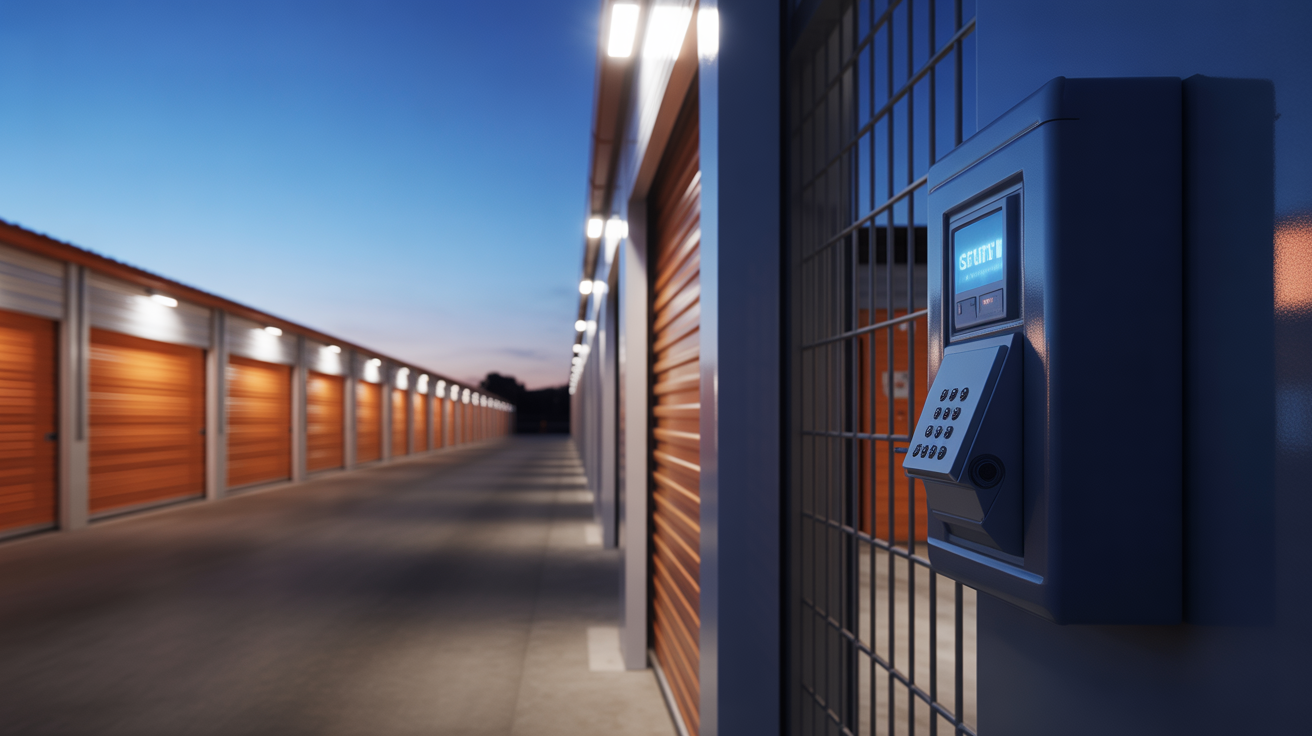
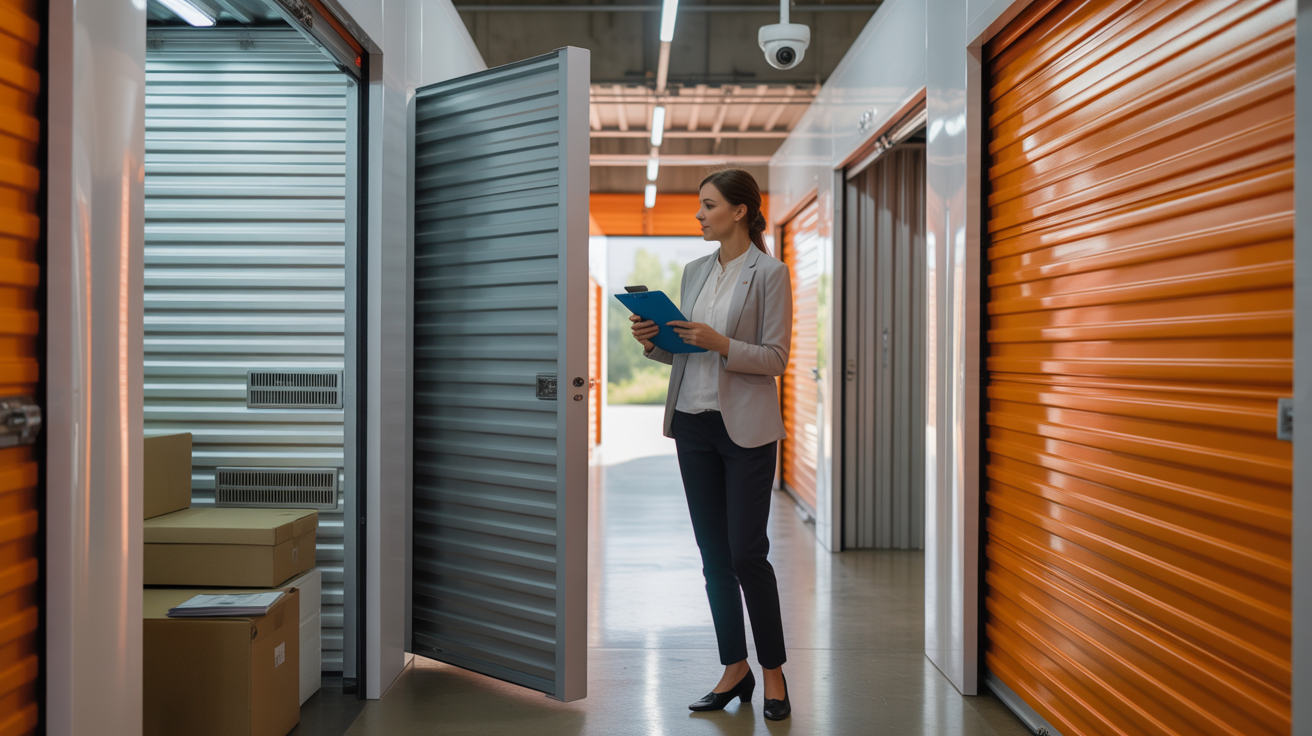
Extended storage periods increase exposure to security risks. Modern facilities address these concerns through layered security systems. According to industry data, facilities with digital access control experience 73% fewer break-in attempts than those using traditional padlocks.
Noke smart lock technology provides smartphone-based access with complete entry logs. Property owners can share digital keys with family members or business partners without physical key duplication. Motion-detection alerts notify owners of any unit access, providing peace of mind during months between visits.
Insurance and Protection Plans
Standard renters or homeowners insurance often excludes items in off-site storage. Tenant protection plans starting at $10 to $15 monthly cover stored belongings against theft, fire, and water damage. For high-value items, consider scheduled personal property endorsements through providers like State Farm, USAA, or Allstate.
Document your stored items with photographs and receipts before placing them in storage. This inventory serves as proof of value for insurance claims and simplifies the claims process if needed.
Unit Size Selection for Long Term Storage
Choosing the right unit size affects both cost and organization potential. Undersized units force dangerous stacking and eliminate accessibility. Oversized units waste money monthly over multi-year periods.
The storage unit size guide provides detailed recommendations based on room equivalents. For long term storage with proper shelving and organization systems, add 20 to 25% to the minimum recommended size to accommodate shelving infrastructure and access aisles.
| Unit Size | Square Feet | Ideal For | Monthly Cost Range |
|---|---|---|---|
| 5x5 | 25 sq ft | Seasonal items, 10 to 15 boxes | $37 to $62 |
| 5x10 | 50 sq ft | Studio apartment, small furniture | $37 to $125 |
| 10x10 | 100 sq ft | 1 to 2 bedroom apartment | $58 to $74 |
| 10x15 | 150 sq ft | 2 to 3 bedroom home | $85 to $225 |
| 10x20 | 200 sq ft | 3 to 4 bedroom home, vehicles | $325 to $389 |
Maintenance Schedule for Long Term Units
Set calendar reminders to visit your storage unit every 90 days minimum. These visits allow inspection for moisture intrusion, pest activity, and container integrity. Replace silica gel packets, check for box deterioration, and verify climate control systems are functioning.
During visits, rotate items that may settle or compress over time. Flip mattresses stored on edge, adjust furniture covers, and inspect electronics for condensation. Document unit condition with dated photographs for insurance records.
Seasonal Considerations in Mountain Climates
Eagle County and the Vail Valley experience dramatic seasonal shifts. Schedule visits before and after winter to verify heating systems protected items during sub-zero periods. Summer visits confirm cooling systems prevented heat damage during 80 to 90 degree Fahrenheit peaks.
Facilities with 24/7 access capabilities allow flexibility for these maintenance visits regardless of work schedules or travel plans.
Frequently Asked Questions
How long can items stay in a storage unit?
Items can remain in storage indefinitely with proper organization and climate control. Most facilities offer month-to-month leases with no maximum duration. Climate-controlled units protect sensitive items for 10+ years when properly maintained. Standard units work well for durable goods stored 1 to 5 years depending on local climate conditions.
What shelving works best in storage units?
Heavy-duty steel wire shelving provides the best combination of durability, ventilation, and value for storage units. Units from Gladiator, Husky, and Edsal support 250 to 500 pounds per shelf and resist rust. Avoid wooden shelving in non-climate-controlled units as humidity causes warping and mold growth over time.
Should I use cardboard or plastic bins for long term storage?
Plastic bins outperform cardboard for any storage exceeding 12 months. Cardboard absorbs moisture, attracts pests, and degrades structurally within 1 to 2 years. Clear plastic bins from Sterilite or Rubbermaid cost $8 to $25 each but provide decades of protection while allowing visual inventory without opening.
How do I prevent mold in long term storage?
Prevent mold through three strategies: climate-controlled units maintaining 55 to 80 degrees Fahrenheit, silica gel packets inside containers (2 to 3 per bin), and adequate airflow around items. Never store wet or damp items, and avoid plastic sheeting directly on floors as it traps moisture underneath.
What items should never go in long term storage?
Avoid storing perishable food, flammable materials, live plants, and unregistered vehicles in storage units. Hazardous materials including propane tanks, gasoline, and certain chemicals violate facility policies and create safety risks. Valuable items requiring specific insurance coverage may need specialized storage solutions.
|