Storage Unit Size Guide for Vail Valley Homes and Condos |
| STORAGE UNIT SIZE GUIDE FOR VAIL VALLEY HOMES AND CONDOS
⏱ 12 min read ·
📄 #2,212 words
Find the right storage unit size for your Vail Valley home or condo. Compare 5x5 to 10x30 units with specific recommendations for mountain property types.
|
V ail Valley homeowners typically need 50 to 200 square feet of storage, with condo owners averaging 5x10 units (50 sq ft) and single-family homes requiring 10x15 to 10x20 units (150 to 200 sq ft). The right size depends on your property type, seasonal gear collection, and whether you need space for skis, bikes, furniture, or vehicle storage.
| Key Points: | |
|---|---|
| • | Studio and 1-bedroom condos: 5x5 to 5x10 units ($24 to $125/month) hold seasonal gear and small furniture |
| • | 2-bedroom condos and townhouses: 10x10 units ($58 to $74/month) fit contents of a full apartment |
| • | 3+ bedroom homes: 10x15 to 10x20 units ($85 to $345/month) accommodate furniture, appliances, and recreational equipment |
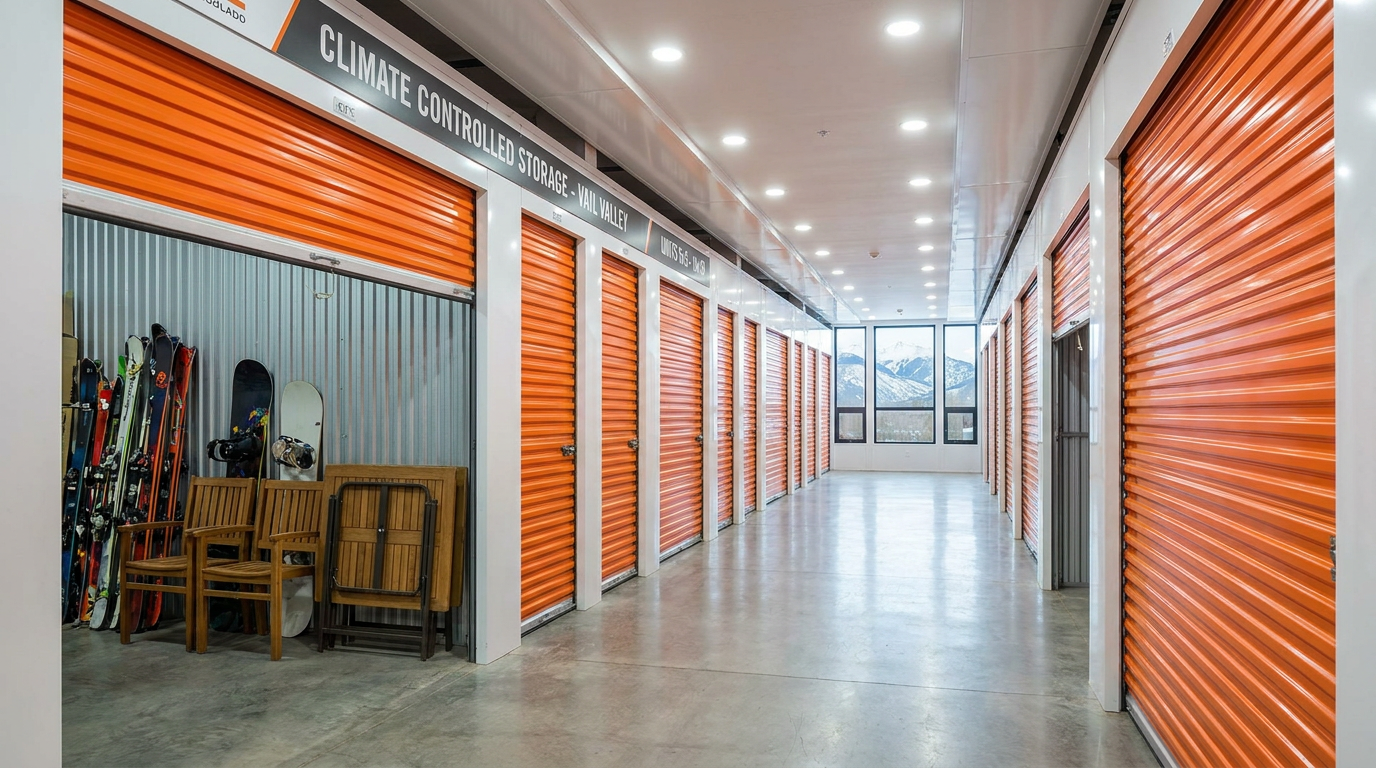
| • | Climate control is essential in Eagle County where temperatures range from -20°F to 95°F annually |
| • | Drive-up units with power ($299 to $405/month) work best for storing ATVs, snowmobiles, and large outdoor gear |
Why Vail Valley Properties Have Unique Storage Needs
Mountain living creates storage challenges that coastal or urban residents rarely face. According to the Extra Space Storage size guide, the average American household needs about 10x10 of storage space. Vail Valley residents typically need 25 to 40 percent more due to seasonal recreation equipment, multiple sets of outdoor gear, and limited closet space in mountain condos built before 2000.
Eagle County's real estate mix includes everything from 400-square-foot lock-off condos in Vail Village to 5,000-square-foot homes in Cordillera. Each property type presents different storage requirements based on square footage, HOA restrictions, and whether the property serves as a primary residence or vacation rental.
Seasonal residents face additional complexity. A Beaver Creek condo owner who visits eight weeks per year needs year-round storage for skis, boots, and cold-weather clothing. Full-time Edwards residents might store summer bikes and paddleboards during ski season, then swap for winter gear in May.
Storage Unit Sizes for Vail Valley Condos
Condos represent approximately 60 percent of residential properties in the Vail Valley, according to Eagle County Assessor records. Most were built between 1970 and 2000 with minimal storage space, creating consistent demand for off-site solutions.
Studio and 1-Bedroom Condos (Under 800 sq ft)
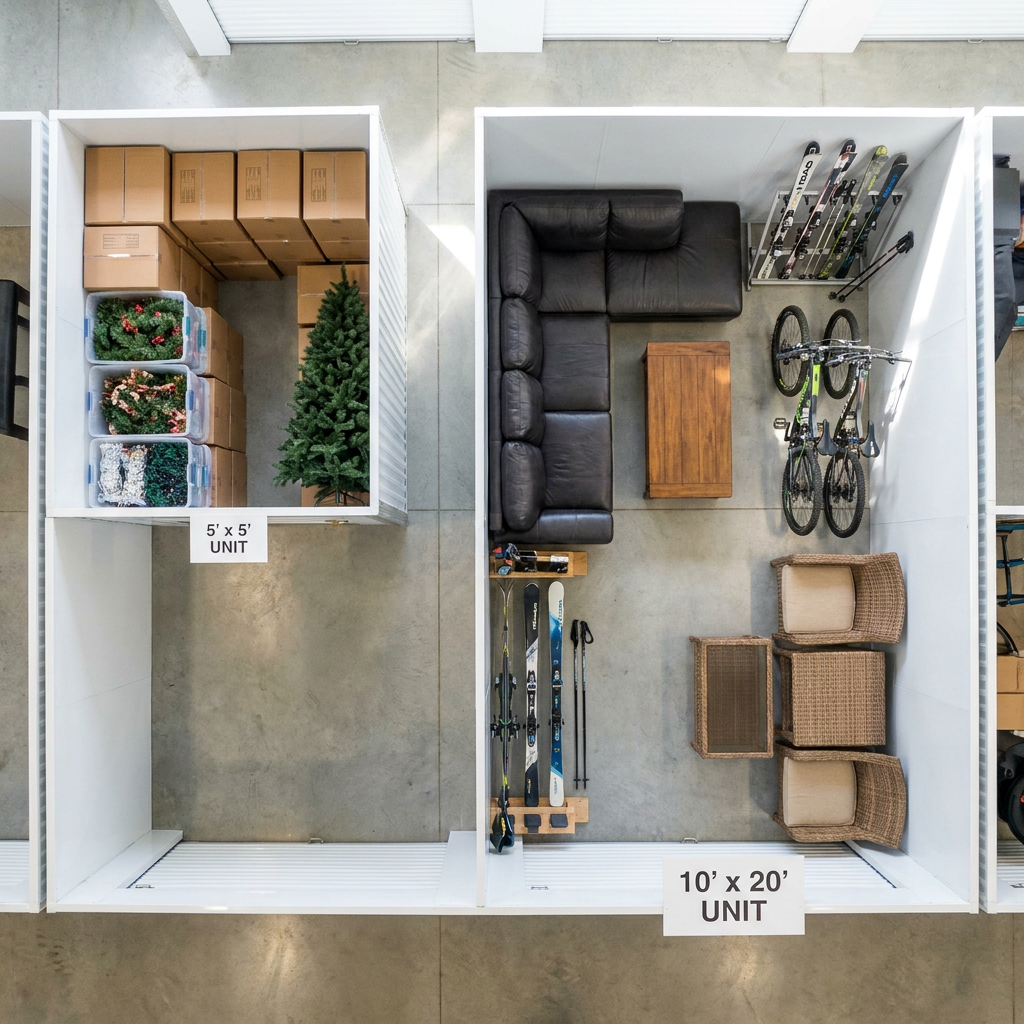
A 5x5 climate-controlled unit provides 25 square feet, enough for 10 to 15 moving boxes, two pairs of skis with boots, a bike, and seasonal clothing. This size works well for studio owners in Lionshead or West Vail who need to store off-season items without breaking their budget at $24 to $37 per month.
Upgrade to a 5x10 unit (50 sq ft) if you own a full bedroom set you need to rotate for Airbnb rentals, or if your gear collection includes both alpine and Nordic equipment. The our size guide notes that 5x10 units typically hold the contents of a small studio apartment.
2-Bedroom Condos and Townhouses (800 to 1,500 sq ft)
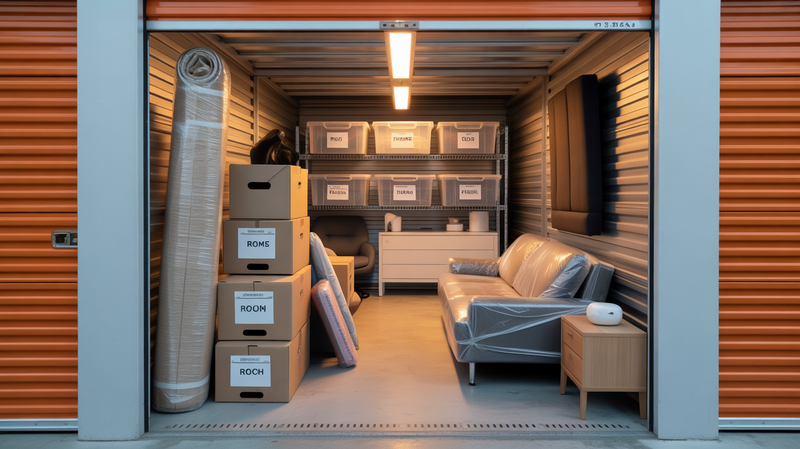
Two-bedroom properties in Avon, Eagle-Vail, and Edwards typically require 10x10 units (100 sq ft) for comprehensive storage. This size accommodates a queen bed frame, mattress, dresser, small sofa, 20 to 30 boxes, and a full family's worth of seasonal gear. Our complete guide to storage unit sizes for 2-bedroom apartments provides detailed room-by-room calculations.
Townhouse owners with attached garages often need less indoor storage but more space for items that cannot handle temperature extremes. A 10x10 climate-controlled unit at $74 per month protects furniture, electronics, and documents while the garage handles bikes and bulky outdoor equipment.
3-Bedroom Condos and Large Townhouses (1,500+ sq ft)
Larger condos in complexes like Seasons at Avon or Riverfront townhomes in Edwards benefit from 10x15 units (150 sq ft). This size holds the contents of a 2-bedroom home plus additional recreational equipment, making it ideal for families who rotate furniture seasonally or store items during renovation projects.
| Condo Type | Recommended Size | Square Feet | Monthly Cost | Best For |
|---|---|---|---|---|
| Studio | 5x4 or 5x5 | 20-25 sq ft | $24-$37 | Seasonal gear, boxes |
| 1-Bedroom | 5x10 | 50 sq ft | $37-$125 | Furniture + gear |
| 2-Bedroom | 10x10 | 100 sq ft | $58-$74 | Full apartment contents |
| 3-Bedroom | 10x15 | 150 sq ft | $85-$94 | Home contents + recreation |
Storage Unit Sizes for Single-Family Homes
Single-family homes in communities like EagleVail, Homestead, Berry Creek, and Wildridge present different storage calculations than condos. Larger square footage means more furniture, while attached garages often fill with vehicles rather than storage items.
2 to 3-Bedroom Homes (1,200 to 2,000 sq ft)
Entry-level single-family homes in Eagle, Gypsum, and Wolcott typically need 10x15 to 10x17 units. These sizes (150 to 170 sq ft) accommodate living room furniture, bedroom sets, appliances, and 30 to 50 boxes. Homeowners downsizing, renovating, or staging for sale find this range provides adequate space without paying for unused capacity.
A 10x15 drive-up unit with lights at $85 per month offers ground-level access for heavy items like mattresses, dressers, and exercise equipment. The built-in lighting makes evening access practical during short winter days when sunset arrives before 5 PM.
3 to 4-Bedroom Homes (2,000 to 3,500 sq ft)
Mid-size homes in Edwards, Singletree, and Cordillera require 10x20 units (200 sq ft) for comprehensive storage. According to SpareFoot's storage guide, a 10x20 unit holds the contents of a 3-bedroom home, including major appliances and outdoor furniture.
Drive-up units with power outlets ($345/month for 10x20) allow you to maintain battery-powered equipment like cordless tools, lawn equipment, and recreational vehicles during storage. The power access proves particularly valuable for mountain residents storing snowblowers, ATVs, or electric bikes.
Large Homes and Estates (3,500+ sq ft)
Properties in Beaver Creek, Bachelor Gulch, and upper Cordillera often require 10x25 or 10x30 units (250 to 300 sq ft). These sizes accommodate multiple bedroom sets, full living and dining room furniture, large appliances, and extensive recreational equipment collections.
A 10x30 drive-up unit with power and lights at $299 per month serves as a practical extension of a large home's storage capacity. Estate owners frequently use these units for furniture rotation, art storage during renovation, or consolidating items from multiple properties.
How to Calculate Your Exact Storage Needs
The room-by-room method provides the most accurate storage estimate for Vail Valley properties. Start by listing every item you plan to store, then calculate cubic footage rather than just floor space.
Step 1: Inventory Your Items
Walk through your property and photograph or list items destined for storage. Common categories for mountain homes include seasonal furniture (patio sets, outdoor cushions), recreational gear (skis, snowboards, bikes, kayaks), holiday decorations, off-season clothing, and items being held for future use or sale.
The Move.org storage calculator suggests allowing 1.5 cubic feet per small box, 3 cubic feet per medium box, and 4.5 cubic feet per large box. Add specific dimensions for furniture and large items.
Step 2: Calculate Cubic Footage
Storage units in Gypsum typically have 8 to 10-foot ceilings, providing significant vertical space. A 10x10 unit with 8-foot ceilings offers 800 cubic feet of storage, not just 100 square feet. Stacking boxes and using vertical space effectively can reduce your required unit size by 20 to 30 percent.
For furniture-heavy storage, plan on using only 60 to 70 percent of vertical space due to irregular shapes. Gear-heavy storage with uniform boxes can utilize 80 to 90 percent of available volume.
Step 3: Add Buffer Space
Include 10 to 15 percent additional space for access aisles, future additions, and comfortable loading. A unit packed to capacity becomes difficult to access and may require complete reorganization to retrieve a single item. Our storage unit size guide includes visual references for each unit size.
Climate Control Requirements for Mountain Storage
Eagle County experiences temperature extremes that damage sensitive items stored in non-climate-controlled environments. Winter temperatures regularly drop below 0°F, while summer days can exceed 90°F. This 100+ degree annual swing causes wood to crack, leather to dry, electronics to fail, and photographs to deteriorate.
Climate-controlled units at Vail Airport Storage maintain temperatures between 55°F and 80°F year-round. Learn exactly what climate-controlled storage means and when the additional cost makes sense for your belongings.
Items Requiring Climate Control
Wood furniture, musical instruments, wine collections, artwork, photographs, electronics, leather goods, and important documents all require climate-controlled storage in mountain environments. Antiques, collectibles, and items with sentimental value that cannot be replaced also warrant the additional protection.
Ski equipment presents a nuanced case. While skis and snowboards tolerate cold temperatures, the bindings, boots, and clothing stored alongside them benefit from climate control. Boot liners and helmet padding degrade faster in extreme temperature cycles.
Items Safe for Standard Storage
Metal tools, plastic containers, outdoor furniture designed for weather exposure, camping equipment (tents, sleeping bags rated for cold), and vehicles can typically tolerate non-climate-controlled storage. Drive-up units provide convenient access for these items at lower monthly costs.
| Storage Type | Temperature Range | Best For | Price Range |
|---|---|---|---|
| Climate-Controlled Indoor | 55-80°F | Furniture, electronics, documents | $24-$389/mo |
| Drive-Up Standard | Ambient (-20 to 95°F) | Tools, outdoor gear, vehicles | $37-$519/mo |
| Drive-Up with Power | Ambient | Vehicles, battery maintenance | $299-$405/mo |
Seasonal Storage Strategies for Vail Valley Residents
Mountain residents often benefit from seasonal rotation strategies that maximize storage efficiency. Rather than maintaining a large unit year-round, some homeowners adjust their storage footprint based on what equipment is in active use.
Winter Season (November through April)
Store summer items including bikes, paddleboards, patio furniture, and warm-weather clothing. A family of four with extensive summer gear might need a 10x10 unit during winter months. Follow our seasonal gear storage guide to protect your equipment between seasons.
Summer Season (May through October)
Store winter items including skis, snowboards, boots, cold-weather clothing, and snow removal equipment. The same family might downsize to a 5x10 unit since winter gear typically occupies less volume than summer recreational equipment.
Year-Round Storage
Vacation property owners and seasonal residents often maintain consistent storage year-round. A 10x15 unit provides space for both seasonal rotations without requiring multiple moves. The convenience of single-location storage often outweighs the cost savings of seasonal adjustments.
Special Considerations for Vacation Property Owners
Second homeowners in Vail, Beaver Creek, and surrounding areas face unique storage decisions. Properties rented through Airbnb, VRBO, or local property managers often require furniture and decor changes based on rental performance and guest feedback.
Rental Property Staging
Successful vacation rentals in the Vail Valley rotate decor seasonally and update furnishings every 3 to 5 years. A 10x10 climate-controlled unit provides space to store off-season decor, backup furniture for quick replacements, and items being phased out of the rental inventory.
Personal Items During Rental Periods
Owners who rent their properties but visit occasionally need secure storage for personal items that should not remain in the rental. A 5x5 or 5x7 climate-controlled unit ($37 to $62/month) holds clothing, personal documents, family photographs, and valuables during rental periods.
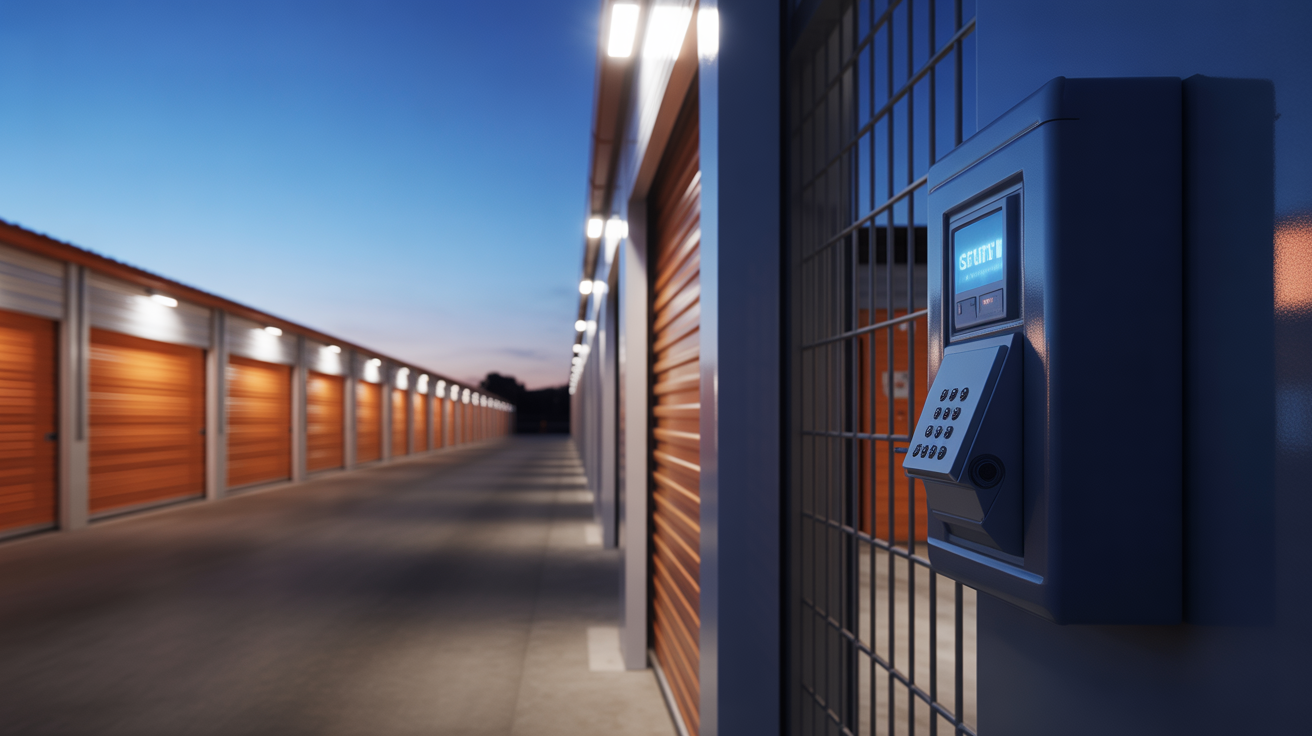
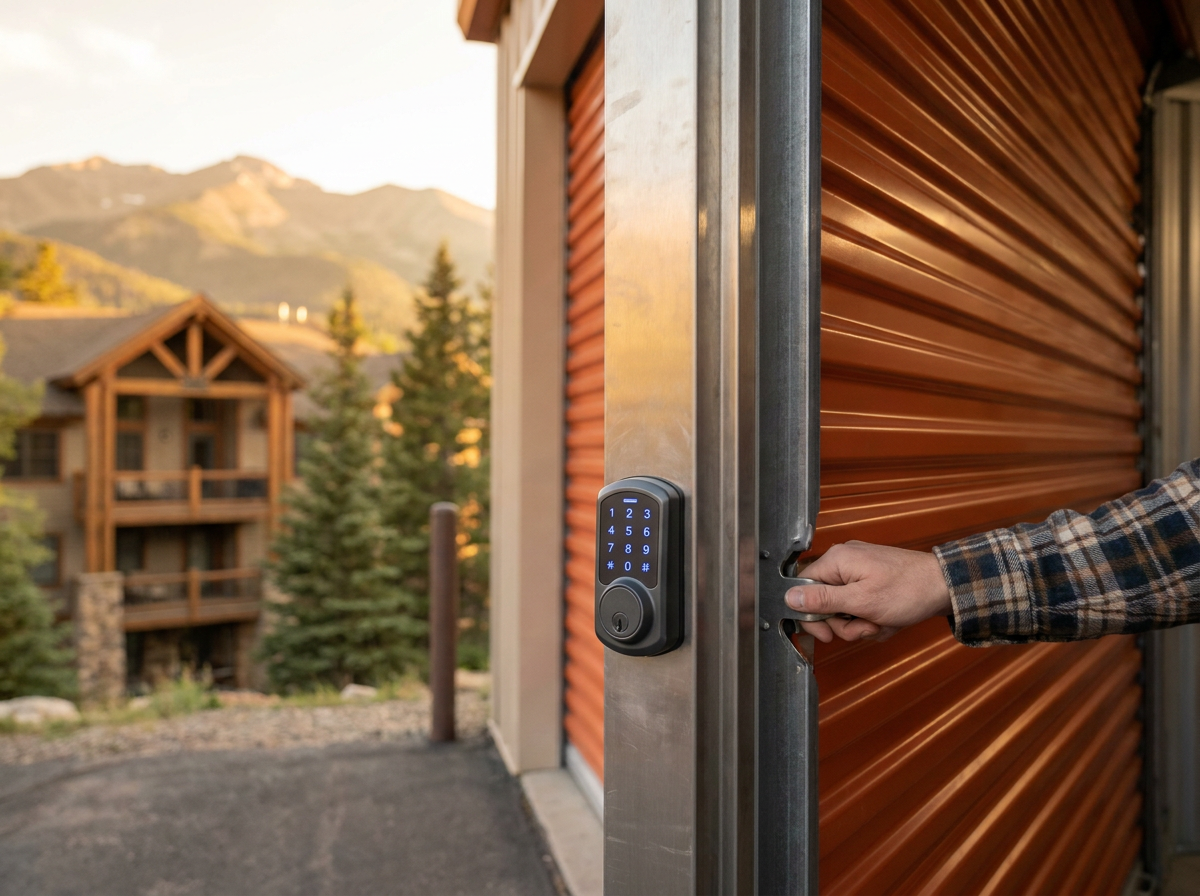
With Noke smart lock technology, property owners can grant temporary access to property managers or family members without sharing physical keys. The digital access log tracks every entry, providing security and accountability.
Frequently Asked Questions
How do I determine what size storage unit I need?
Calculate the cubic footage of items you plan to store, then match to available unit sizes. A 10x10 unit with 8-foot ceilings provides 800 cubic feet. For furniture storage, plan on using 60 to 70 percent of vertical space. For boxes and uniform items, you can utilize 80 to 90 percent. Add 10 to 15 percent buffer for access aisles.
Can a 10x20 storage unit hold a 3-bedroom house?
Yes, a 10x20 unit (200 sq ft, approximately 1,600 cubic feet) holds the contents of most 3-bedroom homes including furniture, appliances, and boxes. Homes larger than 2,500 square feet or those with extensive recreational equipment may require a 10x25 or 10x30 unit.
What size storage unit do I need for a 2-bedroom condo?
A 10x10 unit (100 sq ft) accommodates the complete contents of a 2-bedroom condo, including bedroom furniture, living room pieces, and 20 to 30 boxes. If storing only seasonal items and gear while keeping furniture in the condo, a 5x10 unit provides adequate space at lower cost.
Will a 5x10 storage unit hold a king-size mattress?
Yes, a 5x10 unit holds a king-size mattress stored on its side, plus a box spring, bed frame, and additional furniture or boxes. The unit measures 5 feet wide by 10 feet deep, and a king mattress measures approximately 6.5 feet by 6.5 feet, fitting comfortably when positioned vertically against the wall.
Choosing Between Condo Storage and Single-Family Home Storage
The decision between a condo versus a house in the Vail Valley often comes down to lifestyle preferences and maintenance responsibilities. Storage needs follow similar patterns. Condo owners typically store seasonal items and overflow belongings, while homeowners often need space for larger equipment, furniture during renovations, and items accumulated over longer ownership periods.
Townhouse owners occupy a middle ground between condo and house storage requirements. The condo versus townhouse comparison often highlights shared walls and HOA restrictions that limit on-site storage options, pushing more items to off-site facilities.
For detailed information about available unit sizes and current pricing, visit our complete size guide or contact our team at (970) 200-8540 for personalized recommendations based on your specific property and storage needs.
|